

Kasalong Reserve Forest: A Sanctuary of Untamed Beauty
Discover the unspoiled beauty of Kasalong Reserve Forest, a haven for nature lovers with diverse flora, fauna, and serene landscapes in the heart of Bangladesh.
Escape into the heart of Bangladesh's wilderness at Kasalong Reserve Forest, a sprawling protected area near Lungtian. This biodiverse haven offers a respite from the everyday, inviting visitors to immerse themselves in its lush landscapes and discover its hidden treasures. Home to diverse flora and fauna, including rare bird species and endangered mammals, Kasalong is a paradise for nature enthusiasts, hikers, and birdwatchers. Explore winding trails, breathe in the fresh air, and witness the serene beauty of this untouched wilderness. While facilities are limited, the raw, authentic experience of connecting with nature makes Kasalong Reserve Forest a truly unforgettable destination, offering a glimpse into the region's rich natural heritage and the importance of its conservation.
A brief summary to Kasalong Reserve Forest
- H4CX+RR, Lungtian, BD
Local tips
- Visit early in the morning for the best chances of spotting wildlife.
- Bring plenty of water and snacks as facilities are limited within the reserve.
- Wear sturdy hiking shoes to navigate the trails comfortably.
- Consider a guided tour to enhance your understanding of the local ecosystem.
- Respect the wildlife and maintain a safe distance from animals.

Getting There
-
Driving
The most practical way to reach Kasalong Reserve Forest is by car from Sajek Valley. Ensure you have a reliable vehicle suitable for rough terrain. Start from the main area of Sajek Valley and head towards Lungtian village, following road signs. The journey takes approximately 30-40 minutes, depending on road conditions. Upon reaching Lungtian, use GPS coordinates 23.572030, 92.149537 to guide you. Continue until you see signs for Kasalong Reserve Forest. Parking is available at a designated area near the entrance.
-
Public Transport
For budget travelers, public transport is an option. From the main bus stop in Sajek Valley, look for local buses or shared vans heading to Lungtian, typically found near the market area. The fare ranges from 50-100 BDT per person. Upon arrival in Lungtian, hire a local rickshaw or motorcycle taxi to Kasalong Reserve Forest. Negotiate the fare beforehand, approximately 100-200 BDT. Provide the driver with GPS coordinates 23.572030, 92.149537 to guide them to the reserve entrance.
-
Walking
Adventurous and fit travelers can walk from Lungtian to Kasalong Reserve Forest. From Lungtian, follow the marked path leading to the forest, which takes about 1 to 1.5 hours on foot. Use GPS coordinates 23.572030, 92.149537 for navigation. Ensure you have sufficient water, snacks, and proper hiking gear, as the path can be uneven. This option is not recommended for inexperienced trekkers.
Discover more about Kasalong Reserve Forest
Iconic landmarks you can’t miss

Kasalong Reserve Forest
0.0 km
Discover the unspoiled beauty of Kasalong Reserve Forest, a haven for nature lovers with diverse flora, fauna, and serene landscapes in the heart of Bangladesh.
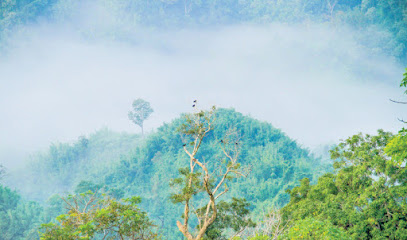
Sampari Resort
25.1 km
Experience tranquility and breathtaking views at Sampari Resort, your perfect escape in Sajek Valley, Bangladesh. A haven for nature lovers.
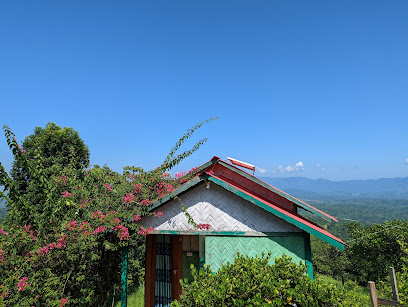
Sajek Hill View Resort
25.1 km
Experience breathtaking views and tranquility at Sajek Hill View Resort, your gateway to the 'Queen of Hills' in Bangladesh.
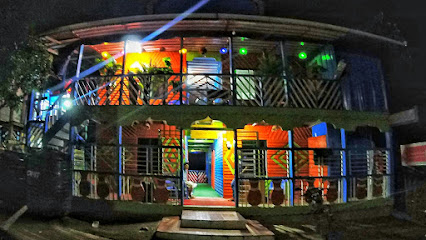
Meghpunji Resort, Sajek
25.3 km
Escape to Meghpunji Resort in Sajek Valley for a tranquil retreat amidst stunning hills, lush greenery, and panoramic views.
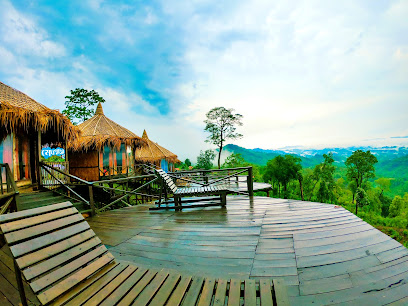
Jumghor Eco Resort
25.4 km
Escape to Jumghor Eco Resort in Sajek Valley: Where nature meets tranquility and sustainable comfort in the heart of Bangladesh's hill country.
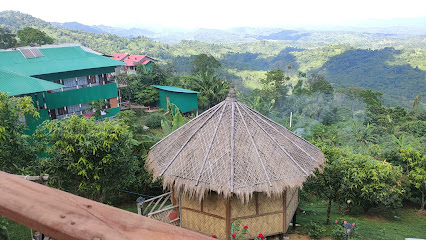
Relax Sajek Resort
25.4 km
Escape to Relax Sajek Resort: Experience breathtaking landscapes, serene ambiance, and authentic cultural experiences in the Queen of Hills.
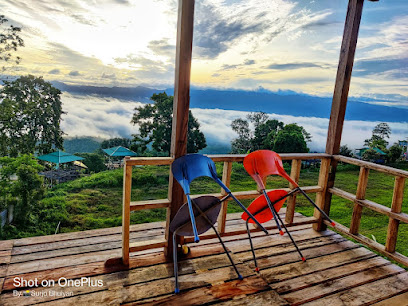
Toruchaya Eco Resort, Sajek valley
25.6 km
Escape to Toruchaya Eco Resort in Sajek Valley for breathtaking views, serene nature, and a tranquil retreat away from the city.
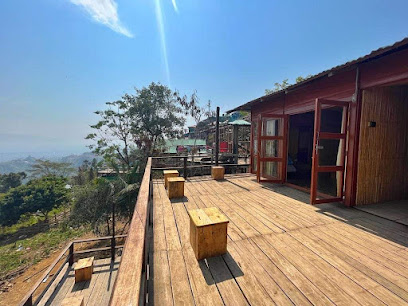
Sajek Eco Cottage
25.7 km
Escape to Sajek Eco Cottage: Discover breathtaking views, immerse in local culture, and experience tranquility in the heart of Bangladesh's 'Queen of Hills'.
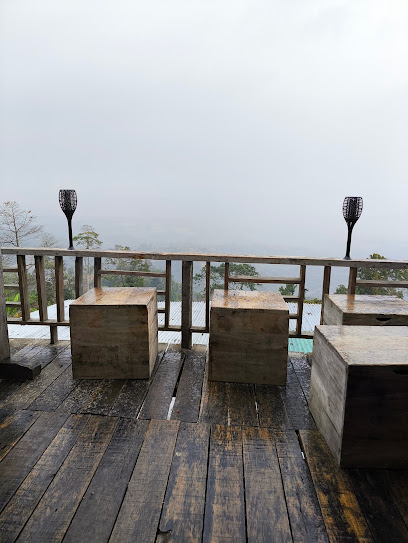
Konglak pahar sajek
25.8 km
Discover Konglak Pahar, Sajek Valley's highest peak, offering breathtaking panoramic views, cultural immersion, and a tranquil escape into Bangladesh's natural beauty.
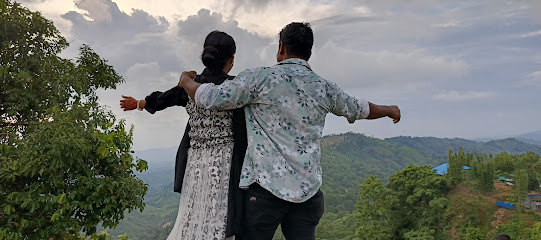
Megh Machang
25.8 km
Experience breathtaking views and serene tranquility at Megh Machang in Sajek Valley, a hilltop haven amidst rolling hills, lush greenery, and captivating clouds.
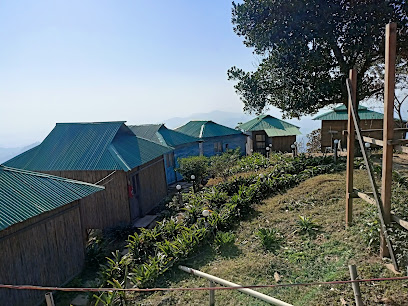
dighinala best beautiful place Udal Bagan
30.4 km
Explore Udal Bagan, a stunning historical landmark in Dighinala, where nature's beauty meets rich cultural heritage.
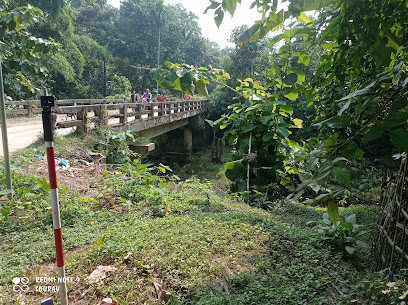
রিয়াংদেশ "ReangDesh"
33.0 km
Discover the enchanting রিয়াংদেশ ReangDesh in Babuchara: A historical landmark offering breathtaking landscapes, serene environments, and a rich cultural heritage experience in Bangladesh.
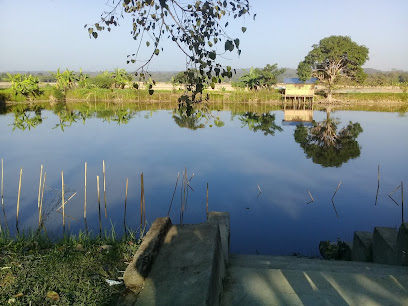
Khuangchera Pûk, Ailawng
49.5 km
Explore Khuangchera Pûk, a historical landmark in Ailawng, Mizoram, where rich culture and serene landscapes blend for an unforgettable experience.
Six Miles
56.3 km
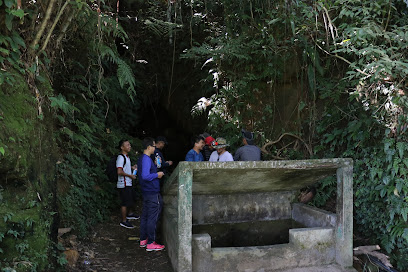
Experience Aizawl's culinary charm at Six Miles: cozy ambiance, diverse menu, and stunning views await on Tanhril Road. A must-visit dining destination!
Alutila Tourist Centre
57.4 km
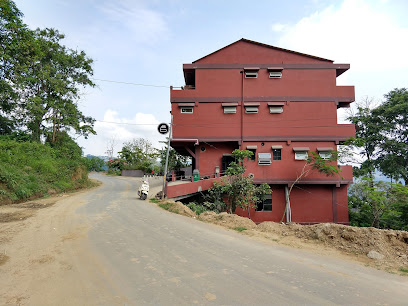
Discover Khagrachhari's beauty at Alutila Tourist Centre: panoramic views, mysterious caves, and thrilling adventures await!
Unmissable attractions to see

Thonglang Pahad
22.2 km
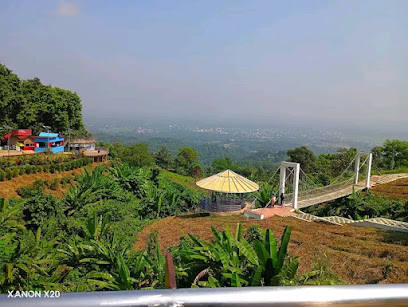
Discover Thonglang Pahad: A tranquil escape with lush greenery, panoramic views, perfect for trekking and serene picnics.
Konglak Pahar
22.7 km
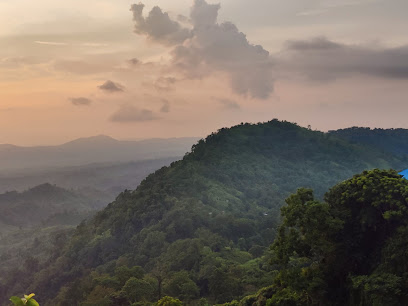
Discover Konglak Pahar: Sajek Valley's highest peak with stunning views, cultural immersion, and tranquil natural beauty.
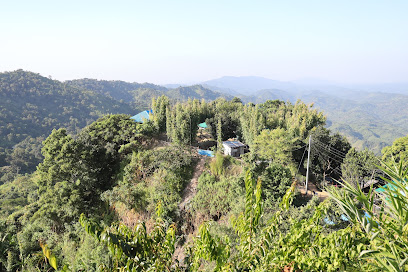
Konglak Hill Top
22.7 km
Ascend to Sajek's highest peak for panoramic views, cultural immersion, and unforgettable sunrise experiences amidst the clouds and vibrant communities.
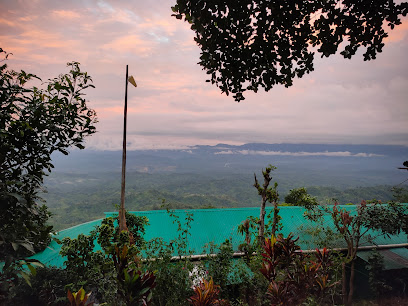
Nufta Sara Hill Top
22.7 km
Experience the serene beauty of Nufta Sara Hill Top in Sajek Valley, offering panoramic views and a tranquil escape in the heart of Bangladesh.
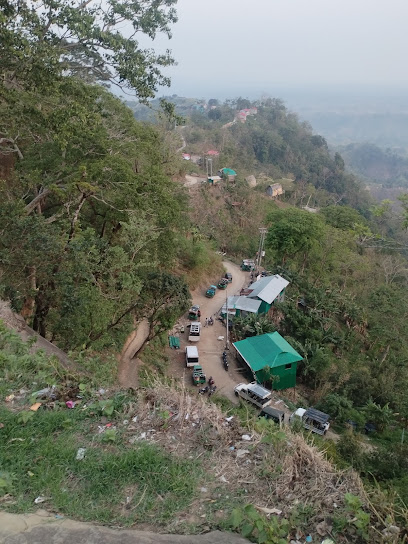
কংলাক পাহাড়ের চূড়া
22.7 km
Ascend to Sajek Valley's highest peak for breathtaking views, cultural immersion, and a serene connection with nature.
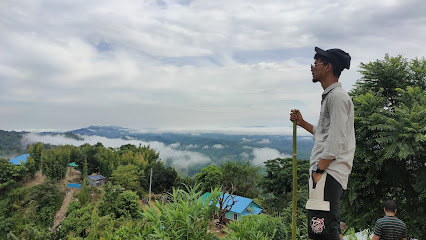
Keisalam chhuah, Dampa Tiger Reserve
22.8 km
Discover Mizoram's wild side: Keisalam Chhuah, your gateway to the Dampa Tiger Reserve and its untouched natural beauty.
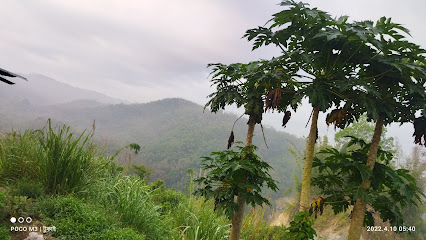
কংলাক ত্রিপুরা পাহাড়
22.8 km
Discover the scenic beauty of Kanglasha Tripura Hill, a hiking area offering panoramic views and a refreshing escape into nature's tranquility in the heart of Tripura.
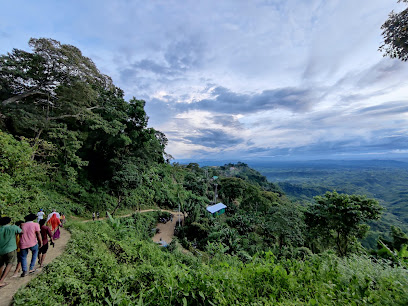
Konglak hill,First Stop (Top)
22.8 km
Ascend to Sajek's highest point for panoramic views, cultural immersion, and unforgettable sunrise experiences amidst vibrant indigenous communities.
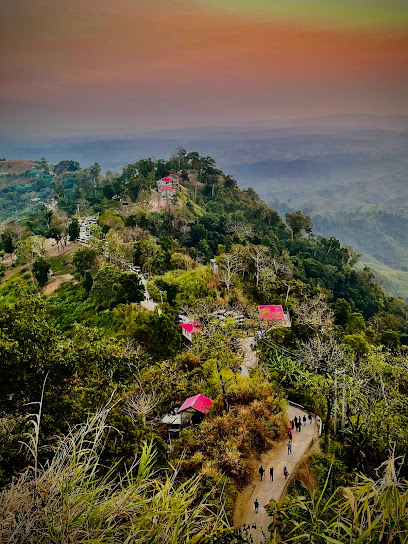
Konglak Twisa Waterfall
23.2 km
Discover the serene beauty of Konglak Twisa Waterfall in Sajek Valley, Bangladesh, a hidden oasis offering a refreshing escape and a moderate trek through lush landscapes.
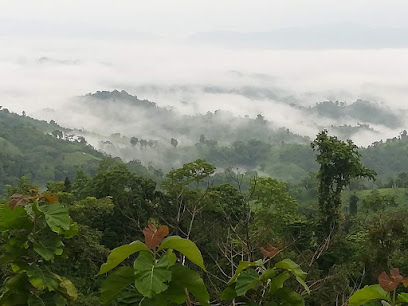
Komlok Waterfalls View Point
23.2 km
Discover panoramic views & tranquil beauty at Komlok Waterfalls View Point in Sajek Valley, Bangladesh. An immersive natural escape awaits!
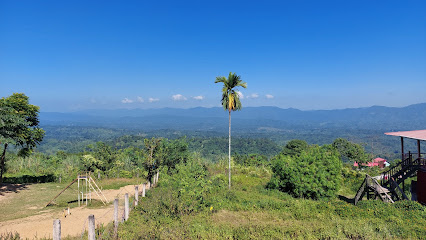
Meghpolli Resort, Sajek
23.7 km
Escape to Meghpolli Resort in Sajek Valley for serene eco-friendly stays, breathtaking views, and a tranquil retreat amidst nature's beauty.
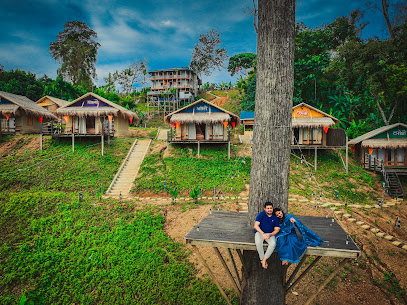
Sajek Zero Point
24.2 km
Experience breathtaking panoramic views from Sajek Zero Point, the 'Queen of Hills' in Rangamati, Bangladesh. A must-see destination!
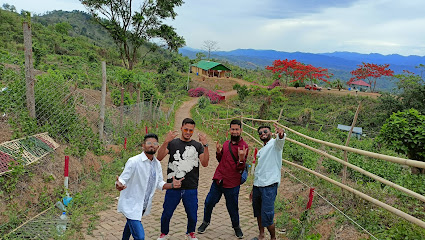
Sikam Twaisa Waterfall
24.3 km
Discover the serene beauty of Sikam Twaisa Waterfall in Sajek Valley, Bangladesh, a hidden paradise offering a tranquil escape into nature's embrace and a refreshing adventure.
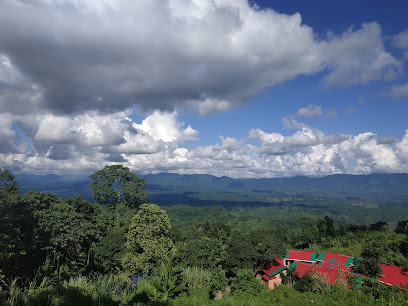
ঝাড়ভোজ পিকনিক ফটোস্পট
24.4 km
Capture unforgettable memories at ঝাড়ভোজ পিকনিক ফটোস্পট, Sajek Valley's scenic picnic and photography haven amidst rolling hills and lush landscapes.
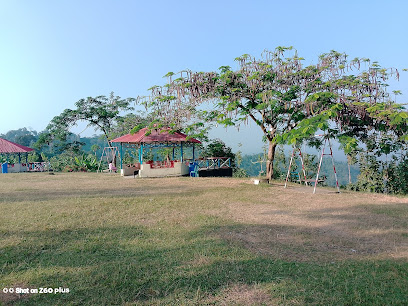
The Horizon Garden
24.5 km
Discover a tranquil oasis amidst the rolling hills of Sajek Valley, Bangladesh, offering lush greenery, panoramic views, and a serene escape into nature's embrace.
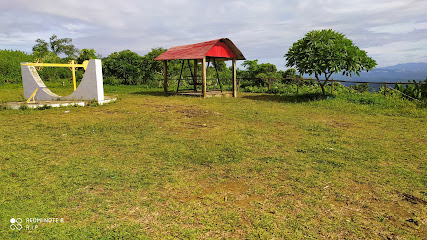
Essential places to dine

Rock Paradise Resort
22.9 km
Experience unparalleled natural beauty at Rock Paradise Resort, where breathtaking views meet exceptional hospitality in Bangladesh.
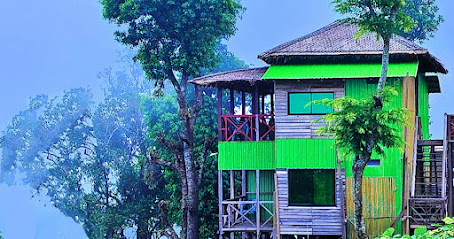
Larong Resort
23.0 km
Experience tranquility and luxury at Larong Resort in Konglak Para—where nature meets unique design.
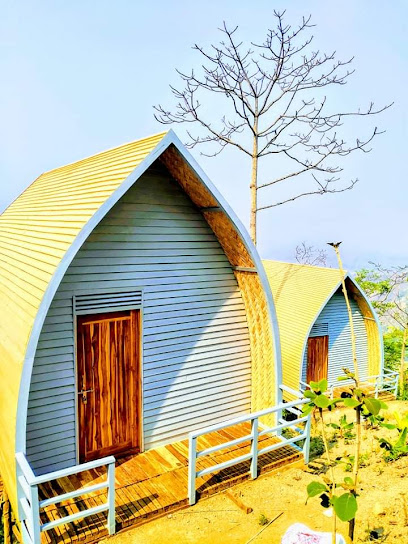
Khasrang Hill Resort
23.5 km
Experience tranquility amidst nature at Khasrang Hill Resort in Sajek Valley - your perfect getaway destination.
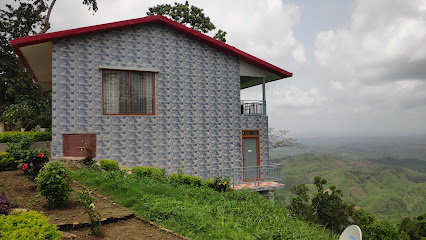
Rock/ Shomprity Canteen
24.5 km
Experience authentic Bangladeshi flavors at Rock/ Shomprity Canteen in Sajek Valley – where local cuisine meets breathtaking views.
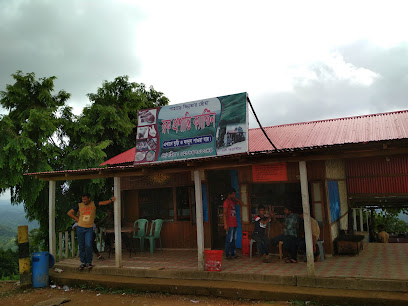
সাজেক কুটুমবাড়ি রেস্টুরেন্ট
24.9 km
Experience authentic Bangladeshi cuisine surrounded by breathtaking views at Sajek Kutumbari Restaurant in Sajek.
ইয়া রব হোটেল এন্ড রেস্টুরেন্ট
25.1 km
Savor authentic Bangladeshi cuisine in the picturesque setting of Sajek at ইয়া রব হোটেল এন্ড রেস্টুরেন্ট.
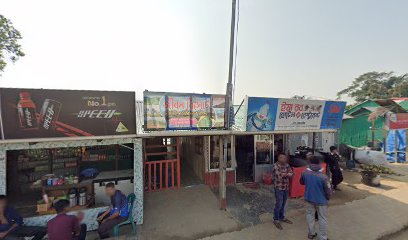
Garba Resort
25.2 km
Discover tranquility at Garba Resort in Sajek Valley - your perfect getaway surrounded by nature's splendor.
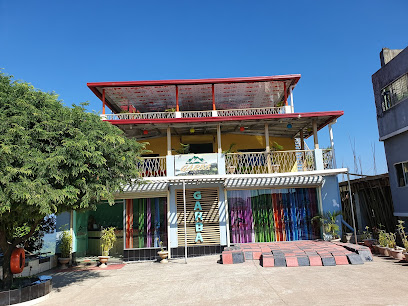
মেঘালয় রিসোর্ট
25.2 km
Experience tranquility at Meghalay Resort in Sajek - where stunning landscapes meet cozy accommodations for an unforgettable getaway.
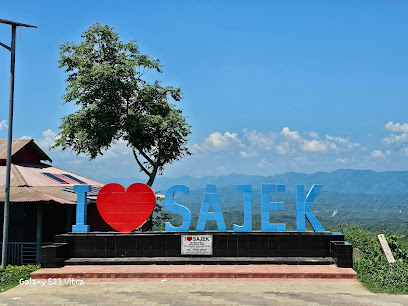
Kashbon Restaurant
25.3 km
Experience authentic Bangladeshi cuisine at Kashbon Restaurant while enjoying breathtaking views of Sajek Valley.
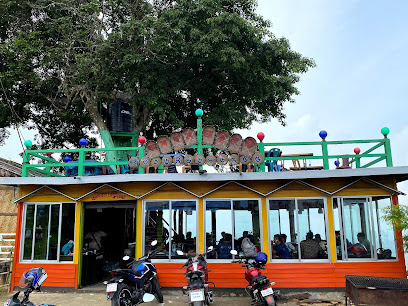
Chayanir Eco Resort
25.3 km
Experience tranquility at Chayanir Eco Resort in Sajek—your serene getaway amidst nature's beauty.
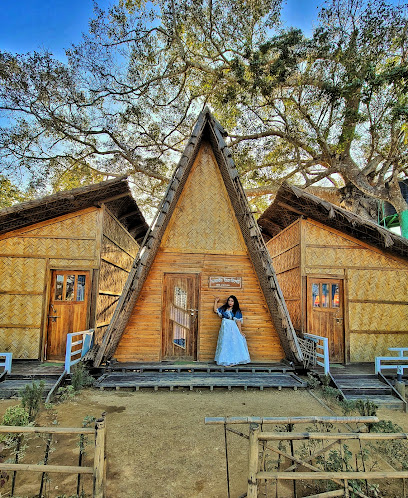
Meghmala Resort
25.3 km
Experience serenity at Meghmala Resort in Sajek - your ultimate escape into nature's embrace with stunning views and cozy accommodations.
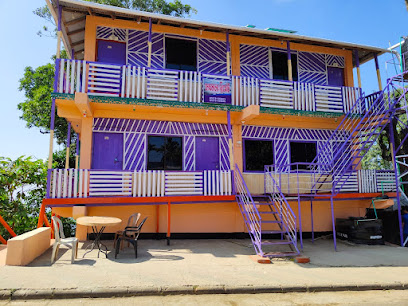
Foodnki
25.4 km
Discover culinary delights at Foodnki in Sajek, where authentic Bangladeshi flavors meet breathtaking natural beauty.
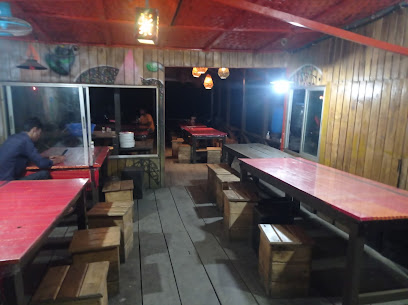
Chhimbal Restaurant
25.5 km
Experience family-friendly dining at Chhimbal Restaurant in Sajek Valley, where delicious local flavors meet stunning views.
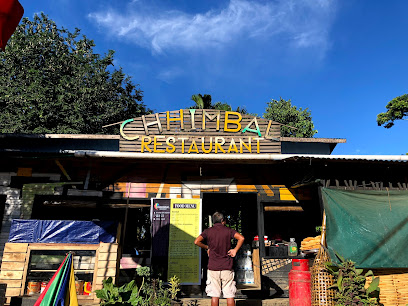
Montana Restaurant Sajek
25.5 km
Experience authentic flavors and breathtaking views at Montana Restaurant in the heart of Sajek Valley.
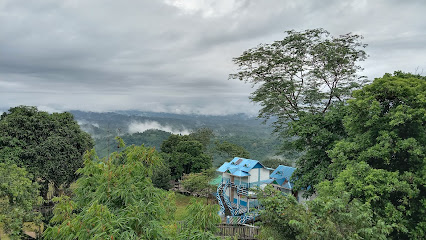
Sajek Hotel Peda Ting Ting
25.6 km
Experience the best of local Bangladeshi cuisine at Sajek Hotel Peda Ting Ting amidst stunning views in Sajek.
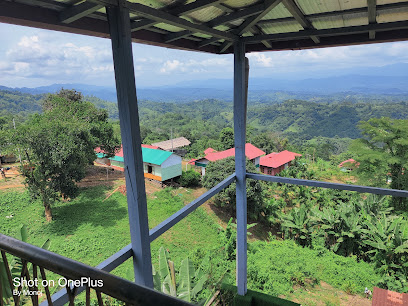
Markets, malls and hidden boutiques

চায়ের দোকান
23.3 km
Experience the serene charm of Sajek at the Chāyār Dōkān, where local flavors and stunning views come together for a perfect retreat.
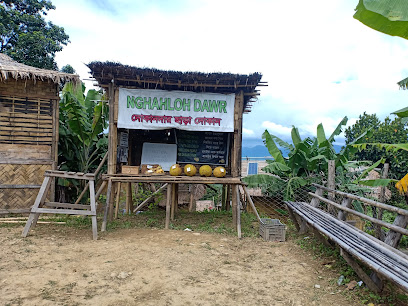
Nghahloh Dawr ( দোকানদার ছাড়া দোকান)
24.8 km
Discover Nghahloh Dawr in Sajek, where local craftsmanship meets vibrant shopping in a beautiful setting.
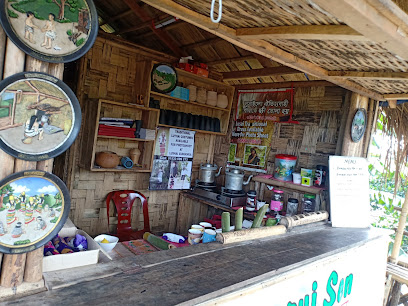
Thingpui Sen
24.8 km
Experience the tranquil beauty of Sajek at Thingpui Sen, where local tea delights and serene surroundings await every visitor.
Megh Kabbo Hilltop Cottage
25.1 km
Discover the tranquility of Megh Kabbo Hilltop Cottage, a serene retreat in the heart of Sajek Valley, perfect for nature lovers and adventure seekers alike.
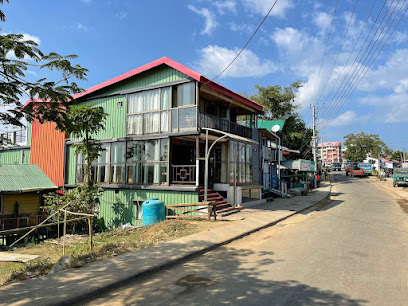
টারেঙ টেলিকম এন্ড ডিপার্টমেন্টাল ষ্টোর
25.3 km
Explore Sajek's vibrant local culture at টারেঙ টেলিকম এন্ড ডিপার্টমেন্টাল ষ্টোর, your one-stop shop for essentials and local delights.
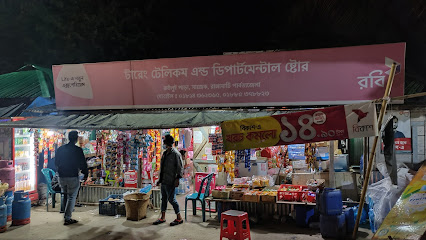
sajek gospel garments store
25.4 km
Discover unique local fashion at the Sajek Gospel Garments Store, where tradition meets modern style in a vibrant shopping experience.
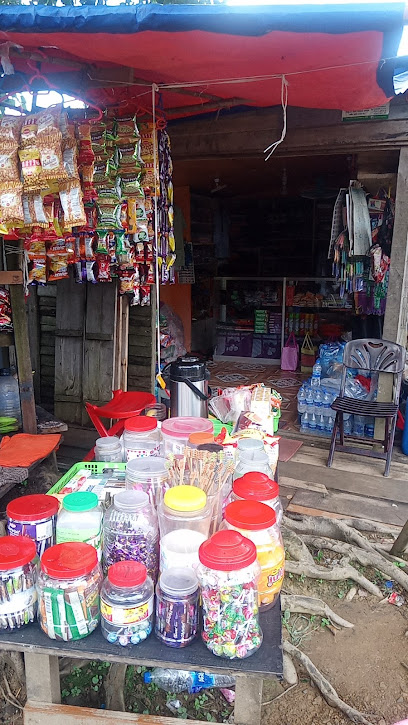
Meghadree Eco Resort
25.4 km
Discover the beauty of Sajek Valley at Meghadree Eco Resort, a serene eco-friendly retreat surrounded by lush nature and vibrant culture.
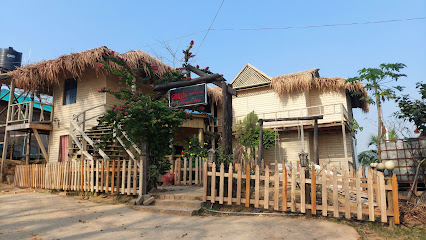
সোহাগি বার্মিজ স্টোর সাজেক
25.5 km
Explore the vibrant culture of Sajek through unique gifts at Sohagi Burmese Store, where every item tells a story.

সাজেক পাহাড়ী কালেকশন ( ডোর ইন-১) / Pahari collection ( Dawr inn-1)
25.5 km
Explore Sajek Pahari Collection: A Premier Gift Shop in Sajek Valley for Authentic Local Crafts and Unique Clothing.
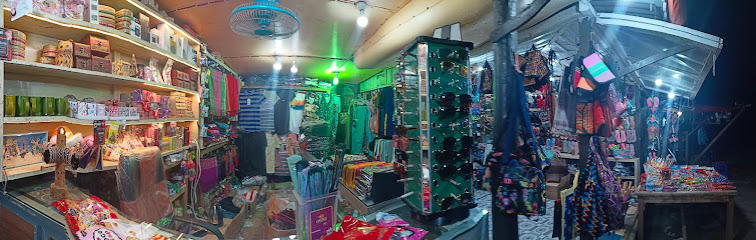
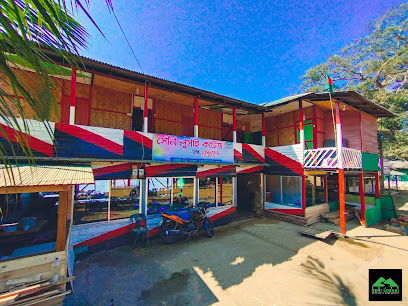
Sajek Seni Lushai Cottage & Restaurant
25.5 km
Experience the serene beauty of Sajek Valley at Sajek Seni Lushai Cottage & Restaurant, where comfort meets local culinary delights.
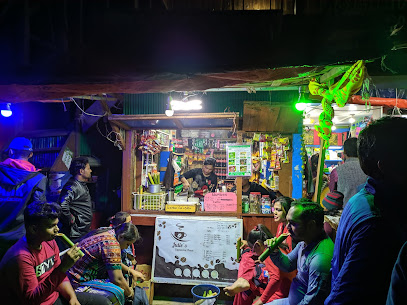
Music Point Sajek
25.5 km
Explore Music Point Sajek: A Guitar Store and Cultural Hub in the Heart of Sajek, Bangladesh, Perfect for Music Lovers and Travelers Alike.

Julie's Cappuccino Cafe
25.5 km
Discover the perfect blend of tranquility and flavor at Julie's Cappuccino Cafe, a must-visit coffee spot in Sajek's stunning natural setting.
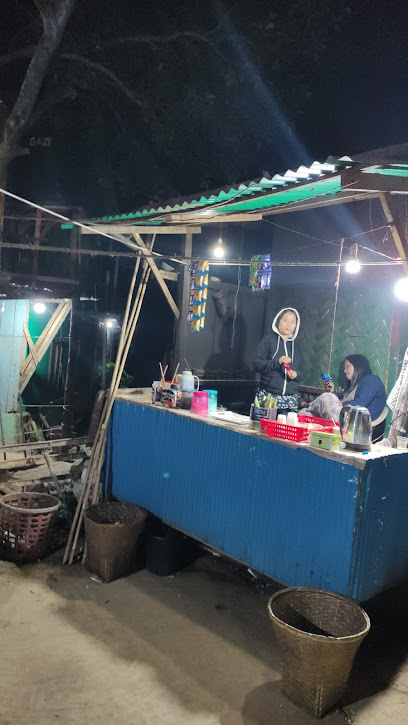
Best bamboo tea store
25.5 km
Discover the unique flavors of bamboo tea and artisan coffee at the Best Bamboo Tea Store in Sajek, an essential stop for every traveler.
Coffee Dawr কফি ডাওয়ার
25.5 km
Discover the serene beauty of Sajek at Coffee Dawr, where exquisite coffee meets breathtaking views in a cozy atmosphere.
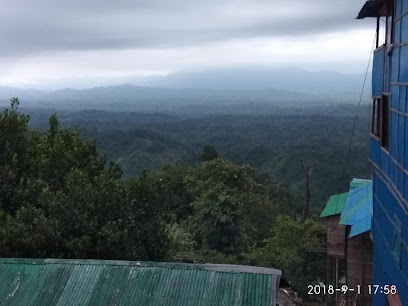
Bazar Ruiluipara
25.5 km
Explore Sajek's vibrant Bazar Ruiluipara, where local culture, crafts, and cuisine come together in a bustling market experience.
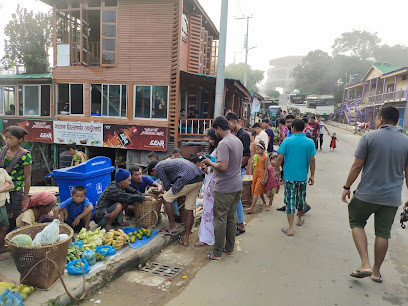
Essential bars & hidden hideouts

Sinari resort & restaurent
25.0 km
Experience the heart of Sajek with authentic local cuisine at Sinari Resort & Restaurant, where nature meets culinary delight.
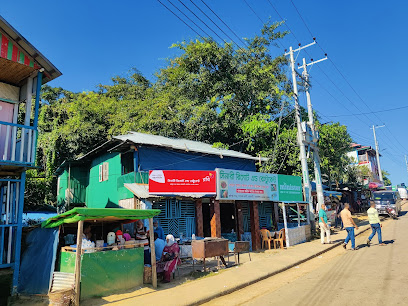
জুম্মবী হোটেল & রেষ্টুরেন্ট সাজেক- Jummabi Hotel & Restaurant
25.1 km
Discover the flavors of Sajek Valley at Jummabi Hotel & Restaurant, where local cuisine meets breathtaking views for an unforgettable dining experience.
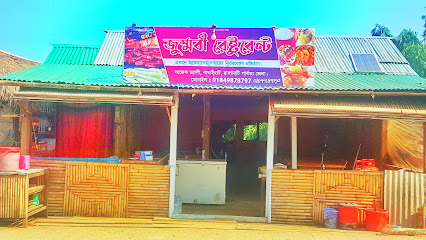
Dream Sajek Resort
25.1 km
Savor delicious local and international cuisines at Dream Sajek Resort, a serene dining haven surrounded by breathtaking nature.
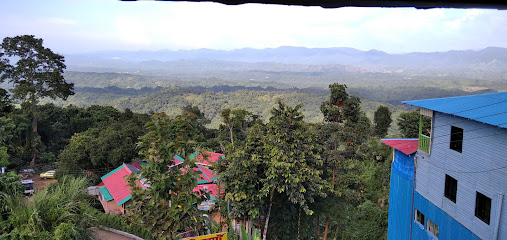
Same place restaurant sajek
25.3 km
Experience the flavors of Sajek at Same Place Restaurant, a family-friendly dining destination offering local and international cuisine amidst stunning landscapes.
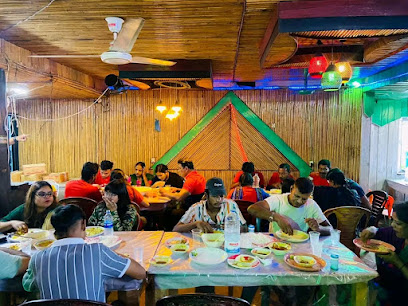
Runmui Restaurant
25.4 km
Experience the authentic flavors of Bangladesh at Runmui Restaurant, a top dining destination in the picturesque Sajek hills.
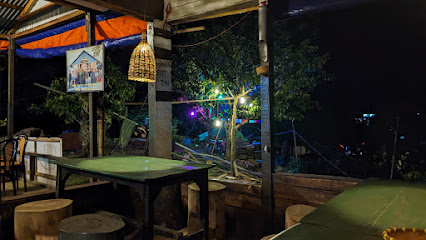
Seni Lushai Restaurant
25.5 km
Discover the flavors of Sajek Valley at Seni Lushai Restaurant, where local cuisine meets stunning natural beauty in an unforgettable dining experience.
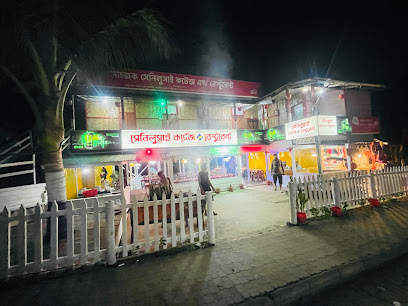
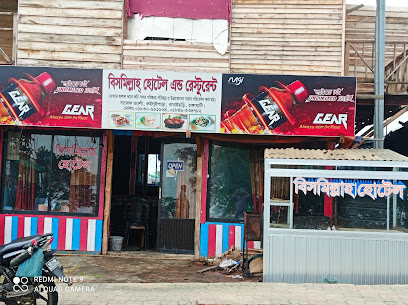
বিসমিল্লাহ্ হোটেল এন্ড রেস্টুরেন্ট
25.5 km
Discover the flavors of Bangladesh at বিসমিল্লাহ্ হোটেল এন্ড রেস্টুরেন্ট, where local cuisine meets stunning natural beauty in Sajek.
Chibai Sajek Restaurant
25.6 km
Experience the flavors of Sajek at Chibai Sajek Restaurant, where local cuisine meets breathtaking views in a serene setting.
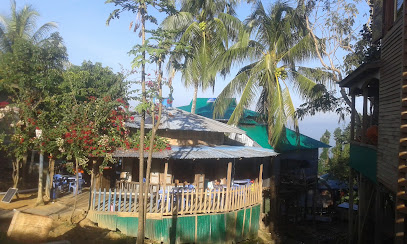
সাজেক চিলেকোঠা রেষ্টুরেন্ট
25.6 km
Experience authentic Bangladeshi cuisine at Sajek Chilikotha Restaurant, where breathtaking views and delicious flavors come together in perfect harmony.
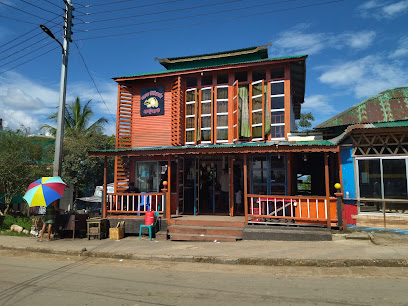
মেঘের ঘর রেষ্টুরেন্ট
25.7 km
Discover the culinary delights of Sajek at the Cloud House Restaurant, where breathtaking views meet delicious flavors in a serene setting.
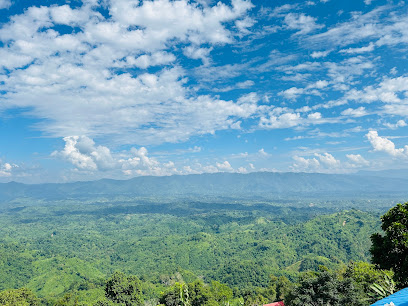
Khakhrhacori
25.8 km
Discover the flavors of Sajek at Khakhrhacori, a delightful restaurant offering local cuisine and stunning natural views.
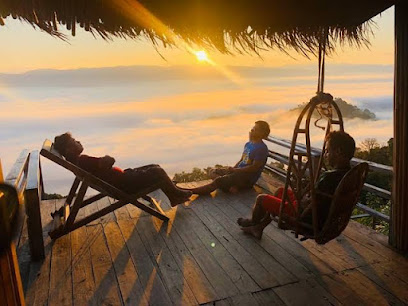
Cafe Shah Mohsen Awliya
25.8 km
Experience the essence of Sajek Valley at Café Shah Mohsen Awliya, where delicious local cuisine meets breathtaking views of nature.
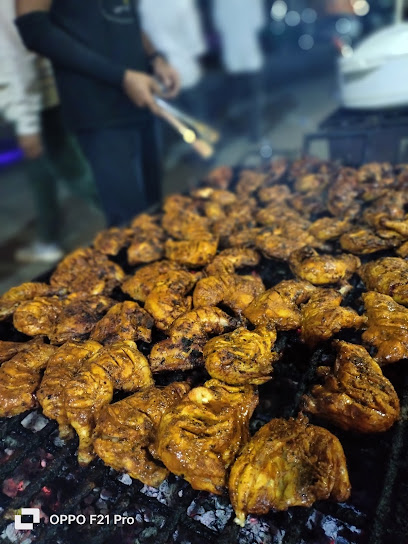
Banoful & Co
46.7 km
Discover the rich flavors of Bangladesh at Banoful & Co, a must-visit restaurant in Chittagong for an authentic dining experience.
Kanan Restaurant with Karaoke
52.0 km
Experience vibrant dining and karaoke fun at Kanan Restaurant in Mamit, Mizoram - the perfect blend of food and entertainment.
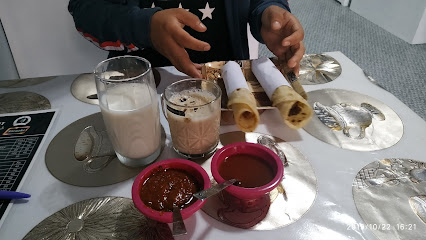
Tuidu wine shop
54.5 km
Discover the essence of Tripura's wine culture at Tuidu Wine Shop, where local selections meet a welcoming atmosphere.

Nightclubs & after hour spots

Sajek Classic Resorts
25.8 km
Experience unparalleled natural beauty and comfort at Sajek Classic Resorts, your perfect retreat in the heart of Sajek's hills.
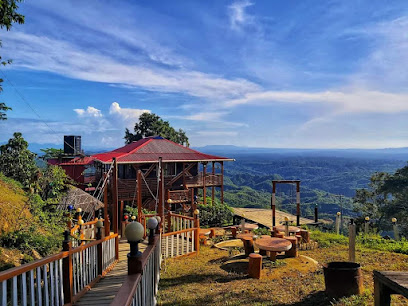
Rubber City
48.5 km
Discover the vibrant nightlife at Rubber City, a top-rated night club in Longtarai R.F., Tripura, perfect for dancing, drinks, and unforgettable memories.
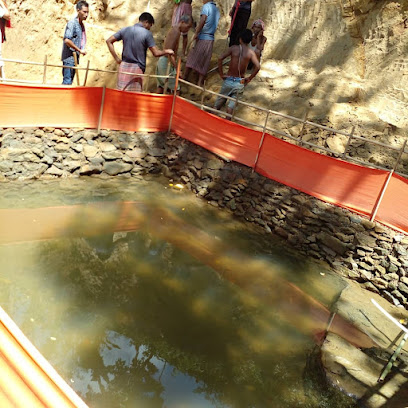
Amchai hamkrai club
60.3 km
Discover the vibrant nightlife at Amchai Hamkrai Club in Salema, Tripura—where music, dance, and local culture come alive.
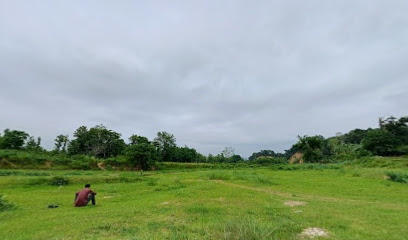
Van kyoo lian
60.4 km
Discover a lively nightlife scene at Van Kyoo Lian, Aizawl's premier night club, where music and fun blend seamlessly for an unforgettable experience.

Levi
61.4 km
Discover the lively energy of Levi Night Club in Aizawl, Mizoram – a hotspot for nightlife lovers seeking music, dance, and local culture.
neon karaoke
61.9 km
Experience the vibrant nightlife of Aizawl at Neon Karaoke, where music and fun unite for an unforgettable evening!
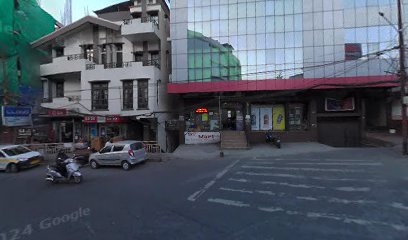
Spot
62.1 km
Discover Aizawl's vibrant nightlife at the premier night club, where music and ambiance blend for an unforgettable experience.
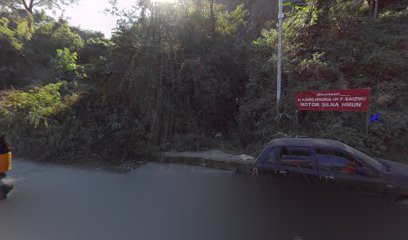
Simona te In
63.5 km
Discover the vibrant nightlife at Simona te In, Aizawl's premier night club offering an eclectic mix of music, dance, and local culture.
mavena
72.9 km
Discover the vibrant nightlife at Mavena in Chhingchhip, Mizoram - a haven for music lovers and party enthusiasts alike.
Desi mall
75.7 km
Experience the electrifying nightlife at Desi Mall, a premier nightclub in Manu Bazar, Tripura, where vibrant music and dancing come alive.
Comill Bangladesh
77.7 km
Discover Comilla's vibrant nightlife, where music and dance come together in an unforgettable night club experience.
বেঙ্গাই মামুর দোকান
80.8 km
Experience the vibrant nightlife of Islampur at Bengai Mamur Dukan, where local music and an electric atmosphere await you.
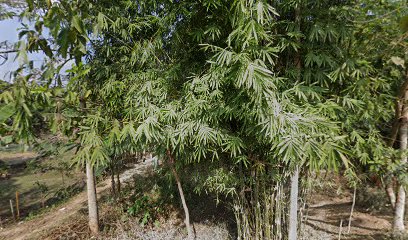
Kawla tui
83.7 km
Discover the vibrant nightlife of Saitual at Kawla Tui, a lively night club where music and local culture collide for unforgettable experiences.
Novem Eco Resort
87.2 km
Experience nature's tranquility at Novem Eco Resort in Sreemangal, where eco-friendly luxury meets breathtaking landscapes.
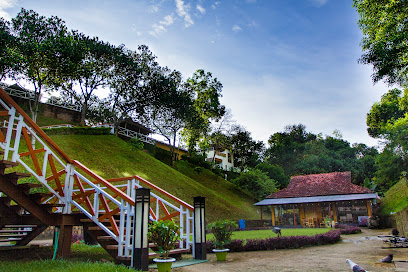
asish
88.0 km
Dive into the exhilarating nightlife at Asish, a vibrant night club in Srinagar, Tripura, where unforgettable memories await every visitor.


