Ishwaripur Hammam Khana: A Mughal Relic
Explore the ruins of Ishwaripur Hammam Khana, a Mughal-era bathhouse showcasing a unique blend of architectural styles in a serene village setting.
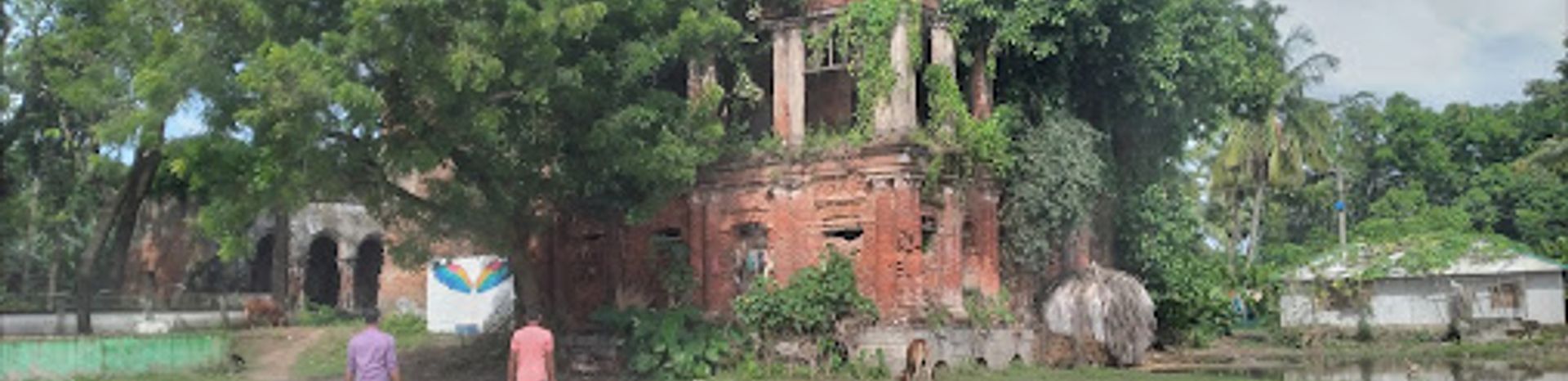
The Ishwaripur Hammam Khana, or Habsikhana, is a historical bathhouse in Satkhira, Bangladesh, dating back to the late 16th or early 17th century during the Mughal period. It showcases a blend of Mughal and Bengali architectural styles and offers a glimpse into the luxurious lifestyle of the era.
A brief summary to Ishwaripur Hammam Khana
- 8446+6FX, Satkhira - Kalaroa Rd, Ishwaripur, BD
- +8801911-845042
Local tips
- Visit during the cooler months (November to February) for a more comfortable experience exploring the historical site.
- Consider hiring a local guide to gain deeper insights into the hammam's history, architecture, and cultural significance.
- Combine your visit with a trip to the nearby Jeshoreshwari Kali Temple and other historical sites in Ishwaripur.

Getting There
-
Public Transport
From Satkhira city, take a local bus or CNG (auto-rickshaw) towards Shyamnagar. Get off at the Ishwaripur bus stand, approximately 5 km south of Shyamnagar. From there, take a short CNG or rickshaw ride to the Hammam Khana. Bus fare from Satkhira to Ishwaripur is approximately 30-50 BDT. CNG/rickshaw fare from Ishwaripur bus stand to the Hammam Khana is around 20-30 BDT.
-
Walking
If you are already in Ishwaripur, the Hammam Khana is easily accessible by foot. It's located on Satkhira - Kalaroa Rd. Ask locals for directions to 'Habsikhana'; it's a well-known landmark in the village. From the center of Ishwaripur, it's generally a 10-15 minute walk.
Discover more about Ishwaripur Hammam Khana
Iconic landmarks you can’t miss

NASKAR PARA
25.9 km
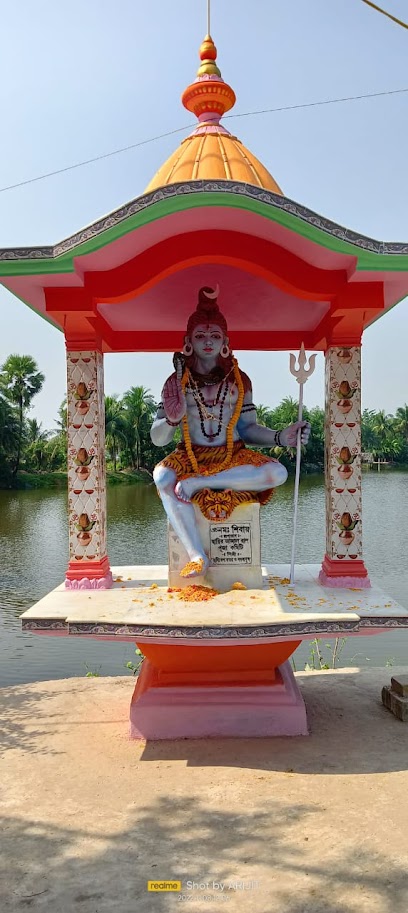
Discover the enchanting Naskar Para in West Bengal, a historical landmark that reveals the rich heritage and cultural stories of the region.
Burirdabri Forest Camp
26.7 km
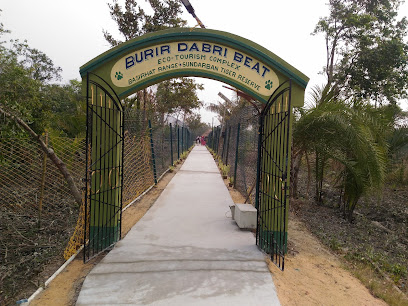
Experience the tranquility of nature at Burirdabri Forest Camp, a haven for wildlife lovers in West Bengal's lush landscapes.
Bonbibir Botgach
31.7 km
Discover Bonbibir Botgach in Debhata: A historical landmark where faith, nature, and culture intertwine in the heart of rural Bengal.
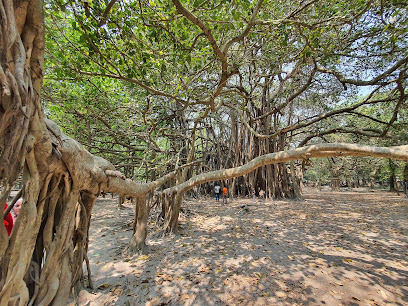
Sunderban Tiger Camp- Wildlife Resort (fully vaccinated staff)
34.0 km
Discover the enchanting Sunderban Tiger Camp Wildlife Resort, where adventure meets relaxation in the heart of nature's paradise.

Sundarban Jungle Mahal Resort
34.2 km
Experience the tranquility of the Sundarbans at Sundarban Jungle Mahal Resort - your gateway to nature's paradise in West Bengal.
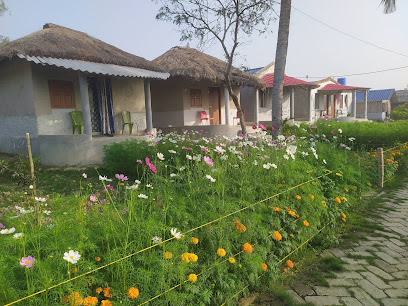
Sundarban Tiger Roar Resort - Resort &Tourism in sundarban
34.8 km
Experience the magic of the Sundarbans at Sundarban Tiger Roar Resort, where nature meets luxury in an unforgettable escape.
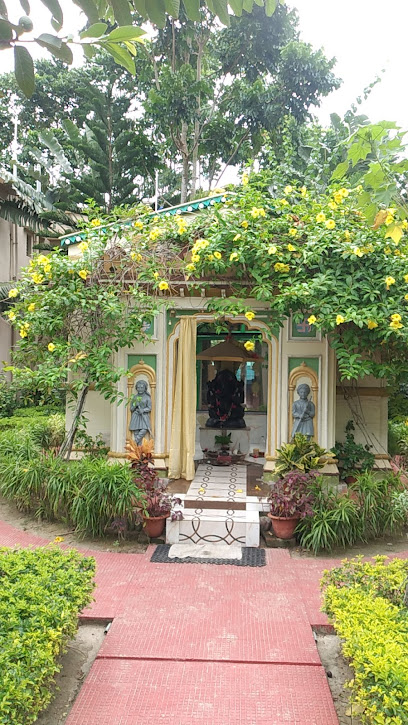
SUNDARBAN BEST TOURISM
35.2 km
Explore the breathtaking Sundarbans with Sundarban Best Tourism - a premier tour operator for nature lovers and adventure seekers.
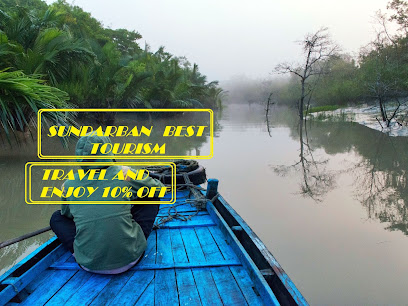
Maity Sundarban Tour
35.6 km
Discover the unparalleled beauty and wildlife of the Sundarbans with Maity Sundarban Tour, where adventure and nature harmoniously blend.
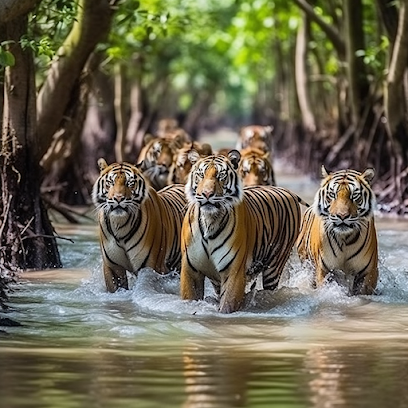
Sundarban সুন্দরবন National Forest (Bangladesh)
37.8 km
Explore the Sundarbans: A biodiverse mangrove forest, home to the Royal Bengal Tiger and a UNESCO World Heritage Site.
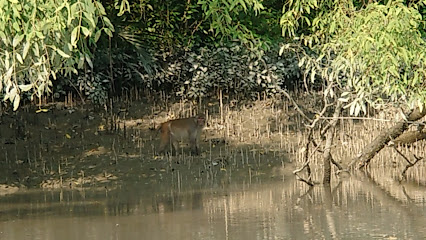
Batikhali Mondir Mor - বাতিখালি মন্দির মোড়
38.0 km
Discover the historical charm of Batikhali Mondir Mor in Paikgachha, an essential destination for those seeking to explore Bangladesh's rich cultural heritage.
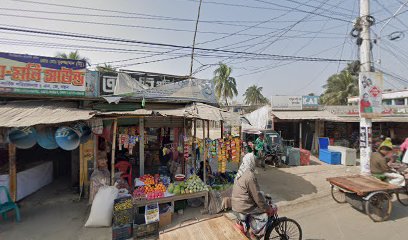
Larica Inn Sundarban
38.4 km
Experience the wild beauty of Sundarban at Larica Inn, your perfect retreat for relaxation and adventure in India's largest mangrove forest.
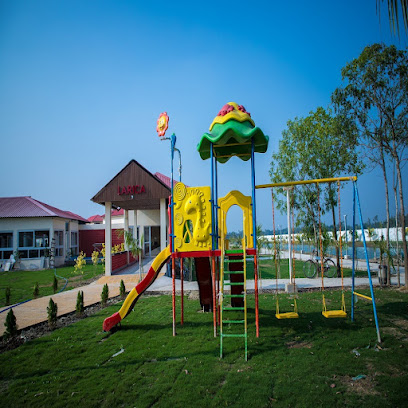
Sunderbans Jungle Camp
43.1 km
Experience the breathtaking beauty of the Sundarbans at Sunderbans Jungle Camp, where luxury meets nature in a stunning eco-friendly resort.
Sundarban Lokenath Travels
45.1 km
Explore the vast wonders of the Sundarbans with Sundarban Lokenath Travels, your gateway to unforgettable wildlife adventures and cultural experiences.
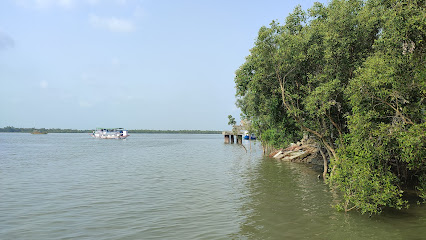
Lord Canning House
45.6 km
Explore the historical allure of Lord Canning House in Canning, West Bengal, a must-see for history buffs and architecture lovers alike.
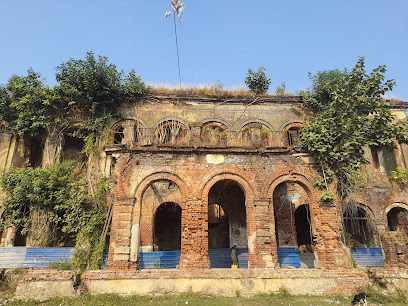
Sundarban Forest Tours
46.6 km
Explore the breathtaking beauty and rich biodiversity of Sundarban Forest, the world's largest mangrove ecosystem, in an unforgettable tour experience.
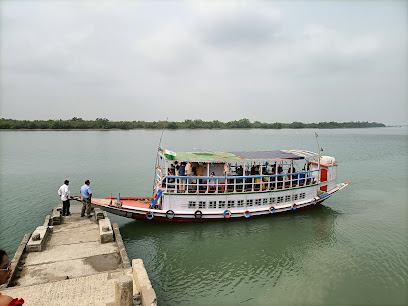
Unmissable attractions to see

Five Rivers Point, Kalinchi
12.4 km
Discover the serene beauty of Five Rivers Point in Kalinchi, Bangladesh, where five rivers meet to create a stunning natural landscape near the Sundarbans.
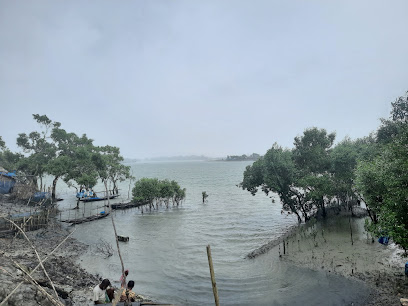
Sridharkati Indo-Bangladesh border
12.8 km
Discover the serene beauty and cultural richness at the Indo-Bangladesh border in Sridharkati, West Bengal. A unique travel experience awaits!
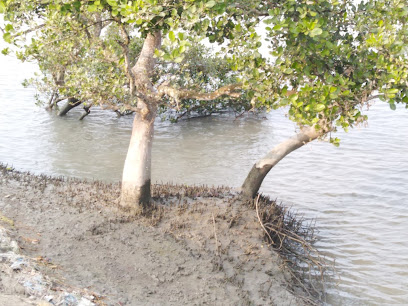
Community Based Tourism, Shyamnagar
13.5 km
Discover the Sundarbans through community-based tourism in Shyamnagar: Immerse yourself in local culture and support sustainable travel.
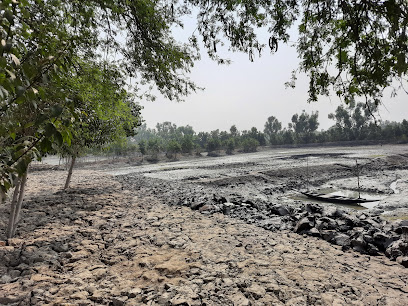
Sundarban Zero Point
14.8 km
Explore the captivating Sundarban Zero Point, where the majestic mangroves of India and Bangladesh converge in a stunning natural spectacle.
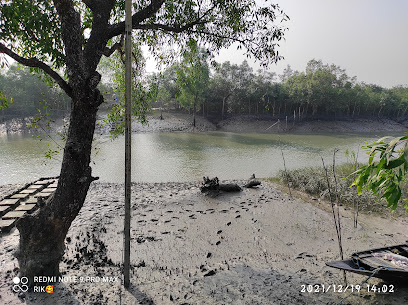
Kalagasia Watch Tower
16.3 km
Observe wildlife from above at the Kalagasia Watch Tower, offering panoramic views of the Sundarbans' unique mangrove ecosystem.
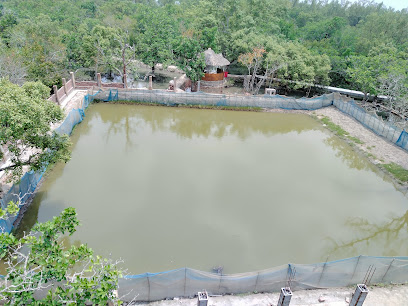
দৃষ্টি নন্দন
16.6 km
Discover the serene beauty of Drishti Nandan in Gabura Union, Bangladesh, showcasing rich culture and natural landscapes near the Sundarbans.
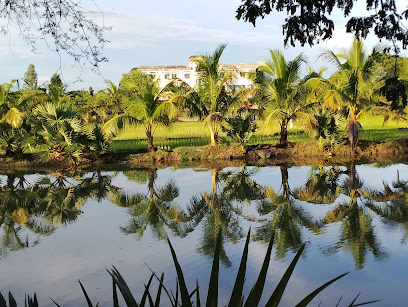
Hingalganj ghat
21.6 km
Discover the serene beauty of Hingalganj Ghat, a tranquil escape into rural West Bengal's culture and scenic riverside views.
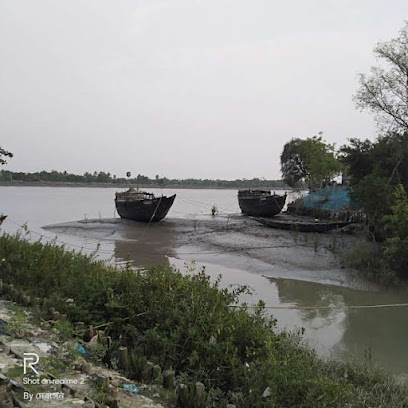
Baro chilmari
22.7 km
Discover the serene beauty of Baro Chilmari National Forest in West Bengal, a perfect escape for nature lovers and birdwatching enthusiasts.
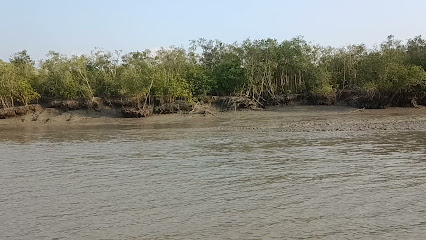
KUMIRMARI ECOTOURISM PRIVATE LIMITED
23.7 km
Discover Kumirmari: Experience authentic village life in the Sundarbans & support sustainable ecotourism in this serene West Bengal destination.
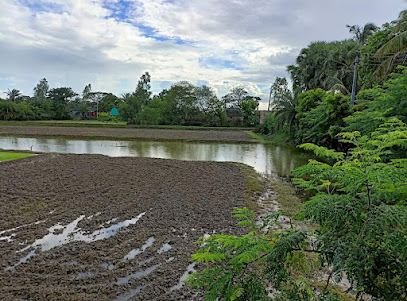
Dobeki Forest Camp
26.3 km
Escape to Dobeki Forest Camp for a tranquil Sundarbans experience, offering wildlife sightings and serene mangrove exploration.
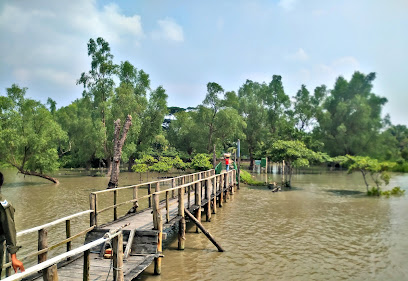
Sundarban view point
28.3 km
Discover the serene beauty of the Sundarbans from this accessible viewpoint, the perfect start to exploring the world's largest mangrove forest.
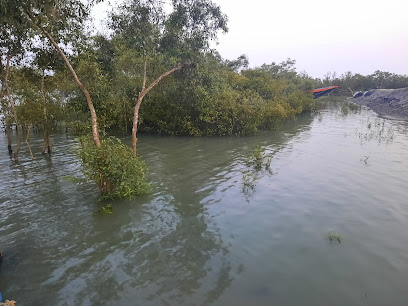
Eco-Village
29.0 km
Discover sustainable tourism in the Sundarbans: Experience rural life, explore mangrove forests, and support local communities on Satjelia Island.
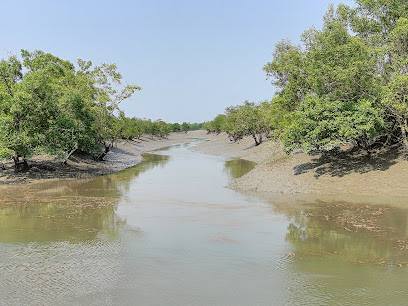
Sundarban Mangrove Forest
30.1 km
Discover the Sundarban Mangrove Forest, a UNESCO World Heritage Site renowned for its stunning landscapes, diverse wildlife, and rich cultural heritage.
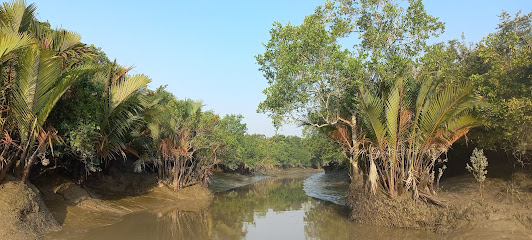
অরণ্য তাবু Forest camp
30.6 km
Discover tranquility and adventure at Aranya Tabu Forest Camp, your gateway to the natural wonders of the Sundarbans.
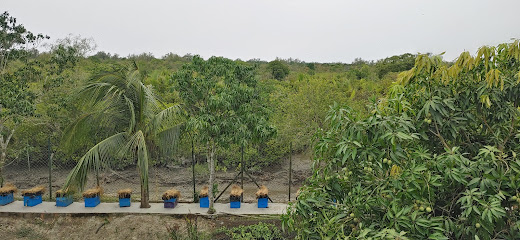
Backpackers Sundarbans Eco-Village
31.2 km
Experience the enchanting beauty of the Sundarbans at Backpackers Eco-Village, where nature and sustainable living come together.
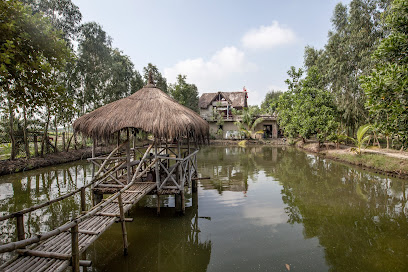
Essential places to dine

SuNdArBaN FoOdS
14.8 km
Discover SuNdArBaN FoOdS: A Crab Lover's Paradise Offering Authentic Seafood Delights in Nildumur.

Banani Resort
31.9 km
Discover tranquility at Banani Resort - your perfect retreat in West Bengal with exceptional service and scenic surroundings.
Nishan Crab Culture
33.3 km
Indulge in authentic crab dishes at Nishan Crab Culture, where fresh flavors meet traditional Bangladeshi cuisine.
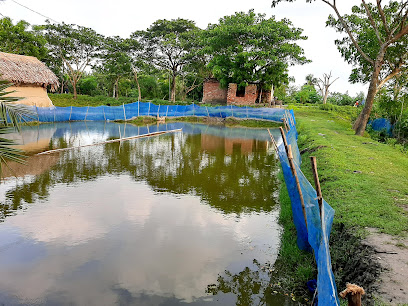
Sundarban Solitary Nook - Best Resort & Hotel
33.9 km
Discover unparalleled tranquility at Sundarban Solitary Nook – your perfect retreat in the enchanting Sundarbans.
Sundarban Residency
34.2 km
Experience tranquility at Sundarban Residency - your gateway to exploring West Bengal's stunning natural beauty and rich wildlife.
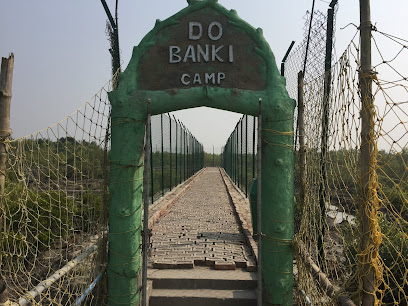
Royal Bengal Resort - Sundarban
34.7 km
Discover tranquility and wildlife at Royal Bengal Resort - Sundarban, your gateway to nature's wonders.
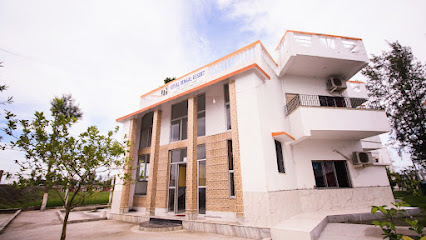
SPOT ON 43674 Apanjan Hotel
35.6 km
Experience comfort and nature's beauty at SPOT ON 43674 Apanjan Hotel in West Bengal's stunning Sundarbans region.
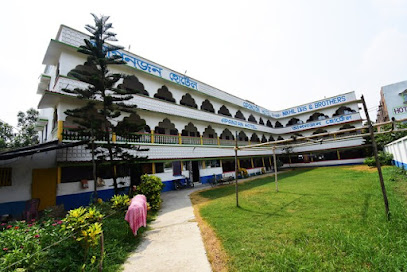
Hotel Sonar Bangla - Sundarban
36.3 km
Experience serene luxury amidst nature at Hotel Sonar Bangla - your gateway to exploring Sundarban's wonders.
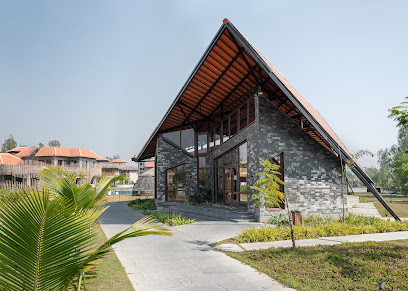
Sundarban Hotel & Resturent
42.8 km
Experience authentic Bengali cuisine at Sundarban Hotel & Restaurant, where tradition meets comfort in beautiful Balihati.
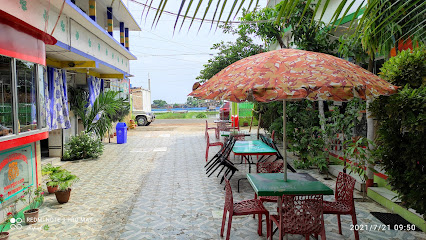
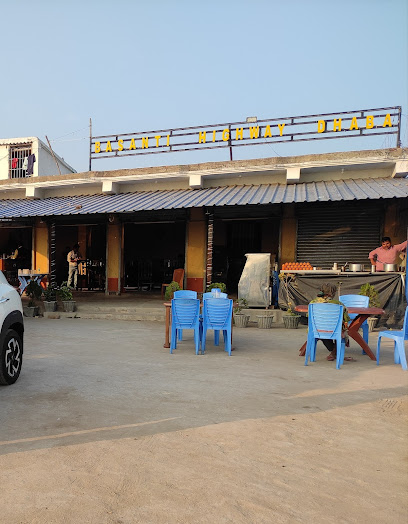
BASANTI Highway Dhaba
44.6 km
Discover authentic Indian flavors at BASANTI Highway Dhaba – your ultimate roadside dining experience in West Bengal.
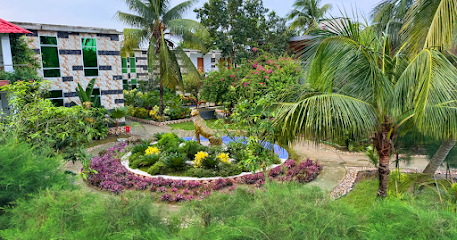
Mangrove Haven Resort
45.0 km
Experience tranquility and adventure at Mangrove Haven Resort in Kailashganj, where luxury meets nature amidst stunning mangroves.
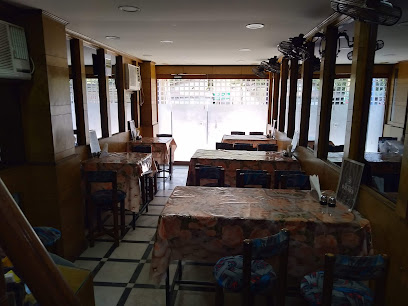
Sundarban Dhaba
45.6 km
Discover authentic Bengali cuisine at Sundarban Dhaba in Canning - where every dish tells a story.
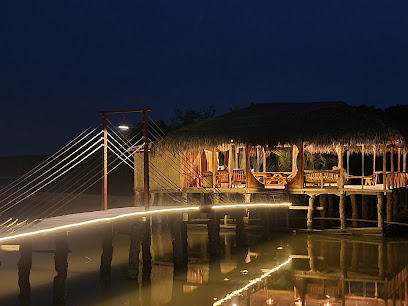
Bonobibi Forest Resort Sundarban
47.7 km
Experience tranquility at Bonobibi Forest Resort Sundarban - where nature meets comfort amidst breathtaking landscapes.
ROYAL SUNDARBAN WILD RESORT
53.3 km
Experience nature's beauty at Royal Sundarban Wild Resort - your gateway to adventure in India's largest mangrove forest.
সুন্দরবন হোটেল এন্ড রেস্টুরেন্ট ট্যুরিস্ট স্পট
53.9 km
Experience family-friendly hospitality at Sundarbans Hotel and Restaurant while exploring the enchanting beauty of Bangladesh's Sundarbans.
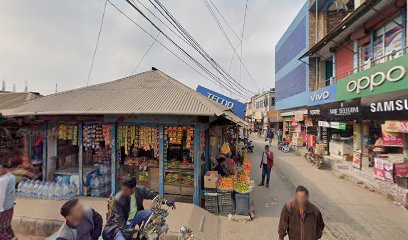
Markets, malls and hidden boutiques

Md Moniruz zaman
1.1 km
Explore the vibrant world of Bangladeshi crafts at Md Moniruz Zaman, the ultimate gift shop in Ishwaripur for unique souvenirs.

Jeher Ali Grocery
8.1 km
Explore the authentic tastes of Bangladesh at Jeher Ali Grocery, where local flavors and culinary traditions come to life.
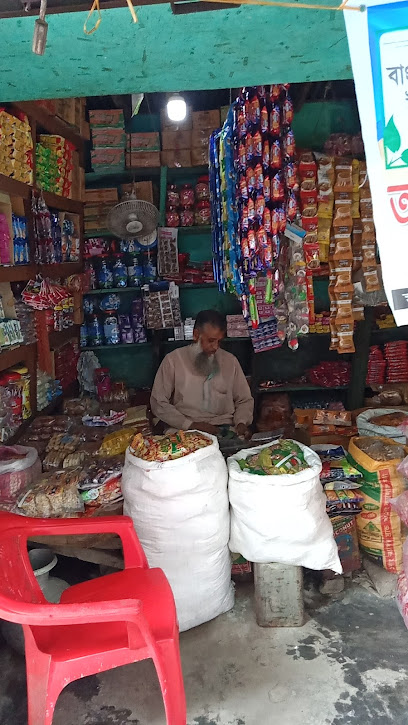
Poultry Shop
8.3 km
Explore the vibrant Poultry Shop, a local gem offering fresh poultry delights and a taste of the region's culinary heritage.
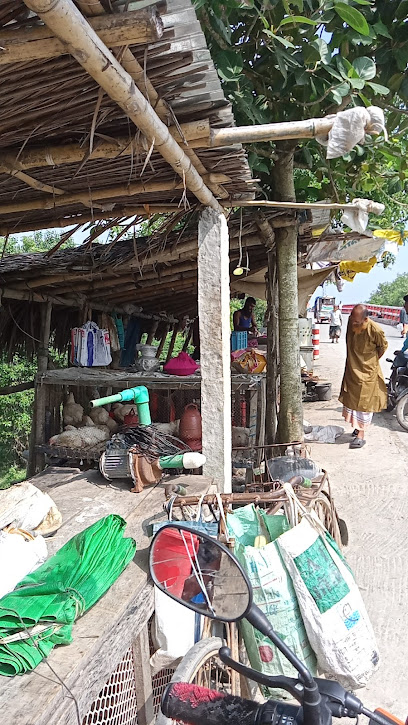
Robiul General store
8.4 km
Discover the essence of Bangladesh at Robiul General Store—your destination for authentic local products and a warm community experience.
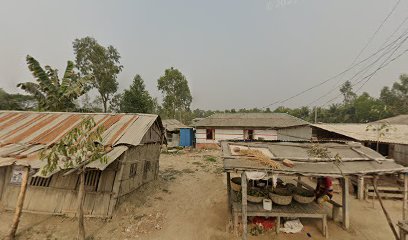
Matango sardar shop
8.4 km
Explore the unique offerings at Matango Sardar Shop, where local craftsmanship meets modern design in a delightful shopping experience.
Mahim store
9.1 km
Explore Mahim Store, a vibrant shopping destination in Bangladesh, showcasing local crafts and unique treasures that reflect the region's rich heritage.
Organic Goods
9.6 km
Explore the finest organic grocery store in Bangladesh, where freshness meets sustainability and local flavors come alive.
Shakib Varieties Store
10.1 km
Experience the vibrant local culture and flavors at Shakib Varieties Store in Kolbari, Bangladesh's charming grocery destination.
Sotota mudi vaender
10.5 km
Explore the rich culture and craftsmanship at Sotota Mudi Vaender, a charming store in Bangladesh offering unique local goods.
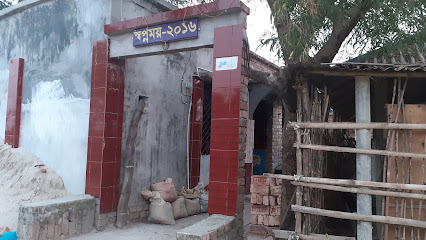
Zubayer Grocery (মল্লু)
10.8 km
Discover the vibrant local culture and flavors at Zubayer Grocery, a must-visit grocery store in Ramjannagar for authentic Bangladeshi products.
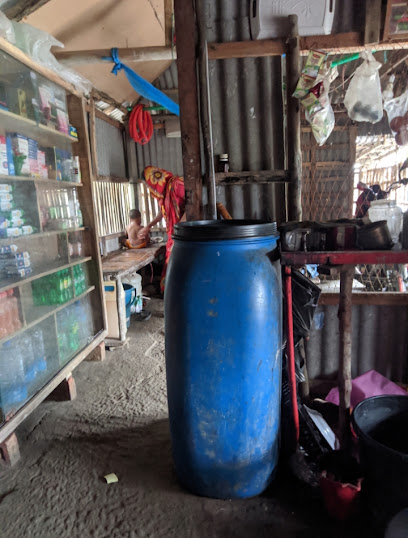
Mokka Storr
10.8 km
Explore Mokka Storr, Bangladesh's premier cosmetics store, offering a unique blend of international and local beauty products for all your needs.
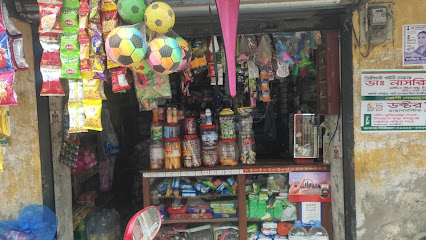
Dino Grocery
11.1 km
Explore the essence of Bangladeshi culture at Dino Grocery, where fresh local produce meets community spirit.
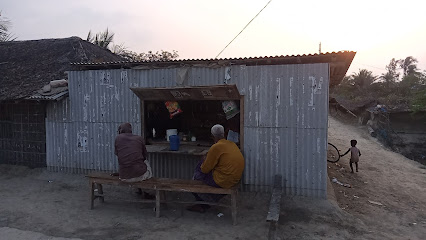
Mehedi Store
11.4 km
Explore Mehedi Store for an authentic taste of Bangladesh, featuring local crafts, snacks, and unique souvenirs.
Salman Store
11.4 km
Explore the local flavors at Salman Store, your go-to grocery destination in Bangladesh for fresh produce and authentic snacks.
Gift Store
12.3 km
Explore a charming gift store in Shridhar Kati, West Bengal, offering unique local crafts and souvenirs that capture the essence of the region.
Essential bars & hidden hideouts

Valo bashi
3.5 km
Experience the vibrant nightlife of Shyamnagar at Valo Bashi, a lively bar offering a delightful mix of local and international drinks.
মাহিম ষ্টোর
7.0 km
Discover the spirit of Bangladesh at মাহিম ষ্টোর, a vibrant bar offering unique local drinks and a lively atmosphere for travelers.
Md Razab Ali Moral
8.6 km
Discover the vibrant nightlife at Md Razab Ali Moral, a lively bar in Harinagar, offering local drinks and a welcoming ambiance for tourists.
SABBIR Tower
10.3 km
Experience the vibrant atmosphere and diverse drink selection at SABBIR Tower, a must-visit bar in Bangladesh for every traveler.
Mask Onn Restaurant Cum Bar
14.5 km
Discover a vibrant culinary experience at Mask Onn Restaurant Cum Bar, where traditional flavors meet modern dining in the heart of West Bengal.
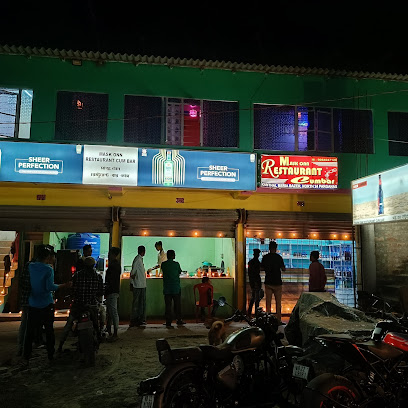
AKASH RESTAURANT& CUM BAR
17.8 km
Experience the delightful blend of local and international flavors at Akash Restaurant & Bar in Ketarchak, West Bengal.
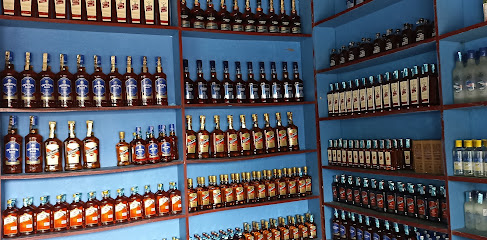
Jononi Digital Studio
18.9 km
Experience the vibrant culture of Koyra at Jononi Digital Studio, a lively bar offering a wide selection of drinks and a welcoming atmosphere.
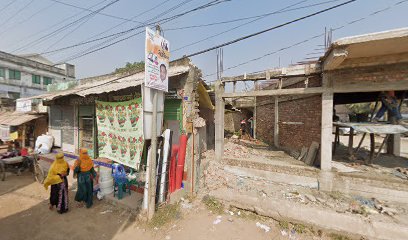
Restaurant and Bar
22.7 km
Discover exquisite wines and a warm atmosphere at this charming wine bar in Hingalganj, perfect for unwinding and socializing.
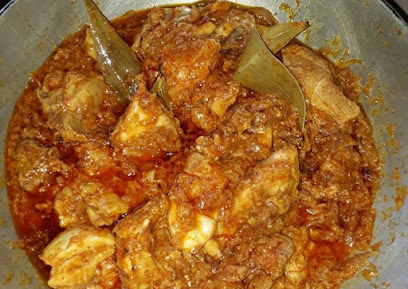
Royal Island Bar Cum Restaurant
24.9 km
Experience the essence of West Bengal's charm at Royal Island Bar Cum Restaurant, where local flavors meet a serene ambiance.
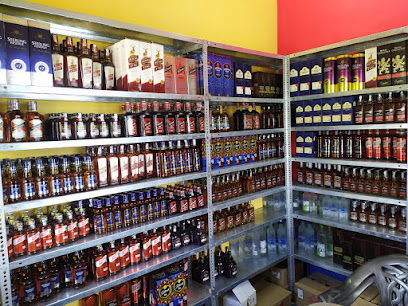
gabdu hoise
26.1 km
Discover the lively ambiance and local flavors at Gabdu Hoise, a vibrant bar in Bangladesh perfect for unwinding after exploration.
Habibur
26.4 km
Experience the vibrant nightlife at Habibur, a popular bar in Moth Bari, where locals and tourists gather for great drinks and lively entertainment.
DURGAPADA (R.C.B) F.L OFF SHOP
28.6 km
Experience the vibrant local culture at Durgapada (R.C.B) F.L Off Shop, a charming bar in Daudpur, West Bengal.
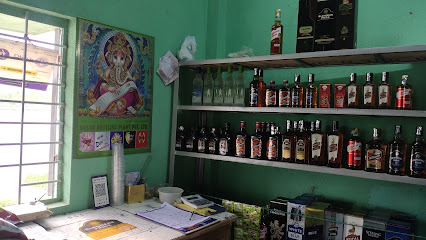
RAKHI RESTAURANT CUM BAR
28.7 km
Discover the lively atmosphere and exquisite flavors at Rakhi Restaurant cum Bar in Daudpur, West Bengal – a must-visit for all travelers.
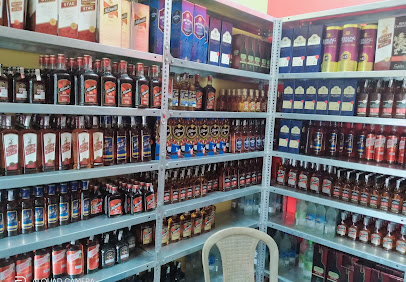
Kalinagar F L Off Shop
29.8 km
Experience the vibrant atmosphere at Kalinagar F L Off Shop, a local bar in Ghoshpur, West Bengal, perfect for unwinding with friends.
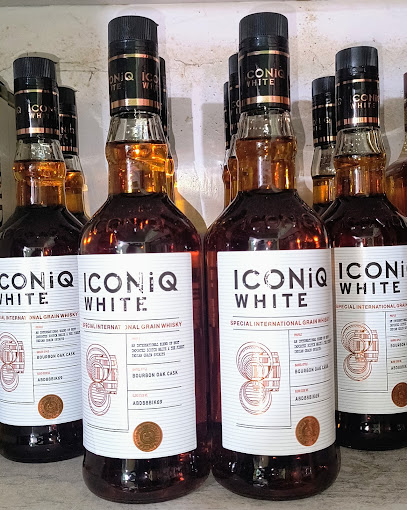
Ayskurone Shop
31.5 km
Discover the vibrant ambiance and exquisite drinks at Ayskurone Shop, a must-visit bar in Bangladesh for travelers seeking local flavors.
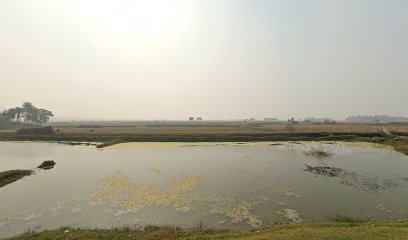
Nightclubs & after hour spots

Sundarban Tiger Club - Sundarban Tour Package
35.7 km
Discover the Sundarbans at Sundarban Tiger Club - a haven for wildlife enthusiasts, offering unforgettable tours in the largest mangrove forest.
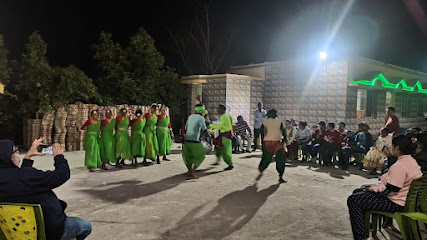
biri khawar jaiga
51.3 km
Discover the vibrant nightlife at Biri Khawar Jaiga, a premier night club in Patkelghata that promises an electrifying atmosphere and unforgettable experiences.
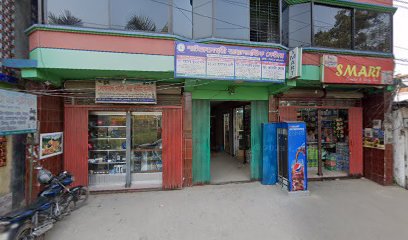
Investors Club
54.1 km
Unwind and connect at the Investors Club in Mongla, a serene space perfect for networking and relaxation amidst vibrant local culture.
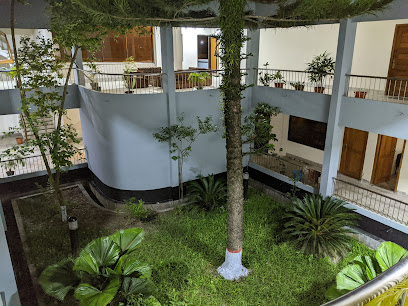
Alosh Khana Clab
62.2 km
Experience the vibrant nightlife of Bhasila at Alosh Khana Clab, where music, dance, and fun come together in a lively atmosphere.

Alamgir maitors
71.1 km
Unleash your night at Alamgir Maitors, Khulna's premier night club, where vibrant music and dance create unforgettable experiences.
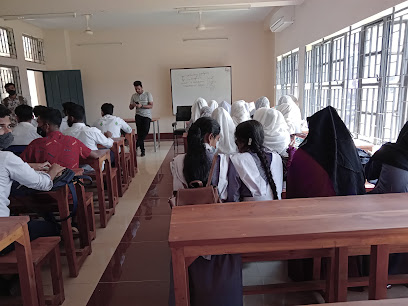
Rafiq
71.2 km
Discover the vibrant nightlife at Rafiq, Khulna's premier night club, where music, dance, and unforgettable experiences await every night.
Bachelor Center
72.5 km
Discover Khulna's nightlife at Bachelor Center, where rhythm meets revelry in a vibrant atmosphere that promises unforgettable experiences.
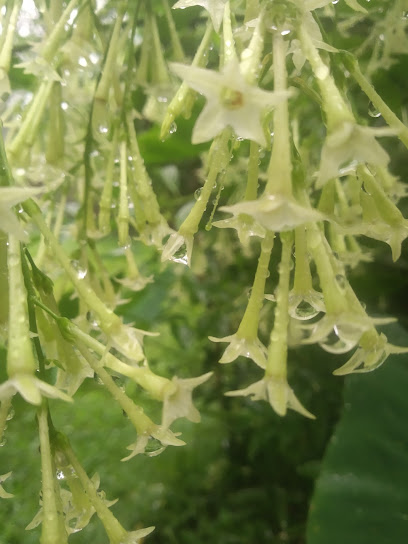
স্বাধীন এর বাসা
72.9 km
Discover the vibrant nightlife of Khulna at স্বাধীন এর বাসা, where music, dance, and fun come together for an unforgettable evening.
হিমেলের চিপা
73.2 km
Dive into Khulna's nightlife at হিমেলের চিপা, a vibrant night club offering exquisite drinks, lively music, and an unforgettable party atmosphere.
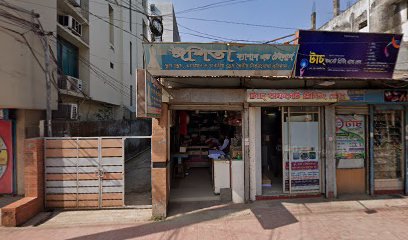
Khulna Club Ltd
73.6 km
Discover the charm of Khulna Club Ltd, a social club offering delicious cuisine and a vibrant atmosphere in the heart of Khulna.
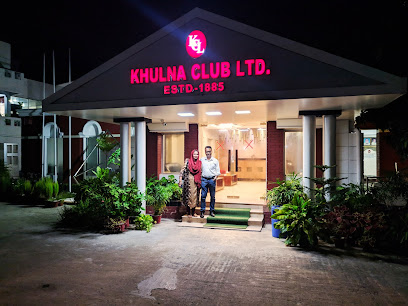
Mostak store
74.4 km
Experience the electrifying nightlife at Mostak Store in Rajapur, where music, dance, and vibrant energy create unforgettable moments.
Club
74.9 km
Unleash your spirit at Club in New Town, the ultimate destination for nightlife enthusiasts seeking music, dance, and memorable experiences.
TIPSY TIGER
75.3 km
Dive into Kolkata's nightlife at Tipsy Tiger, where live music, signature cocktails, and a vibrant atmosphere await every night.
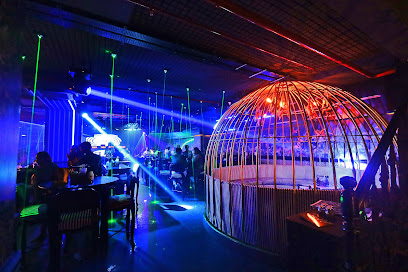
CLUB FENICIA
75.4 km
Discover CLUB FENICIA, Kolkata's premier lounge and fine dining restaurant, where luxury meets vibrant nightlife in an unforgettable setting.
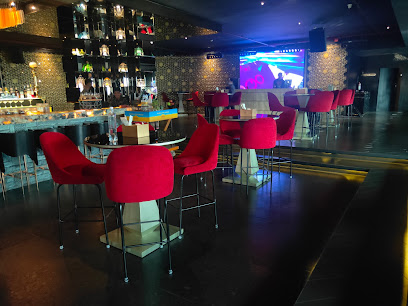
Club Barocks
75.4 km
Discover the pulse of Kolkata's nightlife at Club Barocks, where vibrant music, delicious cuisine, and an electric atmosphere await!