Ali Amjad's Clock Travel Guide
Free Guide: Discover the timeless charm of Ali Amjad's Clock in Sylhet, Bangladesh, a historic landmark offering a glimpse into the region's rich cultural heritage and architectural beauty.


A brief summary of Ali Amjad's Clock
Discover the timeless charm of Ali Amjad's Clock in Sylhet, Bangladesh, a historic landmark offering a glimpse into the region's rich cultural heritage and architectural beauty.
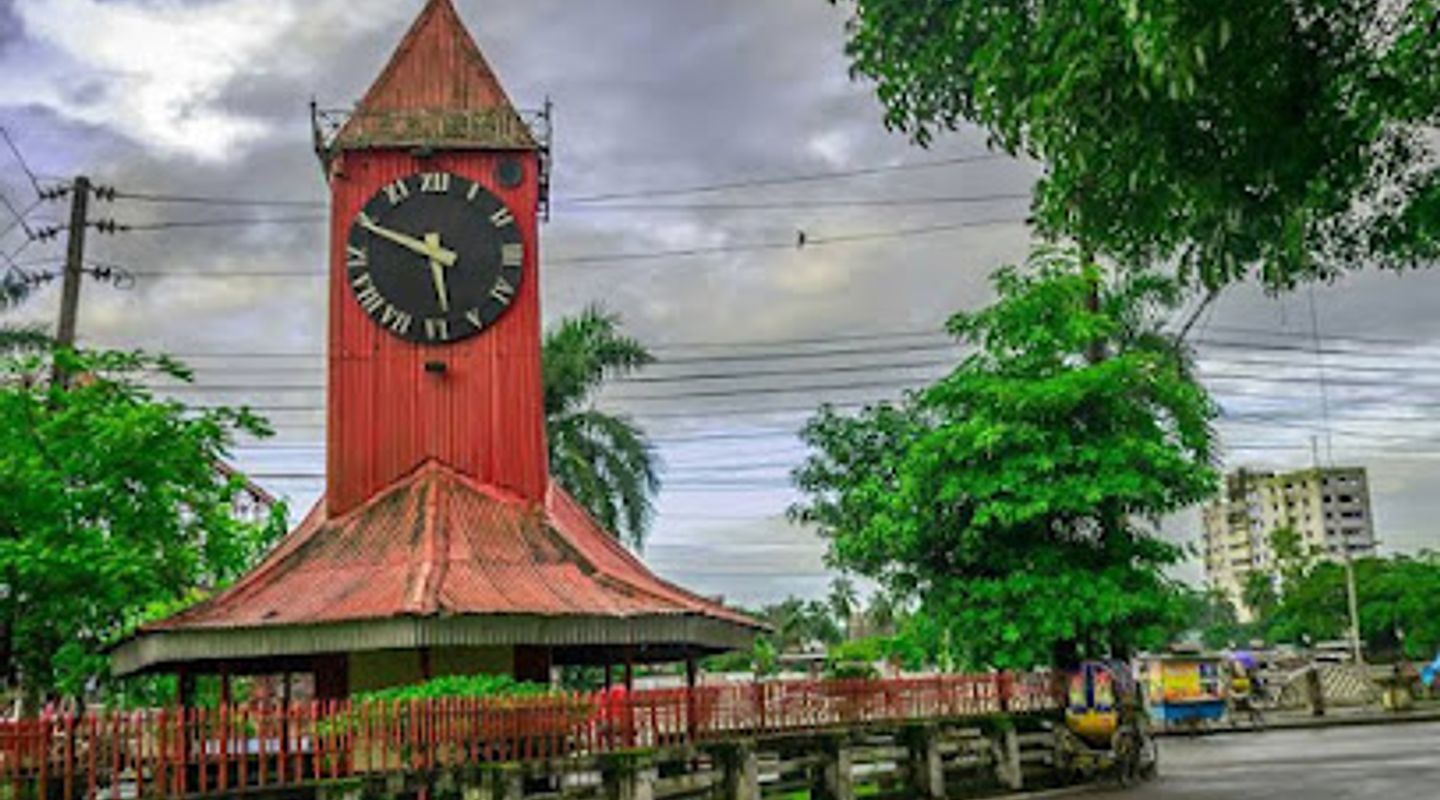
Ali Amjad's Clock, the oldest clock tower in Bangladesh, stands proudly on the Surma River's north bank in Sylhet. Erected in 1874, it's more than just a timepiece; it's a symbol of Sylhet's rich history and architectural heritage. Named after Nawab Ali Amjad Khan, it reflects the city's colonial past and its transformation into a modern urban center. Located near the Keane Bridge, the clock tower is a popular spot for tourists and locals alike, offering a glimpse into the region's cultural identity. The clock's surroundings offer a vibrant atmosphere with local shops and street food, making it a lively hub. Visiting during sunset provides a picturesque view, with the sky casting a warm glow on its facade, making it a memorable experience.
Opening hours
- Every dayOpen 24 hours
Opening hours as listed on the venue’s Google Business Profile. Hours can change for services and special events, so check with the venue before you go.
- Address
- VVQ9+84R, Sylhet
Getting there
Walking
Public Transport
Taxi/Ride-Share
Discover more about Ali Amjad's Clock
Overview
Ali Amjad's Clock, a historic monument in Sylhet, Bangladesh, stands as a testament to the city's rich heritage and architectural prowess. Constructed in 1874, this clock tower is not only a functional timepiece but also a symbol of Sylhet's colonial past and its evolution into a modern urban center. The clock, named after Nawab Ali Amjad Khan, has silently witnessed the changing cityscape for over a century. Located on the northern bank of the Surma River, near the iconic Keane Bridge, Ali Amjad's Clock is a prominent landmark for both locals and tourists. Its intricate design and enduring structure reflect the cultural heritage of Sylhet, offering visitors a glimpse into the region's history. The clock's four faces have guided the residents of Sylhet, marking time and serving as a focal point for the community. The area surrounding Ali Amjad's Clock is a vibrant hub of activity, with local shops, vendors, and bustling streets. This lively atmosphere adds to the clock's allure, making it not just a historical site but also a cultural center where the past and present intertwine. Visitors can enjoy leisurely strolls along the Surma River, immersing themselves in the city's rich history and vibrant culture. During the War of Liberation in 1971, the clock tower suffered damage, a reminder of the region's turbulent past. However, it was later repaired and restored by the Sylhet City Corporation, ensuring its continued presence as a symbol of resilience and heritage. The clock has undergone several repairs and modifications over the years, with the most recent restoration in 2011. Ali Amjad's Clock is more than just a historical landmark; it's a place where people gather, share stories, and celebrate their cultural identity. The clock's surroundings offer a sensory experience, with the sounds of the city, the aroma of local cuisine, and the sights of traditional crafts. It's a place where visitors can connect with the heart and soul of Sylhet. Visiting Ali Amjad's Clock is a journey through time, offering insights into the region's history, culture, and architectural heritage. The clock's location near the Surma River adds to its scenic appeal, with the river reflecting the clock's image and creating a picturesque setting. The clock is especially enchanting during sunset, when the sky casts a warm glow on its facade, creating a magical atmosphere. There is a local proverb about Sylhet that mentions Ali Amjad's Clock alongside other famous sites: "Chandni Ghat-er Shiri, Bonku Babu'r Dari, Jitu Miah'r Gari, Ar Ali Amzade'r Ghori," which translates to "The steps of Channighat, the beard of Bonku Babu, the house of Jitu Miah, and the clock of Ali Amzad." This proverb highlights the clock's significance as a local landmark and its place in the collective memory of the people of Sylhet. Ali Amjad's Clock stands as a reminder of the city's transformation from a colonial outpost to a modern urban center, a bridge between the past and the present. It's a place where history comes alive, where visitors can connect with the region's cultural identity, and where the spirit of Sylhet endures. Whether you're a history enthusiast, an architecture lover, or simply seeking a unique cultural experience, Ali Amjad's Clock promises an unforgettable journey through time and tradition. Today, Ali Amjad's Clock continues to function, a testament to the enduring legacy of Nawab Ali Amjad Khan and the city's commitment to preserving its heritage. The clock's hourly chime resonates throughout the city, a reminder of its historical significance and its role as a symbol of Sylhet's identity. The clock is a must-visit destination for anyone seeking to explore the cultural richness and historical depth of Bangladesh. Ali Amjad's Clock is not just a landmark; it's a living testament to the spirit of Sylhet, a city where the past and present coexist in harmony. It's a place where visitors can immerse themselves in the region's history, connect with its culture, and create lasting memories. The clock's enduring presence serves as a reminder of the importance of preserving our heritage and celebrating the unique stories that shape our world. It is a place where time stands still, allowing visitors to reflect on the past, appreciate the present, and look forward to the future.
Evendo Review Centre
 Google
Guest reviews
Explore Ali Amjad's Clock on the map
A handpicked selection of must-see spots near Ali Amjad's Clock, mapped for you.
Get your free copy of our complete guide to Ali Amjad's Clock, delivered straight to you.
Everything on this page, from opening hours and how to get there to Eve’s tips and the best time to go, in one PDF you can read offline, print or share.
Already have an account? Sign in
Your Ali Amjad's Clock guide is ready.
We'll send it to · Not you? Sign out

Getting your guide ready…
We are putting together a fresh copy of the Ali Amjad's Clock guide. This can take up to a minute.
This can take a few moments. If your browser asks, choose Allow so the download can start. You'll find the guide in your Downloads folder.
Nothing happened? Download it again
Sorry, the guide is taking longer than usual. Please try again in a minute, or get it by email instead.
Unlock the best of Ali Amjad's Clock
Skip-the-line tickets, guided tours with entry, and walking tours of the area, booked in a few clicks.

Other nearby places you may find interesting
The closest places of the same kind, if this one is not quite what you had in mind.
-
-
-
-
-


Swipe for more places
More to explore near Ali Amjad's Clock

 Best experiences near Ali Amjad's Clock
 Best hotels near Ali Amjad's Clock
 Best landmarks near Ali Amjad's Clock
 Best attractions near Ali Amjad's Clock
 Best shops near Ali Amjad's Clock
 Best restaurants near Ali Amjad's Clock
 Best bars near Ali Amjad's Clock
Do you manage this location?
Take control to get all the benefits, like improved information, better appearance, and stronger visibility across AI-powered discovery.
Explore more

Explore more of Sylhet Division
Explore Sylhet Division: From lush tea gardens to serene rivers and spiritual shrines, a hidden gem of natural beauty and cultural richness in Bangladesh.
Explore Sylhet Division
Explore more of Bangladesh
Discover Bangladesh: A land of rivers, rich culture, and breathtaking landscapes. Explore ancient sites, vibrant cities, and the unique flavors of this South Asian gem.
Explore Bangladesh