

Free Sylhet Division Travel Guide & Mobile App
Explore Sylhet Division with free travel guides. Discover regional history, expert tips, proposed trips, and audio guides on web or mobile app.


Explore Sylhet Division for Bangladesh’s tea gardens, forest trails, river scenery, sacred sites and seasonal wetlands across the north-east.
Read more about Sylhet Division
When is the best time to visit Sylhet Division?
Best: February, November–December · 23–26°C| Month | High (°C) | Rainfall (mm) |
|---|---|---|
| January | 21 | 15 |
| February (best) | 23 | 25 |
| March | 28 | 80 |
| April | 32 | 185 |
| May | 34 | 375 |
| June | 33 | 575 |
| July | 32 | 645 |
| August | 32 | 535 |
| September | 32 | 375 |
| October | 30 | 200 |
| November (best) | 26 | 40 |
| December (best) | 23 | 15 |
Getting to and around Sylhet Division
How to get there
Transportation
Top city travel guides in Sylhet Division
The cities of Sylhet Division, and the easiest places to base yourself.

Swipe for more cities
Destinations in Sylhet Division
Resorts, valleys and scenic spots worth a trip of their own.
-

-

-

-


Swipe for more destinations
Best attractions in Sylhet Division
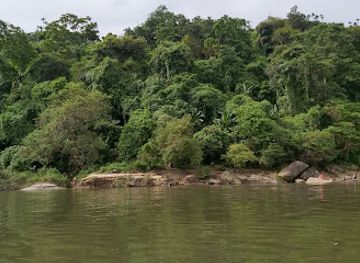
Sylhet Division’s attractions are spread across several contrasting landscapes rather than concentrated in one resort centre. Around Sylhet city, the shrine complex of Hazrat Shah Jalal and the nearby shrine of Shah Paran provide important religious and cultural experiences, while Jaflong, Bichanakandi and Lalakhal offer river scenery, hills and stone landscapes close to the Indian border. Their appearance changes substantially with the seasons and water levels. In Moulvibazar District, Sreemangal and Kamalganj form the principal base for visiting tea country, Lawachara National Park and the surrounding forest margins. Nature walks may reveal birds, reptiles and primates, although wildlife sightings are never guaranteed. Madhabkunda Waterfall provides another prominent landscape feature. Sunamganj opens onto haor wetlands, where boat travel and expansive horizons are central to the experience, especially during the wet season. Habiganj contributes further wetland, agricultural and rural landscapes, with attractions best approached through locally arranged excursions. Across the division, the most rewarding experiences often combine a named site with an understanding of working tea estates, fishing communities, seasonal farming and river ecology.
-
Tourist attraction
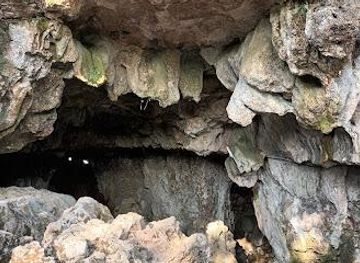
Mawsmai Cave
Discover the geological wonders of Mawsmai Cave, a mesmerizing limestone labyrinth near Cherrapunji, Meghalaya.
-
Tourist attraction
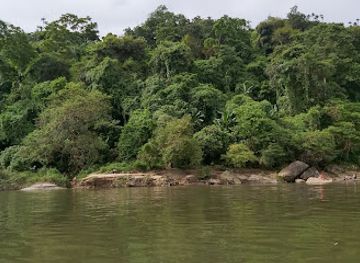
Bholagonj Sada Pathor Tourist Spot
Discover Bholagonj Sada Pathor: A mesmerizing Sylhet landscape where white stones meet crystal waters and verdant hills, offering a tranquil escape and breathtaking natural beauty.
-
National park
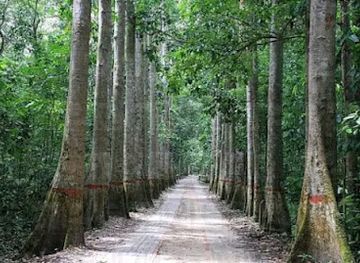
Lawachara National Park
Explore Lawachara National Park: A tropical rainforest in Bangladesh with diverse wildlife, trekking trails, and cultural experiences.
-
Tourist attraction
Double Decker Living Root Bridge
Discover Meghalaya's natural wonder: a living bridge crafted from intertwined roots, offering a unique and unforgettable trekking experience.

Best landmarks in Sylhet Division
The shrine of Hazrat Shah Jalal in Sylhet is the division’s most significant religious landmark and a major focus of pilgrimage, with its importance rooted in the saint’s place in regional Islamic history. The nearby shrine of Shah Paran adds another major devotional site to the city’s religious landscape. In the south, Lawachara National Park is a natural landmark of national importance because its remaining forest represents one of Bangladesh’s valuable habitats for wildlife, including the western hoolock gibbon. The tea-covered slopes and estate landscapes around Sreemangal and Kamalganj form a defining cultural landscape rather than a single monument. Jaflong’s broad river setting, stone beds and distant Khasi Hills provide one of the division’s most recognisable views, while Bichanakandi is distinguished by its water-worn rocks and borderland scenery. Further north, the open waters and reed-fringed horizons of Tanguar Haor express the region’s seasonal geography. These landmarks are shaped by weather, river flow and human use, so their appearance can change markedly between monsoon and dry months.
-
Park
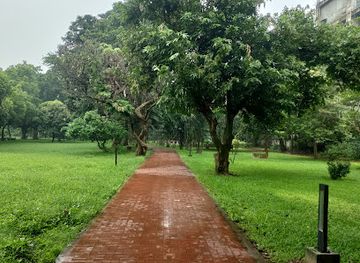
Ramna Park
Discover Dhaka's green heart: Ramna Park, a historic oasis offering tranquility, cultural experiences, and a refreshing escape from the city's vibrant chaos.
-
Historical landmark
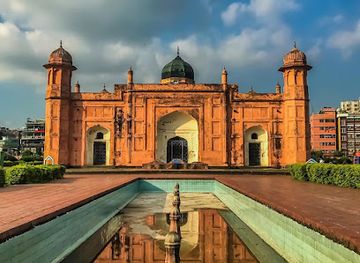
Lalbagh Fort
Explore Lalbagh Fort, a historical landmark in Dhaka, showcasing Mughal architecture and rich cultural heritage amidst serene gardens.
-
State parliament
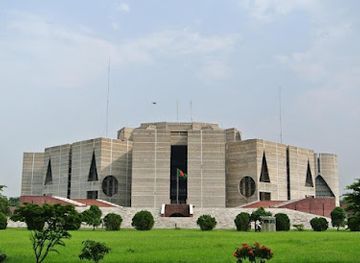
Bangladesh National Parliament House
Discover the architectural marvel of Bangladesh's National Parliament House in Dhaka, a symbol of democracy and unity designed by Louis Kahn, blending modernism with Bengali heritage.
-
National forest
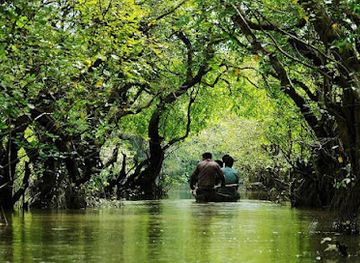
Ratargul Swamp Forest
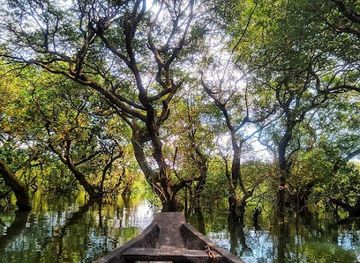
Explore Bangladesh's only freshwater swamp forest: a unique, biodiverse ecosystem offering serene boat tours and stunning natural beauty.
Explore Sylhet Division on the map
Plan your trip on one map. See where the top cities, national parks and sights are, and book hotels and experiences in a few clicks.
Best hotels in Sylhet Division
Best restaurants in Sylhet Division
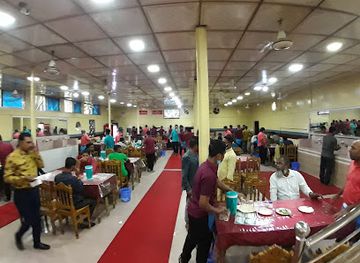
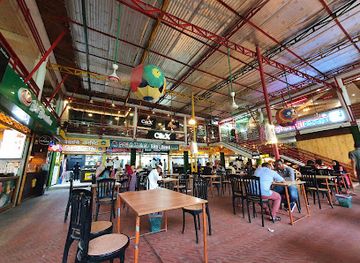
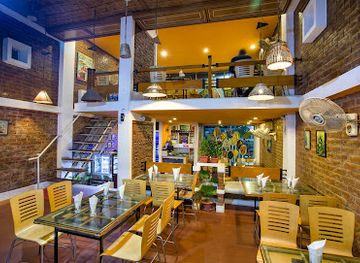
Dining in Sylhet Division is grounded in Bengali food culture, with rice, freshwater fish, vegetables, lentils, meat and fragrant spices forming the everyday foundation. Sylhet city has the broadest range of restaurants, from Bengali eateries and kebab houses to cafés and restaurants serving food shaped by the division’s extensive diaspora links. In towns such as Sreemangal, tea is central to the local experience, while rural stops may offer simple rice meals, fish preparations and seasonal produce rather than elaborate menus. Sylheti preferences can include strongly flavoured dishes, citrus notes and preparations featuring local fish; the famous seven-layer tea is associated particularly with Sreemangal, though its availability and presentation vary. Markets are useful for discovering fruit, snacks and regional ingredients, but visitors should choose busy food stalls with good turnover and drink treated or sealed water. In tea-growing areas, estate visits should be arranged rather than assumed to include public cafés or tastings.
-
Bangladeshi
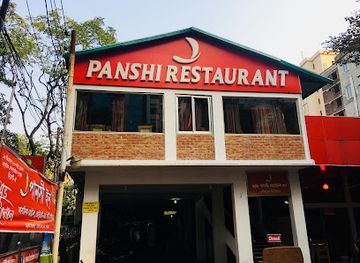
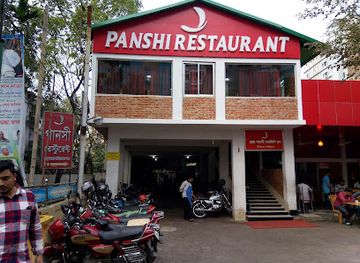
Panshi Restaurant
Experience the heart of Bangladeshi cuisine at Panshi Restaurant - where authentic flavors meet warm hospitality.
-
Bangladeshi
Pach Bhai Restaurant
Experience authentic Bangladeshi breakfast delights at Pach Bhai Restaurant in Sylhet – a true taste of local culture.
-
Restaurant
Kazi Asparagus Food Island Sylhet
Experience diverse flavors at Kazi Asparagus Food Island in Sylhet – where fast food meets local culinary delights in a vibrant atmosphere.
-
Restaurant
Woondaal King Kebab
Experience authentic Bangladeshi cuisine at Woondaal King Kebab in Sylhet – home to exquisite kebabs and inviting ambiance.
Best bars in Sylhet Division
Nightlife in Sylhet Division is generally low-key and centred on restaurants, cafés, hotel lounges, tea stalls and traditional social spaces rather than a large club circuit. Sylhet city has the widest evening choice, including family-oriented restaurants, cafés and some hotel-based venues, while Sreemangal’s evenings tend to revolve around dining, conversation and early starts for forest or tea-country excursions. In rural Moulvibazar, Habiganj and Sunamganj, nightlife is limited and often ends with local eateries or tea shops; alcohol is not central to public evening culture and availability can be restricted by venue, licence and local norms. During festivals and holidays, markets and town centres may become busier after dark, but opening arrangements vary. Visitors should dress and behave respectfully around shrines and residential areas, use known transport for the journey back to their accommodation and avoid assuming that remote attractions provide evening facilities.
-
Bangladeshi
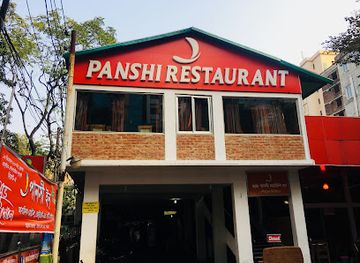
Panshi Restaurant
Experience the best of Bangladeshi flavors at Panshi Restaurant, a beloved dining spot in Sylhet, renowned for its hearty breakfasts and authentic cuisine.
-
Bangladeshi
Pach Bhai Restaurant
Discover the authentic flavors of Bangladesh at Pach Bhai Restaurant, a charming spot for breakfast and traditional cuisine in Sylhet.
-
Restaurant
Woondaal King Kebab
Discover the vibrant flavors of Sylhet at Woondaal King Kebab, where every bite is a celebration of local culinary heritage.
-
Restaurant
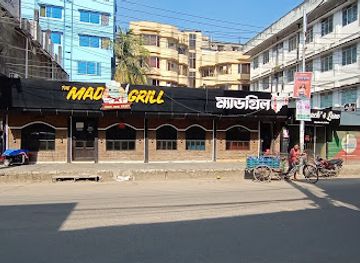
The Mad Grill
Experience the best of local and international flavors at The Mad Grill in Sylhet, where every meal is a celebration of taste.
Best nightclubs in Sylhet Division
Nightlife in Sylhet Division is generally low-key and centred on restaurants, cafés, hotel lounges, tea stalls and traditional social spaces rather than a large club circuit. Sylhet city has the widest evening choice, including family-oriented restaurants, cafés and some hotel-based venues, while Sreemangal’s evenings tend to revolve around dining, conversation and early starts for forest or tea-country excursions. In rural Moulvibazar, Habiganj and Sunamganj, nightlife is limited and often ends with local eateries or tea shops; alcohol is not central to public evening culture and availability can be restricted by venue, licence and local norms. During festivals and holidays, markets and town centres may become busier after dark, but opening arrangements vary. Visitors should dress and behave respectfully around shrines and residential areas, use known transport for the journey back to their accommodation and avoid assuming that remote attractions provide evening facilities.
-
National park
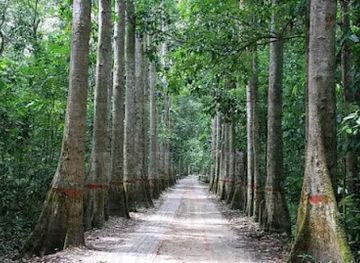
Lawachara National Park
Explore the breathtaking beauty and rich biodiversity of Lawachara National Park, a natural paradise in Bangladesh perfect for nature lovers and adventurers.
-
Restaurant
The Coffee Club
Discover the vibrant atmosphere and diverse menu of The Coffee Club in Sylhet, the perfect spot for coffee lovers and food enthusiasts.
-
Restaurant
Platinum Lounge
Discover luxury dining at Platinum Lounge, Sylhet's premier restaurant offering a blend of exquisite cuisine and elegant ambiance for every occasion.
-
Club
Sylhet Club Limited
Discover the vibrant social scene at Sylhet Club Limited, a top recreation center in Sylhet, perfect for relaxation and cultural immersion.
Best shops in Sylhet Division
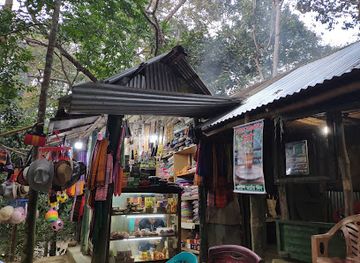
Shopping in Sylhet Division ranges from city markets and modern retail streets to tea-country boutiques and rural bazaars. Sylhet city offers the greatest choice of clothing, fabrics, cosmetics, household goods, sweets and imported products, with shopping often linked to the city’s strong overseas connections. Sreemangal is the natural place to look for packaged tea and tea-related gifts, although buyers should check provenance and packaging rather than assume every product comes from a local estate. Market towns across Moulvibazar, Habiganj and Sunamganj are useful for seasonal fruit, snacks, spices, woven goods and everyday Bengali products, but they are primarily local trading centres rather than curated souvenir districts. Small food gifts such as tea, sweets and preserved or dried products travel more easily than fragile craft items. Bargaining may be expected in some informal markets but not in fixed-price shops; ask permission before photographing stalls, workers or products being prepared.
-
Bangladeshi
Panshi Restaurant
Discover the essence of Bangladeshi cuisine at Panshi Restaurant, where every meal is a flavorful journey in the heart of Sylhet.
-
Tourist attraction
Bholagonj Sada Pathor Tourist Spot
Experience the breathtaking beauty of Bholagonj Sada Pathor, a serene tourist attraction in Sylhet, Bangladesh, perfect for nature lovers and adventure seekers.
-
National park
Lawachara National Park
Explore the lush landscapes and diverse wildlife of Lawachara National Park, a natural paradise in Kamalganj, Bangladesh.
-
Tourist attraction
Bholaganj Sada Pathor - Sylhet
Experience the breathtaking beauty of Bholaganj Sada Pathor, a stunning natural attraction in Sylhet, Bangladesh, known for its enchanting white stones and serene river views.
Get your free copy of our complete guide to Sylhet Division, delivered straight to you.
Everything on this page, from attractions and restaurants to essentials and local phrases, in one PDF you can read offline, print or share.
Already have an account? Sign in
Your Sylhet Division guide is ready.
We'll send it to · Not you? Sign out

Getting your guide ready…
We are putting together a fresh copy of the Sylhet Division guide. This can take up to a minute.
This can take a few moments. If your browser asks, choose Allow so the download can start. You'll find the guide in your Downloads folder.
Nothing happened? Download it again
Sorry, the guide is taking longer than usual. Please try again in a minute, or get it by email instead.
Sylhet Division essentials
Currency and Payment
Safety
Emergency Situations
Do's and Don'ts
Local Tips
From Eve
Local phrases worth knowing
You don't need to get them perfect. A few words go a long way, and locals appreciate the effort.
Basics
| English | Local | Say it |
|---|---|---|
| Hello | হ্যালো | [Halo] |
| Goodbye | বিদায় | [Biday] |
| Yes | হ্যাঁ | [Hya] |
| No | না | [Na] |
| Please/You're welcome | অনুগ্রহ করে/স্বাগতম | [Onugroho kore/Shagotom] |
| Thank you | ধন্যবাদ | [Dhonnobad] |
| Excuse me/Sorry | মাফ করবেন/দুঃখিত | [Maf korben/Dukhito] |
| How are you? | কেমন আছেন? | [Kemon achen?] |
| Fine. And you? | ভাল। আর আপনি? | [Bhalo. Ar apni?] |
| Do you speak English? | আপনি কি ইংরেজি বলতে পারেন? | [Apni ki Ingreji bolte paren?] |
| I don't understand | আমি বুঝতে পারছি না | [Ami bujhte parchi na] |
Eating & Drinking
| English | Local | Say it |
|---|---|---|
| I'd like to see the menu, please | দয়া করে মেনু দেখাবেন | [Doya kore menu dekhaben] |
| I don't eat meat | আমি মাংস খাই না | [Ami mangsho khai na] |
| Cheers! | চিয়ার্স! | [Cheers!] |
| I would like to pay, please | দয়া করে আমি বিল দিতে চাই | [Doya kore ami bil dite chai] |
Emergencies
| English | Local | Say it |
|---|---|---|
| Help! | সাহায্য করুন! | [Sahajjo korun!] |
| Go away! | দূরে যান! | [Dure jan!] |
| Call the Police! | পুলিশ ডাকুন! | [Polish dakun!] |
| Call a doctor! | ডাক্তার ডাকুন! | [Doktar dakun!] |
| I'm lost | আমি হারিয়ে গেছি | [Ami hariye gechi] |
| I'm ill | আমি অসুস্থ | [Ami osustho] |
Shopping
| English | Local | Say it |
|---|---|---|
| I'd like to buy... | আমি কিনতে চাই... | [Ami kinte chai...] |
| I'm just looking | আমি শুধু দেখছি | [Ami shudhu dekhchi] |
| How much is it? | এটার দাম কত? | [Etar dam koto?] |
| That's too expensive | এটা খুব দামি | [Eta khub dami] |
| Can you lower the price? | আপনি কি দাম কমাতে পারবেন? | [Apni ki dam komate parben?] |
Time & Numbers
| English | Local | Say it |
|---|---|---|
| What time is it? | এখন সময় কত? | [Ekhon shomoy koto?] |
| It's one o'clock | এখন এক টা | [Ekhon ek ta] |
| Half past (10) | সাড়ে (১০) | [Sare (10)] |
| Morning | সকাল | [Sokal] |
| Afternoon | বিকাল | [Bikal] |
| Evening | সন্ধ্যা | [Shondhya] |
| Yesterday | গতকাল | [Gotokaal] |
| Today | আজ | [Aaj] |
| Tomorrow | কাল | [Kal] |
| 1 | ১ | [1] |
| 2 | ২ | [2] |
| 3 | ৩ | [3] |
| 4 | ৪ | [4] |
| 5 | ৫ | [5] |
| 6 | ৬ | [6] |
| 7 | ৭ | [7] |
| 8 | ৮ | [8] |
| 9 | ৯ | [9] |
| 10 | ১০ | [10] |
Transport & Directions
| English | Local | Say it |
|---|---|---|
| Where's a/the...? | কোথায় একটি...? | [Kothay ekta...?] |
| What's the address? | ঠিকানা কি? | [Thikana ki?] |
| Can you show me (on the map)? | আপনি কি আমাকে (মানচিত্রে) দেখাতে পারেন? | [Apni ki amake (manchitre) dekhate paren?] |
| When's the next (bus)? | পরবর্তী (বাস) কখন? | [Poroborti (bas) kokhon?] |
| A ticket (to ....) | একটি টিকেট (....) | [Ekti ticket (....)] |
History of Sylhet Division
Ancient Srihatta and Early Regional Kingdoms
The wider Sylhet area has long been known through names including Srihatta, and its river valleys connected settlements in north-eastern Bengal with the Surma and Kushiara basins. Archaeological remains and historical references indicate layers of Hindu, Buddhist and later Islamic influence, although the surviving evidence is unevenly distributed. The region’s frontier position between Bengal and the hill territories to the east encouraged trade, movement and cultural exchange. Its waterways also shaped settlement patterns, agriculture and political control, leaving a historical landscape that cannot be understood solely through the modern boundaries of Sylhet Division.
The Fourteenth-Century Muslim Conquest
Sylhet’s Islamic history is strongly associated with the arrival of the Sufi saint Shah Jalal in the early fourteenth century. Local tradition connects him and his companions with the defeat of the Hindu ruler of Gour and the establishment of Muslim political authority in the area. The historical details are interwoven with devotional traditions, but the enduring importance of Shah Jalal is clear: his shrine in Sylhet remains one of Bangladesh’s major pilgrimage centres. The related shrine of Shah Paran further reflects the region’s long-standing Sufi religious culture.
Mughal and Colonial Frontier Administration
From the Mughal period onwards, Sylhet was incorporated into wider systems of revenue collection and administration while retaining strong links with neighbouring hill and plain regions. British rule reorganised the area within colonial Bengal and Assam at different stages, and Sylhet’s frontier position gave it particular administrative importance. Roads, river routes and later rail connections strengthened links with markets beyond the division. Many historic settlements, religious sites and transport corridors in present-day Sylhet retain traces of these successive layers of rule.
The Rise of Commercial Tea, Nineteenth Century
Commercial tea cultivation transformed the southern and eastern parts of the division during British rule. Plantations expanded especially around present-day Moulvibazar, Sreemangal and Kamalganj, bringing new estates, processing facilities and labour communities to landscapes previously dominated by forest, small cultivation and wetland. Tea remains central to the visual and economic identity of the region, although estates are working agricultural properties rather than uniformly open tourist attractions. The industry also created lasting social distinctions between plantation communities, market towns and surrounding villages.
Partition and the Sylhet Referendum, 1947
The partition of British India profoundly affected Sylhet. A referendum in 1947 resulted in most of the district joining East Bengal, which became part of Pakistan, while the Karimganj area went to India. The new international boundary disrupted older travel, family and commercial connections across the hills and valleys. Sylhet subsequently developed within East Pakistan and, after 1971, Bangladesh. The region’s continuing links with communities overseas and across the border are part of this longer history of migration and divided geography.
The Liberation War of 1971
Sylhet Division was involved in the Bangladesh Liberation War, with fighting, military movement, displacement and resistance affecting towns and rural areas. The border with India became important for refugees, communication and support to the independence movement. The war’s effects were felt across the Surma Valley and tea-plantation districts, while the wider region contributed personnel and resources to the struggle. Independence changed the political framework in which Sylhet’s communities, agricultural economy and cross-border relationships developed.
Diaspora, Remittances and Contemporary Sylhet
Since the twentieth century, Sylhet has become particularly associated with overseas migration, first to Britain and later to other countries in Europe, North America and the Middle East. Remittances have influenced housing, education, commerce and family life, especially in and around Sylhet city and many rural communities. This diaspora connection is visible in international travel patterns, restaurants, businesses and social networks, but it exists alongside older livelihoods in agriculture, fishing, tea and local trade. Modern Sylhet is therefore both strongly regional and extensively connected abroad.
Sylhet Division in Photos
Browse through our photo collection highlighting the charm and character of the destination.
Neighbouring regions of Sylhet Division
The closest regions to Sylhet Division, if you have time for more than one.
-

-

-
-

-


Swipe for more regions
Explore more

Explore more of Bangladesh
Discover Bangladesh: A land of rivers, rich culture, and breathtaking landscapes. Explore ancient sites, vibrant cities, and the unique flavors of this South Asian gem.
Explore Bangladesh