
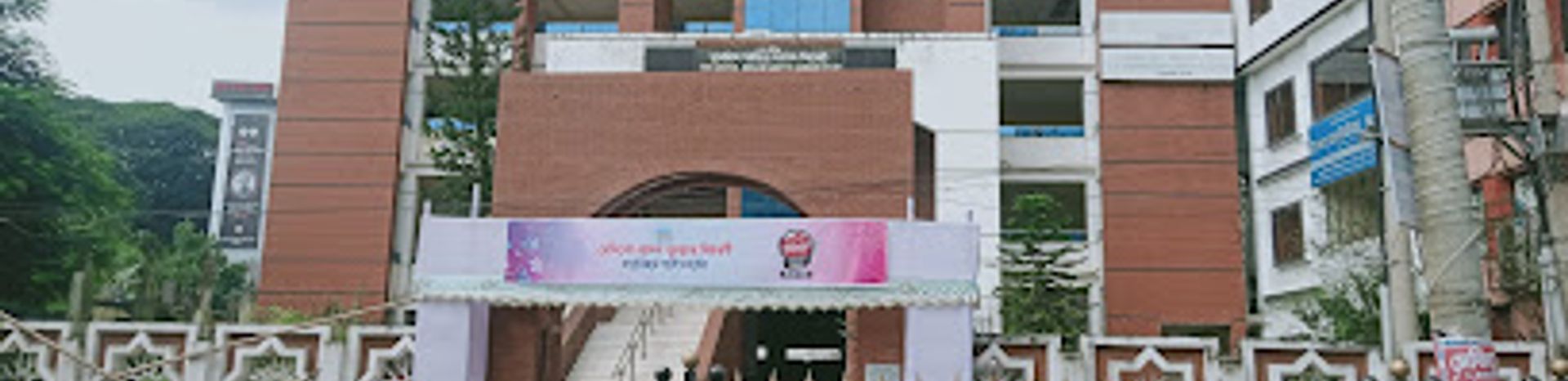
Central Muslim Sahitya Sangsad: A Literary Beacon
Explore Sylhet's literary heart at the Central Muslim Sahitya Sangsad, a historic institution preserving Bengali culture and fostering a love for literature since 1936, a must-see for cultural enthusiasts.
The Central Muslim Sahitya Sangsad (also known as Sylhet Central Muslim Literary Society) stands as a cornerstone of Sylhet's intellectual and cultural heritage. Founded in 1936, this venerable institution has fostered literary pursuits, preserved invaluable manuscripts, and served as a platform for countless writers, poets, and scholars. More than just a library, it's a living archive that reflects the region's rich history and its contributions to Bengali literature. Visitors can explore its extensive collection, attend literary events, and immerse themselves in the vibrant atmosphere of a place where words truly matter. The Sangsad is a must-visit for anyone seeking to understand the cultural soul of Sylhet and its enduring literary traditions. Its significance extends beyond regional boundaries, representing a vital chapter in the broader narrative of Bengali literary development. The building also serves as a museum, showcasing artifacts and documents related to the Sangsad's history and the literary figures associated with it.
A brief summary to The Central Muslim Sahitya Sangsad
- WV29+MMJ, Sylhet, Dargah Mahalla, BD
Local tips
- Check the Sangsad's event calendar for literary seminars, poetry recitations, and cultural programs to enhance your visit.
- Explore the library's collection of rare manuscripts and historical documents for a deeper understanding of Sylhet's literary heritage.
- Visit during the afternoon hours when the library is less crowded, allowing for a more peaceful and immersive experience.
- Engage with the local staff and members to learn more about the Sangsad's history and its role in the community.
- Take a moment to appreciate the architecture of the building, which reflects the region's cultural influences and artistic traditions.

Getting There
-
Walking
From the Dargah Gate area, the Central Muslim Sahitya Sangsad is easily accessible on foot. Orient yourself towards the main road and walk west. The Sangsad is located a short distance away, identifiable by its traditional architecture. The walk is approximately 5-10 minutes, depending on your starting point near Dargah Gate.
-
Public Transport
Local CNG auto-rickshaws are readily available throughout Sylhet. From any major point in the city, hire a CNG to Dargah Gate (the fare should be around 80-120 BDT depending on the distance and your negotiation skills). From Dargah Gate, follow the walking directions. Buses also ply the route towards Dargah Gate; look for buses indicating that route. Bus fares are typically around 10-20 BDT.
-
Taxi/Ride-Share
Taxis and ride-sharing services like Pathao are available in Sylhet. Use a ride-hailing app or flag down a taxi and ask to be taken to the Central Muslim Sahitya Sangsad near Dargah Gate. A taxi ride from Zindabazar, for example, would cost approximately 150-200 BDT, depending on traffic. Be sure to negotiate the fare beforehand or use a metered taxi if available.
Discover more about The Central Muslim Sahitya Sangsad
Iconic landmarks you can’t miss

The Central Muslim Sahitya Sangsad
0.0 km
Explore Sylhet's literary heart at the Central Muslim Sahitya Sangsad, a historic institution preserving Bengali culture and fostering a love for literature since 1936, a must-see for cultural enthusiasts.
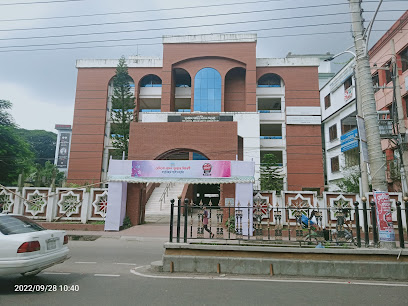
Bottom Hill Palace Hotel
0.1 km
Experience the fusion of comfort and elegance at Bottom Hill Palace Hotel, your ideal getaway in the scenic city of Sylhet.

শহীদ চত্বর - Shahid Square
0.5 km
Honor the spirit of Bangladesh's independence at Shahid Square in Sylhet, a place of remembrance and reflection for locals and tourists alike.
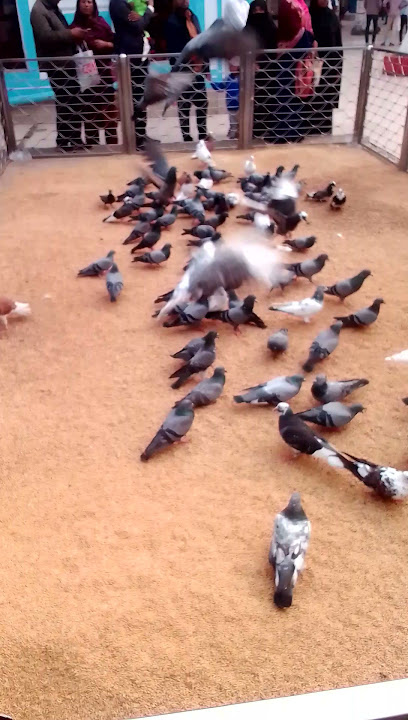
Kazi Mansion
0.6 km
Explore Kazi Mansion in Sylhet for an exhilarating shopping experience blending local culture and modern retail in a vibrant atmosphere.
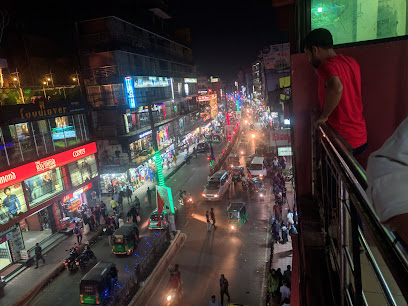
Kazi Asparagus Food Island Sylhet
0.7 km
Experience the vibrant culinary scene at Kazi Asparagus Food Island in Sylhet, where local and fast food delights await every palate.
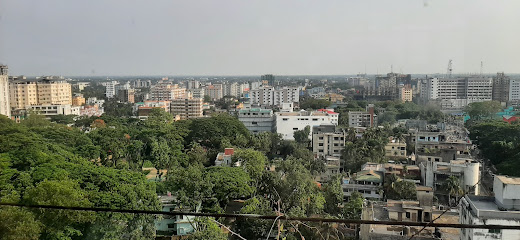
Stadium Market
0.7 km
Experience the vibrant heart of Sylhet at Stadium Market: a sensory-rich immersion into local culture, commerce, and the authentic flavors of Sylheti street food.
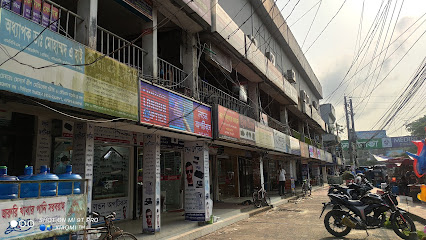
Zindabazar
0.7 km
Experience the vibrant heart of Sylhet in Zindabazar: a bustling commercial hub with colorful markets, delicious street food, and a rich cultural atmosphere that captivates every visitor.
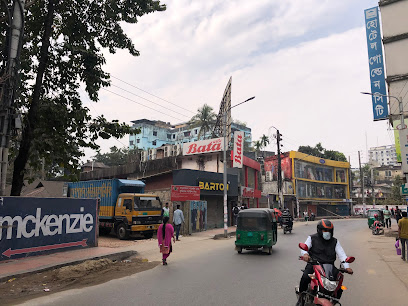
Lal or tol
0.8 km
Discover the rich history and stunning architecture of Lal or Tol, a historical landmark in Sylhet, Bangladesh, perfect for cultural exploration.
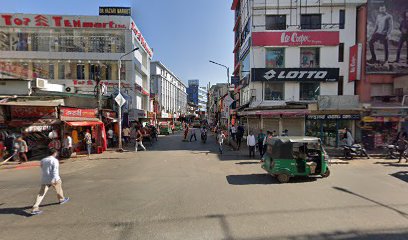
Pach Bhai Restaurant
0.8 km
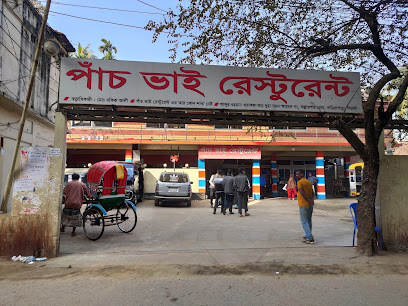
Experience authentic Bangladeshi cuisine at Pach Bhai Restaurant in Sylhet, a local favorite since 2008, offering fresh, flavorful dishes at affordable prices.
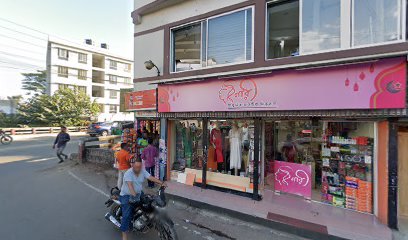
Sylhet, Bangladesh
1.0 km
Explore Sylhet: Bangladesh's tea gardens, spiritual heart, and natural wonderland await your discovery in this captivating region.
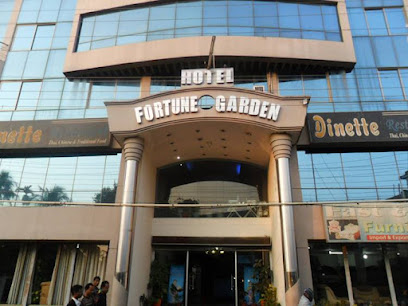
Hotel Fortune Garden
1.1 km
Experience comfort and tranquility at Hotel Fortune Garden, your gateway to exploring the cultural and natural wonders of Sylhet.
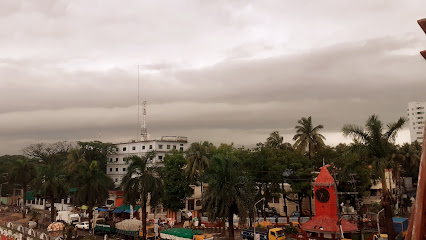
Bondor Bazar Sylhet
1.1 km
Experience the vibrant culture and shopping at Bondor Bazar, Sylhet's bustling market featuring local crafts, street food, and a lively atmosphere.
Sagordighir Par Jame Masjid
1.5 km
Explore the architectural beauty and spiritual tranquility of Sagordighir Par Jame Masjid in Sylhet, a cultural gem in Bangladesh.
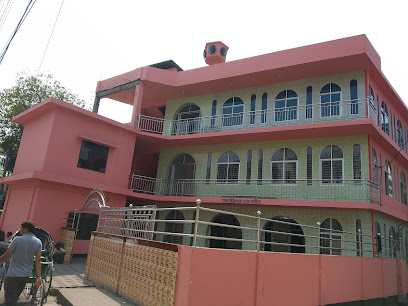
Chadni Ghat
1.5 km
Discover Chadni Ghat in Sylhet: A historic riverside landmark offering a glimpse into Bangladesh's rich cultural heritage and a tranquil escape on the Surma River.
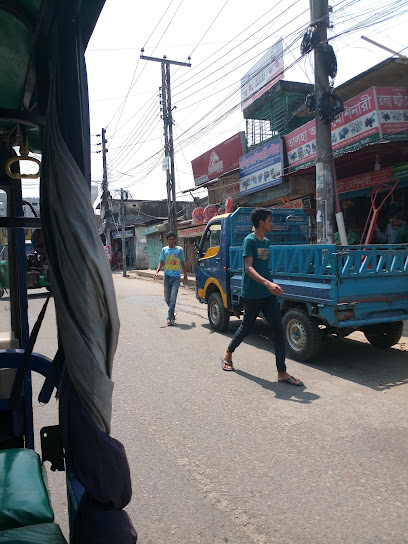
Kazir Bazar Surma Bridge
1.9 km
Discover the tranquil beauty of Kazir Bazar Surma Bridge in Sylhet, where stunning river views and local culture await every traveler.
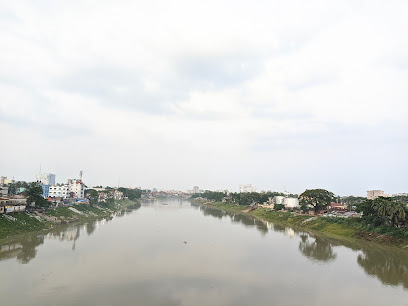
Unmissable attractions to see

Hazrat Shahjalal (Rh) Jame Mosque
0.3 km
Discover Sylhet's spiritual heart at this architectural marvel, a center of peace, culture, and Islamic heritage.
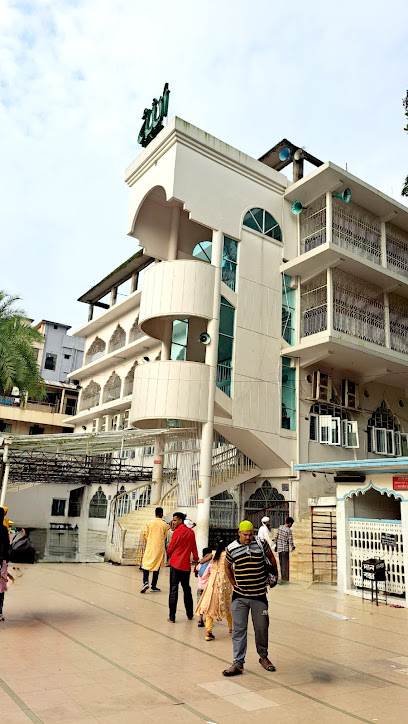
Al Hamra Jame Masjid
0.5 km
Discover Al Hamra Jame Masjid in Sylhet: A blend of modern architecture and Islamic tradition in the heart of the city's bustling Zindabazar.
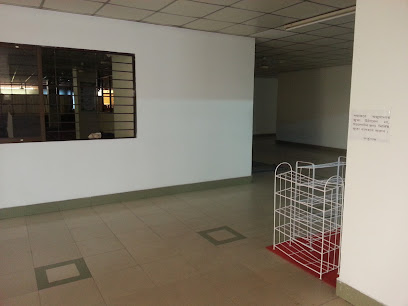
Museum of Rajas'
0.8 km
Explore the legacy of mystic poet Hason Raja at this Sylhet museum, showcasing folk traditions and Raja family history.
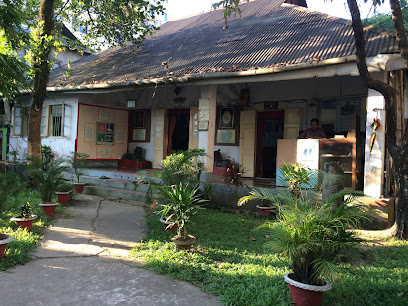
Jallarpar Walkway
0.8 km
Escape the city bustle at Jallarpar Walkway in Sylhet, a serene pedestrian park with lush greenery, vibrant flowers, and a tranquil atmosphere perfect for relaxation and recreation.
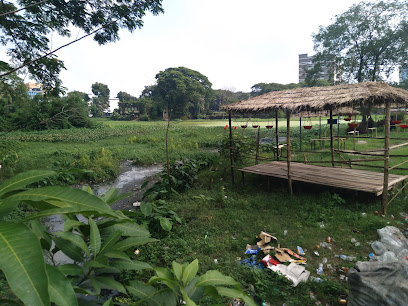
Dhopa Dighir Par Walkway
1.1 km
Escape to tranquility at Dhopa Dighir Par Walkway in Sylhet, a revitalized lakeside retreat offering scenic beauty and cultural richness.
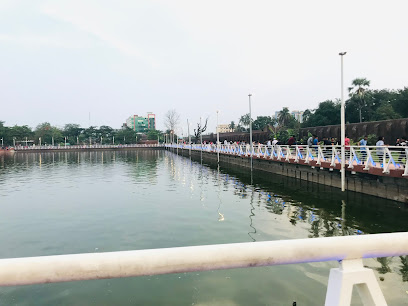
ধোপাদীঘি ওয়াকওয়ে
1.1 km
Escape to serenity at Dhupadighir Walkway in Sylhet, a peaceful lakeside promenade perfect for relaxation and scenic strolls.
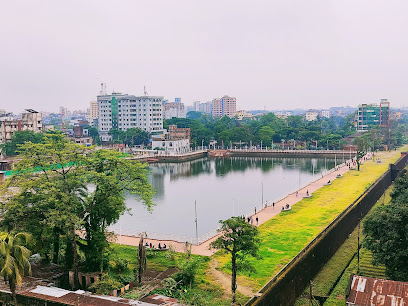
Development of Dhopa Dighir Par Area
1.2 km
Experience tranquility at Dhopa Dighir Par in Sylhet, a revitalized lakeside area offering scenic walks, lush greenery, and a serene escape.
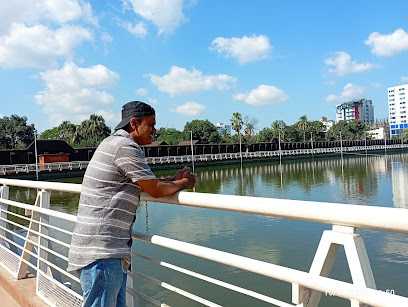
MAG Osmani Amusement Park
1.2 km
Enjoy family-friendly rides, games, and green spaces at Sylhet's MAG Osmani Amusement Park, a tribute to a national hero.
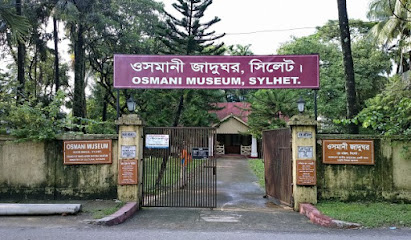
Osmani Museum
1.2 km
Explore the life and legacy of General Osmani, a key figure in Bangladesh's Liberation War, at his ancestral home in Sylhet.
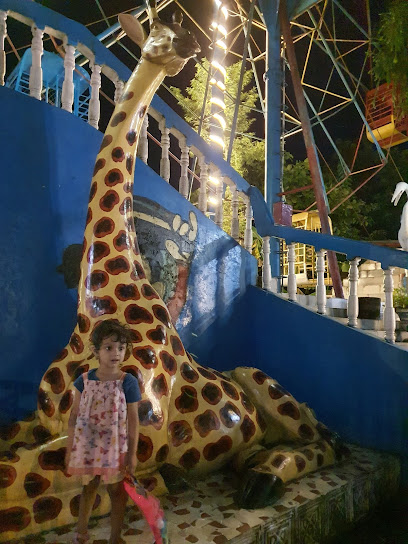
Bongobir Osmani Shishu Uddan
1.2 km
Experience joy at Sylhet's oldest children's park, offering recreation, relaxation, and cultural charm for families and visitors of all ages.
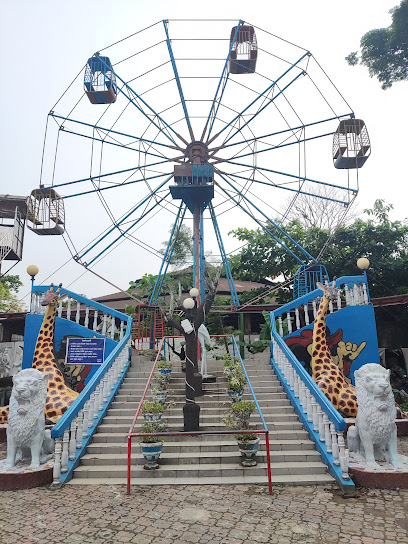
Sagordhigir Par Walkway
1.2 km
Discover tranquility at Sagordhigir Par Walkway in Sylhet: a scenic lakeside escape surrounded by nature's beauty and peaceful ambiance.
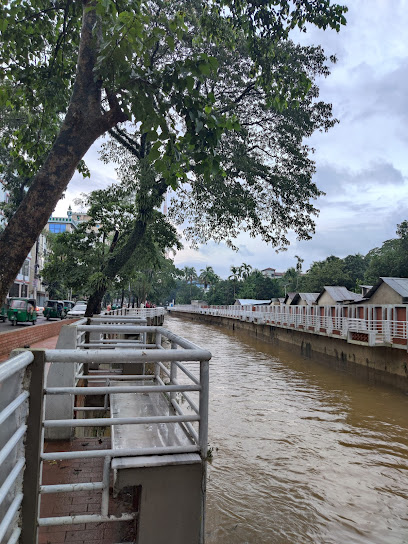
Shahi Eidgah
1.2 km
Explore Sylhet's Shahi Eidgah: A historic Mughal-era prayer ground, a symbol of unity, faith, and Bangladeshi cultural heritage.
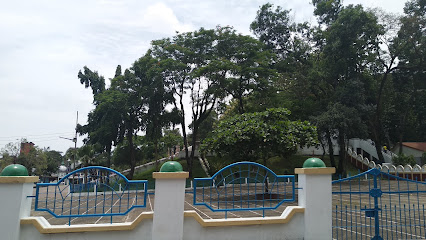
Jalalabad Park
1.3 km
Discover the serene beauty of Jalalabad Park in Sylhet, a perfect retreat for nature lovers and families seeking tranquility.
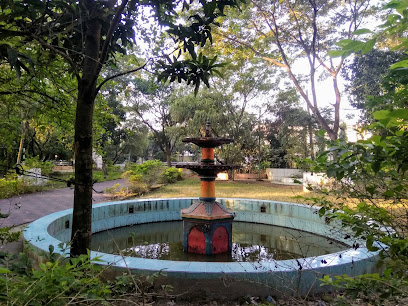
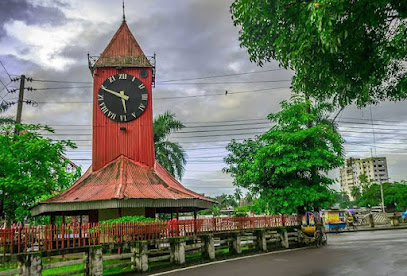
Ali Amjad's Clock
1.5 km
Explore Sylhet's history at Ali Amjad's Clock, a landmark on the Surma River, reflecting the city's heritage and enduring spirit since 1874.
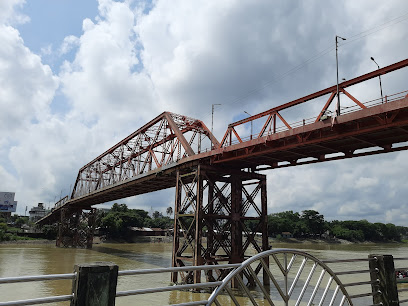
Keane Bridge Park
1.5 km
Discover Sylhet's heart at Keane Bridge Park: a historic landmark with serene river views, steeped in colonial history and resilient spirit.
Essential places to dine

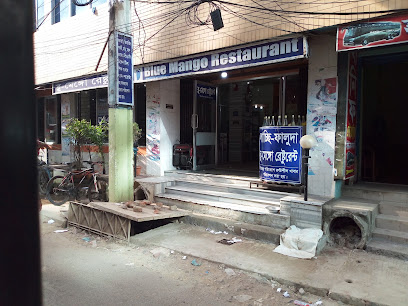
Blue - Mango Restaurant
0.1 km
Experience authentic Bangladeshi flavors at Blue - Mango Restaurant in Sylhet, where every dish tells a story.
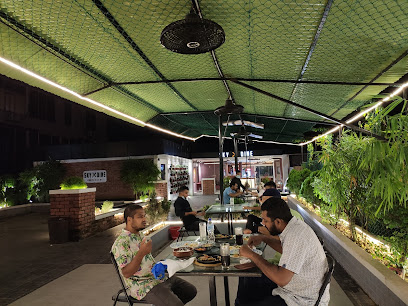
Sky Dine Restaurant
0.1 km
Experience exquisite dining with stunning views at Sky Dine Restaurant in Sylhet – where culinary delight meets breathtaking scenery.
ANTALYA
0.1 km
Explore Antalya: A captivating blend of stunning beaches, rich history, and delectable Turkish cuisine awaits you in this Mediterranean gem.
Zafran Restaurant
0.1 km
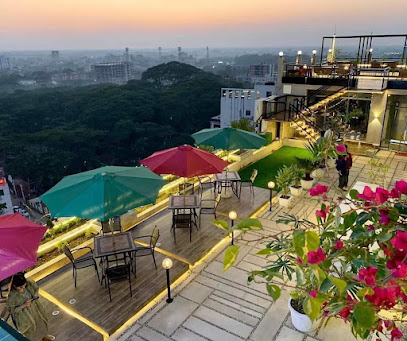
Discover the vibrant flavors of Bangladesh at Zafran Restaurant in Sylhet – where every meal is a celebration of taste.
Royal Kitchen
0.1 km
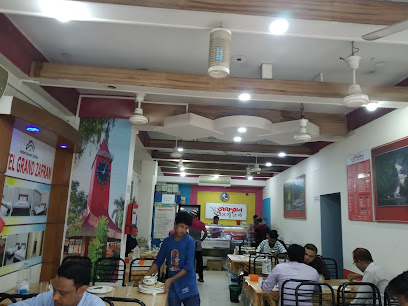
Discover the flavors of Bangladesh at Royal Kitchen in Sylhet—where tradition meets taste in every dish.
New Langthurai Chinese Restaurant & Party Center
0.3 km
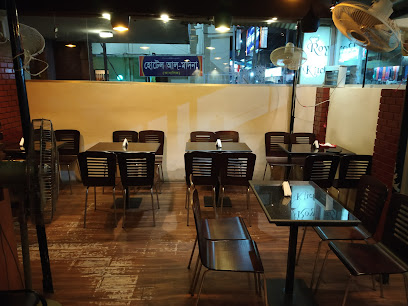
Experience authentic Chinese cuisine at New Langthurai Restaurant in Sylhet – where every meal is a celebration of flavor!
Alpine Restaurant
0.3 km
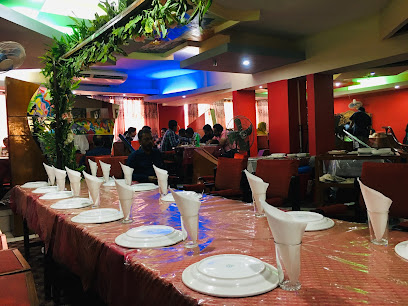
Discover authentic flavors at Alpine Restaurant in Sylhet—where local cuisine meets inviting ambiance.
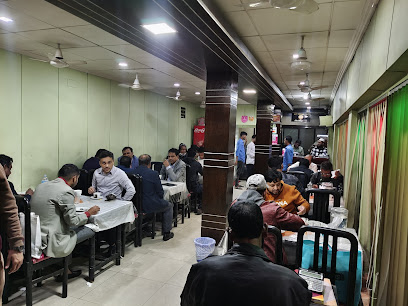
MEATUP
0.3 km
Discover MEATUP: A Culinary Haven in Sylhet Offering Exquisite Meat Dishes and Unmatched Dining Experience.
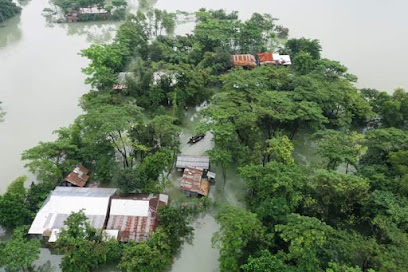
Rainbow Chinese Restaurant
0.4 km
Discover authentic Chinese cuisine at Rainbow Chinese Restaurant in Sylhet – where every dish tells a story.
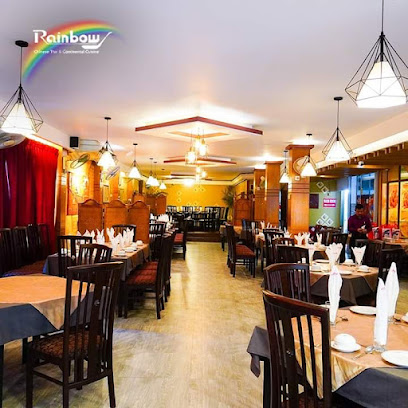
Pritibhoj Restaurant
0.4 km
Experience authentic Bangladeshi cuisine at Pritibhoj Restaurant in Sylhet – where flavor meets tradition!

Sinbad Restaurant
0.5 km
Experience authentic Bangladeshi cuisine at Sinbad Restaurant in Sylhet—where every dish tells a story.
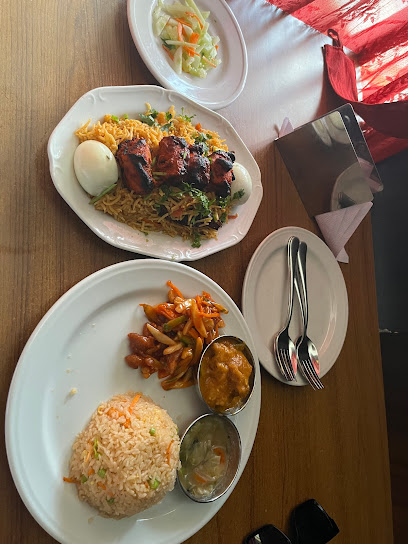
Titanic Restaurant
0.5 km
Discover delicious local flavors and international cuisine at Titanic Restaurant in Sylhet—a must-visit dining destination.
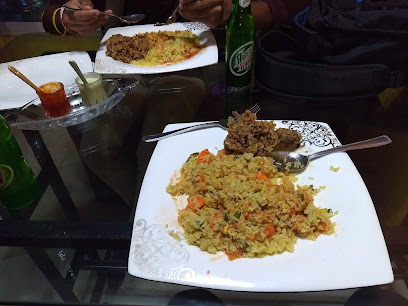
The Diner
0.5 km
Discover diverse flavors at The Diner in Sylhet – where local meets international cuisine in a cozy setting.
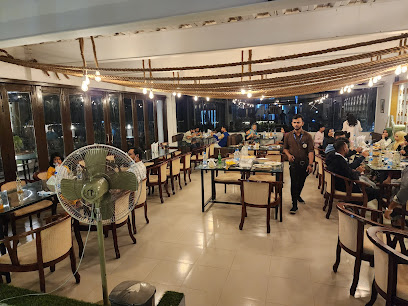
Yōkoso
0.5 km
Explore authentic Pan Asian cuisine at Yōkoso in Sylhet – a culinary journey through Asia's finest flavors awaits you.
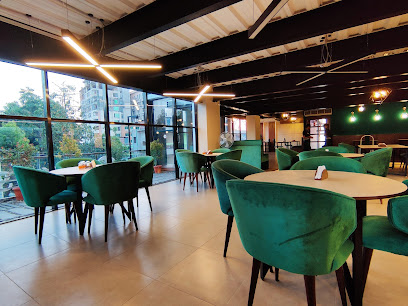
Cheezers Cafe
0.5 km
Experience the essence of authentic Chinese cuisine at Cheezers Cafe in Sylhet – where every dish tells a story.
Markets, malls and hidden boutiques

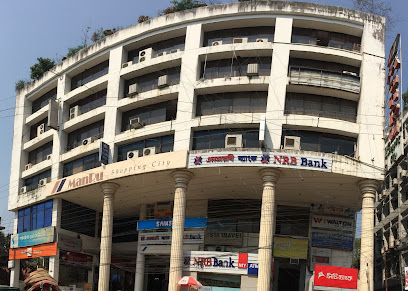
Manru Shopping City
0.3 km
Explore Manru Shopping City: Sylhet's ultimate shopping mall offering diverse brands, dining options, and a vibrant cultural experience.
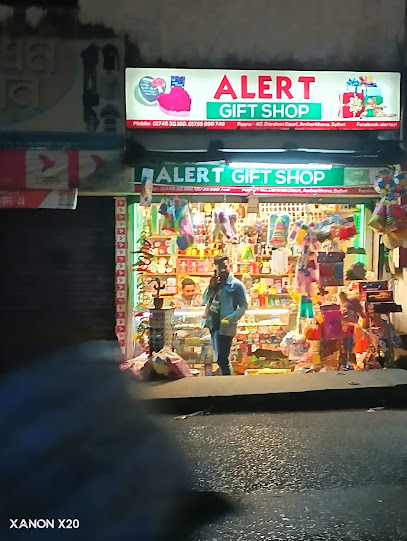
Alert Gift shop
0.6 km
Explore the charm of Sylhet through unique gifts and handicrafts at Alert Gift Shop, your go-to destination for authentic souvenirs.
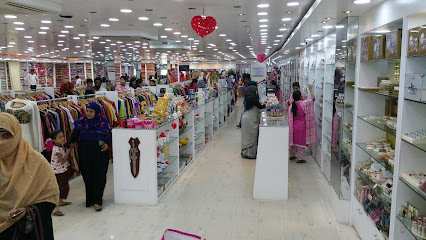
Maha
0.6 km
Explore the vibrant fashion scene at Maha, Sylhet's premier clothing store, offering a blend of traditional and contemporary styles.
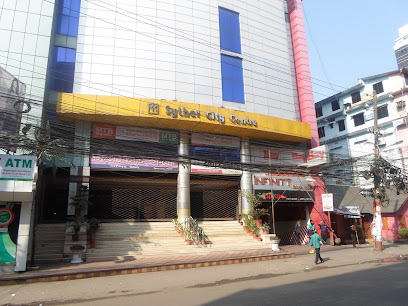
Sylhet City Center
0.7 km
Explore Sylhet City Center, where shopping meets culture in a modern mall experience—perfect for tourists seeking local flair and global brands.
ARTISAN SYLHET
0.7 km
Explore Artisan Sylhet, where modern fashion meets traditional craftsmanship in the heart of Bangladesh.
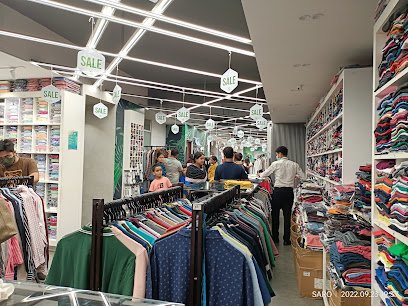
Believers Sign Sylhet
0.7 km
Explore the latest trends and unique styles at Believers Sign Sylhet, a must-visit clothing store in the heart of Sylhet's vibrant fashion scene.
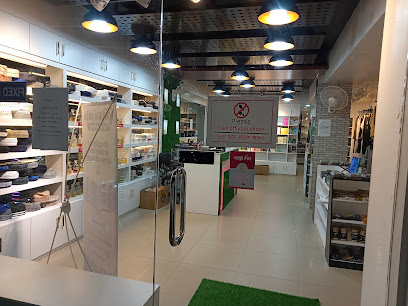
Live Shopping Sylhet
0.7 km
Explore the latest fashion trends at Live Shopping Sylhet, a stylish clothing store in the heart of Sylhet, offering unique apparel and accessories.
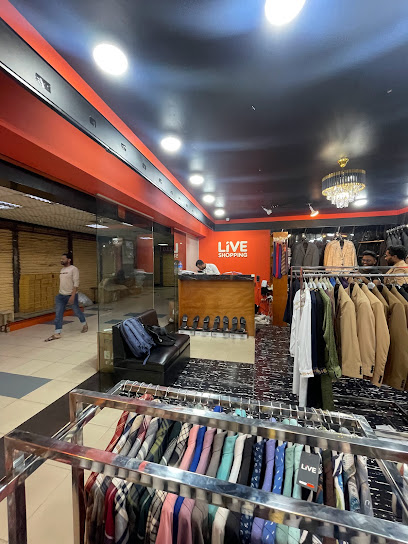
Gift in Sylhet
0.7 km
Explore the charm of Sylhet at Gift in Sylhet, your go-to destination for unique local gifts and handicrafts that capture the essence of the region.
Kaniz Plaza
0.7 km
Explore the best shopping and dining in Sylhet at Kaniz Plaza, a vibrant hub for tourists and locals alike.
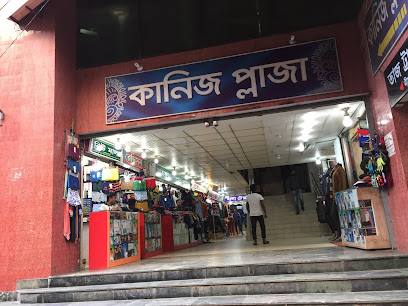
shop
0.7 km
Discover the heart of Sylhet's fashion scene at this unique dress store, offering a blend of traditional and modern attire for every occasion.
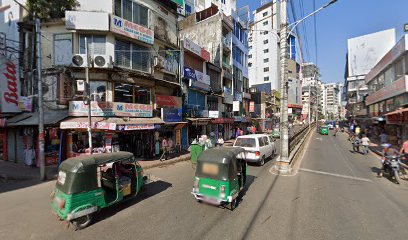
Top Ten Mart, Sylhet
0.7 km
Explore Top Ten Mart in Sylhet for a unique shopping experience filled with local fashion and vibrant culture.
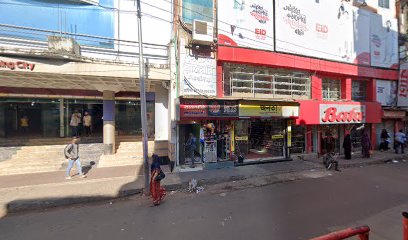
Panshi Restaurant
0.8 km
Discover the essence of Bangladeshi cuisine at Panshi Restaurant, where every meal is a flavorful journey in the heart of Sylhet.
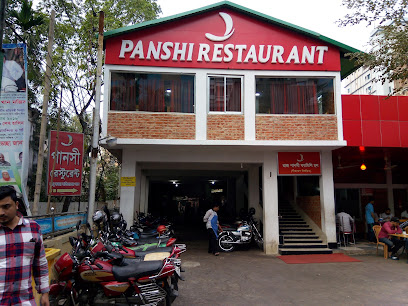
Kakoli Shopping Center
0.8 km
Explore the vibrant Kakoli Shopping Center in Sylhet, a shopping paradise where culture and commerce come together for an unforgettable experience.
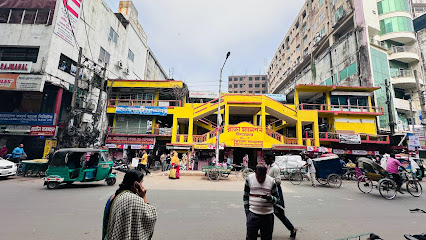
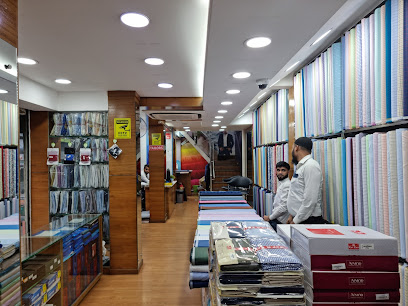
Top Ten Fabrics & Tailors Ltd.
0.8 km
Explore a vibrant selection of high-quality fabrics and expert tailoring at Top Ten Fabrics & Tailors Ltd. in Sylhet.
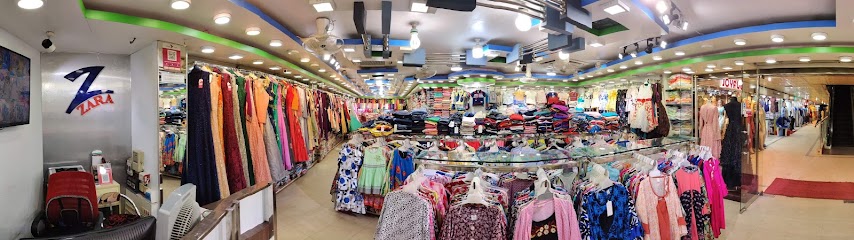
Blue Water Shopping City
0.8 km
Experience shopping at its best in Sylhet's Blue Water Shopping City, where local culture meets modern retail.
Essential bars & hidden hideouts

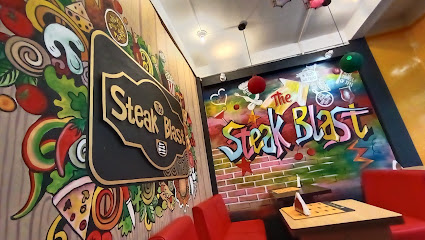
The Steak Blast
0.7 km
Discover The Steak Blast in Sylhet - where every bite is a taste of perfection, from sizzling steaks to delightful rice bowls.
SEASONS Grand
0.7 km
Experience a culinary journey at SEASONS Grand in Sylhet, where diverse flavors meet a vibrant atmosphere.
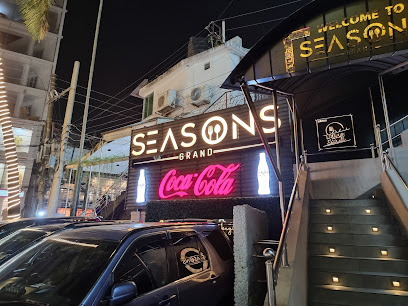
Fatama Bar
0.7 km
Experience the lively nightlife at Fatama Bar in Sylhet, where friendly vibes and delightful drinks come together for an unforgettable evening.
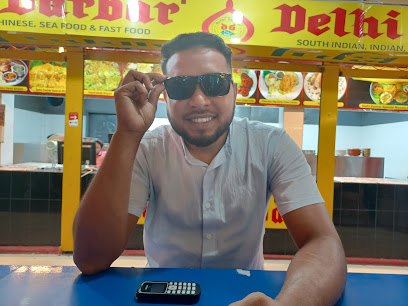
Selu
0.7 km
Experience the vibrant nightlife at Selu, a top bar in Sylhet, where refreshing drinks and live entertainment create unforgettable memories.

Nuha aktar
0.7 km
Discover the lively Nuha Aktar in Sylhet, a perfect bar to unwind with friends while enjoying local and international drinks in a vibrant atmosphere.
Akter house
0.7 km
Discover the vibrant atmosphere of Akter House in Sylhet, Bangladesh, where local culture meets a lively pub experience.
kazi tula
0.8 km
Experience the ultimate sports bar atmosphere at Kazi Tula in Sylhet, where great food, drinks, and lively entertainment come together.
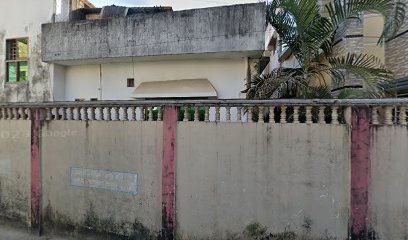
আম্বাখানা
1.0 km
Discover the vibrant nightlife at AmbaKhana, a lively bar in Sylhet offering a range of drinks and a warm atmosphere for all visitors.
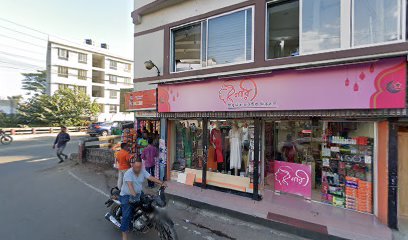
Rajon
1.0 km
Discover the vibrant nightlife at Rajon, a lively bar in Sylhet offering a unique blend of local and international beverages.
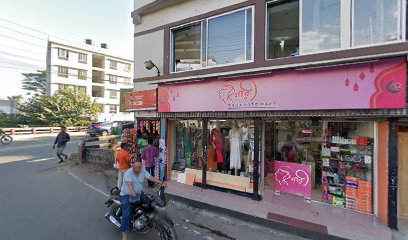
The Coffee Club
1.1 km
Discover the flavors of Sylhet at The Coffee Club, where delicious cuisine meets a cozy atmosphere, perfect for every dining occasion.
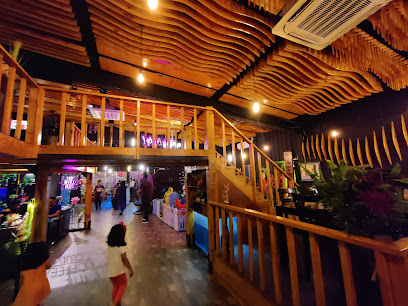
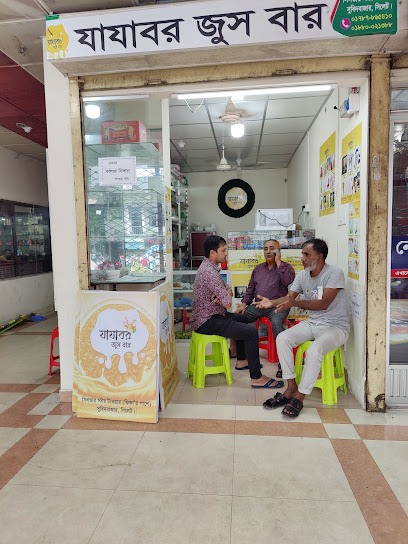
যাযাবর জুস বার
1.1 km
Savor the fresh and vibrant flavors of local juices at যাযাবর জুস বার, a refreshing retreat on the Sylhet-Sunamganj highway.
District Bars
1.2 km
Discover the dynamic nightlife and local culture at District Bars in Sylhet, a must-visit destination for every traveler seeking unforgettable experiences.
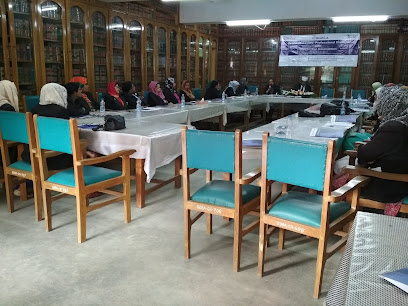
Sonmgong
1.2 km
Discover the vibrant nightlife at Sonmgong in Sylhet, where local flavors and a lively atmosphere come together for an unforgettable experience.
Royal Corner, Foregien Liquor Store
1.3 km
Discover Royal Corner, the premier foreign liquor store and bar in Sylhet, offering a diverse selection of international spirits in a vibrant atmosphere.
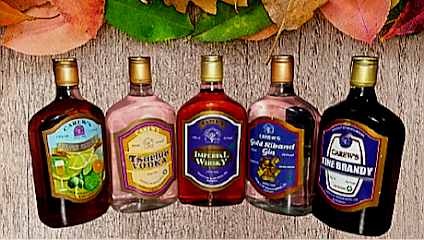
Sr trading
1.6 km
Discover the vibrant nightlife of Sylhet at Sr Trading, a cozy bar offering refreshing drinks and a lively atmosphere.
Nightclubs & after hour spots

Samsol29 অলডাইম নিউজ29
0.3 km
Experience the vibrant nightlife at Samsol29 in Sylhet—where music, dance, and unforgettable moments await you.
ঐতিহ্য
0.5 km
Explore the vibrant nightlife at ঐতিহ্য, Sylhet's premier night club, where music, dance, and joyful memories await every visitor.
Tajim House
0.6 km
Discover the electric nightlife of Tajim House in Sylhet, where vibrant music and dance create unforgettable memories.
Parliament House
0.7 km
Discover the electrifying nightlife of Sylhet at Parliament House, a premier night club offering vibrant music and a lively atmosphere.
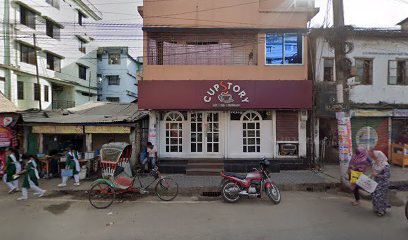
Sylhet Station Club
0.7 km
Experience comfort and hospitality at Sylhet Station Club, your gateway to the enchanting landscapes and rich culture of Sylhet.
Lions club of Sylhet Eminent
0.8 km
Explore the vibrant spirit of youth empowerment at the Lions Club of Sylhet Eminent, a hub of social services fostering community engagement.
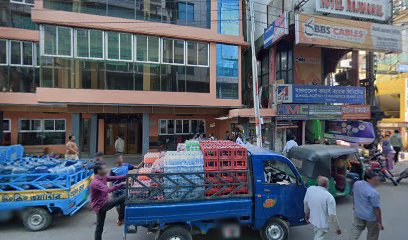
Sylhet station club Ltd
1.2 km
Experience the vibrant nightlife of Sylhet at Station Club Ltd, the ultimate destination for entertainment and culinary delights.
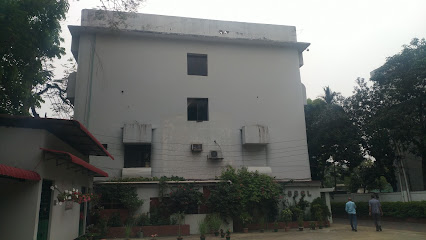
Sadi's Place
2.0 km
Explore the energetic nightlife of Sylhet at Sadi's Place, a vibrant night club with eclectic music and a lively atmosphere for unforgettable nights.
Faruk store
2.3 km
Dive into the dynamic nightlife of Sylhet at Faruk Store, where music and dance create unforgettable memories.
Parsonal
3.0 km
Dive into the energetic nightlife of Sylhet at Parsonal, where music, dance, and entertainment await every visitor.
Lounge Shampan
5.5 km
Discover the vibrant nightlife at Lounge Shampan in Dhopagul, a bar offering an extensive drink menu and lively ambiance for an unforgettable experience.
Sylhet Club Limited
5.6 km
Discover the vibrant nightlife and cultural richness at Sylhet Club Limited, a premier entertainment destination in Sylhet.
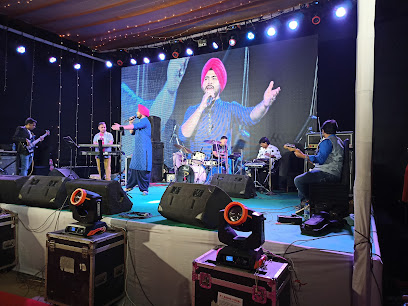
VVIP Lounge, Osmani International Airport, Sylhet
6.3 km
Experience unparalleled comfort and luxury at VVIP Lounge, Osmani International Airport, where relaxation meets elegance before your flight.
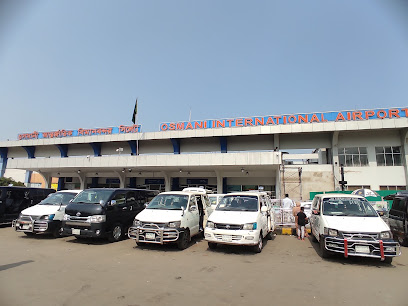
Dhupagul Cricket field
6.8 km
Discover the heart of cricket culture at Dhupagul Cricket Field, a vibrant community hub where passion for the game comes alive.
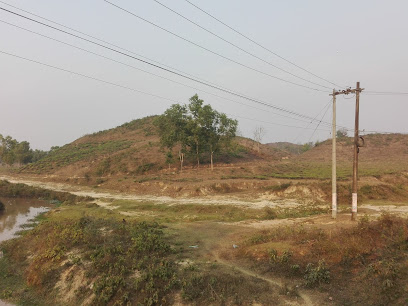
Khadimnagar T.g., Bangladesh
6.9 km
Discover the energetic nightlife of Khadimnagar T.g., Bangladesh, where vibrant nightclubs and pulsating music create an unforgettable experience.


