

Hum Hum Waterfall, Tanguar Haor Travel Guide
Discover the untouched beauty of Hum Hum Waterfall in Bangladesh: Trek through lush forests, encounter diverse wildlife, and witness nature's majestic cascade in the heart of Razkandi Reserve.
Venture into the heart of Bangladesh's Moulvibazar district to discover Hum Hum Waterfall, a hidden gem nestled within the Razkandi Reserve Forest. Known locally as Cheetah Falls, this natural wonder, only discovered in 2009, offers an unforgettable adventure for those seeking to immerse themselves in raw, untamed beauty. The journey to Hum Hum is as rewarding as the destination itself, involving a moderately challenging trek through dense jungle, across streams, and over hills. Prepare to be captivated by the sight of the cascading water plunging approximately 135-160 feet into a refreshing pool below, surrounded by lush greenery and the symphony of the forest. This trek is best experienced during or just after the rainy season to witness the waterfall at its most majestic, but be prepared for muddy paths and the possibility of encountering leeches. A local guide is highly recommended to navigate the trails and ensure a safe and enriching experience. Hum Hum Waterfall promises an escape into nature's embrace, offering a unique blend of adventure and tranquility.
A brief summary to Hum Hum Waterfall
- Islampur

Know before you go
Hi, I'm Eve. Here are a few practical things to know before exploring Hum Hum Waterfall.
- Hire a local guide for safe navigation and insights into the forest's ecosystem; they can enhance your experience and help you spot wildlife.
- Visit during or just after the rainy season (June-September) for the most powerful waterfall, but be prepared for muddy trails.
- Wear comfortable, sturdy hiking shoes suitable for slippery and uneven terrain, and consider bringing gaiters to protect against leeches.
- Pack light with essentials: water, snacks, insect repellent, a first-aid kit, and a waterproof bag for electronics.
- Start your trek early in the morning to avoid the heat and allow ample time for the 3-4 hour journey each way, ensuring you return before dark.
Do you manage this location?
Take control to get all the benefits, like improved information, better appearance, and stronger visibility across AI-powered discovery. Learn more about listing your business on Evendo
Activate your presenceOther nearby places you may find interesting
The closest places of the same kind, if this one is not quite what you had in mind.




Explore Hum Hum Waterfall on the Map
A handpicked selection of must-see spots near Hum Hum Waterfall, mapped for you.
Unlock the Best of Hum Hum Waterfall
Buy tickets
-
No tickets available
Book tours with entry

Book tours without entry
-
No tours available
Getting There
-
Walking & Local Transport
The final approach to Hum Hum Waterfall involves a trek from Kolabon Para, the last village accessible by vehicle. From Srimangal, hire a CNG auto-rickshaw or a shared jeep to Kolabon Para (also known as Tellaingbari), approximately a 1.5-hour journey. CNG fare ranges from 1000-1200 BDT for a round trip. From Kolabon Para, the trek to the waterfall begins, a 3-4 hour journey each way through the Razkandi Reserve Forest. Hiring a local guide from Kolabon Para is highly recommended (200-300 BDT) for navigation and safety. The trek involves crossing streams and navigating muddy paths, so appropriate footwear is essential.
Discover more about Hum Hum Waterfall













Your all‑in‑one travel companion app
Explore expert travel guides, compare and book tours, experiences, hotels, and more—all from the palm of your hand. Download now for seamless trip planning wherever your wanderlust takes you.


Explore More of Tanguar Haor

Looking beyond Hum Hum Waterfall? Discover Tanguar Haor for broader travel guides, local hot-spots, and regional highlights.
Explore Tanguar Haor
Discover the enchanting beauty of Shapla Bil in Deundi, Bangladesh, where a seasonal lake transforms into a breathtaking carpet of vibrant water lilies, offering a tranquil escape into nature.
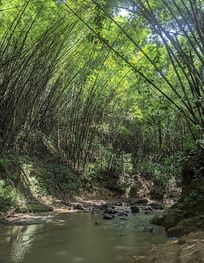
Discover the untouched beauty of Hum Hum Waterfall in Rajkandi Reserve Forest, a thrilling trek through lush landscapes to a hidden cascade, offering an unforgettable natural escape in Bangladesh.
