

Free Tanguar Haor Travel Guide & Mobile App
Explore Tanguar Haor with free travel guides. Discover regional history, expert tips, proposed trips, and audio guides on web or mobile app.


Tanguar Haor in Bangladesh offers boat journeys, migratory birds, village life and seasonal wetland landscapes in the Sylhet region.
Read more about Tanguar Haor
When is the best time to visit Tanguar Haor?
Best: November–January · 23–26°C| Month | High (°C) | Rainfall (mm) |
|---|---|---|
| January (best) | 24 | 5 |
| February | 26 | 15 |
| March | 31 | 20 |
| April | 33 | 35 |
| May | 33 | 55 |
| June | 32 | 75 |
| July | 32 | 80 |
| August | 32 | 75 |
| September | 31 | 65 |
| October | 31 | 35 |
| November (best) | 26 | 15 |
| December (best) | 23 | 5 |
Getting to and around Tanguar Haor
How to get there
Transportation
Best attractions in Tanguar Haor
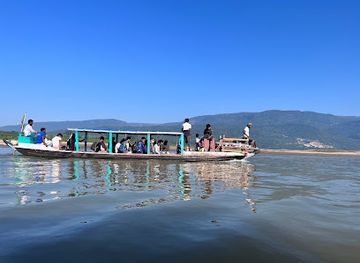
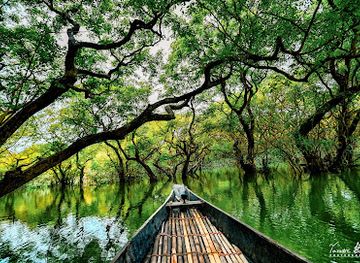
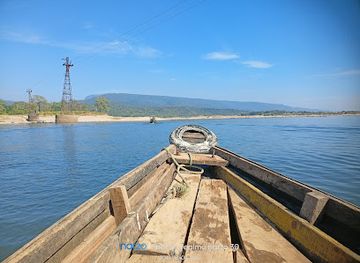
Tanguar Haor’s principal attraction is the wetland itself: an expansive, seasonally changing environment explored by narrow boat rather than a network of conventional roads. During the monsoon, visitors can travel through broad sheets of water, reed-lined channels and submerged fields, with scattered villages appearing as raised islands. Birdwatching is a major reason to come, as open water and marsh vegetation can support resident and migratory waterbirds. Early morning journeys usually provide the quietest conditions for observation. The haor also offers insight into fishing, boat building, seasonal agriculture and village life, although these are working activities rather than staged performances. Dry-season visits reveal a different landscape of exposed fields, fishing areas, muddy tracks and isolated water bodies, and may require more overland travel. Small observation points and local viewing areas may be available, but facilities are basic and arrangements vary. Tanguar Haor is not suited to a tightly scheduled attraction-hopping itinerary; its value lies in slow travel, changing light, open horizons and the relationship between people and water. Visitors should use local guides, avoid sensitive wildlife areas and treat the Ramsar wetland as a functioning ecological and community landscape.
-
Bholagonj Sada Pathor Tourist Spot
Discover Bholagonj Sada Pathor: A mesmerizing Sylhet landscape where white stones meet crystal waters and verdant hills, offering a tranquil escape.
-
Bisanakandi Tourist Spot
Discover Bisnakandi, Sylhet: A mesmerizing landscape where rivers meet hills, offering a tranquil escape into nature's beauty.
-
Bholaganj Sada Pathor - Sylhet
Discover the breathtaking beauty of Bholaganj Sada Pathor, Sylhet: a natural wonderland of white stones, clear waters, and stunning hills.
-
Joynal Abedin Shimul Garden
Experience the vibrant beauty of Joynal Abedin Shimul Garden, a serene oasis in Sunamganj, where thousands of red Shimul trees create a breathtaking spectacle.
Best landmarks in Tanguar Haor
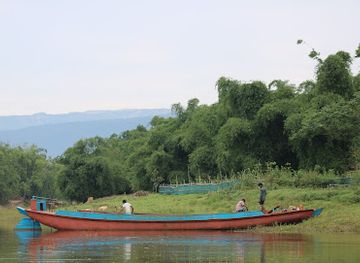
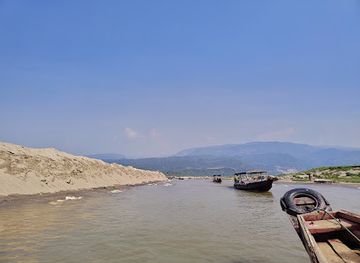
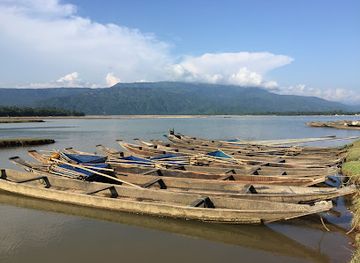
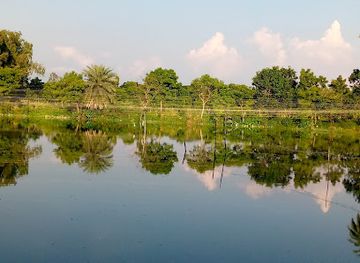
The defining landmark of Tanguar Haor is its immense seasonal water landscape, whose appearance changes from flooded inland expanse to a patterned plain of rice fields, channels and residual water bodies. Unlike a fortified town or monumental temple, the haor is a geographical landmark best understood from a boat, where its scale and low horizon become apparent. The scattered raised villages and their landing places are also important visual markers, showing how settlement has adapted to annual inundation. Local observation towers or raised viewing points may provide elevated perspectives where access is available, but their condition and availability should be checked locally rather than assumed. Tanguar Haor’s status as a Ramsar wetland gives the landscape international environmental significance, while its fishing areas and boat routes represent a continuing cultural relationship between people and water. The most memorable physical features are therefore seasonal: open monsoon channels, reed beds, distant village clusters, exposed dry-season fields and the changing boundary between land and water. Visitors should avoid treating bird colonies, fishing grounds and village spaces as photo props and should follow local guidance on where boats may land.
-
National forest
Ratargul Swamp Forest
Discover Bangladesh's hidden gem: Ratargul Swamp Forest, a mesmerizing freshwater ecosystem teeming with wildlife and natural beauty, perfect for eco-adventures and serene escapes.
-
Tourist attraction
Bisanakandi Tourist Spot
Experience the stunning landscapes and tranquility of Bisanakandi, a top tourist attraction in Sylhet, Bangladesh, perfect for nature lovers and adventurers.
-
Shrine
Hazrat Shahjalal Rah. Mazar Sharif
Experience the spiritual heart of Sylhet at Hazrat Shahjalal Mazar Sharif, a revered shrine blending rich history with vibrant devotion, attracting pilgrims and tourists alike.
-
Tourist attraction
Bholaganj Sada Pathor - Sylhet
Discover the mesmerizing beauty of Bholaganj Sada Pathor in Sylhet, Bangladesh: a unique landscape of white stones, clear waters, and verdant hills bordering India's Meghalaya.
Explore Tanguar Haor on the map
Plan your trip on one map. See where the top cities, national parks and sights are, and book hotels and experiences in a few clicks.
Best hotels in Tanguar Haor
Best restaurants in Tanguar Haor
Dining around Tanguar Haor is simple, local and closely tied to the wetland and surrounding rice-growing country. Meals commonly centre on rice accompanied by seasonal vegetables, pulses, fish and occasionally duck or other locally available ingredients. Freshwater fish is an important part of the regional food economy, although availability, species and preparation vary and visitors should avoid assuming that every catch is sustainably sourced. In Tahirpur and Sunamganj, small restaurants, tea stalls and market eateries provide more dependable options than the haor itself. Boat journeys may include a cooked meal arranged in advance, but travellers should clarify menus, drinking water, hygiene arrangements and dietary needs before departure. Rural snacks and Bangladeshi sweets may be found in markets, while pitha and other rice-based preparations are especially associated with seasonal home cooking across Bangladesh. Visitors should carry sealed water and reserve supplies for longer excursions, as there is no broad restaurant infrastructure on the open wetland.
-
Bangladeshi
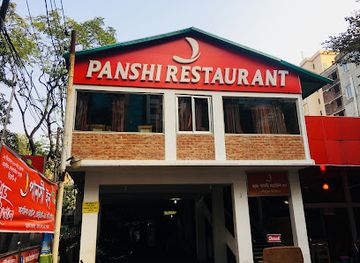
Panshi Restaurant
Experience authentic Bangladeshi breakfast and culinary delights at Panshi Restaurant in Sylhet - a must-visit for every food lover!
-
Bangladeshi
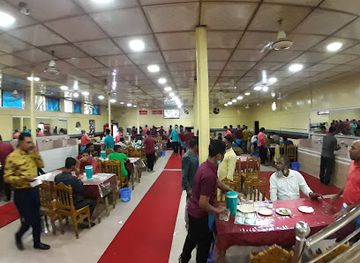
Pach Bhai Restaurant
Discover authentic Bangladeshi flavors at Pach Bhai Restaurant in Sylhet - a must-visit dining spot for food lovers.
-
Food court
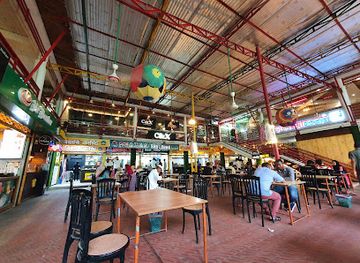
Kazi Asparagus Food Island Sylhet
Experience the vibrant flavors of Kazi Asparagus Food Island in Sylhet - where fast food meets local delicacies in a lively atmosphere.
-
Restaurant
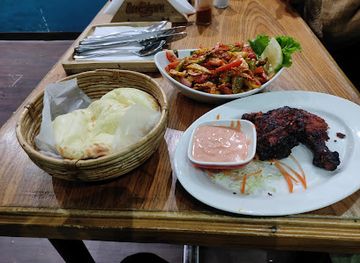
The Mad Grill
Experience the vibrant flavors of Bangladesh at The Mad Grill – where culinary creativity meets tradition in the heart of Sylhet.
Best bars in Tanguar Haor
Tanguar Haor has no meaningful bar or nightclub scene, and evening life is centred on village households, tea stalls, small local eateries and the quiet routines of a water-dependent community. Alcohol is not a normal feature of the visitor experience, and Bangladesh’s laws and local social customs should be respected. After sunset, an overnight boat or rural stay is more likely to involve darkness, conversation, the sounds of water and early preparation for the following day than organised entertainment. Tahirpur and Sunamganj offer a few more places to eat or sit in the evening, but they remain modest regional centres rather than nightlife destinations. Visitors should arrange their return or accommodation before dark, since boat movement, road transport and mobile coverage can become more limited at night. Quiet behaviour is particularly important near villages, religious sites and bird habitats.
-
Restaurant
Tangua Restaurant
Savor the rich flavors of Bangladesh at Tangua Restaurant, where culinary traditions and modern tastes come together in Tahirpur.
-
Hotel
হাওর বিলাস রিসোর্ট
Experience the charm of Hawar Bilash Resort, a tranquil escape in Bangladesh surrounded by stunning natural beauty and exceptional hospitality.
-
Hotel
কাঞ্চনপুর ইউনিয়ন পরিষদ
Discover Kanchanpur Union Parishad: A lively bar experience in Bangladesh blending local culture with refreshing drinks.
-
Hotel
সাত ভাই রেস্টুরেন্ট
Discover authentic Bangladeshi cuisine at Sat Bhai Restaurant, where every dish tells a story of tradition and flavor.


Best nightclubs in Tanguar Haor
Tanguar Haor has no meaningful bar or nightclub scene, and evening life is centred on village households, tea stalls, small local eateries and the quiet routines of a water-dependent community. Alcohol is not a normal feature of the visitor experience, and Bangladesh’s laws and local social customs should be respected. After sunset, an overnight boat or rural stay is more likely to involve darkness, conversation, the sounds of water and early preparation for the following day than organised entertainment. Tahirpur and Sunamganj offer a few more places to eat or sit in the evening, but they remain modest regional centres rather than nightlife destinations. Visitors should arrange their return or accommodation before dark, since boat movement, road transport and mobile coverage can become more limited at night. Quiet behaviour is particularly important near villages, religious sites and bird habitats.
-
Teguri Oturkhana
Discover the electric nightlife of Teguri Oturkhana - where music, dance, and fun unite for an unforgettable experience in Bera.
-
তারুন্যের উৎসব ক্লাব গরম বাজার
Dive into the lively nightlife at Tarunner Utsob Club Ghorom Bazar, where music, dance, and vibrant energy come together for an unforgettable experience.
-
সূর্য তরুন ক্লাব
Experience the heart of Bangladesh's nightlife at সূর্য তরুন ক্লাব, where music, dance, and culture collide.
-
Nanur kutha
Discover the excitement of Nanur Kutha, the premier night club in Tarafpur, offering vibrant nightlife and unforgettable experiences.

Best shops in Tanguar Haor
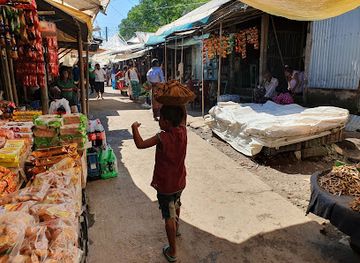
Shopping in Tanguar Haor is practical rather than destination retail. Tahirpur and Sunamganj markets are the main places to buy drinking water, snacks, medicines, batteries, clothing and supplies for a boat journey. Rural stalls may offer seasonal vegetables, rice products, sweets and everyday household goods, but selection and opening arrangements vary. The most appropriate purchases are locally made food products and modest items bought directly through ordinary market activity, rather than souvenirs manufactured for mass tourism. Travellers should not remove plants, shells, wildlife products or fishing equipment from the wetland, and should avoid contributing to litter through unnecessary single-use packaging. For a wider choice of Bangladeshi textiles, handicrafts, books or packaged regional foods, shop in Sylhet or another larger town before travelling towards the haor. Carrying small taka notes is useful for market purchases, boat provisions and tea stalls, as electronic payment cannot be assumed in rural settlements.
-
Market
Tahirpur Bazar
Explore Tahirpur Bazar, a vibrant market offering fresh produce, traditional handicrafts, and a taste of local culture.
-
Electronics store
AmarShopping.com
Discover the latest electronics and e-commerce services at AmarShopping.com in Dhaka – a tech haven for tourists and locals alike.
-
E-commerce service
Yara Mart
Discover unique gifts, stunning flowers, and festive balloons at Yara Mart, your ultimate shopping destination in Dhaka.
-
E-commerce service
ShadaMon Shop Online Shopping
Explore ShadaMon Shop for the best online shopping experience in Dhaka, featuring quality clothing and accessories for every style.



Get your free copy of our complete guide to Tanguar Haor, delivered straight to you.
Everything on this page, from attractions and restaurants to essentials and local phrases, in one PDF you can read offline, print or share.
Already have an account? Sign in
Your Tanguar Haor guide is ready.
We'll send it to · Not you? Sign out

Getting your guide ready…
We are putting together a fresh copy of the Tanguar Haor guide. This can take up to a minute.
This can take a few moments. If your browser asks, choose Allow so the download can start. You'll find the guide in your Downloads folder.
Nothing happened? Download it again
Sorry, the guide is taking longer than usual. Please try again in a minute, or get it by email instead.
Tanguar Haor essentials
Currency and Payment
Safety
Emergency Situations
Do's and Don'ts
Local Tips
From Eve
Local phrases worth knowing
You don't need to get them perfect. A few words go a long way, and locals appreciate the effort.
Basics
| English | Local | Say it |
|---|---|---|
| Hello | হ্যালো | [Hælo] |
| Goodbye | বিদায় | [Bidāẏ] |
| Yes | হ্যাঁ | [Hyā̃] |
| No | না | [Nā] |
| Please/You're welcome | দয়া করে/স্বাগতম | [Dôẏā kôrē/Sbāgatam] |
| Thank you | ধন্যবাদ | [Dhonnobād] |
| Excuse me/Sorry | মাফ করবেন/দুঃখিত | [Māf kôrben/Dukhito] |
| How are you? | আপনি কেমন আছেন? | [Āpni kēman āchēn?] |
| Fine. And you? | ভাল। আপনি কেমন? | [Bhāl. Āpni kēman?] |
| Do you speak English? | আপনি কি ইংরেজি বলেন? | [Āpni ki Ingrēji bôlēn?] |
| I don't understand | আমি বুঝতে পারছি না | [Āmi bujhte pārchhi nā] |
Eating & Drinking
| English | Local | Say it |
|---|---|---|
| I'd like to see the menu, please | মেনু দেখার জন্য অনুরোধ করছি | [Mēnu dēkhār jun'yō anurōdh kôrchi] |
| I don't eat meat | আমি মাংস খাই না | [Āmi māṅs khāi nā] |
| Cheers! | স্বাস্থ্য! | [Swāsthyō!] |
| I would like to pay, please | আমি পেমেন্ট করতে চাই, দয়া করে | [Āmi pēmeṇṭ kôrte chāi, dōẏā kôrē] |
Emergencies
| English | Local | Say it |
|---|---|---|
| Help! | সাহায্য করুন! | [Sāhājyō karun!] |
| Go away! | দূরে যান! | [Dūrē yān!] |
| Call the Police! | পুলিশ ডাকুন! | [Pulish ḍākun!] |
| Call a doctor! | ডাক্তার ডাকুন! | [Ḍāktār ḍākun!] |
| I'm lost | আমি হারিয়ে গেছি | [Āmi hāriẏē gēchi] |
| I'm ill | আমি অসুস্থ | [Āmi asus'th] |
Shopping
| English | Local | Say it |
|---|---|---|
| I'd like to buy... | আমি কিনতে চাই... | [Āmi kinte chāi...] |
| I'm just looking | আমি শুধু দেখছি | [Āmi shudhu dēkhchhi] |
| How much is it? | এটার দাম কত? | [Ēṭār dām kôta?] |
| That's too expensive | এটা খুব দামি | [Ēṭā khub dāmi] |
| Can you lower the price? | আপনি কি দাম কমাতে পারেন? | [Āpni ki dām komāte pārēn?] |
Time & Numbers
| English | Local | Say it |
|---|---|---|
| What time is it? | এখন কত সময়? | [Ēkhōn kôta samay?] |
| It's one o'clock | এখন একটা বাজছে | [Ēkhōn ēkṭā bājchē] |
| Half past (10) | দশটার আধা | [Dôśṭār ādhā] |
| Morning | সকাল | [Sakal] |
| Afternoon | বিকেল | [Bikēl] |
| Evening | সন্ধ্যা | [Sandhyā] |
| Yesterday | গতকাল | [Gatakāl] |
| Today | আজ | [Āj] |
| Tomorrow | কাল | [Kāl] |
| 1 | ১ | [1] |
| 2 | ২ | [2] |
| 3 | ৩ | [3] |
| 4 | ৪ | [4] |
| 5 | ৫ | [5] |
| 6 | ৬ | [6] |
| 7 | ৭ | [7] |
| 8 | ৮ | [8] |
| 9 | ৯ | [9] |
| 10 | ১০ | [10] |
Transport & Directions
| English | Local | Say it |
|---|---|---|
| Where's a/the...? | একটা ... কোথায়? | [Ēkṭā ... kōthāẏ?] |
| What's the address? | ঠিকানা কি? | [Thikānā ki?] |
| Can you show me (on the map)? | আপনি কি আমাকে দেখাতে পারেন (মানচিত্রে)? | [Āpni ki āmakē dēkhātē pārēn (mānchitrē)?] |
| When's the next (bus)? | পরবর্তী (বাস) কখন? | [Parabartī (bās) kôkhon?] |
| A ticket (to ....) | একটি টিকেট (....) | [Ēkti ṭikēṭ (....)] |
History of Tanguar Haor
A Seasonal Wetland Landscape
Tanguar Haor formed part of the natural wetland systems of north-eastern Bengal long before it became a named destination. Its broad basin alternates between extensive monsoon water and a drier season of exposed land, rice cultivation and concentrated water bodies. This cycle shaped settlement, transport and food production. Communities developed ways of living with changing water levels, using boats during inundation and cultivating suitable land as the waters withdrew. The haor’s history is therefore environmental as well as political: seasonal hydrology has influenced nearly every aspect of local life.
Traditional Fishing and Haor Communities
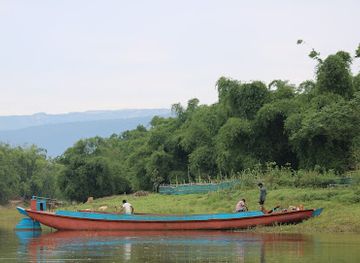
For generations, fishing has been a major livelihood around Tanguar Haor, alongside seasonal agriculture, boat work and small-scale trading. The wetland’s fish resources supported villages and linked local economies to markets in the wider Sunamganj area. Access to these resources has not always been equal, and the management of fishing grounds has been an important social and economic issue. Visitors encounter this history in practical form through fishing boats, landing places, woven equipment and the close relationship between settlement patterns and navigable water.
Wetland Management and Resource Pressure
During the twentieth century, expanding population, agricultural pressure, fishing controls and changing approaches to wetland management affected Tanguar Haor. The haor was increasingly understood not simply as unused water and seasonal farmland, but as a complex ecological and livelihood system requiring protection. Questions surrounding access to fisheries, conservation and the rights of local communities became central to its future. These tensions remain relevant when visiting: the scenery is inseparable from the practical needs of people who depend on the wetland.
Ramsar Recognition in 2000
Tanguar Haor was designated a Ramsar site in 2000 under the international Convention on Wetlands. The designation recognised its importance as a large freshwater wetland supporting fish, aquatic vegetation and substantial numbers of waterbirds, including migratory species. Ramsar status raised the profile of the haor within Bangladesh and internationally, while also emphasising the need for wise use rather than exclusionary conservation alone. Today, its international significance is visible in the growing interest in birdwatching, wetland research and responsible nature-based travel.
Conservation and Community Participation
In the decades since Ramsar designation, conservation work in Tanguar Haor has had to balance biodiversity protection with the needs of surrounding communities. Fisheries, bird habitats, boat access, agriculture and tourism can all affect the wetland, especially as visitor numbers and environmental pressures change. Community participation is important because local residents possess detailed knowledge of channels, seasons and wildlife. For travellers, this history gives added meaning to using local boats and guides, following access advice and treating the haor as a working ecosystem rather than an empty scenic backdrop.
A Contemporary Nature Destination
Tanguar Haor has gradually become one of Bangladesh’s best-known wetland destinations, particularly for domestic travellers and visitors interested in birds, boats and rural landscapes. Improved road access towards Sunamganj and Tahirpur has made excursions more feasible, although the final journey remains dependent on local water transport and seasonal conditions. Tourism is still relatively basic, with limited accommodation and services inside the haor. Its contemporary identity is consequently shaped by a continuing balance between access, local livelihoods, ecological protection and the preservation of a seasonal way of life.
Tanguar Haor in Photos
Browse through our photo collection highlighting the charm and character of the destination.
Neighbouring regions of Tanguar Haor
The closest regions to Tanguar Haor, if you have time for more than one.
-

-

-

-

-


Swipe for more regions
Explore more

Explore more of Bangladesh
Discover Bangladesh: A land of rivers, rich culture, and breathtaking landscapes. Explore ancient sites, vibrant cities, and the unique flavors of this South Asian gem.
Explore Bangladesh