
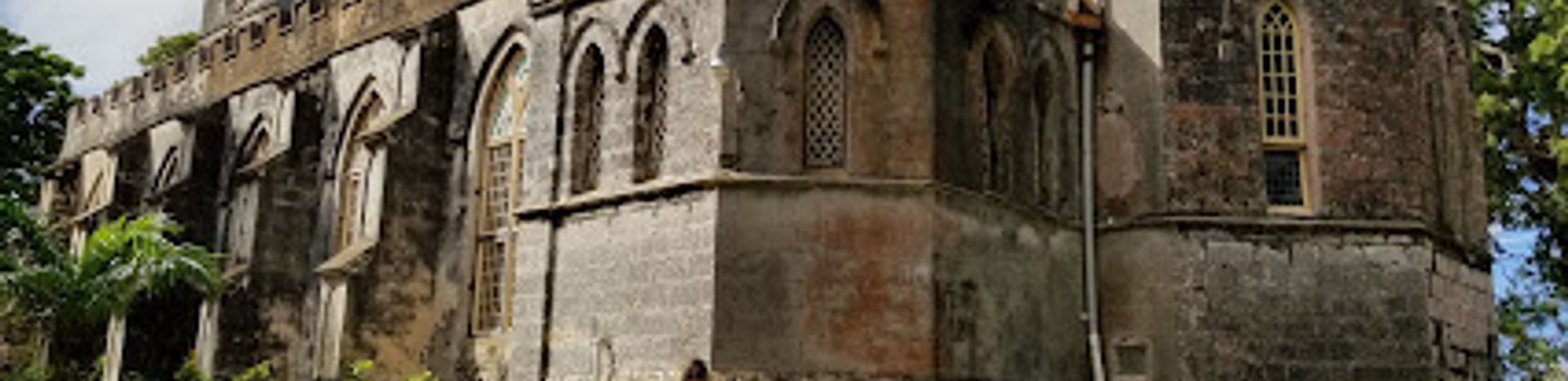
Ferdinando Paleologus Tomb: A Byzantine Echo in Barbados
Uncover a hidden gem in Barbados: the tomb of Ferdinando Paleologus, a Byzantine descendant, offering a unique blend of Caribbean serenity and European history along the island's scenic east coast.
Discover the intriguing story of Ferdinando Paleologus, a descendant of the Byzantine emperors, who found his final resting place in the serene parish of Saint John, Barbados. His tomb, located in the graveyard of St. John's Parish Church, offers a unique glimpse into a fascinating historical connection between the Caribbean island and the fallen Byzantine Empire. The tomb itself, a monument erected in the early 20th century, stands as a testament to Paleologus's life as a plantation owner and church warden in Barbados. Visitors can explore the church's Gothic architecture and breathtaking views of the east coast, while contemplating the diverse influences that have shaped Barbados's heritage. The site provides a tranquil escape and a thought-provoking experience, blending Caribbean beauty with a touch of European history.
A brief summary to Ferdinando Paleologus Tomb
- Quintyne, Saint John, BB
- Visit website
Local tips
- Combine your visit with a tour of St. John's Parish Church to appreciate its Gothic architecture, intricate woodwork, and stunning east coast views.
- Visit early in the morning or late afternoon to avoid the midday heat and enjoy a peaceful atmosphere for contemplation.
- Take some time to read the information plaques available at the site to fully appreciate the history behind the tomb and Ferdinando Paleologus's life.
- Consider exploring other nearby attractions on the east coast, such as Andromeda Botanic Gardens or the rugged coastline of the Barbados National Park.
- Wear comfortable shoes for walking around the churchyard and exploring the surrounding area.

Getting There
-
Public Transport
To reach the Ferdinando Paleologus Tomb using public transport, take a bus heading towards Saint John from Bridgetown or other major towns. The Transport Board operates frequent bus services throughout the island. Look for buses that pass through or near the St. John's Parish Church. The bus fare is BDS$3.50. From the nearest bus stop, which is Bowmanston Pumping St, it's a short walk to the church. Ask the locals for directions to the church and the tomb within the churchyard.
-
Taxi/Ride-Share
Taxis are readily available throughout Barbados. A taxi from Bridgetown to St. John's Parish Church will cost approximately BDS$81. Always confirm the fare with the driver before starting your journey. Ride-sharing services like Uber are not available in Barbados.
-
Driving
If driving, navigate towards the St. John's Parish Church in the parish of Saint John. From Bridgetown, take Highway 3B and follow the signs to St. John. Parking is available near the church. Be aware that parking can be limited during peak hours or special events.
Discover more about Ferdinando Paleologus Tomb
Iconic landmarks you can’t miss

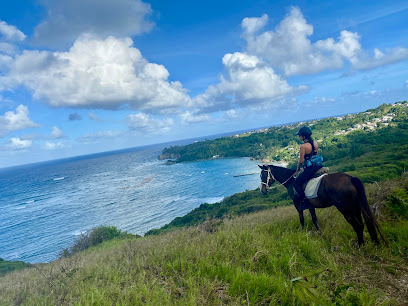
Ocean Echo Stables
1.2 km
Discover the breathtaking landscapes of St. John, Barbados, with unforgettable horseback riding adventures at Ocean Echo Stables.
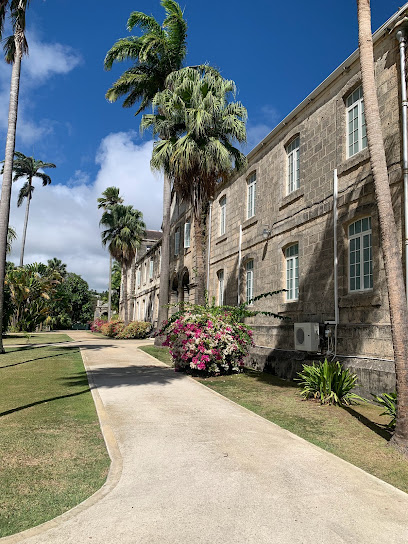
Codrington College
2.6 km
Discover the historical and serene beauty of Codrington College, a key landmark of Barbados's Anglican heritage and academic tradition.
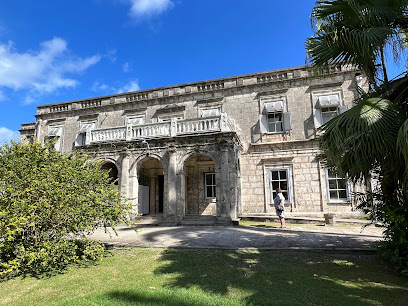
St. Barnabas Chapel
2.6 km
Discover the tranquil beauty of St. Barnabas Chapel in Saint John, Barbados—a stunning Anglican church that invites peace and reflection.
Uplands Rentals
3.1 km
Discover Barbados at your own pace with Uplands Rentals, your trusted truck rental agency for unforgettable island adventures.
The Atlantis Historic Inn
3.4 km
Experience the authentic charm of Barbados at The Atlantis Historic Inn, a boutique hotel on the rugged east coast offering stunning ocean views and Bajan hospitality since the 1880s.

ECO Lifestyle & Lodge
3.5 km
Discover the serene ECO Lifestyle & Lodge in Bathsheba, Barbados, where eco-friendly living meets stunning natural beauty.
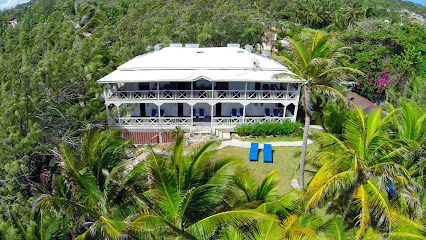
Zemi East Coast Cafe
3.6 km
Experience the soul of Bathsheba at Zemi East Coast Cafe: Ocean views, local flavors, and a taste of Barbadian history.
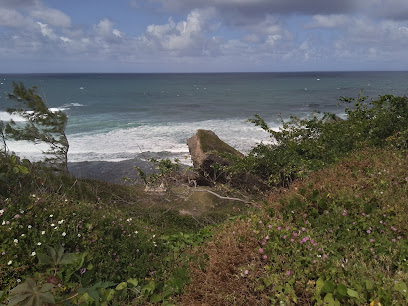
Unmissable attractions to see

St. John's Parish Church
0.1 km
Discover the historical and architectural beauty of St. John's Parish Church in Barbados, a serene retreat steeped in rich culture and stunning views.
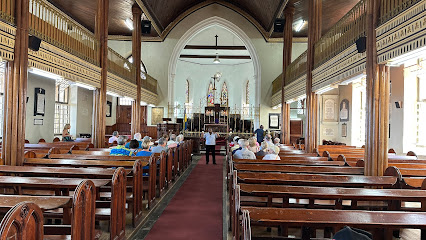
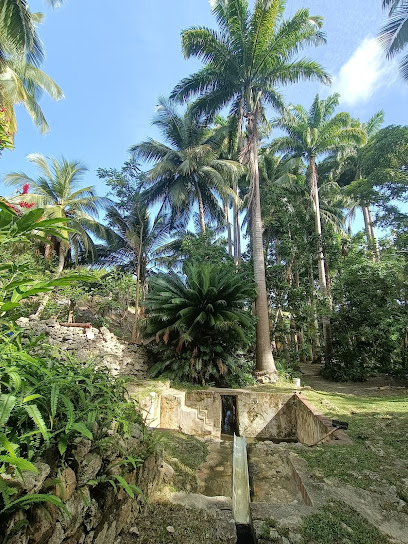
Pot Houses Spring
0.9 km
Discover the unspoiled beauty of Pot Houses Spring in St. John, Barbados: a tranquil hiking area offering a refreshing escape into nature and a glimpse into the island's rich history.
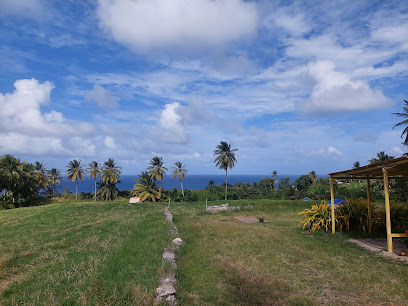
Little Shack Barbados
1.1 km
Discover tranquility at Little Shack Barbados, a serene park in St. Margarets perfect for relaxation, picnics, and enjoying the beauty of nature.
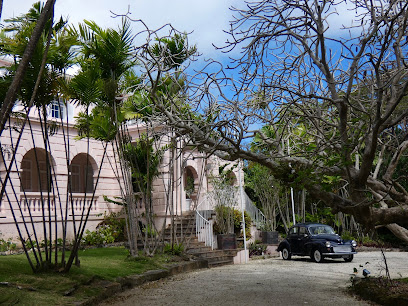
Clifton Hall Great House
1.1 km
Explore the historical elegance of Clifton Hall Great House, a serene landmark showcasing Barbados' rich architectural heritage amidst lush gardens.
The Three Crosses
1.1 km
Discover the spiritual and scenic allure of Barbados' Three Crosses, offering panoramic views and a glimpse into the island's rich heritage.
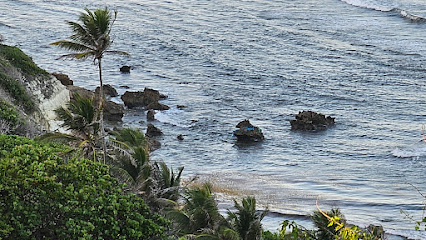
Congor Bay Beach
1.4 km
Discover Congor Bay Beach in Saint John, Barbados: a tranquil escape with golden sands, turquoise waters, and lush scenery perfect for relaxation, hiking, and unforgettable sunsets.
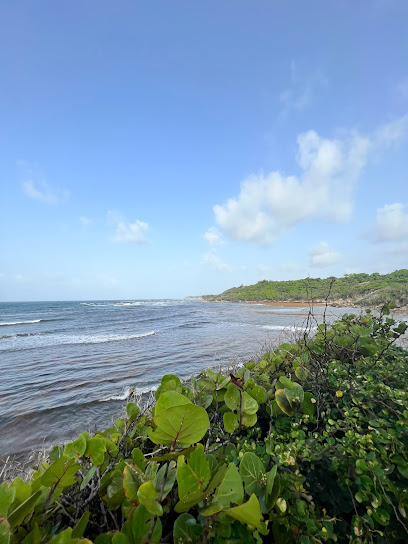
Martins Bay
1.6 km
Explore the tranquil beauty of Martins Bay, Barbados – a serene destination for relaxation, adventure, and vibrant marine life.
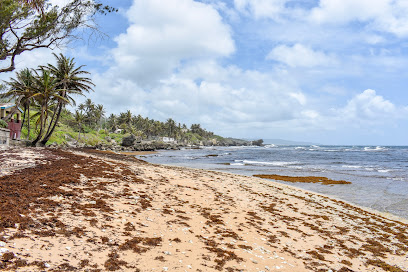
Wild Barbados: Hackleton’s Giants
1.7 km
Experience the breathtaking beauty of Hackleton's Giants, a natural wonder in Barbados offering stunning views and serene hiking trails.
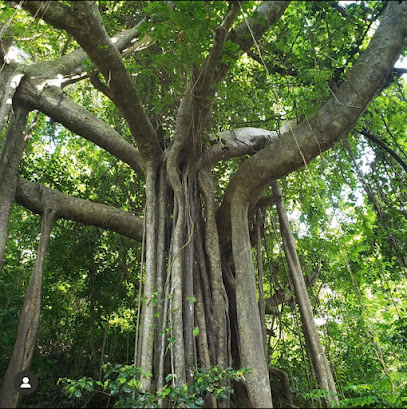
Earth Station
1.8 km
Explore the abandoned Earth Station in Barbados, a relic of global telecommunications history offering a unique glimpse into the past amidst the island's natural beauty in Saint John.
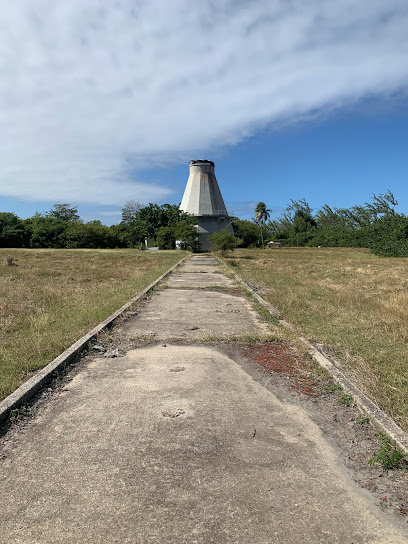
Congor Bay
1.8 km
Discover Congor Bay, Barbados: A secluded east coast haven with dramatic rock formations, uncrowded surf, and tranquil hiking trails.
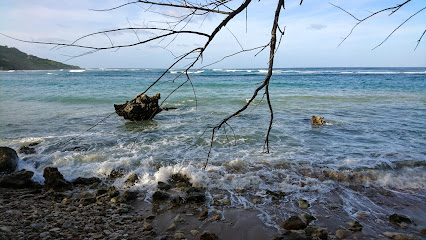
New Castle St. John
1.9 km
Discover the architectural beauty and serene ambiance of New Castle St. John, a historic church in the tranquil landscapes of Saint John, Barbados.
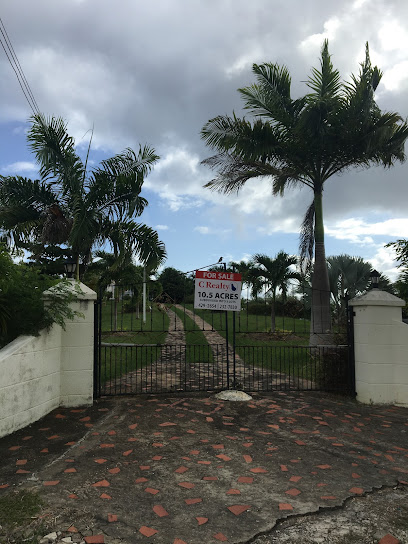
Track Barbados
2.0 km
Discover the natural beauty of Barbados on scenic hiking trails with panoramic views at Track Barbados in serene St. John.
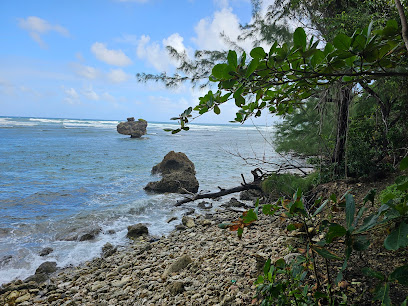
Frog Rock
2.1 km
Discover the enchanting Frog Rock in Barbados: a stunning coastal hiking area with breathtaking views, lush landscapes, and a tranquil escape from the ordinary.
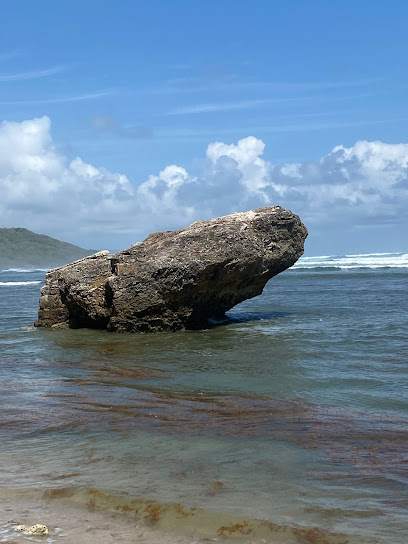
Pool Woods
2.1 km
Discover Pool Woods in St. John, Barbados: A serene escape with lush greenery, peaceful walking paths, and a tranquil atmosphere for nature lovers.
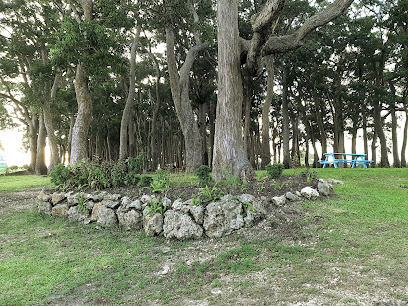
Wild Barbados: Bath Beach Botany
2.2 km
Escape to the tranquil shores of Bath Beach in Barbados, where calm waters and shady trees create a perfect setting for relaxation and exploration.
Essential places to dine

Seasoned 96
0.4 km
Discover authentic Barbadian flavors at Seasoned 96 in Gall Hill - a culinary treasure for tourists seeking delicious local cuisine.
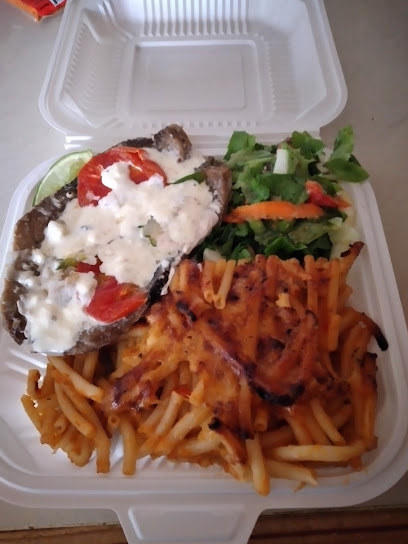
Bev's Place
0.6 km
Experience authentic Barbadian cuisine at Bev's Place in Gall Hill - where local flavors meet warm hospitality.
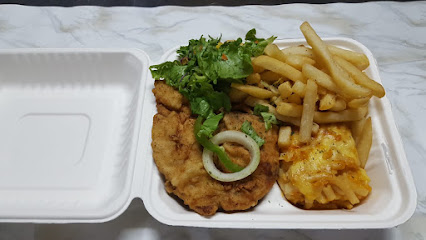
Cow Pen Bar
1.0 km
Experience authentic Caribbean cuisine at Cow Pen Bar in Bridgetown – a culinary gem offering local flavors in a vibrant setting.
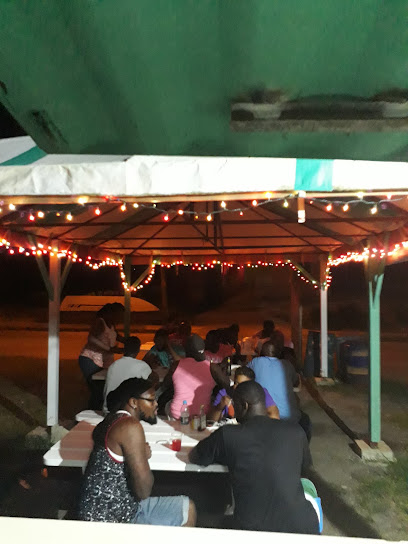
Wrong Turn Bar & Restaurant
1.3 km
Discover authentic Barbadian flavors at Wrong Turn Bar & Restaurant in Saint John - where great food meets warm hospitality.

Bay Tavern Bar & Restaurant
1.4 km
Experience exquisite grill cuisine at Bay Tavern Bar & Restaurant with breathtaking views in Martin's Bay, New Castle Barbados.
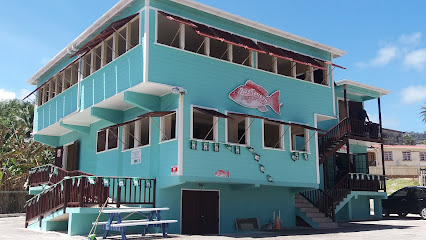
Basement Bar
1.8 km
Discover delicious grill cuisine and vibrant vibes at Basement Bar in Edgecliff, Saint John – an unforgettable taste of Barbados!
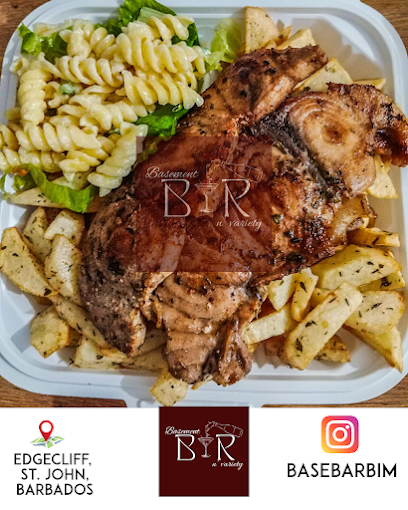
Treeline House
3.1 km
Discover the flavors of Barbados at Treeline House, where local ingredients meet culinary artistry in a serene setting.
Limer's Bar & Restaurant
3.1 km
Discover the flavors of Barbados at Limer's Bar & Restaurant in Saint John - where local ingredients meet Caribbean hospitality.
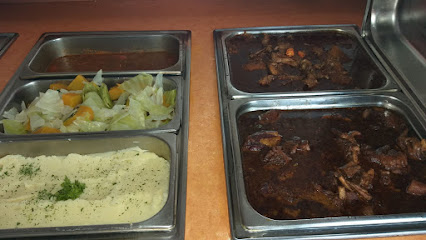
De Garage Bar & Grille
3.3 km
Discover De Garage Bar & Grille in Bathsheba - a culinary gem serving delicious Caribbean dishes with breathtaking ocean views.
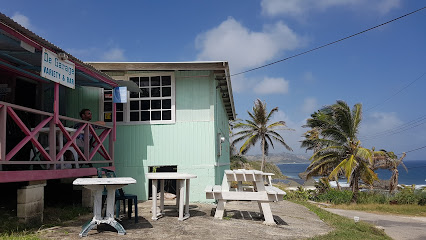
Eastside Kitchen
3.4 km
Experience the vibrant flavors of Caribbean cuisine at Eastside Kitchen in Saint Joseph, Barbados - where every meal tells a story.
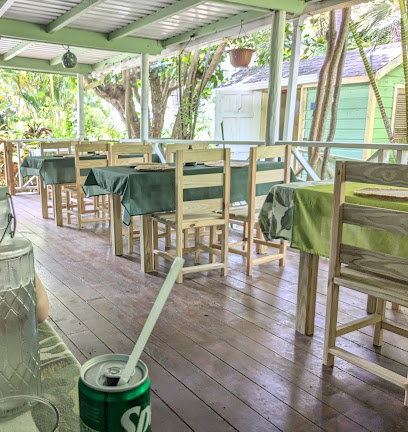
Sea View Bar
3.5 km
Discover breathtaking ocean views and delectable local cuisine at Sea View Bar in Foster Hall – your ultimate dining escape in Barbados.
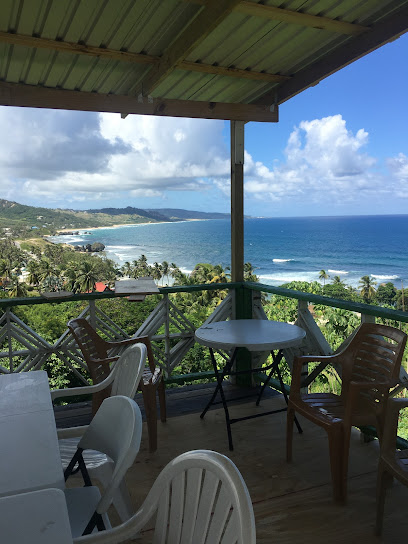
The Village Bar at Lemon Arbour
3.6 km
Savor authentic Caribbean cuisine at The Village Bar in Saint John - a must-visit culinary gem in Barbados.
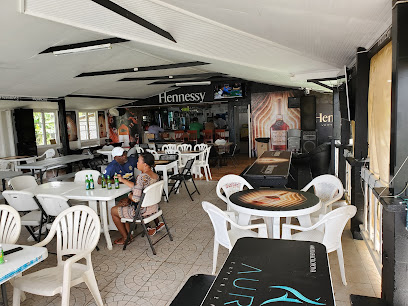
Uncle Joe's Bar & Grill
3.7 km
Experience delicious Caribbean cuisine with stunning beach views at Uncle Joe's Bar & Grill in Bathsheba.
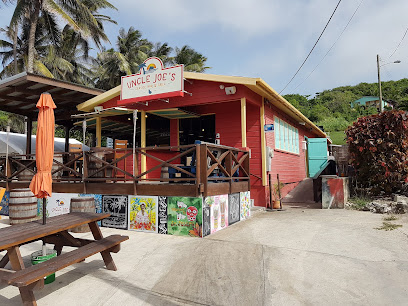
Dina's Bar
3.8 km
Experience authentic Barbadian cuisine at Dina's Bar, where warm hospitality meets breathtaking views in Saint Joseph.
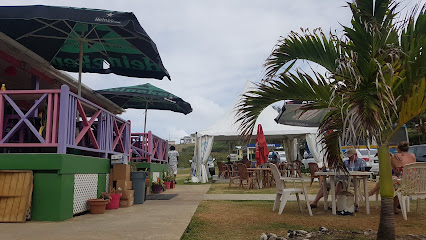
The Farm House
3.8 km
Discover the authentic flavors of Barbados at The Farm House, where local ingredients meet stunning nature in a delightful dining experience.
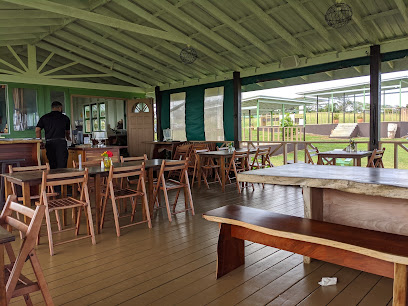
Markets, malls and hidden boutiques

Fortress Farms
0.9 km
Explore Fortress Farms in Church View, a charming home goods store showcasing local craftsmanship and unique treasures from Barbados.
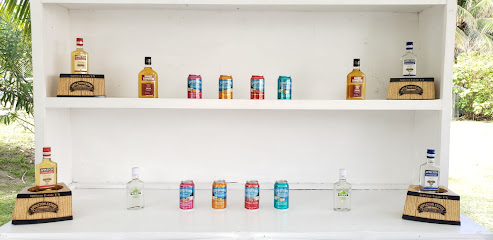
Blue integrity the store
1.4 km
Explore the charm of Blue Integrity, a boutique in Welch Town, Saint John, Barbados, featuring unique local crafts and stylish finds that embody island culture.

Heavenly Gift
1.4 km
Discover the charm of Barbados at Heavenly Gift, a variety store in Bridgetown offering unique crafts and everyday essentials.
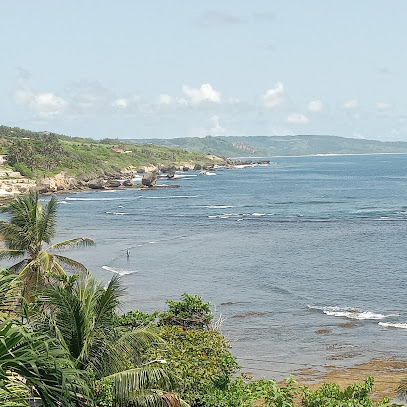
3D’s Minimart
2.1 km
Experience the essence of Barbados at 3D’s Minimart, where local flavors meet international variety in a cozy grocery store setting.
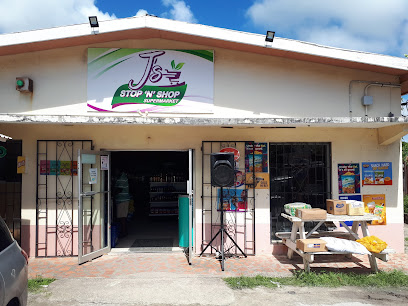
J's Stop 'N' Shop
2.9 km
Discover the local flavors of Barbados at J's Stop 'N' Shop – your go-to supermarket for fresh produce and snacks.
Cherry Grove General Store
3.0 km
Explore the local treasures at Cherry Grove General Store, your go-to spot for authentic Caribbean products and essentials in Saint John, Barbados.
Venture Trading
3.0 km
Explore the heart of Saint John with a visit to Venture Trading, your go-to grocery store for local produce and authentic Barbadian snacks.
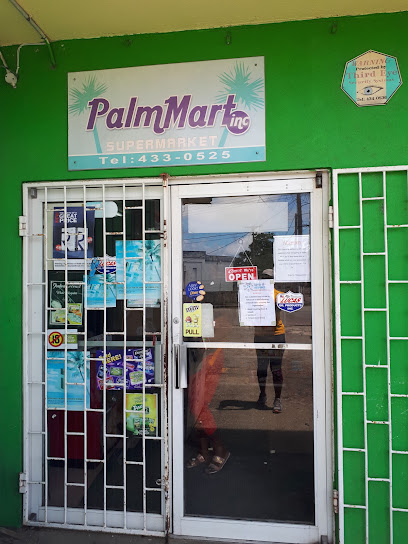
Palm Mart
3.1 km
Experience the essence of Barbados at Palm Mart, your go-to supermarket for local goods and island essentials in Four Roads, Saint John.
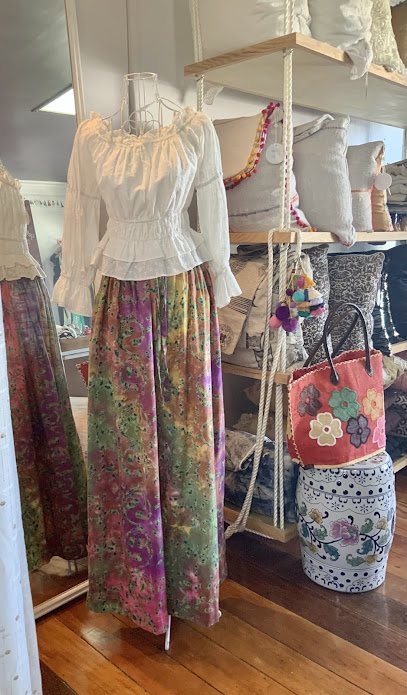
CuriosbyDesign
4.1 km
Explore CuriosbyDesign for unique clothing and home goods that embody local craftsmanship and style, perfect for unforgettable souvenirs.
En Core: Lifestyle & Gifts
4.1 km
Explore En Core: Your ultimate destination for unique gifts and lifestyle products that capture the essence of local craftsmanship.
BOUNSAH
4.1 km
Discover unique fashion trends and accessories at Bounsah, the ultimate shopping destination for tourists in paradise.

Lordini
4.1 km
Explore Lordini: A vibrant music store offering a diverse range of instruments, vinyl records, and musical accessories for all enthusiasts.
Moments By Elizabeth's
4.1 km
Explore a treasure trove of local crafts and unique souvenirs at Moments By Elizabeth's, the ultimate gift shop for tourists seeking a slice of local culture.
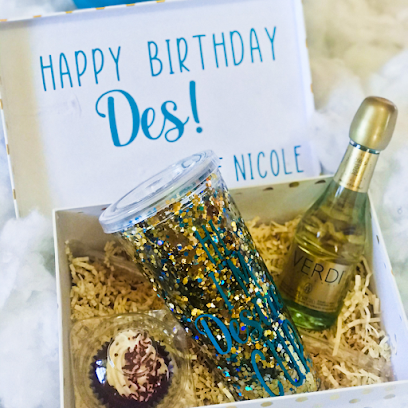
Bardown Variety And Bar
4.2 km
Experience the heart of Barbadian culture at Bardown Variety And Bar in Bathsheba, offering drinks, snacks, and a vibrant local atmosphere.
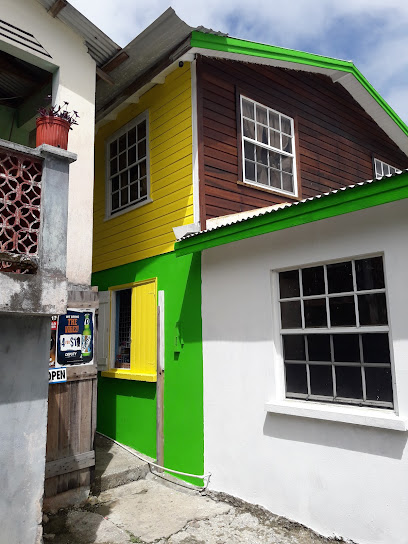
246apparel
4.2 km
Explore 246apparel for unique clothing that blends local culture with contemporary fashion in a vibrant shopping atmosphere.

Essential bars & hidden hideouts

Cynthia's Variety
0.3 km
Discover the authentic Barbadian bar experience at Cynthia's Variety in Church View, Saint John – a vibrant hub of local culture and hospitality.
Scientist's Place
0.3 km
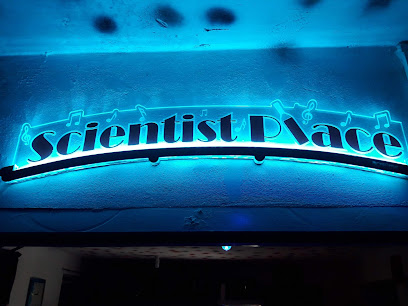
Experience the vibrant nightlife at Scientist's Place, a must-visit bar in Glebe Land, Saint John Barbados, for unforgettable drinks and good company.
Old Brigand Rum Shop
1.0 km
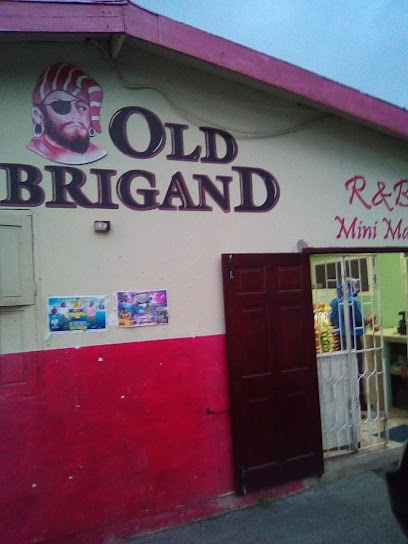
Discover the vibrant flavors of Barbados at Old Brigand Rum Shop, a must-visit cocktail bar in New Castle known for its local rum selection.
Eastcoast Beach House Getaway
2.3 km
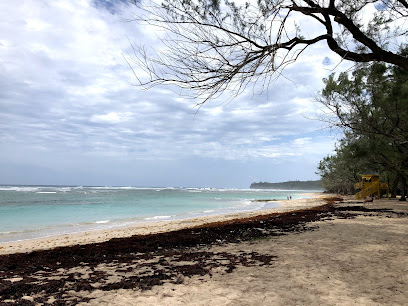
Experience the essence of Caribbean relaxation at Eastcoast Beach House Getaway, where stunning views meet refreshing drinks and local flavors.
J C Bar and Lounge
3.2 km
Discover the lively spirit of Barbadian nightlife at J C Bar and Lounge, where locals and tourists alike gather for great drinks and vibrant entertainment.
Aunty G Bar
3.8 km
Experience the warmth of Barbadian hospitality at Aunty G Bar, a cozy spot nestled in the hills of Saint Joseph, perfect for relaxation and local flavors.
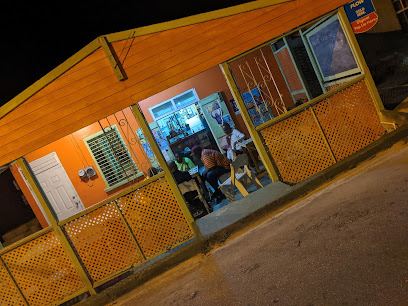
Ninelife Studio Bar and Grill
4.3 km
Discover Ninelife Studio Bar and Grill, the heart of Barbados’ culinary scene, blending local flavors with a vibrant atmosphere.
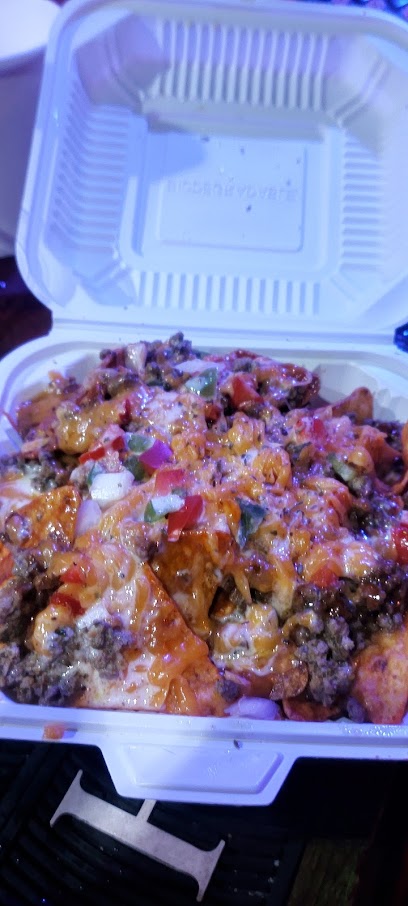
Julie's Bar
4.4 km
Experience the vibrant atmosphere and delightful local flavors at Julie's Bar, the perfect spot to unwind in Saint George, Barbados.
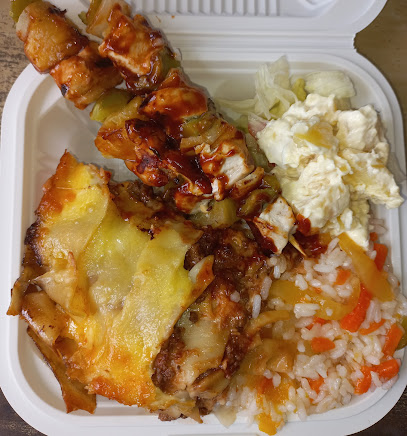
Gagg Hill Rumshop
4.4 km
Experience the authentic Barbadian vibe at Gagg Hill Rumshop, where local culture meets stunning ocean views and delicious rum.
Nicole Bar (Green Corner Shop)
4.4 km
Discover the vibrant ambiance of Nicole Bar in St. Elizabeths, the perfect spot to enjoy local drinks and the Barbadian nightlife.
Steve's Rum & Cocktail Bar
4.4 km
Experience the vibrant spirit of Barbados at Steve's Rum & Cocktail Bar, where exotic cocktails meet local charm in a lively atmosphere.
R.Y Wooden Finishes inc
4.4 km
Experience the rustic charm of R.Y Wooden Finishes Inc, a cozy bar in Barbados offering delightful drinks and a friendly atmosphere.
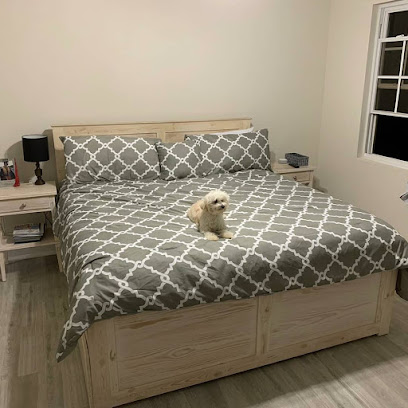
East Side
4.7 km
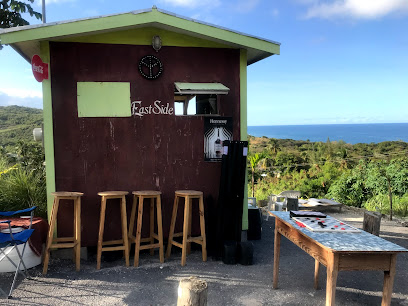
Experience the lively charm of East Side Bar in Bathsheba, where refreshing cocktails meet stunning coastal views and a vibrant local atmosphere.
Up In Side Bar
4.9 km
Discover the vibrant atmosphere of Up In Side Bar in Saint Philip, Barbados, where locals and travelers unwind with refreshing drinks and live entertainment.
Barbados
5.1 km
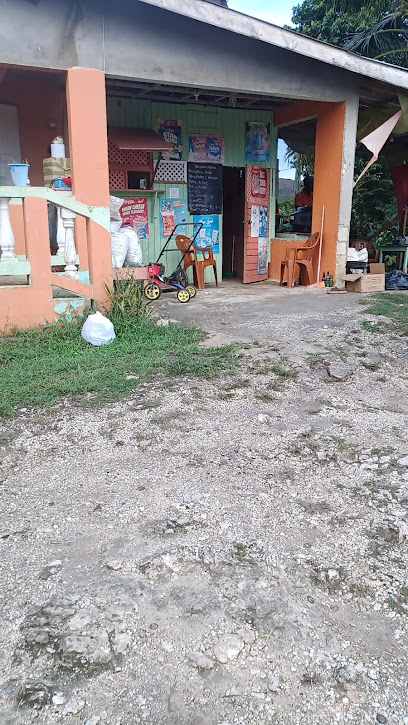
Experience Barbados: A Caribbean gem known for its stunning beaches, rich culture, and vibrant nightlife. Discover this tropical paradise today.


