Background

Morgan Lewis Windmill: A Glimpse into Barbados's Sugar Heritage

Discover the Caribbean's best-preserved sugar windmill at Morgan Lewis, offering panoramic views and a fascinating glimpse into Barbados's rich sugar heritage and cultural past.

4.5
Find your perfect hotel, anywhere in the world.

When's your trip?

Who's coming?

Adult (18-90)
Min: 1 Max: 6
Add a child
At least one participant is required. Please adjust and try again.

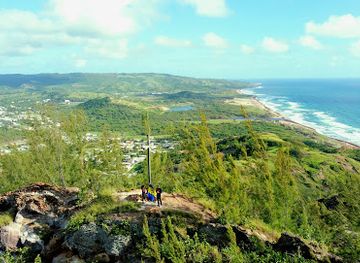
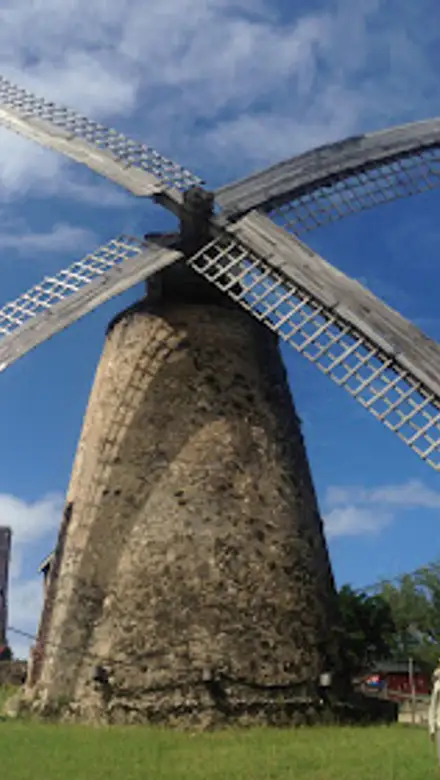
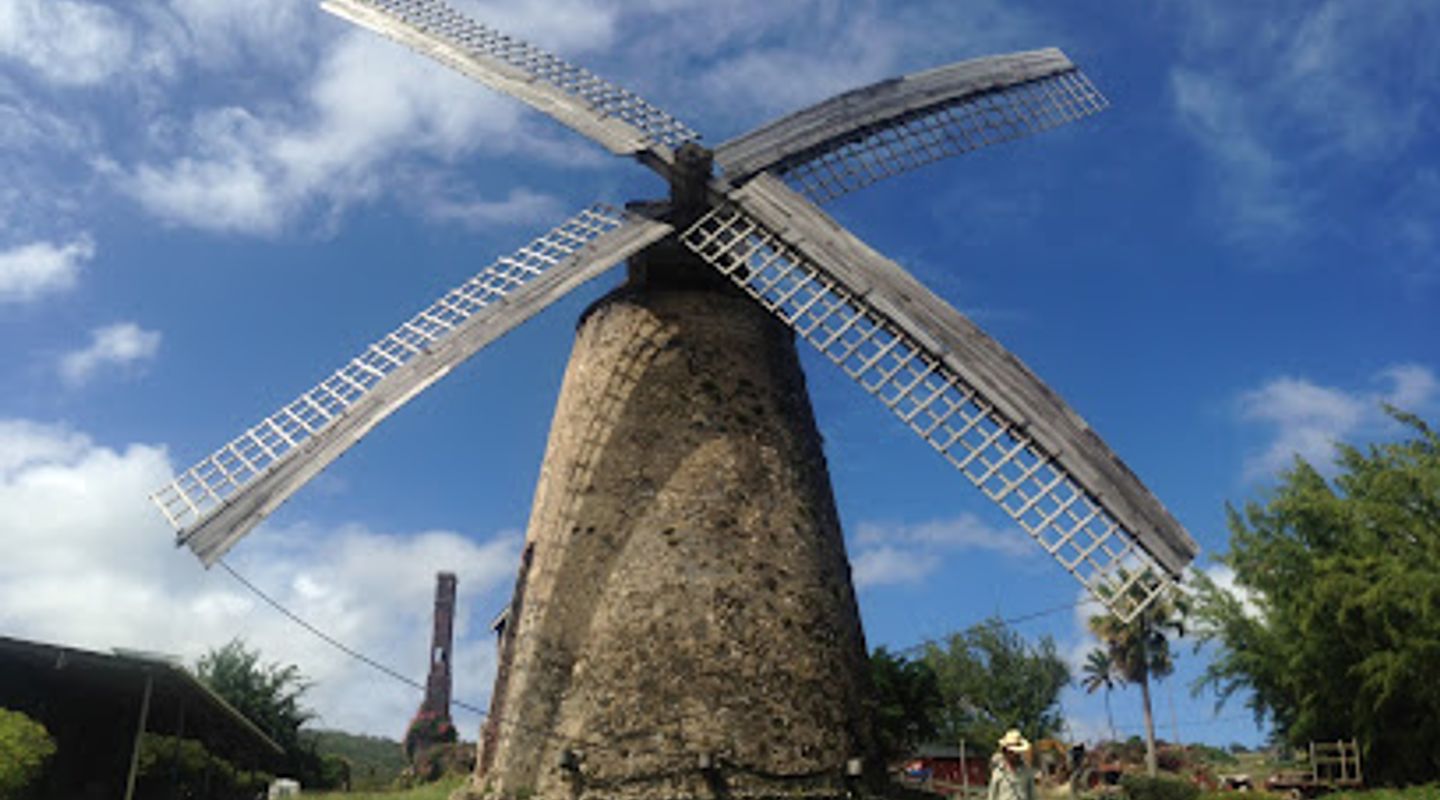
Perched atop Cherry Tree Hill in St. Andrew, Barbados, Morgan Lewis Windmill stands as the Caribbean's largest and only complete sugar windmill. This historic site offers a captivating journey into the island's sugar-producing past. Built in the 18th century, the windmill ceased operations in 1947 and was later entrusted to the Barbados National Trust. Visitors can explore the mill's interior, discovering the intricate process of sugar production and the vital role windmills played in Barbados's economy. The on-site museum showcases sugar mill artifacts and old photographs, providing further insight into the island's rich heritage. With its stunning views of the east coast and lush countryside, Morgan Lewis Windmill is a must-see destination for history buffs and those seeking a picturesque escape. Don't miss the chance to taste fresh cane juice when demonstrations are held!

A brief summary to Morgan Lewis Windmill

Local tips

  • Visit during the crop season (February-July) for a chance to see the windmill in operation and taste fresh cane juice.
  • Combine your visit with a trip to nearby Cherry Tree Hill for even more stunning panoramic views of the east coast.
  • Wear comfortable shoes, as exploring the mill involves climbing stairs.
  • Check the Barbados National Trust website for opening hours and special event schedules.
widget icon

Getting There

  • Public Transport

    From Bridgetown, take the #4 bus from the Princess Alice Bus Terminal towards Shorey Village. The journey takes approximately 55 minutes and costs BBD$3.50. From Shorey Village, it's a 600m uphill walk to Morgan Lewis Windmill. Alternatively, from Speightstown, take the bus to Shorey Village, which runs every 3 hours and costs BBD$2. The windmill is a 600m uphill walk from there.

  • Taxi/Ride-Share

    From Bridgetown, a taxi to Morgan Lewis Windmill will cost approximately BBD$45-60 and take around 23 minutes. From Speightstown, a taxi will cost approximately BBD$27-33 and take around 10 minutes. Be sure to negotiate the fare before starting your journey.

  • Driving

    If driving from Bridgetown, follow Highway 2 NE towards Speightstown. Turn left onto Highway 2A towards Connell Town. Continue on this road until you reach Morgan Lewis Windmill. Parking is available near the site. Driving time is approximately 40 minutes. Parking is free.

Unlock the Best of Morgan Lewis Windmill

Buy tickets

    No tickets available

Book tours with entry

    No tours available

Book tours without entry

    No tours available

Discover more about Morgan Lewis Windmill

Morgan Lewis Windmill, located in the parish of St. Andrew, Barbados, offers a unique window into the island's rich sugar-producing history. Standing proudly atop Cherry Tree Hill, it is the largest and only complete sugar windmill remaining in the Caribbean, a testament to a bygone era when sugar was king. Built in the early 18th century, Morgan Lewis Windmill was a vital part of the island's thriving sugar industry. For generations, it harnessed the power of the wind to crush sugarcane, extracting the juice that would eventually be transformed into sugar. The mill continued to operate until 1947, making it one of the longest-operating windmills in the Caribbean. In 1962, the mill was entrusted to the Barbados National Trust by its owner, Egbert L. Bannister, ensuring its preservation as a museum and historical landmark. Today, visitors can explore the inner workings of this magnificent structure, gaining a fascinating insight into the complex process of sugar production. Knowledgeable guides lead tours, explaining the function of each piece of machinery and recounting the stories of the people who worked there. Ascending to the top of the mill provides a panoramic view of the island's scenic east coast and the lush countryside, a vista that has remained largely unchanged for centuries. The on-site museum further enriches the visitor experience, showcasing a collection of sugar mill artifacts, old photographs, and historical documents. These exhibits provide a deeper understanding of the sugar industry's impact on Barbados, both economically and socially. The museum also sheds light on the lives of the enslaved people who toiled in the fields and mills, their contributions often overlooked in traditional historical narratives. Beyond its historical significance, Morgan Lewis Windmill is also a place of natural beauty. The grounds surrounding the mill are meticulously landscaped, creating a tranquil setting for visitors to relax and enjoy the stunning views. The Grind Artisan Cafe, located adjacent to the windmill, offers a selection of refreshing drinks and delicious snacks, providing the perfect opportunity to savor the atmosphere and reflect on the island's rich heritage. During the 'crop' season, which typically runs from February to July, Morgan Lewis Windmill comes alive with activity. On select Sundays, the sails are put in place, and the mill is operated, grinding cane and producing fresh cane juice. This demonstration offers a rare opportunity to witness the mill in action and experience a taste of traditional Barbadian life. The restoration of Morgan Lewis Windmill has been a labor of love, involving the dedication of local craftsmen, international millwrights, and the support of organizations such as the Barbados National Trust and the World Monuments Fund. The meticulous restoration work has ensured that the mill remains a valuable historical and cultural asset for generations to come. Visiting Morgan Lewis Windmill is more than just a sightseeing trip; it's an immersive experience that connects visitors to the heart of Barbados's history and culture. It's a chance to step back in time, learn about the island's past, and appreciate the enduring legacy of the sugar industry. The unique construction of the mill is also noteworthy. The rubble walls are constructed from boulders held together by a mixture of egg whites and coral dust, a testament to the ingenuity of builders before the advent of modern cement. This detail offers a glimpse into the resourcefulness and craftsmanship of the past. Furthermore, Morgan Lewis Windmill has been featured on the reverse of the Barbadian $2 bill since 2013, solidifying its status as a national symbol and a source of pride for the island. Whether you're a history enthusiast, a nature lover, or simply seeking an authentic Barbadian experience, Morgan Lewis Windmill offers something for everyone. It's a place where the past comes alive, where the beauty of nature intertwines with the echoes of history, and where visitors can create lasting memories of their time in Barbados. To fully appreciate the significance of Morgan Lewis Windmill, it's helpful to understand the broader context of the sugar industry in Barbados. In the 17th and 18th centuries, Barbados was the world's leading sugar producer, earning the moniker "Little England" due to its close ties to British colonial rule. The sugar industry transformed the island's landscape, economy, and society, leaving an indelible mark that is still visible today. While the sugar industry brought wealth and prosperity to some, it also relied on the forced labor of enslaved Africans, a dark chapter in Barbados's history. Morgan Lewis Windmill serves as a reminder of this complex legacy, prompting reflection on the injustices of the past and the importance of building a more equitable future. As you explore the mill and its surroundings, take time to imagine what life was like for those who lived and worked there. Consider the challenges they faced, the skills they possessed, and the contributions they made to the island's development. By engaging with the past in this way, you can gain a deeper appreciation for the resilience and spirit of the Barbadian people. In conclusion, Morgan Lewis Windmill is more than just a historical site; it's a living testament to Barbados's past, a place of beauty and reflection, and a must-see destination for anyone seeking an authentic and enriching travel experience.

Popular Experiences near Morgan Lewis Windmill

Popular Hotels near Morgan Lewis Windmill

Select Currency