Graeme Hall Wildlife Sanctuary: A Coastal Wetland Haven
Discover Barbados' natural beauty at Graeme Hall Wildlife Sanctuary, a coastal wetland haven protecting diverse flora and fauna, offering serene trails and vital conservation insights.
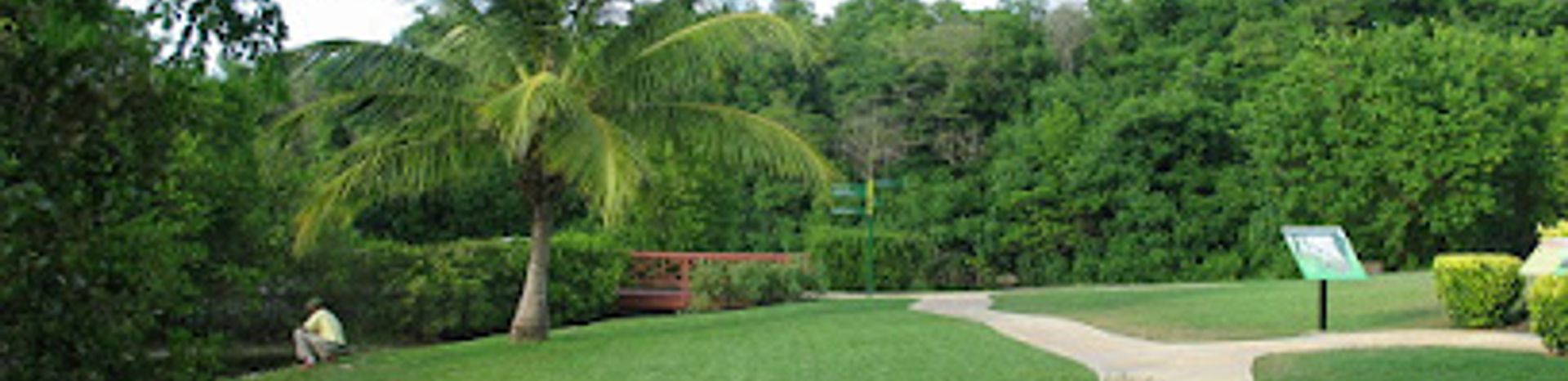
Graeme Hall Wildlife Sanctuary, nestled in Christ Church, Barbados, offers a serene escape into the island's natural beauty. This 35-acre sanctuary protects one of Barbados' last remaining mangrove forests and wetland areas, providing a vital habitat for diverse flora and fauna. Once a popular tourist attraction, the sanctuary faced challenges due to pollution, leading to its closure. However, recent revitalization efforts aim to restore its former glory, promising an enhanced ecotourism experience. Visitors can explore well-maintained nature trails, observe various bird species, and learn about conservation efforts. The sanctuary is easily accessible from nearby Oistins, making it a convenient destination for nature enthusiasts and birdwatchers seeking a peaceful retreat. With its rich biodiversity and commitment to environmental preservation, Graeme Hall Wildlife Sanctuary is poised to become a must-visit destination once again.
A brief summary to Graeme Hall Wildlife Sanctuary, Barbados
- Oistins, Christ Church, BB
- Visit website
Local tips
- Visit early in the morning to enjoy the peaceful atmosphere and spot more wildlife, especially birds.
- Bring binoculars for enhanced birdwatching and to fully appreciate the diverse species within the sanctuary.
- Wear comfortable shoes suitable for walking on nature trails, as some paths may have uneven surfaces.

Getting There
-
Public Transport
From Oistins, the sanctuary is easily accessible by bus. Look for buses heading towards Bridgetown or Oistins and disembark near the Graeme Hall Nature Sanctuary. The bus fare is approximately $2 BBD. From the bus stop, it's a short walk to the sanctuary entrance.
-
Taxi/Ride-Share
Taxis and ride-sharing services are readily available in Oistins. A taxi ride from Oistins to Graeme Hall Wildlife Sanctuary will cost approximately $14-$18 BBD and takes about 8 minutes, depending on traffic. Negotiate the fare beforehand or ensure the meter is running.
-
Walking
For those staying in Oistins, walking to Graeme Hall Wildlife Sanctuary is a viable option. The walk is approximately 10 minutes along the A1 highway. Exercise caution and be mindful of traffic.
Discover more about Graeme Hall Wildlife Sanctuary, Barbados
Iconic landmarks you can’t miss

Captain Larry's Ebikes
0.2 km
Explore Barbados like never before with electric bikes from Captain Larry's Ebikes - your eco-friendly tour operator for unforgettable adventures.
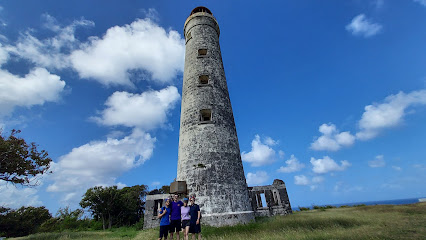
St. Lawrence Gap (The Gap)
0.4 km
Discover the vibrant nightlife of St. Lawrence Gap, where lively bars, delicious food, and Caribbean rhythms create the ultimate island experience.
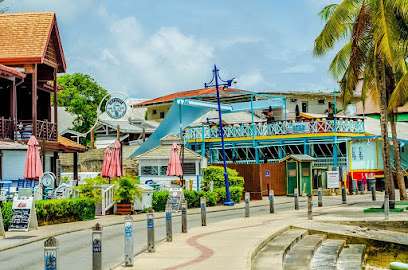
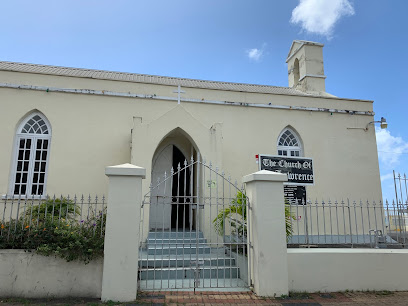
St. Lawrence Anglican Church
0.4 km
Discover a serene sanctuary in the heart of St. Lawrence Gap at St. Lawrence Anglican Church, a historic landmark offering a glimpse into Barbados' spiritual heritage and community spirit.
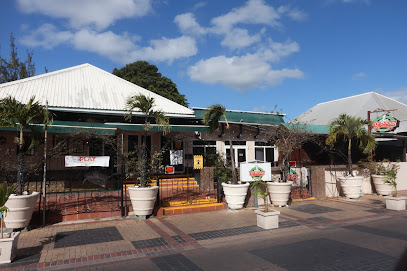
McBride's Music Pub & Night Club
0.5 km
Experience the heartbeat of Oistins nightlife at McBride's Music Pub & Night Club, where local culture and vibrant entertainment come together.
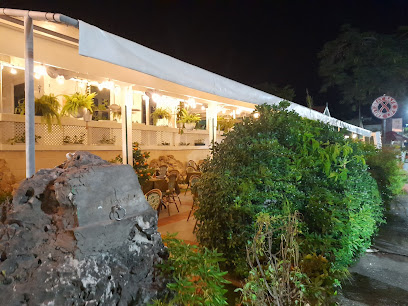
St Lawrence Beach Condos - Seascape
0.5 km
Beachfront condos in Oistins, Barbados, offering a relaxing escape near the vibrant St. Lawrence Gap. Perfect for exploring the island and enjoying stunning sunsets.

The St Lawrence Barbados
1.0 km
Experience the rich flavors of the Caribbean at The St Lawrence Barbados, a culinary gem in the heart of St Lawrence Gap.
Top Rock Roundabout
1.0 km
Experience the vibrant heart of Oistins at Top Rock Roundabout, a cultural landmark where art, community, and Barbadian spirit converge, offering a unique glimpse into island life.
The Tiki Bar
1.1 km
Experience the vibrant culture and flavors of Barbados at The Tiki Bar, a top Caribbean restaurant and live music venue in Bridgetown.
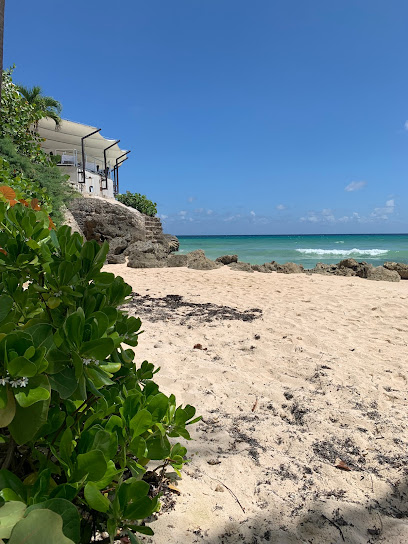
Rockley Resort
1.2 km
Rockley Resort in Barbados: A perfect blend of relaxation, recreation, and local culture awaits you in this tropical paradise.
Rockley Beach
1.2 km
Experience the stunning beauty and vibrant culture of Rockley Beach in Bridgetown, Barbados, where adventure meets relaxation in a tropical paradise.
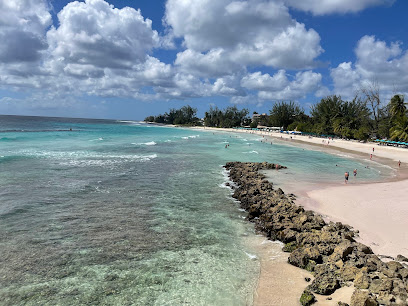
Errol Barrow Roundabout
1.2 km
Explore the rich history and vibrant culture at Errol Barrow Roundabout in Oistins, a historic landmark celebrating Barbados' first Prime Minister.
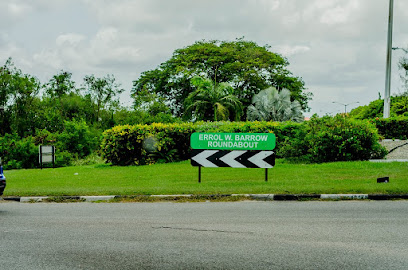
The Rockley By Ocean Hotels
1.3 km
Experience Bajan culture at The Rockley by Ocean Hotels, steps from Rockley Beach. Enjoy stylish suites, a lively pool, and easy access to Barbados' best attractions and vibrant nightlife.
Quayside Centre Shopping Plaza
1.4 km
Experience vibrant shopping and dining at Quayside Centre Shopping Plaza in Barbados, a lively hub opposite Accra Beach offering local crafts, diverse cuisine, and cultural events.
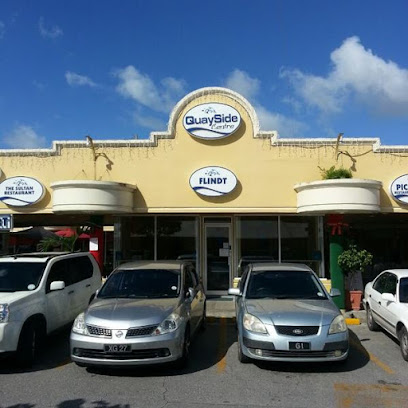
Accra Beach Hotel & Spa
1.4 km
Discover the charm of Accra Beach Hotel & Spa in Barbados, where luxury meets the serene beauty of the Caribbean coast.
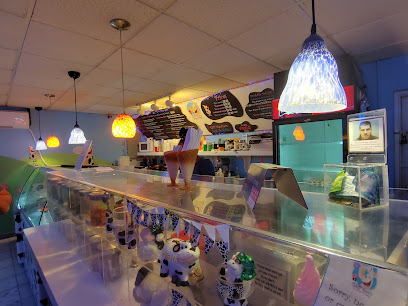
Chilly Moo's Ice Cream Treatery
1.4 km
Indulge in artisanal ice cream at Chilly Moo's Treatery in Bridgetown's Quayside Centre, where local flavors and fresh waffle cones create a sweet escape in paradise.
Unmissable attractions to see

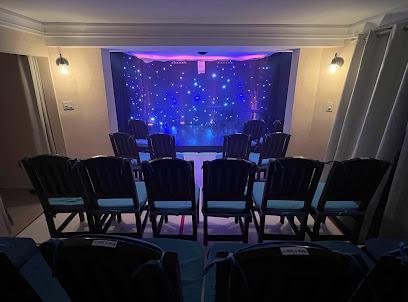
Barbados Magic Lounge
0.3 km
Discover the enchanting performances and lively atmosphere at Barbados Magic Lounge in St. Lawrence Gap, a must-visit for arts enthusiasts.
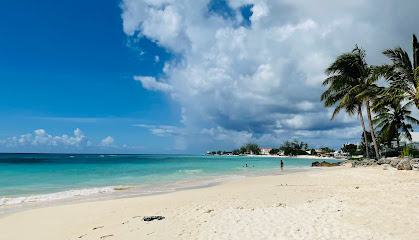
Koala Beach
0.3 km
Discover the serene beauty of Koala Beach in Oistins, Barbados: soft sands, clear waters, authentic Bajan culture, and breathtaking sunsets await in this tranquil escape.
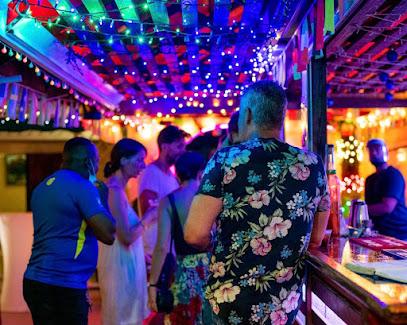
The Cove Barbados
0.4 km
Experience the vibrant nightlife of The Cove Barbados in St Lawrence Gap, where lively bars, lounges, and hookah bars await you.
Worthing Beach
0.6 km
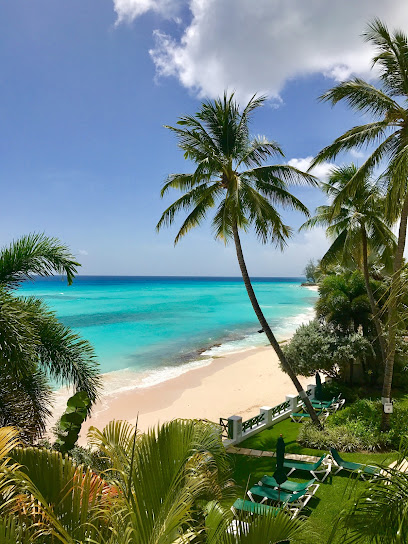
Discover Worthing Beach: Barbados' south coast gem offering soft sands, turquoise waters, vibrant marine life, and a taste of Bajan culture.
Field's Archery
0.7 km
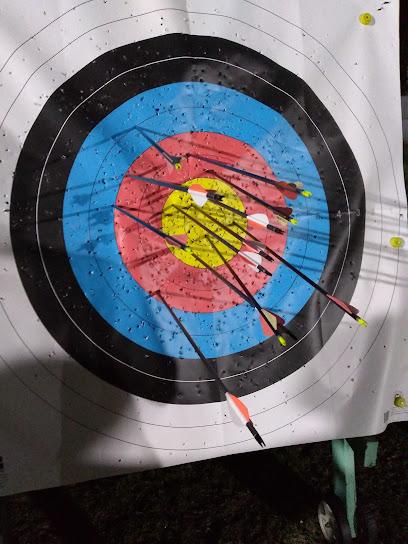
Discover the excitement of archery in St. Lawrence Gap, Barbados, and enjoy a unique blend of sport and scenic beauty.
St Lawrence Gap
0.7 km
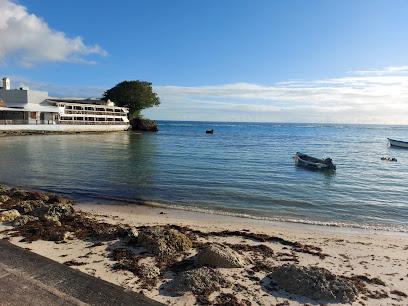
Experience the vibrant culture and delicious seafood at Oistins, Barbados' top destination for locals and tourists alike.
Dover Beach
0.9 km
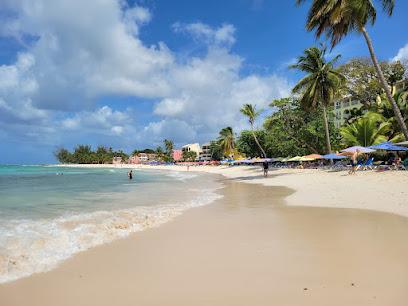
Explore Oistins, Barbados: A lively coastal town famed for its stunning beaches, vibrant nightlife, and delicious Friday fish fry.
Essential places to dine

The Seafood Shack Barbados
0.2 km
Discover fresh seafood delights at The Seafood Shack Barbados while enjoying stunning ocean views on Worthing Beach.
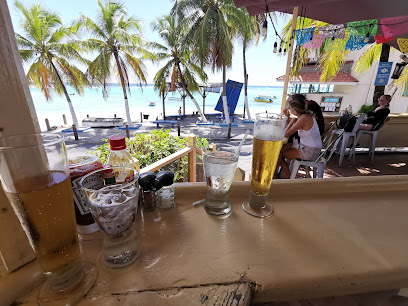
Yuh So Nice
0.2 km
Experience authentic Jamaican flavors at Yuh So Nice in Bridgetown - a must-visit destination for food lovers exploring Barbados.
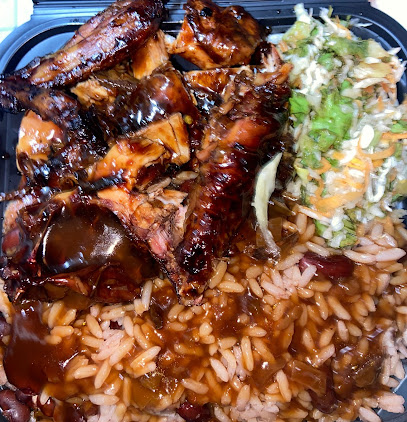
paCSouse Food & Bar
0.2 km
Discover authentic Barbadian cuisine at paCSouse Food & Bar in Bridgetown - where every bite tells a story.
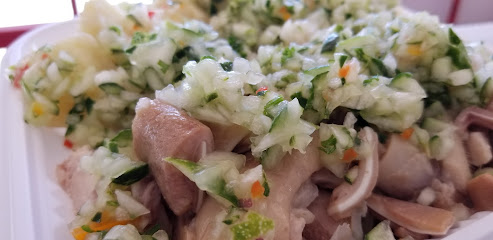
Birdies Restaurant
0.3 km
Discover Birdies Restaurant in Worthing: A family-friendly haven offering delicious Barbadian cuisine and warm hospitality.
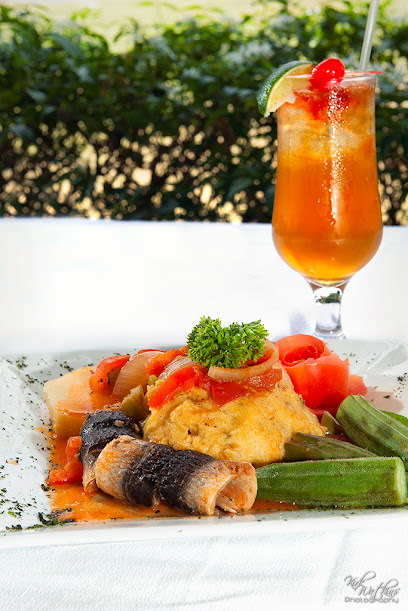
Castaways Barbados
0.3 km
Discover the vibrant flavors and lively atmosphere at Castaways Barbados—where culinary delights meet Caribbean charm.
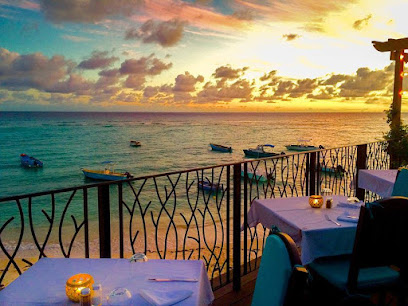
Cafe Sol
0.3 km
Experience authentic Mexican cuisine in a vibrant setting at Cafe Sol, located in beautiful Oistins, Barbados.
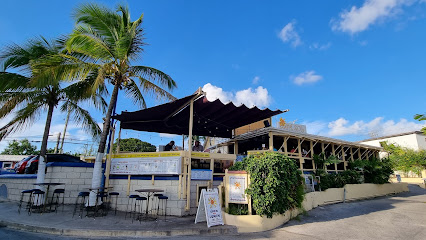
On The Bay
0.3 km
Experience authentic Caribbean cuisine at On The Bay in Oistins, where every meal is paired with stunning views and vibrant atmosphere.
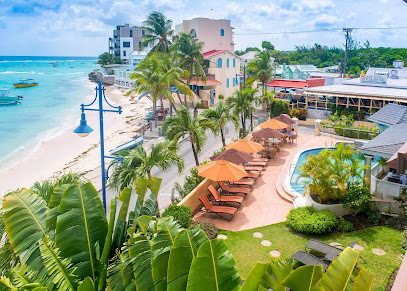
Primo Bar & Bistro
0.4 km
Experience exquisite bistro cuisine and breathtaking ocean views at Primo Bar & Bistro in St. Lawrence Gap, Barbados.
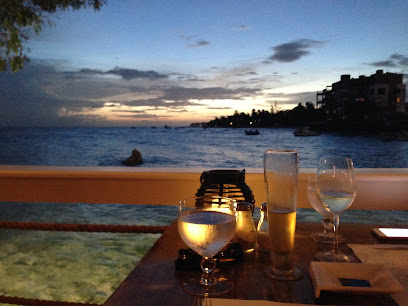
Craves Restaurant & Bar
0.4 km
Experience the best of Caribbean seafood at Craves Restaurant & Bar in Oistins - where flavor meets paradise.
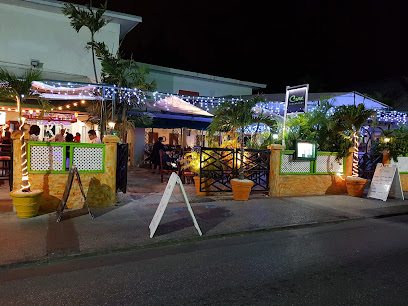
DE Ole Rum Shop
0.5 km
Experience authentic Barbadian cuisine at DE Ole Rum Shop in St. Lawrence Gap – where delicious food meets vibrant Caribbean vibes.
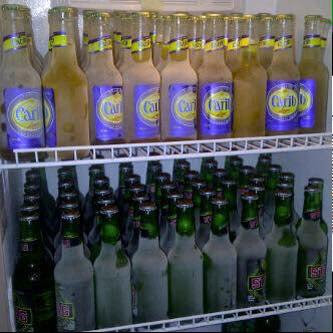
Tabú
0.5 km
Experience the vibrant flavors and lively atmosphere at Tabú, your go-to restaurant and cocktail bar in St. Lawrence Gap, Barbados.
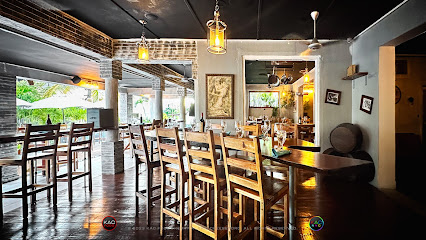
The Worthing Square Food Court
0.5 km
Experience the vibrant flavors of Barbados at Worthing Square Food Court - your go-to destination for delicious local and international cuisine.
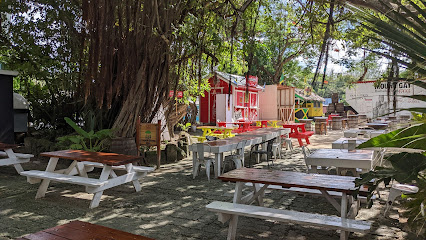
Ackee Tree Restaurant
0.5 km
Experience authentic Caribbean flavors at Ackee Tree Restaurant in Bridgetown, featuring Jamaican delights and live music for an unforgettable dining experience.
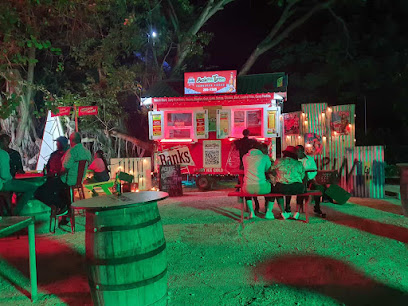
Fire & Soul Island Grill & Lounge Inc.
0.5 km
Experience authentic Caribbean cuisine at Fire & Soul Island Grill & Lounge Inc., where local flavors meet vibrant island life in Oistins.
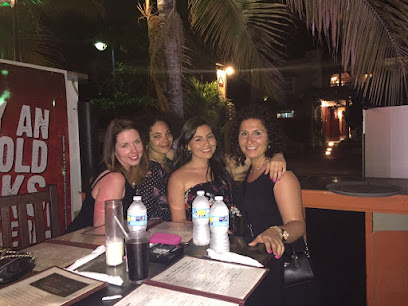
The Rose Garden Barbados
0.5 km
Experience exquisite Barbadian flavors at The Rose Garden Barbados – where culinary delights meet island charm.
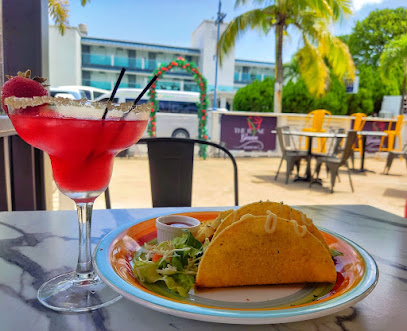
Markets, malls and hidden boutiques

Dear Summer Boutique
0.2 km
Discover the latest Caribbean fashion at Dear Summer Boutique, where vibrant styles meet personalized shopping in the heart of Bridgetown.

Beauty and the Beach
0.2 km
Explore the charm of Barbados at Beauty and the Beach, a boutique offering unique local treasures and stylish finds in Bridgetown.

Orchid Avenue
0.2 km
Orchid Avenue in Bridgetown: A vibrant clothing store offering a unique blend of local and international fashion styles for every occasion.

Nikki's Empire
0.2 km
Explore the vibrant essence of Barbados at Nikki's Empire, your destination for unique gifts and local craftsmanship in Bridgetown.
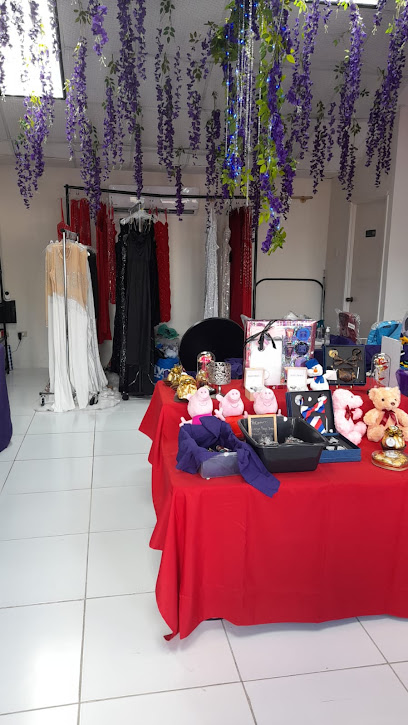
Shopsmart Express Worthing
0.3 km
Experience the best of local shopping at Shopsmart Express Worthing, your go-to supermarket for all essentials in Oistins, Barbados.
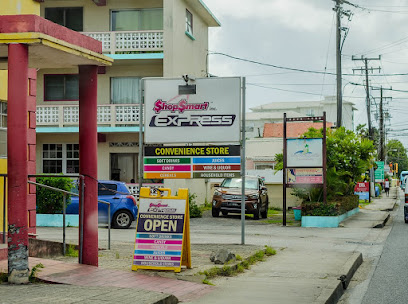
Anana kids
0.3 km
Discover the vibrant world of children's fashion at Anana Kids, a boutique offering unique clothing and accessories in Christ Church, Barbados.
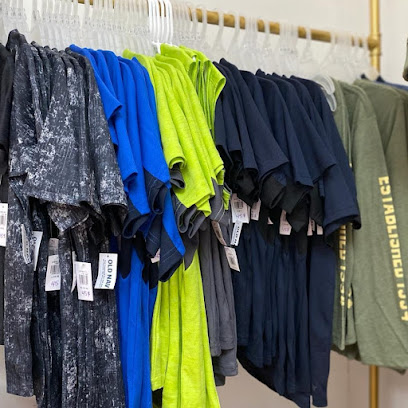
The Pop Up Boutique Barbados
0.3 km
Shop local and discover unique crafts, fashion, and art at The Pop Up Boutique Barbados, a must-visit shopping destination in Bridgetown.
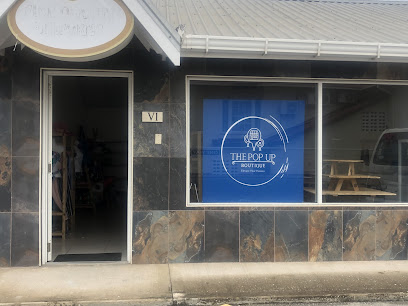
AVARK SHOP
0.4 km
Explore Avark Shop in Oistins for unique clothing and artisan-crafted fashion that embodies the spirit of Barbados.
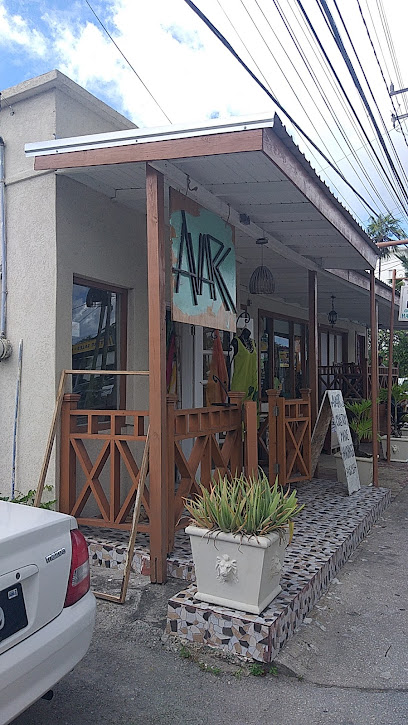
Ras Amica Leather Craft Shop
0.4 km
Explore the craftsmanship of Barbados at Ras Amica Leather Craft Shop, where authentic leather goods meet Caribbean artistry and tradition.
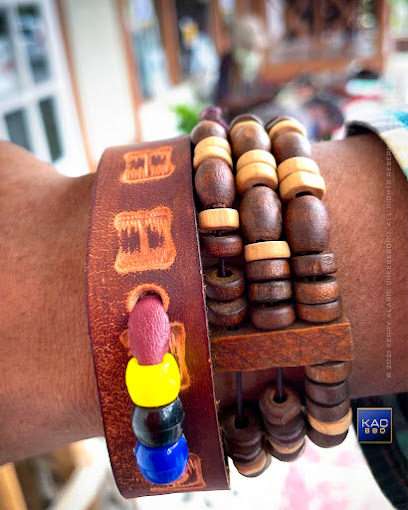
Ah We Birdman Drums and Craft
0.4 km
Experience the essence of Barbadian culture at Ah We Birdman Drums and Craft, where local craftsmanship and vibrant artistry come alive.
ARGILEH Lounge Barbados
0.5 km
Discover the vibrant culture of Barbados at ARGILEH Lounge, a smoke shop that offers a relaxing atmosphere and a taste of local flavors.
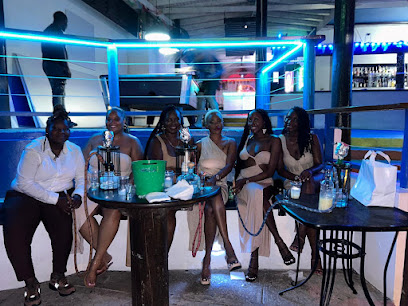
The Cellar
0.5 km
Explore unique artisanal cheeses at The Cellar in Oistins, Barbados, a haven for cheese lovers with a wide selection and delightful atmosphere.
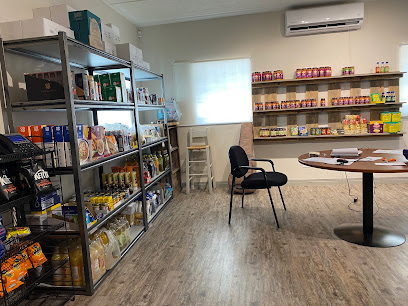
Cave Shepherd
0.5 km
Discover a shopping paradise at Cave Shepherd, featuring duty-free luxury, local treasures, and authentic Barbadian experiences in Bridgetown.
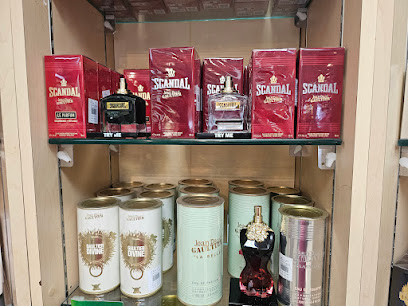
Bridgetown Duty Free Vista Worthing
0.5 km
Discover luxury shopping at Bridgetown Duty Free in Worthing, Barbados, where exquisite brands meet unbeatable prices for an unforgettable experience.
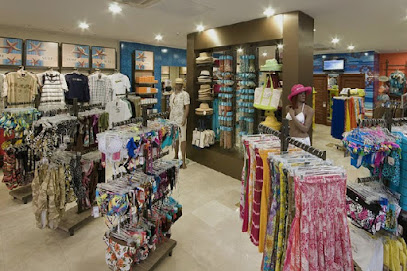
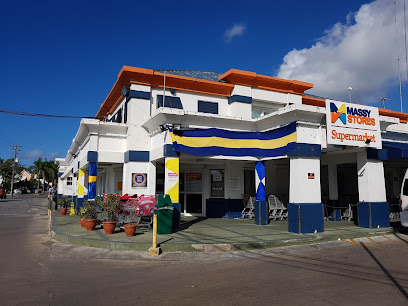
Massy Stores Supermarket Worthing
0.6 km
Explore the vibrant offerings of Massy Stores Supermarket Worthing, a hub for groceries, bakery delights, and local flavors in Barbados.
Essential bars & hidden hideouts

6Mix Bar + Kitchen
0.1 km
Discover the perfect blend of Caribbean flavors and vibrant nightlife at 6Mix Bar + Kitchen in Bridgetown, Barbados.
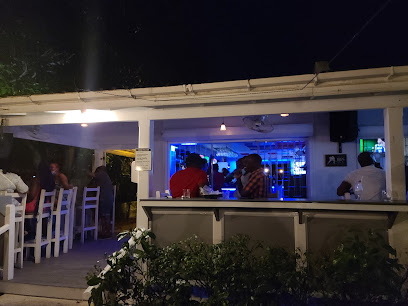
Jack's Bar and Lounge
0.1 km
Discover the vibrant atmosphere and delightful flavors at Jack's Bar and Lounge in Bridgetown, the perfect spot to unwind and enjoy Caribbean hospitality.
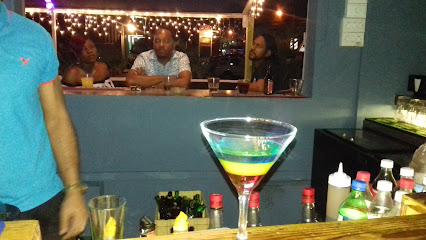
King's Tavern
0.1 km
Experience the vibrant Caribbean flavors at King's Tavern, a must-visit grill bar in Christ Church, Barbados, blending delicious cuisine with lively entertainment.
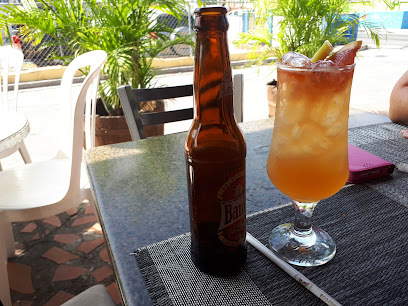
Carib Beach Bar
0.2 km
Discover the vibrant Carib Beach Bar, your tropical escape for delicious local cuisine and refreshing drinks on Barbados' stunning South Coast.
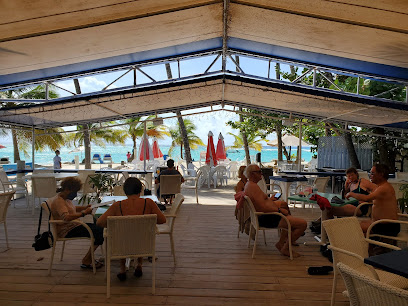
Crystal Waters Beach Bar
0.2 km
Experience the vibrant atmosphere and delicious Caribbean flavors at Crystal Waters Beach Bar, a must-visit destination in Bridgetown.
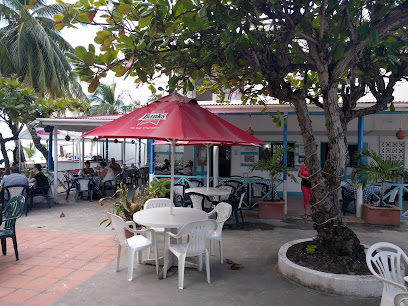
Devachan Bar
0.4 km
Immerse yourself in the vibrant nightlife of Barbados at Devachan Bar, a friendly and affordable spot for locals and tourists alike.
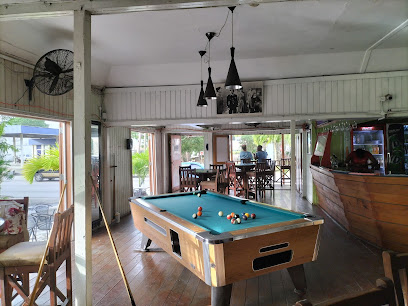
The Dive
0.4 km
Experience the vibrant nightlife and local flavor at The Dive, a lively bar in Oistins, Barbados, known for its music and cocktails.
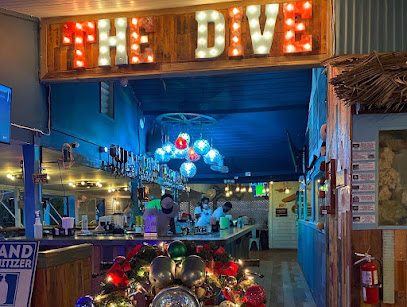
Cocktail Kitchen
0.4 km
Experience the vibrant cocktail scene at Cocktail Kitchen in St. Lawrence Gap, where innovative drinks meet the lively atmosphere of Barbados.
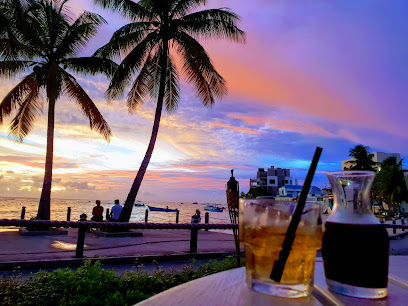
Mcnaughty's
0.5 km
Discover the vibrant nightlife and local flavors at Mcnaughty's, your go-to pub in Oistins, Barbados, for an unforgettable experience.
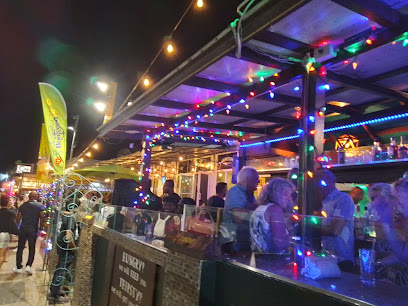
Hal's Carpark Bar
0.5 km
Experience the vibrant nightlife and authentic Barbadian culture at Hal's Carpark Bar in Oistins, Christ Church.
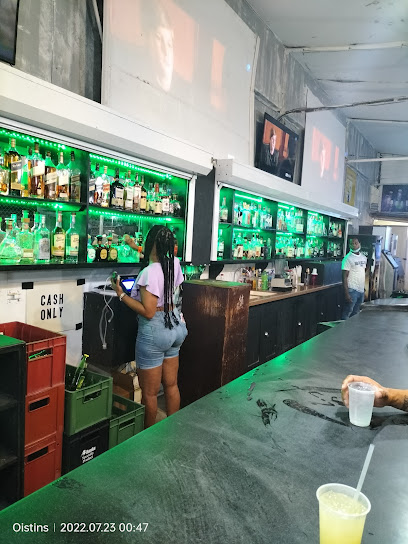
Car Bar
0.7 km
Experience the vibrant local culture at Car Bar, a charming van bar in Oistins serving refreshing drinks and a laid-back atmosphere.
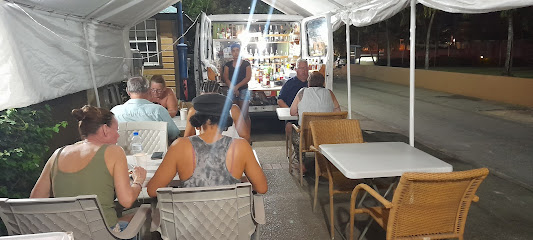
Rum Shop St Lawrence Gap
0.7 km
Discover the lively ambiance and local flavors at Rum Shop St Lawrence Gap, a top bar in Barbados for cocktails and Caribbean vibes.
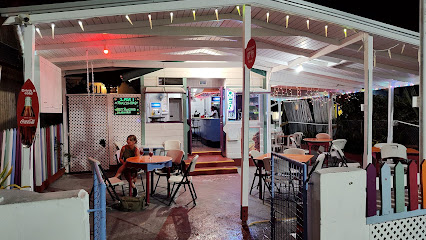
Abbeville Arcade Bar & Slots
1.0 km
Discover the heart of Bridgetown's nightlife at Abbeville Arcade Bar & Slots, where gaming meets socializing in an unforgettable atmosphere.
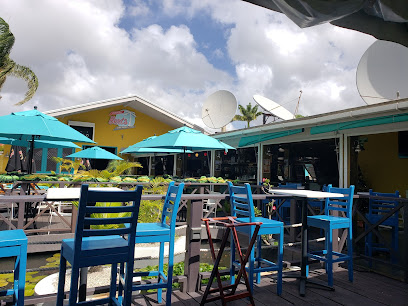
Braddie's Bar
1.0 km
Discover the vibrant atmosphere of Braddie's Bar in Oistins, the perfect blend of refreshing drinks, local cuisine, and lively entertainment.
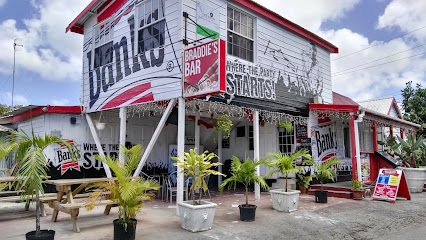
At The Bar Pizza and Wine
1.0 km
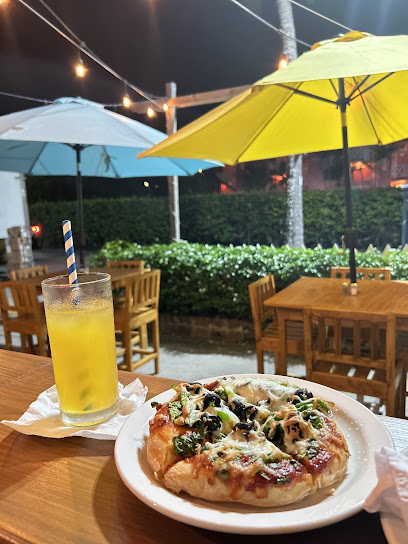
Experience the flavors of Barbados at At The Bar Pizza and Wine, a wine bar offering delicious pizzas and a curated selection of wines in a cozy atmosphere.
Nightclubs & after hour spots

Pulse Lounge & Nightclub
0.1 km
Dive into the pulsating nightlife of Pulse Lounge & Nightclub in Bridgetown, Barbados - where vibrant music and a lively atmosphere await!
Halo Ultra Lounge
0.5 km
Discover the vibrant nightlife of Halo Ultra Lounge in St. Lawrence Gap, Barbados—where great music, cocktails, and unforgettable moments await.
Splash bar
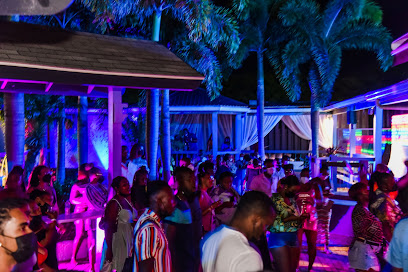
1.0 km
Discover Splash Bar in Bath village, a lively spot for drinks and local culture in Christ Church, Barbados.
Chicken George & Yankey Joe’s Beach Bar
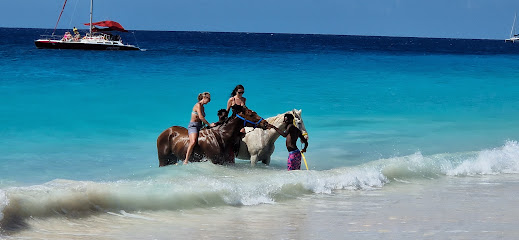
1.3 km
Discover the ultimate Caribbean dining experience at Chicken George & Yankey Joe’s Beach Bar, where flavorful grills meet beachside relaxation.
Seduction Lounge
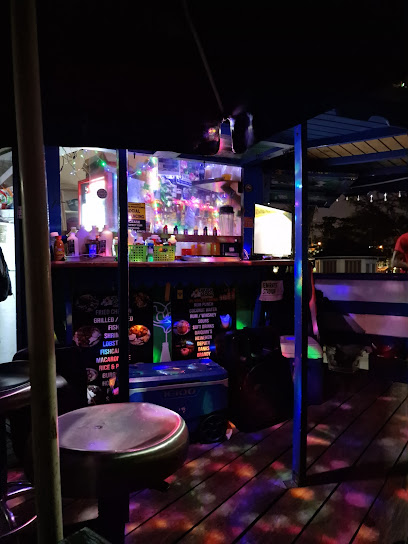
1.9 km
Discover the vibrant nightlife at Seduction Lounge in Oistins, where cocktails flow and the music never stops, capturing the essence of Barbados.
Incognito Night Club
2.0 km
Discover the heart of Oistins' nightlife at Incognito Night Club, where music, drinks, and unforgettable memories await every visitor.
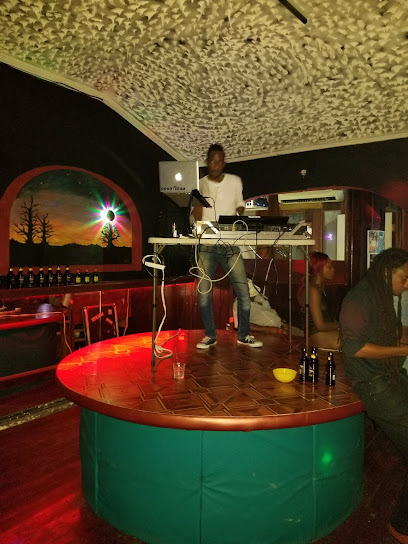
Hashtag Bar
2.3 km
Discover the vibrant nightlife at Hashtag Bar in Bridgetown, Barbados, where delicious food and refreshing drinks meet a lively atmosphere.
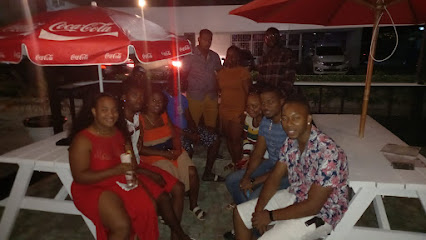
The Sage Bar & Stage
2.5 km
Experience the vibrant blend of live music, local cuisine, and art at The Sage Bar & Stage in Oistins, Barbados—a hub of culture and entertainment.
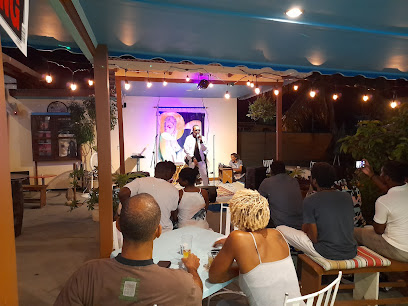
Cherry Tree Lounge
2.8 km
Discover the cozy charm of Cherry Tree Lounge in Bridgetown, where delicious food and refreshing drinks await in a welcoming atmosphere.
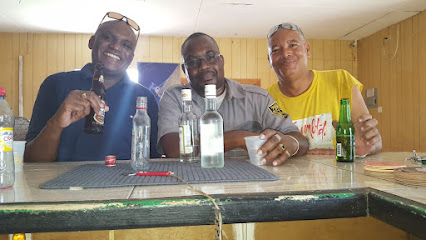
Silver Fox
3.9 km
Discover the lively atmosphere of Silver Fox Sports Bar in Oistins, Barbados, where great food, drinks, and live sports meet Caribbean hospitality.
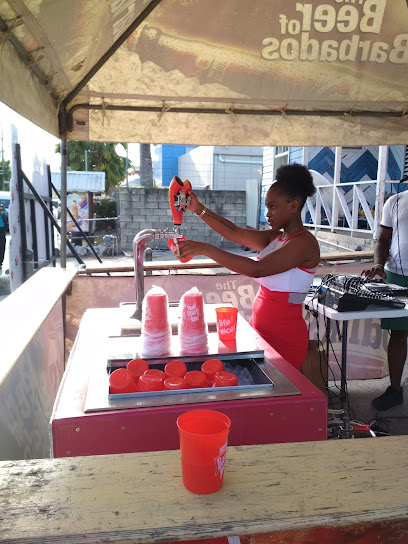
Harbour Lights Barbados
4.0 km
Discover the vibrant nightlife of Harbour Lights Barbados, where Caribbean culture meets unforgettable entertainment and delightful dining.