

Free Saint Peter Travel Guide & Mobile App
Explore Saint Peter with free travel guides. Discover regional history, expert tips, proposed trips, and audio guides on web or mobile app.


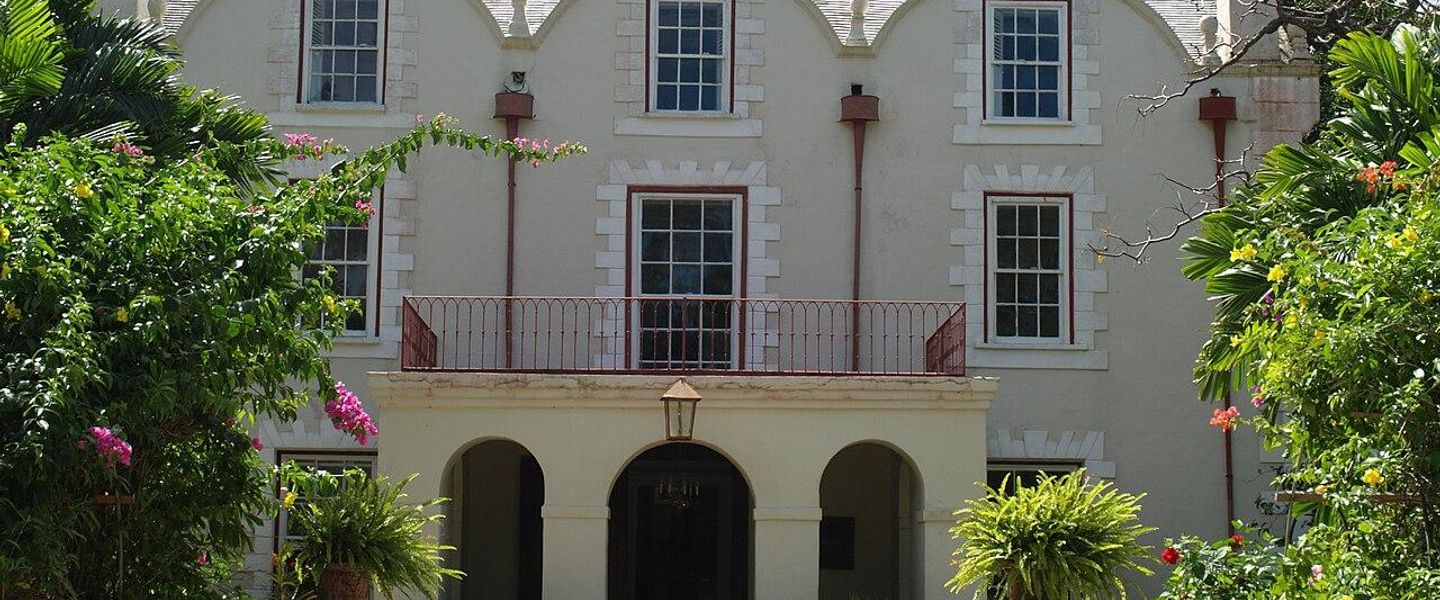


Explore Saint Peter in Barbados for Speightstown heritage, west-coast beaches, plantation landscapes, rum culture and relaxed seaside days.
Read more about Saint Peter
When is the best time to visit Saint Peter?
Best: January–March · 29°C| Month | High (°C) | Rainfall (mm) |
|---|---|---|
| January (best) | 29 | 70 |
| February (best) | 29 | 55 |
| March (best) | 29 | 60 |
| April | 30 | 65 |
| May | 30 | 90 |
| June | 31 | 110 |
| July | 31 | 120 |
| August | 31 | 130 |
| September | 31 | 130 |
| October | 30 | 115 |
| November | 30 | 105 |
| December | 29 | 90 |
Getting to and around Saint Peter
How to get there
Transportation
Top city travel guides in Saint Peter
The cities of Saint Peter, and the easiest places to base yourself.
-

-

-


Swipe for more cities
Destinations in Saint Peter
Resorts, valleys and scenic spots worth a trip of their own.

Swipe for more destinations
Best attractions in Saint Peter
Saint Peter’s attractions bring together west-coast beaches, maritime history and a surprisingly substantial inland heritage landscape. Speightstown is the natural starting point, with Arlington House Museum, historic streets and a waterfront that explains the parish’s former role as an Atlantic trading port. Mullins Beach is popular for swimming and watersports, while Heywoods and the beaches around Six Mens offer additional coastal settings with a more residential feel. Inland, St Nicholas Abbey is a major heritage destination, combining a distinguished plantation house with gardens, woodland and rum-making history. Farley Hill National Park provides open lawns and elevated views from the site of a former great house, with picnic and landscape appeal rather than a conventional museum experience. The parish also suits boat trips, sea bathing, snorkelling and relaxed exploration of sugar-cane country. Its attractions are less concentrated than those of Bridgetown: the strongest itinerary links a historic town and coastal section with a separate excursion into the central uplands.
-
National park
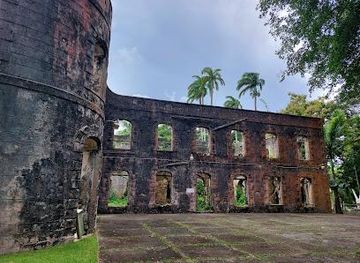
Farley Hill National Park
Discover the historic ruins and panoramic views of Farley Hill National Park, a serene escape into Barbados' natural beauty and rich history.
-
Tourist attraction
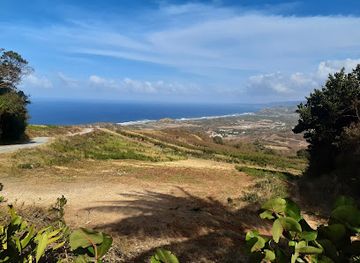
Cherry Tree Hill Reserve
Discover breathtaking panoramic views of Barbados' Scotland District and rugged east coast from the historic Cherry Tree Hill Reserve, a tranquil escape into nature's beauty.
-
 Heritage museum
St. Nicholas Abbey and Steam Railway
Discover Barbadian heritage at St. Nicholas Abbey: Explore a Jacobean mansion, tour a rum distillery, and ride a scenic railway for an unforgettable plantation experience.
-
Bar
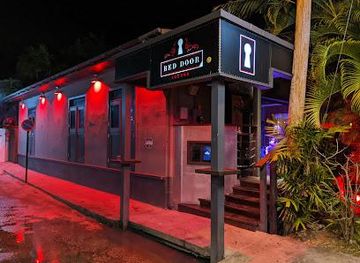
Red Door Lounge
Experience the vibrant nightlife of Barbados at the Red Door Lounge, a stylish bar and restaurant in Holetown. Note: May be closed permanently.
Best landmarks in Saint Peter
Speightstown’s historic waterfront and compact street grid are Saint Peter’s most recognisable urban landmarks, preserving the identity of a port that once connected Barbados closely with Bristol and the wider Atlantic trade. Arlington House, a restored eighteenth-century building in the town, is notable for its traditional architecture and interpretation of local history. Inland, St Nicholas Abbey stands among the island’s most important surviving plantation houses; its early architecture, landscaped grounds and association with sugar and rum production make it a key marker of Barbados’s colonial past. Farley Hill is a landscape landmark rather than an intact mansion, with the remains and grounds of a former estate set on elevated land overlooking parts of the island. Along the coast, Mullins Bay and the west-facing shoreline are geographical landmarks shaped by sheltered Caribbean waters, beaches and marine recreation. Together these places show how Saint Peter’s identity rests on both built heritage and the relationship between upland estates and the sea.
-
Seafood
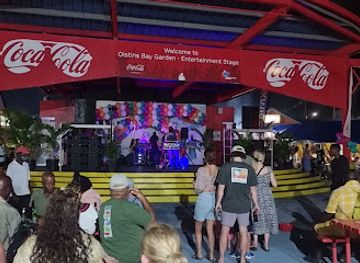
Oistins Fish Market
Experience the heart of Bajan culture at Oistins Fish Market: fresh seafood, lively music, and the unforgettable Friday Night Fish Fry.
-
Tourist attraction
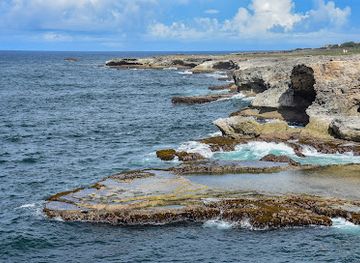
Animal Flower Cave & Restaurant
Explore the breathtaking Animal Flower Cave & Restaurant in Barbados, where stunning views meet delightful dining for an unforgettable experience.
-
Tourist attraction
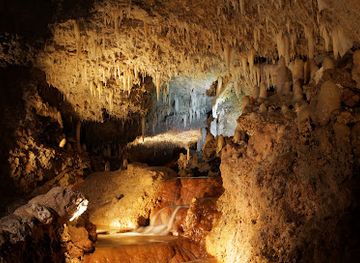
Harrison's Cave Eco-Adventure Park
Explore Barbados' geological heart: Tram tours, ziplines, and rum tastings await at Harrison's Cave Eco-Adventure Park. A Caribbean must-see!
-
Island
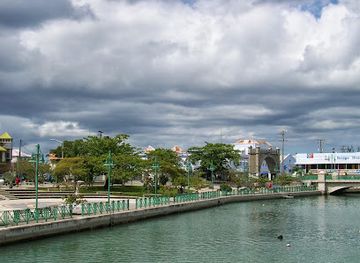
Barbados
Explore the stunning beaches, rich culture, and vibrant atmosphere of Barbados, the ultimate Caribbean paradise for every traveler.
Explore Saint Peter on the map
Plan your trip on one map. See where the top cities, national parks and sights are, and book hotels and experiences in a few clicks.
Best hotels in Saint Peter
Best restaurants in Saint Peter
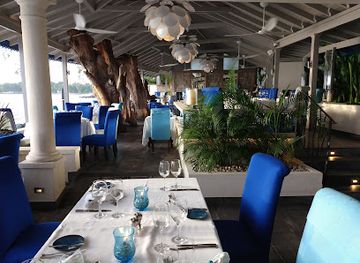
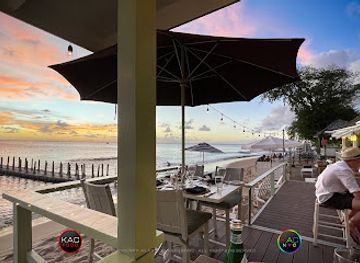
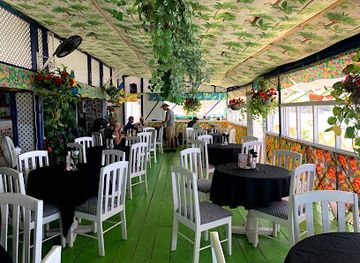
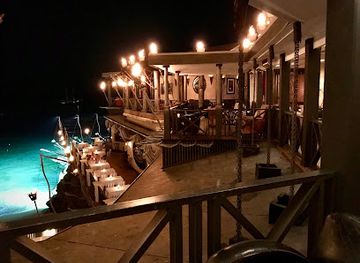
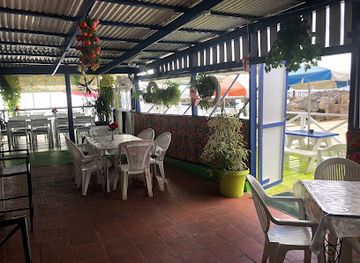
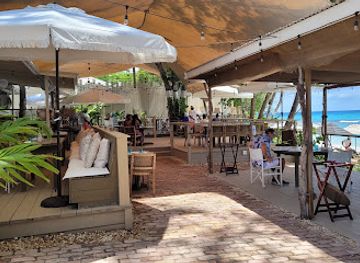
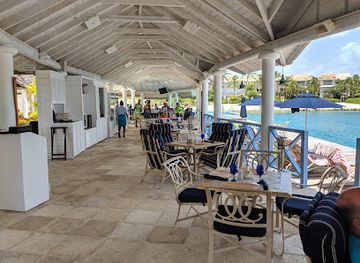
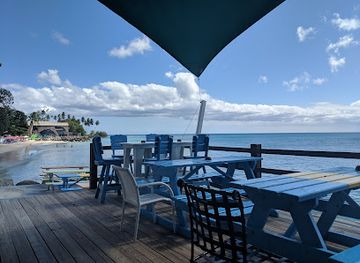
Dining in Saint Peter ranges from informal fish lunches and small local eateries to hotel restaurants, polished west-coast dining rooms and relaxed cafés in and around Speightstown. Fresh fish and seafood are central to the coastal character, while Bajan staples such as cou-cou with flying fish, fish cakes, macaroni pie, rice and peas, and hearty stews appear in different forms across the parish. Rum is closely tied to Barbados’s food and drink culture, and St Nicholas Abbey adds a plantation and distilling dimension to the region’s culinary story. Speightstown is useful for casual lunches, bakeries and takeaway food, while the coast around Mullins and Six Mens has a stronger resort and sunset-dining emphasis. Farmers’ stalls and village shops can provide fruit, bread and snacks, although opening patterns vary. Visitors should distinguish traditional Barbadian cooking from the more international menus common in larger west-coast hotels.
-
Fine Dining
The Tides Barbados
Experience world-class seafood dining with breathtaking ocean views at The Tides Barbados - where every meal is a celebration of flavor.
-
Seafood
Fish Pot
Discover the vibrant flavors of Barbados at Fish Pot - your premier destination for exquisite seafood dining by the Caribbean Sea.
-
Restaurant
Fisherman's Pub
Discover Fisherman's Pub in Speightstown - a vibrant restaurant serving delicious Caribbean cuisine with stunning ocean views.
-
Fine Dining
The Cliff
Experience luxury dining at The Cliff in Barbados - where exquisite cuisine meets breathtaking ocean views.
Best bars in Saint Peter
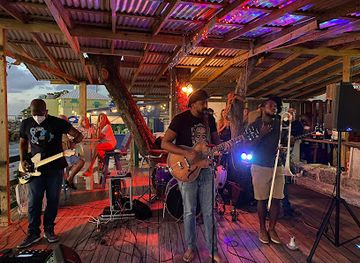
Saint Peter’s evening life is generally sociable and low-key rather than dominated by large nightclubs. Speightstown has bars, rum shops, casual restaurants and occasional live music, while the coastal settlements around Mullins, Six Mens and Heywoods offer hotel lounges, waterfront dining and drinks with sea views. Traditional rum shops provide an informal local setting, but visitors should be respectful of the small neighbourhood scale and avoid treating them as staged attractions. Some restaurants and resorts host music or evening entertainment, particularly in the busier tourist season, though schedules and venues change. For a broader clubbing scene, visitors usually travel south towards Holetown or Bridgetown, outside Saint Peter. The parish is best suited to evenings combining dinner, conversation, music and the coast rather than late-night bar-hopping.
-
Bar
Fisherman's Pub
Experience the vibrant flavors and warm hospitality of Fisherman's Pub in Speightstown, Barbados – a true Caribbean gem.
-
Restaurant
Sea Shed Restaurant
Discover the vibrant flavors and stunning views at Sea Shed Restaurant, a culinary treasure on the shores of Barbados.
-
Restaurant
Pier One Restaurant
Experience the flavors of Barbados at Pier One Restaurant, where fresh seafood meets stunning ocean views in Speightstown.
-
Bar
Little Bristol Beach Bar
Discover Little Bristol Beach Bar - your gateway to serene beachside relaxation and delicious Caribbean flavors in Speightstown, Barbados.
Best nightclubs in Saint Peter
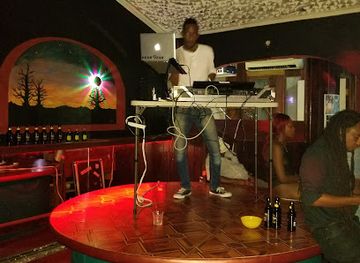
Saint Peter’s evening life is generally sociable and low-key rather than dominated by large nightclubs. Speightstown has bars, rum shops, casual restaurants and occasional live music, while the coastal settlements around Mullins, Six Mens and Heywoods offer hotel lounges, waterfront dining and drinks with sea views. Traditional rum shops provide an informal local setting, but visitors should be respectful of the small neighbourhood scale and avoid treating them as staged attractions. Some restaurants and resorts host music or evening entertainment, particularly in the busier tourist season, though schedules and venues change. For a broader clubbing scene, visitors usually travel south towards Holetown or Bridgetown, outside Saint Peter. The parish is best suited to evenings combining dinner, conversation, music and the coast rather than late-night bar-hopping.
-
Night club
Harbour Lights Barbados
Unwind at Harbour Lights Barbados – the ultimate night club experience with breathtaking ocean views, delicious dining, and exciting live entertainment.
-
Bar
Little Bristol Beach Bar
Experience the vibrant Caribbean nightlife at Little Bristol Beach Bar, where refreshing drinks and local cuisine meet stunning beach views in Speightstown.
-
Disco club
Club Rehab
Discover the nightlife of Bridgetown at Club Rehab, where vibrant music and an electrifying atmosphere create unforgettable party experiences.
-
Bar
Incognito Night Club
Discover the electrifying nightlife at Incognito Night Club in Oistins, Barbados, where music, dance, and cocktails create unforgettable memories.


Best shops in Saint Peter
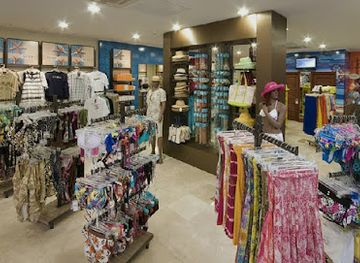
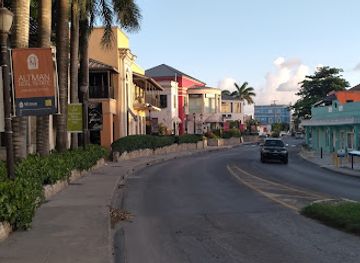
Shopping in Saint Peter is centred on Speightstown and on practical local outlets rather than large-scale retail. The town’s small shops, galleries, cafés and supermarkets make it a useful place to buy snacks, beach necessities, books, clothing and gifts while exploring its historic streets. Visitors can look for Barbados-made rum, sauces, spices, confectionery, woven goods, ceramics, artwork and small craft items, checking labels when locally produced goods are important to them. Supermarkets and village shops around the west coast are convenient for fruit, drinks and provisions for self-catering accommodation. The larger resort areas near Mullins and Six Mens have hotel boutiques and tourist-oriented retail, but the selection changes over time. Speightstown is more suitable for browsing independent businesses and combining shopping with a meal than for designer retail; visitors seeking extensive department stores or major shopping centres generally travel outside the parish towards Bridgetown or Holetown.
-
Department store
Bridgetown Duty Free Broad Street
Discover the vibrant shopping experience at Bridgetown Duty Free, where luxury meets local charm in the heart of Barbados.
-
Shopping mall
Limegrove Lifestyle Centre
Discover luxury shopping, fine dining, and entertainment at Limegrove Lifestyle Centre in Holetown, Barbados – your ultimate shopping destination.
-
Shopping mall
Quayside Centre Shopping Plaza
Explore the vibrant Quayside Centre Shopping Plaza in Bridgetown, a premier shopping destination offering local culture, diverse stores, and delightful dining options.
-
Craft store
Laurie Dash & Sons Inc
Explore creativity at Laurie Dash & Sons Inc, Bridgetown's premier craft store for all your artistic needs and inspiration.

Get your free copy of our complete guide to Saint Peter, delivered straight to you.
Everything on this page, from attractions and restaurants to essentials and local phrases, in one PDF you can read offline, print or share.
Already have an account? Sign in
Your Saint Peter guide is ready.
We'll send it to · Not you? Sign out

Getting your guide ready…
We are putting together a fresh copy of the Saint Peter guide. This can take up to a minute.
This can take a few moments. If your browser asks, choose Allow so the download can start. You'll find the guide in your Downloads folder.
Nothing happened? Download it again
Sorry, the guide is taking longer than usual. Please try again in a minute, or get it by email instead.
Saint Peter essentials
Currency and Payment
Safety
Emergency Situations
Do's and Don'ts
Local Tips
From Eve
Local phrases worth knowing
You don't need to get them perfect. A few words go a long way, and locals appreciate the effort.
Basics
| English | Local | Say it |
|---|---|---|
| Hello | Wha' happenin'? | [Wah hap-penin'] |
| Goodbye | Later | [Lay-ta] |
| Yes | Yea | [Yea] |
| No | Nah | [Nah] |
| Please/You're welcome | No problem | [No prob-lem] |
| Thank you | Thanks | [Thanx] |
| Excuse me/Sorry | Sorry 'bout dat | [Sorry 'bout dat] |
| How are you? | How yuh doin'? | [How yuh doin'?] |
| Fine. And you? | All good, an' yuh? | [All good, an' yuh?] |
| Do you speak English? | Yuh speak English? | [Yuh speak English?] |
| I don't understand | I ain't gettin' it | [I ain't gettin' it] |
Eating & Drinking
| English | Local | Say it |
|---|---|---|
| I'd like to see the menu, please | Can I see de menu, please? | [Can I see de menu, please?] |
| I don't eat meat | I don' eat meat | [I don' eat meat] |
| Cheers! | Cheers! | [Cheers!] |
| I would like to pay, please | I would like to pay, please | [I would like to pay, please] |
Emergencies
| English | Local | Say it |
|---|---|---|
| Help! | Help! | [Help!] |
| Go away! | Get outta here! | [Get outta here!] |
| Call the Police! | Call de police! | [Call de police!] |
| Call a doctor! | Call a doctor! | [Call a doctor!] |
| I'm lost | I lost | [I lost] |
| I'm ill | I ain't feelin' well | [I ain't feelin' well] |
Shopping
| English | Local | Say it |
|---|---|---|
| I'd like to buy... | I want to buy... | [I want to buy...] |
| I'm just looking | I just browsing | [I just browsing] |
| How much is it? | How much dat? | [How much dat?] |
| That's too expensive | Dat too pricey | [Dat too pricey] |
| Can you lower the price? | Can yuh drop de price? | [Can yuh drop de price?] |
Time & Numbers
| English | Local | Say it |
|---|---|---|
| What time is it? | Wha' time it is? | [Wah time it is?] |
| It's one o'clock | It one o'clock | [It one o'clock] |
| Half past (10) | Half past ten | [Half past ten] |
| Morning | Mornin' | [Mornin'] |
| Afternoon | Afternoon | [Afternoon] |
| Evening | Evenin' | [Evenin'] |
| Yesterday | Yesterday | [Yesterday] |
| Today | Today | [Today] |
| Tomorrow | Tomorrow | [Tomorrow] |
| 1 | One | [One] |
| 2 | Two | [Two] |
| 3 | Three | [Three] |
| 4 | Four | [Four] |
| 5 | Five | [Five] |
| 6 | Six | [Six] |
| 7 | Seven | [Seven] |
| 8 | Eight | [Eight] |
| 9 | Nine | [Nine] |
| 10 | Ten | [Ten] |
Transport & Directions
| English | Local | Say it |
|---|---|---|
| Where's a/the...? | Wheh de...? | [Wheh de...?] |
| What's the address? | Wha' de address? | [Wha' de address?] |
| Can you show me (on the map)? | Can yuh show me (pon de map)? | [Can yuh show me (pon de map)?] |
| When's the next (bus)? | When de next (bus)? | [When de next (bus)?] |
| A ticket (to ....) | A ticket (to....) | [A ticket (to....)] |
History of Saint Peter
Early Indigenous Settlement
Long before European colonisation, Barbados was visited and settled by Indigenous peoples, including communities associated with the Saladoid-Barrancoid and later Arawakan traditions. Archaeological evidence elsewhere on the island shows that these societies travelled by canoe, cultivated crops and used coastal and inland resources. Saint Peter’s beaches, bays and fertile interior formed part of this wider island environment, although much of the visible historical landscape today dates from the colonial period. The Indigenous past is important because it predates the plantation system that later shaped Barbados’s economy, settlement patterns and land ownership.
English Colonisation in the Seventeenth Century
English settlement began in Barbados in the early seventeenth century, transforming the island’s land use and political arrangements. Saint Peter developed as an agricultural parish, with estates and small settlements linked to the coast. The creation of Speightstown gave the north-west an important maritime outlet and tied the parish to trade with England and other Atlantic ports. Early colonial buildings, parish institutions and plantation boundaries established patterns that remained influential for centuries, even as the population became increasingly African through the forced migration associated with slavery.
Sugar, Slavery and Plantation Society
From the seventeenth century onwards, sugar became the foundation of Barbados’s wealth, and Saint Peter was shaped by plantations, mills, ports and estate villages. Enslaved Africans performed the labour on which this economy depended, under a coercive system that affected every aspect of society. Surviving plantation landscapes and buildings should therefore be understood alongside the history of resistance, family separation and emancipation. St Nicholas Abbey is a particularly prominent reminder of the architectural and agricultural world created by sugar, while Speightstown reflects the commercial infrastructure that supported it.
Speightstown and Atlantic Trade
Speightstown grew as one of Barbados’s principal ports and commercial settlements. Its merchants handled sugar and other goods, while shipping connected the town with Bristol and the wider Atlantic world; the nickname Little Bristol records this relationship. The port’s importance fluctuated as coastal conditions, trade patterns and the prominence of Bridgetown changed, but the town remained a significant centre for the northern and western districts. Its surviving street plan, waterfront setting and historic buildings offer a concise introduction to Barbados’s maritime commerce and colonial urban development.
Emancipation and Post-Slavery Change
Slavery was abolished in the British Empire in 1834, with a period of apprenticeship preceding full freedom in 1838. Emancipation altered labour relations but did not immediately remove the economic power of plantation owners or the social inequalities created under slavery. In Saint Peter, sugar estates continued to dominate the countryside, while formerly enslaved families developed independent livelihoods, communities and religious institutions. The parish’s later history, like that of Barbados as a whole, was shaped by the gradual diversification of work, education and political participation.
Tourism and the West Coast’s Transformation
During the twentieth century, Barbados moved from an economy centred largely on sugar towards one increasingly supported by tourism and services. Saint Peter’s west-coast beaches, warm waters and proximity to Bridgetown helped attract hotels, villas, restaurants and marine excursions, particularly around Mullins, Six Mens and Heywoods. This development brought roads, new employment and international visitors, while also changing the scale and appearance of the coastline. Speightstown retained a more distinctly town-like identity, balancing heritage conservation and local commerce with the pressures and opportunities of coastal tourism.
Saint Peter in Photos
Browse through our photo collection highlighting the charm and character of the destination.
Neighbouring regions of Saint Peter
The closest regions to Saint Peter, if you have time for more than one.
-

-

-

-

-


Swipe for more regions
Explore more

Explore more of Barbados
Discover Barbados: Pristine beaches, rich history, and vibrant culture await in this Caribbean paradise. Perfect for adventure, relaxation, and culinary delights.
Explore Barbados