Drax Hall Plantation, Saint Philip Travel Guide
Explore Drax Hall Plantation in Barbados, a historic Jacobean great house with a complex legacy tied to the island's sugar trade and the history of slavery.
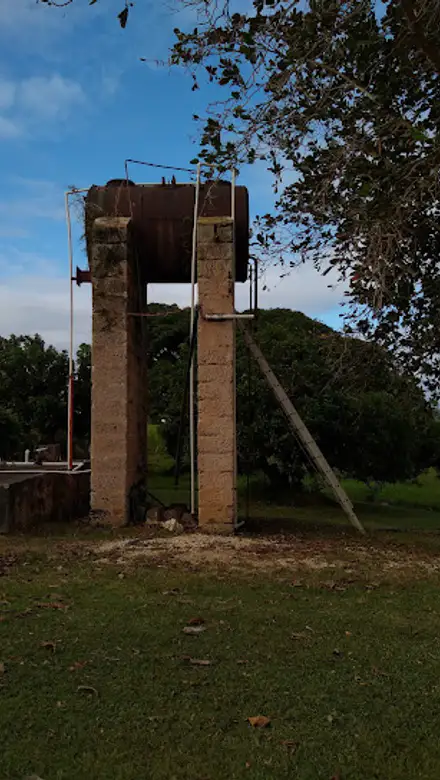
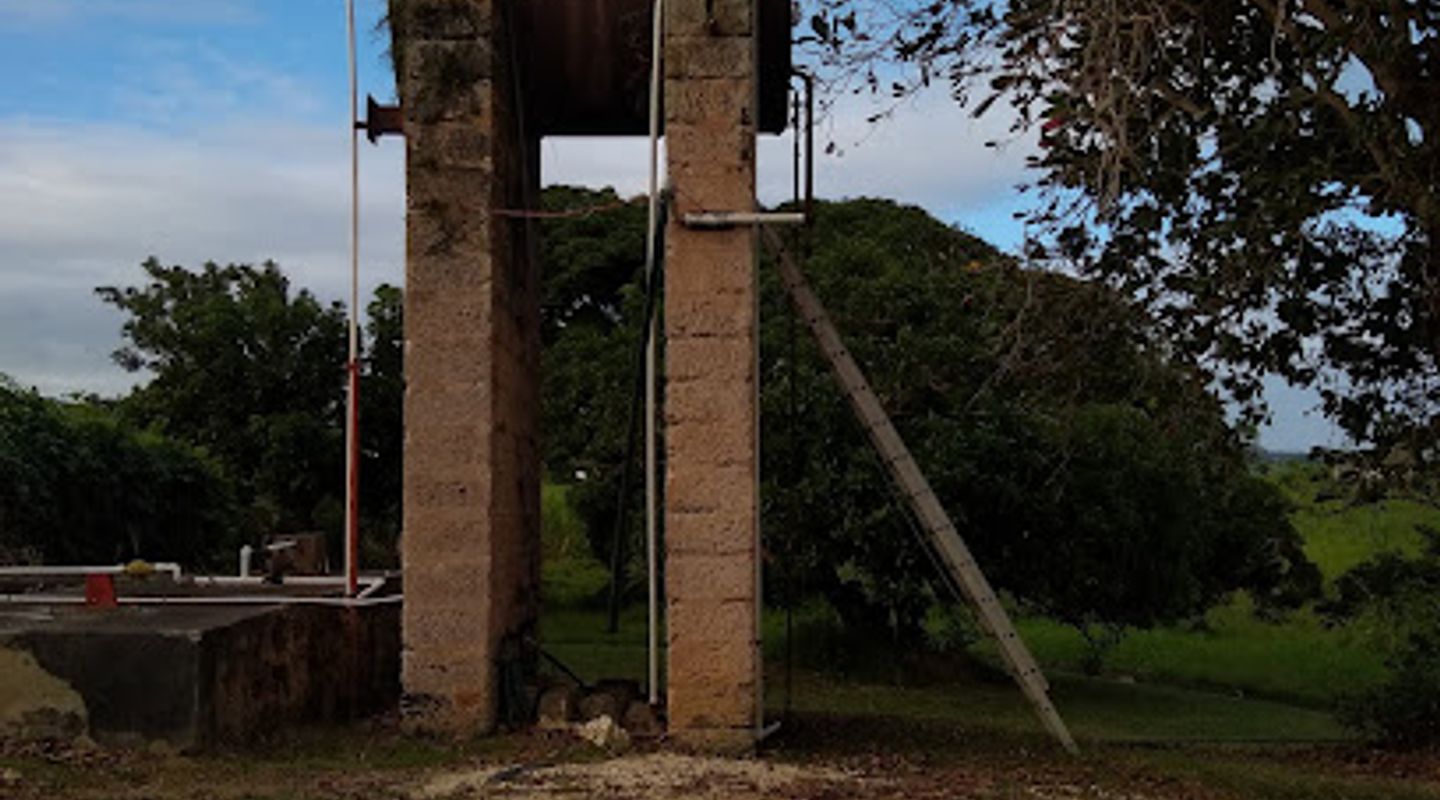
Drax Hall Plantation, nestled in the lush landscape of St. George, Barbados, stands as a remarkable testament to the island's rich and complex history. Built in the 1650s, it is one of the oldest surviving Jacobean great houses in the Western Hemisphere, offering a glimpse into the lives of the island's early settlers and the sugar plantation era. While not always open to the public, the plantation's historical significance and architectural beauty make it a compelling point of interest. The estate's connection to the Drax family, who played a pivotal role in establishing the sugar industry in Barbados, adds another layer of intrigue. Though its legacy is intertwined with the dark history of slavery, Drax Hall remains an important landmark, prompting reflection on the island's past and its ongoing journey towards reconciliation and reparative justice. The grounds, with their aged brickwork and towering trees, evoke a sense of timelessness, inviting visitors to contemplate the stories etched into the landscape. Drax Hall is a reminder of Barbados's complex heritage, a place where the echoes of the past resonate in the present.
A brief summary to Drax Hall Plantation
- Drax Hall Greens, Saint George, BB
- Click to display

Know before you go
Hi, I'm Eve. Here are a few practical things to know before exploring Drax Hall Plantation.
- Check with the Barbados National Trust for potential Open House Programme dates to tour the house.
- Even if you cannot enter, take a drive by to view the exterior architecture and soak in the atmosphere.
- Reflect on the complex history of the plantation and its connection to the sugar trade and slavery.
Do you manage this location?
Take control to get all the benefits, like improved information, better appearance, and stronger visibility across AI-powered discovery. Learn more about listing your business on Evendo
Activate your presenceOther nearby places you may find interesting
The closest places of the same kind, if this one is not quite what you had in mind.


Explore Drax Hall Plantation on the Map
A handpicked selection of must-see spots near Drax Hall Plantation, mapped for you.
Getting There
-
Public Transport
From Bridgetown, take bus routes 8D, 9, 9A, 9C, or 58 towards Drax Hall. The bus will stop at Drax Hall Church, approximately a 5-minute walk from the plantation entrance. The bus fare is approximately $3.50 BBD per person each way. Be sure to confirm the route with the driver.
-
Taxi/Ride-Share
Taxis and ride-sharing services are readily available in Bridgetown and other major tourist areas. A taxi ride to Drax Hall Plantation will cost approximately $40-$50 BBD, depending on the starting location and traffic conditions. Confirm the fare with the driver before starting your journey.
-
Driving
From Bridgetown, follow Highway 4 and then Highway 4B towards St. George. Continue onto Drax Hall Road. Drax Hall Plantation will be on your left. Limited parking is available near the entrance. Be mindful of local traffic and road conditions.
Discover more about Drax Hall Plantation













Your all‑in‑one travel companion app
Explore expert travel guides, compare and book tours, experiences, hotels, and more—all from the palm of your hand. Download now for seamless trip planning wherever your wanderlust takes you.


Explore More of Saint Philip

Looking beyond Drax Hall Plantation? Discover Saint Philip for broader travel guides, local hot-spots, and regional highlights.
Explore Saint Philip
Explore the serene Ferdinando Paleologus Tomb in Barbados, a unique landmark connecting Caribbean tranquility with Byzantine history.
Discover the serene beauty and poignant history of Yarico Pond in St. John, Barbados, a tranquil escape offering lush greenery, peaceful walks, and a connection to nature.