The Lion at Gun Hill: A Symbol of History and Art
Discover the Lion at Gun Hill, a majestic coral sculpture offering panoramic views and a glimpse into Barbados' colonial past, nestled near the historic Gun Hill Signal Station.
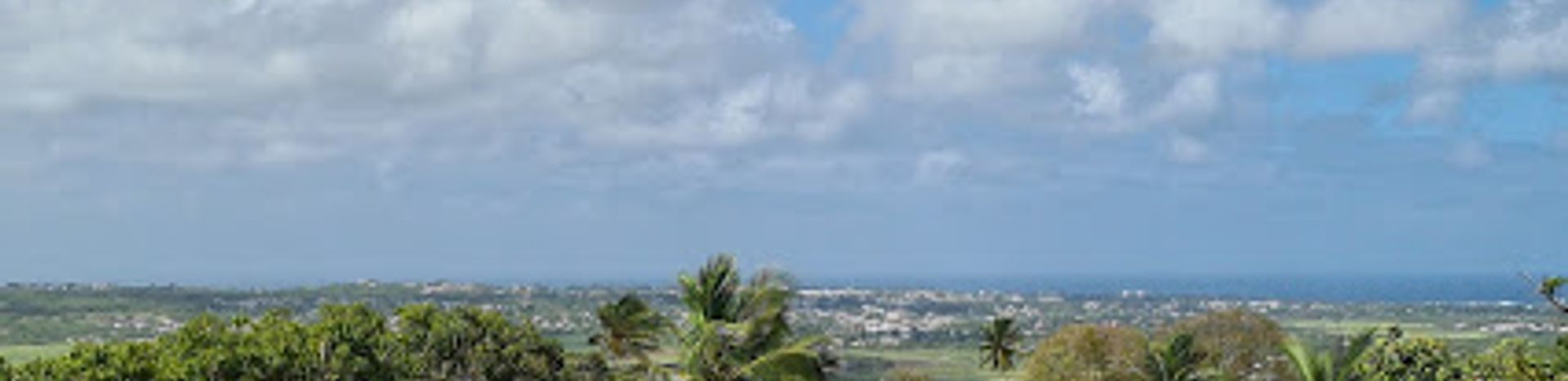
The Lion at Gun Hill, a striking coral limestone sculpture, stands as a proud reminder of Barbados' colonial past and the artistic talent of its creators. Carved in 1868 by Captain Henry Wilkinson, with the help of military laborers, this iconic statue represents the might of the British Empire. Perched on a hillside near the Gun Hill Signal Station, the lion offers stunning panoramic views of the island's lush landscape. Visitors can appreciate the craftsmanship, explore the historical significance, and capture memorable photos with this majestic landmark. A visit here provides a unique glimpse into Barbados' heritage and the enduring legacy of its colonial era, making it a must-see attraction for history buffs and sightseers alike.
A brief summary to The Lion at Gun Hill
- Fusilier Rd, Gun Hill, Saint George, BB
- +1909-242-1084
- Visit website
- Monday 12 am-12 am
- Tuesday 12 am-12 am
- Wednesday 12 am-12 am
- Thursday 12 am-12 am
- Friday 12 am-12 am
- Saturday 12 am-12 am
- Sunday 12 am-12 am
Local tips
- Visit early in the morning or late afternoon for the best lighting for photography and to avoid crowds.
- Combine your visit with a trip to the nearby Gun Hill Signal Station to explore more of Barbados' military history.
- Wear comfortable shoes, as the path to the lion can be steep.

Getting There
-
Driving
From central areas in St. George, follow the main roads towards Gun Hill Signal Station. Look for signs directing you to Fusilier Road. The Lion is located on this road, a short distance before the entrance to Gun Hill Signal Station. Parking is available near the Lion, though it can be limited during peak hours.
-
Public Transport
From Bridgetown, take a bus or ZR van heading towards St. George. Buses 28, 31, 6A, 7, and 7A serve the general area. Ask the driver to let you off at the nearest stop to Gun Hill on Fusilier Road. From there, it's approximately a 10-15 minute walk uphill to the Lion. The bus fare is typically around BBD $3.50.
-
Taxi/Ride-Share
Taxis and ride-sharing services are readily available across Barbados. A taxi from Bridgetown to the Lion at Gun Hill will cost approximately BBD $40 - $60. Confirm the fare with the driver before starting your journey. The ride takes about 20-30 minutes, depending on traffic.
Discover more about The Lion at Gun Hill
Iconic landmarks you can’t miss

Mayfield Plantation House
1.4 km
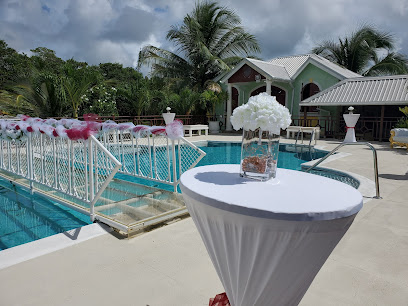
Discover the historical beauty of Mayfield Plantation House in St. George, Barbados, a serene guest house offering relaxation, cultural exploration, and a picturesque wedding venue.
Bulkeley Terrace St George
1.7 km
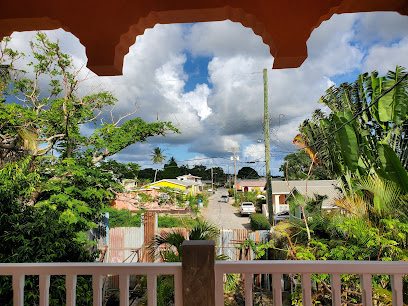
Experience Barbadian charm at Bulkeley Terrace, your serene gateway to exploring the beauty and culture of St. George.
Foster Hall
1.9 km
Explore Foster Hall in Barbados: A historical landmark offering a glimpse into the island's colonial past and the legacy of sugar production.

Sweet Lime Bar
2.7 km
Experience authentic Bajan culture at Sweet Lime Bar in Sweet Vale, Barbados: refreshing drinks, local cuisine, and a vibrant atmosphere.
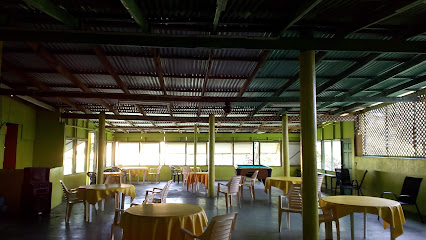
Barbados Pocket Guide
2.8 km
Uncover the best of Barbados at the Tourist Information Center in Bridgetown – your go-to hub for local insights and travel planning.
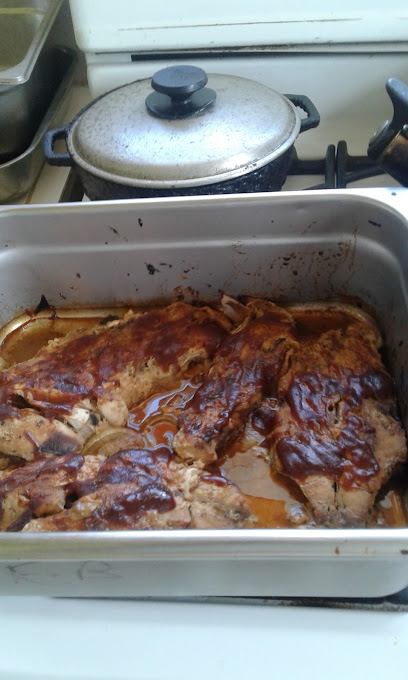
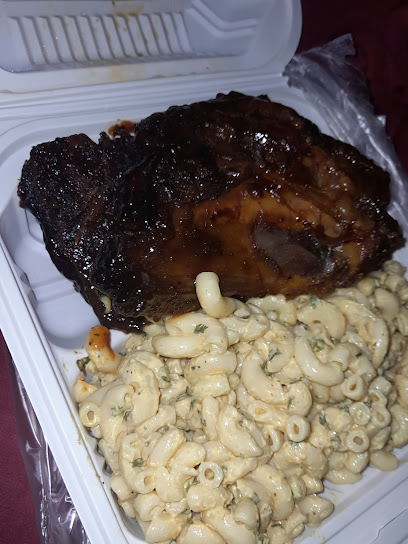
Rashida’s Pizzas
3.0 km
Experience authentic Caribbean-infused pizza in a vibrant, family-friendly setting at Rashida's Pizzas in Bridgetown, Barbados.
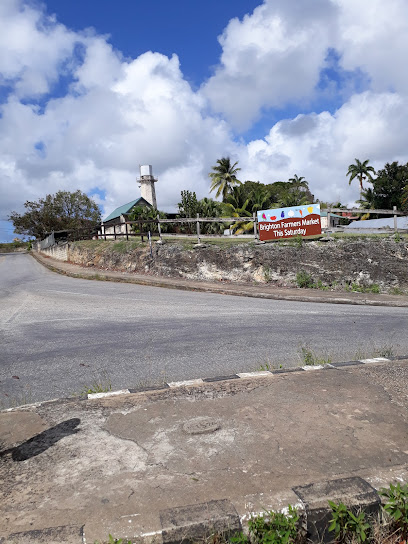
Brighton Farmers Market
3.4 km
Experience the vibrant culture of Barbados at Brighton Farmers Market. Fresh produce, local crafts, delicious food, and a welcoming community await every Saturday morning.
Barbados taxi tours
3.6 km
Experience the beauty of Barbados through personalized taxi tours that reveal the island's hidden gems and rich culture.

Saint Georges Valley
3.7 km
Explore the serene beauty of Saint Georges Valley in Barbados, a natural paradise perfect for hiking, photography, and immersing in Caribbean tranquility.
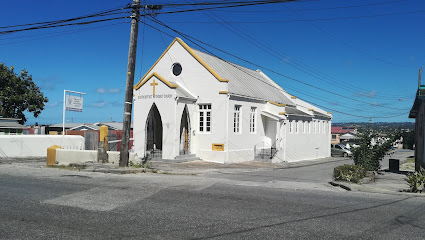
The South District Methodist Church
3.9 km
Discover the serene beauty and historical significance of The South District Methodist Church in Bridgetown, a must-visit spiritual landmark in Barbados.
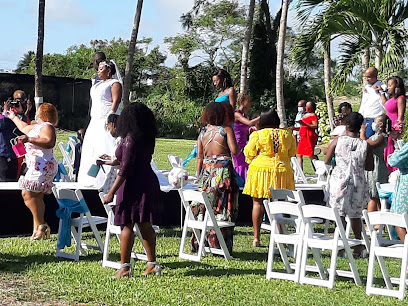
Sandalwood Estate
4.0 km
Experience the enchanting beauty of Sandalwood Estate, an exquisite event venue in Barbados, perfect for weddings and special celebrations.
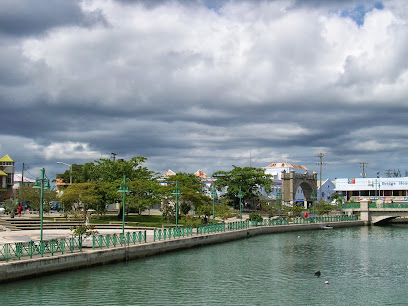
Barbados
4.2 km
Explore the pristine beaches, vibrant culture, and rich history of Barbados, a Caribbean paradise offering endless adventures for every traveler.
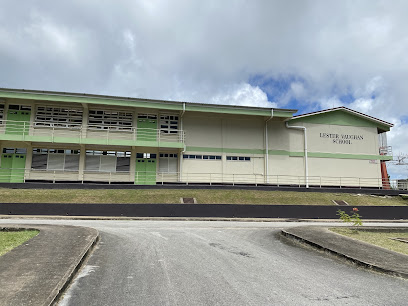
The Lester Vaughan School Storm
4.9 km
Discover the heart of education and community spirit at The Lester Vaughan School in beautiful Saint Thomas, Barbados.
Clifton Hill Moravian Church
4.9 km
Discover the Clifton Hill Moravian Church in Saint Thomas, a serene sanctuary showcasing Barbados' rich cultural heritage and stunning architecture.
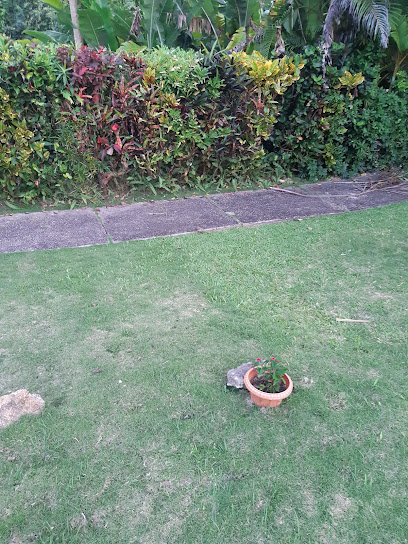
Unmissable attractions to see

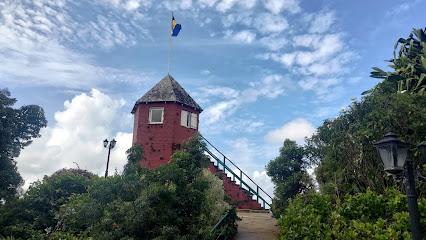
Gun Hill Signal Station
0.2 km
Explore the historic Gun Hill Signal Station in Barbados, where stunning views and rich history combine for an unforgettable experience.
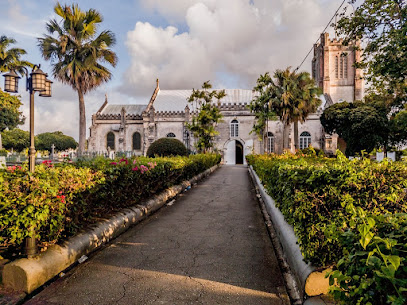
St George Parish Church
1.6 km
Discover Barbados' oldest surviving church, a serene sanctuary of history, art, and culture, featuring stunning Georgian architecture and the renowned 'Rise to Power' painting.
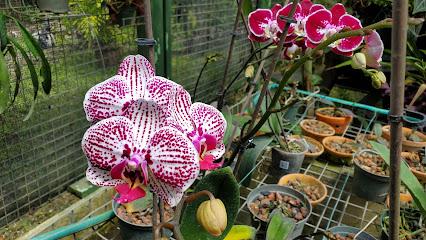
Tropical Garden Barbados
2.0 km
Discover a world of orchids and tropical beauty in Barbados, a tranquil escape with stunning views and accessible pathways.
Island Safari (B'dos) Ltd
2.8 km
Explore the hidden gems of Barbados with Island Safari's exhilarating jeep tours, offering adventures through stunning landscapes and rich culture.
Seafari Barbados
2.9 km
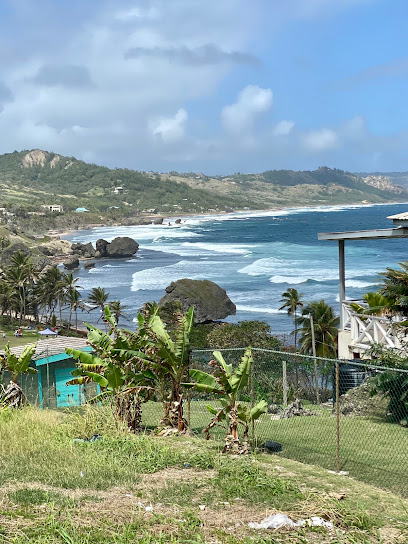
Experience thrilling boat tours, snorkeling, and marine life encounters with Seafari Barbados. Explore the Caribbean's beauty!
Barbados Trailway
2.9 km
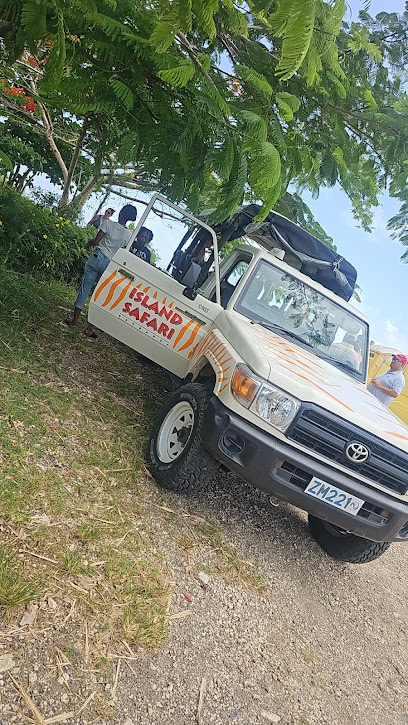
Explore the breathtaking Barbados Trailway, a stunning hiking area in Bridgetown that showcases the island's natural beauty and rich heritage.
Drax Hall Plantation
3.7 km
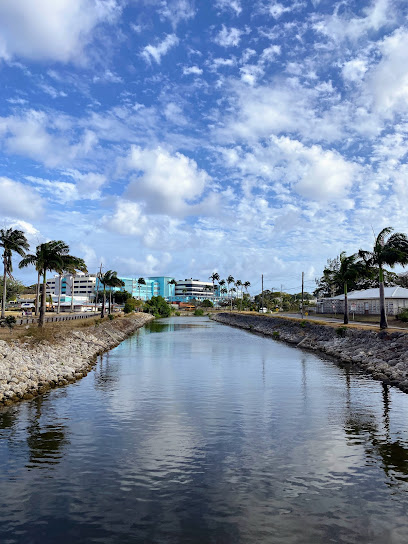
Explore Drax Hall Plantation in Barbados, a historic Jacobean great house with a complex legacy tied to the island's sugar trade and the history of slavery.
A Touch of Eden Barbados
3.8 km
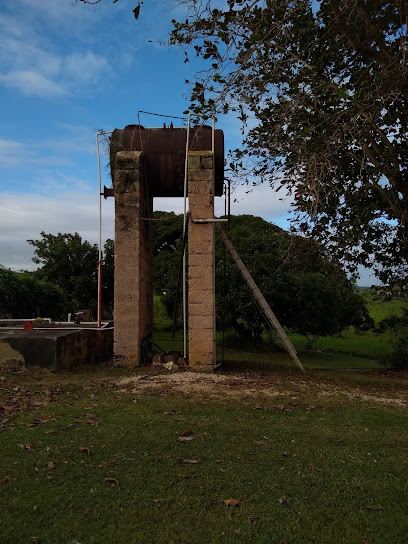
Experience the serene beauty of A Touch of Eden, a nature preserve in Barbados showcasing the island's rich biodiversity and tranquil landscapes.
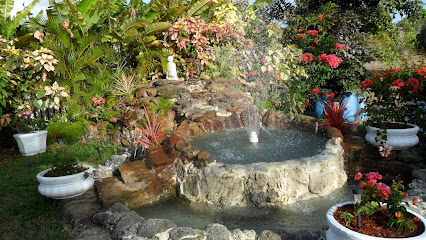
IrJenn Gardens
3.9 km
Discover a serene botanical haven in Barbados at IrJenn Gardens. Explore vibrant flora, enjoy tranquil pathways, and escape into nature's embrace in Walkes Spring, Saint Thomas.
Top corner
4.0 km
Discover the serene beauty of Russia Gully in Barbados: a lush, tropical escape offering tranquil nature walks, diverse flora and fauna, and a peaceful retreat from the everyday.
Parris Hill Murals
4.0 km
Explore the Parris Hill Murals in Barbados, a stunning outdoor gallery showcasing vibrant art that reflects the island's rich culture and heritage.
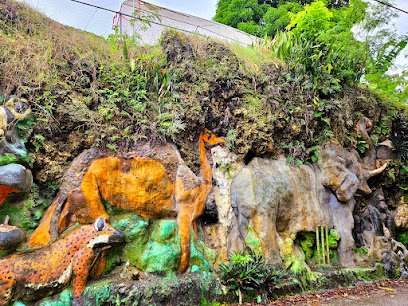
Fiddlewood Park
4.0 km
Escape to Fiddlewood Park in Barbados for a serene retreat amidst lush greenery, vibrant flora, and a peaceful atmosphere, perfect for relaxation and recreation.
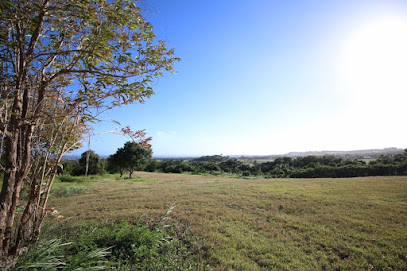
Russia Gully
4.1 km
Experience the tranquility and breathtaking beauty of Russia Gully, a serene park in Saint Thomas, Barbados, perfect for nature lovers and peaceful getaways.
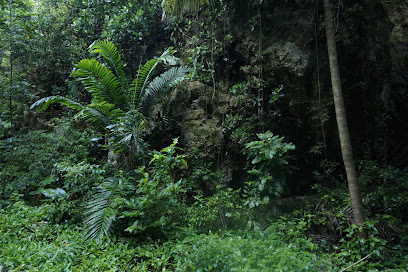
pigeon Cave
4.1 km
Discover the natural beauty of Pigeon Cave in Barbados: Hike through lush landscapes and explore unique geological formations with breathtaking Caribbean Sea views.
Belle plantation
4.2 km
Discover the serene beauty of Belle Plantation in Bridgetown, Barbados, a tranquil garden oasis offering a peaceful escape and a glimpse into the island's rich botanical heritage.
Essential places to dine

De Hackett's Place
0.8 km
Discover authentic Barbadian flavors at De Hackett's Place in Saint George - your go-to grill for delicious grilled dishes and warm hospitality.
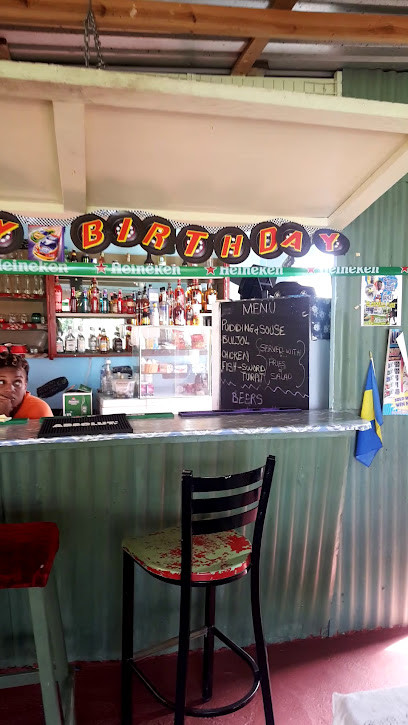
Gee Gee’s Hideaway
1.2 km
Discover authentic Barbadian flavors at Gee Gee's Hideaway - your go-to grill restaurant in St Helens for delightful meals amidst stunning Caribbean scenery.
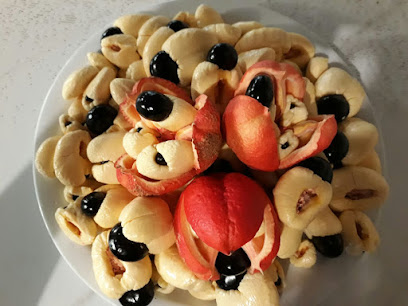
Thie'vons
1.5 km
Experience authentic Barbadian cuisine at Thie'vons, where fresh ingredients meet traditional flavors in a cozy setting.
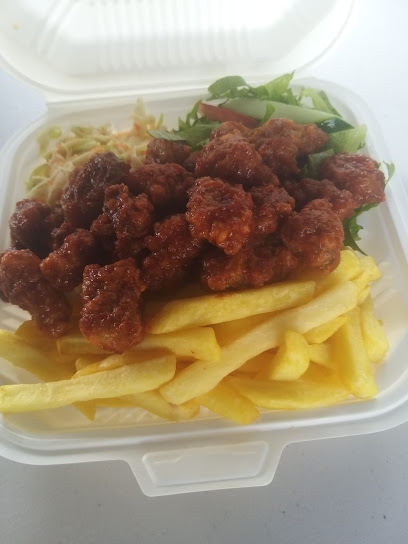
Survival Variety & Bar
1.5 km
Experience vibrant Caribbean flavors at Survival Variety & Bar in The Glebe, Saint George - a must-visit grill destination for food lovers.
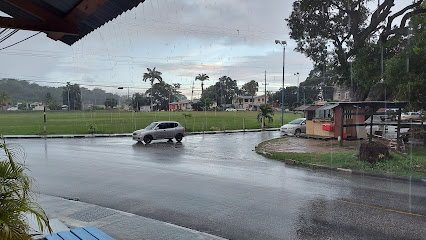
Joy's Kitchen
1.8 km
Experience authentic Barbadian cuisine at Joy's Kitchen in Ellerton – where flavor meets hospitality in a vibrant atmosphere.
Belly Full Barbecue Grill
2.0 km
Experience authentic Barbadian barbecue delights at Belly Full Barbecue Grill—where flavor meets hospitality in Froster Hall.
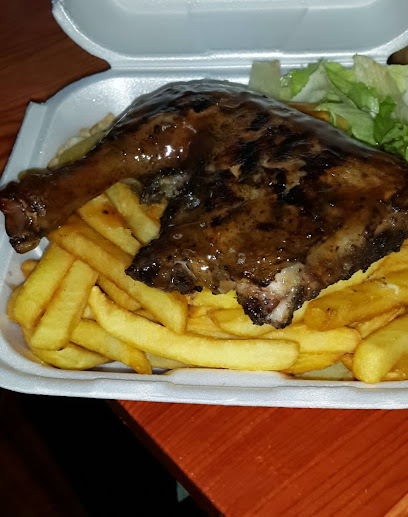
Country View
2.0 km
Discover the flavors of Barbados at Country View – where authentic Caribbean cuisine meets stunning scenery in Roach.
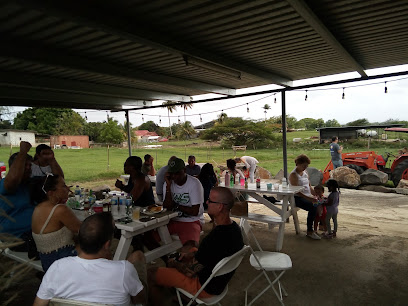
L & R Foods
2.1 km
Experience authentic Barbadian cuisine at L & R Foods in Froster Hall, Saint George – a culinary delight for every traveler.
In De Hole Bar
2.4 km
Experience the vibrant atmosphere and delicious flavors at In De Hole Bar in Saint George, Barbados - your ultimate destination for food and fun!
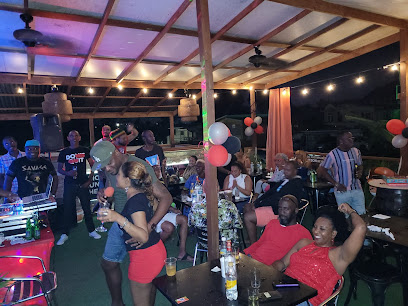
Smok’d and Spice
2.5 km
Indulge in the rich flavors of Barbados at Smok’d and Spice – where every dish tells a story.
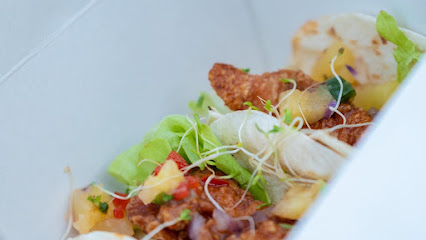
Richicia’s Bar & Restaurant
2.6 km
Savor authentic Caribbean flavors at Richicia’s Bar & Restaurant in Sweet Vale, Saint George - where every meal is a celebration.
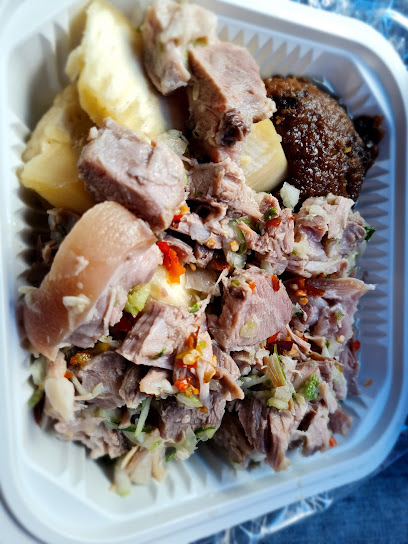
White Rabbit
2.7 km
Experience the flavors of Barbados at White Rabbit – where Caribbean cuisine meets warm hospitality in Drax Hall Greens.
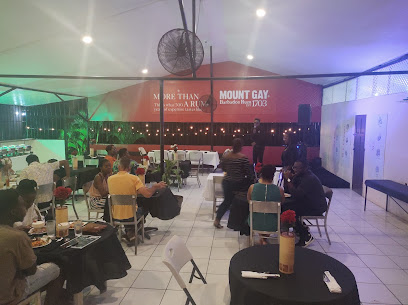
Shamo’s delights
2.7 km
Experience authentic Barbadian cuisine at Shamo's Delights - a culinary haven in Froster Hall with vibrant flavors and friendly service.
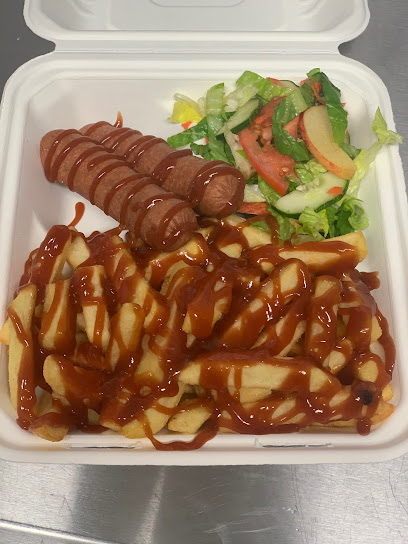
Main Course Bar & Restaurant
3.2 km
Discover authentic Western cuisine at Main Course Bar & Restaurant in Saint Michael, Barbados - where every meal tells a story.
Ras Vareity
3.3 km
Experience authentic Barbadian flavors at Ras Vareity in Bridgetown - where local cuisine meets warm hospitality.
Markets, malls and hidden boutiques

Sunluxe Swimwear Store
0.2 km
Discover the ultimate swimwear destination in Bridgetown, Barbados, where style meets the sun at Sunluxe Swimwear Store.

Holders Intimate Carving & Engraving (H I.C.E)
1.2 km
Explore Holders Intimate Carving & Engraving for unique handcrafted Barbados souvenirs showcasing local artistry and rich cultural heritage.
Glebe Market
1.4 km
Discover the charm of Glebe Market in Barbados, a vibrant shopping destination for local crafts, delicious food, and authentic Caribbean culture.
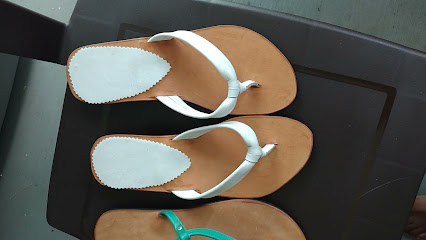
The Re-Up
1.4 km
Explore the vibrant artistry of Barbados at The Re-Up, a boutique offering unique handcrafted treasures in Glebe Land.

Market Hill Supermarket
1.5 km
Explore authentic Barbadian flavors and everyday essentials at Market Hill Supermarket in Saint George, Barbados, your ultimate shopping destination.
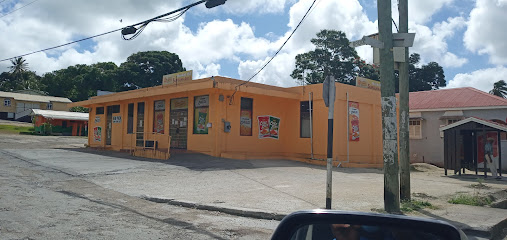
MAK GIOUS
1.6 km
Discover the essence of Barbadian fashion at MAK GIOUS - a premier destination for bridal wear, clothing alterations, and stylish apparel for everyone.

Barbados Cricket Supplies
1.6 km
Discover the essence of cricket in Barbados at Barbados Cricket Supplies, your go-to shop for all cricket-related gear and memorabilia.
MG Mart & Feed Depot
1.6 km
Explore the charm of MG Mart & Feed Depot in Bridgetown, where local culture, fresh produce, and unique Barbadian products come together.
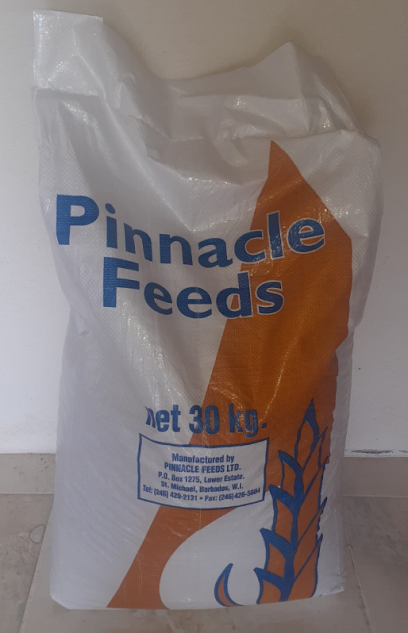
Ancksu Creations
1.7 km
Explore the vibrant local fashion at Ancksu Creations in Market Hill, Saint George, Barbados - a clothing store that embodies Caribbean style.

The Plug Boutique
1.7 km
Explore The Plug Boutique in Bridgetown, Barbados – your ultimate destination for stylish handbags and trendy clothing.
The Fashion Accessory Hub by Mylestonez
1.9 km
Explore unique fashion accessories, shoes, and jewelry at The Fashion Accessory Hub by Mylestonez in St. George, Barbados, a must-visit for every fashion lover.
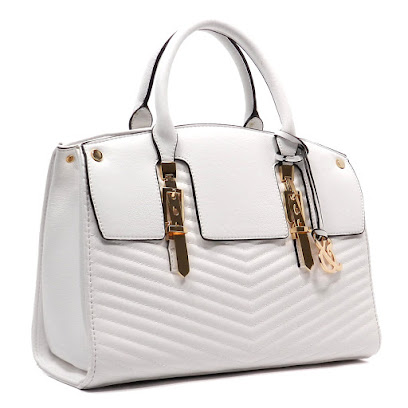
Roach Village Variety
2.1 km
Explore the vibrant Roach Village Variety in Saint George, Barbados, for a unique shopping experience filled with local treasures and community spirit.
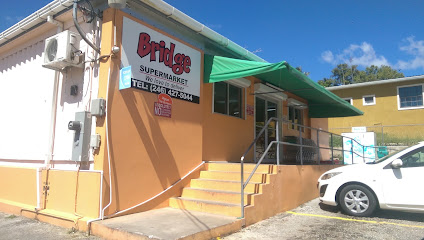
Bridge Supermarket
2.1 km
Discover local flavors and essentials at Bridge Supermarket in Froster Hall, Saint George—your one-stop shop for all things Barbadian.
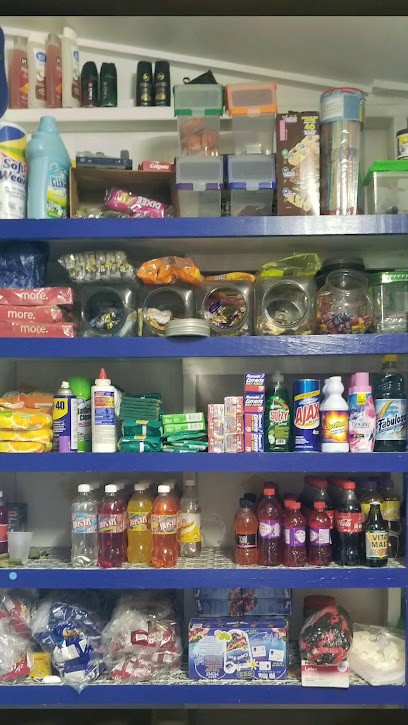
Royalty Brand Wild Crafted Sea Moss
2.4 km
Explore Royalty Brand Wild Crafted Sea Moss, your go-to health food store for nutrient-rich sea moss and wellness products during your travels.

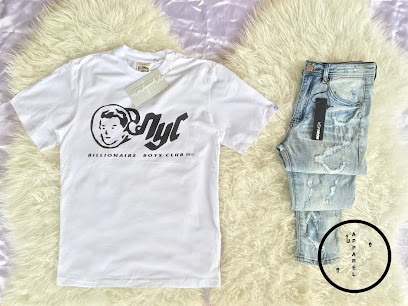
Upapparel
3.0 km
Discover unique fashion at Upapparel in Bridgetown, Barbados—where vibrant island style meets personalized shopping experience.
Essential bars & hidden hideouts

Souse and Aish Bar
1.4 km
Experience the heart of Barbadian culture at Souse and Aish Bar, a local gem serving authentic dishes and refreshing drinks in St. George.
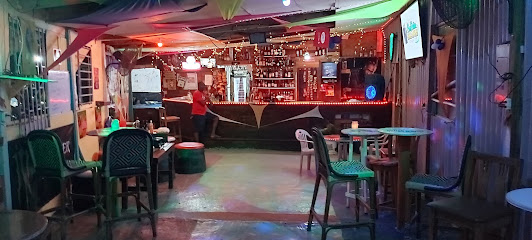
Iz Ah Vibe Bar
1.8 km
Experience the lively atmosphere of Iz Ah Vibe Bar in Flat Rock, Saint George, where local culture meets delicious drinks and great vibes.
Bishops bar
2.1 km
Discover the charm of Bishops Bar in Saint George, Barbados, where local flavors and Caribbean hospitality create an unforgettable experience.
Toni's Bar
2.7 km
Experience the charm of Barbadian hospitality at Toni's Bar, where relaxation and local culture blend beautifully.
Jenny's Bar
2.7 km
Experience the lively spirit of Barbados at Jenny's Bar, a must-visit spot for drinks and camaraderie in Waverley Cot.
Flawless Bləndz
2.8 km
Experience the vibrant ambiance and exquisite cocktails at Flawless Bləndz, a hidden gem in Drax Hall, Barbados.
De Cool Spot Bar
2.8 km
Experience the vibrant nightlife of Turnpike at De Cool Spot Bar, where island rhythms and refreshing drinks create the perfect atmosphere.
Souse Bucket
3.6 km
Experience the vibrant nightlife and authentic flavors at Souse Bucket, a premier bar in Dash Valley, Saint George, Barbados.
Mama Crispy Bar
3.7 km
Experience the vibrant culture and flavors of Barbados at Mama Crispy Bar, where every sip and bite tells a story.
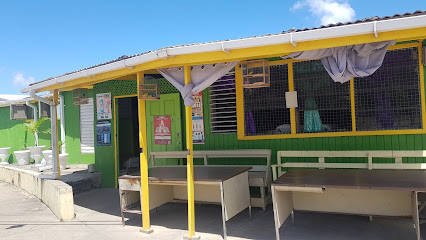
Steve's Rum & Cocktail Bar
3.7 km
Experience the vibrant spirit of Barbados at Steve's Rum & Cocktail Bar, where exotic cocktails meet local charm in a lively atmosphere.
The Fox Den
3.7 km
Experience the vibrant atmosphere of The Fox Den, Bridgetown's premier sports bar, where every game feels like a celebration.
Julie's Bar
3.7 km
Experience the vibrant atmosphere and delightful local flavors at Julie's Bar, the perfect spot to unwind in Saint George, Barbados.
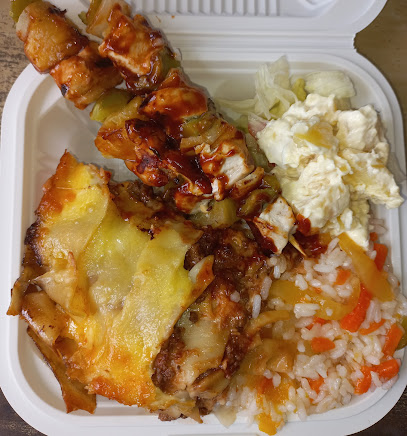
Canefield Bar & Grill
3.8 km
Experience the flavors of Barbados at Canefield Bar & Grill, where local cuisine meets a vibrant atmosphere in Brighton, Saint George.
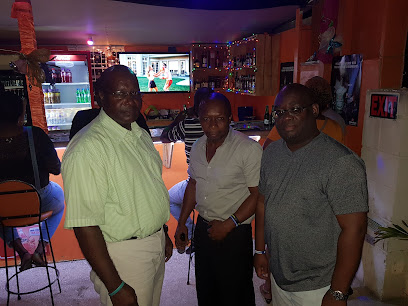
M & N Bar
3.9 km
Experience the vibrant local culture and refreshing drinks at M & N Bar in beautiful Bridgetown, Barbados.
The Pub at The Estates
3.9 km
Discover vibrant local culture and delightful cuisine at The Pub at The Estates, nestled in the heart of Christ Church, Barbados.
Nightclubs & after hour spots

Kzk Enterprise
1.6 km
Experience the vibrant nightlife at Kzk Enterprise in Saint George, Barbados – where every night is a celebration of music and dance.
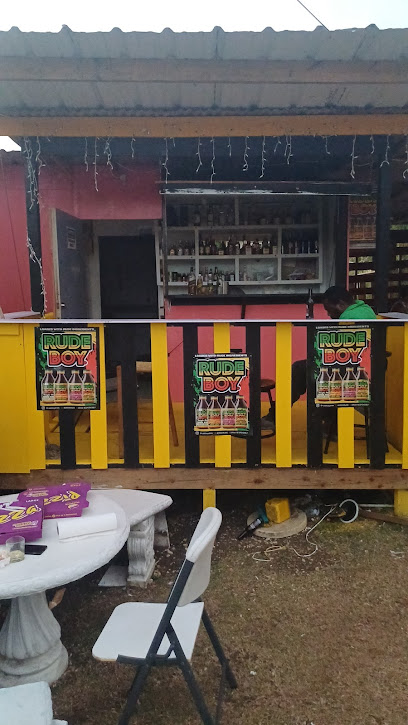
City Escape Bar and Lounge
5.7 km
Discover the vibrant atmosphere of City Escape Bar and Lounge in Sugar Hill, Bridgetown, where refreshing cocktails and local culture come together.
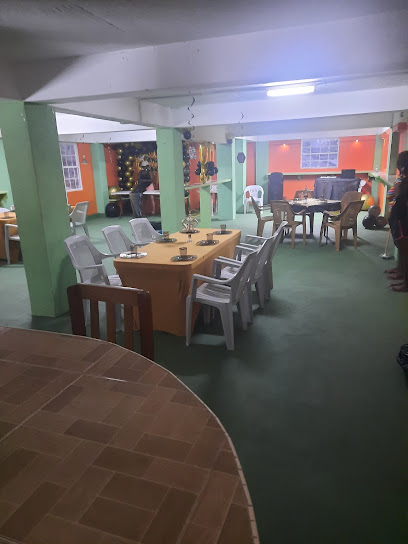
Goose Bar
5.7 km
Experience the vibrant atmosphere and refreshing drinks at Goose Bar, your tropical retreat in Saint Thomas, Barbados.
Cherry Tree Lounge
5.8 km
Discover the cozy charm of Cherry Tree Lounge in Bridgetown, where delicious food and refreshing drinks await in a welcoming atmosphere.
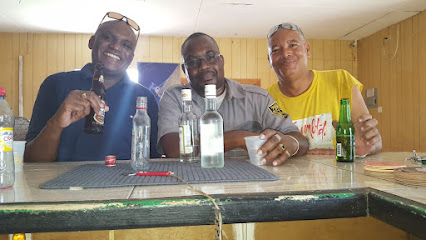
Judy's Watering Hole Rum Shop
6.3 km
Discover the vibrant tastes of the Caribbean at Judy's Watering Hole, where delicious grilled dishes meet the spirit of Barbadian culture.
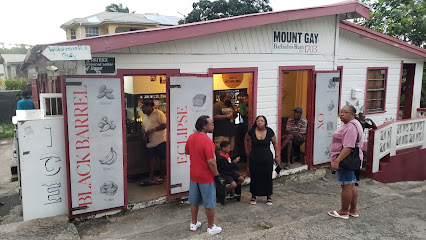
De Fox Hole Bar
7.4 km
Experience authentic Barbadian culture and vibrant nightlife at De Fox Hole Bar in Saint John, a must-visit for tourists seeking local flavor.

Springboyzbar
7.4 km
Discover the vibrant atmosphere of Springboyzbar in Rock Hall, Barbados—your ultimate destination for cocktails, local flavors, and unforgettable nightlife.
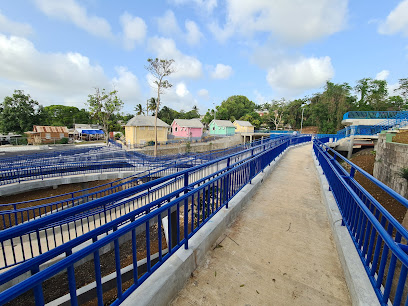
Pon De Off Bar & Restaurant
7.7 km
Discover the laid-back charm of Pon De Off Bar & Restaurant in Saint Thomas, Barbados, where refreshing drinks and local cuisine create an unforgettable experience.
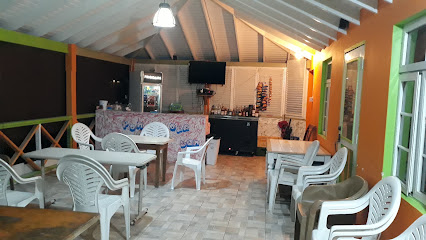
Club Paris
7.7 km
Discover the heart of Bridgetown's nightlife at Club Paris, where unforgettable music and vibrant energy await every night.
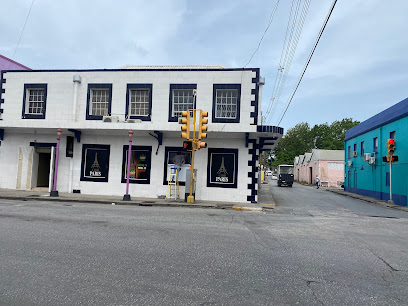
Scientist's Place
7.8 km
Experience the lively spirit of Caribbean nightlife at Scientist's Place, a bar that embodies the warmth and flavor of Barbados.
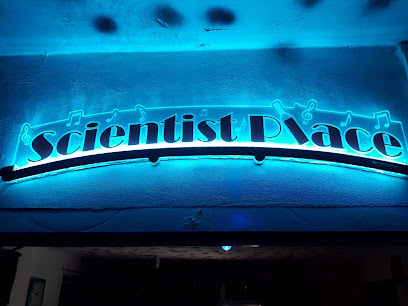
Aunty G Bar
7.8 km
Discover the warm hospitality and local flavors at Aunty G Bar in the picturesque hills of Saint Joseph, Barbados.
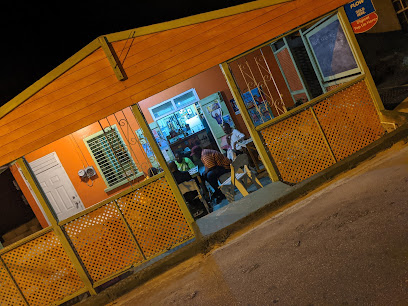
Solid Gold Entertainment
8.0 km
Solid Gold Entertainment: Dive into Bridgetown's nightlife with electrifying music and a vibrant atmosphere that promises unforgettable nights.
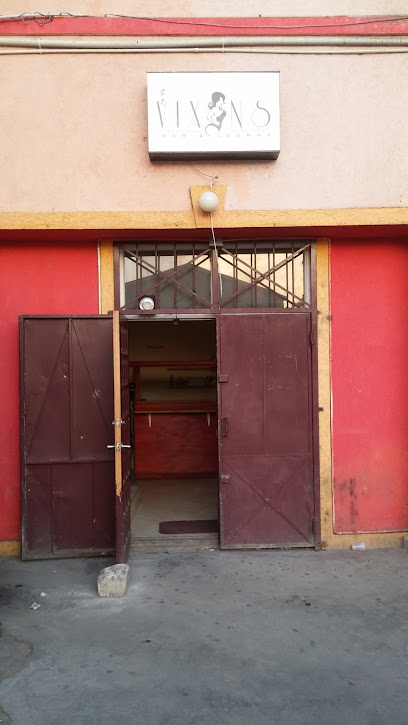
LVL Barbados
8.0 km
Discover the ultimate nightlife experience at LVL Barbados, where every night is a celebration filled with music, dance, and excitement.
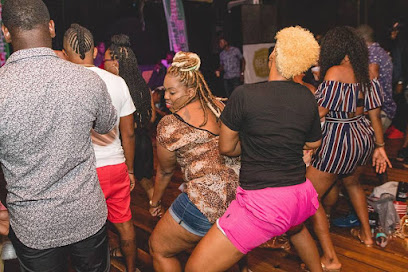
CLOUD 9 Entertainment Inc Barbados
8.0 km
CLOUD 9 Entertainment Inc in Bridgetown offers an energetic dance club experience, perfect for tourists seeking vibrant nightlife and local culture.
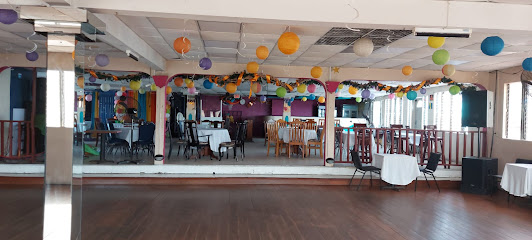
Liquido Bar
8.0 km
Experience the lively ambiance and delicious cocktails at Liquido Bar, a local favorite in Oistins, Barbados, perfect for an unforgettable night out.