Cathedral of Our Lady: Antwerp's Gothic Masterpiece
Discover Antwerp's iconic Cathedral of Our Lady: a soaring Gothic masterpiece housing Rubens' art, centuries of history, and breathtaking architectural grandeur.
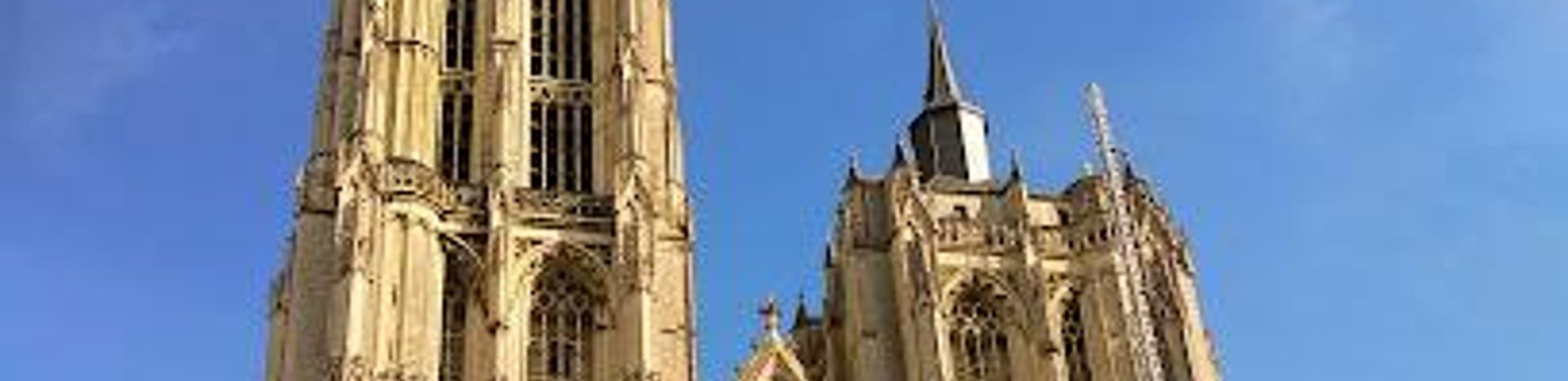
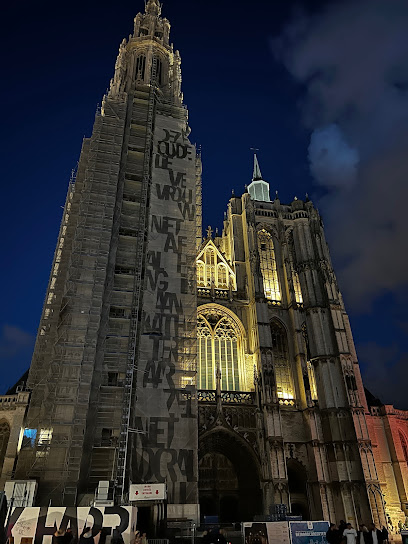
Dominating Antwerp's skyline, the Cathedral of Our Lady is a breathtaking example of Gothic architecture and a repository of Flemish art. Construction began in 1352 and continued for nearly 170 years, resulting in the tallest church in the Benelux region. The cathedral boasts an impressive interior, featuring soaring vaults, intricate stonework, and stunning stained glass windows. It's home to a celebrated collection of art, including four masterpieces by Peter Paul Rubens, such as 'The Elevation of the Cross' and 'The Descent from the Cross'. Beyond its artistic treasures, the cathedral serves as a vibrant community space, hosting regular services and events. Visitors can explore the cathedral's rich history, admire its architectural grandeur, and experience the spiritual atmosphere that has drawn people for centuries. A visit offers a glimpse into Antwerp's past and present, solidifying its place as a must-see destination.
A brief summary to Cathedral of Our Lady
- Groenplaats 21, Antwerp, Antwerp, 2000, BE
- +3232139951
- Visit website
- Monday 10 am-5 pm
- Tuesday 10 am-5 pm
- Wednesday 10 am-5 pm
- Thursday 10 am-5 pm
- Friday 10 am-5 pm
- Saturday 10 am-3 pm
- Sunday 1 pm-5 pm
Local tips
- Visit during a weekday morning to avoid the largest crowds and enjoy a more peaceful experience.
- Check the cathedral's website for the schedule of free guided tours, offered in various languages.
- Don't miss the opportunity to admire the stained glass windows, which depict biblical scenes and historical events.
- Take a break at De Plek, the cathedral's bistro, located in the former St John's Chapel, for a snack and a drink.
- If visiting in July or August, check the schedule for carillon concerts played from the cathedral tower.

Getting There
-
Walking
From the Grote Markt, Antwerp's central square, walk northeast towards the Groenplaats. The cathedral is easily visible, its tower dominating the skyline. Walk along Handschoenmarkt, the street directly in front of the Groenplaats, and you'll arrive at the main entrance. The walk is short, approximately 5 minutes, and offers excellent views of the cathedral's facade.
-
Public Transport
The Groenplaats is a major public transport hub. Take tram lines 3, 4, 5, 9 or 15, or bus lines 22, 180, 181, 182, or 183 to the Groenplaats stop. From there, the cathedral is a short walk along Handschoenmarkt. A single ride on public transport costs €2.50 if purchased via SMS or the De Lijn app.
-
Taxi/Ride-Share
Taxis and ride-sharing services are readily available throughout Antwerp. Request a ride to Groenplaats 21, 2000 Antwerpen. Be aware that the area immediately surrounding the cathedral is a pedestrian zone, so you may be dropped off a short distance away. A short taxi ride from Antwerp Central Station to the cathedral will typically cost between €10-€15.
-
Driving
Driving directly to the cathedral is not recommended due to the pedestrian zone. However, several underground parking garages are located within a few blocks, including Parking Groenplaats (Groenplaats 1), Parking Grote Markt (Ernest Van Dijckkaai 3), and Parking Brabo (Kammenstraat 2). Expect to pay approximately €2-€3 per hour for parking. Alternatively, consider using one of the free Park & Ride facilities on the outskirts of the city and taking public transport to Groenplaats.
Discover more about Cathedral of Our Lady
Iconic landmarks you can’t miss

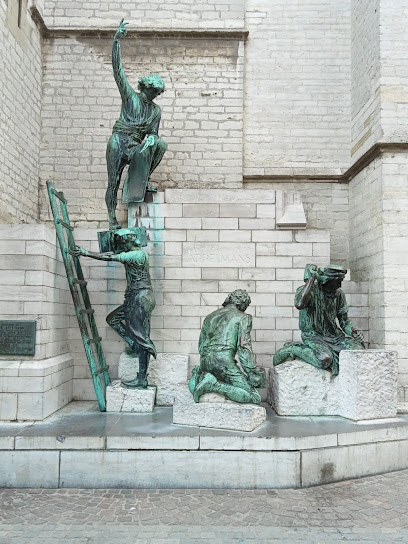
Pieter Appelmans monument
0.1 km
Discover the Pieter Appelmans Monument in Antwerp, a stunning tribute to the city's architectural heritage near the iconic Onze-Lieve-Vrouwekathedraal.
Put Quinten Matsijs
0.1 km
Explore Antwerp's rich artistic heritage at Quinten Matsijs, a historical landmark that beautifully captures the essence of the city.
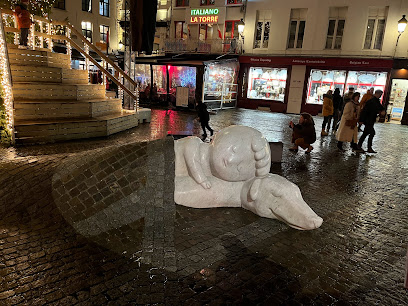
Nello & Patrasche Statue
0.1 km
Discover the poignant story of friendship at the Nello & Patrasche Statue in Antwerp, a touching tribute that resonates with visitors of all ages.
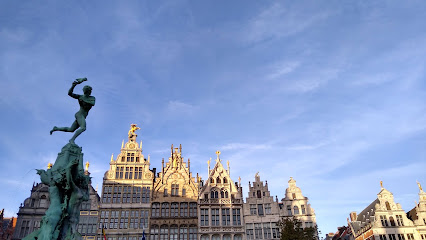
Antwerp City Hostel
0.1 km
Stay in a historic guild house on Antwerp's Grote Markt, offering budget-friendly accommodations in the heart of the city.
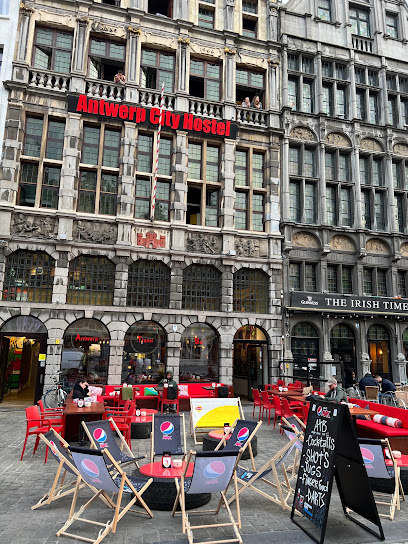
Statue Peter Paul Rubens
0.1 km
Discover the artistic legacy of Antwerp through the stunning Statue of Peter Paul Rubens, a cultural gem in the heart of the city.
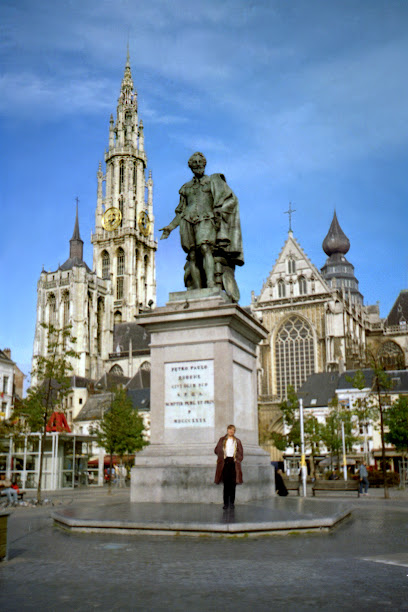
Grote Markt
0.1 km
Discover the charm of Grote Markt in Antwerp, where stunning architecture and rich history come together in a vibrant cultural hub.
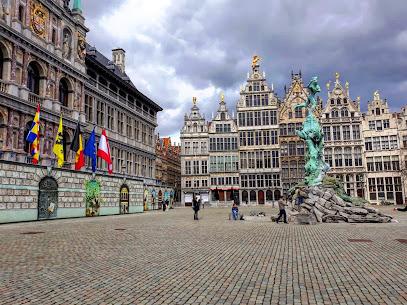
Groenplaats
0.1 km
Discover the charm of Groenplaats in Antwerp, a lively square rich in history, culture, and local flavors, perfect for tourists and locals alike.
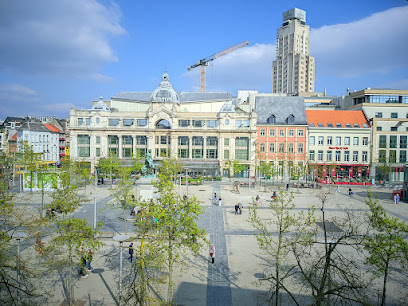
Grote Markt - Large market
0.2 km
Discover the charm of Antwerp at Grote Markt, a historic plaza surrounded by stunning architecture and vibrant local culture.
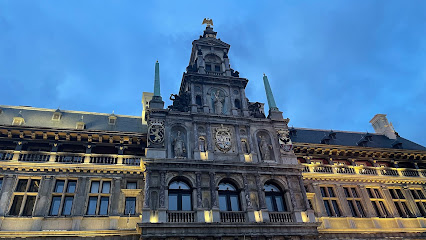
AntwerpenAnders.be City Tours
0.2 km
Explore Antwerp's history and culture with AntwerpenAnders.be City Tours, revealing the city's hidden gems and iconic sites in a unique way.
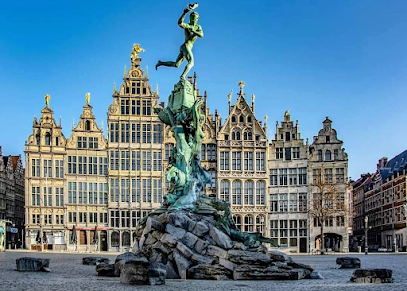
Brabo's Monument
0.2 km
Explore the majestic Brabo's Monument in Antwerp, a stunning cultural landmark that embodies the city's rich history and vibrant spirit.
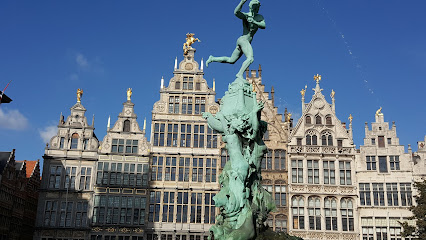
Guild Houses
0.2 km
Experience the grandeur of Antwerp's Guild Houses, a captivating ensemble of historical architecture in the heart of the city.
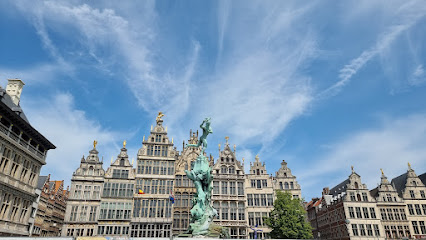
The oldest house of Antwerp
0.3 km
Discover the historical allure of Antwerp's oldest house, a stunning landmark that reveals the city's rich architectural heritage and cultural story.
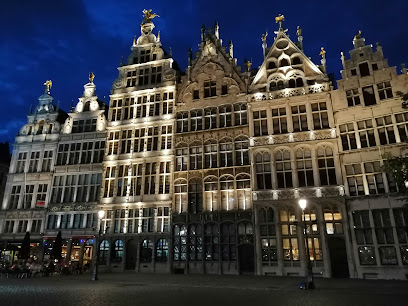
Regenboog zebra
0.3 km
A vibrant symbol of LGBTQ+ pride and inclusion in the heart of Antwerp's historic district, promoting diversity and acceptance for all.
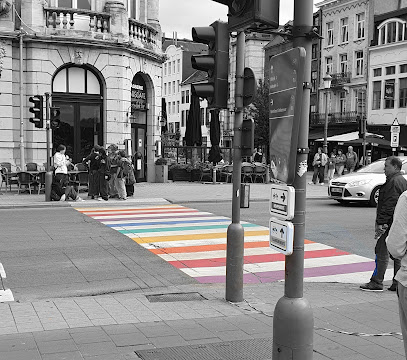
Handelsbeurs Antwerpen
0.3 km
Explore the historic Handelsbeurs Antwerpen, a beautifully restored landmark in Antwerp's city center and the world's first stock exchange.
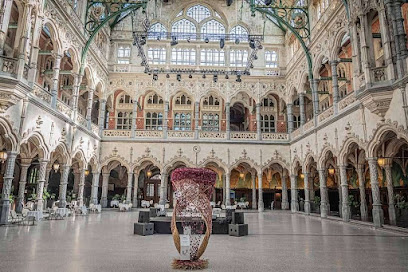
Saint Paul’s Church
0.4 km
Discover the architectural beauty and rich history of Saint Paul’s Church in Antwerp, a must-visit destination for art and history enthusiasts.
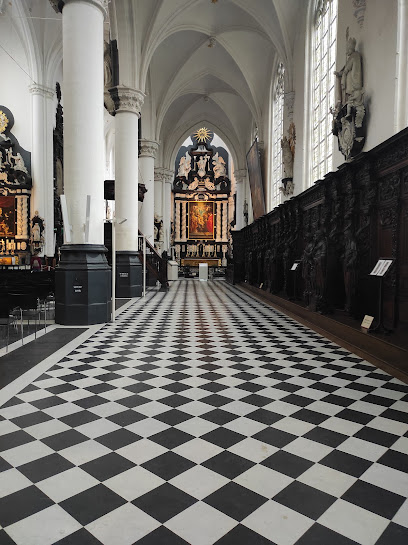
Unmissable attractions to see

Handschoenmarkt
0.1 km
Discover Handschoenmarkt in Antwerp: a historic square with stunning architecture, vibrant culture, and a charming atmosphere, next to the Cathedral of Our Lady.
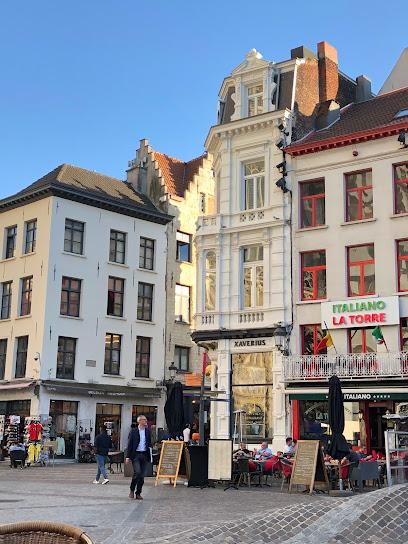
TopSinjoor Toerisme
0.1 km
Explore TopSinjoor Toerisme, Antwerp's vibrant tourist attraction, and immerse yourself in the city's rich culture and stunning architecture.
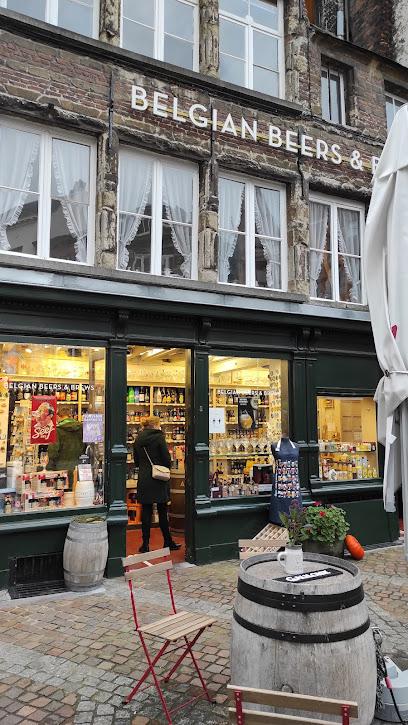
Belgian Beers and Brews - Abbey N 8
0.1 km
Explore the rich brewing culture of Belgium at Belgian Beers and Brews - Abbey N 8 in Antwerp, offering a diverse selection of authentic craft beers.
Vlaaikensgang
0.1 km
Explore the enchanting Vlaaikensgang, a hidden passageway in Antwerp that captures the city's rich history and charm.
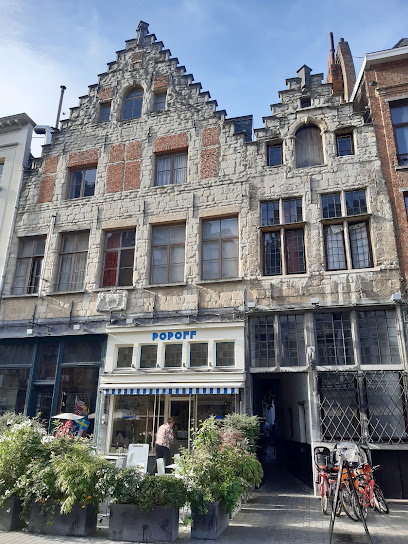
Antwerpen à la Carte
0.2 km
Discover Antwerp's Grote Markt: A historic square where stunning architecture, legendary tales, and vibrant city life converge, offering an unforgettable experience.
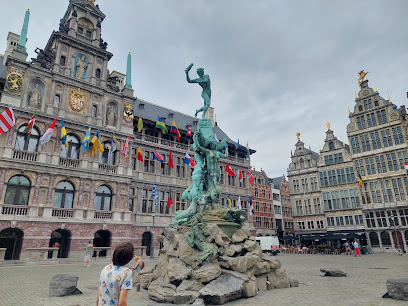
Antwerp Christmas Market
0.2 km
Experience the magic of the holiday season at Antwerp's Christmas Market, a festive wonderland with handcrafted gifts, delicious treats, and enchanting attractions spread across the city's historic squares.
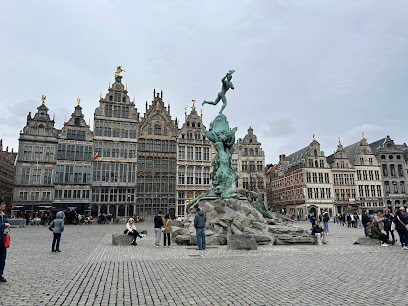
Mały Kazio in Antwerpen
0.2 km
Experience authentic Polish cuisine at Mały Kazio, a cozy restaurant in Antwerp offering delightful traditional dishes and a warm atmosphere.
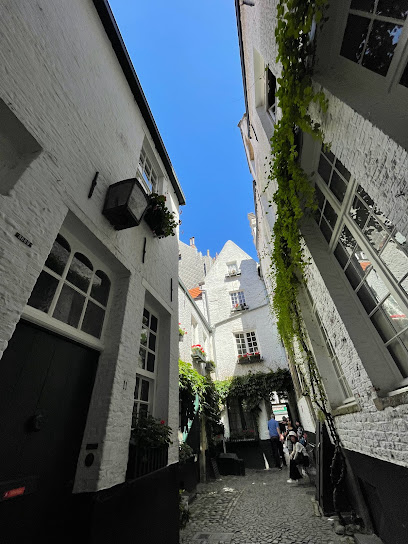
Hendrik Conscience - Frans Joris
0.2 km
Discover the historical essence and architectural beauty of Hendrik Conscienceplein, a tranquil landmark in the heart of Antwerp, Belgium.
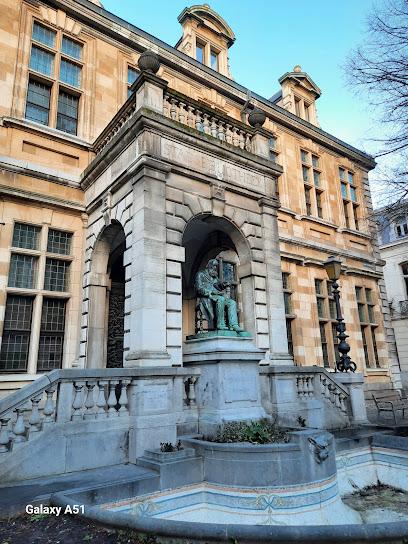
Antwerp City Hall
0.2 km
Explore the stunning Antwerp City Hall, a UNESCO World Heritage site, showcasing Renaissance architecture and the vibrant history of Antwerp.
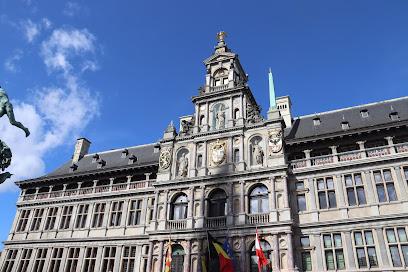
Touristram (tourist train through the center of Antwerp)
0.2 km
Discover Antwerp's iconic landmarks in comfort with a delightful tram tour, offering a unique perspective on this historic city.
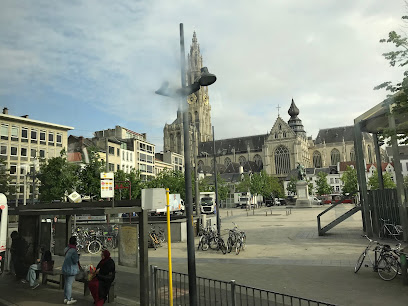
Saint Charles Borromeo Church
0.2 km
Experience the breathtaking beauty and rich history of Saint Charles Borromeo Church, a Baroque masterpiece in the heart of Antwerp.
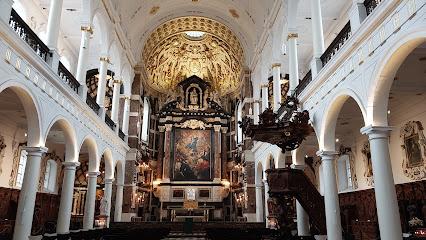
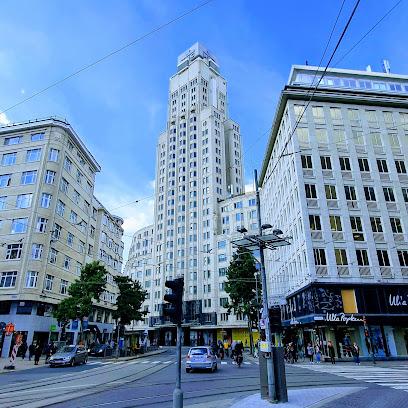
Boerentoren
0.2 km
Discover the Boerentoren, an architectural gem in Antwerp, Belgium, showcasing stunning Art Deco design and rich historical significance.
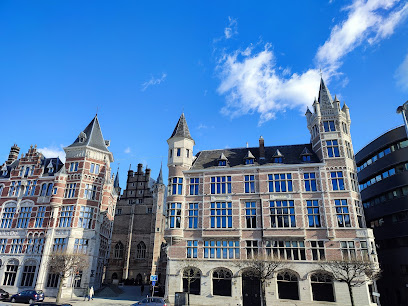
De Ruien
0.2 km
Explore De Ruien, Antwerp's historical underground waterways, and uncover the city's rich heritage through captivating guided tours.
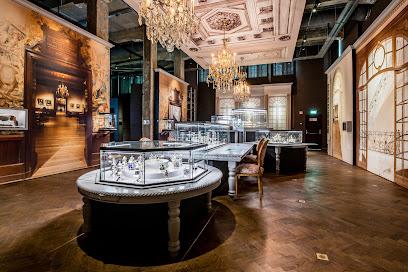
DIVA, museum voor diamant, juwelen en zilver
0.2 km
Discover the brilliance of diamonds, jewelry, and silver at DIVA, Antwerp's premier museum dedicated to the art and history of these precious treasures.
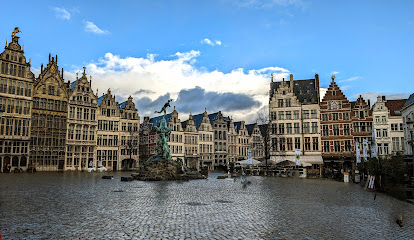
Anvers
0.3 km
Discover Antwerp: A captivating blend of history, fashion, and diamonds in Belgium's vibrant second city, offering a unique cultural experience and modern attractions.
Essential places to dine

Elfde Gebod
0.1 km
Experience exquisite Belgian cuisine and captivating decor at Elfde Gebod, one of Antwerp's must-visit restaurants.
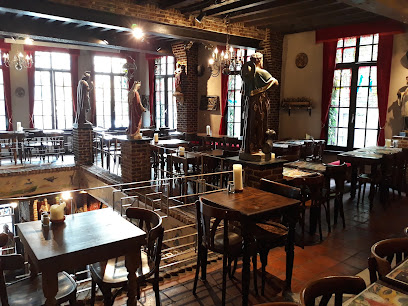
De reddende engel
0.1 km
Discover De Reddende Engel in Antwerp: where Belgian culinary traditions meet modern flair for an unforgettable dining experience.
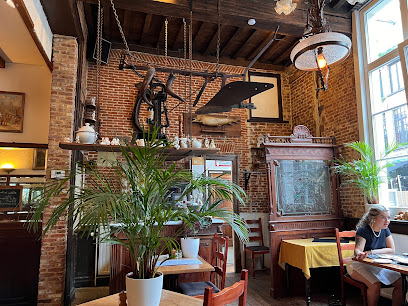
De Sinjoor
0.1 km
Experience authentic Belgian cuisine at De Sinjoor in Antwerp - where tradition meets taste in every dish.
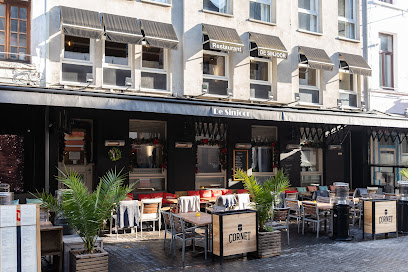
Grand Café De Rooden Hoed
0.1 km
Discover the culinary charm of Grand Café De Rooden Hoed in Antwerp - where traditional flavors meet modern elegance.
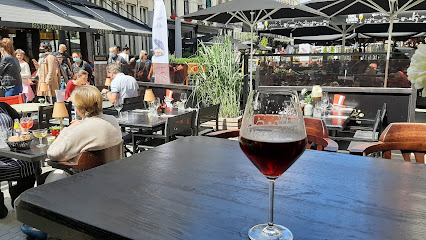
Baret Bar & Food
0.1 km
Discover Baret Bar & Food in Antwerp – where vibrant tapas meet creative cocktails in a cozy atmosphere perfect for any occasion.
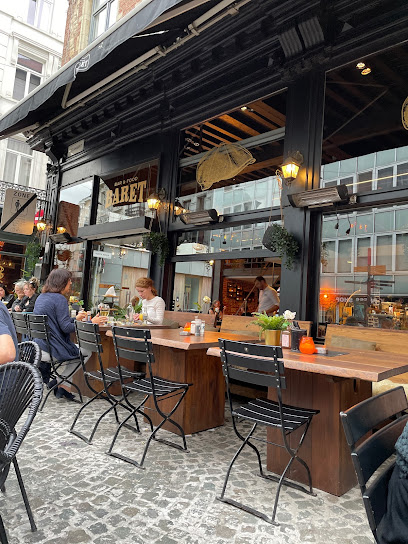
De Pottekijker
0.1 km
Experience authentic Belgian cuisine at De Pottekijker in Antwerp - where delicious grilled dishes meet cozy ambiance.
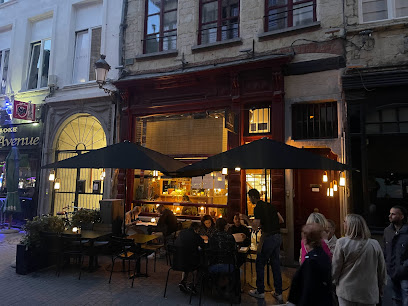
Restaurant Xaverius
0.1 km
Discover the vibrant flavors of Antwerp at Restaurant Xaverius - where tradition meets innovation in every dish.
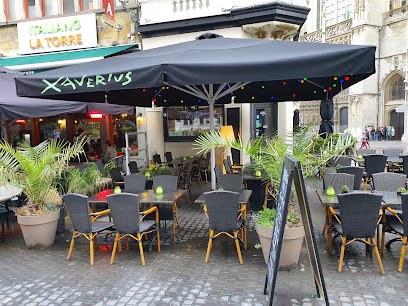
In De Balans
0.1 km
Discover authentic Belgian cuisine at In De Balans in Antwerp – where delightful flavors meet fine wines in a cozy setting.
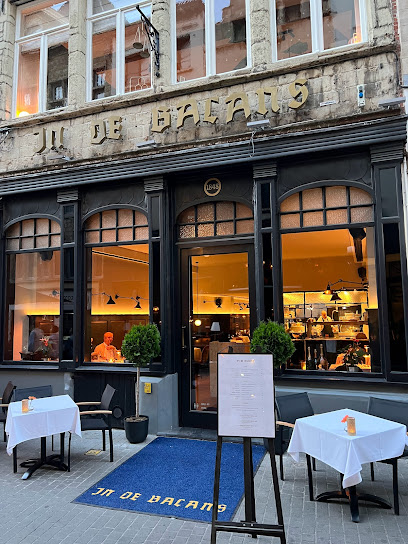
Bia Mara
0.1 km
Experience authentic fish and chips at Bia Mara in Antwerp—where quality meets flavor in a cozy atmosphere perfect for all diners.
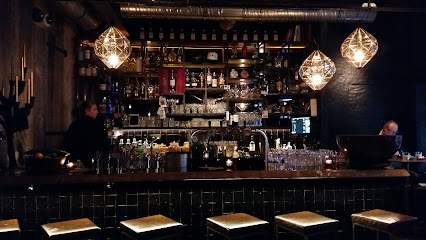
Restaurant Mandraki
0.1 km
Discover authentic Greek flavors at Restaurant Mandraki in Antwerp – where Mediterranean cuisine meets warm hospitality.
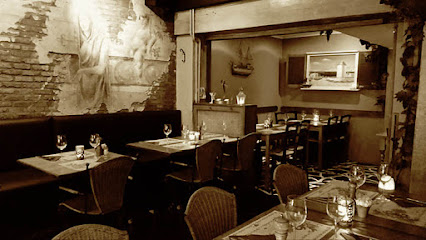
The Gilded
0.1 km
Experience the best of French cuisine at The Gilded in Antwerp—a culinary gem where tradition meets innovation.
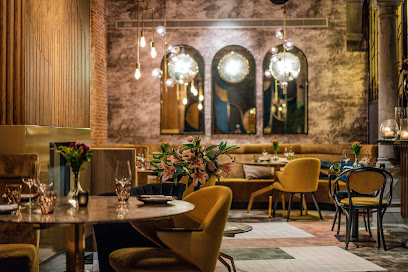
Meat Factory
0.1 km
Experience the ultimate meat lover's paradise at Meat Factory in Antwerp - where flavor meets quality in every bite.
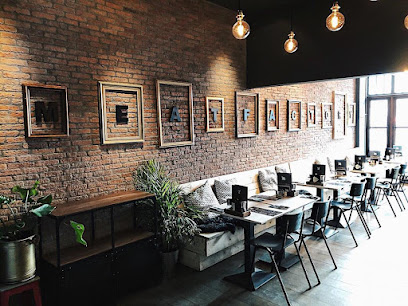
De Peerdestal | Restaurant Antwerpen
0.1 km
Experience authentic Belgian and French cuisine at De Peerdestal in Antwerp—where every meal is a celebration of local flavors.
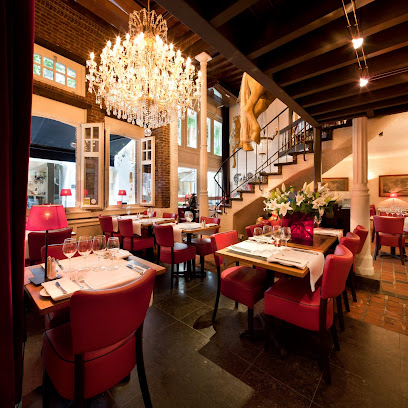
Fish A'Gogo
0.1 km
Discover Antwerp's Seafood Delight: Fresh Fish & Chips at Fish A'Gogo – A Must-Try for Food Lovers!
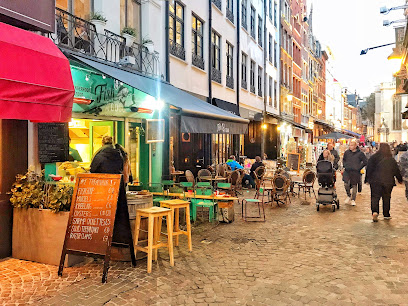
Sir Anthony Van Dijck
0.2 km
Experience the pinnacle of French cuisine at Sir Anthony Van Dijck in Antwerp—where elegance meets exceptional taste.
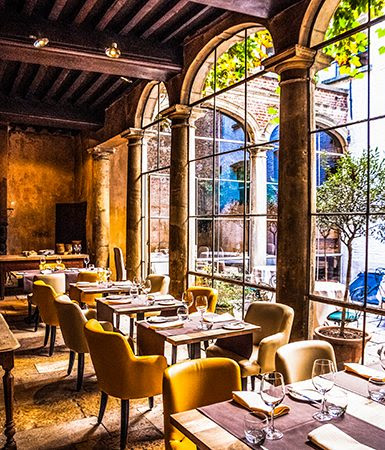
Markets, malls and hidden boutiques

Mme Bovary Giftshop
0.1 km
Explore the enchanting Mme Bovary Giftshop in Antwerp, where unique jewelry, metaphysical supplies, and exquisite gifts await every visitor.
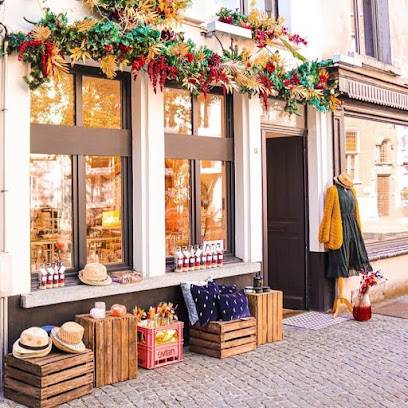
Akotee
0.1 km
Explore Akotee in Antwerp for unique gifts and souvenirs that reflect Belgium's vibrant culture and artistry.
Akotrie
0.1 km
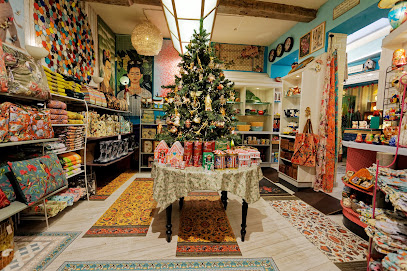
Discover the magic of Christmas at Akotrie in Antwerp, where festive spirit meets unique holiday treasures.
Belgian Heritage
0.1 km
Uncover authentic Belgian souvenirs and cultural treasures at Belgian Heritage, the perfect stop for any traveler in Antwerp.
The Other Shop
0.1 km
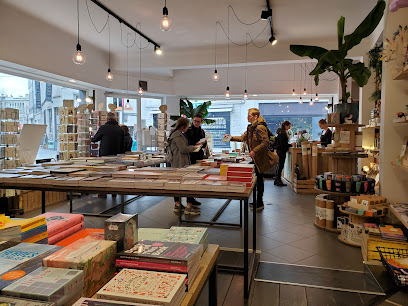
Explore The Other Shop in Antwerp, a cozy bookstore offering a diverse collection of literature and a welcoming space for book lovers.
Antwerps Kantwinkeltje
0.1 km
Discover unique gifts and handcrafted treasures at Antwerps Kantwinkeltje, a charming shop in the heart of Antwerp, Belgium.
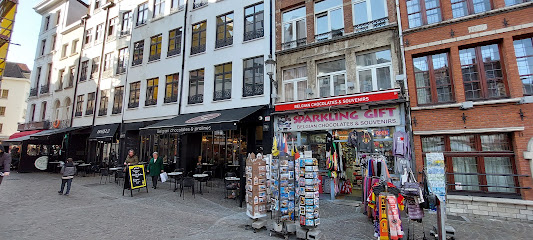
Sparkling Gift
0.1 km
Explore Sparkling Gift in Antwerp for unique souvenirs that capture the essence of the city and its rich culture.
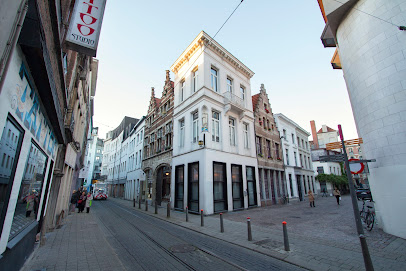
Triskel
0.1 km
Explore Triskel, Antwerp's charming gift shop with unique local treasures and artistic creations that embody the spirit of Belgium.
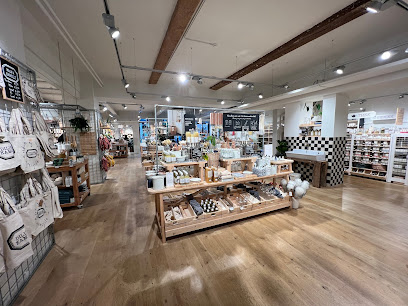
Dille & Kamille - Antwerpen
0.1 km
Discover the enchanting Dille & Kamille gift shop in Antwerp, where unique home goods, kitchen supplies, and whimsical toys await every visitor.
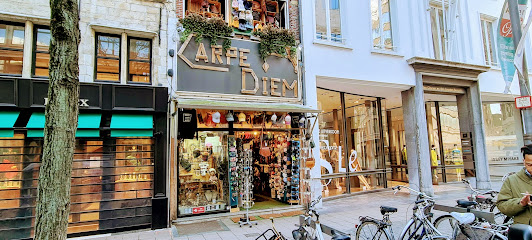
carpe diem
0.1 km
Explore the mystical world of Carpe Diem in Antwerp, a haven for spiritual seekers, offering crystals, tarot, and a wide range of metaphysical supplies.
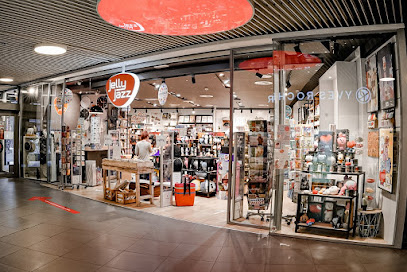
Jelly Jazz @ Grand Bazar
0.2 km
Explore Jelly Jazz @ Grand Bazar for unique gifts, local crafts, and maps that capture the spirit of Antwerp's vibrant culture.
CDKN Antwerpen
0.2 km
Explore the charm of Antwerp at CDKN, a delightful gift shop offering local artisan treasures and unique souvenirs.
Grand Bazar Antwerp
0.2 km
Explore the vibrant shopping and dining scene at Grand Bazar Antwerp, a must-visit destination for tourists seeking local culture and unique finds.
CVM•ILLE finds
0.3 km
Discover a vintage paradise in Antwerp at CVM•ILLE Finds, where unique clothing, art, and collectibles await every enthusiastic shopper.
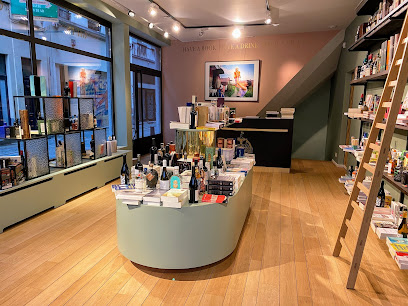
Bookz&Booze Antwerpen
0.3 km
Discover unique books and quirky gifts at Bookz&Booze Antwerpen, the ultimate gift shop for tourists seeking local treasures.
Essential bars & hidden hideouts

Cinq Apero Bar - Antwerpen
0.1 km
Discover the vibrant atmosphere and delightful drinks at Cinq Apero Bar, a must-visit nightlife gem in Antwerp for every traveler.
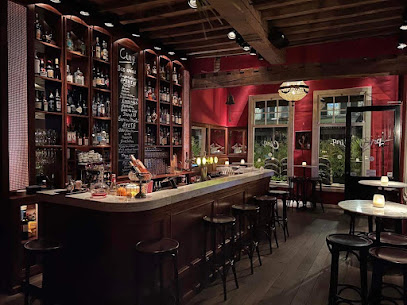
BelRoy’s at Nine
0.1 km
Discover the sophisticated ambiance and exquisite cocktails of BelRoy's at Nine, a must-visit cocktail bar in Antwerp for an unforgettable nightlife experience.
bar Deco
0.1 km
Experience the vibrant nightlife and local flavors at Bar Deco, a beloved bar and café in the heart of Antwerp.
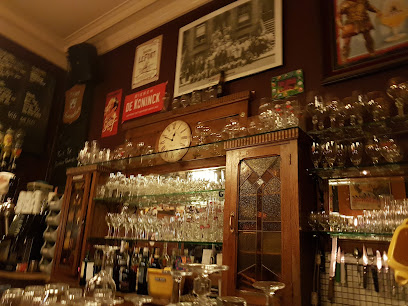
Parisien Antwerp Bar & Lounge - Antwerpen
0.1 km
Discover the chic atmosphere of Parisien Antwerp Bar & Lounge, where expertly crafted cocktails meet the vibrant nightlife of Antwerp.
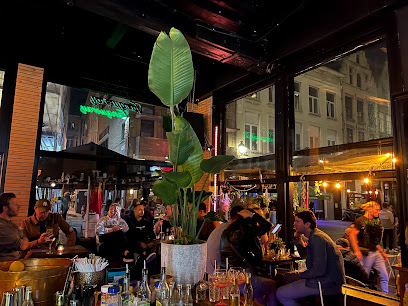
Cabron
0.1 km
Experience the vibrant nightlife of Antwerp at Cabron, a lively bar offering a diverse drink menu and a welcoming atmosphere for all.
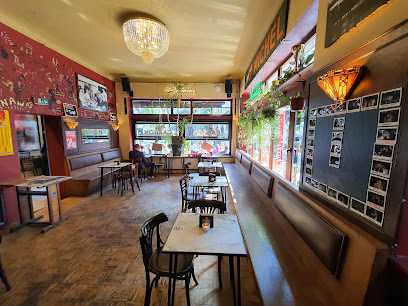
Barok Antwerp
0.1 km
Discover the vibrant cocktail culture of Antwerp at Barok - where creativity meets nightlife in an unforgettable setting.
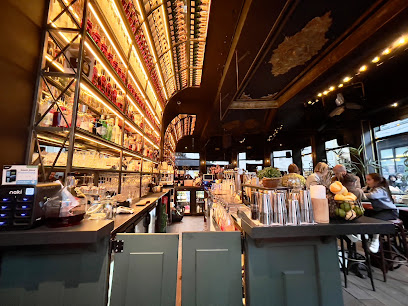
BAR PATRON
0.1 km
Experience the vibrant nightlife of Antwerp at Bar Patron, where great drinks and a lively atmosphere await you.

Molly's Irish Bar
0.1 km
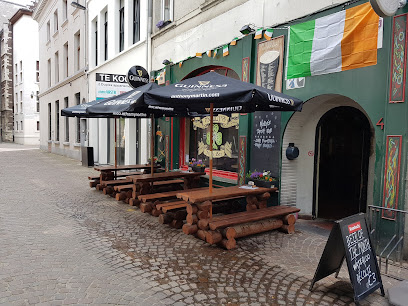
Discover the warmth of Irish hospitality at Molly's Irish Bar in Antwerp, where great drinks and friendly faces await.
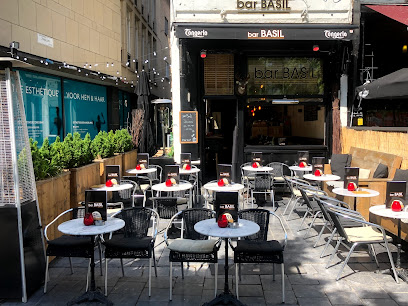
BAR BASIL
0.1 km
Experience the vibrant atmosphere and exquisite drinks at Bar Basil, Antwerp's go-to spot for cocktails, coffee, and camaraderie.
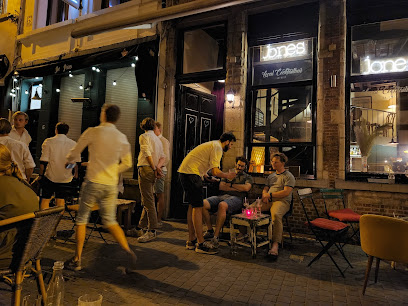
Jones & Co
0.1 km
Discover the vibrant cocktail culture of Antwerp at Jones & Co, where innovative mixology meets a cozy and elegant atmosphere.
Bar 11 - Antwerpen
0.1 km
Discover the lively atmosphere and local flavors at Bar 11 in Antwerp, where great drinks and good company await every evening.
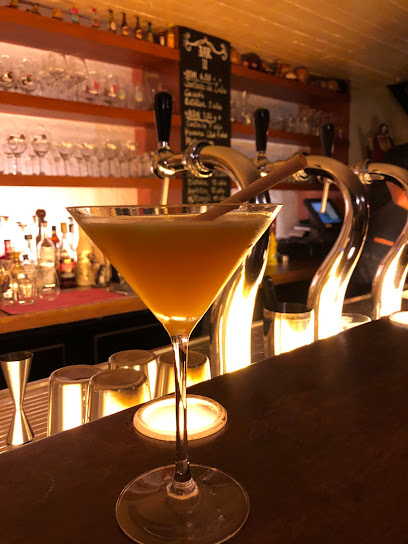
Dogma
0.1 km
Discover the art of mixology at Dogma, Antwerp's premier cocktail bar, where innovative drinks and vibrant atmosphere await.
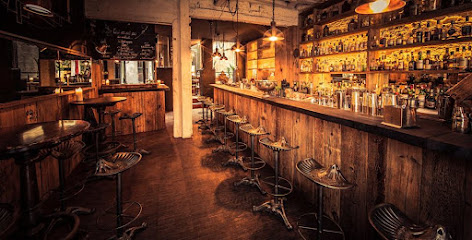
Rich Monkey Bar
0.2 km
Experience the vibrant cocktail culture at Rich Monkey Bar in Antwerp, where expertly crafted drinks meet a lively atmosphere.
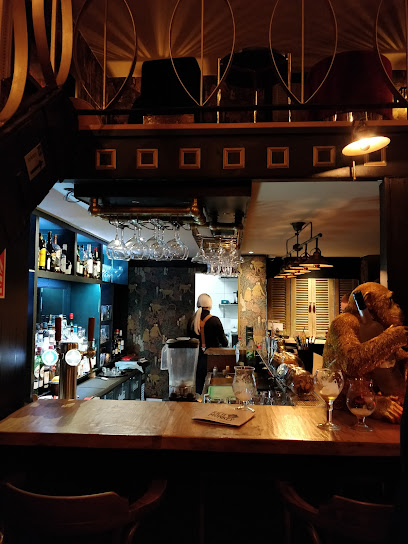
Cocktails | Antwerpen
0.3 km
Discover Antwerp's vibrant cocktail culture at this stylish bar, offering innovative drinks and a lively atmosphere perfect for unwinding.
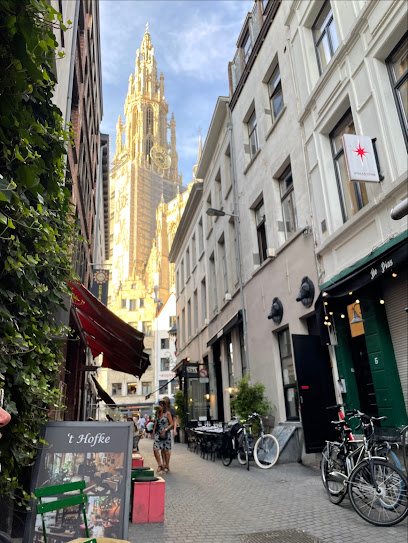
Cuba Bella
0.3 km
Experience the vibrant nightlife at Cuba Bella, Antwerp's lively bar with fantastic music, delicious cocktails, and a welcoming atmosphere.
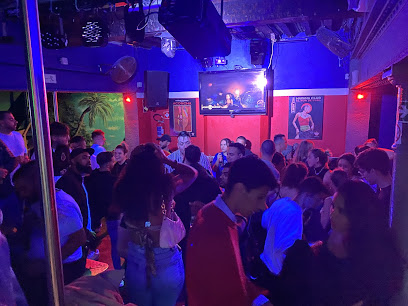
Nightclubs & after hour spots

Club40 Antwerp
0.1 km
Dive into the energetic nightlife of Antwerp at Club40, where music, dancing, and unforgettable memories await in a stylish atmosphere.
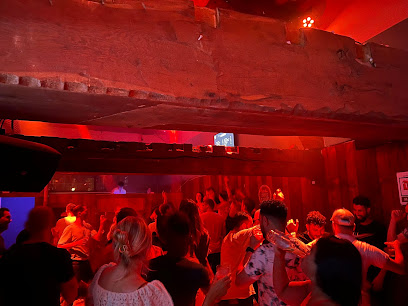
Cargo Club
0.6 km
Discover the vibrant nightlife of Antwerp at Cargo Club, where music, dancing, and a lively atmosphere await you.
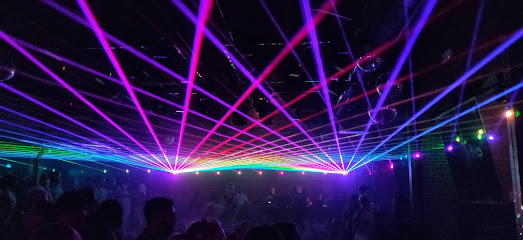
Red and Blue
0.7 km
Discover Antwerp's vibrant nightlife at Red and Blue, an exciting disco club famous for its dance floor and eclectic music.
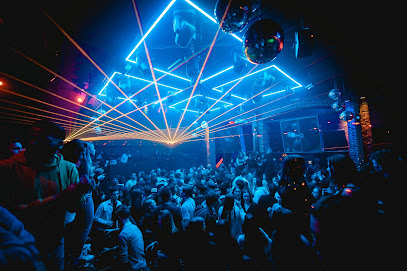
Café d'Anvers
0.7 km
Experience the vibrant nightlife at Café d'Anvers, Antwerp's iconic night club known for its electrifying atmosphere and top-notch DJs.
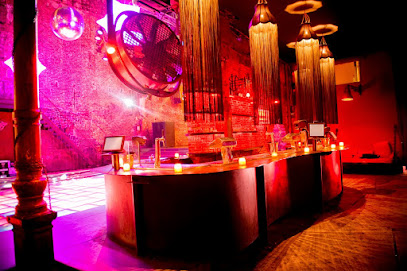
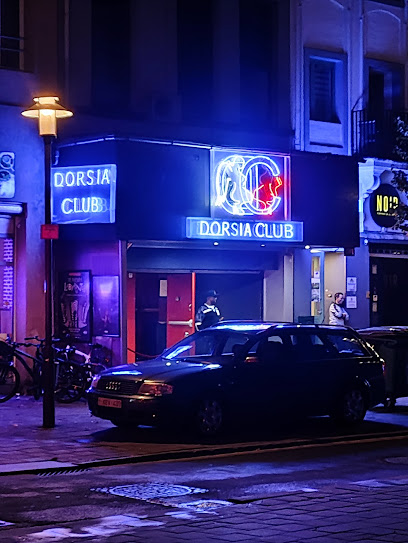
Dorsia Club
1.2 km
Dorsia Club in Antwerp: Where the Night Comes Alive with Music, Dance, and Glamour in the Heart of Belgium.
Club Capital
1.2 km
Discover the energetic nightlife of Antwerp at Club Capital, where music, dancing, and vibrant crowds create unforgettable memories.
mambo latin club
1.2 km
Experience the vibrant rhythms of Latin culture at Mambo Latin Club, Antwerp's top disco destination for unforgettable nights of dancing and music.
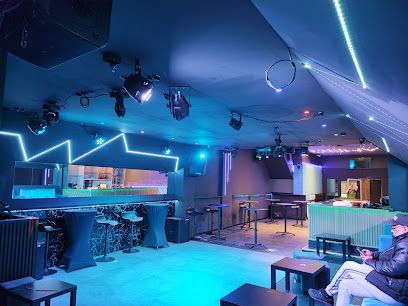
Club Random
1.3 km
Dive into Antwerp's nightlife at Club Random – a lively gay night club offering vibrant music, social atmosphere, and unforgettable experiences.
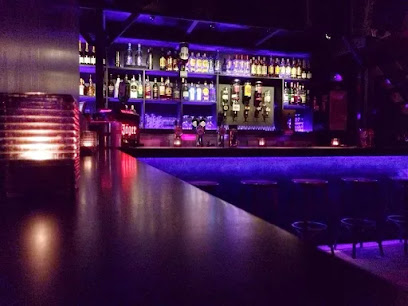
Amnesia
1.3 km
Discover the electrifying nightlife of Antwerp at Amnesia, where music, dance, and unforgettable moments await.
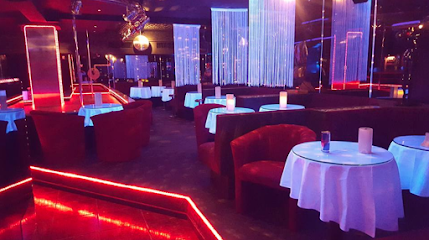
Club Snow
1.4 km
Dive into the vibrant nightlife at Club Snow, Antwerp's premier disco club, where electrifying beats and dazzling lights create unforgettable nights.
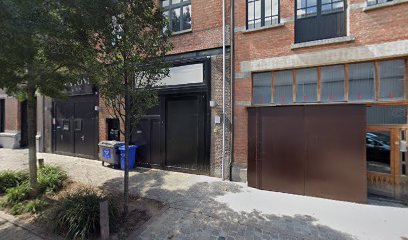
Bad Habits Fridays
1.5 km
Discover Antwerp's nightlife at Bad Habits Fridays, where the music is vibrant and the energy is contagious, creating unforgettable weekend experiences.

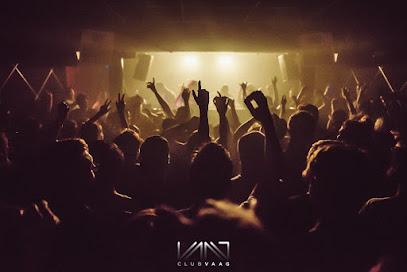
Club Vaag
1.5 km
Experience the electric atmosphere of Club Vaag, Antwerp's premier destination for late-night revelry and diverse music styles.
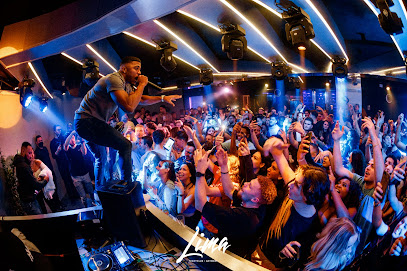
Club Lima
1.5 km
Experience the electrifying nightlife of Antwerp at Club Lima, where dance and music come together in a vibrant atmosphere.
Ampere
1.7 km
Experience the vibrant nightlife of Antwerp at Ampere, where unforgettable music and lively events come together in a stunning venue.
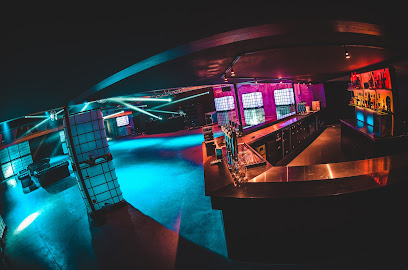
Club Impreza
2.0 km
Unleash your energy at Club Impreza, Antwerp's iconic night club, where electrifying music and vibrant crowds create unforgettable nights.