Groot Begijnhof Leuven: A Journey Through Time
Discover the Groot Begijnhof in Leuven: a UNESCO World Heritage site offering a serene escape into a historical 'city within a city,' blending medieval charm with vibrant university life.
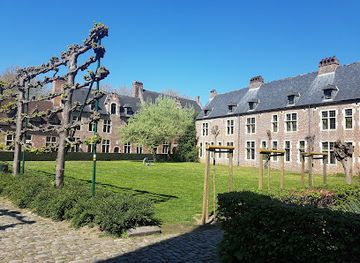
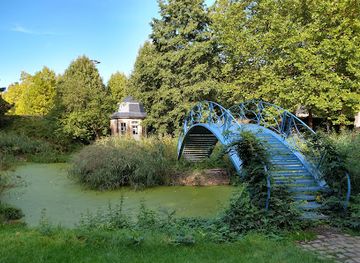
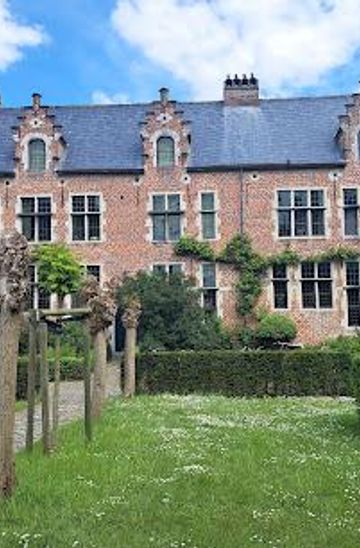
The Groot Begijnhof in Leuven is more than just a historical site; it's a living, breathing testament to centuries of Belgian history and culture. Founded in 1232, this beguinage—a community for religious women who lived in a quasi-monastic lifestyle without taking formal vows—flourished for centuries, reaching its peak in the 17th century when it housed around 360 Beguines. Today, it stands as one of the best-preserved and largest beguinages in the Low Countries, a sprawling 3-hectare complex of houses, churches, gardens, and waterways that offers visitors a unique glimpse into a bygone era. The Groot Begijnhof's origins trace back to the 13th century when a group of religious women settled outside Leuven's city walls along the Dijle River. These women, known as Beguines, dedicated their lives to prayer, charity, and good works, but unlike nuns, they retained their independence and personal property. The community grew rapidly, and by the 14th century, the beguinage had become a self-contained village with its own church, hospital, and other essential facilities. Over the centuries, the Groot Begijnhof evolved, adapting to changing social and political conditions. During the French Revolution, the beguinage was confiscated and sold, but it was later repurchased by the Catholic Church. In the 20th century, the Katholieke Universiteit Leuven (KU Leuven) acquired the property and undertook a massive restoration project, transforming it into a residential campus for students, professors, and visiting scholars. Today, the Groot Begijnhof is a UNESCO World Heritage site, recognized for its outstanding universal value. As you wander through its cobblestone streets, you'll be transported back in time, marveling at the well-preserved architecture and the tranquil atmosphere. The beguinage is laid out like a small town, with houses lining narrow streets and squares. Most of the buildings date from the 17th and 18th centuries, showcasing the region's traditional brick and sandstone architecture. The Sint-Jan-de-Doperkerk (Saint John the Baptist Church), a Gothic masterpiece, stands as the centerpiece of the beguinage, its soaring spire and intricate details a testament to the skill of medieval craftsmen. One of the most distinctive features of the Groot Begijnhof is its network of canals and bridges. The Dijle River splits into two canals that flow through the beguinage, creating a series of picturesque waterways and charming bridges. These canals not only add to the beauty of the beguinage but also served a practical purpose, providing water for the residents and facilitating transportation. As you explore the Groot Begijnhof, be sure to visit some of its key landmarks: * **Sint-Jan-de-Doperkerk (Saint John the Baptist Church):** This Gothic church is the heart of the beguinage, featuring stunning architecture, beautiful stained-glass windows, and a peaceful interior. * **The Beguine Houses:** Admire the traditional brick and sandstone houses where the Beguines once lived. Many of these houses have been carefully restored and now serve as student residences. * **The Canals and Bridges:** Stroll along the Dijle River canals and cross the charming bridges that connect the different parts of the beguinage. These waterways offer a unique perspective on the beguinage's architecture and history. * **The Faculty Club:** Housed in the former infirmary of the beguinage, the Faculty Club is a restaurant and meeting place for KU Leuven faculty and staff. It's a great place to grab a bite to eat and soak in the atmosphere of this historic site. The Groot Begijnhof is not just a museum; it's a living community. As you explore the beguinage, you'll encounter students, professors, and residents going about their daily lives. This vibrant atmosphere adds to the charm of the beguinage, making it a truly unique and unforgettable destination. Visiting the Groot Begijnhof is a journey through time, a chance to experience the history, architecture, and culture of a unique community. Whether you're a history buff, an architecture enthusiast, or simply looking for a peaceful escape, the Groot Begijnhof is sure to captivate your senses and leave you with lasting memories. The Groot Begijnhof offers a serene escape from the hustle and bustle of modern life. The tranquil atmosphere, combined with the historical significance and architectural beauty, makes it a truly special place to visit. Take your time to wander through the streets, admire the houses, and soak in the peaceful ambiance. You'll leave feeling refreshed, inspired, and connected to the past. The Groot Begijnhof stands as a testament to the enduring power of community, faith, and the human spirit. It's a place where history comes alive, where the past and present intertwine, and where visitors can experience the beauty and tranquility of a unique cultural landscape.
Local tips
- Visit early in the morning or late in the afternoon to avoid crowds and enjoy the peaceful atmosphere.
- Wear comfortable shoes, as the cobblestone pathways can be uneven.
- Take a guided tour to gain deeper insights into the history and significance of the Begijnhof (check KU Leuven Heritage website for schedule).
- Explore the Sint-Jan-de-Doperkerk; its opening hours are limited, so plan accordingly (Tuesday to Friday between 13:30 and 16:30).
- Check for any seasonal events or exhibitions that may be taking place during your visit.
A brief summary to Groot Begijnhof Leuven
- Groot Begijnhof 7, Leuven, Leuven, 3000, BE
- Visit website
- Monday 12 am-12 am
- Tuesday 12 am-12 am
- Wednesday 12 am-12 am
- Thursday 12 am-12 am
- Friday 12 am-12 am
- Saturday 12 am-12 am
- Sunday 12 am-12 am
Getting There
-
Walking
From Leuven's Grote Markt (main market square), walk south along Naamsestraat, passing the University Library. Continue towards Sint-Geertruiabdij (Geertgrotenabdij). Follow the path until you see the Groot Begijnhof entrance on your right. The walk is approximately 15-20 minutes and offers a pleasant route through Leuven's historic streets.
-
Public Transport
From Leuven train station, take bus lines 1, 2, 79, 179, 306, 520, 524, 525, 537, 555, 558, or 601 to the 'Heilig Hart' bus stop. From there, it's a short 5-minute walk to the Groot Begijnhof. Follow the signs or use a map app for guidance. A single bus fare costs approximately €2.50.
-
Taxi/Ride-Share
A taxi or ride-share from Leuven train station to the Groot Begijnhof costs approximately €10-€15, depending on traffic and the specific company. The journey takes around 5-10 minutes. Specify 'Groot Begijnhof' as your destination.
-
Driving
Driving directly into the Groot Begijnhof is restricted. Limited parking is available for residents with permits. For visitors, park at Parking Bodart (blue disc required, max 10 hours) or Parking Heilig Hart, then walk to the Groot Begijnhof. Parking fees vary, but expect to pay around €1-€2 per hour. Alternatively, use the KU Leuven parkings P1, P2 or P3, accessible from the Tervuursevest (Leuven city ring), but note that these require a valid access card or day code.