

Free Duchy of Brabant Travel Guide & Mobile App
Explore Duchy of Brabant with free travel guides. Discover regional history, expert tips, proposed trips, and audio guides on web or mobile app.


Explore the Belgian Brabant heartland through Brussels, Leuven, Waterloo, abbeys, rolling farmland, historic estates and the Sonian Forest.
Read more about Duchy of Brabant
When is the best time to visit Duchy of Brabant?
Best: June–August · 21–23°C| Month | High (°C) | Rainfall (mm) |
|---|---|---|
| January | 6 | 70 |
| February | 6 | 60 |
| March | 9 | 60 |
| April | 14 | 50 |
| May | 18 | 60 |
| June (best) | 21 | 70 |
| July (best) | 23 | 70 |
| August (best) | 23 | 70 |
| September | 19 | 60 |
| October | 15 | 70 |
| November | 9 | 70 |
| December | 6 | 80 |
Getting to and around Duchy of Brabant
How to get there
Transportation
Top city travel guides in Duchy of Brabant
The cities of Duchy of Brabant, and the easiest places to base yourself.
-

-
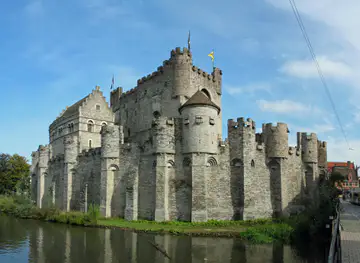
-

-
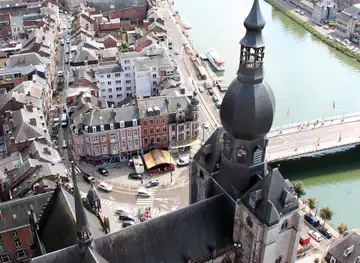
-

-


Swipe for more cities
Destinations in Duchy of Brabant
Resorts, valleys and scenic spots worth a trip of their own.
-
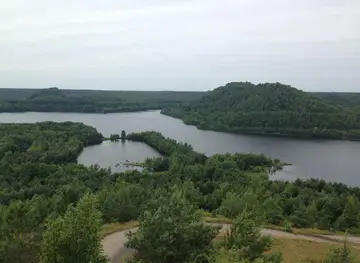
-
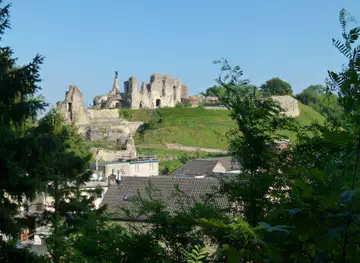
-

-
-
-


Swipe for more destinations
Best attractions in Duchy of Brabant
The attractions of Belgian Brabant are spread across a historical landscape rather than concentrated in a single resort area. Brussels offers major civic, artistic and architectural institutions, while Leuven combines its Gothic town hall, university heritage, religious buildings and beer culture in a walkable urban setting. Flemish Brabant also includes the park and estate landscapes around Tervuren, the woodland of Hallerbos and the historic religious heritage of Halle. In Walloon Brabant, Waterloo interprets the 1815 campaign through museums, monuments and battlefield viewpoints, while Villers-la-Ville Abbey places dramatic Cistercian ruins within a rural setting. Château de La Hulpe and its grounds illustrate the region's tradition of landscaped estates, although access arrangements vary. The Sonian Forest provides walking, cycling and nature observation close to the capital, with trails extending across modern regional boundaries. Between these better-known sites are market towns, parish churches, breweries, farms and village landscapes that reward slower exploration. Visitors should distinguish between attractions located in the historic Brabant area and famous Belgian destinations elsewhere, as the duchy's modern boundaries no longer form one administrative tourism circuit.
-
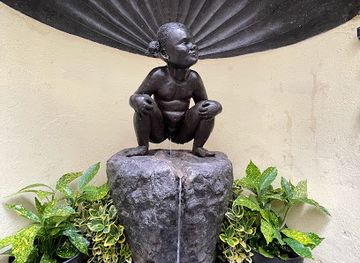
Fountain
Manneken Pis
Discover the playful spirit of Brussels at Manneken Pis, the iconic fountain that embodies the city’s quirky charm and cultural significance.
-
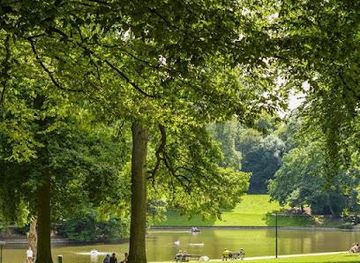
Park
Bois de la Cambre
Explore Bois de la Cambre, a serene park in Brussels perfect for relaxation and nature walks amid picturesque landscapes.
-
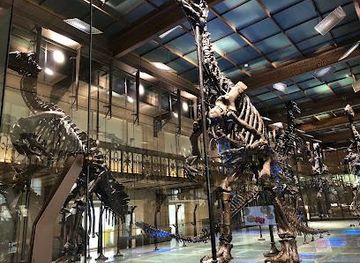
Museum
Royal Belgian institute of Natural Sciences
Explore Europe's largest dinosaur gallery and delve into the wonders of natural history in the heart of Brussels.
-
Fountain
Jeanneke Pis
Explore the enchanting Jeanneke Pis, a playful fountain in the heart of Brussels, and experience the city's unique charm and humor.

Best landmarks in Duchy of Brabant
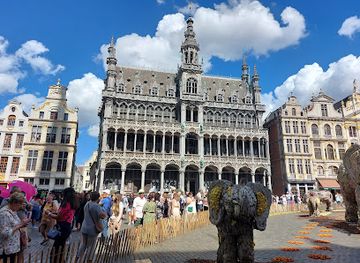
Brussels Town Hall on the Grand-Place is the most recognisable historic landmark associated with Brabant, expressing the medieval city that became the duchy's principal political centre. Leuven's Gothic Town Hall, with its elaborate façade, is another defining example of Brabantine civic architecture, while the university city's Great Beguinage preserves a substantial historic residential quarter. In Walloon Brabant, the Lion's Mound at Waterloo dominates the former battlefield and serves as a powerful, if nineteenth-century, memorial to the 1815 campaign. The ruins of Villers-la-Ville Abbey are among the region's most evocative religious remains, with Romanesque and Gothic fragments spread through a wooded valley. The Sonian Forest is a geographical landmark as well as a recreational landscape, marking the wooded southern fringe of Brussels and extending into both Brabant provinces. Hallerbos is noted for its spring bluebells, but the forest itself remains the enduring natural feature. Château de La Hulpe and its designed park represent the region's estate tradition, linking architecture, landscape management and the historic wealth of the Brabant countryside.
-
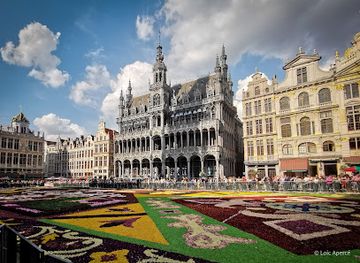
Plaza
Grand Place
Discover Brussels' Grand Place: a UNESCO World Heritage site with stunning architecture, rich history, and vibrant cultural events.
-
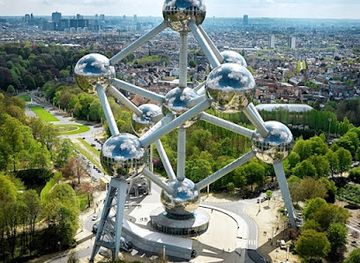
Tourist attraction
Atomium
Experience the breathtaking views and unique architecture of the Atomium in Brussels, a cultural landmark that reflects innovation and history.
-
Fountain
Manneken Pis
Discover the playful spirit of Brussels at Manneken Pis, a whimsical fountain that embodies the city's charm and rich cultural heritage.
-
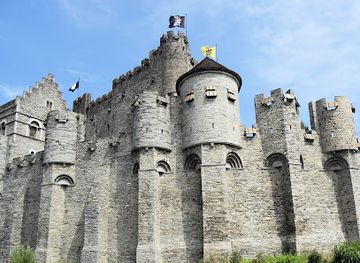
Castle
Gravensteen
Discover the rich history and breathtaking architecture of Gravensteen, the iconic castle of Ghent in Belgium, a must-visit for every traveler.
Explore Duchy of Brabant on the map
Plan your trip on one map. See where the top cities, national parks and sights are, and book hotels and experiences in a few clicks.
Best hotels in Duchy of Brabant
Best restaurants in Duchy of Brabant
Dining in Belgian Brabant combines the broad traditions of Belgian cuisine with local urban and rural character. Brussels is the most internationally varied centre, with brasserie cooking, chocolate and pastry specialists, traditional dishes and contemporary restaurants. Leuven's restaurant and café scene is shaped by its student population, historic centre and strong beer culture, while smaller Flemish Brabant towns offer cafés, bakeries, farm shops and familiar Belgian dishes. Walloon Brabant has country inns, bistros and restaurants serving French-influenced regional cooking, often alongside produce from the surrounding agricultural districts. Belgian beer is central to the region's drinking and dining culture, but the range extends from major national styles to beers brewed by smaller local producers. Look for seasonal vegetables, bread, dairy products, fruit from the wider Brabant and Hesbaye countryside, and classic specialities such as fries, waffles and waterzooi, while remembering that many are national Belgian foods rather than exclusive Brabant inventions. Markets and farm shops are useful for discovering regional produce outside the main cities.
-
Belgian
Atomium-Restaurant
Discover exquisite Belgian cuisine at Atomium-Restaurant while enjoying breathtaking views of Brussels' iconic landmark.
-
Brasserie
Le Bistro - Porte de Hal
Experience authentic Belgian cuisine at Le Bistro - Porte de Hal in Brussels, where tradition meets taste in a cozy atmosphere.
-
Fish & Chips
Bia Mara
Discover Bia Mara in Brussels for an unforgettable fish and chips experience amidst a vibrant seafood dining atmosphere.
-
Belgian
Nüetnigenough
Experience authentic Belgian cuisine and craft beers at Nüetnigenough in Brussels – a must-visit brewpub for every traveler.


Best bars in Duchy of Brabant
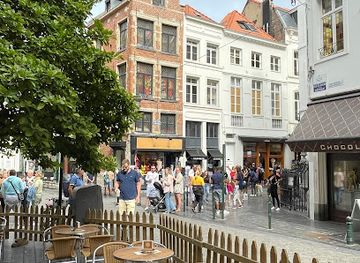
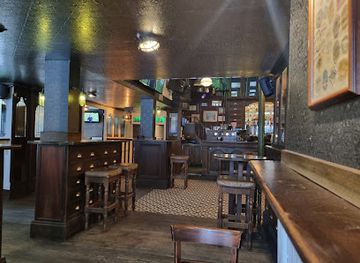
Evening life varies sharply across Belgian Brabant. Brussels has the widest choice, from traditional cafés and beer bars to cocktail venues, live music, theatres and late-night clubs, with activity concentrated around the central city and other well-connected districts. Leuven has a particularly active evening scene built around student cafés, beer establishments, restaurants and cultural venues, although its atmosphere changes during university holidays. In Waterloo, Wavre, Nivelles and other Walloon Brabant towns, nightlife is more local and tends to centre on restaurants, cafés, bars and occasional live performances rather than a large club circuit. Rural Brabant is quieter, with historic inns, village pubs, brewery taprooms and seasonal events providing the main evening options. Check current arrangements before travelling to a specific venue, particularly outside Brussels and Leuven, where opening patterns can be more limited. Alcohol is not essential to experiencing the region's evening culture, which also includes concerts, theatre and late dining.
-
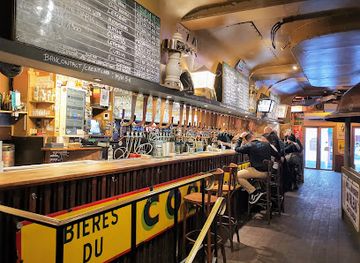
Bar
Delirium Café
Discover Delirium Café in Brussels – a celebrated bar with over 2,000 beers, perfect for immersing yourself in Belgian culture and nightlife.
-
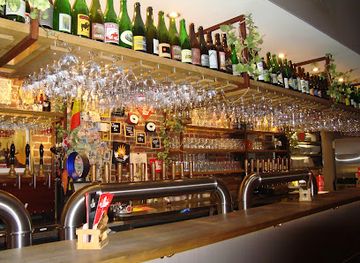
Beer hall
Moeder Lambic Fontainas
Discover the vibrant world of Belgian beer at Moeder Lambic Fontainas, the ultimate beer hall in Brussels with an extensive selection and inviting atmosphere.
-
Bar
Poechenellekelder
Discover the heart of Brussels' beer culture at Poechenellekelder, a charming bar with a vast selection of local brews and delightful ambiance.
-
Irish pub
o'reilly's Irish Pub Brussels
Discover the lively spirit of Ireland at O'Reilly's Irish Pub in Brussels, where great food, drinks, and music come together for an unforgettable experience.
Best nightclubs in Duchy of Brabant
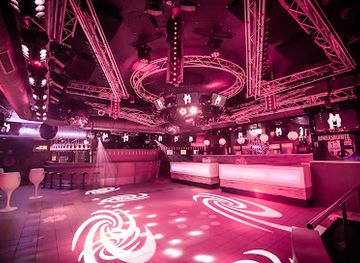
Evening life varies sharply across Belgian Brabant. Brussels has the widest choice, from traditional cafés and beer bars to cocktail venues, live music, theatres and late-night clubs, with activity concentrated around the central city and other well-connected districts. Leuven has a particularly active evening scene built around student cafés, beer establishments, restaurants and cultural venues, although its atmosphere changes during university holidays. In Waterloo, Wavre, Nivelles and other Walloon Brabant towns, nightlife is more local and tends to centre on restaurants, cafés, bars and occasional live performances rather than a large club circuit. Rural Brabant is quieter, with historic inns, village pubs, brewery taprooms and seasonal events providing the main evening options. Check current arrangements before travelling to a specific venue, particularly outside Brussels and Leuven, where opening patterns can be more limited. Alcohol is not essential to experiencing the region's evening culture, which also includes concerts, theatre and late dining.
-
Disco club
Spirito Brussels
Experience the electrifying nightlife of Spirito Brussels, a transformed church disco club where music and dance come alive in a unique setting.
-
Bar
Barvista
Discover Barvista: The ultimate cocktail bar and dance club in Leuven, Belgium, where unforgettable nights and great company await.
-
Disco club
Millennium nightclub
Discover the electrifying nightlife of Herselt at Millennium Nightclub, where music, dancing, and fun collide for an unforgettable evening.
-
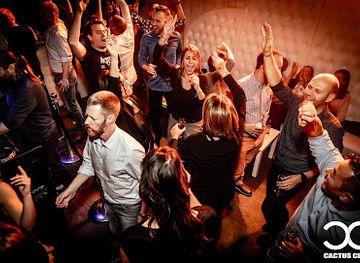
Night club
Cactus Club
Experience the vibrant nightlife at Cactus Club in Auderghem, where music, dancing, and unforgettable moments come alive.


Best shops in Duchy of Brabant
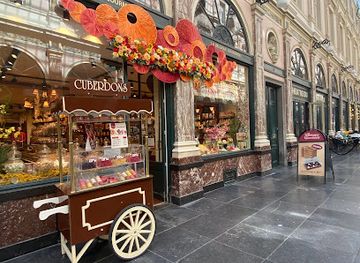
Shopping in Belgian Brabant ranges from Brussels' extensive central retail and design districts to the independent streets and specialist food shops of Leuven. Brussels is the strongest destination for fashion, antiques, chocolate, lace, books and Belgian-made gifts, while Leuven combines national chains with cafés, bookshops, delicatessens and smaller independent retailers around its historic centre. In Walloon Brabant, Waterloo and Wavre provide practical high-street shopping, boutiques and food businesses rather than a single dominant luxury quarter. Market days in towns across both provinces are useful for buying bread, cheese, seasonal produce, flowers and prepared foods, although schedules vary and should be checked locally. Farm shops and brewery outlets offer regional products, while galleries and craft businesses provide alternatives to standard souvenirs. Belgian chocolate and beer are widely available across the country, so shoppers seeking a specifically Brabant association should look for products made in the locality and ask about provenance rather than assuming every Belgian speciality is regional.
-
Shopping mall
Royal Gallery of Saint Hubert
Explore the Royal Gallery of Saint Hubert, a treasure trove of luxury shopping and cultural delights in the heart of Brussels.
-
Shopping mall
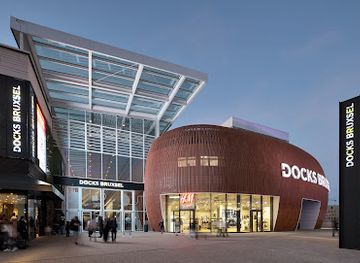
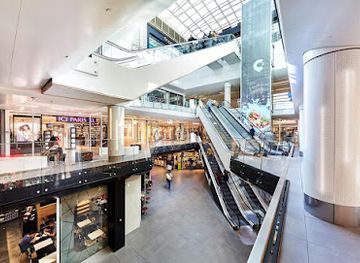
Docks Bruxsel
Discover Docks Bruxsel, Brussels’ premier shopping mall offering a diverse blend of retail, dining, and entertainment for a perfect day out.
-
Shopping mall
City2
Explore City2, Brussels' vibrant shopping mall with diverse shops, dining options, and a lively atmosphere for all ages.
-
Shopping mall
Rive Gauche
Explore Rive Gauche in Charleroi, Belgium – a shopping haven with trendy stores, delightful dining, and a lively atmosphere for all ages.
Get your free copy of our complete guide to Duchy of Brabant, delivered straight to you.
Everything on this page, from attractions and restaurants to essentials and local phrases, in one PDF you can read offline, print or share.
Already have an account? Sign in
Your Duchy of Brabant guide is ready.
We'll send it to · Not you? Sign out

Getting your guide ready…
We are putting together a fresh copy of the Duchy of Brabant guide. This can take up to a minute.
This can take a few moments. If your browser asks, choose Allow so the download can start. You'll find the guide in your Downloads folder.
Nothing happened? Download it again
Sorry, the guide is taking longer than usual. Please try again in a minute, or get it by email instead.
Duchy of Brabant essentials
Currency and Payment
Safety
Emergency Situations
Do's and Don'ts
Local Tips
From Eve
Local phrases worth knowing
You don't need to get them perfect. A few words go a long way, and locals appreciate the effort.
Basics
| English | Local | Say it |
|---|---|---|
| Hello | Hallo | [hahl-loh] |
| Goodbye | Tot ziens | [toht zeens] |
| Yes | Ja | [yah] |
| No | Nee | [nay] |
| Please/You're welcome | Alstublieft | [ahl-stoo-bleeft] |
| Thank you | Dank u | [dahnk oo] |
| Excuse me/Sorry | Sorry | [soh-ree] |
| How are you? | Hoe gaat het? | [hoo ghaht het] |
| Fine. And you? | Goed. En jij? | [khoot. en yay] |
| Do you speak English? | Spreekt u Engels? | [spraykt oo eng-els] |
| I don't understand | Ik begrijp het niet | [ik beh-graihf het neet] |
Eating & Drinking
| English | Local | Say it |
|---|---|---|
| I'd like to see the menu, please | Ik zou graag het menu zien, alstublieft | [ik zow ghrahg het meh-nu zeen, ahl-stoo-bleeft] |
| I don't eat meat | Ik eet geen vlees | [ik ayt ghayn vlaes] |
| Cheers! | Proost! | [prohst] |
| I would like to pay, please | Ik zou graag betalen, alstublieft | [ik zow ghrahg beh-tah-len, ahl-stoo-bleeft] |
Emergencies
| English | Local | Say it |
|---|---|---|
| Help! | Help! | [help] |
| Go away! | Ga weg! | [gah vehg] |
| Call the Police! | Bel de politie! | [bel deh poh-lits-ee] |
| Call a doctor! | Bel een dokter! | [bel ayn dok-ter] |
| I'm lost | Ik ben verdwaald | [ik ben fer-dwaald] |
| I'm ill | Ik ben ziek | [ik ben zeek] |
Shopping
| English | Local | Say it |
|---|---|---|
| I'd like to buy... | Ik zou graag ... kopen | [ik zow ghrahg ... koh-pen] |
| I'm just looking | Ik kijk gewoon rond | [ik kayk ghe-vohn ront] |
| How much is it? | Hoeveel kost het? | [hoo-vayl kost het] |
| That's too expensive | Dat is te duur | [daht is tuh duur] |
| Can you lower the price? | Kunt u de prijs verlagen? | [kunt oo deh prays fer-lah-ghen] |
Time & Numbers
| English | Local | Say it |
|---|---|---|
| What time is it? | Hoe laat is het? | [hoo laat is het] |
| It's one o'clock | Het is één uur | [het is ayn oor] |
| Half past (10) | Half elf | [half elf] |
| Morning | Ochtend | [okh-tent] |
| Afternoon | Middag | [mid-dahg] |
| Evening | Avond | [ah-vond] |
| Yesterday | Gisteren | [ghis-te-ren] |
| Today | Vandaag | [van-dahg] |
| Tomorrow | Morgen | [mor-ghen] |
| 1 | 1 | [eent] |
| 2 | 2 | [twee] |
| 3 | 3 | [drie] |
| 4 | 4 | [vier] |
| 5 | 5 | [vijf] |
| 6 | 6 | [zes] |
| 7 | 7 | [zeven] |
| 8 | 8 | [acht] |
| 9 | 9 | [negen] |
| 10 | 10 | [tien] |
Transport & Directions
| English | Local | Say it |
|---|---|---|
| Where's a/the...? | Waar is een/de...? | [vahr is ayn/deh...?] |
| What's the address? | Wat is het adres? | [vaht is het ah-dres] |
| Can you show me (on the map)? | Kunt u me (op de kaart) laten zien? | [kunt oo meh (op de kaart) lah-ten zeen] |
| When's the next (bus)? | Wanneer is de volgende (bus)? | [vahn-neer is de vawl-gende (bus)?] |
| A ticket (to ....) | Een ticket (naar ....) | [ayn tik-ket (naahr ....)] |
History of Duchy of Brabant
Early settlements and Roman Brabant
The Brabant landscape was occupied long before the medieval duchy existed. Farming communities used the fertile loess soils of central Belgium, while Roman roads and settlements connected the area to larger centres in northern Gaul. The Roman road linking Boulogne-sur-Mer with Cologne passed through the broad region, encouraging trade and movement. Archaeological remains are often fragmentary, but the underlying pattern of cultivated fields, road corridors and river settlements helped shape later towns. Brussels began as a settlement in the Senne valley, while the wider area retained a mixture of woodland, pasture and arable land.
The medieval Duchy of Brabant
Brabant emerged as a major political territory in the Middle Ages, developing from the county and duchy associated with the counts and dukes of Leuven and Brussels. The duchy gained influence through strategic control of roads, river crossings and productive agricultural land. Leuven, Brussels and later other urban centres benefited from privileges, markets and craft production. The dukes supported religious foundations and civic institutions, while local towns negotiated rights that strengthened their political importance. Many churches, town halls, beguinages and urban street patterns in Belgian Brabant have roots in this period.
Cities, trade and the Brabantine liberties
During the later Middle Ages, Brabant's towns became important participants in regional commerce and political life. Brussels developed as a ducal residence and administrative centre, while Leuven was associated with cloth production, trade and religious institutions. The Joyous Entry of 1356, a charter of rights granted to the duchy's estates, became a lasting symbol of Brabantine constitutional traditions, although its political meaning changed over time. Urban prosperity was periodically interrupted by war, disease and economic competition, but the region's civic buildings and commercial networks continued to influence its development.
Habsburg rule and religious change
After the extinction of the Brabantine ducal line in the fifteenth century, the duchy passed through the Burgundian and Habsburg spheres and became part of the political complex known as the Low Countries. Brussels gained importance as a court and governmental centre. The sixteenth-century Reformation and the subsequent revolt against Spanish rule brought religious conflict and military upheaval. Monasteries, parish churches and civic institutions were affected by iconoclasm, warfare and later Catholic renewal. Baroque churches, restored abbeys and the ceremonial architecture of Brussels reflect the region's post-Reformation transformation.
The Brabant Revolution and the end of the old duchy
In 1789 and 1790, opposition to reforms imposed by Emperor Joseph II triggered the Brabant Revolution. The movement briefly established the United Belgian States, though internal divisions and Austrian military intervention brought the experiment to an end. French annexation in the 1790s then dismantled the old political framework and introduced new administrative systems. The historic Duchy of Brabant ceased to function as a sovereign territorial entity, even though its name and identity continued in geographic, cultural and institutional usage.
Waterloo and the nineteenth-century reshaping of Belgium
The Waterloo campaign of June 1815 unfolded in the southern Brabant countryside, where Napoleon's French army confronted the allied forces commanded by the Duke of Wellington and the Prussian army under Gebhard Leberecht von Blücher. The battle ended Napoleon's rule and helped define the political settlement of post-Napoleonic Europe. After Belgian independence in 1830, Brussels became the capital of the new kingdom, while railways, industrial growth and expanding administration transformed the surrounding Brabant countryside. Estates, villages and new transport corridors increasingly connected the region to the capital.
The division of Brabant in modern Belgium
Belgium's language and administrative reforms gradually altered the meaning of Brabant. In 1995, the former province of Brabant was divided into Flemish Brabant and Walloon Brabant, while Brussels-Capital became a separate region. Flemish Brabant includes Leuven and the northern and eastern countryside around Brussels; Walloon Brabant includes Waterloo, Wavre, Nivelles and the southern Brabant landscape. The historic duchy therefore survives across several modern jurisdictions, with Dutch-speaking, French-speaking and officially bilingual communities preserving different aspects of a shared regional past.
Duchy of Brabant in Photos
Browse through our photo collection highlighting the charm and character of the destination.
Neighbouring regions of Duchy of Brabant
The closest regions to Duchy of Brabant, if you have time for more than one.
-

-

-

-

-


Swipe for more regions
Explore more

Explore more of Belgium
Discover Belgium: A blend of medieval charm, culinary delights, and stunning landscapes. Explore historic cities, savor exquisite chocolates, and enjoy a perfect getaway.
Explore Belgium