Royal Belgian Institute of Natural Sciences
Explore Europe's largest Dinosaur Gallery and delve into the wonders of natural history at Brussels' Royal Belgian Institute of Natural Sciences, a captivating journey for all ages.
Delve into the fascinating world of natural history at the Royal Belgian Institute of Natural Sciences, located in the heart of Brussels. Home to Europe's largest Dinosaur Gallery, featuring the world-renowned Iguanodons of Bernissart, the museum offers an immersive experience for visitors of all ages. Explore the rich collections spanning millions of years, from the evolution of humankind to the wonders of the mineral kingdom. With interactive exhibits and a commitment to scientific research, the institute provides a unique opportunity to discover the natural world and our place within it. Whether you're marveling at prehistoric skeletons or learning about biodiversity, a visit promises an engaging and educational adventure. Don't miss the temporary exhibitions, which offer fresh perspectives on the ever-evolving story of our planet. The museum is easily accessible by public transport, making it a convenient and enriching destination for tourists exploring Brussels.
A brief summary to Royal Belgian institute of Natural Sciences
- Rue Vautier 29, Brussels, Brussel, 1000, BE
- +3226274211
- Visit website
- Tuesday 9:30 am-5 pm
- Wednesday 9:30 am-5 pm
- Thursday 9:30 am-5 pm
- Friday 9:30 am-5 pm
- Saturday 10 am-6 pm
- Sunday 10 am-6 pm
Local tips
- Purchase tickets online in advance to avoid long queues, especially during weekends and school holidays.
- Check the museum's website for special exhibitions and events to enhance your visit.
- Plan to spend at least half a day exploring the diverse exhibits to fully appreciate the museum's offerings.
- Visit the paleoLAB for hands-on activities, especially engaging for children, with fossils and minerals to handle.
- Utilize public transport, as parking is limited; the Brussels-Luxembourg train station and nearby bus/metro stops offer convenient access.

Getting There
-
Public Transport
From Brussels Central Station, take bus line 38 or 95 to the 'Idalie' or 'Luxembourg' bus stops, a five-minute walk from the museum. Alternatively, take metro line 1 or 5 to 'Maelbeek/Maalbeek' station or line 2 or 6 to 'Trône/Troon' station, both about a ten-minute walk away. A single journey ticket costs €2.30, or consider a 24-hour ticket for €8.40 if you plan to use public transport extensively.
-
Walking
From the European Parliament, walk east along Rue de la Loi/Wetstraat, then turn left onto Rue Vautier. The museum is a short walk down Rue Vautier on the right. The walk is approximately 10 minutes. No costs involved.
-
Taxi/Ride-Share
A taxi or ride-share from the city center (e.g., Grand Place) will cost approximately €15-€20, depending on traffic. Ask the driver to take you to Rue Vautier 29. Be aware of potential surge pricing during peak hours.
-
Driving
Limited parking is available near the museum. Several parking lots are located within walking distance, including Parking Forte Dei Marmi (Avenue du Maelbeek 61) and Parking Jourdan (Place Jourdan 1). Expect to pay around €3-€4 per hour for parking. Be aware of Brussels' Low Emission Zone (LEZ) regulations; register your vehicle in advance if required to avoid a fine of €150.
Discover more about Royal Belgian institute of Natural Sciences
Iconic landmarks you can’t miss

European Parliament
0.2 km
Explore the European Parliament, a stunning architectural gem in Brussels, where democracy and European unity come to life through engaging tours and exhibitions.
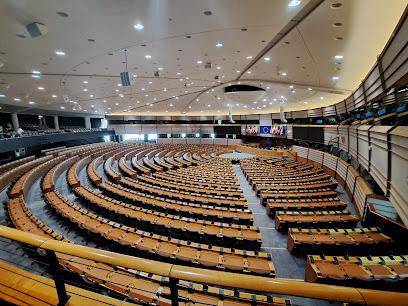
Brux./Brus.-Luxemb.
0.3 km
Discover Brussels Luxembourg Station, your gateway to the heart of Belgium and Europe, blending modern transit conveniences with rich historical allure.
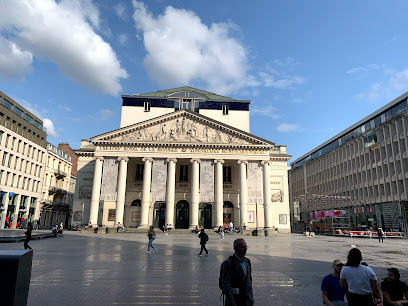
Espace Léopold
0.3 km
Explore Espace Léopold in Brussels, where the European Parliament stands as a beacon of unity and democracy amidst stunning architecture and vibrant culture.
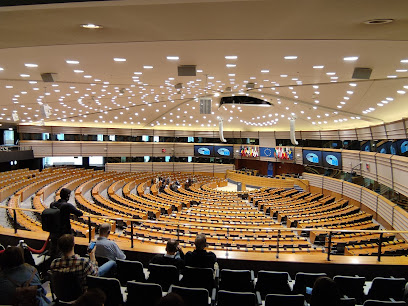
Pl. du Luxembourg
0.4 km
Experience the vibrant atmosphere of Pl. du Luxembourg in Ixelles, a hub of culture, cuisine, and scenic beauty in Brussels.
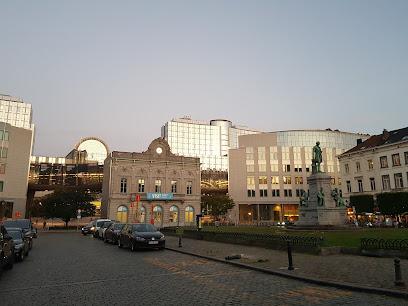
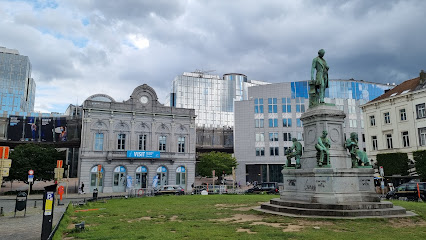
Luxembourg Square
0.4 km
Experience the vibrant atmosphere and historical charm of Luxembourg Square in Ixelles, Brussels, a must-see destination for every tourist.
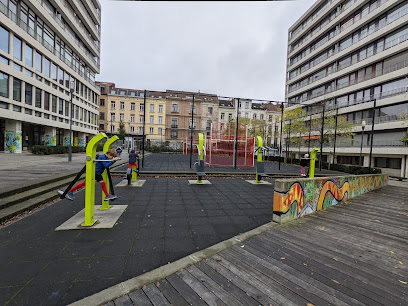
Square Châtelaillon-Plage
0.6 km
Experience the charm of Square Châtelaillon-Plage, a serene city park in Ixelles, perfect for relaxation, community gatherings, and leisurely strolls.
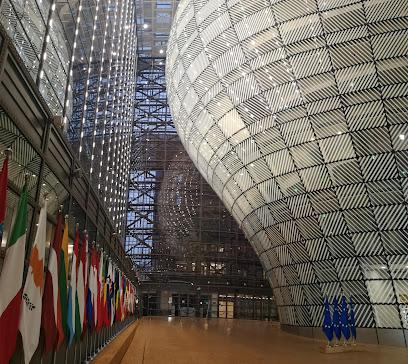
Council of the European Union
0.7 km
Discover the Council of the European Union in Brussels, a landmark of governance and culture, showcasing the heart of European decision-making.
Saint-Boniface square
0.8 km
Experience the vibrant heart of Ixelles at Saint-Boniface Square: a culinary melting pot with a lively atmosphere and stunning architecture.
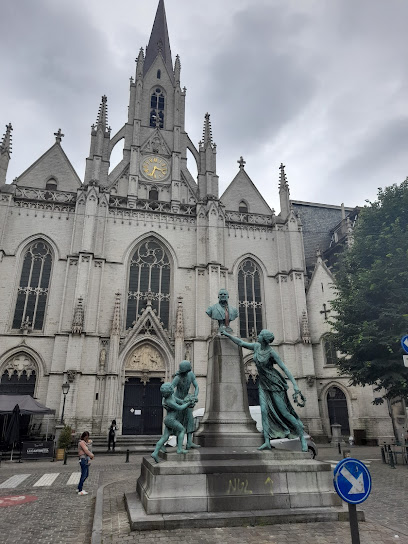
Parcours BD La femme léopard
0.9 km
Explore the vibrant comic art of Ixelles at Parcours BD La femme léopard, where street art and storytelling come alive in Belgium's artistic heart.
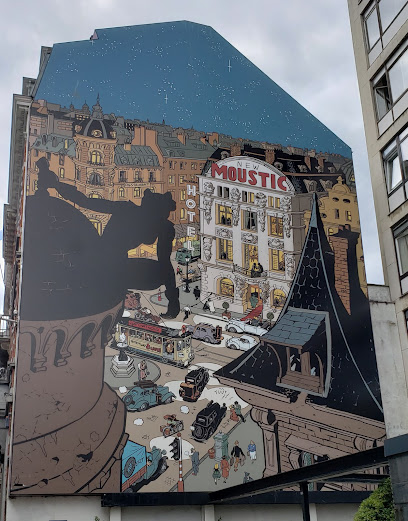
Buste de Robert Schuman
0.9 km
Explore the Bust of Robert Schuman in Brussels, a sculpture symbolizing European unity and the legacy of one of the EU's founding fathers.
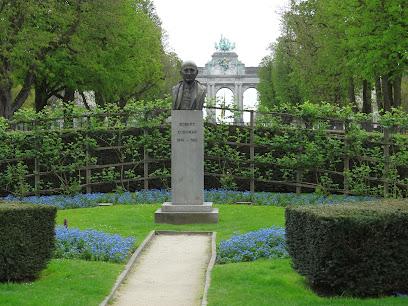
The Monument to General Thys
0.9 km
Explore the Monument to General Thys in Brussels' Parc du Cinquantenaire, a stunning tribute to Belgium's military history and cultural heritage.
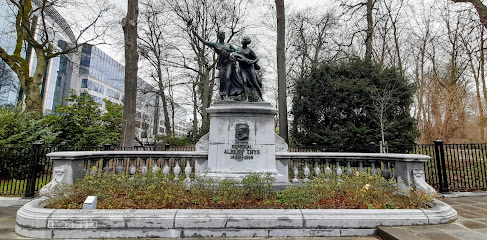
Monument Léopold II
1.0 km
Experience the artistic heritage and historical significance of Monument Léopold II, a must-visit landmark in the heart of Brussels.
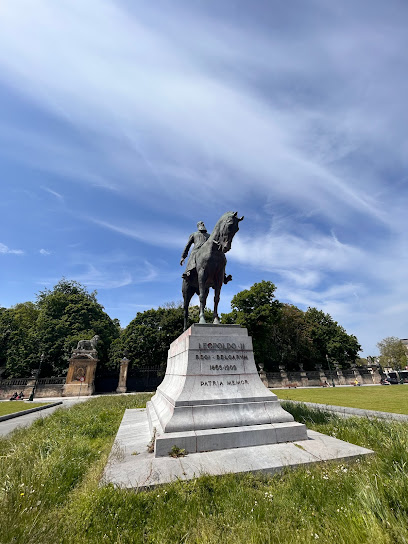
Birthplace of Audrey Hepburn
1.1 km
Visit the birthplace of Audrey Hepburn, the legendary actress and humanitarian, in the charming Ixelles neighborhood of Brussels, Belgium.
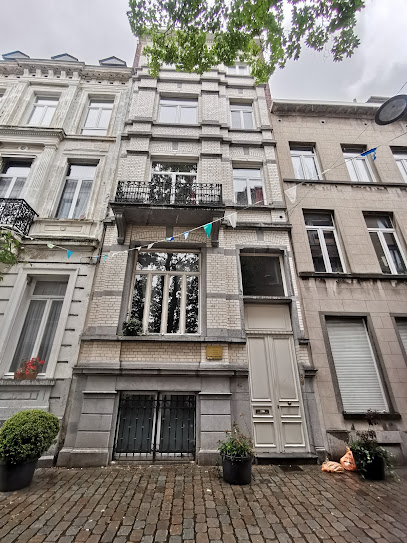
Brussels
1.2 km
Explore Brussels: A vibrant blend of history, culture, and gastronomy in the heart of Europe, perfect for every traveler.
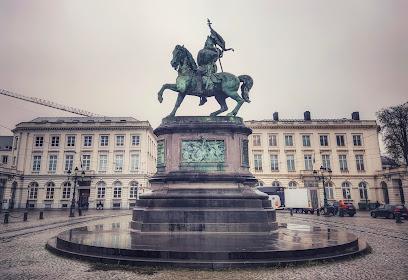
Charlier Museum
1.3 km
Explore the Charlier Museum, a serene haven for art lovers in Brussels, showcasing exquisite 19th and 20th-century masterpieces in a stunning historic setting.
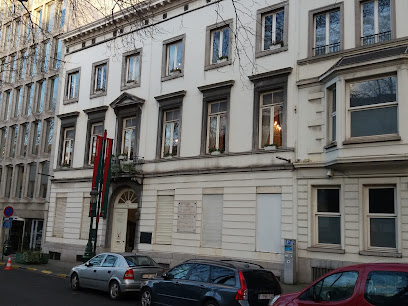
Unmissable attractions to see

European Parliament - Liaison Office in Belgium
0.3 km
Explore the European Parliament Liaison Office in Brussels for an insightful glimpse into the heart of EU governance and democracy.
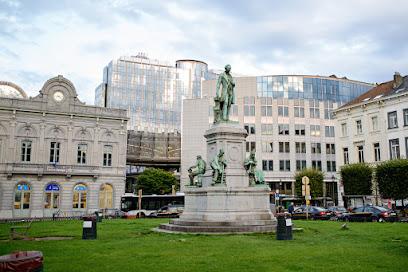
Leopold Park
0.3 km
Explore the tranquility and beauty of Leopold Park in Brussels, a perfect retreat for nature lovers and city explorers alike.
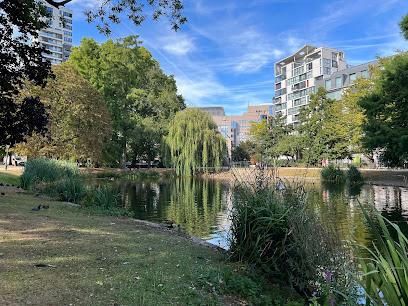
House of European History
0.4 km
Explore the rich tapestry of European history at the House of European History in Brussels, where engaging exhibits bring the past to life.
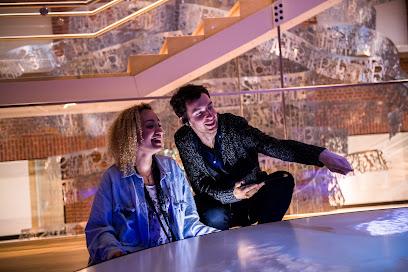
Parlamentarium
0.4 km
Explore European democracy at the Parlamentarium, Brussels' premier museum and visitor center dedicated to the European Parliament.
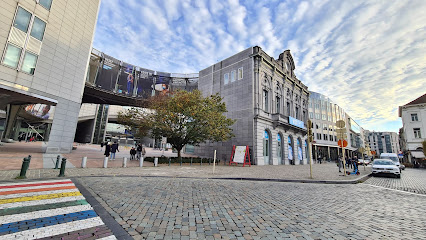
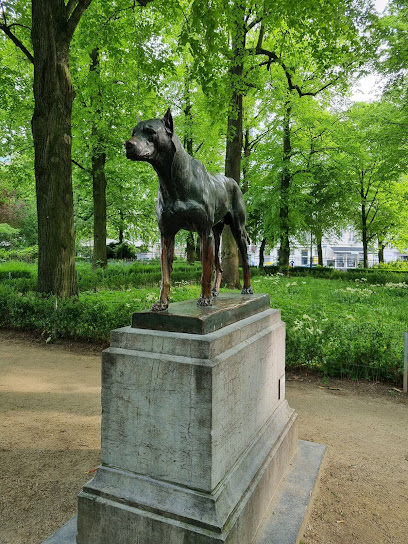
Le Dogue d’Ulm
0.8 km
Explore the captivating sculpture Le Dogue d’Ulm in Brussels, a stunning fusion of artistry and craftsmanship that enchants every visitor.
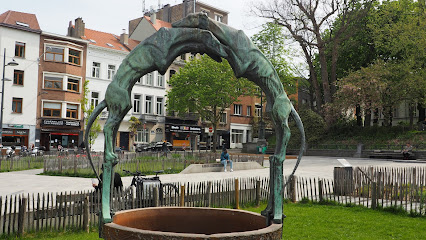
Puits aux lévriers
0.8 km
Explore the serene beauty of Puits aux lévriers in Ixelles, a tranquil oasis rich in history and culture, perfect for an afternoon escape in Brussels.
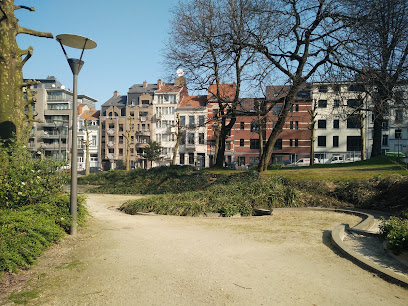
Vallée de Maelbeek Garden
0.8 km
Explore the tranquil beauty of Vallée de Maelbeek Garden, a serene urban park in Brussels, perfect for relaxation and family-friendly fun.
Monument Frère-Orban
0.9 km
Experience the beauty and history of the Monument Frère-Orban, a significant landmark in Brussels celebrating Belgium's rich heritage.

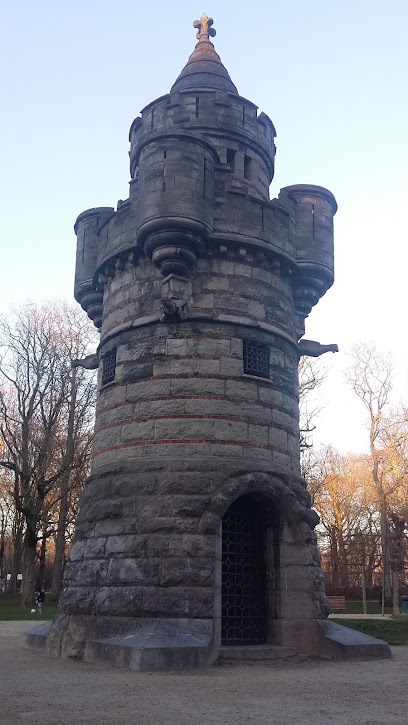
La Tour de Tournai
0.9 km
Explore La Tour de Tournai in Etterbeek: A historical landmark offering a glimpse into Belgium's architectural past.
Place Eugène Flagey
1.0 km
Discover the vibrant culture and charm of Brussels at Place Eugène Flagey, a lively town square in Ixelles filled with cafes, events, and stunning architecture.
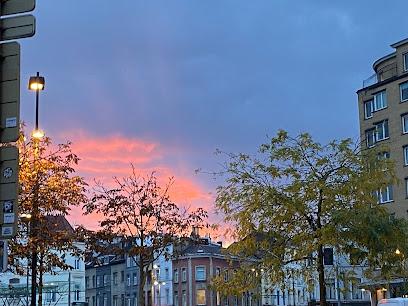
Horta-Lambeaux Pavilion
1.0 km
Explore the Horta-Lambeaux Pavilion, a stunning museum in Brussels showcasing the Art Nouveau brilliance of Victor Horta through captivating sculptures and designs.
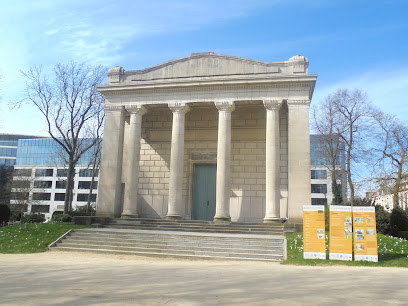
Art & History Museum
1.1 km
Explore the Art & History Museum in Brussels, a cultural gem showcasing Belgium's rich heritage through art and historical artifacts.
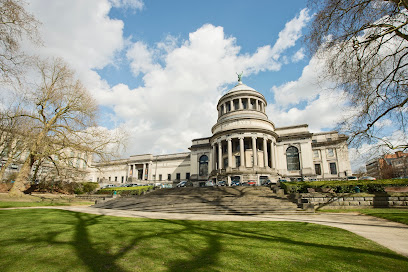
Parc du Cinquantenaire
1.1 km
Explore the lush landscapes and historical treasures of Parc du Cinquantenaire, Brussels' premier park and cultural hub.

Monument à Charles De Coster
1.1 km
A tribute to Charles De Coster in Ixelles, celebrating the spirit of Flanders through his iconic characters, Thyl Ulenspiegel and Nele.
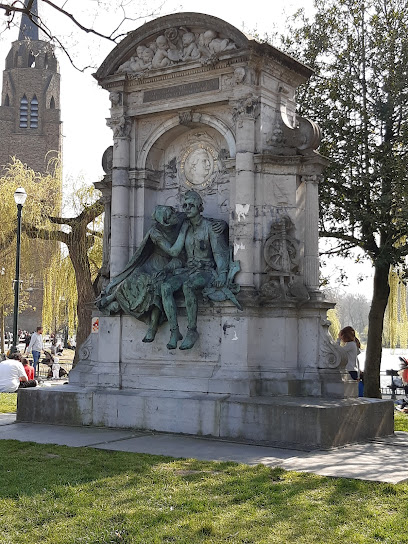
Ixelles Ponds
1.1 km
Escape the city bustle at Ixelles Ponds, a historic and picturesque green space in the heart of Brussels.
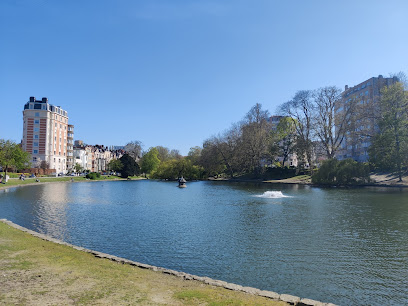
Essential places to dine

The beer factory
0.3 km
Experience the essence of Belgian culture at The Beer Factory, where tradition meets flavor in every glass.
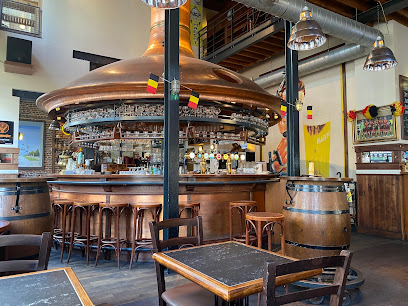
London Brasserie
0.4 km
Discover authentic Belgian cuisine at London Brasserie in Ixelles – a perfect blend of tradition and modern flair.
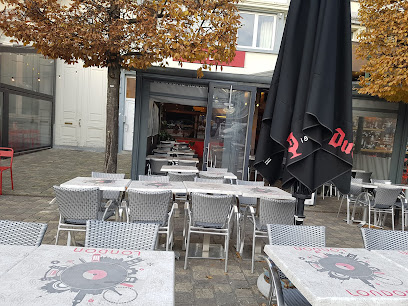
Quartier Leopold
0.4 km
Experience exceptional Belgian cuisine at Quartier Leopold—where tradition meets innovation in every delicious bite.
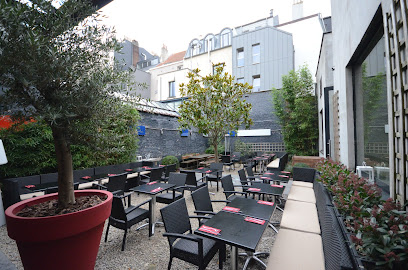
Porto Fino
0.5 km
Discover authentic Italian cuisine at Porto Fino in Brussels—where every dish tells a story of tradition and flavor.
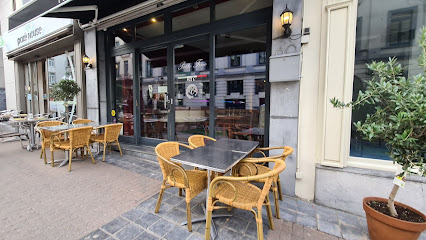
Maison du Luxembourg
0.5 km
Experience fine dining at Maison du Luxembourg in Ixelles - where exquisite flavors meet elegant ambiance.
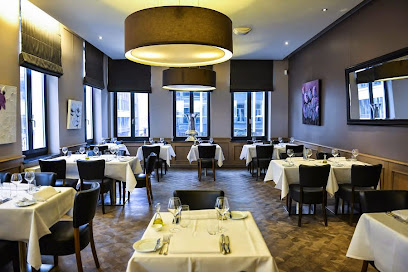
Meeus
0.7 km
Discover Meeus in Brussels: A culinary haven blending French elegance with hearty Belgian flavors.
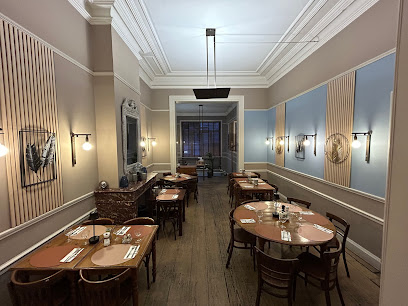
Brighton Restaurant
0.7 km
Discover Brighton Restaurant: A fine dining haven in Brussels offering exquisite French and Mediterranean cuisine.
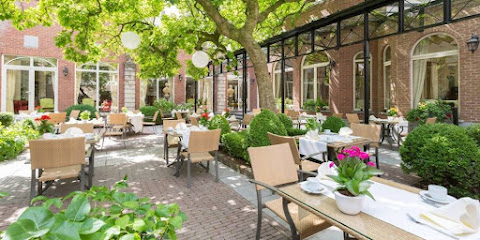
ZouZou Brussels
0.7 km
Experience the best of Belgian cuisine at ZouZou Brussels in Ixelles—where fresh ingredients meet culinary creativity.
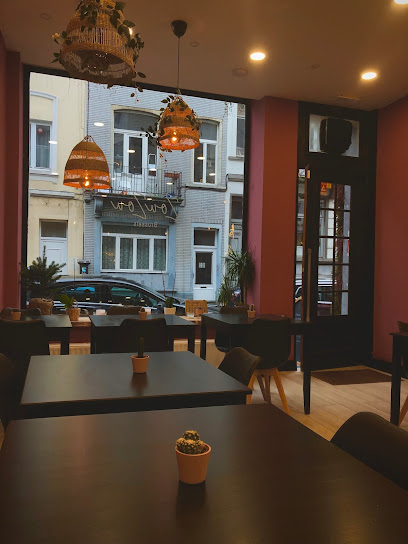
Dans le Noir ? Brussels - Dining in the dark experience
0.7 km
Experience sensory dining at Dans le Noir ? Brussels - where taste takes center stage in total darkness.
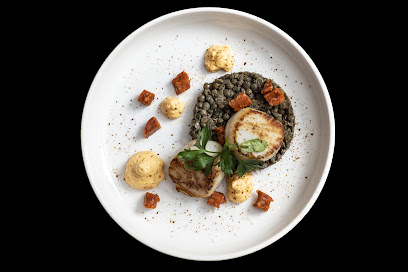
Nena Grill
0.7 km
Experience the rich flavors of barbecue and Belgian cuisine at Nena Grill in Ixelles – where every meal is a celebration.
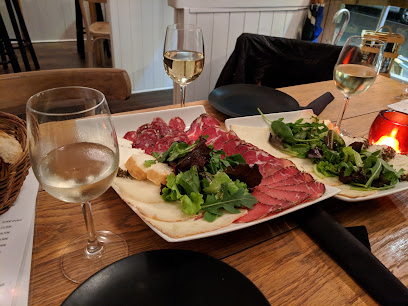
Volle Gas
0.8 km
Savor authentic Belgian and French cuisine at Volle Gas in Ixelles—where culinary excellence meets inviting ambiance.
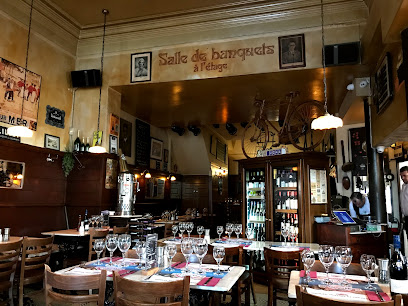
Saint Boniface
0.8 km
Experience authentic French cuisine at Saint Boniface in Ixelles, where each dish tells a story of flavor and tradition.
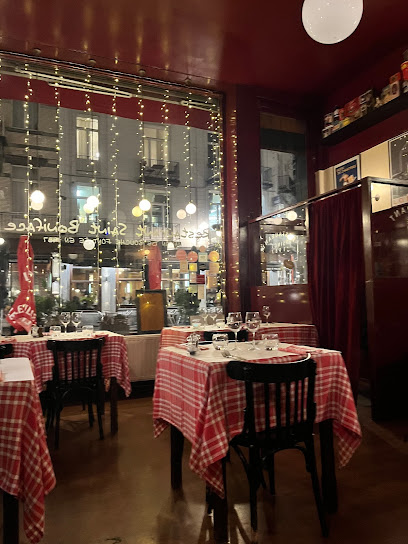
Le Clan des Belges
0.8 km
Experience authentic Belgian cuisine paired with exceptional craft beers at Le Clan des Belges in Ixelles.
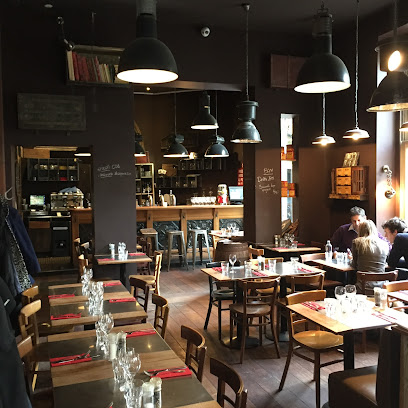
Mano à Mano
0.8 km
Experience authentic Italian cuisine at Mano à Mano in Ixelles – where every dish tells a story of tradition and flavor.
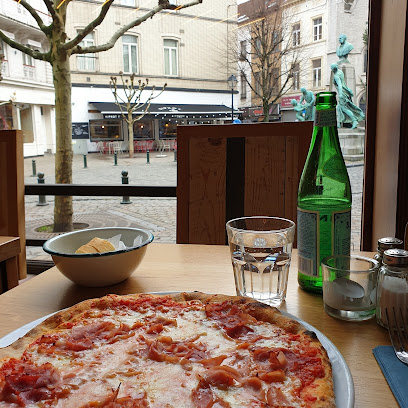
Winehouse Osteria - Le Delizie
0.9 km
Discover authentic Italian cuisine at Winehouse Osteria - Le Delizie in Ixelles, where exquisite flavors meet an extensive wine selection.
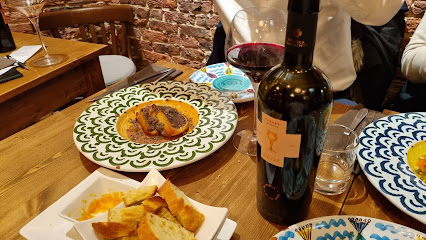
Markets, malls and hidden boutiques

Kalamity vintage store
0.7 km
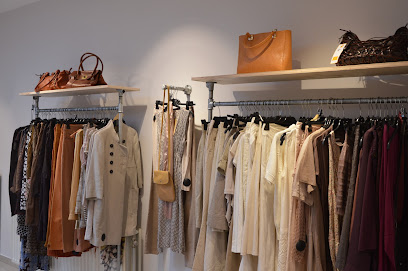
Explore unique vintage fashion at Kalamity Vintage Store in Ixelles, where every piece tells a story and style comes alive.
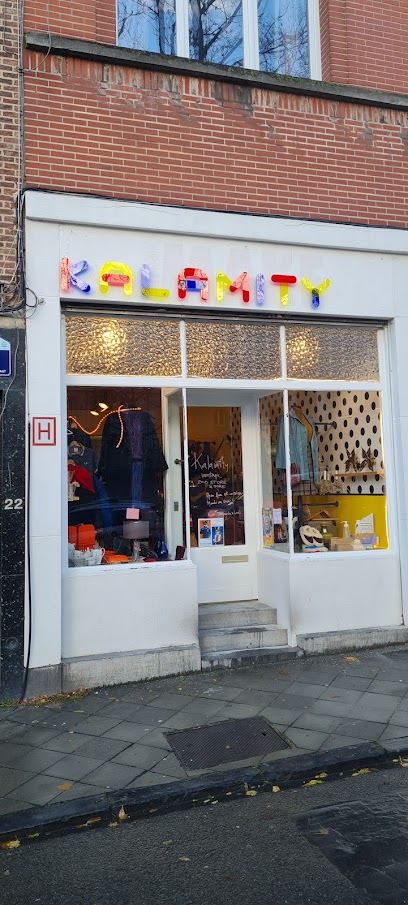
Boutique
0.9 km
Explore Ixelles' Boutique Gift Shop for unique handcrafted treasures and local artistry, perfect for memorable souvenirs and gifts.
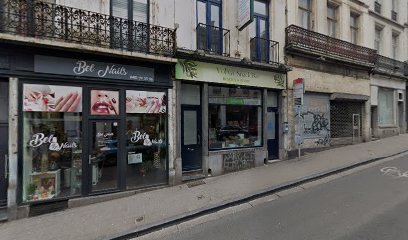
CASA Elsene
1.0 km
Discover CASA Elsene in Ixelles, a unique gift shop offering exquisite home goods, furniture, and more for an unforgettable shopping experience.
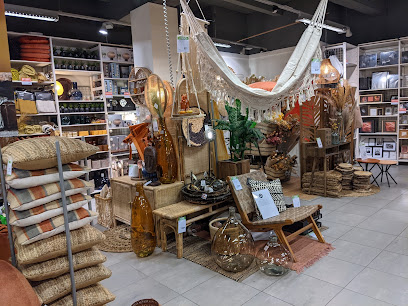
Flying Tiger Copenhagen
1.1 km
Explore Flying Tiger Copenhagen in Brussels for unique gifts, fun accessories, and a whimsical shopping experience that captures the spirit of creativity.
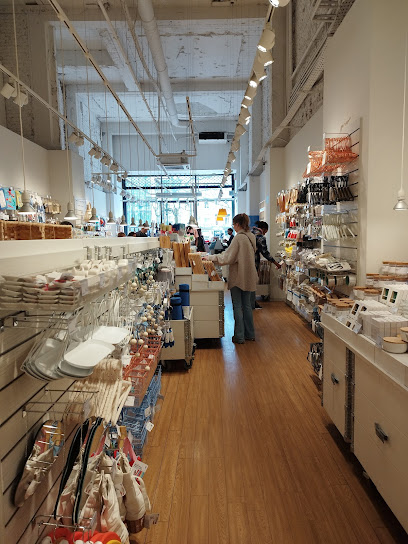
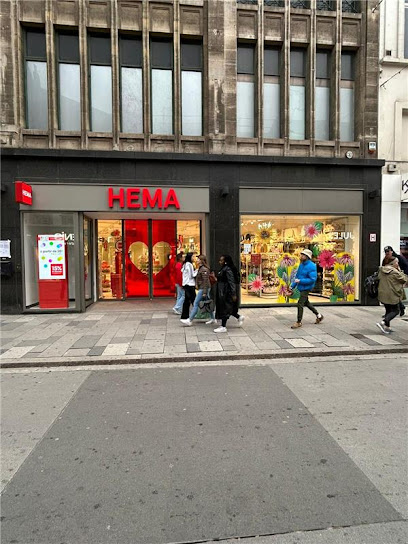
HEMA
1.2 km
Shop at HEMA in Brussels for a unique blend of gifts, fashion, and home essentials, reflecting Belgian charm and style.
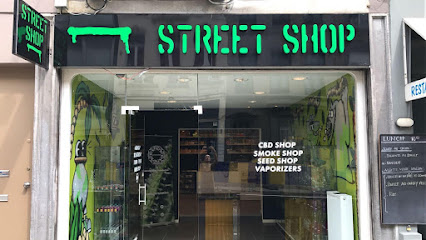
StreetShop
1.3 km
Explore the vibrant cannabis culture at StreetShop in Ixelles, where quality meets community in a welcoming atmosphere.
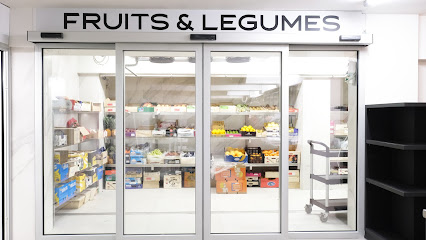
Le Marché des Chefs
1.3 km
Explore the exquisite organic and gourmet offerings at Le Marché des Chefs, Ixelles’ hidden culinary treasure for food enthusiasts.
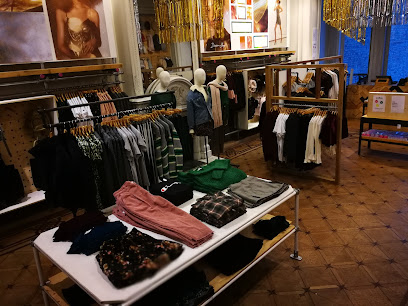
Urban Outfitters
1.4 km
Explore Urban Outfitters in Ixelles, a stylish shopping haven for trendy clothing, unique gifts, and eclectic home goods in Brussels.
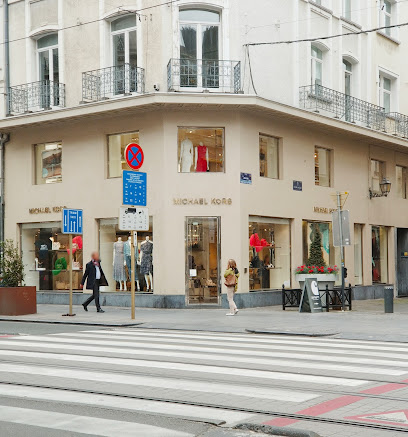
Michael Kors
1.4 km
Explore the luxurious world of Michael Kors in Brussels, where fashion accessories, clothing, and jewelry meet elegance on Avenue Louise.
Luxury Outlet Belgium
1.5 km
Experience luxury shopping in Brussels at Luxury Outlet Belgium, where designer brands meet unbeatable prices for the ultimate retail experience.
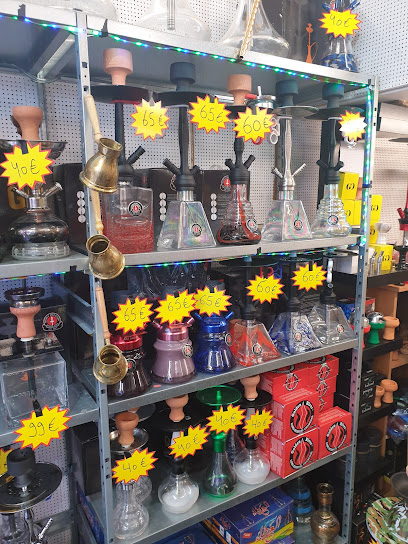
Non Stop Gold
1.5 km
Explore the enchanting world of fashion accessories at Non Stop Gold in Saint-Josse-ten-Noode, where style meets creativity and local craftsmanship.
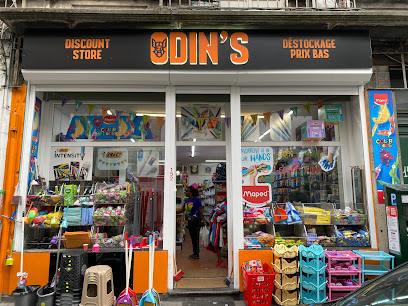
ODIN'S DISCOUNT STORE
1.5 km
Explore Odin's Discount Store in Brussels for unique finds and unbeatable prices, perfect for tourists seeking local treasures.
Spullenhulp
1.5 km
Explore Spullenhulp: A Unique Boutique for Vintage Clothing and Sustainable Fashion in Saint-Josse-ten-Noode.
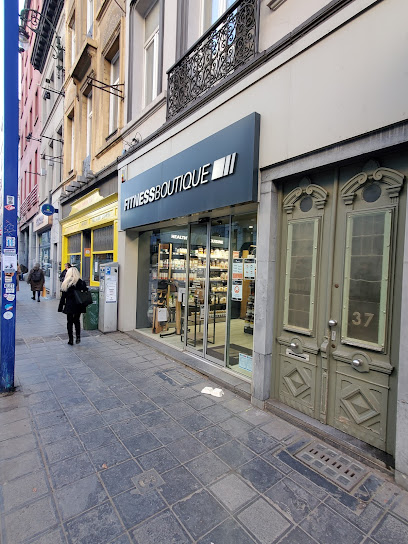
FitnessBoutique Bruxelles Saint-Gilles
1.5 km
Explore FitnessBoutique Bruxelles Saint-Gilles for premier fitness equipment, sports accessories, and nutritional supplements in the heart of Brussels.
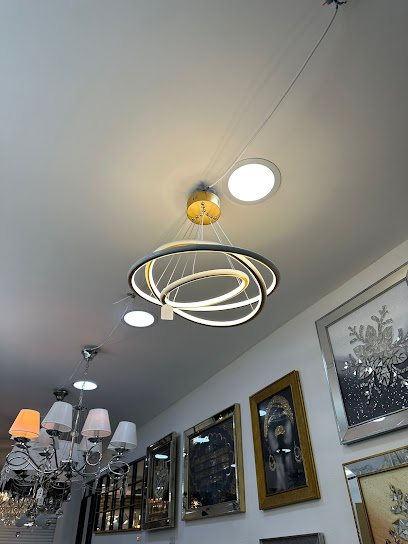
ELMAS HOME
1.5 km
Discover ELMAS HOME, a charming gift shop in Saint-Josse-ten-Noode, offering unique treasures from floral arrangements to stylish decor.
Essential bars & hidden hideouts

Vertical
0.8 km
Discover the chic atmosphere and expertly crafted cocktails at Vertical, Ixelles' premier cocktail bar for an unforgettable night out.
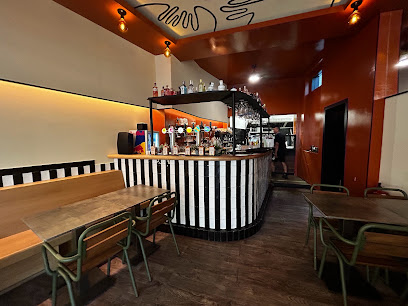
De Haus
0.8 km
Experience the vibrant nightlife of Ixelles at De Haus, a cocktail bar offering innovative drinks and a stylish atmosphere for an unforgettable evening.
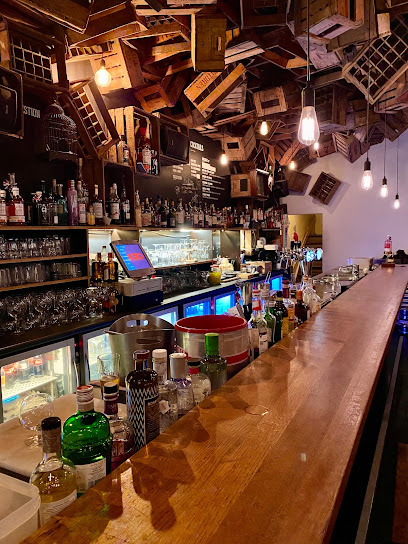
The Wild Geese
0.9 km
Experience the spirit of Ireland in Brussels at The Wild Geese, where hearty cuisine and lively entertainment await.
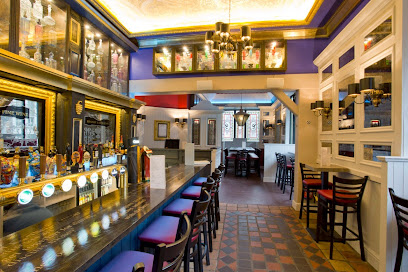
The Hairy Canary
1.0 km
Experience the vibrant nightlife of Brussels at The Hairy Canary, where great drinks and lively atmosphere await!
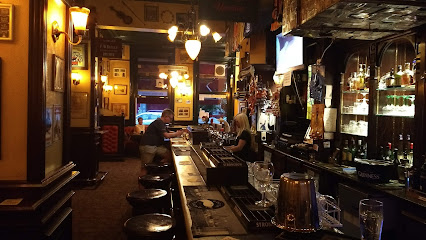
Let's Meet in Belgium
1.0 km
Experience the vibrant nightlife at Let's Meet in Belgium, a cozy bar in the heart of Brussels, serving local brews and delicious snacks.
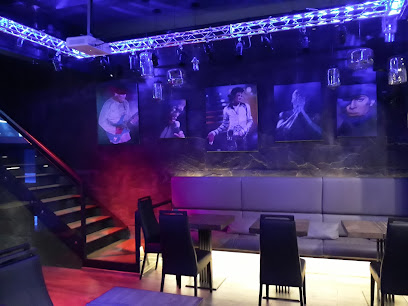
The Funky Monkey
1.1 km
Experience the vibrant flavors and lively atmosphere of The Funky Monkey in Brussels, where traditional pub fare meets modern culinary creativity.
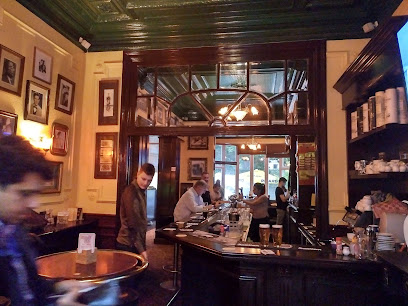
Pitch Pin
1.1 km
Experience the vibrant atmosphere of Pitch Pin, a top bar in Brussels, where local flavors and friendly vibes make for an unforgettable night out.
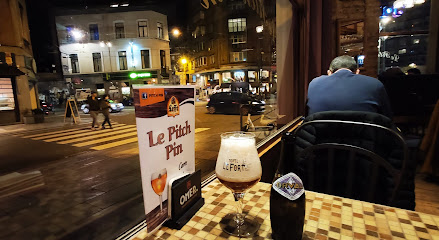
de Valera's
1.1 km
Discover the lively spirit of Ixelles at de Valera's, where great drinks and local culture come together in a cozy pub atmosphere.
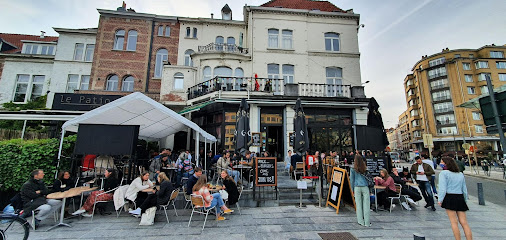
L'Amère à Boire
1.1 km
Experience the vibrant atmosphere and unique craft beers of L'Amère à Boire, the heart of Ixelles' nightlife.
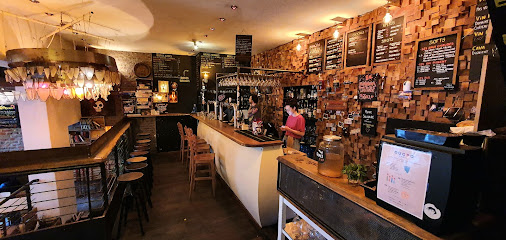
FLIP
1.1 km
Discover FLIP in Ixelles: Affordable drinks, lively atmosphere, and a great place to connect with locals and travelers alike.
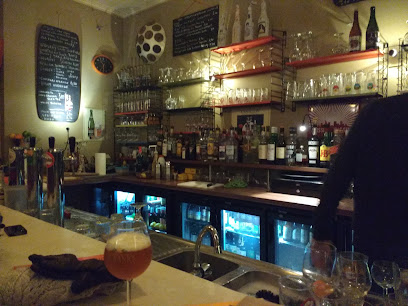
Market Bar
1.2 km
Experience the vibrant nightlife of Brussels at Market Bar, your go-to spot for delicious drinks and a lively atmosphere.
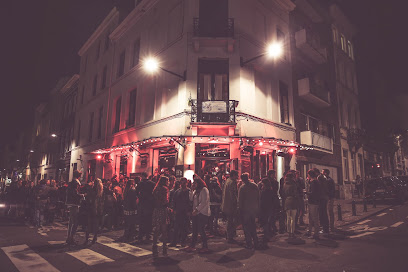
Piola Libri
1.2 km
Discover the charm of Piola Libri, where books, delicious food, and live music create an unforgettable experience in Brussels.
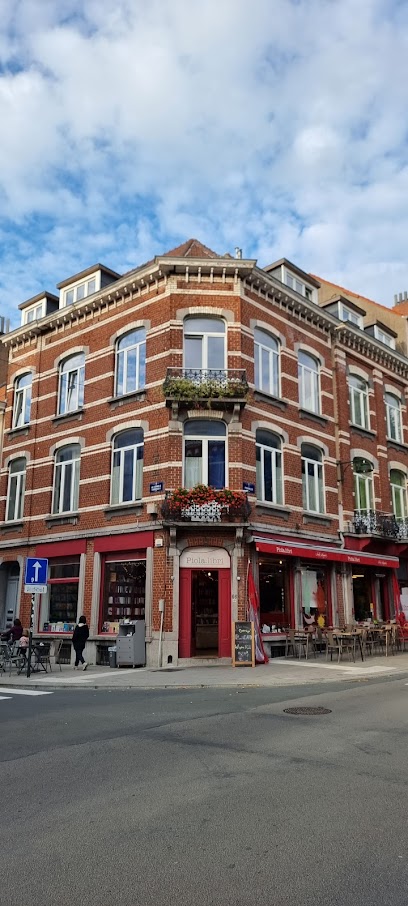
Edgar’s Flavors
1.3 km
Discover the best cocktails in Brussels at Edgar’s Flavors, where creativity meets comfort in a stylish bar setting.
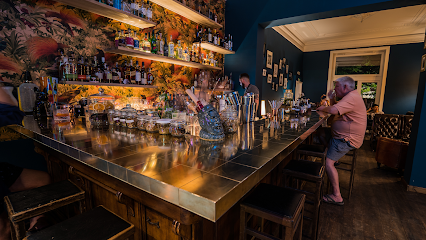
Loui Cocktail Bar & Restaurant
1.4 km
Discover the chic ambiance and exquisite cocktails at Loui Cocktail Bar & Restaurant, the perfect spot for a luxurious night out in Brussels.
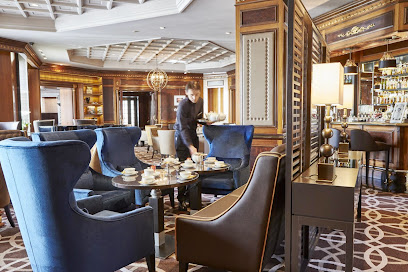
Le vieux Saint Josse
1.5 km
Discover the vibrant atmosphere and extensive drink selection at Le Vieux Saint Josse, a charming bar in the heart of Brussels.
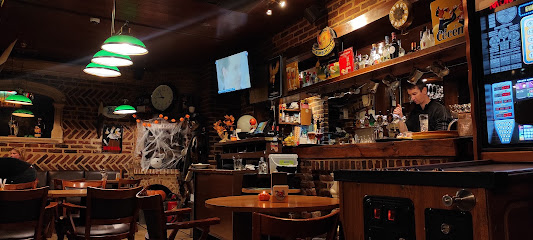
Nightclubs & after hour spots

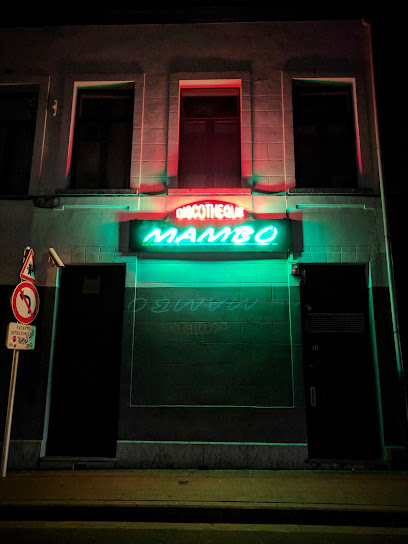
Discothèque Mambo
0.8 km
Discover the pulsating nightlife of Brussels at Discothèque Mambo, where music, dance, and vibrant energy come together for an unforgettable experience.
Club 13
0.9 km
Dive into the heart of Brussels nightlife at Club 13, where music, dance, and unforgettable moments await every visitor.
NAO Brussels
1.0 km
Experience the vibrant nightlife at NAO Brussels, where electrifying music and unforgettable memories await in the heart of the city.
Spirito Brussels
1.1 km
Experience the electrifying nightlife at Spirito Brussels, where chic decor meets pulsating beats in an unforgettable disco atmosphere.
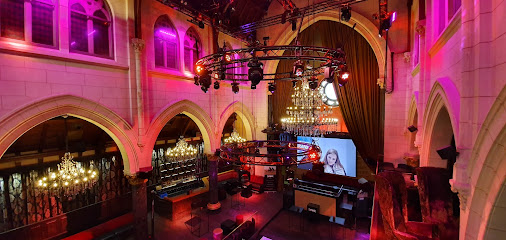
Club 144
1.3 km
Experience the electrifying nightlife of Brussels at Club 144, where music and dance come alive in a vibrant atmosphere.
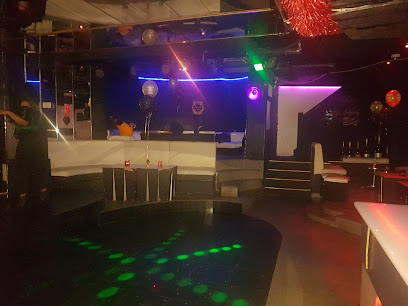
Escourt Belgique
1.4 km
Experience the vibrant nightlife at Escourt Belgique in Saint-Josse-ten-Noode, where music, dancing, and unforgettable moments await.
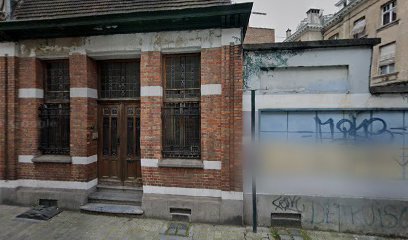
Not In Club
1.4 km
Dive into the vibrant nightlife of Brussels at Not In Club, a disco haven for music lovers and party enthusiasts.
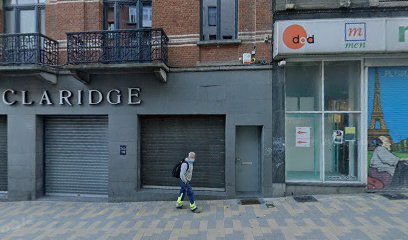
Night Club L'interdit
1.5 km
Join the vibrant nightlife at L'interdit Night Club in Ixelles, Brussels, where electrifying music and an energetic crowd create unforgettable experiences.
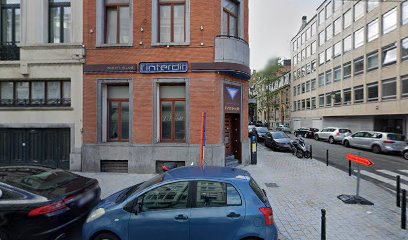
The funny Horse Club
1.5 km
Experience the vibrant nightlife of Brussels at The Funny Horse Club, where electrifying beats and refreshing drinks await you until dawn.
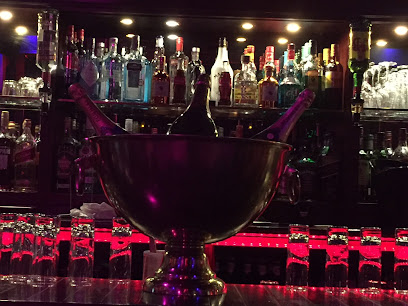
Mode Av
1.5 km
Discover the exhilarating nightlife at Mode Av, the premier disco club in Brussels, where unforgettable nights and vibrant beats await.
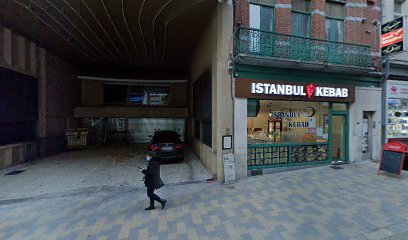
Unseen
1.5 km
Unseen is the heartbeat of Saint-Josse-ten-Noode's nightlife, where dance, music, and unforgettable memories await every night.
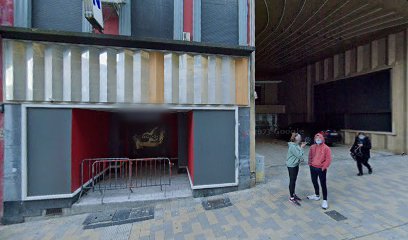
Le Peplum
1.5 km
Discover Le Peplum, Brussels' premier adult entertainment club, offering a vibrant nightlife experience with exceptional service and thrilling entertainment.
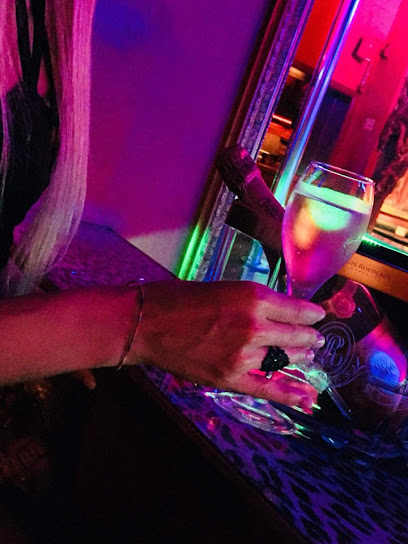
Mirano Bruxelles
1.5 km
Discover the vibrant nightlife of Mirano Bruxelles, a premier disco club in Brussels offering an electrifying atmosphere and unforgettable dance experiences.
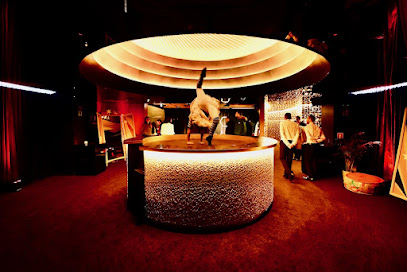
Club Clan
1.5 km
Discover Club Clan, Brussels' ultimate bar and nightclub fusion, where vibrant nightlife and eclectic entertainment come alive amidst a cosmopolitan atmosphere.
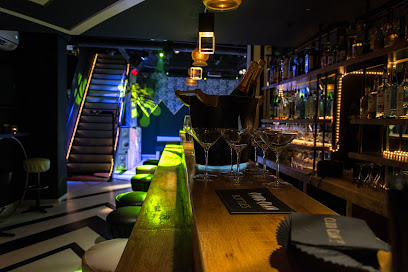
Ricci
1.6 km
Experience the vibrant nightlife of Ixelles at Ricci, Brussels' premier night club, where electrifying music and a lively atmosphere await.