From Eve
Know before you go
Hi, I'm Eve. Here are a few practical things to know before exploring Château Malou.
Local know-how to help you travel smarter and make the most of every moment.

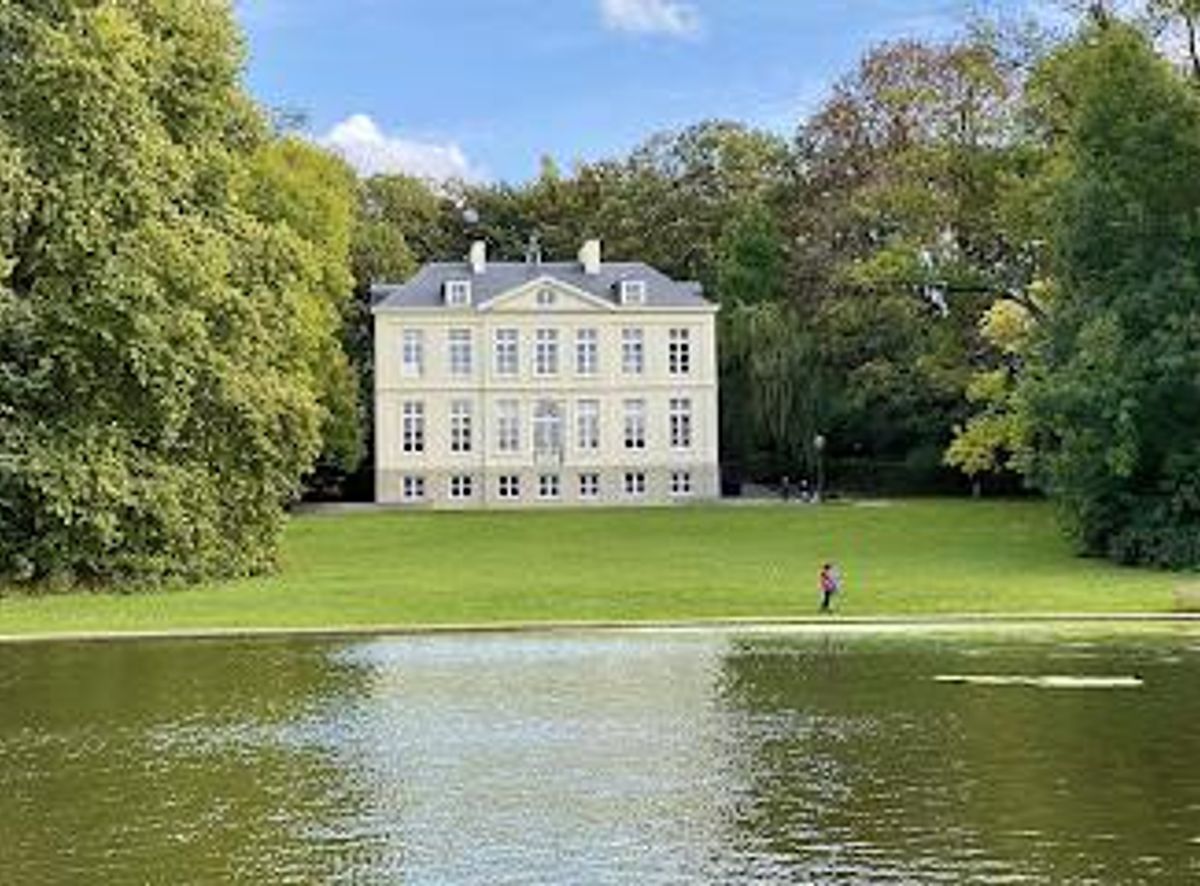
Discover Château Malou in Brussels: A neoclassical château with a rich history, stunning architecture, and serene park, perfect for cultural events and tranquil escapes.
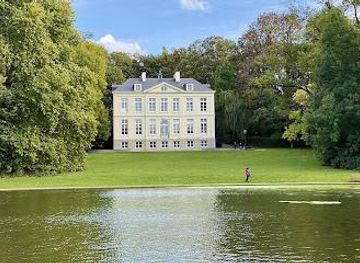
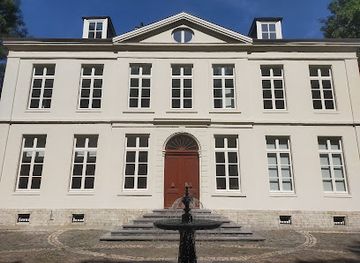
Château Malou, nestled in the serene Malou Park of Woluwe-Saint-Lambert, Brussels, is a neoclassical château steeped in history. Built in 1776 by Lambert de Lamberts, replacing a 17th-century hunting lodge, it has been home to notable figures like Minister Jules Malou, whose name it bears today. The château, owned by the municipality since 1950, hosts cultural activities, exhibitions, and wedding celebrations. Surrounded by lush greenery and overlooking the Woluwe stream, the château offers a tranquil escape and a glimpse into Brussels' rich past. Explore its elegant architecture, wander through the picturesque park, and discover the stories within its walls, making it a worthwhile visit for history buffs and nature lovers alike. The surrounding park provides a beautiful backdrop for leisurely strolls and picnics.
Opening times, essentials, and a few local tips gathered into one calmer, easier-to-scan planning section.
Hi, I'm Eve. Here are a few practical things to know before exploring Château Malou.
Local know-how to help you travel smarter and make the most of every moment.
Public Transport
From the Roodebeek metro station (Line 1), take bus 29, 42, or 45 and disembark at the Voot stop. Alternatively, take tram 8 to the Voot stop. From there, walk along Rue Voot, then turn left onto Allée Pierre Levie. The château will be on your right. A single ticket for STIB (Brussels public transport) costs €2.10 when purchased in advance or €2.50 when purchased from the driver.
Driving
From the Brussels Ring Road (R0), take the Woluwe-Saint-Lambert exit. Follow signs for Woluwe-Saint-Lambert and then for Château Malou. Limited parking is available directly at Château Malou. Parking is free. Alternatively, paid parking is available at Woluwe Shopping Center, a short walk away, with special evening rates (€2 from 7 PM to 9 AM).
Use Tower Bridge as your starting point for nearby food, family ideas, nightlife, and more local discoveries.

Explore expert travel guides, compare and book tours, experiences, hotels, and more—all from the palm of your hand. Download now for seamless trip planning wherever your wanderlust takes you.
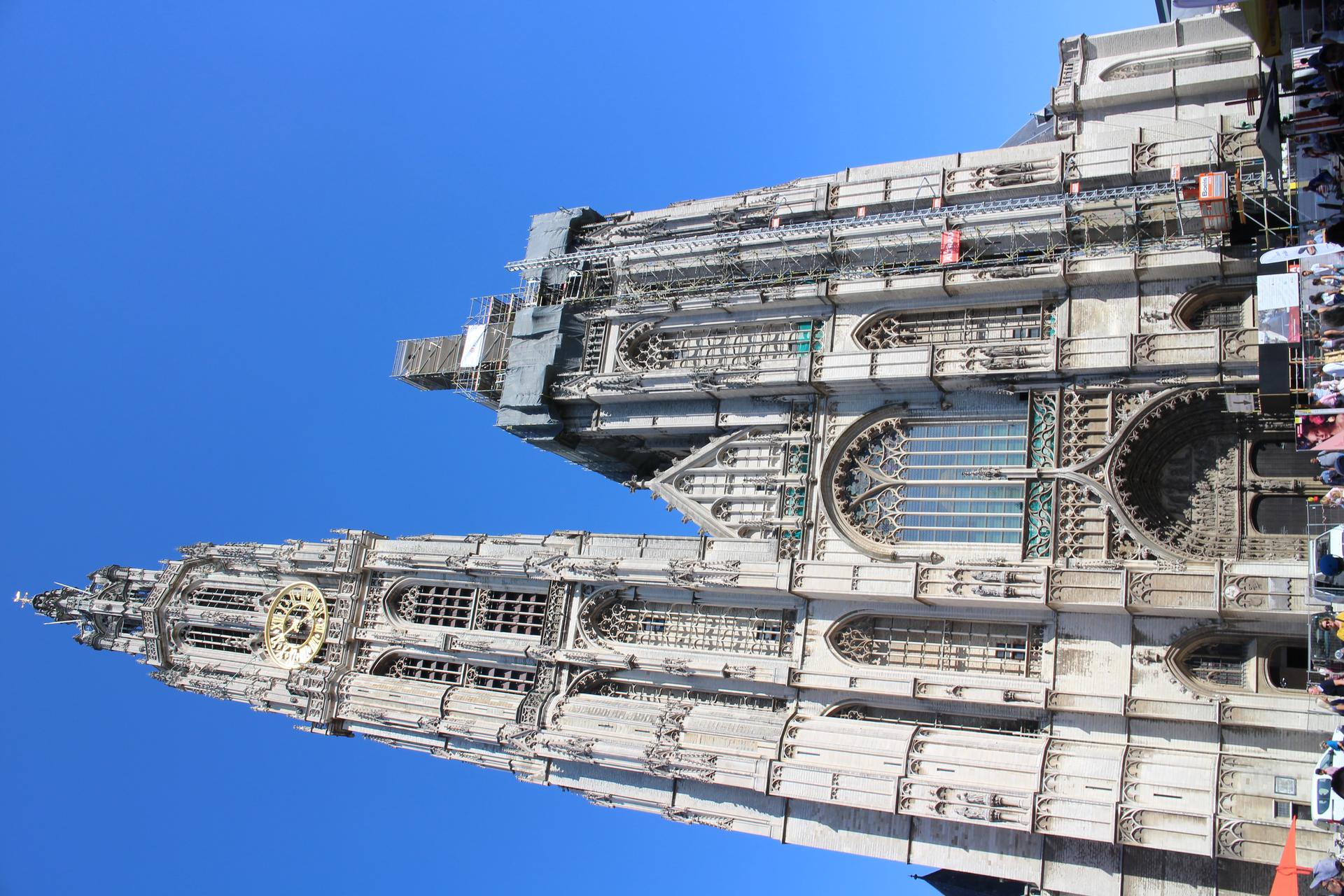
Discover Antwerp, Belgium's diamond capital, where history meets modernity in a vibrant cityscape, offering rich culture, world-class art, and culinary delights.
Tell me more about Antwerp