Church of Saint Catherine: A Brussels Landmark
Discover the architectural wonder of the Church of Saint Catherine in Brussels, a serene cultural hub blending Gothic, Renaissance, and Baroque styles, surrounded by a vibrant square with dining and historical charm.
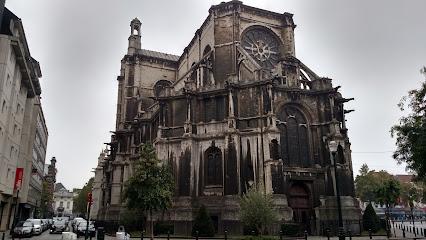
The Church of Saint Catherine, Église Sainte-Catherine in French or Sint-Katelijnekerk in Dutch, stands as a captivating landmark in Brussels, Belgium. Built between 1854 and 1874, this Catholic parish church replaced a 15th-century predecessor, incorporating the site of a former dock. Designed by architect Joseph Poelaert, also known for Brussels' Palace of Justice, the church showcases an eclectic style blending Gothic structure with Renaissance and Baroque decoration, drawing inspiration from 16th-century French churches like St. Eustache in Paris. Its location on Place Sainte-Catherine places it amidst a vibrant atmosphere, surrounded by restaurants and historical remnants, making it a serene escape and a cultural focal point in the heart of Brussels.
A brief summary to Church of Saint Catherine
- Pl. Sainte-Catherine 50, Brussels, Brussel, 1000, BE
- +32492766617
- Visit website
- Monday 9:30 am-8 pm
- Tuesday 9:30 am-8 pm
- Wednesday 9:30 am-8 pm
- Thursday 9:30 am-8 pm
- Friday 9:30 am-8 pm
- Saturday 9:30 am-6:30 pm
- Sunday 9:30 am-6:30 pm
Local tips
- Visit during the week to avoid crowds and enjoy a more peaceful experience.
- Check the church's schedule for special events or concerts that may enhance your visit.
- Explore the surrounding Place Sainte-Catherine for a variety of restaurants, cafes, and shops.
- Don't miss the nearby Black Tower, a remnant of Brussels' first defensive walls.
- Take time to admire the stained-glass windows inside the church, best viewed in the afternoon light.

Getting There
-
Public Transport
The Church of Saint Catherine is easily accessible by public transport. The Sainte-Catherine/Sint-Katelijne metro station (lines 1 and 5) is located directly beneath Place Sainte-Catherine, with station exits leading directly onto the square in front of the church. A single metro ticket costs €3 and is valid for 60 minutes with unlimited transfers within the STIB/MIVB network.
-
Walking
From Brussels Central Station, the Church of Saint Catherine is approximately a 15-20 minute walk. Head north from the station towards Place de la Bourse, then continue along Rue Antoine Dansaert. The church will be visible at Place Sainte-Catherine. No costs involved.
-
Taxi/Ride-Share
A taxi or ride-share from Brussels Central Station to the Church of Saint Catherine typically costs between €10 and €15, depending on traffic and the specific service used. The journey usually takes around 5-10 minutes.
-
Driving
If driving, be aware that parking in the immediate vicinity of Place Sainte-Catherine can be limited and expensive. The Brucity car park, located under the new administrative center of the city, is less than 50 meters from Place Sainte-Catherine and offers 451 spaces. Hourly rates are approximately €3.24-€3.60, and a full day costs €25.20-€28.00. On-street parking is also available in the area, but it is subject to time restrictions and fees. Paid parking is enforced Monday to Saturday from 9:00 to 21:00. Expect to pay around €2.00 for 1 hour or €5.00 for 2 hours.
Discover more about Church of Saint Catherine
Iconic landmarks you can’t miss

Beursschouwburg
0.2 km
A multidisciplinary arts center in Brussels showcasing innovative performances, concerts, exhibitions, and debates in a historic building.
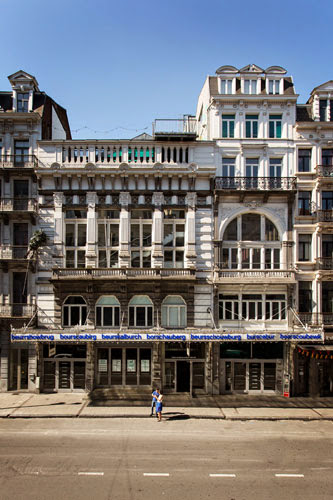
Pl. de la Bourse
0.3 km
Discover the architectural beauty and vibrant atmosphere of Pl. de la Bourse, a must-visit square in the heart of Brussels.
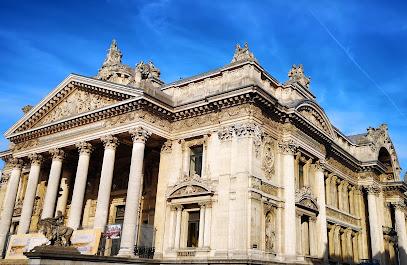
Rue Antoine Dansaert
0.3 km
Discover the charming Rue Antoine Dansaert, Brussels' vibrant street known for fashion boutiques, cafes, and a rich cultural experience.
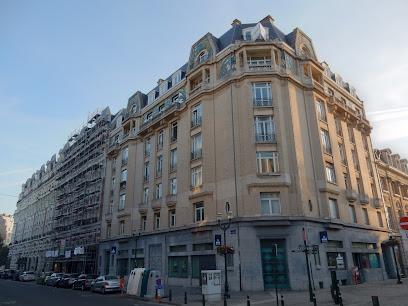
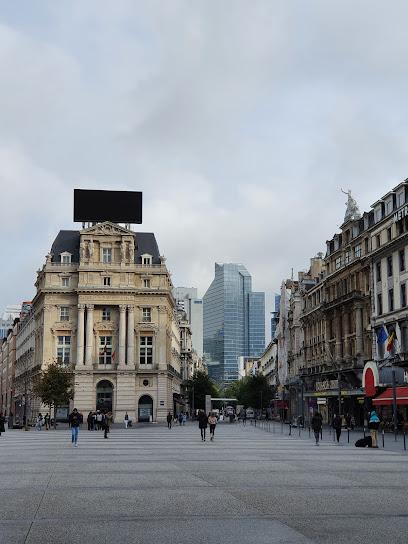
De Brouckèreplein
0.3 km
Explore the historic De Brouckèreplein in Brussels, a vibrant cultural hub filled with shops, cafes, and stunning architecture.
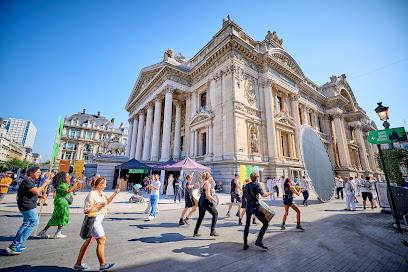
Brussels Stock Exchange
0.4 km
Discover the Brussels Stock Exchange, a historical landmark blending stunning architecture with rich financial heritage in the heart of Belgium's capital.
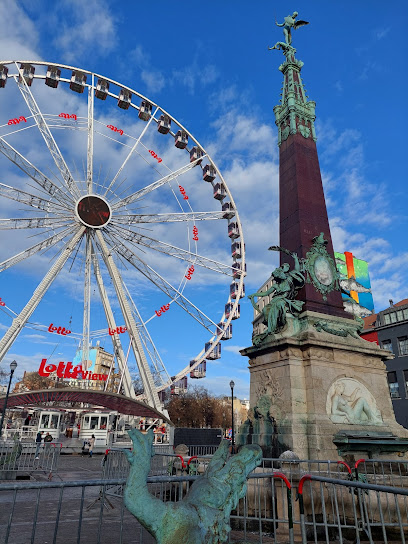
Monument au Pigeon-Soldat
0.4 km
Explore the Monument au Pigeon-Soldat in Brussels, a unique tribute to messenger pigeons of WWI, blending history with stunning artistry.
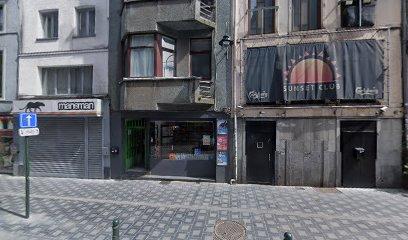
Rue des Riches Claires 9
0.4 km
Explore the stunning architecture and vibrant atmosphere of Rue des Riches Claires, a historic street in the heart of Brussels, Belgium.
Jeanneke Pis
0.5 km
Experience the whimsical charm of Jeanneke Pis, a quirky fountain in Brussels that embodies the city's rich culture and humor.
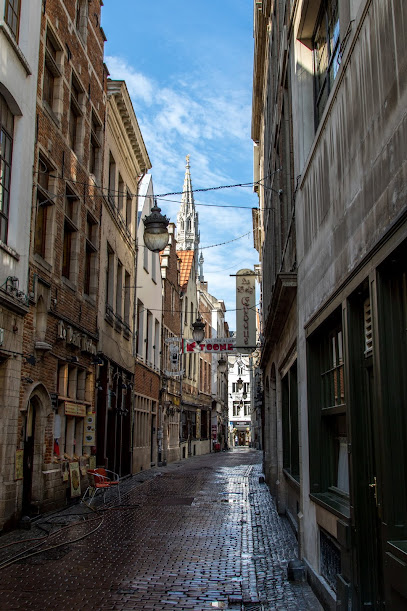
Grand Place 4
0.5 km
Discover the enchanting Grand Place in Brussels, where history, architecture, and vibrant culture converge in a breathtaking UNESCO World Heritage site.
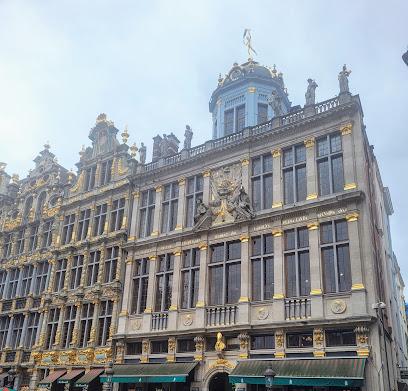
Maison du Cornet
0.5 km
Explore the architectural marvel of Maison du Cornet, a historical landmark in the heart of Brussels' stunning Grand Place.
Grand Place 8
0.5 km
Explore the enchanting Grand Place in Brussels, a UNESCO World Heritage site that showcases stunning architecture and vibrant culture, perfect for every traveler.
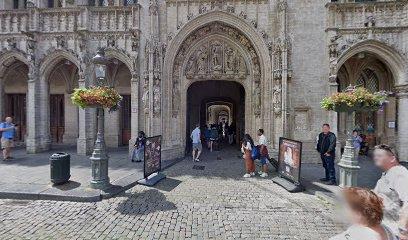
Brussels Town Hall
0.5 km
Explore the majestic Brussels Town Hall, a stunning Gothic masterpiece in the heart of the Grand Place, rich in history and architectural beauty.

Grand Place
0.5 km
Experience the breathtaking beauty and rich history of Grand Place, the heart of Brussels, surrounded by stunning architecture and vibrant culture.
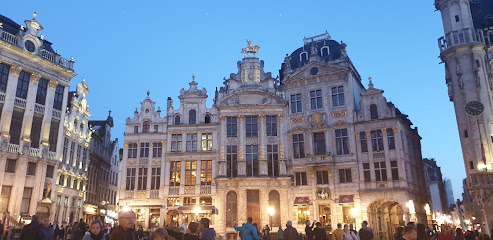
Unmissable attractions to see

Pl. Sainte-Catherine
0.0 km
Experience the enchanting Pl. Sainte-Catherine, where history, culture, and vibrant local life merge in the heart of Brussels.
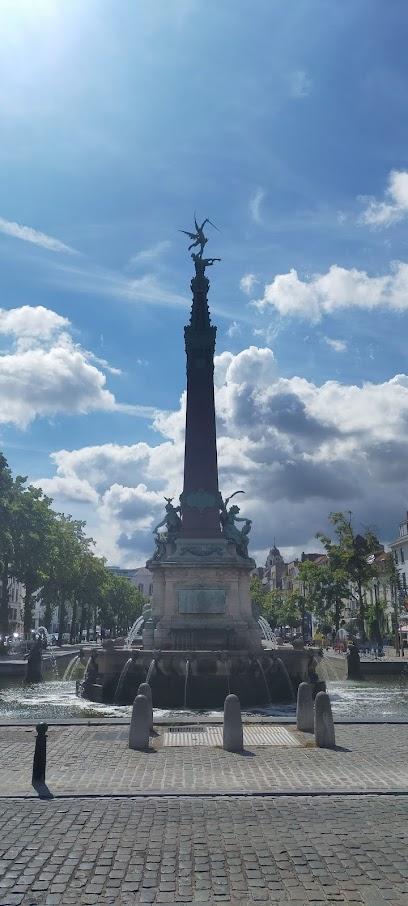
Black Tower
0.1 km
Discover the Black Tower in Brussels, a historic landmark that showcases the city's architectural beauty and rich cultural heritage.
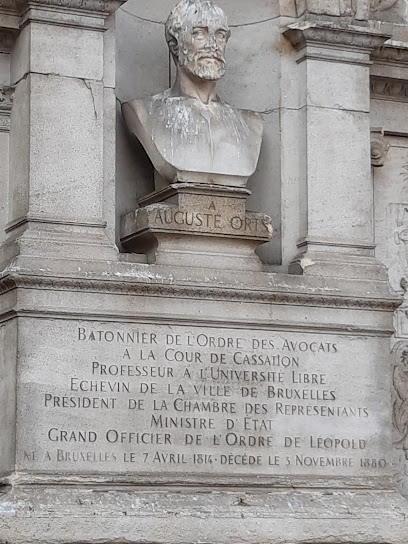
Auguste Orts Monument
0.2 km
Explore the Auguste Orts Monument, a stunning tribute to Brussels' history, located in the heart of the city, surrounded by vibrant culture and architecture.
Water Fun At The Fair
0.2 km
Explore Water Fun At The Fair in Brussels - a captivating fountain attraction perfect for families and thrill-seekers alike.
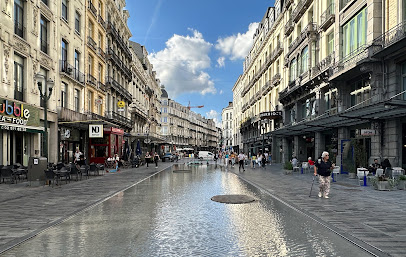
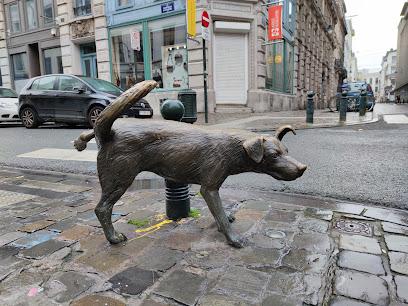
Zinneke Pis
0.3 km
Discover the whimsical charm of Zinneke Pis, the quirky fountain that embodies the playful spirit of Brussels' culture and humor.
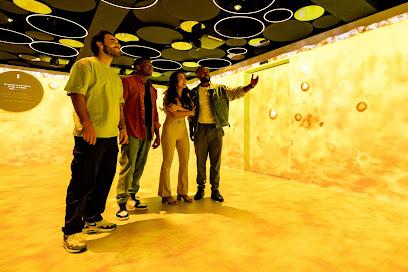
Belgian Beer World Experience
0.3 km
Explore the rich history and diverse flavors of Belgian beer at the immersive Belgian Beer World in Brussels.
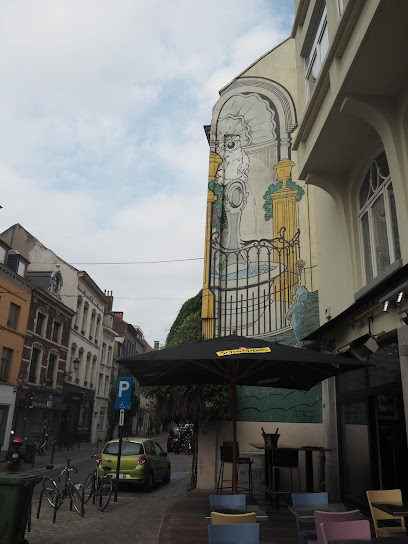
Cubitus
0.3 km
Discover the whimsical charm of Cubitus, Brussels' beloved peeing statue, a quirky landmark that brings smiles and laughter to all who visit.
Pl. Saint-Géry
0.3 km
Discover the heart of Brussels at Pl. Saint-Géry, a vibrant square filled with history, culture, and delightful culinary experiences.
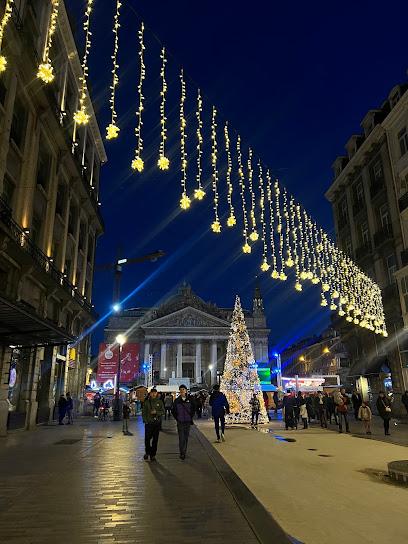
Christmas Market of Sint-Katelijneplein
0.3 km
Experience the magic of the Sint-Katelijneplein Christmas Market in Brussels, where festive stalls and delicious treats await during the holiday season.
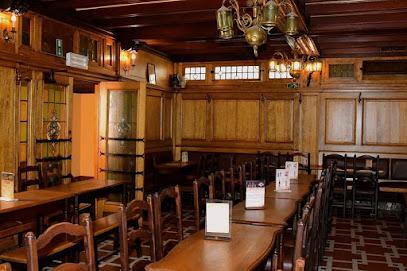
À la Bécasse
0.4 km
Experience the heart of Belgian culture at À la Bécasse, a charming beer hall in Brussels serving exquisite local beers and traditional dishes.
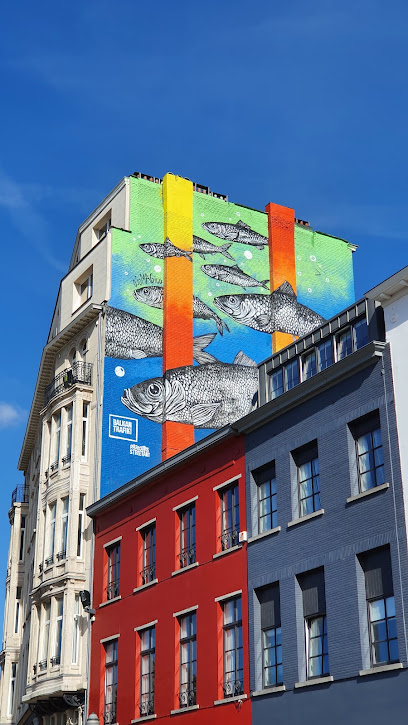
Fresque des Poissons
0.4 km
Discover the vibrant Fresque des Poissons mural in Brussels, a colorful tribute to the city's rich maritime heritage and artistic spirit.
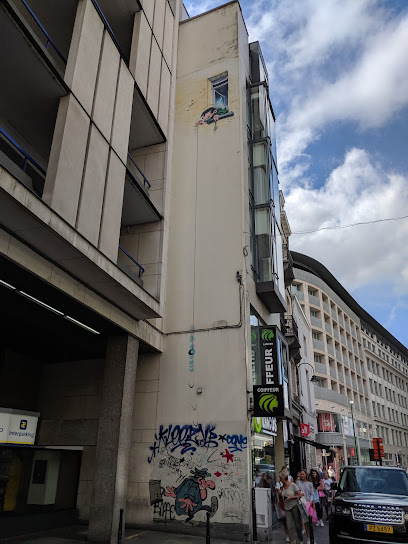
Gaston Lagaffe - Mur BD - Street Art
0.4 km
Discover the vibrant Gaston Lagaffe mural in Brussels, a celebration of Belgian comic culture and street art creativity in the heart of the city.
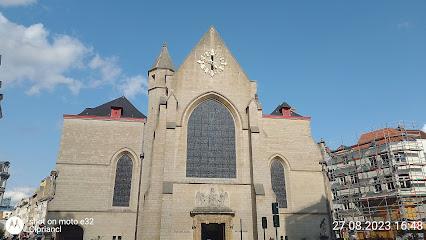
Saint Nicholas Catholic Church
0.4 km
Explore the architectural beauty and spiritual serenity of Saint Nicholas Catholic Church, an iconic landmark in the heart of Brussels.
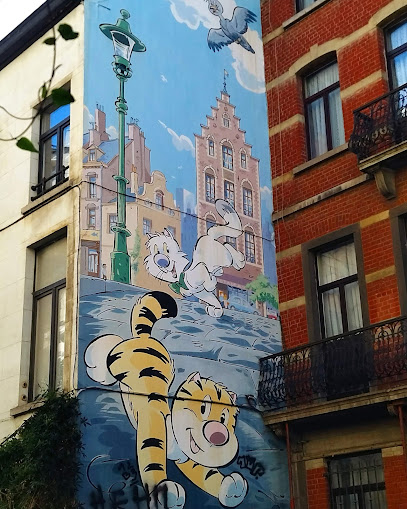
Billy The Cat - Mur Bd - Street Art
0.4 km
Explore the captivating and colorful street art of Billy The Cat in Brussels, a must-see attraction for art lovers and culture enthusiasts.
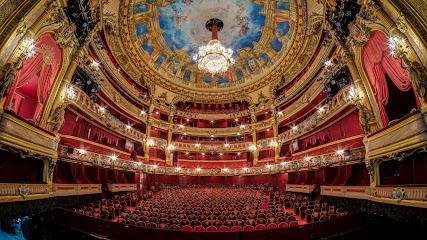
La Monnaie - De Munt
0.4 km
Discover the cultural jewel of Brussels at La Monnaie - De Munt, home to exquisite opera and performing arts in a breathtaking architectural setting.
Essential places to dine

VERTIGE
0.1 km
Experience culinary artistry at VERTIGE, where innovative Belgian cuisine meets elegant dining in the heart of Brussels.
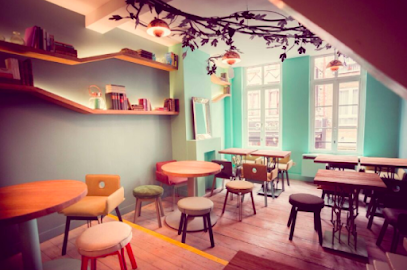
Le Pré Salé
0.1 km
Discover the delightful fusion of Belgian cuisine and sushi at Le Pré Salé in Brussels—where tradition meets innovation.
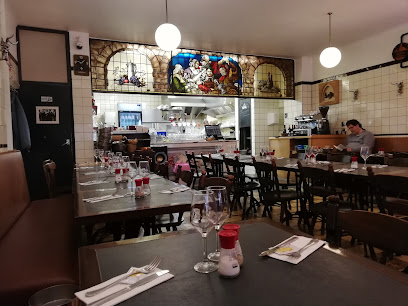
GourmetBar Brussels City Centre
0.1 km
Discover GourmetBar in Brussels City Centre - where local flavors meet modern dining in a stylish atmosphere.
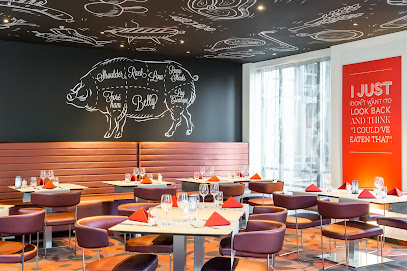
Midtown Grill Brussels
0.2 km
Experience authentic American cuisine at Midtown Grill Brussels – a haven for barbecue lovers and meat enthusiasts in Belgium's vibrant capital.
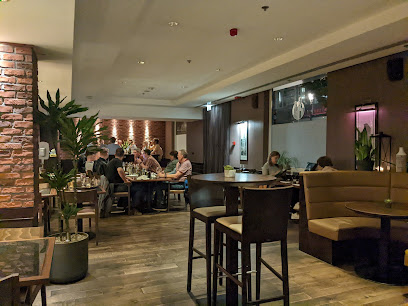
Fin de Siècle
0.2 km
Discover the essence of Belgian cuisine at Fin de Siècle – where tradition meets taste in a cozy Brussels setting.
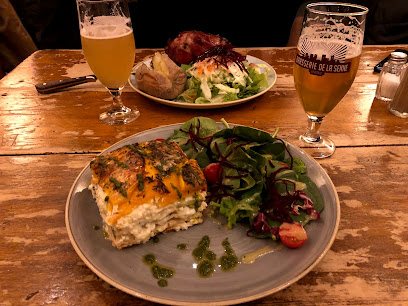
Restaurant Crush Brussels
0.2 km
Experience the best of Belgian cuisine at Restaurant Crush Brussels – where local flavors meet modern dining.
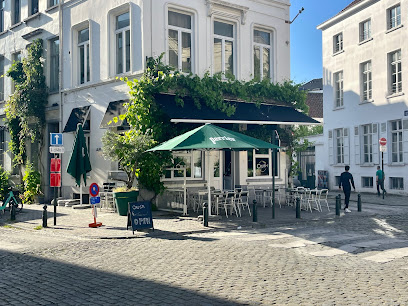
9 et Voisins
0.2 km
Discover the essence of Belgium at 9 et Voisins – where traditional flavors meet modern flair in a vibrant dining atmosphere.
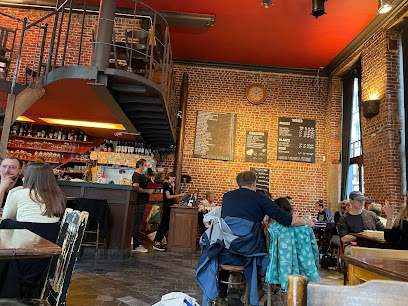
Un bout d’histoire
0.3 km
Experience the best of Belgian and Greek cuisine at Un bout d’histoire in Brussels - where family-friendly dining meets cultural flavors.
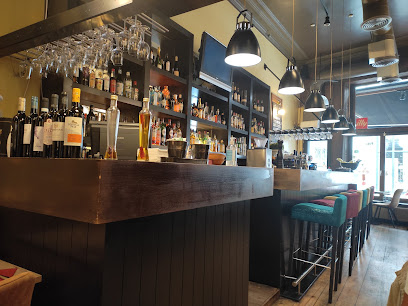
Restaurant
0.3 km
Discover authentic Belgian cuisine at this charming restaurant in Brussels' vibrant heart, where every meal tells a story.
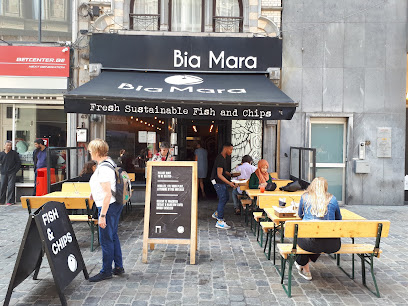
Bia Mara
0.3 km
Discover Bia Mara in Brussels for an unforgettable fish and chips experience amidst a vibrant seafood dining atmosphere.
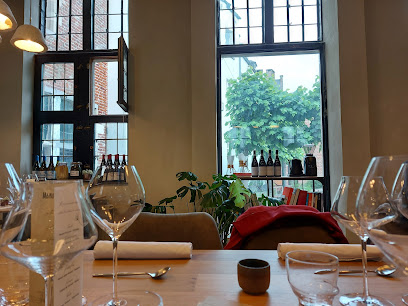
Entropy Restaurant
0.4 km
Discover exquisite haute French cuisine at Entropy Restaurant, a must-visit culinary destination in Brussels offering creativity and quality.
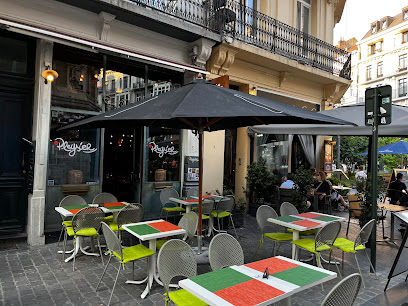
Au Pleysier
0.4 km
Experience the perfect blend of traditional Belgian flavors and modern French cuisine at Au Pleysier in Brussels.
L’Ana Thème
0.4 km
Experience authentic Belgian cuisine at L’Ana Thème in Brussels – where tradition meets flavor in every dish.
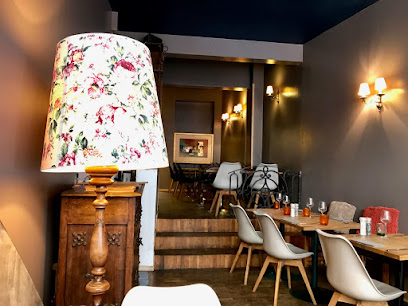
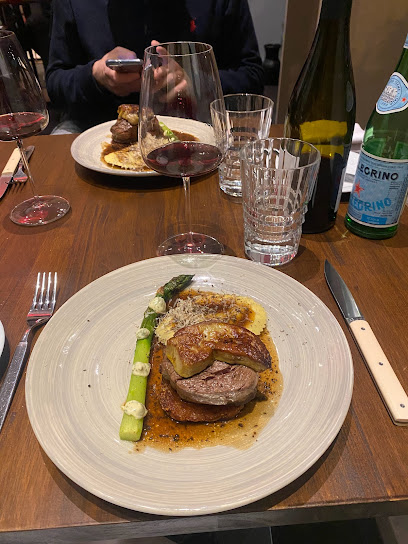
Le Rossini
0.4 km
Experience exquisite Belgian cuisine at Le Rossini in Brussels - where tradition meets modern culinary artistry.
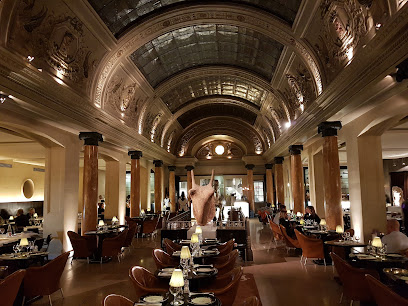
Belga Queen
0.4 km
Discover the exquisite flavors of Belgium at Belga Queen, where gourmet cuisine meets chic ambiance in the heart of Brussels.
Markets, malls and hidden boutiques

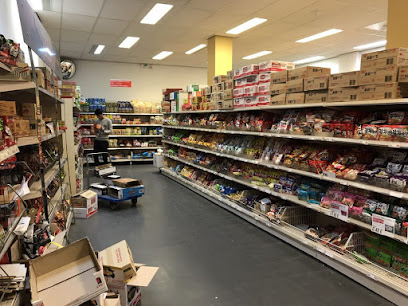
Kam Yuen Supermarket
0.1 km
Discover the flavors of Asia at Kam Yuen Supermarket, Brussels' premier destination for authentic Asian groceries and culinary delights.
Docks Caviar!
0.2 km
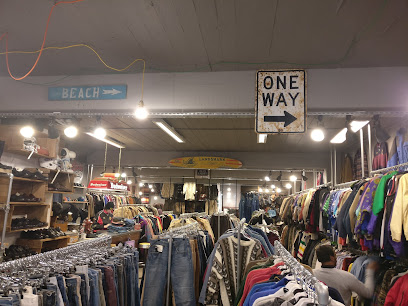
Discover timeless vintage fashion at Docks Caviar, a unique clothing store in the heart of Brussels' Pentagon district.
ICON
0.2 km
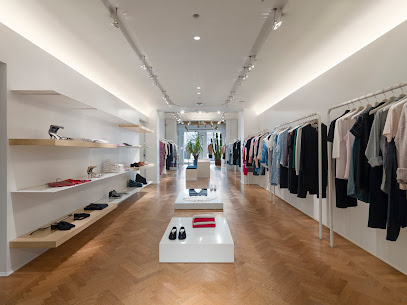
Discover the stylish elegance of ICON, a top clothing store in Brussels offering contemporary fashion and unique designs for discerning shoppers.
Anspach Shopping Center
0.2 km
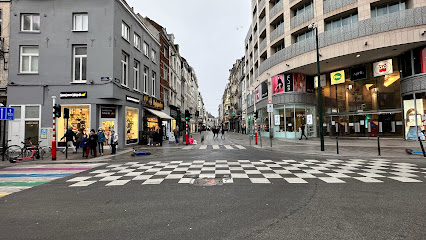
Explore the Anspach Shopping Center in Brussels for a unique shopping experience filled with diverse stores, dining options, and vibrant atmosphere.
Isabelle Bajart
0.3 km
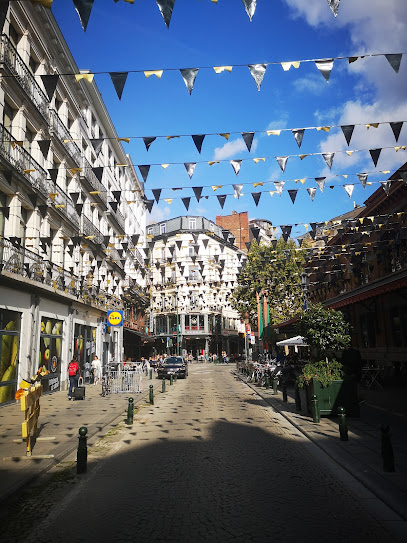
Explore the eclectic charm of Isabelle Bajart, a vintage clothing store in Brussels offering unique fashion finds at affordable prices.
Centreville Store
0.3 km
Explore Centreville Store in Brussels for unique fashion pieces and exceptional service, showcasing local designer talents and styles.
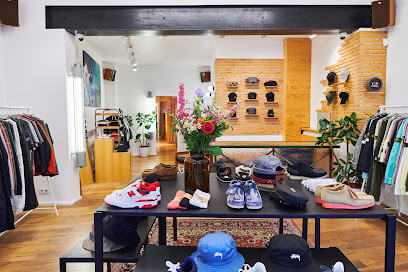
Ko Store - Concept store
0.3 km
Explore Ko Store in Brussels for a unique selection of fashion accessories and gifts, reflecting contemporary style and creativity.
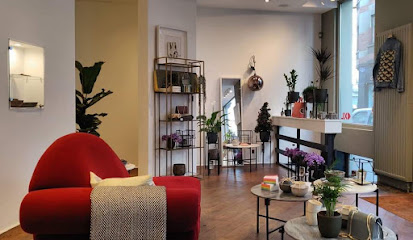
Eclectic Store
0.3 km
Explore the Eclectic Store in Brussels for unique custom t-shirts, local art, and fashionable finds that capture the spirit of the city.
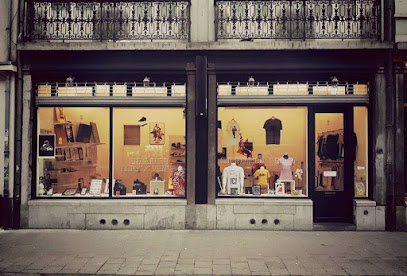
The Mint Brussels
0.3 km
Explore The Mint Brussels, a modern shopping haven offering diverse retail and dining experiences in the heart of Belgium's capital city.
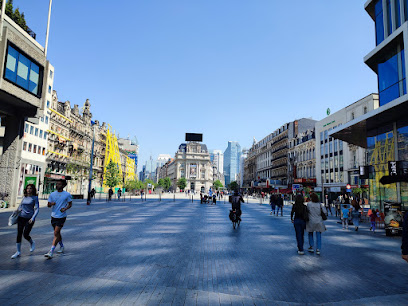
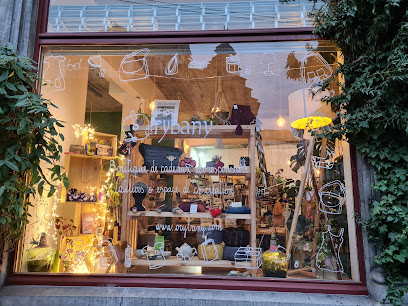
Orybany
0.3 km
Discover Orybany in Brussels: A creative gift shop, coworking space, and makerspace where art and community come together.
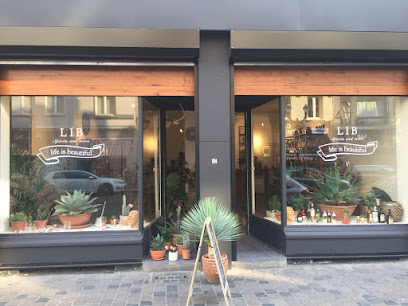
Life is beautiful - Boutique
0.4 km
Explore the rich flavors of Belgium at Life is Beautiful - Boutique, your go-to destination for exquisite liquors and a unique shopping experience.
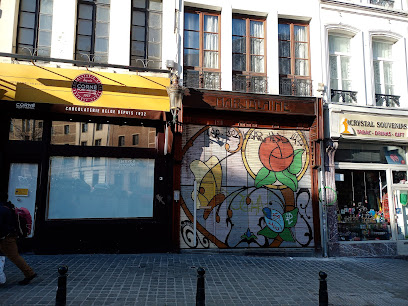
Souvenirs & Gift Shop
0.4 km
Explore the heart of Brussels with a visit to this charming gift shop, offering unique souvenirs and local treasures to remember your trip.
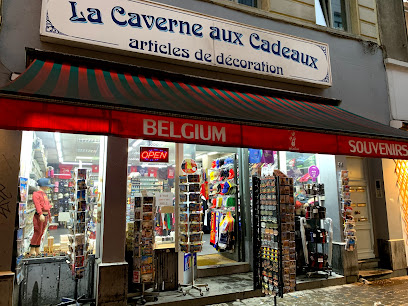
I Love Belgium
0.4 km
Explore authentic Belgian souvenirs at I Love Belgium, a charming gift shop in the heart of Brussels offering unique treasures for every traveler.
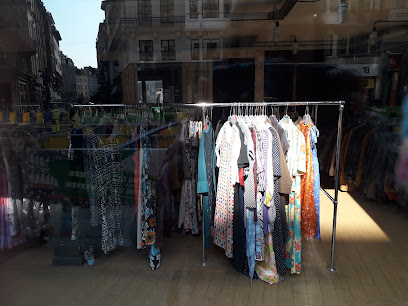
City Store Vintage
0.4 km
Unearth unique vintage finds at City Store Vintage, the go-to second-hand shop in Brussels for eclectic treasures and nostalgic souvenirs.
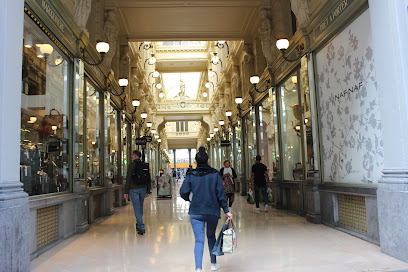
Passage du Nord
0.4 km
Discover Passage du Nord, a stunning shopping mall in Brussels, where history meets modern retail and delightful culinary experiences await.
Essential bars & hidden hideouts

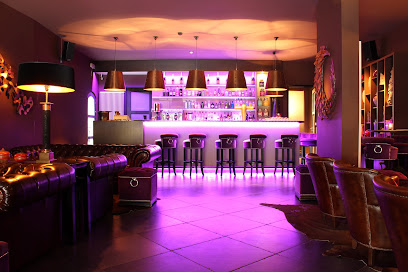
Skylab
0.1 km
Experience innovative cocktails and a vibrant atmosphere at Skylab, the must-visit cocktail bar in Brussels' lively district.
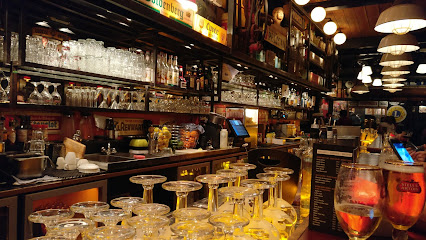
Bar Des Amis
0.1 km
Discover the vibrant atmosphere of Bar Des Amis in Brussels, where exquisite drinks and local charm create unforgettable experiences for tourists.
KaraFun Brussel
0.1 km
Experience the joy of singing in a lively atmosphere at KaraFun Brussel, the premier karaoke bar in the heart of Brussels.
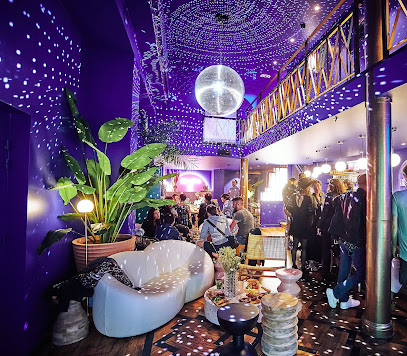
Arthur Orlans
0.1 km
Explore the vibrant nightlife of Brussels at Arthur Orlans, a craft cocktail bar that offers a unique and inviting atmosphere for all cocktail enthusiasts.
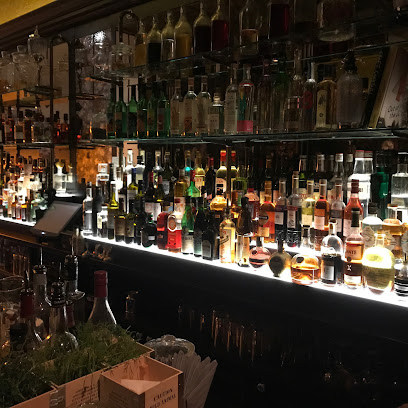
Marcelle - Débit de Boissons
0.2 km
Discover Marcelle - Débit de Boissons, a chic cocktail bar in Brussels offering innovative drinks and a lively atmosphere for an unforgettable night out.
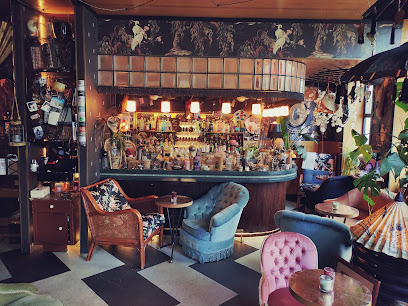
Time Out Pub
0.2 km
Discover the lively ambiance and local flavors at Time Out Pub, a favorite bar in the heart of Brussels' vibrant nightlife.
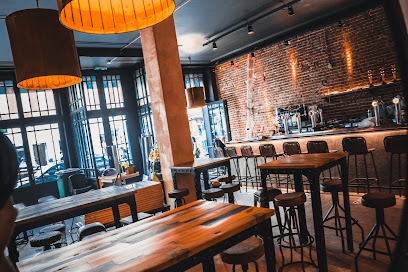
Lord Byron
0.2 km
Discover the trendy Lord Byron cocktail bar in Brussels, where innovative drinks meet a cozy atmosphere for an unforgettable night out.
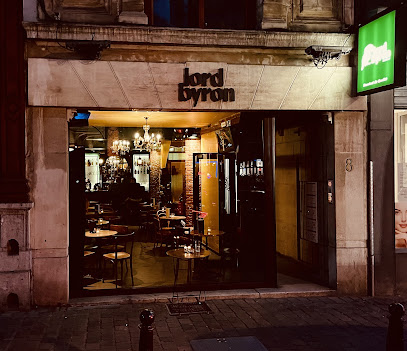
Scène Bar Brussels
0.3 km
Discover the lively essence of Brussels nightlife at Scène Bar, where eclectic decor meets a vibrant atmosphere and local flavors.
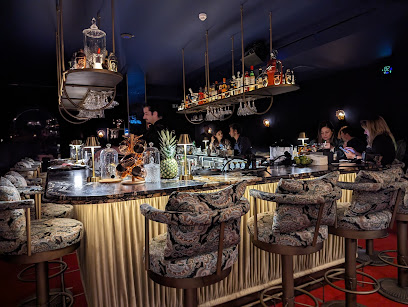
o'reilly's Irish Pub Brussels
0.3 km
Experience the warmth of Irish hospitality at O'Reilly's Irish Pub in Brussels, where great food, drinks, and live music await.
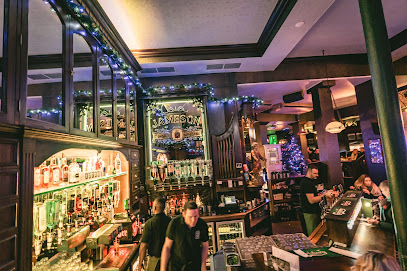
NUA
0.3 km
Discover the lively NUA karaoke bar and dance club in Brussels, where unforgettable nights of music and fun await you.
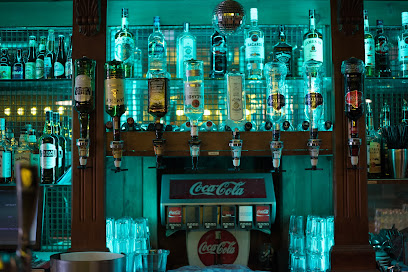
Celtica
0.3 km
Discover Celtica, the heart of Irish pub culture in Brussels, where good drinks, live music, and a warm atmosphere await you.
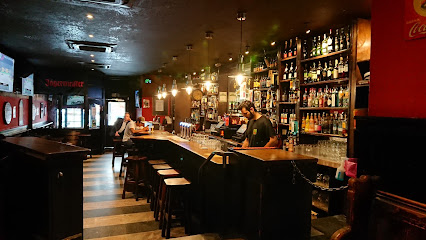
The Big Game Brussels Sports Bar
0.3 km
Experience the thrill of live sports and vibrant nightlife at The Big Game Brussels Sports Bar, your go-to destination for fun and entertainment.
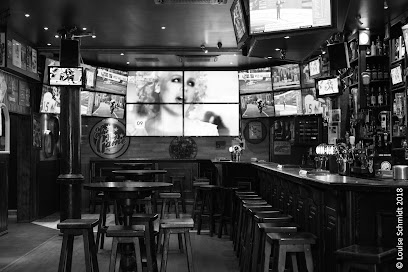
Swan Bar
0.4 km
Discover the vibrant atmosphere of Swan Bar, a chic lounge in Brussels perfect for unwinding with cocktails and socializing in style.
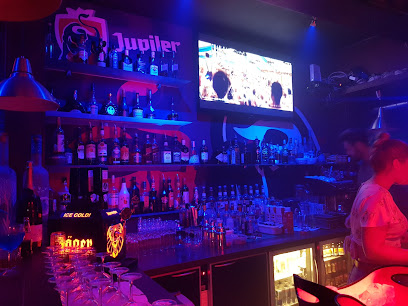
A l’Imaige Nostre-Dame
0.4 km
Experience the heart of Belgian beer culture at A l’Imaige Nostre-Dame in Brussels, where every sip tells a story.
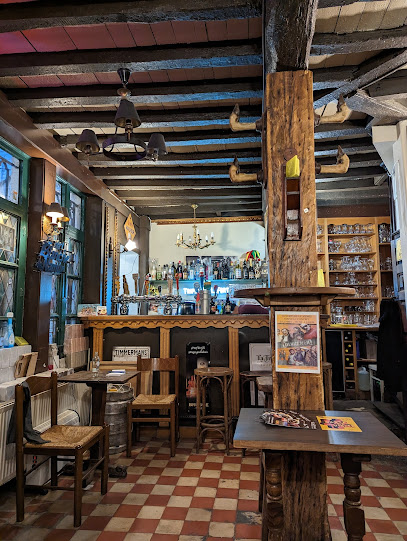
Au Bon Vieux Temps
0.4 km
Experience the charm of Au Bon Vieux Temps, a cozy bar in Brussels offering a unique selection of drinks and a vibrant atmosphere.
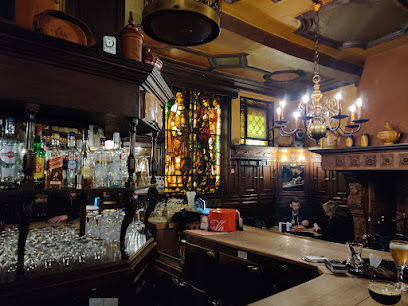
Nightclubs & after hour spots

Madame Moustache
0.1 km
Discover the dynamic nightlife of Brussels at Madame Moustache, an energetic dance club blending disco, live music, and unforgettable memories.
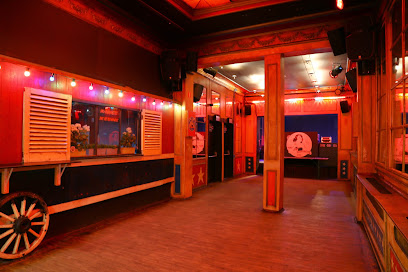
Bad Habits
0.3 km
Discover Bad Habits, Brussels' electrifying night club, where vibrant music and unforgettable nights come alive in the heart of the city.
Disco Latina Bruselas
0.3 km
Dive into the heart of Brussels' nightlife at Disco Latina Bruselas, where Latin beats and vibrant energy create an unforgettable party experience.
cotton club
0.4 km
Enjoy a thrilling night out at Cotton Club, the heart of Brussels' vibrant nightlife, featuring electrifying music, stylish decor, and unforgettable experiences.
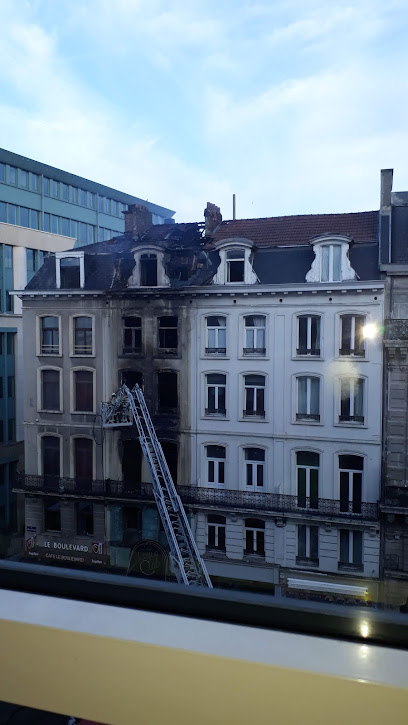
Nostalgia Club
0.4 km
Experience the vibrant nightlife of Brussels at Nostalgia Club, where music and dancing blend into an unforgettable night out.
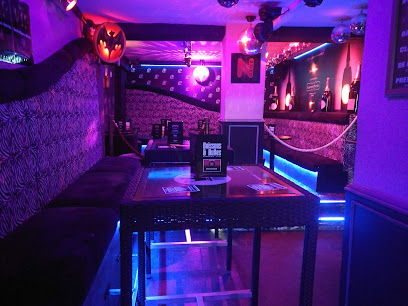
La Clave Latino's Club
0.4 km
Discover the vibrant energy of La Clave Latino's Club in Brussels, where exceptional music and lively atmosphere create unforgettable nightlife experiences.
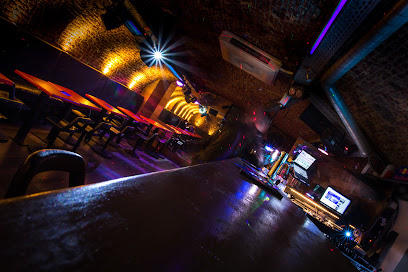
Sunset Club
0.4 km
Discover the electrifying nightlife of Sunset Club in Brussels, where vibrant music and a lively atmosphere come together for an unforgettable experience.
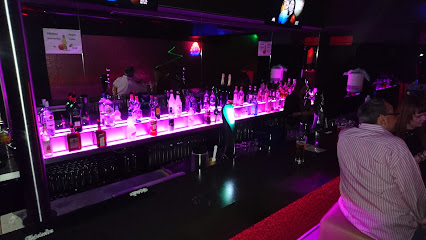
Zodiak
0.6 km
Discover the vibrant nightlife of Brussels at Zodiak, where exceptional music, electrifying atmosphere, and unforgettable moments await.
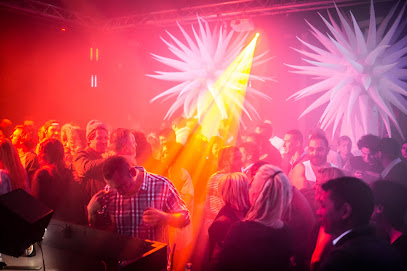
C12
0.7 km
C12 in Brussels: Discover the electrifying disco club that defines the city's vibrant nightlife with great music and an unforgettable atmosphere.
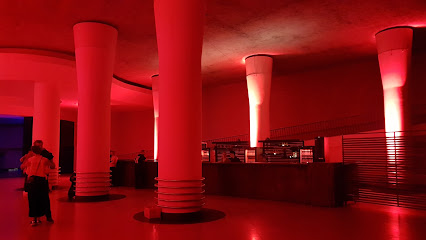
Universal Club
0.7 km
Immerse yourself in the vibrant nightlife at Universal Club, a premier night club in the heart of Brussels offering energetic music and an unforgettable atmosphere.
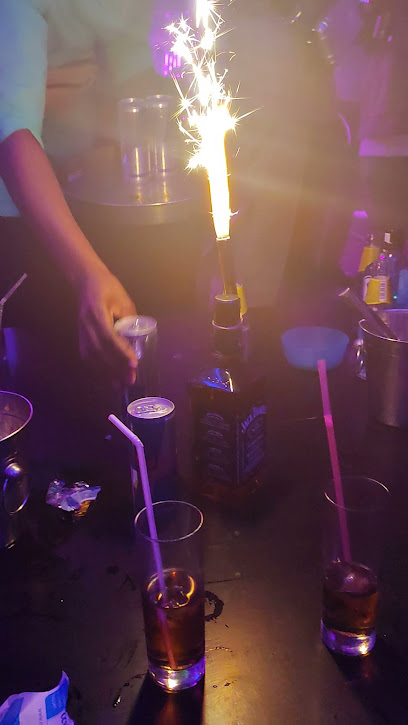
DYOUKES
0.8 km
Experience the vibrant nightlife of Brussels at DYOUKES, a disco club where music and dance unite for unforgettable nights.
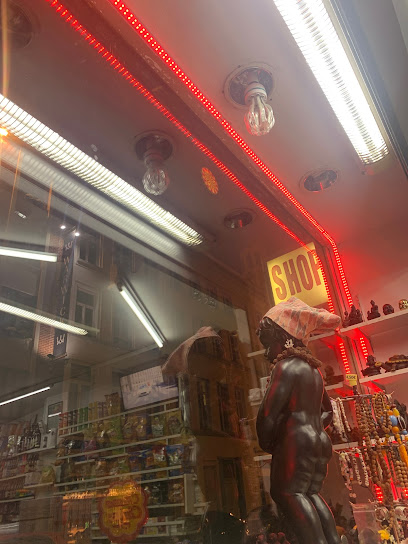
FLASH Club
0.8 km
Discover the pulsating heart of Brussels' nightlife at FLASH Club, a premier gay nightclub known for its energetic atmosphere and inclusive events.
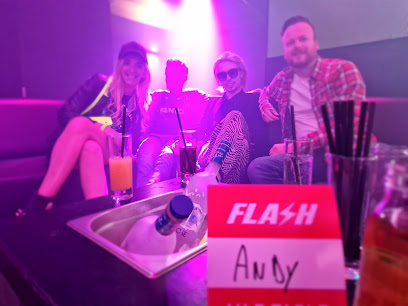
Eclips
0.8 km
Discover Eclips, Brussels' premier night club, where electrifying music and a vibrant atmosphere unite for an unforgettable nightlife experience.
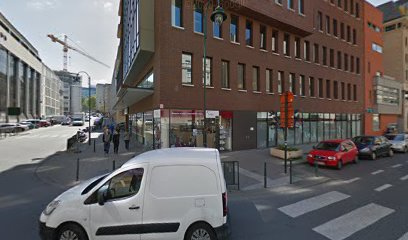
Le You
0.8 km
Experience the vibrant nightlife of Brussels at Le You, a chic night club offering eclectic music and a stylish atmosphere.
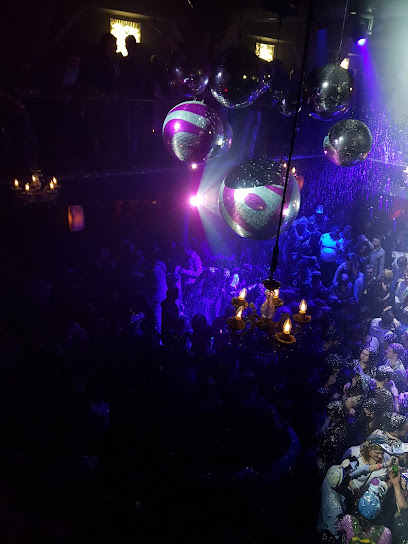
URBAN KARAOKE
1.1 km
Discover the ultimate karaoke experience at Urban Karaoke, a vibrant night club in Saint-Josse-ten-Noode, perfect for music lovers and night owls alike.