Background

La Monnaie - De Munt: A Jewel of Brussels

Experience the grandeur of opera and ballet at La Monnaie, Brussels' historic Royal Opera House, a cultural landmark offering world-class performances and captivating tours.

4.5

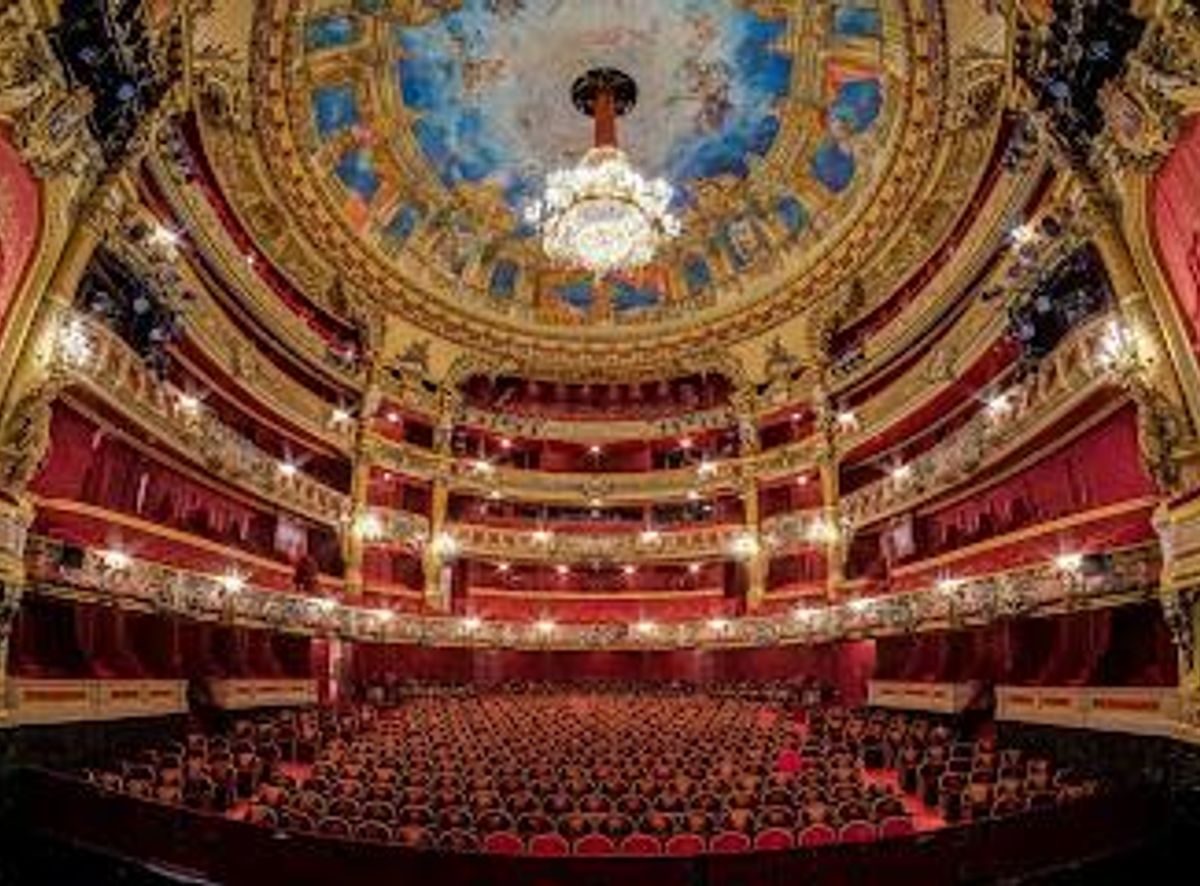
La Monnaie, also known as De Munt, is Brussels' prestigious Royal Opera House, a cultural landmark with a rich history dating back to 1700. Located in the heart of the city, this architectural masterpiece has evolved through several iterations, each contributing to its grandeur. Today, it stands as a beacon of artistic excellence, hosting world-class opera and ballet performances. Beyond its stunning auditorium, La Monnaie offers guided tours that unveil its fascinating history, workshops, and backstage secrets. Whether you're an opera aficionado or a curious traveler, La Monnaie promises an unforgettable experience, immersing you in the world of performing arts and Belgian heritage. Its central location makes it easily accessible, inviting visitors to explore Brussels' cultural heart.

A brief summary to La Monnaie - De Munt

Local tips

  • Arrive at least 30 minutes early to fully enjoy the pre-performance atmosphere and explore the stunning architecture.
  • Consider taking a guided tour to discover the rich history and backstage secrets of this iconic opera house.
  • Check the La Monnaie website for information on surtitles, which provide translations in French and Dutch.
  • Take advantage of the cloakroom to store large items, as they are not allowed in the auditorium.
  • Opt for public transport or carpooling to reduce your environmental impact and take advantage of available discounts.
widget icon

Getting There

  • Public Transport

    La Monnaie is easily accessible via Brussels' extensive public transport network. From Brussels Central Station, take Metro lines 1 or 5 to De Brouckère station, a 2-minute walk to the opera house. Alternatively, numerous bus lines (29, 46, 71, 88) and tram lines (3, 4) stop at De Brouckère. A single metro/bus/tram ticket costs €3. A 10-ride ticket is available for €18, offering a more economical option for multiple journeys.

  • Walking

    From Brussels Central Station, La Monnaie is a pleasant 10-minute walk. Exit the station and walk in the direction of Place de l'Albertine, then continue onto Rue des Colonies. Turn left onto Rue de l'Écuyer, which leads directly to Place de la Monnaie. This route is straightforward and allows you to take in the sights of Brussels' city center.

  • Taxi/Ride-Share

    Taxis and ride-sharing services are readily available throughout Brussels. A taxi ride from Brussels Central Station to La Monnaie typically costs between €8 and €12, depending on traffic and time of day. Ride-sharing services like Uber may offer slightly lower fares. A taxi stand is located near the opera house on Rue de la Reine/Koninginnestraat.

  • Driving

    If driving, several parking garages are located near La Monnaie, including Parking Monnaie, Parking Brucity, Parking Grand-Place, and Parking Écuyer. La Monnaie visitors can enjoy a preferential rate (€6) at these car parks via online reservation, valid from Monday to Saturday, 4:30 PM to 1:00 AM, and all day on Sundays and public holidays. Standard hourly parking rates range from €3.30 to €3.40, with a maximum daily rate of €23.

Unlock the Best of La Monnaie - De Munt

Buy tickets

    No tickets available

Book tours with entry

    No tours available

Book tours without entry

    No tours available

Discover more about La Monnaie - De Munt

La Monnaie, or De Munt in Dutch, stands as Belgium's premier opera house, a beacon of cultural significance in the heart of Brussels. More than just a performance venue, it's a historical landmark with a story woven into the fabric of the city itself. From its humble beginnings in the 17th century to its current status as a world-renowned opera house, La Monnaie has witnessed and participated in pivotal moments in Belgian history. The opera house's story began in 1695 when Gio Paolo Bombarda, an Italian financier, secured permission from Maximilian II Emmanuel of Bavaria to construct a public theater on the site of a former mint. Completed in 1700 by architects Paolo and Pietro Bezzi, the Théâtre de la Monnoye quickly became a prominent fixture in Brussels' social scene. Its location was strategically chosen to appeal to the city's burgeoning merchant class and bourgeoisie. Over the centuries, La Monnaie has undergone numerous transformations, reflecting changing architectural styles and the evolving needs of its audiences. In the early 19th century, under Napoleon's rule, plans were laid for a new theater. The French architect Louis Damesme designed a neoclassical structure, inaugurated in 1819. However, this theater was short-lived, as a devastating fire in 1855 destroyed much of the interior. Undeterred, the city commissioned architect Joseph Poelaert to design the opulent building that stands today. Poelaert's design, completed in 1856, showcases an eclectic style, blending French and Italian architectural elements. The auditorium, with its capacity of 1,152 seats, is a masterpiece of European theater architecture. La Monnaie played a significant role in Belgium's struggle for independence. In 1830, the opera house staged a performance of Daniel Auber's "La Muette de Portici," a work that ignited nationalist sentiments and contributed to the outbreak of the Belgian Revolution. This event cemented La Monnaie's place in the nation's collective memory. Throughout the 20th and 21st centuries, La Monnaie has continued to evolve, embracing innovation while preserving its rich heritage. Extensive renovations in the 1980s modernized the building's technical facilities and restored its aesthetic splendor. Today, La Monnaie is not only a venue for world-class opera and ballet performances but also a center for artistic creation and experimentation. Visiting La Monnaie is an immersive experience that extends beyond attending a performance. Guided tours offer a glimpse into the opera house's history, architecture, and backstage operations. Visitors can explore the grand auditorium, admire the opulent foyer, and discover the workshops where sets, costumes, and props are meticulously crafted. These tours provide a unique opportunity to appreciate the artistry and craftsmanship that go into each production. La Monnaie is committed to making opera accessible to a wider audience. The opera house offers surtitles in French and Dutch, allowing non-native speakers to follow the performances. Additionally, La Monnaie has implemented initiatives to attract younger audiences, including discounted tickets and innovative digital engagement strategies. The opera house also provides accessibility options for visitors with reduced mobility. La Monnaie's location in the heart of Brussels makes it easily accessible by public transportation. The opera house is within walking distance of the Central Station and is well-served by metro, tram, and bus lines. Several car parks are also located in the vicinity. La Monnaie stands as a testament to the enduring power of the performing arts. Its rich history, stunning architecture, and commitment to artistic excellence make it a must-see destination for visitors to Brussels. Whether you're a seasoned opera lover or a first-time attendee, La Monnaie promises an unforgettable experience that will leave you captivated by the magic of the stage. Beyond the performances, La Monnaie actively engages with the community through educational programs and outreach initiatives. These programs aim to foster a love of opera and ballet among young people and to promote cultural understanding. La Monnaie also collaborates with other cultural institutions in Brussels and beyond, contributing to the city's vibrant artistic landscape. La Monnaie's commitment to innovation extends to its digital presence. The opera house utilizes social media and online platforms to connect with audiences, share behind-the-scenes content, and promote upcoming events. This digital engagement helps to make opera more accessible and relevant to contemporary audiences. In recent years, La Monnaie has also embraced sustainable practices, striving to reduce its environmental impact. The opera house has implemented initiatives to conserve energy, reduce waste, and promote sustainable transportation options for its audiences and staff. This commitment to sustainability reflects La Monnaie's dedication to preserving its cultural heritage for future generations. La Monnaie's story is one of resilience, innovation, and a deep commitment to the arts. From its origins as a public theater to its current status as a world-class opera house, La Monnaie has consistently adapted to changing times while remaining true to its artistic mission. A visit to La Monnaie is an opportunity to experience the magic of opera in a truly unique and inspiring setting.

Popular Experiences near La Monnaie - De Munt

Popular Hotels near La Monnaie - De Munt

Select Currency