Background

Leopold Park: A Green Oasis in Brussels' European Quarter

Escape the city bustle in Brussels' Leopold Park: a historic green space with a tranquil pond, diverse wildlife, and architectural gems in the European Quarter.

4.5

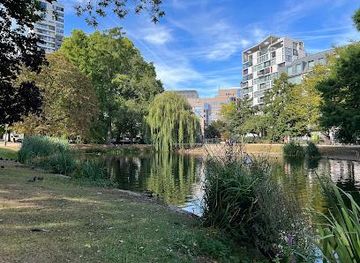
Leopold Park, nestled in the heart of Brussels' European Quarter, offers a serene escape from the city's bustling atmosphere. Once home to a zoological garden and later a scientific campus, this 6.43-hectare park now features a tranquil pond, diverse birdlife, and remnants of its historical past. Visitors can explore the park's charming pathways, admire the architecture of the Solvay buildings, and enjoy a peaceful retreat amidst the vibrant energy of the surrounding European institutions. With its accessibility and blend of nature and history, Leopold Park provides a refreshing experience for locals and tourists alike. Whether you're seeking a quiet stroll, a family outing, or a moment of reflection, this green oasis offers a delightful respite in the heart of Brussels.

A brief summary to Leopold Park

  • Monday 12 am-12 am
  • Tuesday 12 am-12 am
  • Wednesday 12 am-12 am
  • Thursday 12 am-12 am
  • Friday 12 am-12 am
  • Saturday 12 am-12 am
  • Sunday 12 am-12 am

Local tips

  • Visit during the spring or autumn for the most beautiful scenery, with blooming flowers or colorful foliage enhancing the park's natural charm.
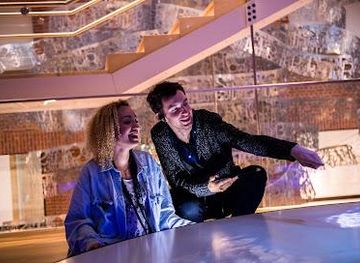
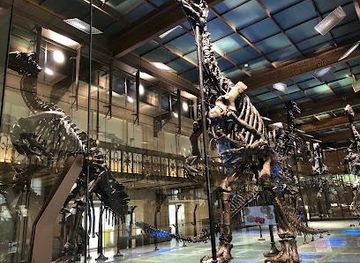
  • Combine your visit with a trip to the nearby Museum of Natural Sciences or the House of European History for a deeper dive into science and European history.
  • Pack a picnic to enjoy by the pond, taking in the peaceful atmosphere and observing the diverse birdlife.
  • Take advantage of the park's accessibility by public transport, with several metro and bus stops located nearby.
  • Check the local events calendar for festivals, concerts, or outdoor film screenings that may be taking place in the park during your visit.
widget icon

Getting There

  • Public Transport

    Leopold Park is easily accessible via Brussels' extensive public transport network. From Brussels Central Station, take Metro lines 1 or 5 to the Maelbeek/Maalbeek or Schuman stations. From either station, it's a short 5-10 minute walk to the park entrance. Alternatively, take the train to Bruxelles-Luxembourg station, which is approximately an 8-minute walk to the park. Several bus lines also stop near the park, including lines 12, 21, 27, 34, 36, 38, 60, 64, 80, 95, 59, 543, N06 and N08, with stops at Froissart, Parc Léopold, Etangs, Jourdan, and Museum. A single journey ticket costs €2.30 if purchased in advance or €2.50 if purchased on board.

  • Taxi/Ride-Share

    Taxis and ride-sharing services like Uber are readily available throughout Brussels. A short taxi ride from the city center to Leopold Park will typically cost between €11 and €14, depending on traffic and the specific starting point.

  • Driving

    If driving, be aware that parking in the immediate vicinity of Leopold Park can be challenging. Limited metered street parking is available, but it tends to fill up quickly. Several paid parking garages are located within a 10-15 minute walk of the park, including Parking Commerce (Rue du Commerce 36) and parking options around Place Jourdan. Expect to pay around €2 per hour for parking in these garages.

  • Walking

    From the European Parliament (Paul-Henri Spaak building), Leopold Park is a very short walk. Exit the Parliament building and walk towards Rue Belliard. Cross the street at Place Jean Rey, and you'll find the main entrance to the park directly in front of you. The walk is flat and takes only a few minutes.

Unlock the Best of Leopold Park

Buy tickets

    No tickets available

Book tours with entry

    No tours available

Book tours without entry

    No tours available

Discover more about Leopold Park

Leopold Park, a verdant retreat in the heart of Brussels' European Quarter, invites visitors to step away from the city's energetic pace and immerse themselves in a tranquil environment. Spanning 6.43 hectares, this public park boasts a rich history, evolving from a zoological garden in the 19th century to a scientific campus and, finally, a beloved green space for locals and tourists alike. Originally, the area was part of the Eggevoorde Estate, which dominated the Maelbeek valley. In 1851, a portion of the estate was sold to the Zoological and Horticultural Society, giving rise to a space intended for both scientific pursuits and leisurely activities. The park initially housed horticultural gardens, a zoo, a community hall, a reading room, and a café-restaurant. While the horticultural gardens thrived under the management of Jean Jules Linden, the zoo faced mismanagement and eventual bankruptcy in 1876. The City of Brussels later acquired the old zoological gardens and transformed them into a public recreational park, incorporating elements like the Museum of Natural Sciences. In the late 19th and early 20th centuries, Leopold Park transitioned into a scientific campus, largely thanks to the financial support of Belgian industrialist Ernest Solvay. Several scientific institutes were constructed, including the Solvay School of Commerce, the Solvay Institute of Sociology, and the Solvay Institute of Physiology. These buildings, designed in eclectic 19th-century styles, added a unique architectural dimension to the park. The Solvay Library, in particular, stands out as a magnificent barrel-vaulted edifice adorned with splendid mahogany paneling. Today, Leopold Park offers a diverse range of attractions and activities. The park's pond, fed by the Maelbeek stream, serves as a focal point, attracting various bird species such as mallards, moorhens, coots, Egyptian geese, and rose-ringed parakeets. Visitors can stroll along the park's winding paths, admiring the rare trees that remain from the botanical garden era. The playground provides a space for children to play and explore, while the park's open spaces are perfect for picnics and relaxation. Several historic buildings within the park contribute to its unique character. The Pasteur Institute, the former Solvay School of Commerce, and the Solvay Institute of Sociology stand as testaments to the park's scientific past. The House of European History, housed in the refurbished Eastman Building, offers visitors a journey through European history. The Museum of Natural Sciences, located adjacent to the park, provides an opportunity to delve into the natural world. Leopold Park is easily accessible by public transportation, with the Brussels-Luxembourg railway station and the Maelbeek/Maalbeek and Schuman metro stations nearby. The park's central location in the European Quarter makes it a convenient destination for those working in the surrounding institutions. Whether you're seeking a peaceful escape, a family outing, or a glimpse into Brussels' history, Leopold Park offers a delightful experience for all. Throughout the year, Leopold Park hosts various events and activities, adding to its appeal as a community hub. From outdoor film screenings to citizen science fairs, the park provides a venue for cultural engagement and entertainment. These events draw locals and tourists alike, fostering a sense of community and celebration. Leopold Park stands as a testament to Brussels' commitment to preserving green spaces within its urban environment. Its transformation from a zoological garden to a scientific campus and, ultimately, a public park reflects the city's evolving needs and priorities. Today, it serves as a vital green lung in the European Quarter, providing a space for relaxation, recreation, and connection with nature. Whether you're a local seeking a daily respite or a tourist exploring Brussels' attractions, Leopold Park offers a welcoming and enriching experience.

Popular Experiences near Leopold Park

Popular Hotels near Leopold Park

Select Currency