Monument Schelde Vrij, Antwerp Travel Guide
Free Guide: Discover the Schelde Vrij monument in Antwerp, a powerful symbol of the city's maritime freedom and a testament to its rich history, located in the vibrant Marnixplaats.


A brief summary of Monument Schelde Vrij
Discover the Schelde Vrij monument in Antwerp, a powerful symbol of the city's maritime freedom and a testament to its rich history, located in the vibrant Marnixplaats.
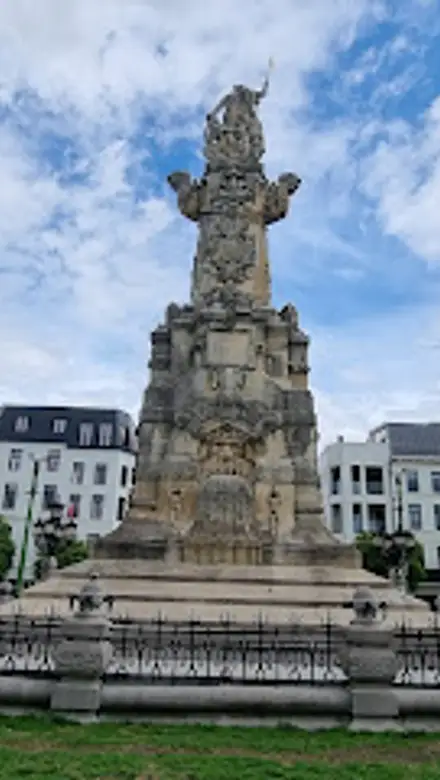
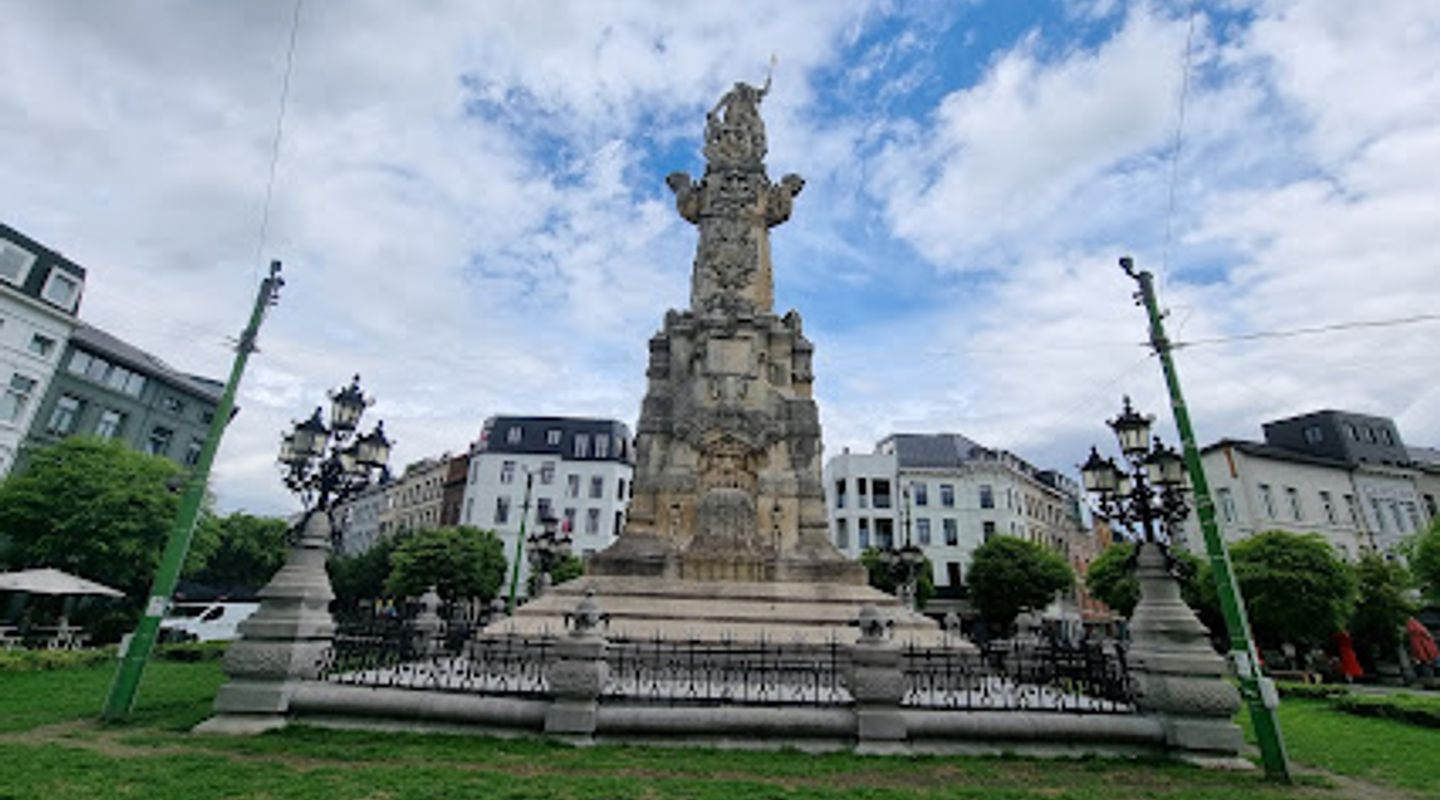
The Schelde Vrij monument, standing proudly on Marnixplaats in Antwerp, commemorates the crucial 1863 settlement that ended Dutch control over the Scheldt River, a lifeline for the city's maritime trade. Designed by Jan Jacob Winders and inaugurated in 1873, this 20-meter-tall monument is a bombastic display of neo-Flemish Renaissance style, featuring Neptune, Mercury, and the city maiden of Antwerp. More than just a historical marker, it represents Antwerp's resilience and its enduring connection to the sea. The monument is surrounded by an iron fence and cast-iron streetlamps, creating a picturesque setting. Marnixplaats itself is a vibrant square with numerous restaurants and bars, making it a popular spot for both locals and tourists. A visit to the Schelde Vrij monument offers a glimpse into Antwerp's rich history and its unwavering spirit.
Opening hours
- Every dayOpen 24 hours
Opening hours as listed on the venue’s Google Business Profile. Hours can change for services and special events, so check with the venue before you go.
- Address
- Marnixplaats, 2000 Antwerpen
- Website
Getting there
Public Transport
Walking
Taxi/Ride-Share
Driving
Discover more about Monument Schelde Vrij
Overview
The Schelde Vrij monument, prominently situated on the Marnixplaats in Antwerp, serves as a powerful reminder of the city's historical struggle for maritime freedom and its enduring connection to the Scheldt River. This impressive monument commemorates the pivotal year of 1863 when Belgium secured the free passage of ships to Antwerp, ending centuries of Dutch obstruction and revitalizing the city's vital port. The monument isn't just a static display of stone and bronze; it's a vibrant symbol of Antwerp's resilience, its strategic importance, and its unwavering spirit of commerce. The story behind the Schelde Vrij monument is deeply intertwined with Antwerp's history. In 1585, during the Fall of Antwerp, the Dutch blocked access to the city by severing traffic on the Scheldt River. Even after the Peace of Münster in 1648, which officially ended the Eighty Years' War, the Dutch continued to impose heavy tolls on ships sailing to Antwerp, severely hindering its economic growth. This situation persisted for centuries, stifling Antwerp's potential as a major European port. Finally, in 1863, a landmark agreement between Belgium and the Netherlands brought an end to this restrictive practice. The Belgian government, with support from other seafaring nations, bought out the last of the medieval tolls, securing the Scheldt's freedom for international trade. This momentous occasion was met with great jubilation in Antwerp, and the city council decided to erect a grand monument to commemorate the event. The design of the Schelde Vrij monument was entrusted to Jan Jacob Winders, a renowned architect best known for his work on the Royal Museum of Fine Arts. Winders envisioned a monument that would not only celebrate the Scheldt's liberation but also embody the spirit of Antwerp. The result was a bombastic, 20-meter-tall structure in the neo-Flemish Renaissance style, a style that Winders passionately promoted as uniquely representative of Belgium's identity. The monument is replete with symbolic figures and intricate details. At its apex stands Neptune, the Roman god of the sea, holding a trident in his right hand, a symbol of maritime power. He is flanked by Mercury, the god of trade, representing Antwerp's commercial prowess, and a kneeling woman, personifying the city itself. Behind them, a small boy diligently takes notes, perhaps symbolizing the recording of this historic event for posterity. The base of the monument is equally elaborate, adorned with ships' prows, medallions, garlands, and imposing lions. Reliefs of water gods spouting Scheldt water further emphasize the river's importance to the city. Another figure is depicted writing the words 'Schelde Vrij' (Scheldt Free) on the monument, solidifying the message of liberation. The statues were crafted by a team of talented sculptors, each contributing their expertise to the overall design. Jaak de Braekeleer sculpted Neptune and Mercury, Frans Joris created the figure representing Antwerp, and Louis Dupuis was responsible for the majestic lions. The Schelde Vrij monument is not merely a standalone structure; it is an integral part of the Marnixplaats, a circular square from which eight streets radiate. The square itself is named after Marnix van St. Aldegonde, the mayor of Antwerp during the city's fall in 1585, a poignant reminder of the challenges Antwerp has overcome throughout its history. The nearby Lambermont Square is named after Auguste Lambermont, the man credited with negotiating the freeing of the Scheldt. The monument is enclosed by an ornate iron fence, adding to its grandeur and providing a sense of enclosure. Cast-iron streetlamps stand sentinel at each corner, illuminating the monument and creating a captivating atmosphere, especially at night. Today, the Schelde Vrij monument remains a beloved landmark in Antwerp, attracting visitors from around the world. It serves as a focal point for the Marnixplaats, a bustling square filled with trendy restaurants, bars, and cafes. The monument is a popular spot for photographs, a place where people gather to admire its artistry and reflect on its historical significance. A visit to the Schelde Vrij monument offers a unique opportunity to delve into Antwerp's rich maritime history, appreciate its artistic heritage, and experience the vibrant atmosphere of the Marnixplaats. It is a testament to the city's enduring spirit and its unwavering commitment to freedom and prosperity. The monument stands as a reminder that even in the face of adversity, Antwerp has always found a way to thrive, its destiny forever intertwined with the ebb and flow of the Scheldt River.
Evendo Review Centre
 Google
Guest reviews
Explore Monument Schelde Vrij on the map
A handpicked selection of must-see spots near Monument Schelde Vrij, mapped for you.
Get your free copy of our complete guide to Monument Schelde Vrij, delivered straight to you.
Everything on this page, from opening hours and how to get there to Eve’s tips and the best time to go, in one PDF you can read offline, print or share.
Already have an account? Sign in
Your Monument Schelde Vrij guide is ready.
We'll send it to · Not you? Sign out

Getting your guide ready…
We are putting together a fresh copy of the Monument Schelde Vrij guide. This can take up to a minute.
This can take a few moments. If your browser asks, choose Allow so the download can start. You'll find the guide in your Downloads folder.
Nothing happened? Download it again
Sorry, the guide is taking longer than usual. Please try again in a minute, or get it by email instead.
Other nearby places you may find interesting
The closest places of the same kind, if this one is not quite what you had in mind.
-
-
-
-
-


Swipe for more places
More to explore near Monument Schelde Vrij

 Best experiences near Monument Schelde Vrij
 Best hotels near Monument Schelde Vrij
 Best landmarks near Monument Schelde Vrij
 Best attractions near Monument Schelde Vrij
 Best shops near Monument Schelde Vrij
 Best restaurants near Monument Schelde Vrij
 Best bars near Monument Schelde Vrij
Do you manage this location?
Take control to get all the benefits, like improved information, better appearance, and stronger visibility across AI-powered discovery.
Explore more

Explore more of Antwerp
Discover Antwerp, Belgium's diamond capital, where history meets modernity in a vibrant cityscape, offering rich culture, world-class art, and culinary delights.
Explore Antwerp
Explore more of Belgium
Discover Belgium: A blend of medieval charm, culinary delights, and stunning landscapes. Explore historic cities, savor exquisite chocolates, and enjoy a perfect getaway.
Explore Belgium