Royal Museum for Central Africa: A Journey Through History and Culture
Explore the heart of Africa at the Royal Museum for Central Africa in Tervuren, a captivating journey through history, culture, and biodiversity just outside of Brussels.
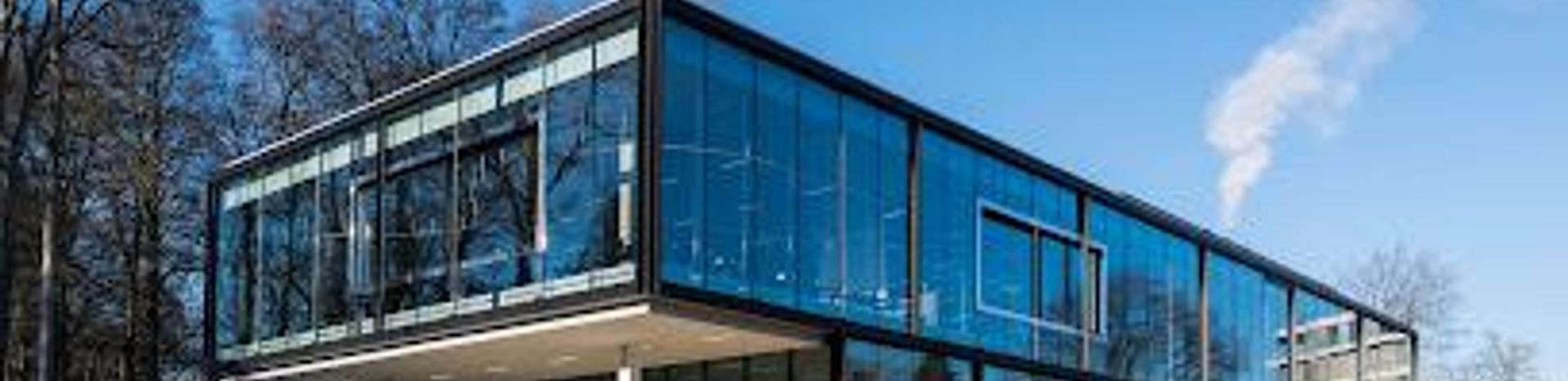
The Royal Museum for Central Africa in Tervuren offers a captivating exploration of the Congo's history, culture, and biodiversity. Housed in a grand palace-like building surrounded by lush parkland, the museum presents a multifaceted perspective on Central Africa, from its geological origins to its contemporary challenges. Visitors can delve into extensive collections of artifacts, zoological specimens, and historical documents, gaining insights into the region's art, music, and social structures. The museum's modern approach encourages critical reflection on colonialism and its lasting impact, making it a thought-provoking and educational experience for all ages. With its blend of historical exhibits and contemporary dialogues, the Royal Museum for Central Africa provides a unique opportunity to understand the complexities and richness of this vibrant continent, fostering a deeper appreciation for its people and heritage. The museum is easily accessible from Brussels, making it a worthwhile day trip for anyone interested in African history and culture.
A brief summary to Royal Museum for Central Africa
- Leuvensesteenweg 13, Tervuren, Tervuren, 3080, BE
- +3227695211
- Visit website
- Tuesday 10 am-5 pm
- Wednesday 10 am-5 pm
- Thursday 10 am-5 pm
- Friday 10 am-5 pm
- Saturday 10 am-6 pm
- Sunday 10 am-6 pm
Local tips
- Allocate at least 3-4 hours to fully explore the museum's extensive collections and exhibits.
- Combine your visit with a stroll through the beautiful Tervuren Park surrounding the museum.
- Check the museum's website for temporary exhibitions and special events before your visit.
- Take the tram from Brussels for a convenient and scenic journey to Tervuren.
- Visit the gift shop for unique souvenirs and books related to Central African art and culture.

Getting There
-
Public Transport
From Brussels, the easiest way to reach the Royal Museum for Central Africa is by tram. Take Tram 44 from Montgomery metro station in Brussels directly to Tervuren. The tram journey takes approximately 30 minutes, and the 'Tervuren Station' stop is right in front of the museum. A single ticket ('MIVB/STIB') costs around €2.50 if purchased in advance or €3.00 if purchased on the tram. From the Tervuren tram stop, it's a very short walk to the museum entrance.
-
Driving
If driving from Brussels, follow the E40 towards Leuven, then take the exit towards Tervuren. Follow the signs to the center of Tervuren. The museum is located on Leuvensesteenweg. Parking is available near the museum, but it can be limited, especially on weekends. Parking fees typically range from €1.50 to €2.00 per hour, with a daily maximum of around €10.00. Be aware that parking spaces directly in front of the museum are often full, so you may need to park a short walk away in the surrounding streets.
-
Taxi/Ride-Share
A taxi or ride-sharing service from the center of Brussels to the Royal Museum for Central Africa will take approximately 20-30 minutes, depending on traffic. The estimated fare is between €30 and €40. Ride-sharing services like Uber are also available and may offer slightly lower prices. The drop-off point is usually directly in front of the museum entrance.
Discover more about Royal Museum for Central Africa
Iconic landmarks you can’t miss

Landmarks
5.1 km
Experience the artistic charm and cultural richness of Woluwe-Saint-Pierre, a serene commune in Brussels, Belgium, perfect for art lovers and food enthusiasts.
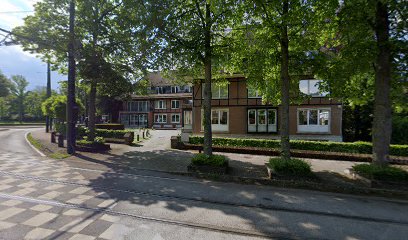
Sheraton Brussels Airport Hotel
7.8 km
Enjoy unparalleled comfort and exceptional amenities at Sheraton Brussels Airport Hotel, your perfect gateway to exploring Belgium.

Brussels Airport
8.0 km
Discover Brussels Airport: A modern international hub offering seamless travel, diverse dining, and a warm welcome to visitors exploring Belgium and Europe.

Monument aux victimes civiles de la guerre
8.7 km
A poignant sculpture in Schaerbeek honoring the resilience and sacrifices of civilian victims of war. A place for reflection and remembrance.
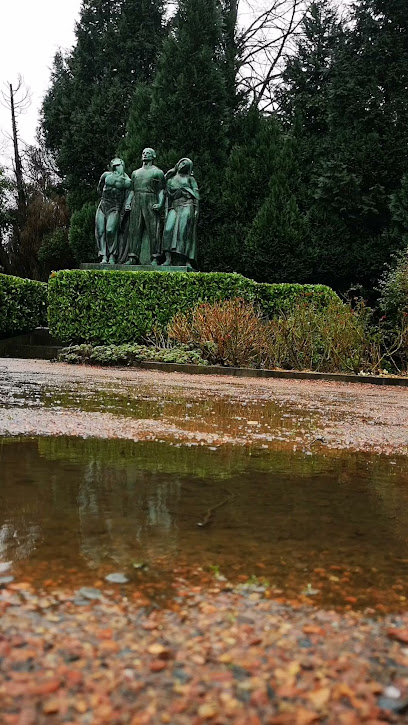
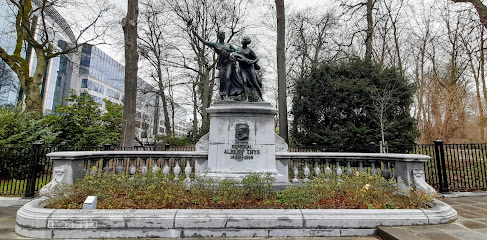
The Monument to General Thys
9.3 km
Explore the Monument to General Thys in Brussels' Parc du Cinquantenaire, a stunning tribute to Belgium's military history and cultural heritage.
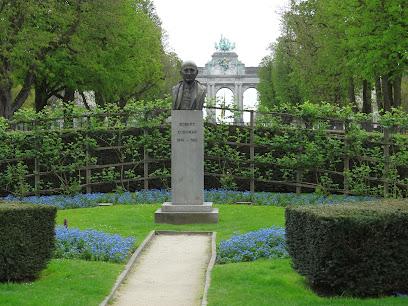
Buste de Robert Schuman
9.3 km
Explore the Bust of Robert Schuman in Brussels, a sculpture symbolizing European unity and the legacy of one of the EU's founding fathers.
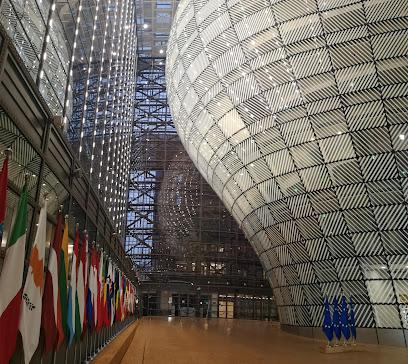
Council of the European Union
9.6 km
Discover the Council of the European Union in Brussels, a landmark of governance and culture, showcasing the heart of European decision-making.
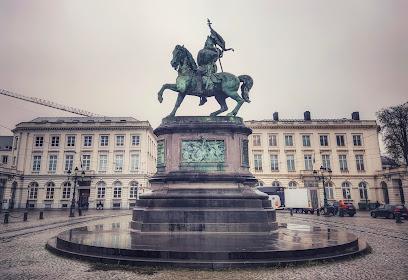
Brussels
9.7 km
Explore Brussels: A vibrant blend of history, culture, and gastronomy in the heart of Europe, perfect for every traveler.
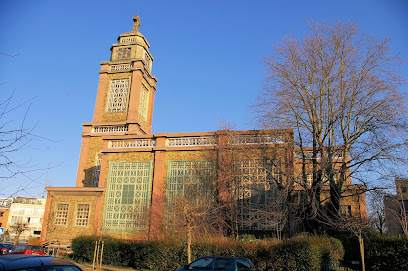
Église Sainte Suzanne
9.9 km
Discover the enchanting Église Sainte Suzanne, a serene Catholic church in Schaerbeek, showcasing stunning architecture and a rich spiritual heritage.
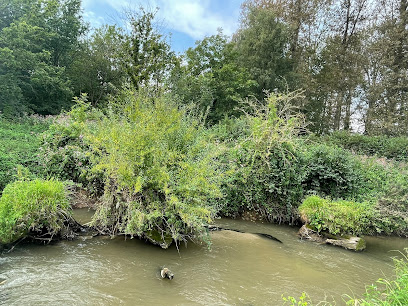
Dyle valley
10.0 km
Discover the serene beauty of Dyle Valley in Huldenberg, Belgium, a perfect destination for hiking and nature exploration.
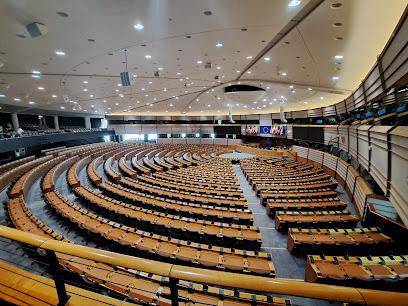
European Parliament
10.1 km
Explore the European Parliament, a stunning architectural gem in Brussels, where democracy and European unity come to life through engaging tours and exhibitions.
Bois de la Cambre
10.1 km
Explore the beauty of Bois de la Cambre, Brussels' iconic park, offering tranquility, lush greenery, and picturesque lakes for a memorable escape.
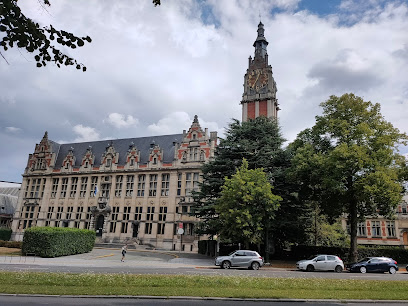
Josaphat Park
10.1 km
Escape to Brussels' green heart: Josaphat Park offers serene landscapes, recreational activities, and a rich history for a perfect urban retreat.
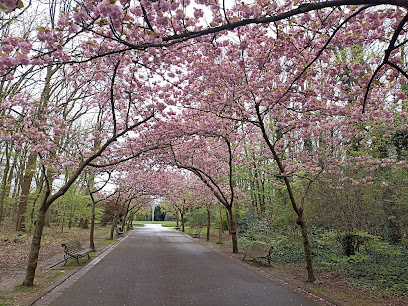
De Japanse Kerselaars
10.2 km
Explore the breathtaking beauty of the Japanese Cherry Blossom Trees in Schaerbeek, Belgium, a seasonal spectacle that enchants visitors with its vibrant petals.
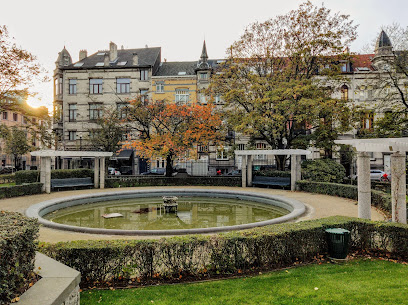
Square Armand Steurs
10.2 km
Explore the tranquil beauty of Square Armand Steurs, a serene park in Saint-Josse-ten-Noode, perfect for relaxation and picturesque moments in Brussels.
Unmissable attractions to see

Park van Tervuren
0.5 km
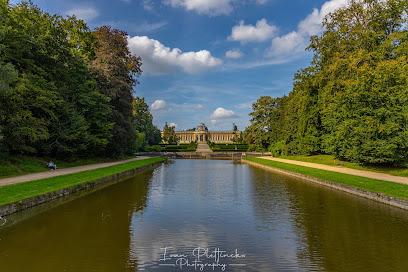
Discover the serene beauty and rich history of Park van Tervuren, a beloved natural retreat in Belgium, perfect for nature lovers and family outings.
Kapucijnenbos
2.7 km
Discover the tranquil beauty of Kapucijnenbos, a nature preserve in Tervuren, Belgium, perfect for unwinding and enjoying the great outdoors.
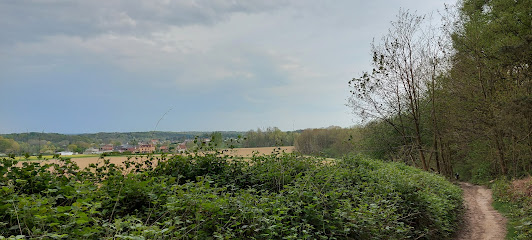
Kasteel Ter Meeren
2.8 km
Discover the rich history and architectural beauty of Kasteel Ter Meeren, a captivating monument and tourist attraction in Zaventem, Belgium.
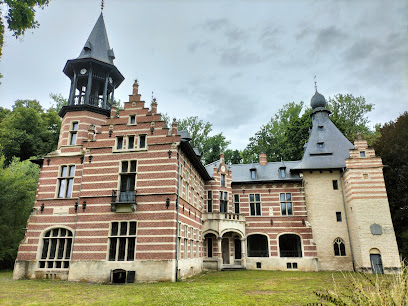
Arboretum Tervuren
3.3 km
Explore the breathtaking landscapes and diverse flora of Arboretum Tervuren, a serene haven for nature lovers and an essential stop for tourists in Belgium.
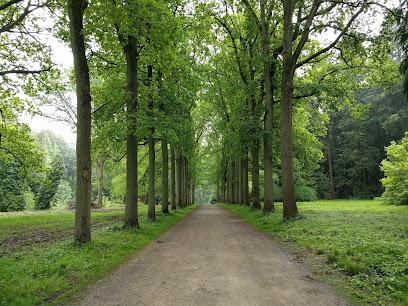
Red Cloister
5.6 km
Experience the serene beauty of the Red Cloister, an artistic haven nestled in the lush landscapes of Auderghem, Brussels, perfect for nature and art lovers.
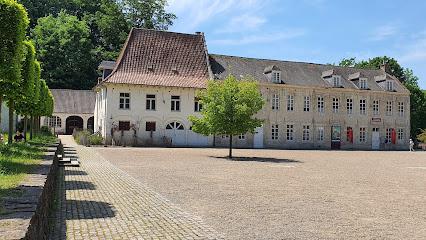
Château Malou
5.7 km
Explore the serene beauty and historical charm of Château Malou, a must-visit tourist attraction in Woluwe-Saint-Lambert, Belgium.
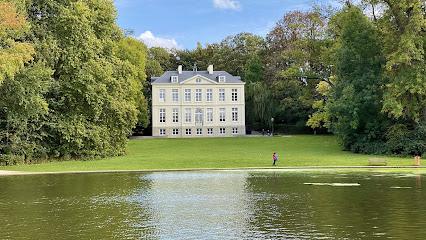
Malou Park
5.7 km
Explore the lush landscapes and serene beauty of Malou Park in Woluwe-Saint-Lambert, a perfect escape for nature lovers and travelers alike.
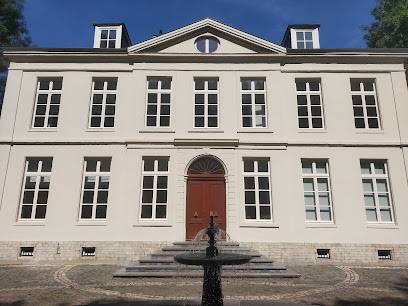
Château de Trois-Fontaines
5.8 km
Discover the enchanting beauty and rich heritage of Château de Trois-Fontaines in Auderghem, a must-visit hidden gem for all travelers.
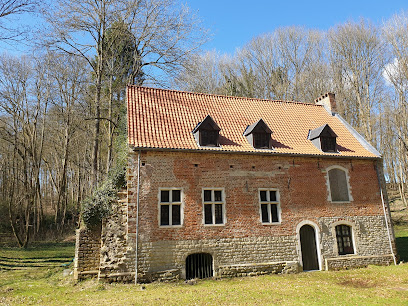
Château de la Solitude
6.1 km
Explore the enchanting Château de la Solitude in Auderghem, a perfect blend of historical elegance and modern amenities for all visitors.
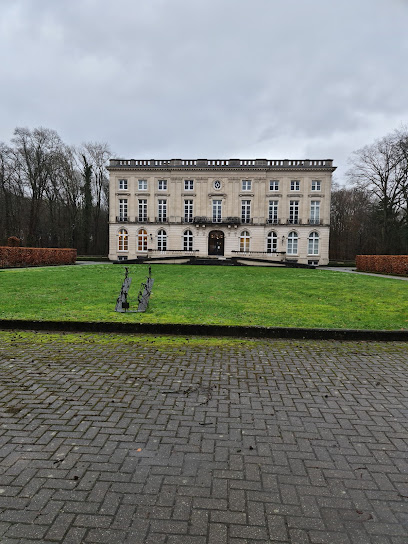
Statue de Mercure
6.6 km
Explore the Statue of Mercury in Auderghem, a captivating tourist attraction showcasing stunning artistry and rich cultural heritage.
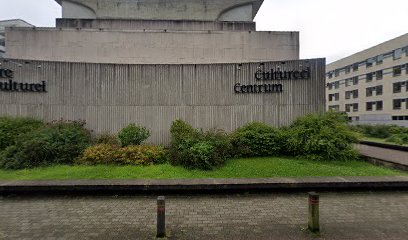
Parc Georges Henri
7.1 km
Discover the beauty and tranquility of Parc Georges Henri, a serene park in Woluwe-Saint-Lambert, perfect for relaxation and leisure activities.
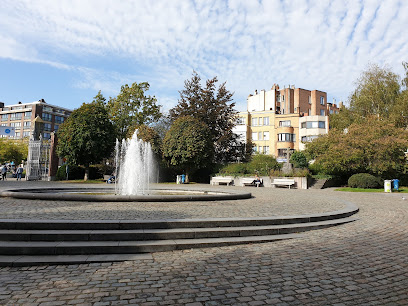
Reigerbospark
7.8 km
Discover the natural beauty and tranquility of Reigerbospark, a serene escape in Watermael-Boitsfort, perfect for families and nature lovers alike.
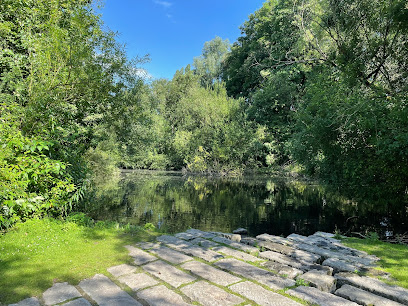
Tintin Rocket
8.2 km
Discover the Tintin Rocket in Zaventem, Belgium - a whimsical tribute to the beloved comic series and a perfect spot for adventure and nostalgia.

Clockarium Museum
8.4 km
Explore the enchanting world of horology at the Clockarium Museum in Schaerbeek, showcasing an exquisite collection of clocks and timepieces.
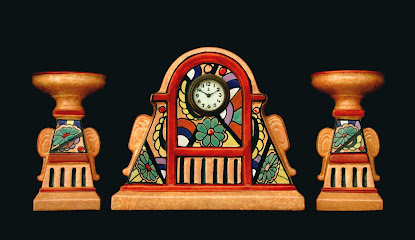
Speelbos 't Vossenhol
8.4 km
Discover a natural adventure at Speelbos 't Vossenhol in Bertem: where kids' imaginations run wild in a unique woodland playground!
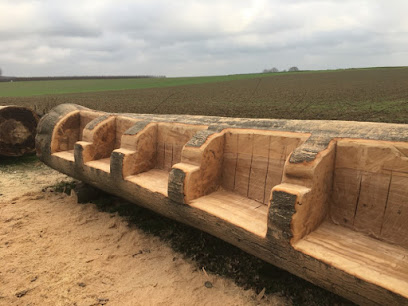
Essential places to dine

Zocooking
2.4 km
Experience culinary artistry at Zocooking in Tervuren—where haute French cuisine meets seasonal freshness.
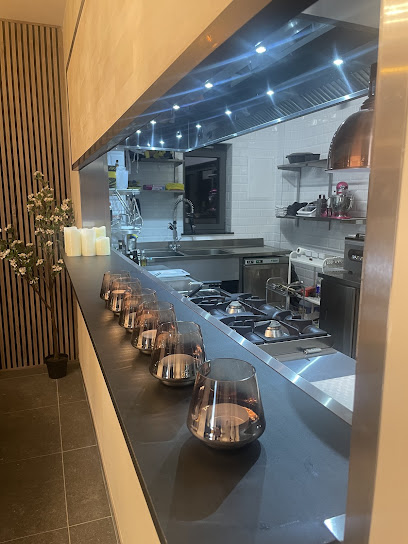
Brasserie The Experience
3.6 km
Experience authentic Belgian cuisine at Brasserie The Experience in Wezembeek-Oppem - where flavor meets tradition.
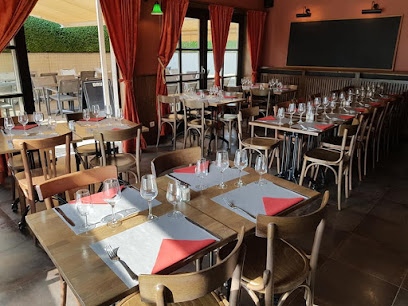
Maxime Colin
5.0 km
Experience culinary excellence at Maxime Colin in Kraainem—where haute French cuisine meets modern elegance.
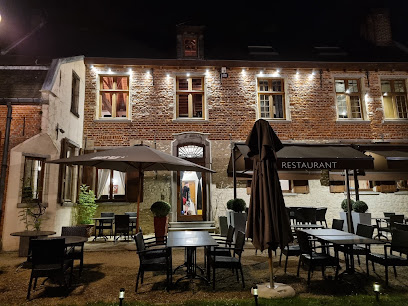
Ristorante La Perla
5.4 km
Discover authentic Sicilian cuisine at Ristorante La Perla in Zaventem – where every dish tells a story.

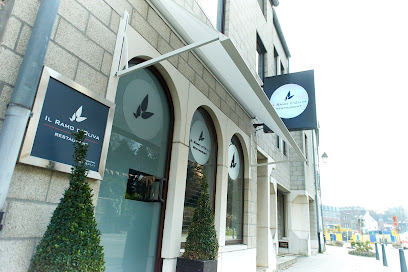
Il Ramo d'Oliva
5.9 km
Discover the exquisite flavors of Italy at Il Ramo d'Oliva, Brussels' premier fine dining destination offering modern European cuisine.
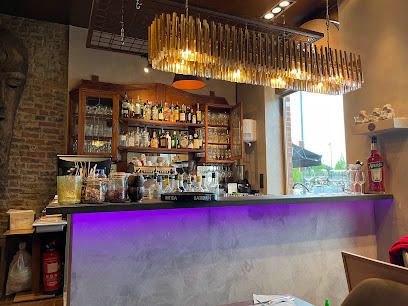
Little Valley Restobar
5.9 km
Discover authentic Thai cuisine in Woluwe-Saint-Lambert at Little Valley Restobar - where flavors meet tradition.
Al Piccolo
6.0 km
Discover authentic Italian cuisine at Al Piccolo in Woluwe-Saint-Lambert—where every dish tells a story of tradition and flavor.
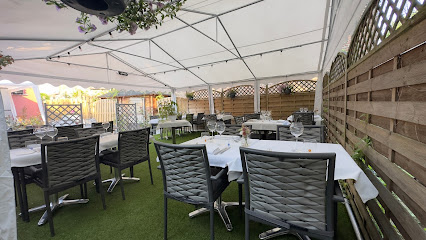
L'Auberge des Maïeurs By La Finca
6.1 km
Experience gourmet Belgian cuisine at L'Auberge des Maïeurs in Woluwe-Saint-Pierre - where culinary artistry meets exceptional service.
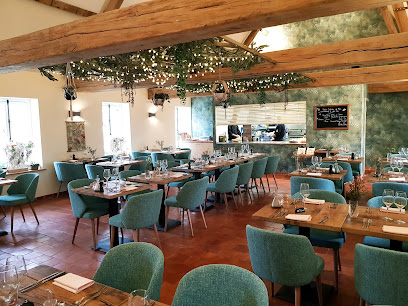
Ristorante Firenze
6.2 km
Experience authentic Italian cuisine at Ristorante Firenze in Kortenberg – where every dish tells a story.

Sanzarù
6.5 km
Experience unparalleled fine dining at Sanzarù in Woluwe-Saint-Pierre - where culinary artistry meets exceptional service.
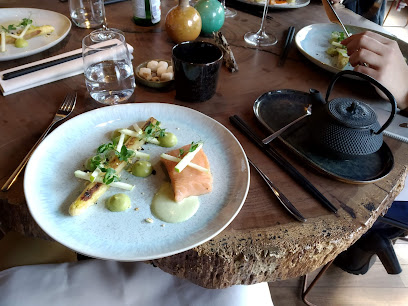
Restaurant Mirad
6.6 km
Discover Mediterranean flavors at Restaurant Mirad in Kortenberg – where every meal is a celebration of freshness and tradition.

Verre y Table
6.7 km
Experience the exquisite flavors of Belgium at Verre y Table in Woluwe-Saint-Lambert - where tradition meets innovation.
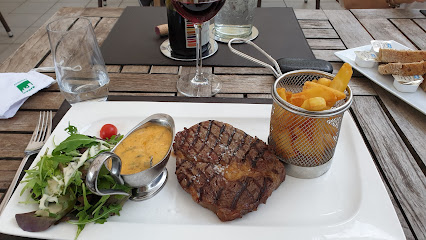
Atelier Noun
7.3 km
Experience the essence of Belgian cuisine at Atelier Noun in Bertem—where fresh ingredients meet culinary creativity.
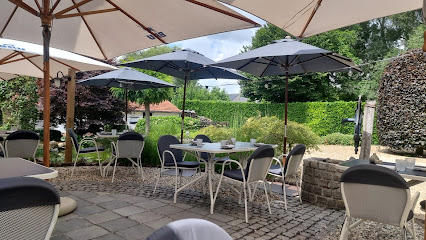
Le Petit Restaurant
8.6 km
Experience authentic Belgian cuisine at Le Petit Restaurant in Schaerbeek—where quality meets affordability in a cozy atmosphere.
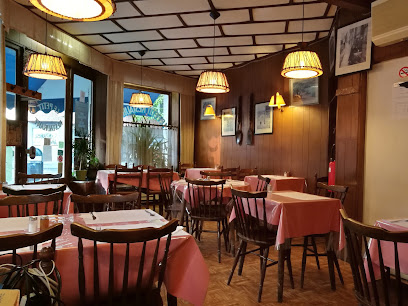
La Ligne Rouge
8.8 km
Discover La Ligne Rouge in Hoeilaart - A premier destination for exquisite Belgian cuisine and exceptional dining experiences.
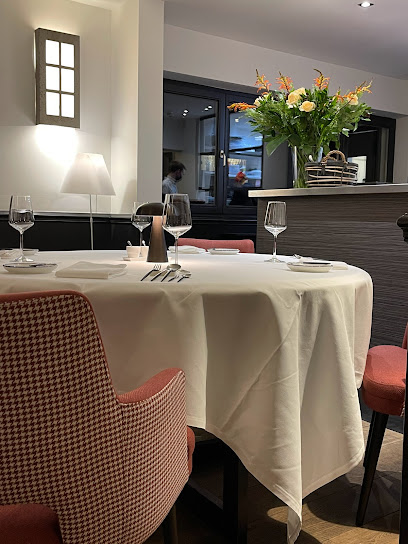
Markets, malls and hidden boutiques

FANCY Concept Store
3.3 km
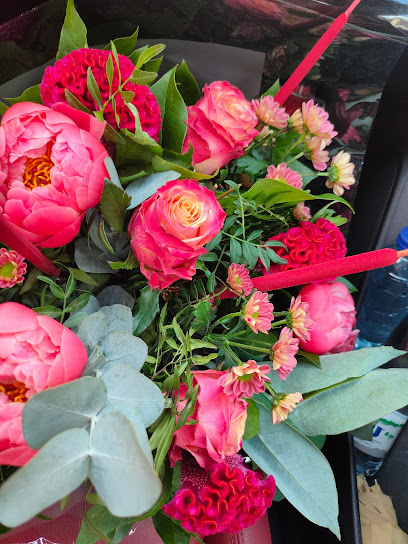
Explore FANCY Concept Store in Zaventem for unique gifts, children's clothing, handmade crafts, and beautiful floral arrangements.
Stockel Square
3.9 km
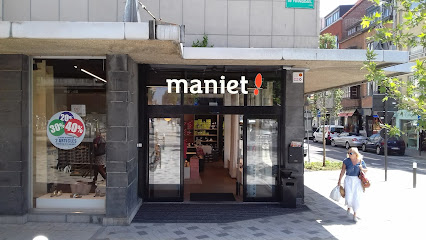
Experience the vibrant atmosphere of Stockel Square, where shopping, dining, and local culture come together in Woluwe-Saint-Pierre.
Woluwe Shopping Center
5.9 km
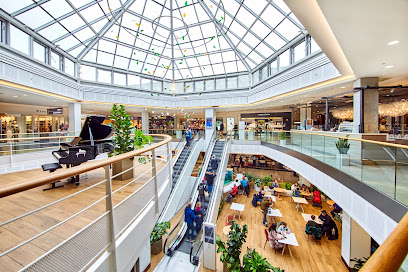
Explore the Woluwe Shopping Center: A retail paradise with diverse shops, dining, and a vibrant atmosphere in Woluwe-Saint-Lambert.
Lou Boutique
6.1 km
Discover unique fashion finds at Lou Boutique in Kortenberg, Belgium, where style meets quality in an inviting atmosphere.

British Store
6.4 km
Explore the British Store in Kortenberg for an authentic taste of British delicacies, snacks, and culinary treasures.
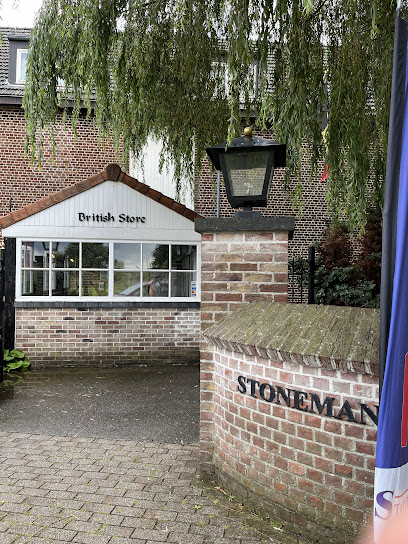
Stonemanor - Everberg
6.4 km
Discover local flavors and unique products at Stonemanor - Everberg, a grocery and department store perfect for tourists exploring Belgian culture.
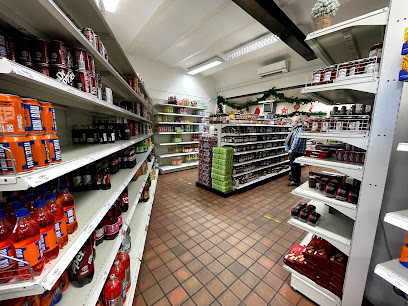
Idelica
6.5 km
Discover Idelica in Kortenberg: A charming gift shop offering unique souvenirs and local delicacies for an unforgettable shopping experience.
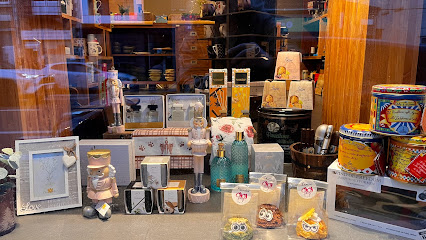
CAMELEON
6.8 km
Explore CAMELEON, Brussels' premier outlet mall for unbeatable deals on clothing, children's items, and more in a family-friendly shopping environment.
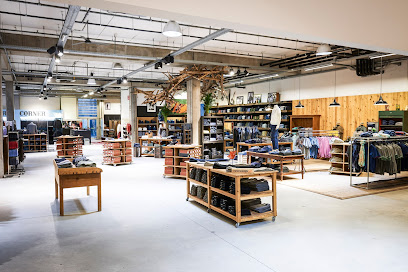
Action Schaarbeek
8.5 km
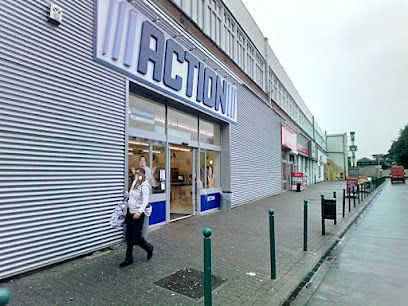
Explore Action Schaarbeek, a vibrant gift shop in Belgium offering everything from home goods to party supplies, perfect for tourists and locals alike.
Pop & Shop
9.2 km
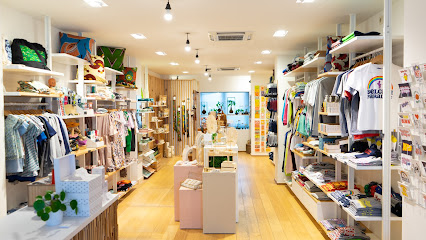
Explore Pop & Shop in Ixelles for unique fashion finds and local designer pieces to enhance your wardrobe during your travels.
Night Shop
10.1 km
Explore local flavors at Night Shop, your destination for authentic Belgian groceries and artisanal products in Saint-Josse-ten-Noode.
Mkm
10.2 km
Explore the charm of Mkm, a unique store in Saint-Josse-ten-Noode offering local goods and memorable souvenirs for every traveler.
ELMAS HOME
10.2 km
Discover ELMAS HOME, a charming gift shop in Saint-Josse-ten-Noode, offering unique treasures from floral arrangements to stylish decor.
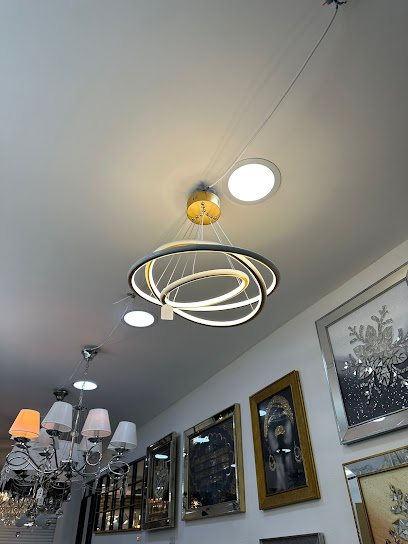
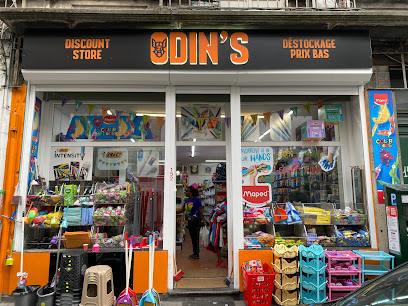
ODIN'S DISCOUNT STORE
10.2 km
Explore Odin's Discount Store in Brussels for unique finds and unbeatable prices, perfect for tourists seeking local treasures.
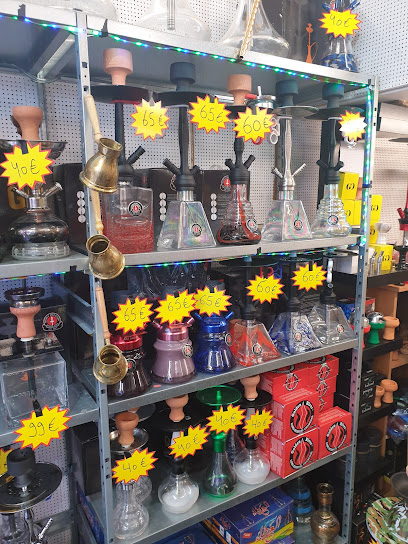
Non Stop Gold
10.2 km
Explore the enchanting world of fashion accessories at Non Stop Gold in Saint-Josse-ten-Noode, where style meets creativity and local craftsmanship.
Essential bars & hidden hideouts

De Kiek
5.8 km
Discover the lively atmosphere and diverse drink selection at De Kiek, a top bar in Kortenberg, perfect for tourists seeking local flavor.

'T Pleintje
6.3 km
Discover the charm of Kortenberg at 'T Pleintje, a cozy bar offering a rich selection of local drinks in a friendly atmosphere.

Bar Bruis
6.5 km
Experience the warmth and flavor of Kortenberg at Bar Bruis, a local favorite for drinks and delightful brasserie fare.
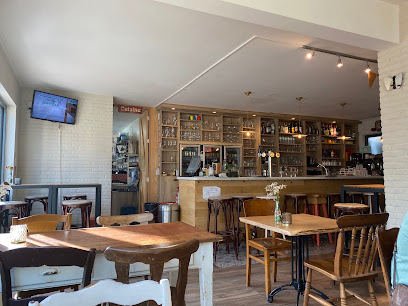
Bar Marcel
7.1 km
Experience the vibrant atmosphere and exceptional drinks at Bar Marcel, a must-visit bar in Zaventem, Belgium for every traveler.
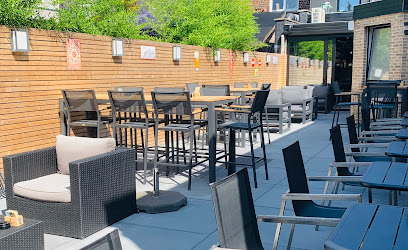
La Cuve à bière
7.3 km
Discover a vibrant beer culture at La Cuve à bière, where local brews meet international flavors in Woluwe-Saint-Lambert.
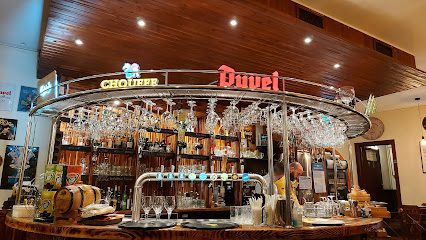
Déja Vu
8.5 km
Experience the vibrant nightlife of Brussels at Déja Vu, where expertly crafted cocktails and a chic ambiance await every visitor.
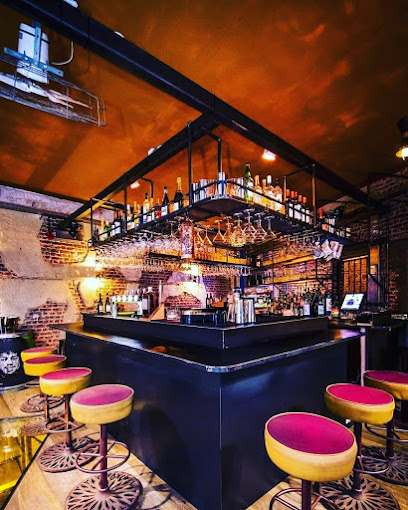
New Plasky
8.8 km
Discover New Plasky: A must-visit bar and restaurant in Schaerbeek, offering a delightful menu and a warm atmosphere perfect for relaxation.
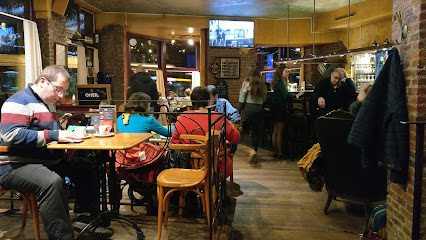
L'impair
9.0 km
Discover the charm of Belgian hospitality at L'impair, a cozy bar in Schaerbeek serving delightful drinks in a welcoming atmosphere.
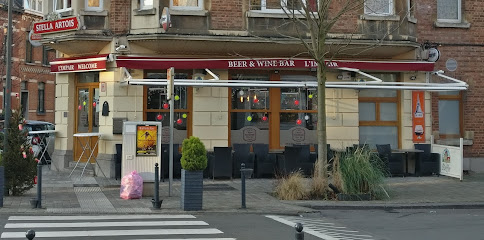
Chez Felix
9.0 km
Discover the essence of Belgian wine culture at Chez Felix, a charming wine bar in Schaerbeek, offering exquisite selections and delightful tapas.
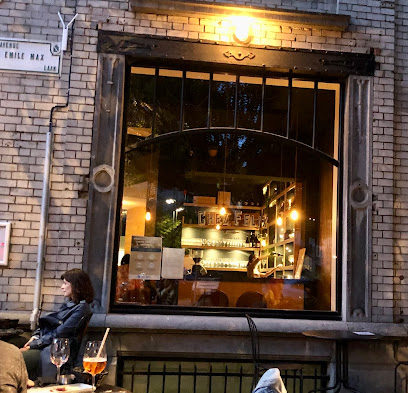
Python - Beer Cellar
9.1 km
Experience the best of Belgian beer culture at Python - Beer Cellar, a charming bar in Schaerbeek offering a vast selection of craft beers in a welcoming atmosphere.
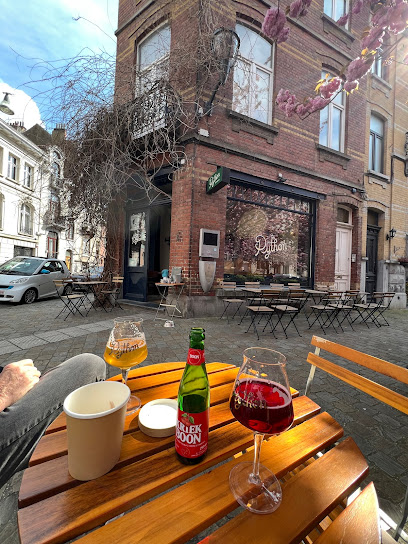
The Bar Ixelles
9.2 km
Experience the lively atmosphere at The Bar Ixelles, a perfect blend of cocktails, beers, and sports in the heart of Brussels.
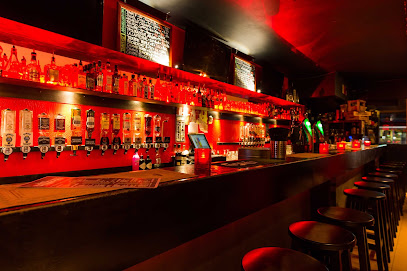
Le Gauguin
9.2 km
Discover Le Gauguin: A lively bar in Ixelles, Brussels, offering a vibrant atmosphere and delightful drinks at affordable prices.
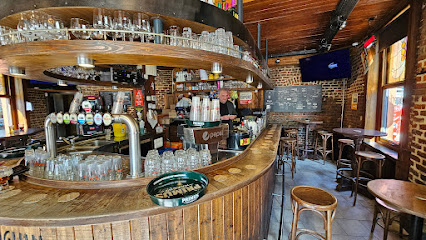
New Majestic Bar
9.3 km
Discover New Majestic Bar: A stylish cocktail bar and lounge in Schaerbeek, Brussels, perfect for unwinding and enjoying vibrant nightlife.
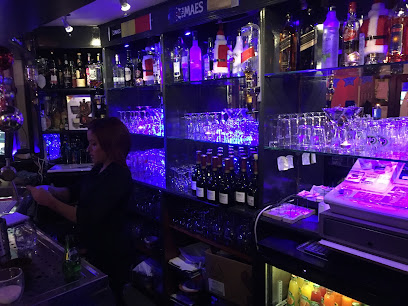
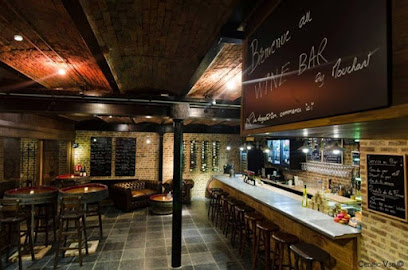
Wine Bar Mouchart
9.3 km
Experience the best of local wines and a cozy ambiance at Wine Bar Mouchart in the heart of Ixelles.
't Stopsel
9.4 km
Explore the vibrant atmosphere of 't Stopsel, a charming pub and event venue in Machelen, Belgium, perfect for relaxation and socializing.

Nightclubs & after hour spots

Cactus Club
6.7 km
Experience the electrifying nightlife of Auderghem at Cactus Club, where music meets energy for an unforgettable night out.
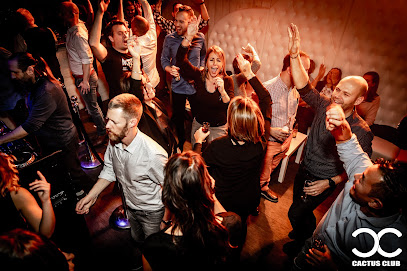
After Room
9.6 km
Dance the night away at After Room, Schaerbeek's ultimate disco club, where vibrant music and electrifying atmosphere await every party lover.
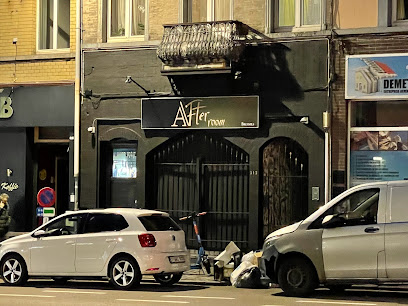
Scenario club
10.3 km
Dive into the vibrant nightlife at Scenario Club, Machelen's premier destination for dance, cabaret, and unforgettable experiences.
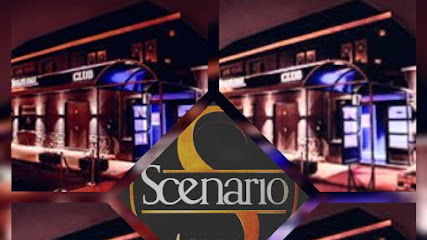
Escourt Belgique
10.4 km
Experience the vibrant nightlife at Escourt Belgique in Saint-Josse-ten-Noode, where music, dancing, and unforgettable moments await.
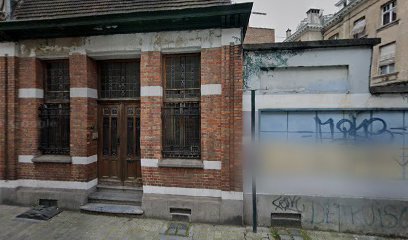
Jeux d’Hiver
10.4 km
Discover the vibrant nightlife of Brussels at Jeux d'Hiver, a unique night club set in the beautiful La Cambre woods, perfect for an unforgettable evening.
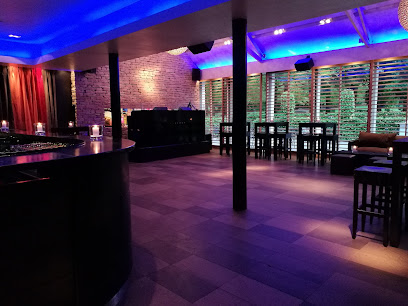
NAO Brussels
10.5 km
Experience the vibrant nightlife at NAO Brussels, where electrifying music and unforgettable memories await in the heart of the city.
Unseen
10.5 km
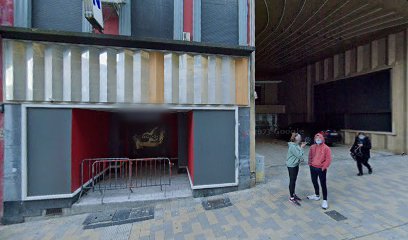
Unseen is the heartbeat of Saint-Josse-ten-Noode's nightlife, where dance, music, and unforgettable memories await every night.
Mirano Bruxelles
10.5 km
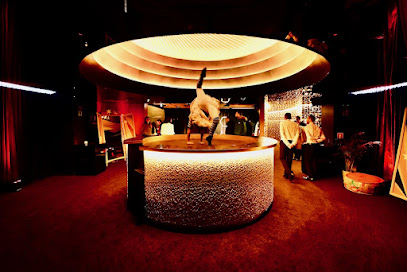
Discover the vibrant nightlife of Mirano Bruxelles, a premier disco club in Brussels offering an electrifying atmosphere and unforgettable dance experiences.
Mode Av
10.5 km
Discover the exhilarating nightlife at Mode Av, the premier disco club in Brussels, where unforgettable nights and vibrant beats await.
Not In Club
10.5 km
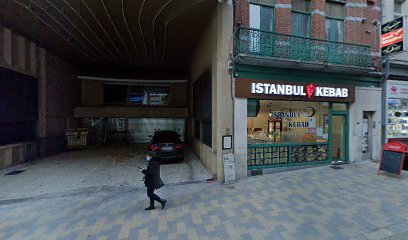
Dive into the vibrant nightlife of Brussels at Not In Club, a disco haven for music lovers and party enthusiasts.
Klub Melk
10.6 km
Experience the vibrant nightlife at Klub Melk, the premier night club in Herent, Belgium, offering great music and an exhilarating atmosphere.
La Piquette
10.7 km
Experience the vibrant nightlife at La Piquette, a premier night club in Saint-Josse-ten-Noode, renowned for its energetic atmosphere and diverse music scene.
Discothèque Mambo
10.8 km
Discover the pulsating nightlife of Brussels at Discothèque Mambo, where music, dance, and vibrant energy come together for an unforgettable experience.
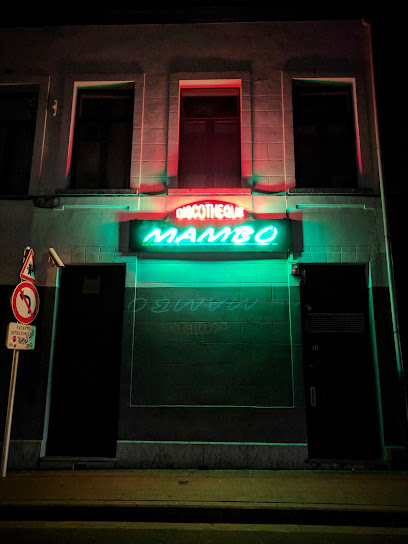
Black Pearl
10.8 km
Experience the vibrant atmosphere of Black Pearl, a chic lounge in Saint-Josse-ten-Noode, known for exquisite cocktails and inviting ambiance.

Club 13
10.9 km
Dive into the heart of Brussels nightlife at Club 13, where music, dance, and unforgettable moments await every visitor.