Keizerskapel, Antwerp Travel Guide
Discover the Keizerskapel, a hidden gem in Antwerp's historic Keizerstraat, showcasing stunning Baroque artistry and a rich cultural heritage from the city's golden age.
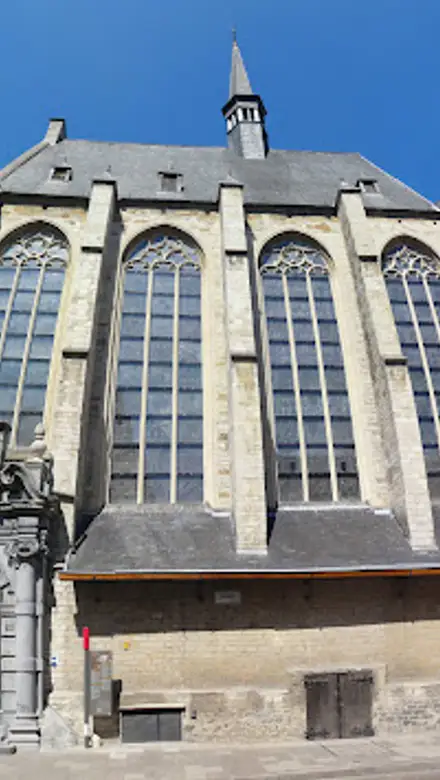
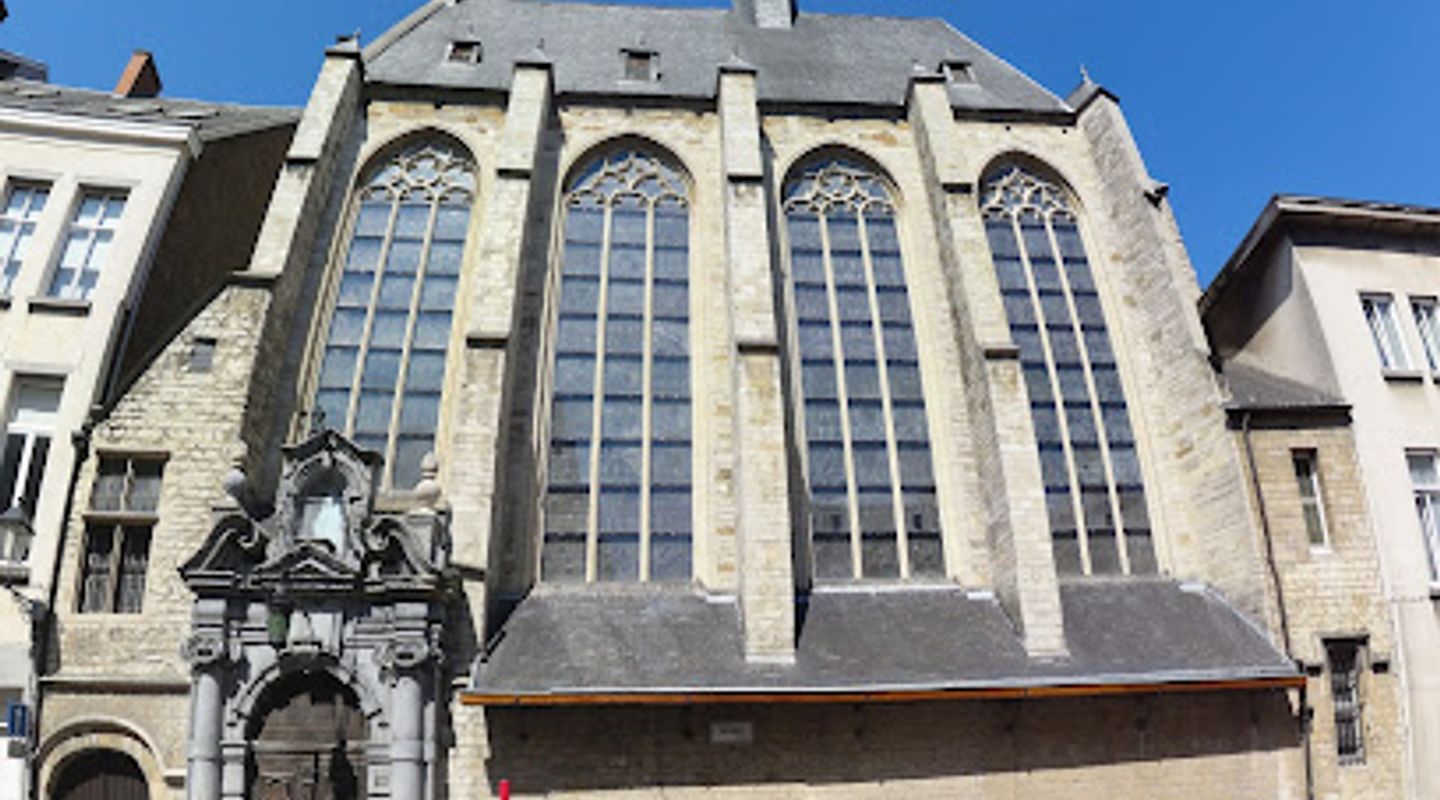
The Keizerskapel, or Emperor's Chapel, is a captivating 16th-century chapel in Antwerp, originally built for the cloth-cutters' guild. Its unassuming exterior belies a rich Baroque interior, a testament to its 17th-century renovation. The chapel boasts sculptures by the de Nole family, Guillielmus Kerricx, and Artus II Quellinus, along with a stunning pulpit by Peter II Verbrugghen. The chapel's history is intertwined with Antwerp's artistic and religious past, having been the first church to reopen after the French Revolution. Today, it stands as a serene oasis amidst the bustling city, offering visitors a glimpse into Antwerp's golden age and a chance to admire its artistic treasures. The Keizerskapel provides a unique and intimate experience, a contrast to the city's larger, more famous cathedrals, making it a worthwhile stop for those seeking a deeper connection to Antwerp's cultural heritage. Its location on the historic Keizerstraat, surrounded by other notable landmarks, further enhances its appeal.
A brief summary to Keizerskapel
- Keizerstraat 23, Antwerp, 2000, BE
- Saturday 1 pm-6 pm
- Sunday 1 pm-6 pm

Know before you go
Hi, I'm Eve. Here are a few practical things to know before exploring Keizerskapel.
- Check the opening hours in advance, as the chapel's hours can be limited, especially outside of peak tourist season. It is often only open on Saturday and Sunday afternoons.
- Combine your visit with a trip to the nearby Rockox House museum on Keizerstraat to delve deeper into Antwerp's 17th-century art and history.
- Take a moment to appreciate the chapel's unique starry ceiling and the intricate details of the stained glass windows.
- Consider attending a service or concert if available to experience the chapel's acoustics and spiritual atmosphere.
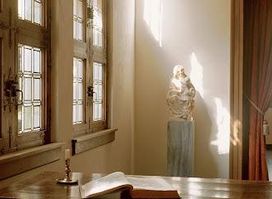
- Look for the small statue of the Holy Virgin, which survived the Iconoclasm of 1566, a rare artifact from the chapel's early history.
Do you manage this location?
Take control to get all the benefits, like improved information, better appearance, and stronger visibility across AI-powered discovery. Learn more about listing your business on Evendo
Activate your presenceOther nearby places you may find interesting
The closest places of the same kind, if this one is not quite what you had in mind.


Explore Keizerskapel on the Map
A handpicked selection of must-see spots near Keizerskapel, mapped for you.
Getting There
-
Walking
From the Grote Markt, walk northeast along the Suikerrui towards the Scheldt river. Turn left onto the Ernest Van Dijckkaai and continue until you reach the Sint-Pietersvliet. Turn right onto Sint-Pietersvliet, then turn left onto Nieuwe Straat. Continue onto Keizerstraat. The Keizerskapel will be on your left. The walk is approximately 10-15 minutes and offers views of historic Antwerp. Note that the Touristram also stops at Keizerstraat.
-
Public Transport
From Antwerpen-Centraal Station, take tram line 9 towards Linkeroever. Get off at the Meir Metro station. Walk south on the Meir, then turn left onto Wapper. Turn right onto Keizerstraat. The Keizerskapel will be on your right. A single tram ticket costs €3 and is valid for 60 minutes of unlimited transfers. Alternatively, bus 17 stops at Paardenmarkt (Hessenbrug stop), a short walk to Keizerstraat.
-
Taxi/Ride-Share
A taxi or ride-share from Antwerpen-Centraal Station to the Keizerskapel typically costs between €9-€12 and takes approximately 5-10 minutes, depending on traffic. Be sure to specify the Keizerstraat address to the driver.
-
Driving
Driving directly to the Keizerskapel is not recommended due to limited street parking. Paid parking is available at nearby parking garages such as Parking Sint-Jacob (St-Jacobsmarkt 81-83) and Parking 't Stad (Eikenstraat 9). Expect to pay around €2.30 per hour or €5.70 for 2 hours. Note that the Antwerp city center is a low-emission zone, so check your vehicle's compliance before entering. Visitors are no longer allowed to park on the street.
Discover more about Keizerskapel













Your all‑in‑one travel companion app
Explore expert travel guides, compare and book tours, experiences, hotels, and more—all from the palm of your hand. Download now for seamless trip planning wherever your wanderlust takes you.


Explore More of Antwerp
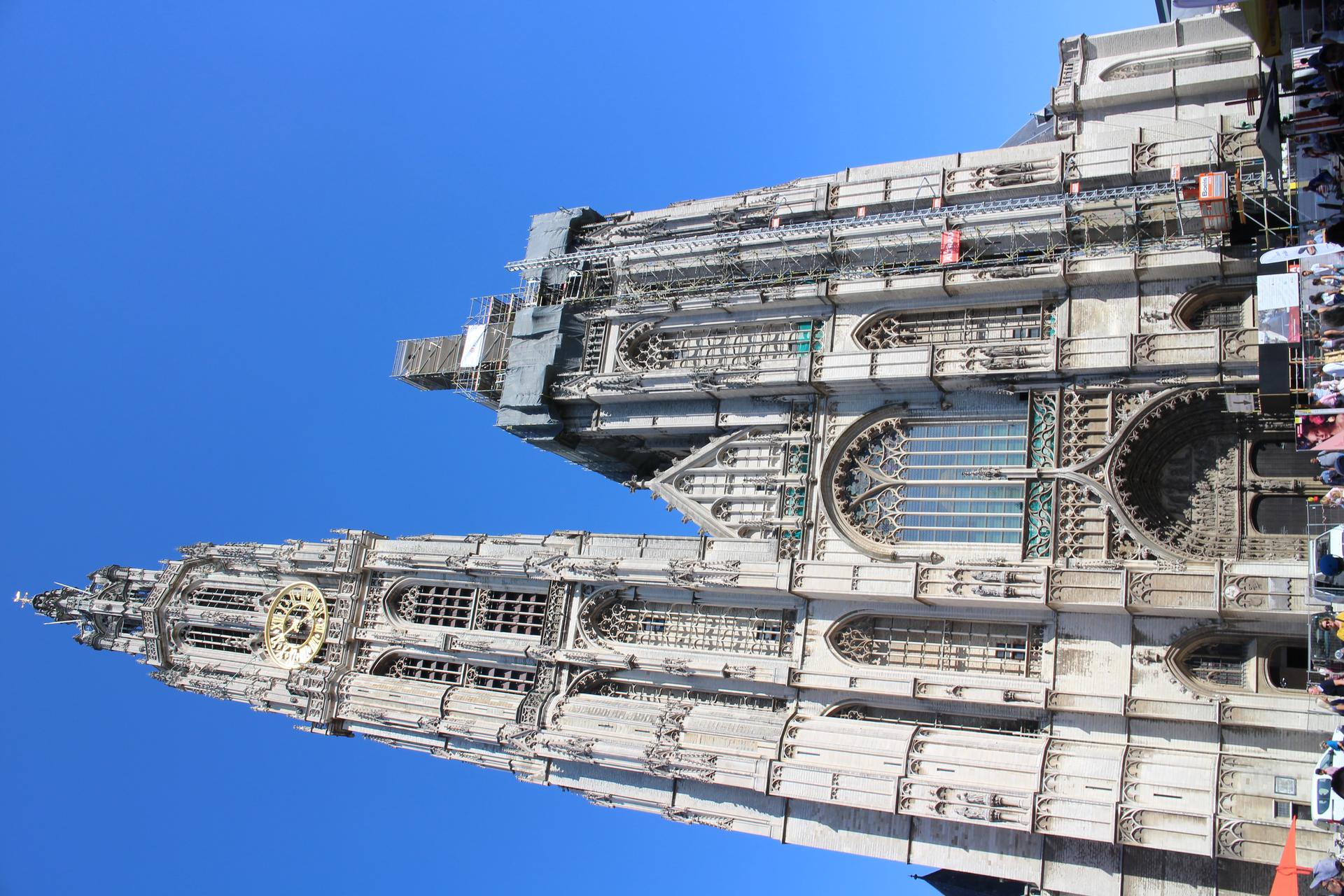
Looking beyond Keizerskapel? Discover Antwerp for broader travel guides, local hot-spots, and regional highlights.
Explore Antwerp