

Sonian Forest Travel Guide
Free Guide: Discover the serene beauty and rich history of the Sonian Forest, a UNESCO World Heritage site offering a tranquil escape just outside Brussels.


A brief summary of Sonian Forest
Discover the serene beauty and rich history of the Sonian Forest, a UNESCO World Heritage site offering a tranquil escape just outside Brussels.
Escape the urban bustle and immerse yourself in the serene beauty of the Sonian Forest, a sprawling woodland just southeast of Brussels. This UNESCO World Heritage site, part of the ancient Silva Carbonaria, boasts towering beech trees, diverse flora and fauna, and a rich history dating back to Roman times. Explore winding trails perfect for hiking, cycling, or a peaceful stroll, and discover hidden gems like the Tervuren Arboretum and the Rouge-Cloître site. With easy access by public transport and car, the Sonian Forest offers a refreshing natural escape for all ages and interests, providing a vital green lung for the city and a haven for biodiversity.
- Address
- Sonian Forest
- Website
Getting there
Public Transport
Driving
Walking
Discover more about Sonian Forest
Overview
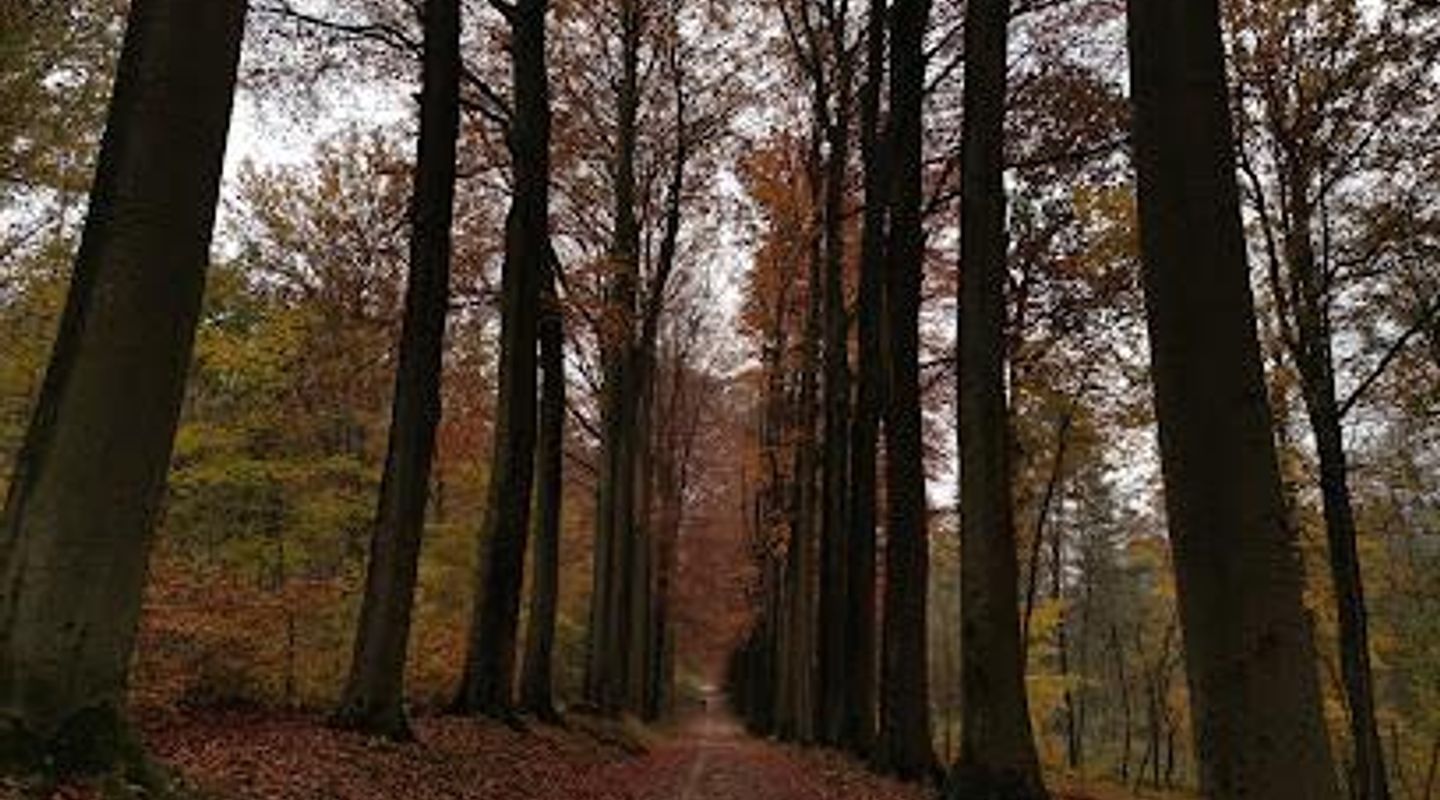
The Sonian Forest, a vast expanse of green located southeast of Brussels, offers a tranquil escape from the city's vibrant energy. Spanning over 4,400 hectares across three Belgian regions (Flanders, Brussels-Capital, and Wallonia), this ancient woodland is a designated UNESCO World Heritage site, recognized as part of the 'Ancient and Primeval Beech Forests of the Carpathians and Other Regions of Europe'. Its history stretches back to Roman times when it formed part of the Silva Carbonaria, or Charcoal Forest, a vast woodland that once covered much of Western Europe. Over the centuries, the Sonian Forest has witnessed the rise and fall of empires, served as a hunting ground for nobility, and provided essential resources for local communities. In the Middle Ages, the forest was used for hunting by nobility and is even mentioned in famous tales such as Robin Hood. During the Austrian period in the 18th century, extensive beech plantations began, shaping the forest's character as we know it today. These towering beech trees, some reaching heights of up to 50 meters and ages exceeding 200 years, create a cathedral-like atmosphere, with slender trunks and a relatively sparse undergrowth. The forest's rich biodiversity is another major draw. It is home to a diverse range of flora and fauna, including deer, foxes, badgers, numerous bird species, and a variety of insects and fungi. The forest plays a crucial role in climate regulation and water purification, and serves as a valuable research site for ecologists. Several walking trails wind through the forest, catering to different fitness levels and interests. These trails offer opportunities to observe the local wildlife, admire the ancient beech trees, and simply enjoy the peace and quiet of nature. Beyond its natural beauty, the Sonian Forest also holds historical and cultural significance. Scattered throughout the forest are remnants of ancient hunting lodges, memorials to fallen forest rangers, and other historical landmarks that offer glimpses into the forest's past. The Tervuren Arboretum, located within the Sonian Forest, is a living monument showcasing over 400 tree species from around the world. The Rouge-Cloître site, on the edge of the forest, features an art center, playgrounds, and fitness trails, providing additional recreational opportunities. The Sonian Forest is not only a place of recreation and natural beauty but also a vital green space for the city of Brussels. It provides a much-needed escape for city dwellers, offering opportunities for relaxation, exercise, and connection with nature. The forest's management is a collaborative effort between the three regions it spans, with a focus on preserving its ecological integrity, promoting biodiversity, and providing sustainable recreational opportunities. However, the Sonian Forest faces several challenges, including increasing pressure from recreational use, fragmentation due to roads and railways, and the impacts of climate change. Efforts are underway to address these challenges through sustainable forest management practices, ecological restoration projects, and initiatives to promote responsible tourism. Whether you're a nature lover, a history buff, or simply seeking a peaceful escape from the city, the Sonian Forest offers something for everyone. Its towering beech trees, diverse wildlife, and rich history create a unique and unforgettable experience. Explore the winding trails, discover hidden gems, and immerse yourself in the serene beauty of this remarkable woodland.
Evendo Review Centre
 Google
Guest reviews
Explore Sonian Forest on the map
A handpicked selection of must-see spots near Sonian Forest, mapped for you.
Get your free copy of our complete guide to Sonian Forest, delivered straight to you.
Everything on this page, from opening hours and how to get there to Eve’s tips and the best time to go, in one PDF you can read offline, print or share.
Already have an account? Sign in
Your Sonian Forest guide is ready.
We'll send it to · Not you? Sign out

Getting your guide ready…
We are putting together a fresh copy of the Sonian Forest guide. This can take up to a minute.
This can take a few moments. If your browser asks, choose Allow so the download can start. You'll find the guide in your Downloads folder.
Nothing happened? Download it again
Sorry, the guide is taking longer than usual. Please try again in a minute, or get it by email instead.
Unlock the best of Sonian Forest
Skip-the-line tickets, guided tours with entry, and walking tours of the area, booked in a few clicks.


Other nearby places you may find interesting
The closest places of the same kind, if this one is not quite what you had in mind.
-
-
-
-
-


Swipe for more places
More to explore near Sonian Forest

 Best experiences near Sonian Forest
 Best hotels near Sonian Forest
 Best landmarks near Sonian Forest
 Best attractions near Sonian Forest
 Best shops near Sonian Forest
 Best restaurants near Sonian Forest
 Best bars near Sonian Forest
Do you manage this location?
Take control to get all the benefits, like improved information, better appearance, and stronger visibility across AI-powered discovery.
Explore more

Explore more of Brussels-Capital Region
Discover Brussels-Capital Region: A blend of history, culture, and modernity in the heart of Europe, home to stunning architecture, world-class museums, and gourmet delights.
Explore Brussels-Capital Region
Explore more of Belgium
Discover Belgium: A blend of medieval charm, culinary delights, and stunning landscapes. Explore historic cities, savor exquisite chocolates, and enjoy a perfect getaway.
Explore Belgium
