

Brussels-Capital Region, Belgium Travel Guide
Discover Brussels-Capital Region: A blend of history, culture, and modernity in the heart of Europe, home to stunning architecture, world-class museums, and gourmet delights.
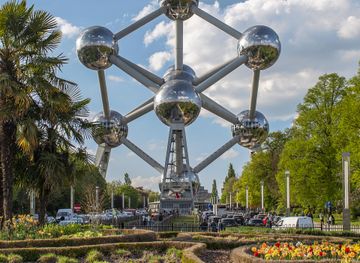
Welcome to the Brussels-Capital Region, the vibrant and cosmopolitan heart of Belgium. Known for its rich history, diverse culture, and political significance, Brussels offers a unique blend of the old and the new. As the de facto capital of the European Union, the city is a melting pot of cultures and a hub of international diplomacy. Explore the historic Grand Place, a UNESCO World Heritage site, and marvel at its stunning architecture. The square is the perfect place to start your journey, surrounded by ornate guildhalls, the Town Hall, and the King's House. Don't miss the famous Manneken Pis statue nearby, a symbol of the city's irreverent spirit. For art lovers, the Royal Museums of Fine Arts of Belgium house an impressive collection of works from the Flemish Primitives to modern art. The Magritte Museum, dedicated to the surrealist artist René Magritte, offers a whimsical and thought-provoking experience. Additionally, the Atomium, a futuristic building from the 1958 World Expo, provides panoramic views of the city and an insight into mid-20th-century architecture and design. Brussels is also a food lover's paradise. Indulge in Belgian waffles, chocolates, and, of course, the world-famous Belgian fries. The city boasts a wide range of restaurants, from cozy bistros to Michelin-starred establishments, offering both traditional Belgian cuisine and international flavors. Lastly, take a stroll through the European Quarter, where you can visit the European Parliament and other EU institutions. The Parc du Cinquantenaire, with its triumphal arch and lush gardens, is another must-see, offering a peaceful retreat from the bustling city. Whether you're a history buff, an art enthusiast, or a food connoisseur, the Brussels-Capital Region has something to offer every traveler. Discover the charm and sophistication of this European gem.

Know before you go
Hi, I'm Eve. Here are a few practical things to know before exploring Brussels-Capital Region.
- Visit Grand Place in the early morning or late evening to avoid crowds and capture stunning photos.
- Try to learn a few basic phrases in French or Dutch; locals appreciate the effort.
- Purchase a Brussels Card for free entry to museums and unlimited public transport.
- Don't miss out on local markets like the Marché du Midi for fresh produce and local delicacies.
- Wear comfortable walking shoes as many attractions are best explored on foot.
Top City Travel Guides in Brussels-Capital Region
The cities of Brussels-Capital Region, and the easiest places to base yourself.

Explore Brussels-Capital Region: Things to Do, Places to Eat, Hotels & More
Handpicked recommendations for top attractions, local dining, accommodations, and more

Top Attractions & Sightseeing in Brussels-Capital Region
Top-rated picks
Best Attractions

Grand Place
Discover the enchanting Grand Place, a UNESCO World Heritage site, showcasing Brussels' stunning architecture and vibrant cultural atmosphere.

Manneken Pis
Discover the charm of Manneken Pis, Brussels' famous fountain that embodies the city’s playful spirit and rich cultural heritage.

Bois de la Cambre
Explore the picturesque Bois de la Cambre in Brussels, a stunning park perfect for relaxation, outdoor activities, and enjoying nature's beauty.

Royal Belgian institute of Natural Sciences
Discover the Royal Belgian Institute of Natural Sciences, a captivating museum in Brussels showcasing the wonders of nature with interactive exhibits and breathtaking collections.

Best landmarks in Brussels-Capital Region
Top-rated picks
Best Landmarks

Grand Place
Explore the captivating Grand Place in Brussels, a UNESCO World Heritage Site known for its stunning architecture and vibrant cultural events.
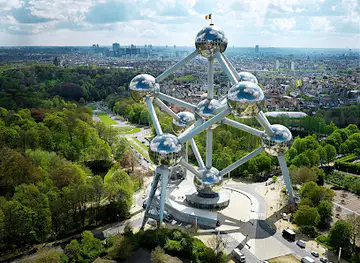
Atomium
Experience the breathtaking Atomium in Brussels, a stunning architectural masterpiece blending culture, history, and science, offering panoramic views and engaging exhibitions.

Royal Gallery of Saint Hubert
Explore the Royal Gallery of Saint Hubert, a stunning shopping arcade in Brussels filled with luxury boutiques, cafés, and historical charm.
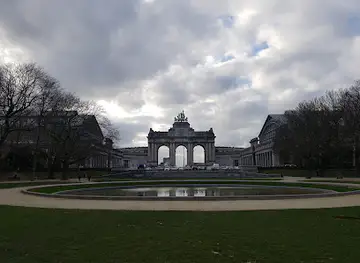
Parc du Cinquantenaire
Explore the enchanting Parc du Cinquantenaire in Brussels, a perfect blend of history, culture, and lush gardens for a relaxing escape in the city.

Best restaurants in Brussels-Capital Region
Top-rated picks
Best Restaurants

Chez Léon
Experience authentic Belgian cuisine at Chez Léon in Brussels – famous for its mussels & fries amidst a lively atmosphere.

The Lobster House
Indulge in fresh seafood delicacies at The Lobster House - Brussels' premier destination for authentic Belgian flavors.

Fin de Siècle
Experience authentic Belgian cuisine at Fin de Siècle in Brussels - where tradition meets taste in every dish.

Le Bistro - Porte de Hal
Discover authentic Belgian cuisine at Le Bistro - Porte de Hal in Brussels, where tradition meets modern dining in a cozy atmosphere.

Best bars in Brussels-Capital Region
Top-rated picks
Best Bars
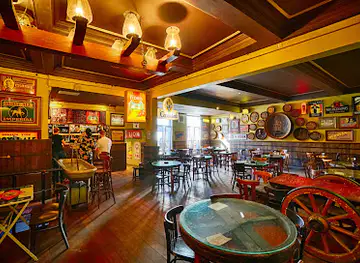
Delirium Café
Discover Delirium Café in Brussels, a vibrant bar offering over 2000 different beers, perfect for enthusiasts and casual drinkers alike.

Moeder Lambic Fontainas
Discover the essence of Belgian brewing at Moeder Lambic Fontainas, a premier beer hall in the heart of Brussels with an outstanding selection of craft beers.

o'reilly's Irish Pub Brussels
Discover O'Reilly's Irish Pub in Brussels – where authentic Irish charm meets vibrant Belgian culture, serving delicious food and drinks in a lively atmosphere.
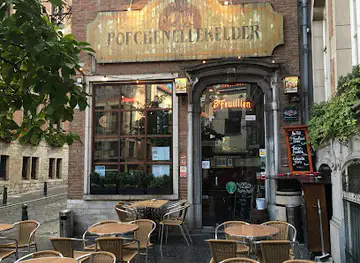
Poechenellekelder
Explore the whimsical charm of Poechenellekelder, Brussels' unique bar and beer hall, where creativity meets an impressive selection of local and international brews.

Best nightclubs in Brussels-Capital Region
Top-rated picks
Best Nightclubs

Spirito Brussels
Experience the vibrant nightlife of Spirito Brussels, a top disco club in Ixelles known for its stunning decor and electrifying atmosphere.

C12
Discover the electrifying atmosphere of C12, a premier disco club in Brussels, where the beats never stop and the night is always young.

Fuse
Join the electrifying nightlife at Fuse, Brussels' premier nightclub, where unforgettable music and vibrant energy come alive.

Cactus Club
Experience the electrifying nightlife of Auderghem at Cactus Club, where music meets energy for an unforgettable night out.

Best shops in Brussels-Capital Region
Top-rated picks
Best Shops

Royal Gallery of Saint Hubert
Discover the Royal Gallery of Saint Hubert, an architectural marvel in Brussels filled with luxury shops and delicious Belgian treats.

Docks Bruxsel
Experience the best of shopping and dining at Docks Bruxsel, a premier destination in Brussels for tourists seeking vibrant retail and culinary adventures.

City2
Discover the vibrant shopping oasis of City2 in Brussels, where diverse brands and delicious dining await every visitor.

Woluwe Shopping Center
Discover Woluwe Shopping Center: Belgium's vibrant retail destination with diverse shops, dining options, and entertainment for every visitor.

Explore Brussels-Capital Region on the Map
A handpicked selection of must-see spots in Brussels-Capital Region, mapped for you.
Brussels-Capital Region Essentials
-
Brussels-Capital Region is well-connected by air, rail, and road. Brussels Airport (BRU) is the primary international gateway, located about 12 kilometers from the city center. From the airport, you can take a train, bus, or taxi to reach the city. Brussels South Charleroi Airport (CRL) is another option, mainly serving low-cost carriers, located about 60 kilometers from Brussels. High-speed trains like the Thalys and Eurostar connect Brussels to major European cities such as Paris, London, and Amsterdam. Buses and cars are also viable options for regional travel, with a well-developed road network linking Brussels to neighboring countries.
-
Brussels boasts an efficient and extensive public transportation system, including buses, trams, and metro lines operated by STIB/MIVB. Tickets can be purchased at stations, kiosks, or via mobile apps. Taxis are available but can be relatively expensive compared to public transport. For a more eco-friendly option, consider renting a bicycle through the Villo! bike-sharing scheme. Walking is also a great way to explore the city's compact and pedestrian-friendly neighborhoods. Additionally, train services provided by SNCB/NMBS connect Brussels to other Belgian cities and towns.
-
The official currency in Belgium is the Euro (EUR). Credit and debit cards are widely accepted in hotels, restaurants, and shops, but it's always a good idea to carry some cash for smaller establishments and markets. ATMs are plentiful throughout the city. Contactless payment methods, including mobile wallets, are also commonly used. Tipping is not obligatory but appreciated, typically rounding up the bill or leaving 5-10% for exceptional service.
-
Brussels is generally a safe city for tourists, but it's important to remain vigilant. Pickpocketing and petty theft can occur in crowded areas such as public transportation, tourist sites, and markets. Be cautious in neighborhoods like Molenbeek and certain parts of Anderlecht, which have higher crime rates. Always keep your belongings secure and avoid poorly lit or deserted areas at night. Emergency numbers to know are 112 for all emergencies and 101 for police assistance.
-
In case of emergency, dial 112 for immediate assistance, which covers medical, fire, and police emergencies. For non-urgent police matters, dial 101. Major hospitals such as Saint-Luc, Erasmus, and CHU Brugmann provide quality medical care. Pharmacies are widely available, and some operate 24/7. It's advisable to carry travel insurance that covers medical emergencies and to know the location of your country's embassy or consulate in Brussels.
-
Fashion: Do dress smartly, especially when dining out or visiting more upscale establishments. Avoid overly casual attire in formal settings. Religion: Do respect local customs and religious sites. Many churches and cathedrals require modest clothing. Public Transport: Do validate your ticket before boarding and offer your seat to elderly passengers. Don't eat or drink on public transport. Greetings: Do greet people with a handshake. In informal settings, three kisses on the cheek are common. Eating & Drinking: Do try local specialties like mussels, waffles, and chocolates. Don't rush through meals; dining is often a leisurely experience.
-
To experience Brussels like a local, explore neighborhoods like the Marolles, Ixelles, and Saint-Gilles, where you can find unique shops, cafes, and street markets. Don't miss the Sunday market at Gare du Midi for fresh produce and local goods. Attend local events and festivals such as the Brussels Summer Festival or the Ommegang historical reenactment. For a unique perspective, take a walk through the Sonian Forest or visit the lesser-known museums like the Horta Museum or the Musical Instruments Museum.
When is the best time to visit Brussels-Capital Region?
Useful Local Phrases for Brussels-Capital Region
You don't need to speak the language perfectly. Even learning a few simple words can make conversations warmer—and locals usually appreciate the effort.
— Eve

Here are the phrases I use most often in Brussels-Capital Region. Try a few—you'll be surprised how far they go! 😊
❤️
-
- HelloBonjour
[bɔ̃ʒuʁ] - GoodbyeAu revoir
[o ʁə.vwaʁ] - YesOui
[wi] - NoNon
[nɔ̃] - Please/You're welcomeS'il vous plaît/De rien
[sil vu plɛ/də ʁjɛ̃] - Thank youMerci
[mɛʁ.si] - Excuse me/SorryExcusez-moi/Désolé
[ɛkskyze mwa/dezo.le] - How are you?Comment ça va?
[kɔ.mɑ̃ sa va] - Fine. And you?Bien. Et vous?
[bjɛ̃ e vu] - Do you speak English?Parlez-vous anglais?
[paʁ.le vu ɑ̃ɡ.le] - I don't understandJe ne comprends pas
[ʒə nə kɔ̃.pʁɑ̃ pa]
- HelloBonjour
-
- I'd like to see the menu, pleaseJe voudrais voir le menu, s'il vous plaît
[ʒə vu.dʁɛ vwaʁ lə mə.ny sil vu plɛ] - I don't eat meatJe ne mange pas de viande
[ʒə nə mɑ̃ʒ pa də vjɑ̃d] - Cheers!Santé!
[sɑ̃.te] - I would like to pay, pleaseJe voudrais payer, s'il vous plaît
[ʒə vu.dʁɛ pe.je sil vu plɛ]
- I'd like to see the menu, pleaseJe voudrais voir le menu, s'il vous plaît
-
- Help!À l'aide!
[a lɛd] - Go away!Allez-vous-en!
[a.le vu zɑ̃] - Call the Police!Appelez la police!
[a.pe.le la pɔ.lis] - Call a doctor!Appelez un médecin!
[a.pe.le ɛ̃ mɛd.sɛ̃] - I'm lostJe suis perdu
[ʒə sɥi pɛʁ.dy] - I'm illJe suis malade
[ʒə sɥi ma.lad]
- Help!À l'aide!
-
- I'd like to buy...Je voudrais acheter...
[ʒə vu.dʁɛ aʃ.te] - I'm just lookingJe regarde juste
[ʒə ʁə.ɡaʁd ʒyst] - How much is it?C'est combien?
[sɛ kɔ̃.bjɛ̃] - That's too expensiveC'est trop cher
[sɛ tʁo ʃɛʁ] - Can you lower the price?Pouvez-vous baisser le prix?
[pu.ve vu bɛ.se lə pʁi]
- I'd like to buy...Je voudrais acheter...
-
- What time is it?Quelle heure est-il?
[kɛl œʁ ɛ til] - It's one o'clockIl est une heure
[il ɛ yn œʁ] - Half past (10)Dix heures et demie
[dis œʁ e də.mi] - MorningMatin
[ma.tɛ̃] - AfternoonAprès-midi
[a.pʁɛ mi.di] - EveningSoir
[swaʁ] - YesterdayHier
[jɛʁ] - TodayAujourd'hui
[o.ʒuʁ.dɥi] - TomorrowDemain
[də.mɛ̃] - 1Un
[ɛ̃] - 2Deux
[dø] - 3Trois
[tʁwa] - 4Quatre
[katʁ] - 5Cinq
[sɛ̃k] - 6Six
[sis] - 7Sept
[sɛt] - 8Huit
[ɥit] - 9Neuf
[nœf] - 10Dix
[dis]
- What time is it?Quelle heure est-il?
-
- Where's a/the...?Où est un/le...?
[u ɛ ɛ̃ lə] - What's the address?Quelle est l'adresse?
[kɛl ɛ l‿a.dʁɛs] - Can you show me (on the map)?Pouvez-vous me montrer (sur la carte)?
[pu.ve vu mə mɔ̃.tʁe syʁ la kaʁt] - When's the next (bus)?Quand est le prochain (bus)?
[kɑ̃ ɛ lə pʁɔ.ʃɛ̃ bys] - A ticket (to ....)Un ticket (pour ....)
[ɛ̃ ti.kɛ (puʁ)]
- Where's a/the...?Où est un/le...?
History of Brussels-Capital Region
-
The history of Brussels dates back to the 10th century when it was founded by Charles, Duke of Lower Lorraine. The first recorded mention of Brussels is from a charter dated 979, which references the construction of a small castle on Saint-Géry Island, where the city would later develop.
-
During the medieval period, Brussels grew as a trading hub due to its strategic location along the Senne River. The city's market square, now known as the Grand Place, became the focal point for commerce. Various guild houses and the Town Hall were constructed during this period, reflecting the wealth and importance of the city.
-
From the 16th to the 18th century, Brussels was under Spanish Habsburg rule. The city became a center of administration and culture. The construction of the Coudenberg Palace and the establishment of the Royal Court in Brussels marked this era. However, the period was also marked by religious conflicts, including the Protestant Reformation and subsequent Catholic Counter-Reformation.
-
In August 1695, the French army under King Louis XIV bombarded Brussels. The Grand Place and a significant portion of the city were destroyed. The reconstruction of Brussels in the aftermath of the bombardment saw the Grand Place rebuilt in its current ornate Baroque style, making it one of the most beautiful squares in Europe.
-
Following the Belgian Revolution in 1830, Brussels was declared the capital of the newly independent Belgium. The city experienced rapid growth and modernization in the 19th century, with the construction of iconic buildings like the Royal Palace, the Parc de Bruxelles, and the Palais de Justice.
-
Brussels was occupied by German forces during both World War I and World War II. The city suffered significant hardship and damage during these conflicts. After World War II, Brussels played a crucial role in the reconstruction of Europe and became the de facto capital of the European Union, hosting major institutions like the European Commission and the European Parliament.
-
In 1958, Brussels hosted the World's Fair, known as Expo 58. The event showcased post-war technological advancements and symbolized a new era of peace and progress. The Atomium, an iconic structure built for the exposition, remains one of Brussels' most famous landmarks.
-
Today, Brussels is renowned for its cultural diversity and vibrant arts scene. It is a melting pot of cultures, languages, and traditions. This multiculturalism is evident in the city's neighborhoods, festivals, and cuisine, making Brussels a unique and dynamic destination.
Neighbouring Regions of Brussels-Capital Region
The closest regions to Brussels-Capital Region, if you have time for more than one.


Your all‑in‑one travel companion app
Explore expert travel guides, compare and book tours, experiences, hotels, and more—all from the palm of your hand. Download now for seamless trip planning wherever your wanderlust takes you.


Explore More of Belgium

Looking beyond Brussels-Capital Region? Discover Belgium for broader travel guides, local hot-spots, and regional highlights.
Explore BelgiumBrussels-Capital Region in Photos
Browse through our photo collection highlighting the charm and character of the destination.


The Heart of Europe: Exploring Brussels-Capital Region
Welcome to the Brussels-Capital Region, the vibrant and cosmopolitan heart of Belgium. Known for its rich history, diverse culture, and political significance, Brussels offers a unique blend of the old and the new. As the de facto capital of the European Union, the city is a melting pot of cultures and a hub of international diplomacy. Explore the historic Grand Place, a UNESCO World Heritage site, and marvel at its stunning architecture. The square is the perfect place to start your journey, surrounded by ornate guildhalls, the Town Hall, and the King's House. Don't miss the famous Manneken Pis statue nearby, a symbol of the city's irreverent spirit. For art lovers, the Royal Museums of Fine Arts of Belgium house an impressive collection of works from the Flemish Primitives to modern art. The Magritte Museum, dedicated to the surrealist artist René Magritte, offers a whimsical and thought-provoking experience. Additionally, the Atomium, a futuristic building from the 1958 World Expo, provides panoramic views of the city and an insight into mid-20th-century architecture and design. Brussels is also a food lover's paradise. Indulge in Belgian waffles, chocolates, and, of course, the world-famous Belgian fries. The city boasts a wide range of restaurants, from cozy bistros to Michelin-starred establishments, offering both traditional Belgian cuisine and international flavors. Lastly, take a stroll through the European Quarter, where you can visit the European Parliament and other EU institutions. The Parc du Cinquantenaire, with its triumphal arch and lush gardens, is another must-see, offering a peaceful retreat from the bustling city. Whether you're a history buff, an art enthusiast, or a food connoisseur, the Brussels-Capital Region has something to offer every traveler. Discover the charm and sophistication of this European gem.