Opsinjoorke, Flanders Travel Guide
Discover Opsinjoorke in Mechelen: A bronze statue with a story as rich and playful as the folklore it represents.
Opsinjoorke is a bronze statue located in Mechelen, Belgium, representing a mischievous character from local folklore. The statue depicts a stout man, symbolizing a 'foul bridegroom' or an eternally drunk and unfaithful husband. The statue is a reminder of Mechelen's rich history and cultural traditions.
A brief summary to Opsinjoorke
- Sint-Romboutskerkhof 4, Mechelen, 2800, BE

Know before you go
Hi, I'm Eve. Here are a few practical things to know before exploring Opsinjoorke.
- Visit the Opsinjoorke statue on the Grote Markt to learn about the legend.
- Look for the Opsinjoorke flags flying over the center of Mechelen.
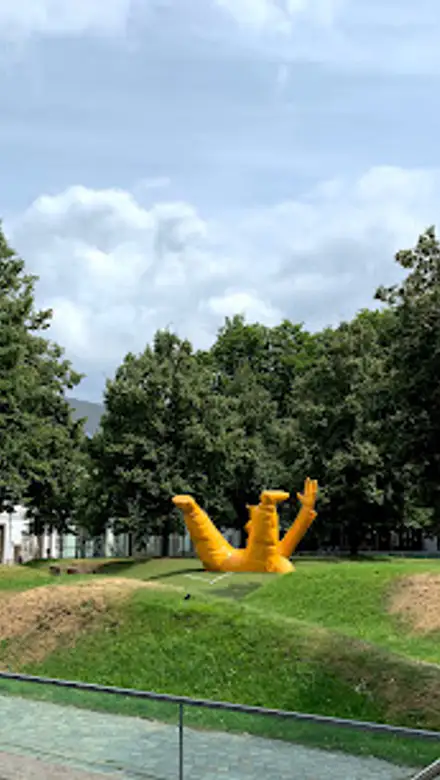
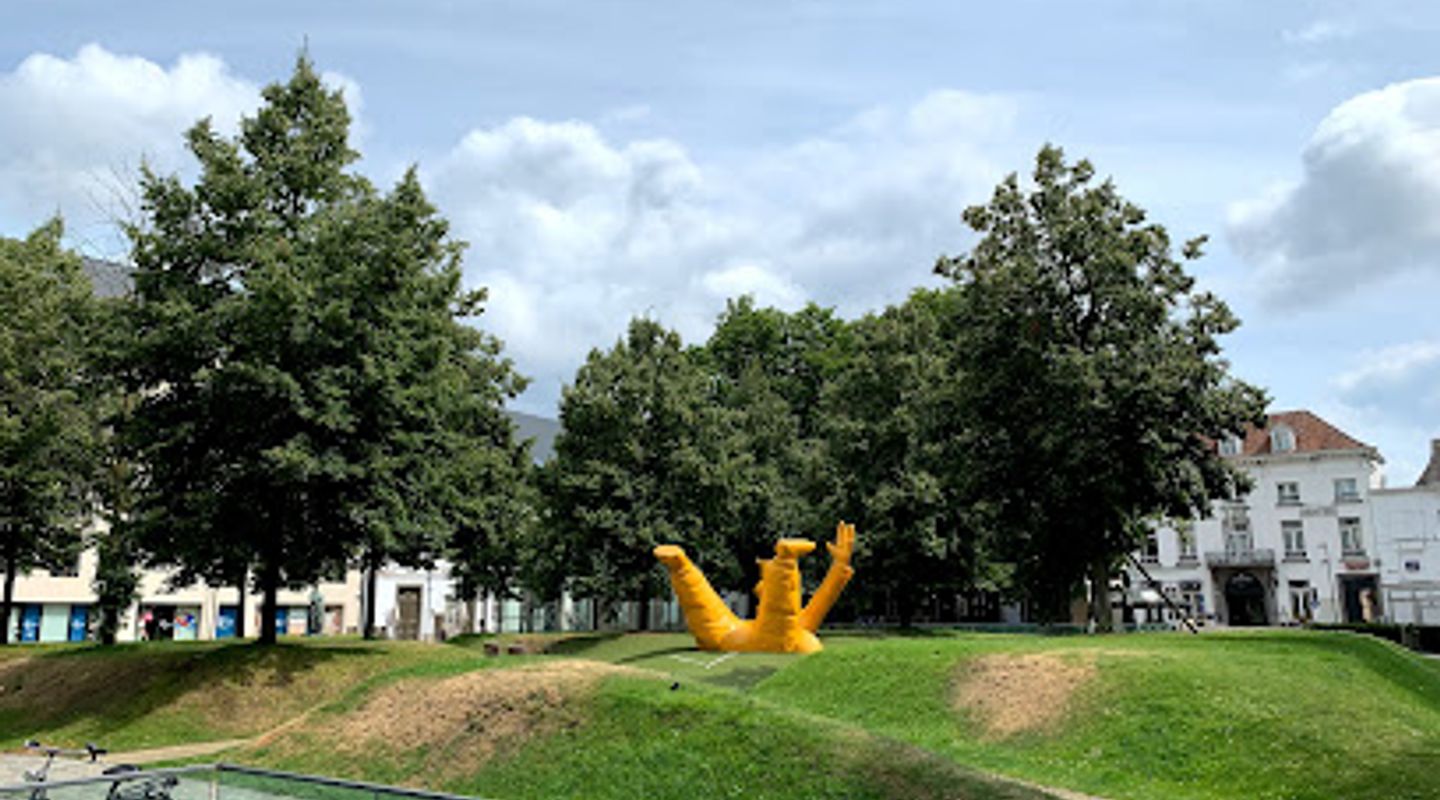
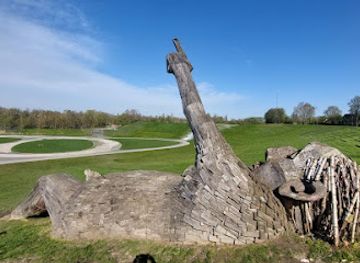
- Explore the Park-Sint-Romboutskerkhof, where a yellow Opsinjoorke XXL statue is located.
Do you manage this location?
Take control to get all the benefits, like improved information, better appearance, and stronger visibility across AI-powered discovery. Learn more about listing your business on Evendo
Activate your presenceOther nearby places you may find interesting
The closest places of the same kind, if this one is not quite what you had in mind.
Explore Opsinjoorke on the Map
A handpicked selection of must-see spots near Opsinjoorke, mapped for you.
Getting There
-
Walking
Opsinjoorke is located at Sint-Romboutskerkhof 4, in the heart of Mechelen. From the Grote Markt, walk north towards the St. Rumbold's Cathedral. The statue is a short walk from the cathedral, near the Park-Sint-Romboutskerkhof. The area is pedestrian-friendly with cobblestone streets. No costs are involved.
-
Public Transport
From Mechelen Station, take bus lines 1, 2, 3, 4, 25, 30, 50, 86, 306 or 508. Get off at the Mechelen Grote Markt stop. From there, it's a short walk to Sint-Romboutskerkhof and the Opsinjoorke statue. A single bus fare within Mechelen typically costs around €2.50.
-
Taxi/Ride-share
Taxis and ride-sharing services are readily available in Mechelen. A short trip from Mechelen Station to Sint-Romboutskerkhof would typically cost between €8-€12. Be sure to confirm the fare with the driver before starting your journey.
Discover more about Opsinjoorke













Your all‑in‑one travel companion app
Explore expert travel guides, compare and book tours, experiences, hotels, and more—all from the palm of your hand. Download now for seamless trip planning wherever your wanderlust takes you.


Explore More of Flanders
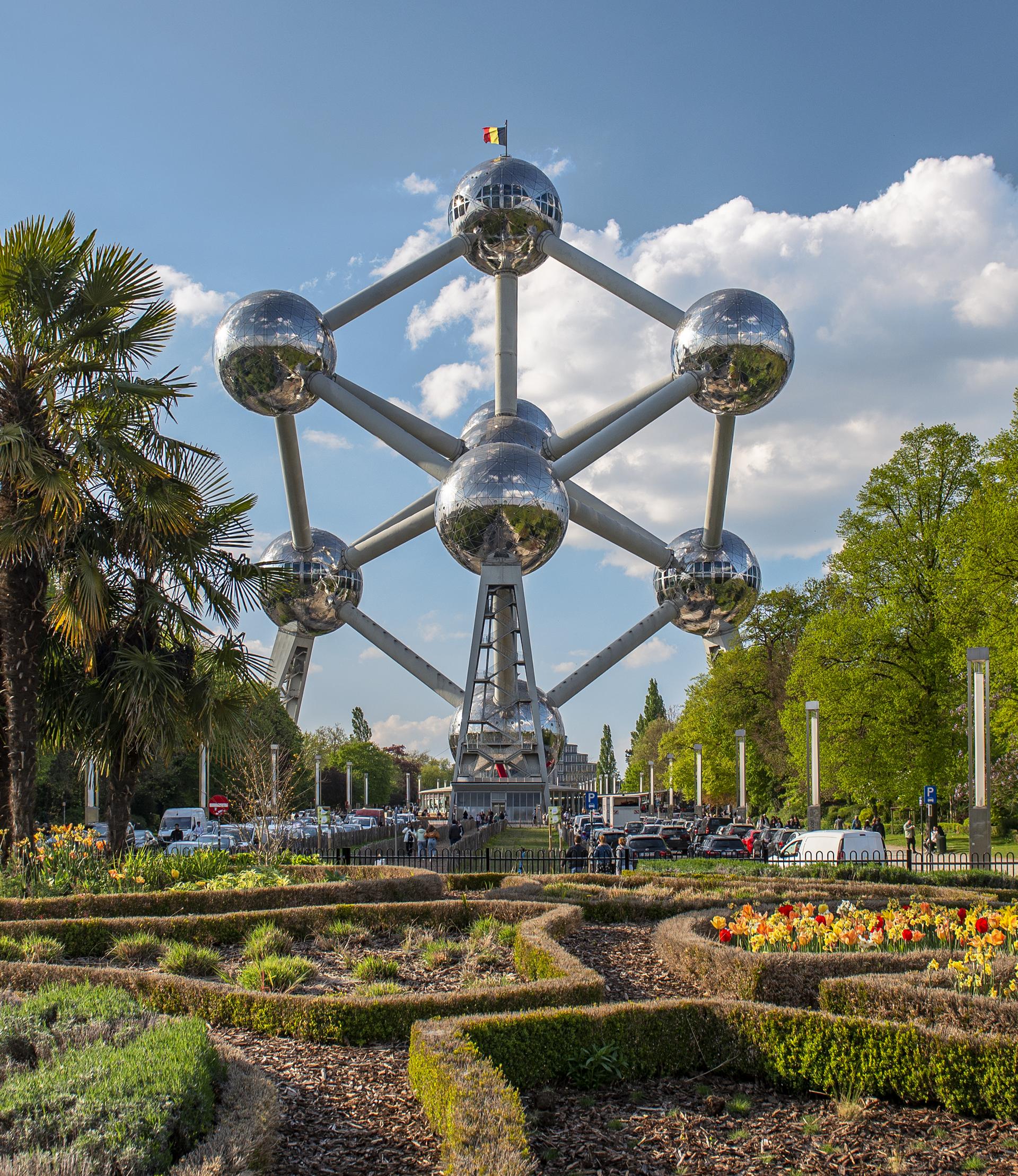
Looking beyond Opsinjoorke? Discover Flanders for broader travel guides, local hot-spots, and regional highlights.
Explore Flanders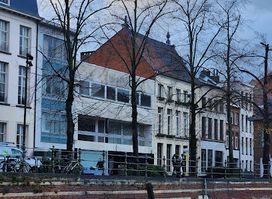
Explore the fascinating world of horology at the Horlogeriemuseum & Klokkenkliniek, a captivating museum in Mechelen, Belgium showcasing historic clocks and craftsmanship.
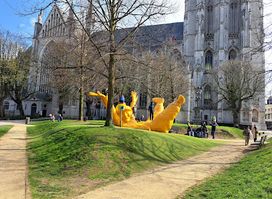
Explore Opsinjoorke, a charming tourist attraction in Mechelen, Belgium, rich in history and stunning architecture, perfect for every traveler.