

Free Flanders Travel Guide & Mobile App
Explore Flanders with free travel guides. Discover regional history, expert tips, proposed trips, and audio guides on web or mobile app.


Explore Flanders for medieval cities, North Sea coast, cycling routes, art, battlefields, breweries and distinctive Belgian food across a compact region.
Read more about Flanders
When is the best time to visit Flanders?
Best: June–August · 21–23°C| Month | High (°C) | Rainfall (mm) |
|---|---|---|
| January | 6 | 60 |
| February | 7 | 50 |
| March | 10 | 60 |
| April | 14 | 50 |
| May | 18 | 60 |
| June (best) | 21 | 70 |
| July (best) | 23 | 70 |
| August (best) | 23 | 70 |
| September | 20 | 60 |
| October | 15 | 60 |
| November | 10 | 70 |
| December | 7 | 70 |
Getting to and around Flanders
How to get there
Transportation
Top city travel guides in Flanders
The cities of Flanders, and the easiest places to base yourself.
-

-

-
-

-

-


Swipe for more cities
Destinations in Flanders
Resorts, valleys and scenic spots worth a trip of their own.
-

-
-

-

-
-


Swipe for more destinations
Best attractions in Flanders
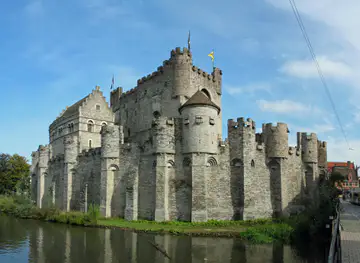
Flanders offers a concentrated range of attractions, from medieval urban ensembles to coastal landscapes and former industrial districts. Bruges provides canals, museums and preserved merchant architecture, while Ghent combines the Castle of the Counts, the Adoration of the Mystic Lamb and a lively arts scene. Antwerp brings together the Cathedral of Our Lady, Rubens collections, port heritage and design. Mechelen, Leuven and Lier offer smaller historic centres with their own civic monuments and religious buildings. In West Flanders, the museums and memorial sites around Ypres explain the First World War through landscapes, cemeteries and reconstructed towns. The North Sea coast supports beach walks, cycling and seaside recreation, while Limburg offers the Hoge Kempen National Park, former mining heritage and extensive cycling routes. Waterways, beguinages, breweries, galleries and seasonal cultural programmes broaden the region’s appeal beyond its best-known city views.
-
Zoo
ZOO Planckendael
Explore ZOO Planckendael, a captivating wildlife haven in Mechelen, Belgium, featuring diverse species and interactive experiences for all ages.
-
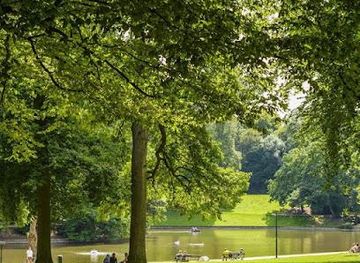
Park
Bois de la Cambre
Explore the beauty and tranquility of Bois de la Cambre, a stunning park in Brussels filled with lush greenery and scenic views.
-
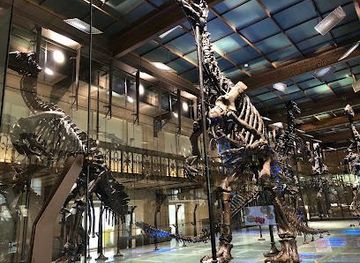
Museum
Royal Belgian institute of Natural Sciences
Explore Europe's largest dinosaur gallery and 38 million specimens at Brussels' Royal Belgian Institute of Natural Sciences.
-
Museum
Rubenshuis
Step into the world of Peter Paul Rubens at his former Antwerp home and studio, now a captivating art museum.


Best landmarks in Flanders
Flanders is marked by civic towers, Gothic churches, beguinages, merchant houses and waterways that reveal the region’s medieval wealth. Bruges’s historic centre, with the Belfry, Markt and canals, is its most recognisable urban landmark landscape, while Ghent is defined by the towers of Saint Bavo’s Cathedral, the Belfry and Saint Nicholas’ Church, together with the Castle of the Counts beside the old waterways. Antwerp’s Cathedral of Our Lady and the Renaissance-style City Hall express the city’s religious and commercial importance; the port and Scheldt remain central to its identity. Mechelen is dominated by St Rumbold’s Tower, and Leuven by its elaborate Gothic town hall and university buildings. In Limburg, the former mining landscape and Hoge Kempen heathlands provide a different form of landmark. The Westhoek’s Menin Gate at Ypres, rebuilt after the First World War, is a major commemorative monument within a wider landscape of cemeteries and battlefields.
-
Castle
Gravensteen
Explore Gravensteen, Ghent's iconic medieval castle: a journey through Flemish history, complete with ramparts, torture museum, and stunning city views.
-
Castle
D'Ursel Castle
Explore D'Ursel Castle in Bornem, a stunning historical site showcasing Renaissance and Baroque architecture amid beautiful gardens.
-
Stone carving
Statue of Counts Egmont and Hoorn
A historical monument in Brussels' Petit Sablon Square, commemorating the Counts of Egmont and Hoorn and their fight for liberty.
-
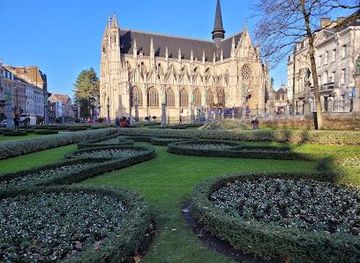
Catholic church
Onze-Lieve-Vrouw van Altijddurende Bijstandkerk
Discover the serene beauty and rich history of Onze-Lieve-Vrouw van Altijddurende Bijstandkerk in Roosendaal, a spiritual gem of Dutch architecture.



Explore Flanders on the map
Plan your trip on one map. See where the top cities, national parks and sights are, and book hotels and experiences in a few clicks.
Best hotels in Flanders
Best restaurants in Flanders
Flemish dining is shaped by North Sea produce, farming, brewing and a long tradition of substantial seasonal cooking. Along the coast and in port cities, menus often feature mussels, grey shrimp, sole and other local fish, while inland kitchens make use of endive, asparagus, chicory, leeks and regional meats. Flemish beef stew cooked with beer, waterzooi and croquettes are familiar specialities, though recipes vary between households and restaurants. Bruges, Ghent, Antwerp and Leuven have broad dining scenes ranging from traditional brasseries and brown cafés to contemporary restaurants, vegetarian kitchens and international food. Rural inns and market towns are good places to encounter local cheeses, pâtisserie and hearty dishes. Chocolate, waffles and fries are widely available, but the region’s brewing culture is equally important: beer is often selected to complement food, and menus may distinguish between local and national styles.
-
Seafood
The Lobster House
Experience exquisite seafood dining at The Lobster House in Brussels – where fresh flavors meet Belgian charm.
-
Belgian
Fin de Siècle
Experience authentic Belgian cuisine at Fin de Siècle – where tradition meets modern dining in the heart of Brussels.
-
Belgian
Belga Queen
Experience exquisite Belgian cuisine at Belga Queen in Brussels—where tradition meets modern elegance for an unforgettable dining experience.
-
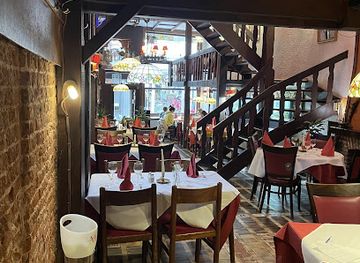
Belgian
't Kelderke
Experience authentic Belgian cuisine at 't Kelderke, a charming brasserie in the heart of Brussels offering delightful traditional dishes.


Best bars in Flanders
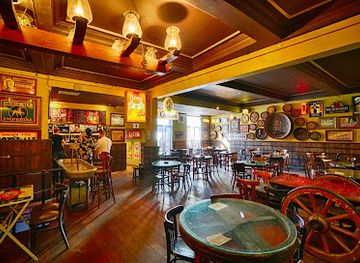
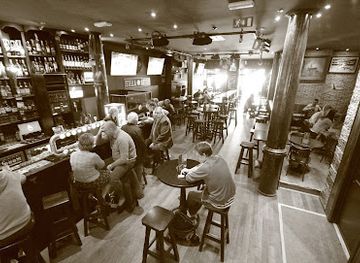
Evening life in Flanders is varied but usually centred on cafés, beer bars, restaurants, live music and cultural venues rather than a single region-wide club scene. Antwerp has the broadest mix of late bars, cocktail venues, music spaces and nightlife, while Ghent and Leuven benefit from large student populations and a busy programme of concerts and theatre. Bruges is more subdued, with historic pubs, beer-focused venues and restaurants concentrated around the old centre. Mechelen, Hasselt and smaller towns offer local cafés, bars and occasional live performances, while coastal resorts become more active during the warmer months. Breweries and tasting rooms can provide an informative evening experience, but opening arrangements vary and some require reservations. In rural Limburg and the Westhoek, evenings are generally quieter and revolve around cafés, dining and community events.
-
Bar
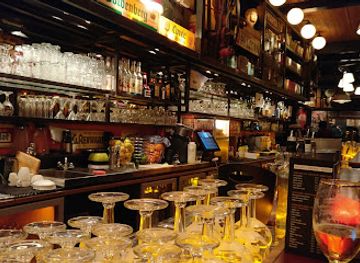
Delirium Café
Discover Delirium Café, Brussels' iconic bar with a remarkable selection of over 2,000 beers, perfect for enthusiasts and adventurers alike.
-
Sports bar
The Big Game Brussels Sports Bar
Experience the thrill of sports and nightlife at The Big Game Brussels, your ultimate destination for fun and entertainment in the heart of the city.
-
Bar
Bar Des Amis
Discover the charm of Bar Des Amis, a cozy bar in the heart of Brussels offering a wide selection of drinks and a vibrant atmosphere.
-
Bar
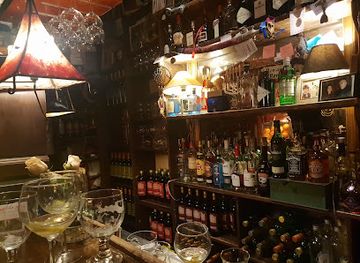
Goupil Le Fol
Experience the charm of Goupil Le Fol, Brussels' cozy bar with an eclectic atmosphere and an extensive drink menu that captures the city's vibrant nightlife.
Best nightclubs in Flanders
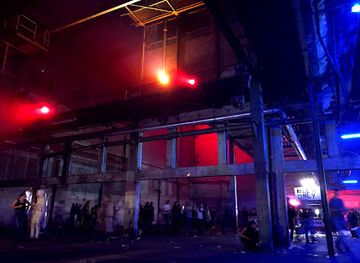
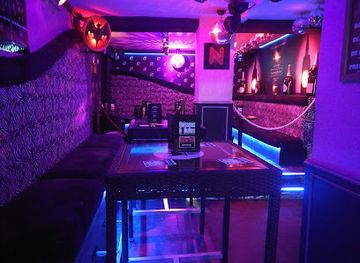
Evening life in Flanders is varied but usually centred on cafés, beer bars, restaurants, live music and cultural venues rather than a single region-wide club scene. Antwerp has the broadest mix of late bars, cocktail venues, music spaces and nightlife, while Ghent and Leuven benefit from large student populations and a busy programme of concerts and theatre. Bruges is more subdued, with historic pubs, beer-focused venues and restaurants concentrated around the old centre. Mechelen, Hasselt and smaller towns offer local cafés, bars and occasional live performances, while coastal resorts become more active during the warmer months. Breweries and tasting rooms can provide an informative evening experience, but opening arrangements vary and some require reservations. In rural Limburg and the Westhoek, evenings are generally quieter and revolve around cafés, dining and community events.
-
Night club
Kompass
Dive into the electrifying nightlife of Ghent at Kompass, the ultimate destination for music lovers and party enthusiasts.
-
Disco club
Nostalgia Club
Experience the vibrant nightlife of Brussels at Nostalgia Club, where dancing and great music create unforgettable nights.
-
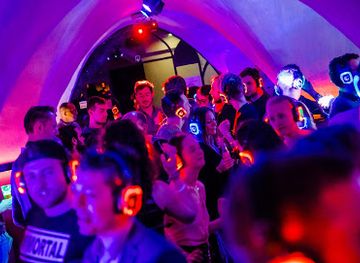
Night club
Abacho
Discover Ghent's unique nightlife at Abacho, the silent disco club where you can dance to your favorite tracks in an unforgettable atmosphere.
-
Night club
Niche Club
Discover Ghent's vibrant nightlife at Niche Club, where music, dance, and unforgettable moments come together in a lively atmosphere.

Best shops in Flanders
Shopping in Flanders ranges from historic high streets and covered arcades to independent design, food markets and specialist craft shops. Antwerp is the region’s leading fashion and jewellery centre, with designer boutiques, vintage shops and the long-established diamond district near the central station, while its museums and galleries support a strong design culture. Ghent and Leuven combine bookshops, independent fashion, homeware and student-oriented shops with regular markets. Bruges offers lace, chocolate, beer, art and locally themed souvenirs, though visitors should distinguish traditional craft from mass-produced imitations. Smaller towns such as Mechelen, Lier and Hasselt have walkable shopping streets and local speciality shops. Farmers’ markets and food halls are useful for finding cheeses, bakery goods, chocolates, beer and seasonal produce. In rural Limburg and the Westhoek, seek out farm shops, regional fruit products, ceramics and small-scale makers rather than expecting extensive department-store retail.
-
Store
Docks Bruxsel
Experience the bustling Docks Bruxsel, a premier shopping mall in Brussels offering diverse retail, exquisite dining, and family-friendly entertainment.
-
Shopping mall
Wijnegem - Shop Eat Enjoy
Explore Wijnegem - Shop Eat Enjoy, Belgium's premier shopping mall with diverse shops, delightful dining, and endless entertainment options.
-
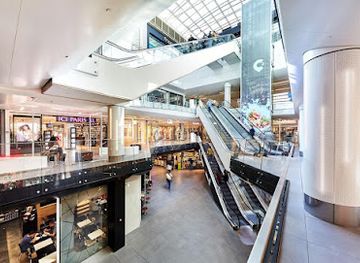
Shopping mall
City2
Explore City2: The Ultimate Shopping Destination in the Heart of Brussels with Fashion, Dining, and Entertainment.
-
Shopping mall
Waasland Shopping Center
Explore Waasland Shopping Center in Sint-Niklaas, where shopping meets entertainment and dining in a vibrant atmosphere.



Get your free copy of our complete guide to Flanders, delivered straight to you.
Everything on this page, from attractions and restaurants to essentials and local phrases, in one PDF you can read offline, print or share.
Already have an account? Sign in
Your Flanders guide is ready.
We'll send it to · Not you? Sign out

Getting your guide ready…
We are putting together a fresh copy of the Flanders guide. This can take up to a minute.
This can take a few moments. If your browser asks, choose Allow so the download can start. You'll find the guide in your Downloads folder.
Nothing happened? Download it again
Sorry, the guide is taking longer than usual. Please try again in a minute, or get it by email instead.
Flanders essentials
Currency and Payment
Safety
Emergency Situations
Do's and Don'ts
Local Tips
From Eve
Local phrases worth knowing
You don't need to get them perfect. A few words go a long way, and locals appreciate the effort.
Basics
| English | Local | Say it |
|---|---|---|
| Hello | Hallo | [HAH-lo] |
| Goodbye | Tot ziens | [TOT zeens] |
| Yes | Ja | [YAH] |
| No | Nee | [NAY] |
| Please/You're welcome | Alstublieft | [AL-stu-BLEEFt] |
| Thank you | Dank u | [DANK oo] |
| Excuse me/Sorry | Neem me niet kwalijk | [NAYM me neet KWAHL-ik] |
| How are you? | Hoe gaat het? | [HOO gaat het] |
| Fine. And you? | Goed. En jij? | [GHOOT. En YIY?] |
| Do you speak English? | Spreekt u Engels? | [SPREEKT oo ENG-els] |
| I don't understand | Ik begrijp het niet | [IK be-GRYP het neet] |
Eating & Drinking
| English | Local | Say it |
|---|---|---|
| I'd like to see the menu, please | Ik zou graag het menu willen zien, alstublieft | [IK zou GRAHg het meh-NOO WIL-len zeen, AL-stu-BLEEFt] |
| I don't eat meat | Ik eet geen vlees | [IK eet GHAIN VLAY-s] |
| Cheers! | Proost! | [PROHST] |
| I would like to pay, please | Ik wil graag betalen, alstublieft | [IK wil GRAHg be-TAH-len, AL-stu-BLEEFt] |
Emergencies
| English | Local | Say it |
|---|---|---|
| Help! | Help! | [HELP] |
| Go away! | Ga weg! | [GA vek] |
| Call the Police! | Bel de politie! | [BEL de po-LEE-tsie] |
| Call a doctor! | Bel een dokter! | [BEL een DOK-ter] |
| I'm lost | Ik ben verdwaald | [IK ben ver-DWAALD] |
| I'm ill | Ik ben ziek | [IK ben ZEEK] |
Shopping
| English | Local | Say it |
|---|---|---|
| I'd like to buy... | Ik zou graag ... kopen | [IK zou GRAHg ... KOH-pen] |
| I'm just looking | Ik kijk gewoon rond | [IK KAIK ge-WOON ront] |
| How much is it? | Hoeveel kost het? | [HOO-veel KOST het] |
| That's too expensive | Dat is te duur | [DAT is te DUR] |
| Can you lower the price? | Kunt u de prijs verlagen? | [KUNT oo de PRAYS ver-LAH-gen] |
Time & Numbers
| English | Local | Say it |
|---|---|---|
| What time is it? | Hoe laat is het? | [HOO laat is het] |
| It's one o'clock | Het is één uur | [HET is AYN OOR] |
| Half past (10) | Half (10) | [HALF (10)] |
| Morning | Ochtend | [OKH-tend] |
| Afternoon | Middag | [MID-dahg] |
| Evening | Avond | [AH-vond] |
| Yesterday | Gisteren | [GHIS-ter-en] |
| Today | Vandaag | [VAN-dahg] |
| Tomorrow | Morgen | [MOR-ghen] |
| 1 | 1 | [1] |
| 2 | 2 | [2] |
| 3 | 3 | [3] |
| 4 | 4 | [4] |
| 5 | 5 | [5] |
| 6 | 6 | [6] |
| 7 | 7 | [7] |
| 8 | 8 | [8] |
| 9 | 9 | [9] |
| 10 | 10 | [10] |
Transport & Directions
| English | Local | Say it |
|---|---|---|
| Where's a/the...? | Waar is een/de...? | [VAHR is een/de...?] |
| What's the address? | Wat is het adres? | [WAT is het a-DRES?] |
| Can you show me (on the map)? | Kunt u me laten zien (op de kaart)? | [KUNT oo me LAH-ten zeen (op de KAART)?] |
| When's the next (bus)? | Wanneer komt de volgende (bus)? | [WAN-neer komt de VOL-gen-de (BUS)?] |
| A ticket (to ....) | Een ticket (naar ...) | [EEN ti-KET (naar ...)] |
History of Flanders
Prehistoric Settlement and Roman Tongeren
Flanders has been occupied since prehistoric times, with archaeological evidence of farming communities, burial sites and trade routes across the lowlands. Under Roman rule, the settlement of Tongeren, known as Atuatuca Tungrorum, became an important administrative and commercial centre in the east of present-day Flanders. Roman roads connected the region with the wider imperial network, while river routes supported movement through the Scheldt basin. Although later urban development has obscured much of the ancient landscape, Roman walls, archaeological collections and surviving route patterns remain important reminders that Flanders was connected to continental Europe long before its medieval cities emerged.
Medieval Cloth Towns and Urban Charters
From the eleventh century onwards, towns such as Ghent, Bruges, Ypres and Leuven gained influence through cloth production, trade and urban self-government. English wool was processed in Flemish workshops, and merchants used Bruges as a major North Sea trading centre. Guilds, canals, market squares and imposing town halls expressed the wealth and political confidence of these communities. The prosperity was uneven and often contested, but it established the urban culture for which Flanders remains known. Many of the region’s belfries, churches, merchant houses and civic buildings reflect this period of commercial expansion.
The Burgundian Netherlands
During the fourteenth and fifteenth centuries, much of Flanders became part of the Burgundian Netherlands. The dukes strengthened political links between prosperous territories, while cities such as Bruges, Ghent and Leuven remained centres of finance, diplomacy and artistic production. The Burgundian court encouraged painting, music, manuscript illumination and ceremonial architecture, contributing to the cultural flowering associated with the Early Netherlandish School. Changing trade routes later reduced Bruges’s commercial prominence, but Antwerp grew in importance. This political and cultural legacy can still be seen in Flemish museums, churches, palaces and civic collections.
Habsburg Rule and Religious Conflict
Flanders passed into the Habsburg Netherlands and experienced the religious and political upheavals of the sixteenth century. The Reformation, opposition to central authority and the Dutch Revolt divided communities and caused severe disruption. Antwerp, then one of Europe’s leading commercial cities, suffered during the conflicts, including the Spanish Fury of 1576 and the later separation of the northern and southern Netherlands. The prosperity and openness of the earlier period were not erased, but political borders and religious divisions altered trade, migration and cultural life across the region.
The Spanish Netherlands and Catholic Baroque
After the break with the Dutch Republic, the southern Netherlands remained under Spanish and later Austrian Habsburg rule. Catholic institutions were rebuilt or renewed, and the Counter-Reformation produced a rich Baroque culture in architecture, painting and religious art. Antwerp became closely associated with Peter Paul Rubens, whose workshop and artistic influence shaped the city’s international reputation. Churches, beguinages, civic buildings and collections across Flanders preserve the visual language of this period, while dynastic warfare continued to affect the region’s borders and economic fortunes.
Industrialisation, Ports and Mining
From the nineteenth century, industrialisation transformed Flanders. Antwerp’s port expanded as Belgium developed into an industrial and trading state, while Ghent grew around textiles, engineering and later large-scale industry. The coalfields of Limburg supported mining communities, railways and new urban settlements before the mines closed in the later twentieth century. Canals and rail lines altered the landscape, linking inland production with ports and international markets. Former mining sites, docklands and industrial museums now explain a period that reshaped work, migration, architecture and the economic geography of northern Belgium.
The First World War in West Flanders
West Flanders became one of the principal fronts of the First World War. Ypres and surrounding villages were devastated during successive battles, while the Western Front ran through the Westhoek for much of the conflict. Towns were rebuilt after 1918, often retaining historic forms while incorporating modern construction. Military cemeteries, memorials, preserved trenches and museums now form a dense commemorative landscape. The Menin Gate in Ypres and the wider network of remembrance sites make the region an important place for understanding the human and physical consequences of industrial warfare.
Flemish Cultural and Political Autonomy
Belgium’s federal transformation in the later twentieth century strengthened the political and cultural autonomy of Flanders within the Belgian state. Dutch became firmly established in public life in the Dutch-speaking region, and Flemish institutions expanded their roles in education, culture and economic policy. At the same time, port development, technology, design, higher education and international trade gave the region a contemporary identity beyond its historic heritage. Today Flanders combines strong regional institutions and cultural traditions with the national framework of Belgium and close links to the Netherlands and the wider European economy.
Flanders in Photos
Browse through our photo collection highlighting the charm and character of the destination.
Neighbouring regions of Flanders
The closest regions to Flanders, if you have time for more than one.
-

-

-

-

-


Swipe for more regions
Explore more

Explore more of Belgium
Discover Belgium: A blend of medieval charm, culinary delights, and stunning landscapes. Explore historic cities, savor exquisite chocolates, and enjoy a perfect getaway.
Explore Belgium