Grotte de Spy: A Window into Neanderthal Life
Explore the Grotte de Spy, a Paleolithic site in Belgium where Neanderthal discoveries reshaped our understanding of human evolution.
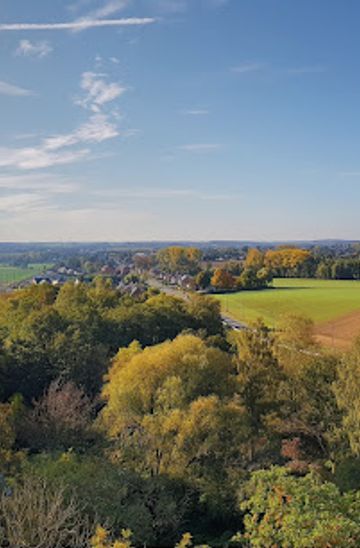
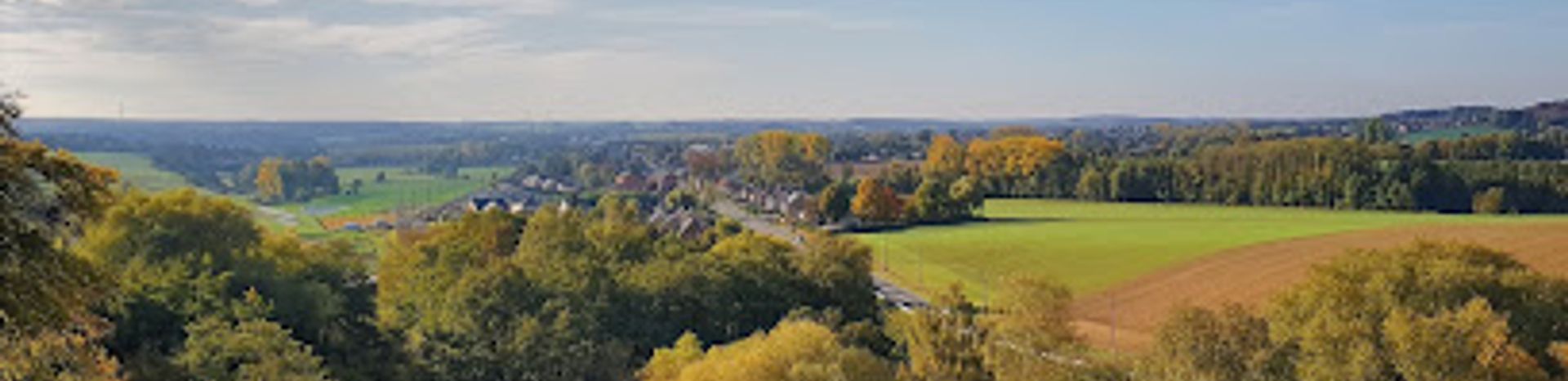
The Grotte de Spy, near Jemeppe-sur-Sambre, Belgium, is a significant Paleolithic site where Neanderthal skeletons were discovered in 1886, revolutionizing the understanding of human evolution. Today, the cave is freely accessible and offers a glimpse into prehistoric life within a beautiful natural setting.
A brief summary to Grotte de Spy
- N930, Jemeppe-sur-Sambre, 5190, BE

Know before you go
Hi, I'm Eve. Here are a few practical things to know before exploring Grotte de Spy.
- Wear sturdy shoes, as the trails leading to the cave can be steep and muddy, especially near the Orneau River.
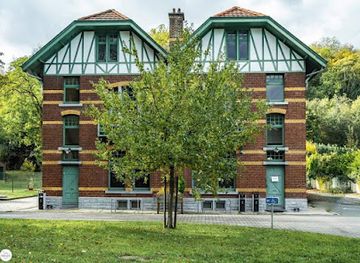
- Combine your visit with a trip to the nearby Espace de l'Homme de Spy, an interpretive center dedicated to the Neanderthals and the Spy cave discoveries.
- Be mindful of the hunting season (mid-September to February) and take necessary precautions.
Do you manage this location?
Take control to get all the benefits, like improved information, better appearance, and stronger visibility across AI-powered discovery. Learn more
Activate your presenceOther nearby places you may find interesting
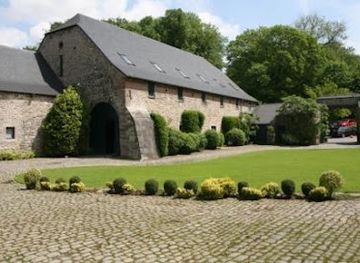
Getting There
-
Walking
The Grotte de Spy is accessible via a network of walking trails. From the parking area at the end of Rue du Pajot in Spy, a path leads down to the cave. Note that this path can be steep and rocky, and is not suitable for strollers or people with reduced mobility. Alternatively, you can walk from the Espace de l'Homme de Spy along a trail that follows the Orneau River. This path may be flooded during periods of heavy rain.
-
Public Transport
To reach the Grotte de Spy via public transport, take a train to one of the nearby railway stations such as Jemeppe-sur-Sambre or Moustier. From either station, you can take a bus or taxi to the village of Spy and then follow the walking directions to the cave. Bus fares typically cost around €3-5 for a single trip.
-
Taxi
Taxis are available in the nearby towns of Jemeppe-sur-Sambre and Gembloux. A taxi ride from Jemeppe-sur-Sambre to the Grotte de Spy will cost approximately €20-€30. Ride-sharing services like Uber are not readily available in this rural area.
Discover more about Grotte de Spy
Explore the best of what Grotte de Spy has to offer













More about Meuse Valley
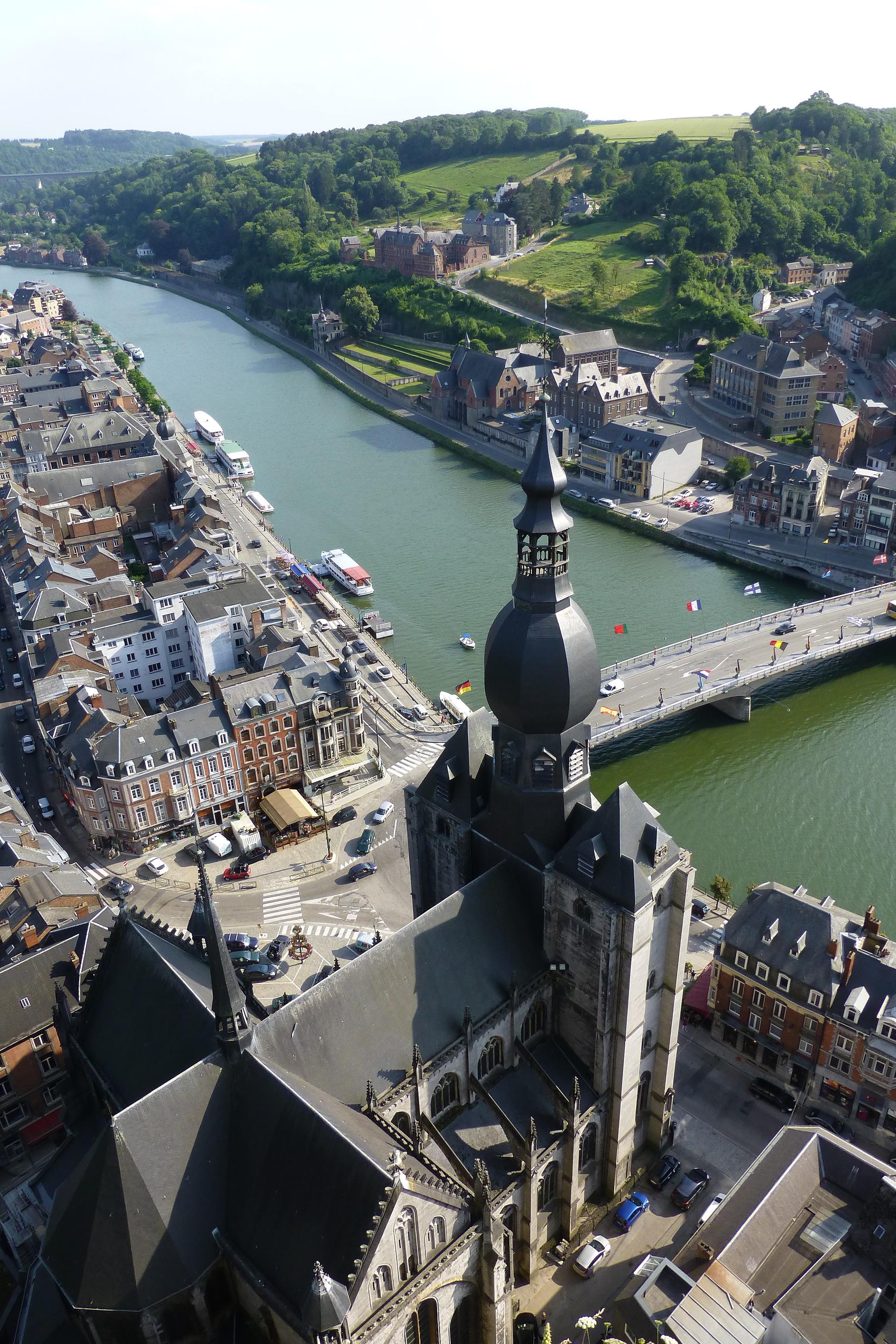
Discover the Meuse Valley in Belgium: A blend of natural beauty, historic charm, and cultural richness perfect for a relaxing getaway or an adventurous trip.
Tell me more about Meuse Valley
Explore the breathtaking Notre Dame de Dinant, a stunning Gothic church nestled in the heart of Belgium's picturesque landscape.
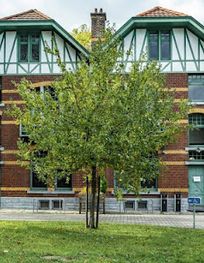
Discover the captivating world of prehistoric archaeology at Espace de l'Homme de Spy, a unique museum in Jemeppe-sur-Sambre, Belgium.