

Flemish Ardennes Travel Guide - Free Web & App
Your ultimate guide to Flemish Ardennes. Discover top landmarks, proposed trips, and local tips. Free on the web or via the Evendo companion app.


Flemish Ardennes in Belgium combines cobbled cycling climbs, wooded hills, village heritage, regional food and hiking around Oudenaarde and Ronse.
A Rolling Landscape in East Flanders
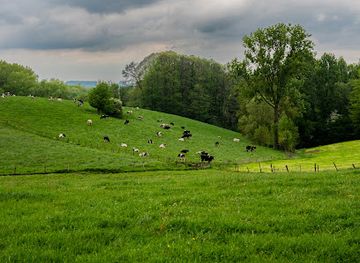
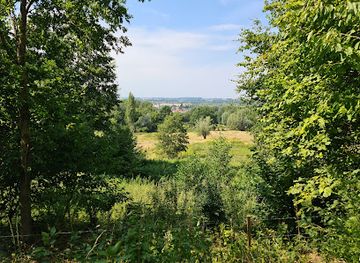
The Flemish Ardennes occupy a gently folded corner of southern East Flanders, where low wooded ridges, open farmland, sunken lanes and compact villages create a landscape markedly different from the flat country associated with much of Belgium. Oudenaarde is the principal visitor base, while Ronse, Brakel, Maarkedal, Zwalm and Geraardsbergen connect the countryside through a network of rural roads and walking routes. The area is not a single park with a sharply defined entrance, but a broad cultural landscape whose identity comes from its hills, farming communities and cycling heritage.Read more about Flemish Ardennes
Cycling Country
Villages, Heritage and Local Flavours
When is the best time to visit Flemish Ardennes?
Best: June–August · 22–24°C| Month | High (°C) | Rainfall (mm) |
|---|---|---|
| January | 7 | 70 |
| February | 8 | 60 |
| March | 12 | 65 |
| April | 15 | 60 |
| May | 20 | 70 |
| June (best) | 22 | 80 |
| July (best) | 24 | 90 |
| August (best) | 24 | 90 |
| September | 20 | 80 |
| October | 16 | 75 |
| November | 11 | 70 |
| December | 8 | 65 |
Getting to and around Flemish Ardennes
How to get there
Transportation
Best attractions in Flemish Ardennes
The Flemish Ardennes are best explored as a chain of landscapes and villages rather than a single attraction. Oudenaarde’s historic centre and the Tour of Flanders Centre introduce the region’s cycling culture, while the cobbled Oude Kwaremont, Paterberg and Koppenberg provide its most recognisable sporting landmarks. Around Maarkedal and Ronse, the Muziekbos offers woodland walks and the wooded slopes contrast with open farmland and long ridge views. The Brakelbos and Burreken landscapes add further walking possibilities amid beech woods, valleys and rural lanes. Ronse itself combines town heritage with access to the southern hills, while Brakel, Zwalm and surrounding villages reveal the quieter agricultural character of the area. The Scheldt-side setting of Oudenaarde provides a flatter counterpoint to the climbs, and village churches, farmsteads, chapels and roadside views create interest between the headline sites.
-
Tourist attraction
Museum Oudenaarde and the Flemish Ardennes
Explore the rich artistic heritage of Oudenaarde at the Museum Oudenaarde and the breathtaking landscapes of the Flemish Ardennes.
-
Outdoor activity organiser
The Outsider Flemish Ardennes
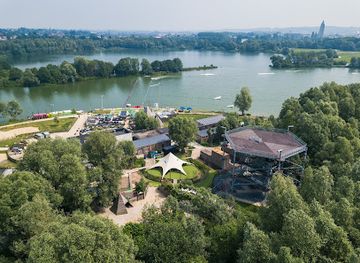
Discover thrilling outdoor adventures at The Outsider Flemish Ardennes, Belgium's premier destination for wakeboarding, climbing, and family fun.
-
Tourist attraction
Burreken
Discover the serene beauty of Burreken, a nature preserve in Maarkedal, Belgium, perfect for outdoor adventures and peaceful retreats.
-
Tourist attraction
Bos t'Ename
Discover the serene beauty and rich biodiversity of Bos t'Ename, a national forest in the heart of the Flemish Ardennes, perfect for outdoor adventures.
Best landmarks in Flemish Ardennes
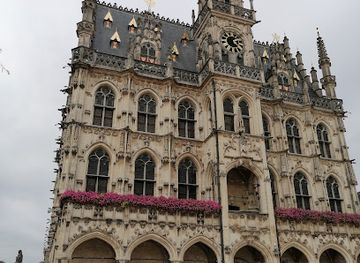
The defining landmarks of the Flemish Ardennes are often roads and landforms rather than monumental buildings. The Oude Kwaremont, Paterberg, Koppenberg, Taaienberg and Kruisberg are celebrated cobbled or steep cycling climbs, each embedded in the region’s ridged agricultural landscape. The Muziekbos near Ronse is a major wooded landmark, while the Brakelbos and Burreken represent the dense valleys and woodland habitats that interrupt the open fields. In Oudenaarde, the Gothic town hall and Cloth Hall form the architectural centrepiece of the historic town and express its medieval textile prosperity. Village churches, chapels, historic farms and hedged lanes complete the cultural landscape. Together these features show how natural relief, rural settlement, textile history and modern cycling have shaped the identity of the region.
-
Castle
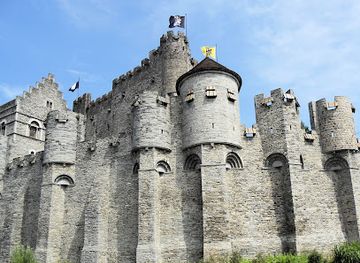
Gravensteen
Explore Gravensteen, a captivating medieval castle in Ghent, offering a glimpse into the lives of counts, knights, and prisoners.
-
Historical place
Belfry of Ghent
Discover the Belfry of Ghent: a historical marvel and UNESCO World Heritage site, offering stunning views and a glimpse into Belgium's rich past.
-
Catholic church
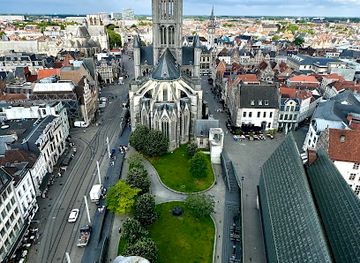
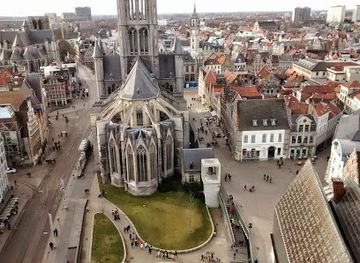
Saint Nicholas' Church
Explore the stunning Gothic architecture and serene ambiance of Saint Nicholas' Church, a must-visit landmark in Ghent, Belgium.
-
Bar
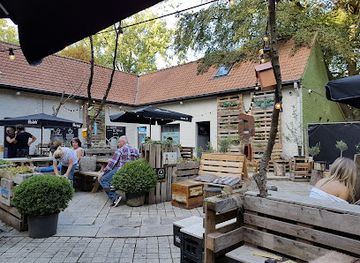
bosbĀĀr
Escape to bosbĀĀr in Kluisbergen: a forest hideaway with Belgian beer, cozy B&B, and event space in the Flemish Ardennes.
Explore Flemish Ardennes on the map
Plan your trip on one map. See where the top attractions, landmarks, restaurants and hotels are, and book hotels and experiences in a few clicks.
Best hotels in Flemish Ardennes
Best restaurants in Flemish Ardennes
Food in the Flemish Ardennes is concentrated in Oudenaarde, Ronse, Brakel and the larger villages rather than at isolated climbs or woodland entrances. Visitors will find Belgian staples such as beer-based stews, croquettes, seasonal soups, chips and farmhouse-style dishes, alongside cafés and brasseries serving cyclists and walkers. The surrounding countryside contributes bread, dairy, meat, vegetables and locally produced beers, while regional sweet specialities and bakery traditions appear in town shops and cafés. Oudenaarde is the most useful base for combining dining with a historic-centre visit, and Ronse offers further choice around its urban heritage areas. In smaller villages, opening patterns and table availability can be limited, so route planning should allow for stretches without food services and should not assume that every famous cycling climb has a restaurant nearby.
-
Belgian
De Heeren van Liedekercke
Experience authentic Belgian cuisine at De Heeren van Liedekercke, where tradition meets taste in every dish.
-
Fine Dining
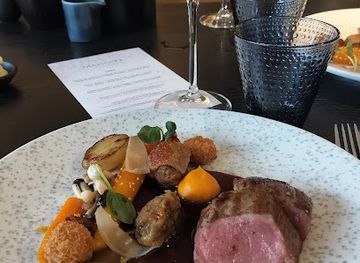
Maison D
Discover exquisite flavors and elegant dining at Maison D in Ronse, Belgium - where local ingredients meet culinary artistry.
-
Restaurant
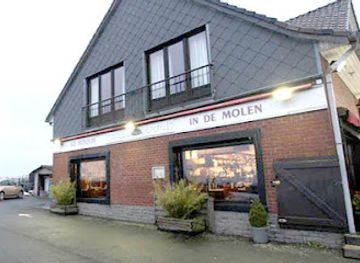
In De Molen
Experience authentic Belgian cuisine at In De Molen - a culinary gem in Lembeek offering delicious dishes and warm hospitality.
-
Restaurant
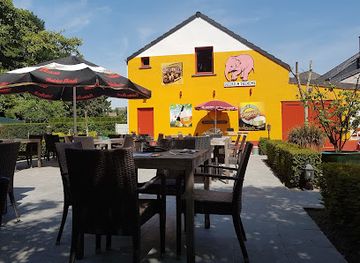
Bouchon et l'Assiette (Le)
Discover the essence of Belgian gastronomy at Bouchon et l'Assiette, where every meal is a celebration of flavor and tradition.

Best bars in Flemish Ardennes
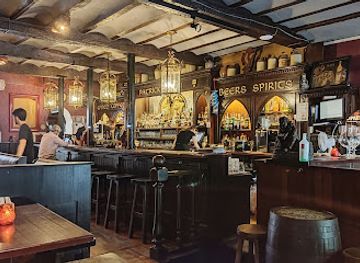
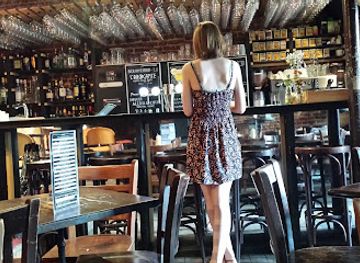
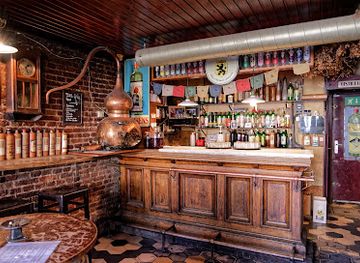
Evenings in the Flemish Ardennes are generally quiet and sociable rather than club-oriented. Oudenaarde and Ronse have the broadest choice of cafés, beer houses and restaurants, while Brakel and other sizeable villages offer traditional cafés or village pubs where local beer and conversation form the principal evening experience. Cycling culture is particularly visible around race weekends and major events, when hospitality venues may become busier, but the wider countryside does not have a concentrated nightlife district. In smaller villages, evening options can be sparse and may depend on the opening arrangements of individual establishments. Visitors staying in a rural guesthouse, farm accommodation or village hotel should expect the evening atmosphere to centre on dining, local beer and the landscape rather than late-night entertainment.
-
Pub
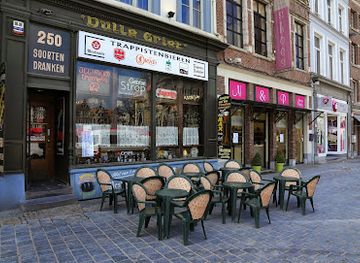
Dulle Griet
Discover Dulle Griet in Ghent: A renowned pub offering a vast selection of Belgian beers, delicious snacks, and a unique cultural atmosphere.
-
Irish pub
Patrick Foley's
Experience the charm of an Irish pub in Ghent, where delicious food and a lively atmosphere await you.
-
Jazz
Hot Club de Gand
Discover the heart of Ghent's jazz culture at Hot Club de Gand, where live music and a vibrant atmosphere await every evening.
-
Bar
't Dreupelkot
Immerse yourself in Ghent's local culture at 't Dreupelkot, the ultimate destination for jenever enthusiasts and food lovers alike.
Best nightclubs in Flemish Ardennes
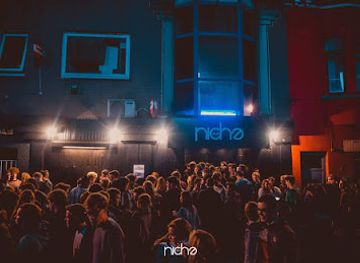
Evenings in the Flemish Ardennes are generally quiet and sociable rather than club-oriented. Oudenaarde and Ronse have the broadest choice of cafés, beer houses and restaurants, while Brakel and other sizeable villages offer traditional cafés or village pubs where local beer and conversation form the principal evening experience. Cycling culture is particularly visible around race weekends and major events, when hospitality venues may become busier, but the wider countryside does not have a concentrated nightlife district. In smaller villages, evening options can be sparse and may depend on the opening arrangements of individual establishments. Visitors staying in a rural guesthouse, farm accommodation or village hotel should expect the evening atmosphere to centre on dining, local beer and the landscape rather than late-night entertainment.
-
Night club
Niche Club
Niche Club in Ghent: Where the Night Comes Alive with Music, Dance, and Unforgettable Memories.
-
Night club
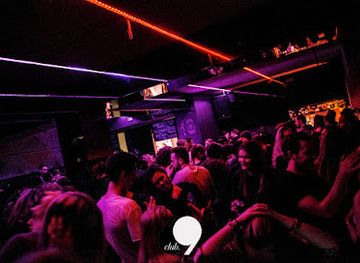
Club 69
Dive into the heart of Ghent's nightlife at Club 69, where exhilarating music and a vibrant crowd await every weekend.
-
Night club
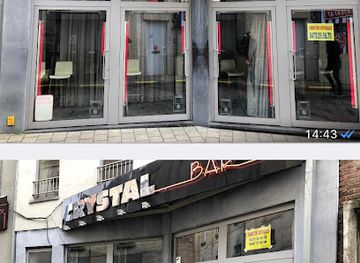
Crystal Bar
Discover the pulse of Ghent's nightlife at Crystal Bar, where music, dance, and vibrant energy come together in a stylish setting.
Best shops in Flemish Ardennes
Shopping is modest and locally focused, with the greatest choice in Oudenaarde and Ronse and smaller selections in Brakel and other village centres. Town shops and bakeries provide regional foods, while cafés, specialist food retailers and farm shops may offer Belgian beer, bread, dairy products and other produce from the surrounding countryside. Oudenaarde is associated with the Tour of Flanders, so cycling-themed clothing, books and memorabilia are part of the visitor economy, particularly around the cycling museum and visitor facilities. Ronse’s textile history gives the town a stronger craft and industrial identity than the rural villages, although retail offerings vary. The countryside is not a destination for extensive commercial shopping; visitors should buy practical supplies in a larger town before setting out on long walking or cycling routes.
-
Outdoor activity organiser
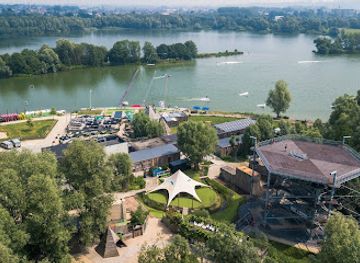
The Outsider Flemish Ardennes
Experience thrilling outdoor adventures and unforgettable events at The Outsider Flemish Ardennes, the ultimate destination for fun in Oudenaarde, Belgium.
-
Gift shop
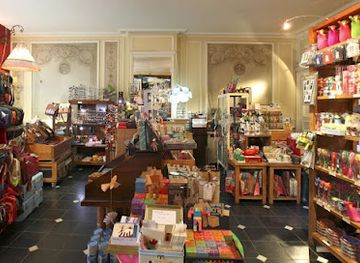
A'pril
Discover unique gifts and maps at A'pril, a charming shop in the heart of Ghent, perfect for tourists seeking memorable souvenirs.
Get your free copy of our complete guide to Flemish Ardennes, delivered straight to you.
Everything on this page, from attractions and restaurants to essentials and local phrases, in one PDF you can read offline, print or share.
Already have an account? Sign in
Your Flemish Ardennes guide is ready.
We'll send it to · Not you? Sign out

Getting your guide ready…
We are putting together a fresh copy of the Flemish Ardennes guide. This can take up to a minute.
This can take a few moments. If your browser asks, choose Allow so the download can start. You'll find the guide in your Downloads folder.
Nothing happened? Download it again
Sorry, the guide is taking longer than usual. Please try again in a minute, or get it by email instead.
Flemish Ardennes essentials
Currency and Payment
Safety
Emergency Situations
Do's and Don'ts
Local Tips
From Eve
Local phrases worth knowing
You don't need to get them perfect. A few words go a long way, and locals appreciate the effort.
Basics
| English | Local | Say it |
|---|---|---|
| Hello | Hallo | [hah-loh] |
| Goodbye | Tot ziens | [toht zeens] |
| Yes | Ja | [yah] |
| No | Nee | [nay] |
| Please/You're welcome | Alstublieft | [ahl-stuh-bleeft] |
| Thank you | Dank u | [dahnk oo] |
| Excuse me/Sorry | Sorry | [sohr-ee] |
| How are you? | Hoe gaat het? | [hoo gah-t het] |
| Fine. And you? | Goed. En met jou? | [khoot. en met yow] |
| Do you speak English? | Spreekt u Engels? | [spraykt oo eng-els] |
| I don't understand | Ik begrijp het niet | [ik buh-grayp het neet] |
Eating & Drinking
| English | Local | Say it |
|---|---|---|
| I'd like to see the menu, please | Ik zou graag de menu zien, alstublieft | [ik zow khrahg duh meh-noo zeen, ahl-stuh-bleeft] |
| I don't eat meat | Ik eet geen vlees | [ik ayt khayn flays] |
| Cheers! | Proost! | [prohst] |
| I would like to pay, please | Ik zou willen betalen, alstublieft | [ik zow vil-len buh-tah-lun, ahl-stuh-bleeft] |
Emergencies
| English | Local | Say it |
|---|---|---|
| Help! | Help! | [help] |
| Go away! | Ga weg! | [gah vaykh] |
| Call the Police! | Bel de politie! | [bel duh poh-lee-see] |
| Call a doctor! | Bel een dokter! | [bel ayn dohk-tur] |
| I'm lost | Ik ben verdwaald | [ik ben vur-dwahld] |
| I'm ill | Ik ben ziek | [ik ben zik] |
Shopping
| English | Local | Say it |
|---|---|---|
| I'd like to buy... | Ik zou graag kopen... | [ik zow khrahg koh-pun] |
| I'm just looking | Ik kijk alleen maar | [ik kayk a-layn mahr] |
| How much is it? | Hoeveel kost het? | [hoo-vale kost het] |
| That's too expensive | Dat is te duur | [daht is tuh dur] |
| Can you lower the price? | Kunt u de prijs verlagen? | [kunt oo duh prays vur-lah-gun] |
Time & Numbers
| English | Local | Say it |
|---|---|---|
| What time is it? | Hoe laat is het? | [hoo laht is het] |
| It's one o'clock | Het is een uur | [het is ayn oor] |
| Half past (10) | Half elf | [hahlf elf] |
| Morning | Ochtend | [ohk-tuhnt] |
| Afternoon | Namiddag | [nah-mee-dahkh] |
| Evening | Avond | [ah-vohnt] |
| Yesterday | Gisteren | [khist-er-uhn] |
| Today | Vandaag | [vahn-dahkh] |
| Tomorrow | Morgen | [mohr-khun] |
| 1 | Een | [ayn] |
| 2 | Twee | [tvay] |
| 3 | Drie | [dree] |
| 4 | Vier | [veer] |
| 5 | Vijf | [vayf] |
| 6 | Zes | [zehs] |
| 7 | Zeven | [zay-vun] |
| 8 | Acht | [ahkh-t] |
| 9 | Negen | [nay-khun] |
| 10 | Tien | [teen] |
Transport & Directions
| English | Local | Say it |
|---|---|---|
| Where's a/the...? | Waar is een/de...? | [vahr is ayn/deh] |
| What's the address? | Wat is het adres? | [vaht is het ah-dres] |
| Can you show me (on the map)? | Kunt u mij dat laten zien (op de kaart)? | [kunt oo may daht laht-un zeen (op duh kahrt)] |
| When's the next (bus)? | Wanneer is de volgende (bus)? | [vahn-er is duh vohl-hun-duh (bus)] |
| A ticket (to ....) | Een ticket (naar ....) | [ayn ticket (nahr)] |
History of Flemish Ardennes
A Landscape Shaped by Uplift and Erosion
The hills of the Flemish Ardennes are part of the transition between the lower Scheldt plain and the higher land of central Belgium. Their ridges and valleys developed through long geological processes and later erosion, leaving resistant ridgelines separated by watercourses and rolling farmland. The resulting relief is not mountainous, but its short climbs and narrow valleys create the distinctive topography that separates the region from much of Flanders. Woodland survives on several steeper or less easily cultivated slopes, while the gentler ground has long supported fields, pasture and settlements.
Medieval Villages and Rural Landholding
By the medieval period, churches, estates and small settlements had become established across the hills and valleys. Oudenaarde grew on the Scheldt as a regional town with trade, administration and textile production, while villages such as Maarkedal, Brakel and Zwalm retained a more agricultural character. Roads, chapels, farmsteads and parish churches reflect centuries of landholding and local religious life. The countryside was worked intensively, with woodland, arable fields and pasture forming a managed landscape rather than an untouched wilderness.
Textiles, Farming and Changing Rural Life
The region’s economy was shaped by agriculture as well as by the textile industries of towns including Oudenaarde and Ronse. Ronse became particularly associated with textile manufacture, and its industrial and workers’ heritage remains part of the town’s identity. Farms supplied food and raw materials, while local roads connected villages with markets and manufacturing centres. During the nineteenth and twentieth centuries, improved transport, industrial employment and agricultural change altered settlement patterns, but the hedged fields, village structures and historic lanes continued to define the wider landscape.
From Cycle Races to Landscape Protection
The Flemish Ardennes acquired a new international identity through road cycling, especially the Tour of Flanders, first held in 1913. Its cobbled climbs and rolling approach roads became central to the race’s mythology and continue to attract recreational riders. Alongside this sporting heritage, woodland, valley and farmland landscapes have received greater attention through nature management and regional tourism initiatives. The modern destination therefore combines working countryside with protected or managed natural areas, historic villages and a cycle culture that has developed around, rather than replaced, its agricultural character.
Flemish Ardennes in Photos
Browse through our photo collection highlighting the charm and character of the destination.
Cities in Flemish Ardennes
The towns and cities of Flemish Ardennes, and the easiest places to base yourself.
-
-

-
-


Swipe for more cities
Neighbouring destination travel guides
The closest destinations to Flemish Ardennes, if you have time for more than one.
-

-

-

-

-


Swipe for more destinations
Explore more

Explore more of East Flanders
Discover East Flanders: A blend of medieval splendor, serene landscapes, and culinary delights in the heart of Belgium.
Explore East Flanders
Explore more of Belgium
Discover Belgium: A blend of medieval charm, culinary delights, and stunning landscapes. Explore historic cities, savor exquisite chocolates, and enjoy a perfect getaway.
Explore Belgium