Free Foča Region Travel Guide & Mobile App
Explore Foča Region with free travel guides. Discover regional history, expert tips, proposed trips, and audio guides on web or mobile app.


Explore Foča’s Drina and Tara rivers, Sutjeska National Park, Maglić mountain, rafting routes and layered eastern Bosnian heritage.
Read more about Foča Region
When is the best time to visit Foča Region?
Best: June, August–September · 23–28°C| Month | High (°C) | Rainfall (mm) |
|---|---|---|
| January | 5 | 70 |
| February | 7 | 60 |
| March | 11 | 70 |
| April | 16 | 80 |
| May | 21 | 90 |
| June (best) | 26 | 100 |
| July | 29 | 90 |
| August (best) | 28 | 80 |
| September (best) | 23 | 70 |
| October | 16 | 80 |
| November | 9 | 90 |
| December | 5 | 80 |
Getting to and around Foča Region
How to get there
Transportation
Destinations in Foča Region
Resorts, valleys and scenic spots worth a trip of their own.
-

-


Swipe for more destinations
Best attractions in Foča Region
The Foča Region's attractions are primarily landscape-based, with cultural and historical sites providing important context. Sutjeska National Park is the principal destination, combining the Sutjeska valley, the Tjentište memorial complex, high mountain scenery and access to the Perućica primeval forest. Mount Maglić offers demanding hiking near the Montenegrin border, while Zelengora is known for broad mountain terrain and glacial lakes. Access conditions vary, and some areas require a guide or a suitable vehicle. The Drina, Ćehotina and Tara river systems support rafting, kayaking, fishing and riverside excursions, with the most adventurous outings arranged through specialist operators. Around Foča, visitors can explore the riverfront, historic mosques and local urban heritage before travelling into smaller settlements and forested valleys. The region is also suited to birdwatching, photography, mountain biking and quiet walking, although facilities are limited outside the town. It is best understood as a destination for active travel and historical reflection rather than a concentration of conventional indoor attractions.
-
Tourist attraction
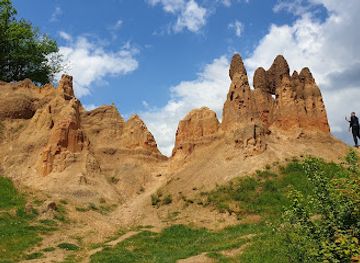
Pješčane piramide
Explore the mesmerizing Pješčane Piramide, a natural wonder in Bosnia's Daničići, showcasing stunning geological formations and breathtaking landscapes.
-
Campground
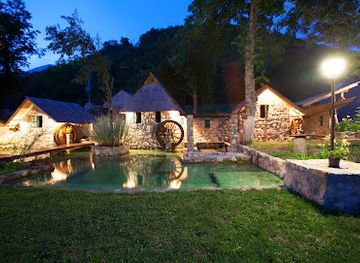
Rafting Tara | Tri vodenice
Experience the thrill of white-water rafting and the tranquility of nature at Rafting Tara, a unique campground in Bosnia and Herzegovina.
-
Tourist attraction
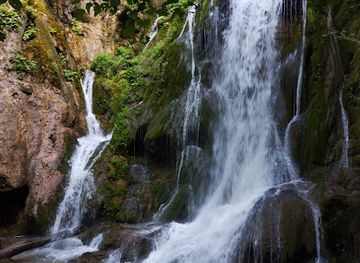
Vodopad Oteša
Experience the breathtaking beauty of Vodopad Oteša, a stunning waterfall in Miljevina, perfect for nature lovers and adventure seekers.
-
Historical landmark
Clock tower of Mehmed-pasha Kukavica
Explore the historical beauty of the Clock Tower of Mehmed-pasha Kukavica, a must-see landmark in Foča, Bosnia and Herzegovina.
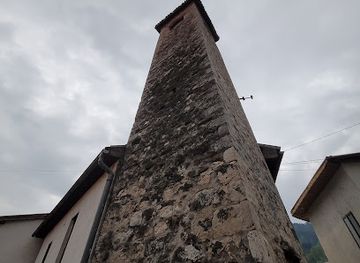
Best landmarks in Foča Region
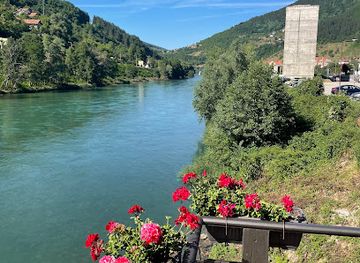
The most recognisable natural landmark is Mount Maglić, Bosnia and Herzegovina's highest peak, rising on the frontier landscape above Sutjeska National Park. Its summit and surrounding ridges form a dramatic high point, although the ascent demands experience and suitable conditions. In the park below, the Tjentište memorial complex is a major work of Yugoslav modernist memorial architecture, with its angular concrete sculpture commemorating the dead of the 1943 Battle of the Sutjeska. The Perućica forest is a landmark of ecological as well as geographical importance, representing one of Europe's important remaining primeval forests. In Foča itself, the reconstructed Aladža Mosque stands as a significant example of Ottoman heritage and a symbol of post-war cultural reconstruction. The meeting of the Drina and Ćehotina provides the town's defining natural setting, while the surrounding river canyons and wooded slopes explain why the region's identity is so closely tied to waterways and mountain travel.
-
Tourist attraction
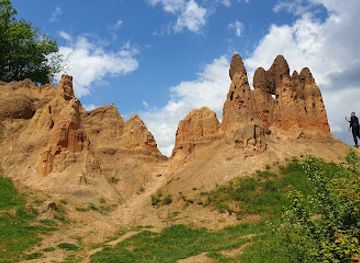
Pješčane piramide
Explore the mesmerizing Pješčane Piramide in Daničići, Bosnia – a breathtaking natural wonder that captivates all who visit.
-
Mosque
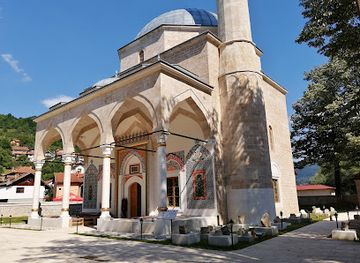
Aladža Džamija
Explore the architectural beauty and serene ambiance of Aladža Džamija, an exquisite mosque in Foča, Bosnia and Herzegovina.
-
Mountain peak
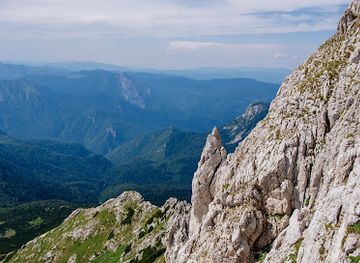
Maglić
Explore the breathtaking heights of Maglić Mountain Peak, the highest summit in Bosnia and Herzegovina, with stunning views and unforgettable hiking experiences.
-
Historical landmark
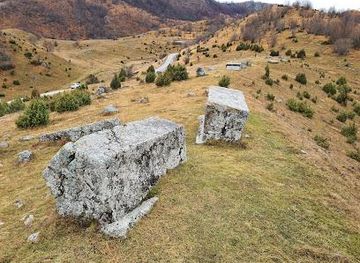
Nekropole sa stećcima
Unveil the mysteries of the Nekropole sa Stećcima, a UNESCO World Heritage site showcasing medieval tombstones with intricate designs in Bosnia and Herzegovina.
Explore Foča Region on the map
Plan your trip on one map. See where the top cities, national parks and sights are, and book hotels and experiences in a few clicks.
Best hotels in Foča Region
Best restaurants in Foča Region
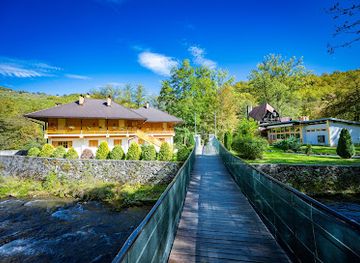
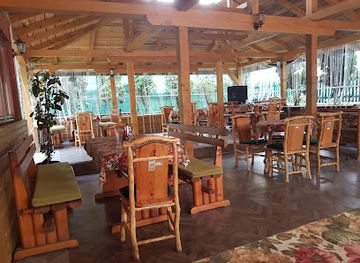
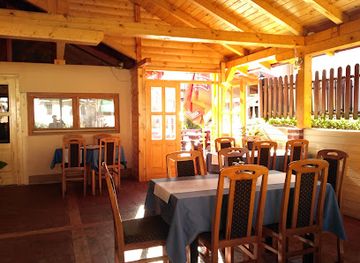
Dining in the Foča Region is informal and closely connected with Bosnian home cooking, mountain produce and the needs of outdoor travellers. In Foča, cafés, grill restaurants and traditional eateries serve dishes such as ćevapi, grilled meats, soups, stuffed vegetables, pies and slow-cooked meals, alongside coffee and sweets influenced by Ottoman culinary traditions. Rural households and guesthouses may offer locally prepared cheese, bread, potatoes, beans, preserves and seasonal produce, though arrangements often need to be made in advance. Trout and other freshwater fish can appear on menus near rivers, but their availability varies. After rafting or hiking, visitors commonly eat at simple riverside or roadside establishments rather than formal dining rooms. The region is not primarily a wine destination; coffee, beer, fruit drinks and locally produced spirits are more familiar accompaniments. Menus and payment facilities can be limited beyond Foča, so carrying cash and confirming meal arrangements is useful.
-
Restaurant
Motel Brioni
Experience comfort and local flavors at Motel Brioni in Foča - perfect for families and travelers seeking relaxation.
-
Restaurant
Zlatna Dunja
Experience authentic Bosnian cuisine with a modern twist at Zlatna Dunja in Foča - a must-visit dining destination for every traveler.
-
Restaurant
Ribarski restoran Foča
Experience authentic Bosnian cuisine at Ribarski Restoran Foča, where fresh seafood meets local flavors in a charming setting.
-
Restaurant
Devetka
Experience authentic Bosnian cuisine at Devetka in Foča – where every dish tells a story of flavor and tradition.
Best bars in Foča Region
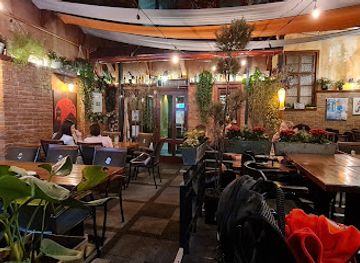
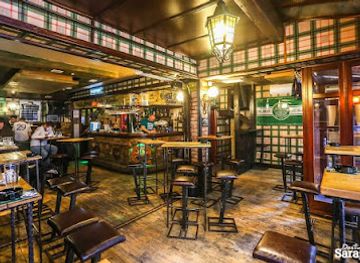
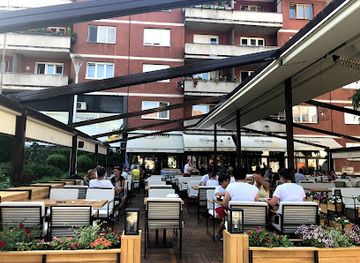
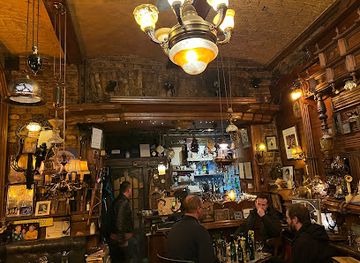
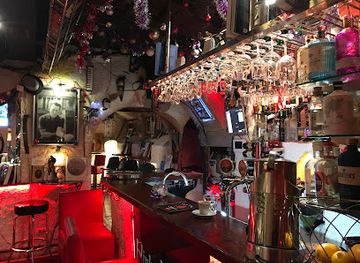
Nightlife in the Foča Region is centred on cafés, traditional bars and relaxed evening gatherings rather than a large club scene. Foča has the greatest concentration of places for coffee, beer, conversation and televised sport, with evenings generally quieter than in Bosnia and Herzegovina's larger cities. During the rafting and summer hiking season, outdoor-tourism businesses and riverside accommodation can create a more sociable atmosphere, but this remains seasonal and locally scaled. Restaurants and cafés provide the main alternative to drinking-focused nightlife, and live entertainment should be treated as occasional rather than guaranteed. Visitors staying in rural areas are more likely to spend the evening at a guesthouse, beside a river or under a mountain sky than in a nightclub. Check locally for current opening arrangements, especially outside the summer season.
-
Gastropub
Gastro Pub Vučko
Experience the rich flavors of Sarajevo at Gastro Pub Vučko, where traditional cuisine meets modern culinary artistry in a lively atmosphere.
-
Pub
Celtic Pub
Discover Celtic Pub, a vibrant and welcoming bar in Sarajevo, offering an extensive drink menu and a lively atmosphere perfect for tourists.
-
Restaurant
Моцарт
Experience the rich flavors of Bosnia at Моцарт, Foča's premier restaurant offering a modern twist on traditional cuisine.
-
Bar
Zlatna ribica
Experience the vibrant nightlife of Sarajevo at Zlatna Ribica, a trendy bar and café offering an eclectic drink selection in a lively atmosphere.
Best nightclubs in Foča Region
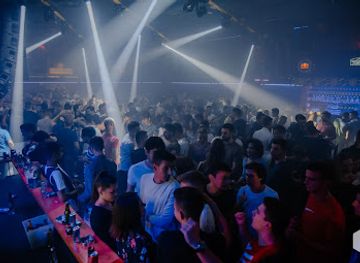
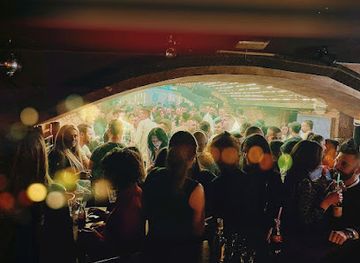
Nightlife in the Foča Region is centred on cafés, traditional bars and relaxed evening gatherings rather than a large club scene. Foča has the greatest concentration of places for coffee, beer, conversation and televised sport, with evenings generally quieter than in Bosnia and Herzegovina's larger cities. During the rafting and summer hiking season, outdoor-tourism businesses and riverside accommodation can create a more sociable atmosphere, but this remains seasonal and locally scaled. Restaurants and cafés provide the main alternative to drinking-focused nightlife, and live entertainment should be treated as occasional rather than guaranteed. Visitors staying in rural areas are more likely to spend the evening at a guesthouse, beside a river or under a mountain sky than in a nightclub. Check locally for current opening arrangements, especially outside the summer season.
-
Club
Cinemas Sloga
Experience the pulse of Sarajevo's nightlife at Cinemas Sloga, where music, dance, and culture collide in a vibrant atmosphere.
-
Night club
GoldenCube - Night Club
Discover the electrifying nightlife at GoldenCube, Mostar's premier night club, where unforgettable music and vibrant dancing await.
-
Disco club
Dorian Gray
Discover the vibrant nightlife of Sarajevo at Dorian Gray, a premier disco club offering unforgettable music and a lively atmosphere.
-
Jazz
Pink Houdini
Discover the heartbeat of Sarajevo at Pink Houdini, a premier jazz and blues club offering unforgettable live performances in a cozy atmosphere.
Best shops in Foča Region
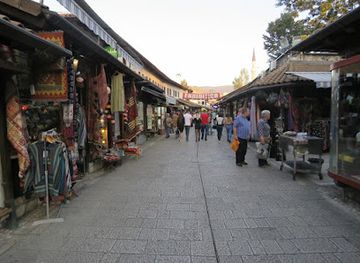
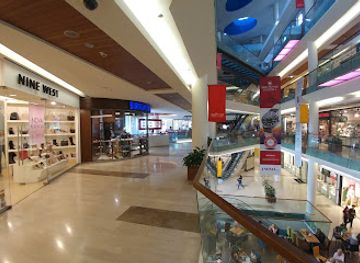
Shopping in the Foča Region is practical and small-scale, with everyday provisions concentrated in Foča rather than in a specialist retail district. Visitors will find cafés, bakeries, small food shops and independent businesses, while local markets and roadside sellers may offer seasonal fruit, vegetables, honey and other agricultural products when available. Rural households and outdoor-tourism operators sometimes sell or serve homemade preserves, cheese, jams and fruit spirits, but purchasing arrangements vary and products should be bought from reputable sellers. Souvenirs are more likely to be modest regional items, Bosnian coffee accessories, handicrafts or locally produced food than designer goods. There is limited conventional luxury or high-street shopping, and national chains are less prominent than in larger Bosnian cities. Bring specialist hiking or rafting equipment with you or obtain it in a larger gateway city, since the choice of technical outdoor gear in Foča may be limited.
-
Shopping mall
SCC - Sarajevo City Center
Discover the ultimate shopping and dining experience at Sarajevo City Center, the modern heart of Bosnia and Herzegovina.
-
Shopping mall
Aria
Shop, dine, and unwind at Aria, Sarajevo's vibrant shopping mall, offering a blend of local and international experiences in the heart of the city.
-
Shopping mall
Alta Shopping Center
Explore the Alta Shopping Center in Sarajevo, where diverse shopping, dining, and entertainment options create an unforgettable experience for every visitor.
-
Department store
Jumbo Sarajevo
Discover everything you need at Jumbo Sarajevo, a vibrant department store offering diverse products and a taste of local culture.
Get your free copy of our complete guide to Foča Region, delivered straight to you.
Everything on this page, from attractions and restaurants to essentials and local phrases, in one PDF you can read offline, print or share.
Already have an account? Sign in
Your Foča Region guide is ready.
We'll send it to · Not you? Sign out

Getting your guide ready…
We are putting together a fresh copy of the Foča Region guide. This can take up to a minute.
This can take a few moments. If your browser asks, choose Allow so the download can start. You'll find the guide in your Downloads folder.
Nothing happened? Download it again
Sorry, the guide is taking longer than usual. Please try again in a minute, or get it by email instead.
Foča Region essentials
Currency and Payment
Safety
Emergency Situations
Do's and Don'ts
Local Tips
From Eve
Local phrases worth knowing
You don't need to get them perfect. A few words go a long way, and locals appreciate the effort.
Basics
| English | Local | Say it |
|---|---|---|
| Hello | Zdravo | [zdrah-vo] |
| Goodbye | Doviđenja | [doh-vee-jen-yah] |
| Yes | Da | [dah] |
| No | Ne | [neh] |
| Please/You're welcome | Molim | [moh-leem] |
| Thank you | Hvala | [hvah-lah] |
| Excuse me/Sorry | Izvinite | [eez-vee-nee-teh] |
| How are you? | Kako si? | [kah-koh see] |
| Fine. And you? | Dobro. A ti? | [doh-broh. ah tee] |
| Do you speak English? | Da li govorite engleski? | [dah lee goh-vor-ee-teh eng-leh-skee] |
| I don't understand | Ne razumem | [neh rah-zoo-mehm] |
Eating & Drinking
| English | Local | Say it |
|---|---|---|
| I'd like to see the menu, please | Hteo bih da vidim meni, molim | [hteh-oh beekh dah vee-deem meh-nee, moh-leem] |
| I don't eat meat | Ne jedem meso | [neh yeh-dem meh-so] |
| Cheers! | Živeli! | [zhee-veh-lee] |
| I would like to pay, please | Hteo bih da platim, molim | [hteh-oh beekh dah plah-teem, moh-leem] |
Emergencies
| English | Local | Say it |
|---|---|---|
| Help! | Pomoć! | [poh-mohch] |
| Go away! | Odlazi! | [oh-dlah-zee] |
| Call the Police! | Pozovite policiju! | [poh-zoh-vee-teh poh-lee-tsee-yoo] |
| Call a doctor! | Pozovite doktora! | [poh-zoh-vee-teh dok-toh-rah] |
| I'm lost | Izgubio sam se | [eez-goo-bee-oh sahm seh] |
| I'm ill | Bolestan sam | [boh-leh-stan sahm] |
Shopping
| English | Local | Say it |
|---|---|---|
| I'd like to buy... | Hteo bih da kupim... | [hteh-oh beekh dah koo-peem] |
| I'm just looking | Samo gledam | [sah-mo gled-am] |
| How much is it? | Koliko košta? | [koh-lee-koh koh-shtah] |
| That's too expensive | To je preskupo | [toh yeh preh-skoo-poh] |
| Can you lower the price? | Možete li sniziti cenu? | [moh-zheh-teh lee snee-zee-tee tseh-noo] |
Time & Numbers
| English | Local | Say it |
|---|---|---|
| What time is it? | Koliko je sati? | [koh-lee-koh yeh sah-tee] |
| It's one o'clock | Jedan je čas | [yeh-dahn yeh chahs] |
| Half past (10) | Pola (10) | [poh-lah (10)] |
| Morning | Jutro | [yoo-troh] |
| Afternoon | Posle podne | [poh-sleh poh-dneh] |
| Evening | Veče | [veh-cheh] |
| Yesterday | Juče | [yoo-cheh] |
| Today | Danas | [dah-nahs] |
| Tomorrow | Sutra | [soo-trah] |
| 1 | Jedan | [yeh-dahn] |
| 2 | Dva | [dva] |
| 3 | Tri | [tree] |
| 4 | Četiri | [cheh-tee-ree] |
| 5 | Pet | [peht] |
| 6 | Šest | [sherst] |
| 7 | Sedam | [seh-dahm] |
| 8 | Osam | [oh-sahm] |
| 9 | Devet | [deh-vet] |
| 10 | Deset | [deh-set] |
Transport & Directions
| English | Local | Say it |
|---|---|---|
| Where's a/the...? | Gde je...? | [gdeh yeh] |
| What's the address? | Koja je adresa? | [koh-yah yeh ah-dreh-sah] |
| Can you show me (on the map)? | Možete li mi pokazati (na mapi)? | [moh-zheh-teh lee mee poh-kah-zah-tee (nah mah-pee)] |
| When's the next (bus)? | Kada je sledeći (autobus)? | [kah-dah yeh sleh-deh-chee (ow-toh-boos)] |
| A ticket (to ....) | Karta (do ....) | [kahr-tah (doh ....)] |
History of Foča Region
Early settlement and medieval Hum
The upper Drina and Sutjeska valleys have long acted as routes through the eastern Dinaric mountains. Archaeological remains and the region's position between inland Bosnia, the Adriatic hinterland and the Balkans point to settlement and movement well before the modern town of Foča emerged. In the medieval period, the area formed part of Hum and later neighbouring Bosnian political territories. Fortified points, religious foundations and traces of trade routes reflect a landscape in which river crossings and mountain passes were strategically important.
Ottoman Foča and regional trade
Foča became an important Ottoman town after the Ottoman expansion into Bosnia in the fifteenth century. Its position on the Drina linked markets and roads running towards the Adriatic and the interior. Mosques, bridges, commercial buildings and residential quarters developed around this role, giving the town an urban character that distinguished it from surrounding mountain settlements. The Aladža Mosque, built in the sixteenth century and reconstructed after its destruction in the 1990s, remains the most prominent surviving expression of Ottoman artistic and religious heritage in the area.
Austro-Hungarian administration and modern roads
After the Congress of Berlin in 1878, Bosnia and Herzegovina came under Austro-Hungarian administration, formally annexed in 1908. The period brought new administrative practices, road improvements and greater integration with wider imperial networks, while older Ottoman urban and religious traditions continued. Foča's location remained important because the Drina valley provided one of the practicable routes through difficult terrain. The transition also contributed to the modern administrative and economic framework from which the twentieth-century town developed.
Sutjeska and the Second World War
The wider Foča and Sutjeska area was a major theatre of the Second World War in Yugoslavia. The Battle of the Sutjeska, fought in 1943, became one of the defining episodes of the Partisan struggle against Axis and collaborationist forces. The Tjentište memorial complex, with its monumental sculpture in the Sutjeska valley, commemorates the dead and reflects the way socialist Yugoslavia used the battle in its public historical culture. The surrounding landscape therefore combines a national war memorial with forests, mountains and villages that witnessed the conflict.
The creation of Sutjeska National Park
Established in 1962, Sutjeska National Park is Bosnia and Herzegovina's oldest national park. Its creation recognised the exceptional ecological value of the Perućica primeval forest, one of Europe's remaining substantial old-growth forest areas, as well as the high mountain landscapes of Maglić, Volujak and Zelengora. Conservation and remembrance developed side by side: the park protects natural habitats while Tjentište preserves a major twentieth-century memorial landscape. Forestry, tourism and nature protection have consequently remained closely connected in the region.
The 1990s war and post-war reconstruction
Foča and its surrounding municipalities were profoundly affected by the war in Bosnia and Herzegovina from 1992 to 1995. Civilians were killed, expelled or displaced, and religious and cultural buildings, including the Aladža Mosque, were destroyed. The period remains painful and contested in local and national memory. Post-war reconstruction has included the rebuilding of religious heritage and the gradual development of outdoor tourism, but the region's landscape still contains memorials and absences that visitors should approach with historical care rather than treating them as incidental background.
Foča Region in Photos
Browse through our photo collection highlighting the charm and character of the destination.
Neighbouring regions of Foča Region
The closest regions to Foča Region, if you have time for more than one.
-

-

-

-

-


Swipe for more regions
Explore more

Explore more of Bosnia and Herzegovina
Discover the hidden beauty of Bosnia and Herzegovina—a land of stunning landscapes, rich history, and diverse culture in the heart of the Balkans.
Explore Bosnia and Herzegovina