

Free Podrinje Travel Guide & Mobile App
Explore Podrinje with free travel guides. Discover regional history, expert tips, proposed trips, and audio guides on web or mobile app.


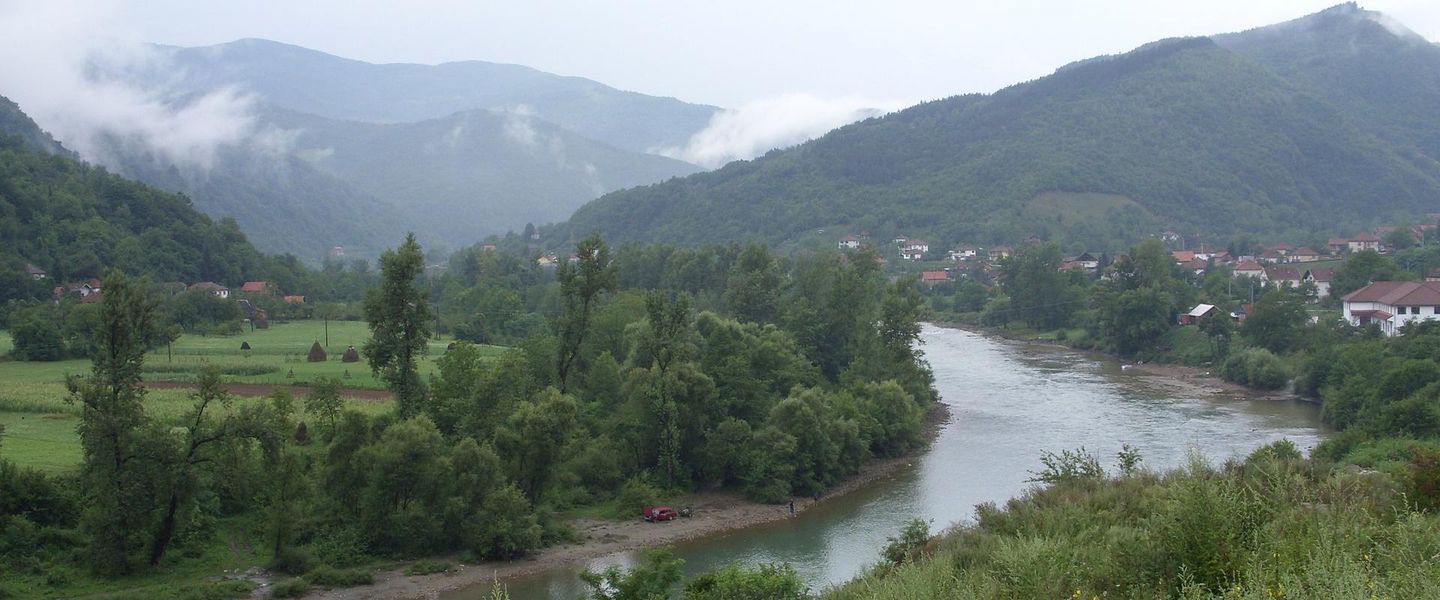


Explore Podrinje in Bosnia and Herzegovina for Drina River scenery, Ottoman heritage, mountain roads, historic towns and reflective cultural journeys.
Read more about Podrinje
When is the best time to visit Podrinje?
Best: June–August · 23–25°C| Month | High (°C) | Rainfall (mm) |
|---|---|---|
| January | 4 | 60 |
| February | 5 | 55 |
| March | 11 | 65 |
| April | 15 | 70 |
| May | 20 | 80 |
| June (best) | 23 | 70 |
| July (best) | 25 | 60 |
| August (best) | 25 | 65 |
| September | 21 | 70 |
| October | 16 | 65 |
| November | 10 | 70 |
| December | 4 | 75 |
Getting to and around Podrinje
How to get there
Transportation
Top city travel guides in Podrinje
The cities of Podrinje, and the easiest places to base yourself.
-

-

-


Swipe for more cities
Destinations in Podrinje
Resorts, valleys and scenic spots worth a trip of their own.
-

-

-

-

-

-


Swipe for more destinations
Best attractions in Podrinje
-
Tourist attraction
Baščaršija
Discover the cultural heart of Sarajevo at Baščaršija, a historic bazaar filled with shops, eateries, and stunning Ottoman architecture.
-
Nature preserve
Bosna Spring
Discover the breathtaking beauty of Bosna Spring in Sarajevo, a serene nature preserve perfect for relaxation, exploration, and cultural experiences.
-
Historical landmark
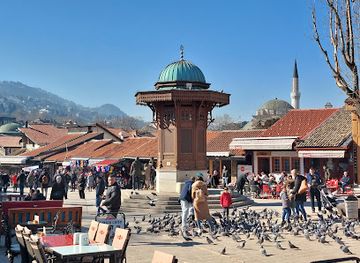
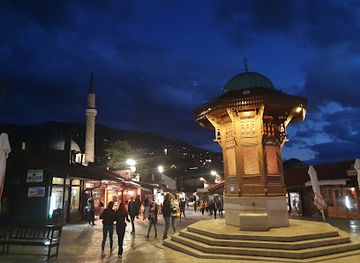
Sebilj
Discover Sebilj, the picturesque fountain in Sarajevo's Baščaršija, a symbol of the city’s rich heritage and vibrant culture.
-
Amusement park
Sunnyland
Discover the excitement of Sunnyland in East Sarajevo, a family-friendly amusement park with thrilling rides, indoor fun, and tasty dining options.



Best landmarks in Podrinje
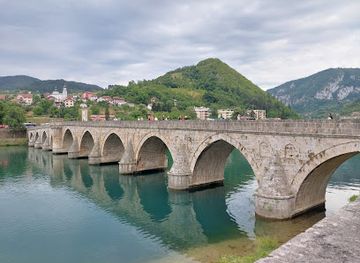
The defining landmark of Podrinje is the Mehmed Paša Sokolović Bridge at Višegrad, an Ottoman stone bridge commissioned in the sixteenth century and closely associated with Ivo Andrić's novel The Bridge on the Drina. Its eleven arches span the river at a historic crossing and express the importance of infrastructure in the Ottoman valley. Višegrad's Andrićgrad, a modern cultural and architectural complex beside the Drina, is another prominent feature, though it should be understood as a contemporary interpretation rather than a surviving medieval quarter. Zvornik Fortress occupies a strategic rocky height above the town and reflects the defensive importance of the lower river. The broad waters of Perućac Lake and the steep forested slopes around the upper Drina function as natural landmarks, while Goražde's river setting gives the town a distinctive linear form. At Potočari, the Srebrenica–Potočari Memorial and Cemetery is a solemn contemporary landmark dedicated to the victims of the 1995 genocide and requires respectful conduct.
-
 Bridge
Old Bridge Mostar
Visit the iconic Stari Most in Mostar, a symbol of history, culture, and reconciliation, offering stunning views and a glimpse into the past.
-
National reserve
Kravica Waterfall
Experience the breathtaking beauty of Kravica Waterfall, a stunning natural reserve in Bosnia and Herzegovina, perfect for relaxation and outdoor adventures.
-
Tourist attraction
Baščaršija
Explore Baščaršija, Sarajevo's historic Ottoman-era bazaar, a vibrant hub of culture, crafts, and captivating landmarks.
-
Historical landmark
Mehmed Paša Sokolović Bridge
Discover the iconic Mehmed Paša Sokolović Bridge in Višegrad, a UNESCO World Heritage site and a masterpiece of Ottoman architecture.
Explore Podrinje on the map
Plan your trip on one map. See where the top cities, national parks and sights are, and book hotels and experiences in a few clicks.
Best hotels in Podrinje
Best restaurants in Podrinje
Food in Podrinje reflects the wider Bosnian tradition while making use of river fish, mountain produce and hearty dishes suited to a continental climate. Menus in towns and roadside restaurants commonly include ćevapi, grilled meats, burek and other filled pies, stuffed vegetables, soups, fresh bread and Turkish-style coffee. Trout and other freshwater fish may feature near the Drina and its reservoirs, though availability is seasonal and local rather than guaranteed. In rural areas, guesthouses and family kitchens may offer cheese, smoked meats, preserves, potatoes and baked dishes made from nearby produce. Goražde, Foča, Višegrad and Zvornik have the broadest choice of cafés and restaurants, while smaller settlements tend to rely on simple inns and home-style cooking. Bosnia and Herzegovina's coffee culture is particularly important: coffee is often served as a deliberate pause accompanied by conversation, rather than as a hurried takeaway drink.
-
Restaurant
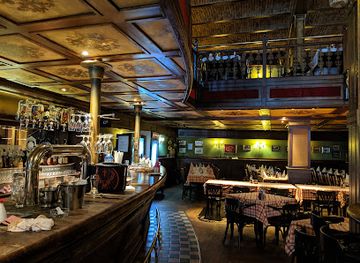
Brewery HS
Experience authentic Bosnian cuisine and locally brewed beers at Brewery HS, a culinary gem in the heart of Sarajevo.
-
Restaurant
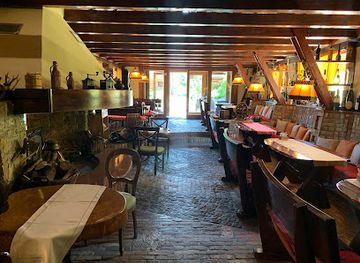
Toplik
Discover Toplik: A must-visit restaurant and café in Bosnia serving traditional dishes in a welcoming atmosphere.
-
Ski resort
Ski Centar Ravna Planina
Discover endless winter fun at Ski Centar Ravna Planina with thrilling slopes, stunning views, and year-round outdoor adventures.
-
Restaurant
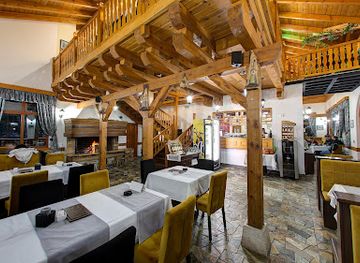
Restaurant Brus
Discover Restaurant Brus in Dovlići for an authentic taste of Bosnian cuisine amidst stunning landscapes.

Best bars in Podrinje
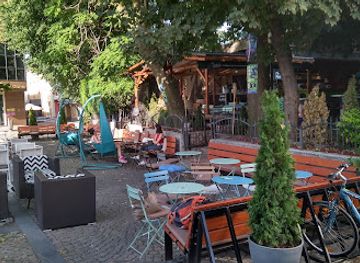
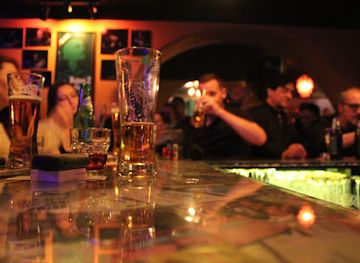
Evening life in Podrinje is centred on cafés, traditional coffee houses, restaurants and local pubs rather than a large club scene. Goražde, Foča, Višegrad and Zvornik have the greatest concentration of places to meet friends, with busier evenings often linked to weekends, warmer weather and local cultural programmes. Riverside terraces may be popular in summer, while smaller towns generally become quiet earlier. Some venues serve beer, wine, spirits and coffee alongside light food, and occasional live music can be found in larger settlements, but opening arrangements are changeable. Višegrad's cultural venues and riverfront settings provide a more atmospheric evening than a nightclub-focused experience, whereas upper-Drina villages are better suited to quiet dinners and guesthouse hospitality. Visitors should be considerate around residential areas and remember that alcohol is not necessary to participate in local social life.
-
Pub
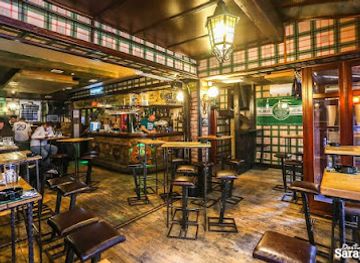
Celtic Pub
Experience the warmth of Irish hospitality at Celtic Pub, a must-visit spot in Sarajevo for delectable food and refreshing drinks.
-
Bar
Cafe Bar Sloboda
Experience the cozy ambiance and local flavors at Cafe Bar Sloboda, the perfect spot to unwind in Tuzla.
-
Bar
Zlatna ribica
Discover the vibrant atmosphere of Zlatna Ribica, a charming bar and café in Sarajevo that offers a unique blend of local drinks and cultural experiences.
-
Jazz
Jazzbina
Experience the soulful rhythms of Sarajevo at Jazzbina, the heart of the city's jazz scene, offering intimate live performances in a vibrant atmosphere.

Best nightclubs in Podrinje
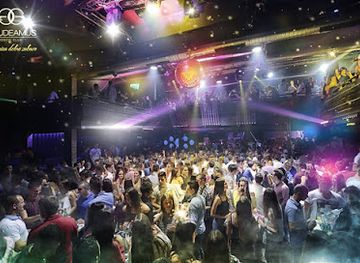
Evening life in Podrinje is centred on cafés, traditional coffee houses, restaurants and local pubs rather than a large club scene. Goražde, Foča, Višegrad and Zvornik have the greatest concentration of places to meet friends, with busier evenings often linked to weekends, warmer weather and local cultural programmes. Riverside terraces may be popular in summer, while smaller towns generally become quiet earlier. Some venues serve beer, wine, spirits and coffee alongside light food, and occasional live music can be found in larger settlements, but opening arrangements are changeable. Višegrad's cultural venues and riverfront settings provide a more atmospheric evening than a nightclub-focused experience, whereas upper-Drina villages are better suited to quiet dinners and guesthouse hospitality. Visitors should be considerate around residential areas and remember that alcohol is not necessary to participate in local social life.
-
Night club
Tron
Discover the vibrant nightlife of Nova Bila at Tron, the premier night club offering electrifying music and a lively party atmosphere.
-
Night club
Gaudeamus disco club
Dive into the vibrant nightlife at Gaudeamus Disco Club in Posušje, where great music and affordable drinks create unforgettable memories.
-
Disco club
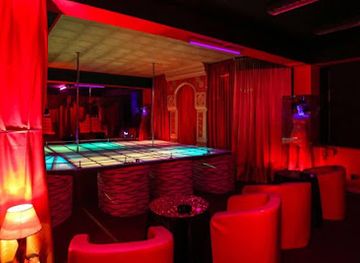
CRISTAL CLUB STRIPTEASE NIGHT CLUB
Discover Sarajevo's vibrant nightlife at Cristal Club, where electrifying performances meet an energetic disco atmosphere.
-
Disco club
Club Janus
Explore the electrifying nightlife of Bugojno at Club Janus, the ultimate disco club for dancing, music, and unforgettable moments.
Best shops in Podrinje
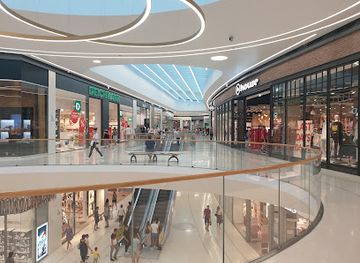
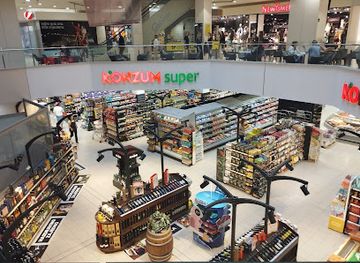
Shopping in Podrinje is local and practical rather than centred on major retail districts. Goražde, Foča, Višegrad and Zvornik have the broadest selection of everyday shops, bakeries, supermarkets, cafés and small independent businesses, while market stalls in larger settlements are useful for seasonal fruit, vegetables, honey, dairy products and household goods. Visitors may find locally produced preserves, herbal products, woollen items, woodwork and small handicrafts through rural households or tourist-focused shops, although availability varies. Višegrad offers the clearest association with bridge-themed souvenirs and literary material connected with Ivo Andrić. Food products such as coffee, honey, regional cheese and sweets make more useful souvenirs than generic items, but check customs rules when carrying food across borders. Excursion areas beside the Drina and its lakes may have limited seasonal stalls rather than permanent shopping facilities.
-
Store
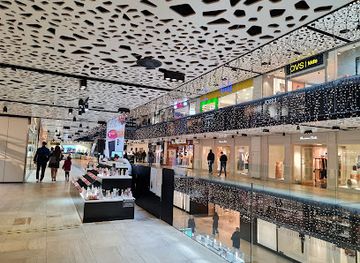
SCC - Sarajevo City Center
Discover the bustling shopping and entertainment experience at SCC - Sarajevo City Center, where modernity meets local culture.
-
Shopping mall
Aria
Experience the vibrant shopping and dining at Aria, the top shopping mall in Sarajevo, where local charm meets global brands.
-
Shopping mall
Delta Planet
Explore Delta Planet in Banja Luka, the ultimate shopping destination offering diverse retail, dining, and entertainment experiences for every traveler.
-
Shopping mall
Mepas Mall
Experience the vibrant shopping scene at Mepas Mall in Mostar, where retail, dining, and entertainment come together for an unforgettable day out.
Get your free copy of our complete guide to Podrinje, delivered straight to you.
Everything on this page, from attractions and restaurants to essentials and local phrases, in one PDF you can read offline, print or share.
Already have an account? Sign in
Your Podrinje guide is ready.
We'll send it to · Not you? Sign out

Getting your guide ready…
We are putting together a fresh copy of the Podrinje guide. This can take up to a minute.
This can take a few moments. If your browser asks, choose Allow so the download can start. You'll find the guide in your Downloads folder.
Nothing happened? Download it again
Sorry, the guide is taking longer than usual. Please try again in a minute, or get it by email instead.
Podrinje essentials
Currency and Payment
Safety
Emergency Situations
Do's and Don'ts
Local Tips
From Eve
Local phrases worth knowing
You don't need to get them perfect. A few words go a long way, and locals appreciate the effort.
Basics
| English | Local | Say it |
|---|---|---|
| Hello | Zdravo | [Zdra-vo] |
| Goodbye | Doviđenja | [Do-vi-đen-ja] |
| Yes | Da | [Da] |
| No | Ne | [Ne] |
| Please/You're welcome | Molim | [Mo-lim] |
| Thank you | Hvala | [Hva-la] |
| Excuse me/Sorry | Izvinite | [Iz-vi-ni-te] |
| How are you? | Kako ste? | [Ka-ko ste] |
| Fine. And you? | Dobro. A vi? | [Do-bro. A vi] |
| Do you speak English? | Govori li engleski? | [Go-vo-ri li en-gles-ki] |
| I don't understand | Ne razumijem | [Ne ra-zu-mi-jem] |
Eating & Drinking
| English | Local | Say it |
|---|---|---|
| I'd like to see the menu, please | Želim vidjeti meni, molim | [Že-lim vi-dje-ti me-ni, mo-lim] |
| I don't eat meat | Ne jedem meso | [Ne je-dem me-so] |
| Cheers! | Živjeli! | [Ži-vje-li] |
| I would like to pay, please | Želim platiti, molim | [Že-lim pla-ti-ti, mo-lim] |
Emergencies
| English | Local | Say it |
|---|---|---|
| Help! | Pomoć! | [Po-moć] |
| Go away! | Odlazi! | [Od-la-zi] |
| Call the Police! | Pozovite policiju! | [Po-zo-vi-te po-li-ci-ju] |
| Call a doctor! | Pozovite doktora! | [Po-zo-vi-te dok-to-ra] |
| I'm lost | Izgubio sam se | [Iz-gu-bi-o sam se] |
| I'm ill | Bolestan sam | [Bo-le-stan sam] |
Shopping
| English | Local | Say it |
|---|---|---|
| I'd like to buy... | Želim kupiti... | [Že-lim ku-pi-ti] |
| I'm just looking | Samo gledam | [Sa-mo gle-dam] |
| How much is it? | Koliko košta? | [Ko-li-ko ko-šta] |
| That's too expensive | To je preskupo | [To je pre-sku-po] |
| Can you lower the price? | Možete li sniziti cijenu? | [Mo-že-te li sni-zi-ti ci-je-nu] |
Time & Numbers
| English | Local | Say it |
|---|---|---|
| What time is it? | Koliko je sati? | [Ko-li-ko je sa-ti] |
| It's one o'clock | Jedan je sat | [Je-dan je sat] |
| Half past (10) | Pola (10) | [Po-la] |
| Morning | Jutro | [Ju-tro] |
| Afternoon | Popodne | [Po-pod-ne] |
| Evening | Veče | [Ve-che] |
| Yesterday | Juče | [Ju-che] |
| Today | Danas | [Da-nas] |
| Tomorrow | Sutra | [Su-tra] |
| 1 | Jedan | [Je-dan] |
| 2 | Dva | [Dva] |
| 3 | Tri | [Tri] |
| 4 | Četiri | [Če-ti-ri] |
| 5 | Pet | [Pet] |
| 6 | Šest | [Šest] |
| 7 | Sedam | [Se-dam] |
| 8 | Osam | [O-sam] |
| 9 | Devet | [De-vet] |
| 10 | Deset | [De-set] |
Transport & Directions
| English | Local | Say it |
|---|---|---|
| Where's a/the...? | Gdje je...? | [Gdje je] |
| What's the address? | Koja je adresa? | [Ko-ja je a-dre-sa] |
| Can you show me (on the map)? | Možete li mi pokazati (na karti)? | [Mo-že-te li mi po-ka-za-ti (na kar-ti)] |
| When's the next (bus)? | Kada je sljedeći (autobus)? | [Ka-da je sli-je-di-ći (au-to-bus)] |
| A ticket (to ....) | Jedna karta (do ...) | [Jed-na kar-ta (do ...)] |
History of Podrinje
Early settlement and Roman frontiers
The Drina valley has connected the interior Balkans with the Sava basin since antiquity. Prehistoric communities used its fertile terraces and upland routes, while Roman administration incorporated the wider area into the province of Dalmatia and later neighbouring provincial systems. Roman roads, mining activity and fortified positions linked settlements around the Drina with the Adriatic hinterland and the Danube world. Much of the surviving evidence is archaeological rather than monumental, but the valley's later importance as a transport corridor and political frontier reflects these ancient geographical foundations.
Medieval Drina borderlands
During the medieval period, the Drina marked shifting zones of influence between Serbian and Bosnian political powers, while local župas, fortified settlements and ecclesiastical foundations developed along the river and its tributaries. Višegrad and nearby routes gained importance because they connected the interior with markets and crossings towards the east. Medieval territorial boundaries were fluid, and the region cannot be reduced to a single political identity. Fortified hilltops and traces of medieval religious and settlement patterns remain part of the historical landscape, even where later construction has obscured earlier layers.
Ottoman rule and the bridge at Višegrad
The Ottoman conquest brought the Drina within a large imperial system that connected Bosnia with Serbia and the rest of the Balkans. Towns, roads, bridges, mosques, markets and administrative centres developed along the river. The Mehmed Paša Sokolović Bridge at Višegrad, built in the late sixteenth century, became the era's defining achievement: an eleven-arched stone crossing that improved movement through a difficult valley. Ottoman influence remains visible in the urban fabric of Višegrad, Foča, Zvornik and other settlements, although many historic structures were damaged or lost during later conflicts and modern development.
Austro-Hungarian administration and modern infrastructure
After the Congress of Berlin in 1878, Bosnia and Herzegovina came under Austro-Hungarian occupation and, from 1908, formal annexation. The administration introduced new systems of government, taxation, schooling and public works, while improving roads and developing modern town infrastructure. Its legacy is clearest in civic buildings, bridges, roads and urban planning, particularly in larger settlements. The Drina remained a sensitive frontier beside Serbia, and political tensions in the region formed part of the wider crisis that preceded the First World War.
The Drina in the twentieth century
The region experienced the upheavals of both world wars and the political transformations of the Kingdom of Yugoslavia and socialist Yugoslavia. After 1945, industrialisation, hydropower construction, improved roads and public services changed the relationship between valley settlements and surrounding villages. Reservoirs created by dams altered the river landscape, while towns such as Zvornik and Goražde became more closely integrated into Yugoslav economic networks. Rural depopulation and migration also affected the uplands, leaving a pattern of concentrated settlement in valley towns and more sparsely inhabited mountain districts.
The 1992–1995 war and its legacy
Podrinje was one of the principal theatres of the war in Bosnia and Herzegovina. Towns and villages experienced fighting, displacement, detention, destruction of homes and religious buildings, and the fragmentation of long-established communities. The Srebrenica genocide in July 1995 is the most internationally recognised atrocity associated with the region; the Srebrenica–Potočari Memorial and Cemetery preserves the memory of those murdered and remains a place of mourning and education. The war reshaped the region's demography, economy and public memory, and its consequences remain visible in settlements, memorials and family histories.
Post-war reconstruction and contemporary Podrinje
Since the end of the war, Podrinje has combined reconstruction with gradual efforts to preserve heritage, restore religious and civic buildings, and develop tourism based on the Drina, historic monuments and outdoor activities. Višegrad's bridge, river recreation around Foča and Perućac, and heritage and memorial visits around Srebrenica attract different forms of travel. Economic opportunities remain uneven, with agriculture, small businesses, public-sector employment and seasonal tourism important in many communities. Contemporary Podrinje is therefore both a scenic river region and a place where questions of memory, return, identity and reconciliation remain central.
Podrinje in Photos
Browse through our photo collection highlighting the charm and character of the destination.
Neighbouring regions of Podrinje
The closest regions to Podrinje, if you have time for more than one.
-

-

-

-

-


Swipe for more regions

