
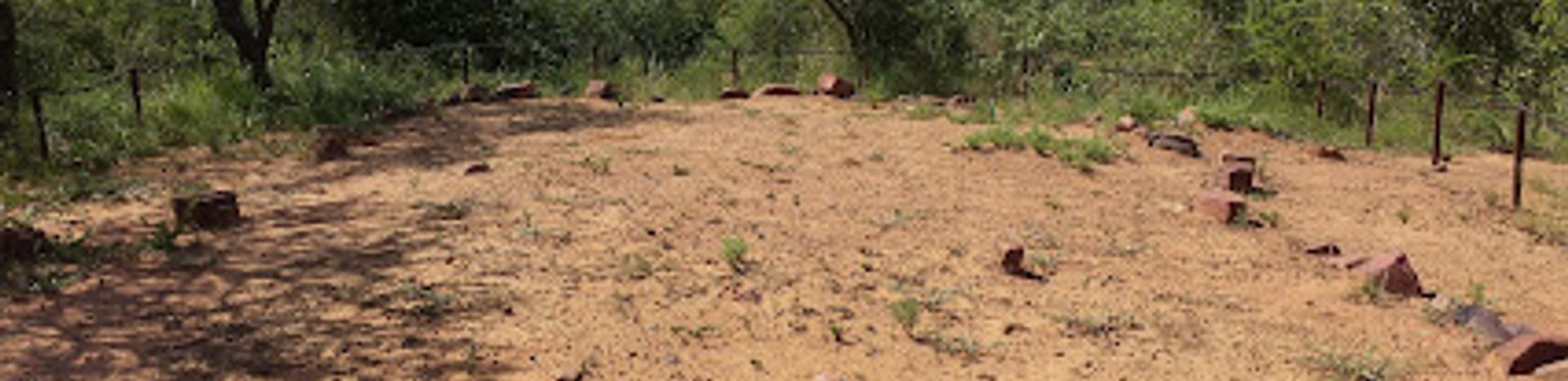
Kolobeng: Livingstone's Botswana Mission
Discover Kolobeng, David Livingstone's third mission in Botswana, where history, culture, and natural beauty converge for a unique travel experience.
Explore Kolobeng, David Livingstone's third and final mission station, established in 1847 near Mmankgodi, Botswana. See the remnants of his church, school, and home, and learn about his efforts to convert and assist the local Bakwena people.
A brief summary to Kolobeng (Livingstone's Third Mission)
- 8MW8+65V, Mmankgodi, BW
Local tips
- Visit during weekdays for a quieter experience and more personal engagement with local guides.
- Bring a camera to capture the beautiful landscapes and historical remnants.
- Wear comfortable shoes, as the terrain can be uneven in some areas.

Getting There
-
Public Transport
From Gaborone, take a minibus from the main bus station towards Mmankgodi. The fare is approximately 15 BWP, and the journey takes about 30-45 minutes. Once in Mmankgodi, you can walk approximately 2 km northeast to Kolobeng, following the road signs. Alternatively, hire a local taxi from the village center for around 20 BWP.
-
Car
From Gaborone, take the A1 highway north towards Mmankgodi. After about 25 km, exit towards Mmankgodi. Follow the signs to the Kolobeng historic site, located approximately 2 km from the village center at coordinates 8MW8+65V. Parking is limited, and there is no entrance fee.
Discover more about Kolobeng (Livingstone's Third Mission)
Iconic landmarks you can’t miss

Longquan Bohua Monastery
21.2 km
Find serenity at Longquan Bohua Monastery in Gaborone: a peaceful escape for reflection, meditation, and cultural exploration in Botswana.
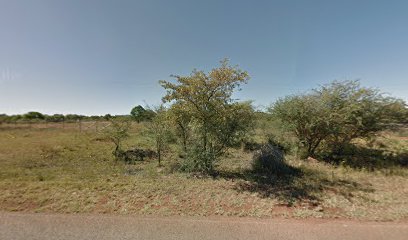
Peermont, The Grand Palm
21.5 km
Experience luxury, entertainment, and world-class convention facilities at Gaborone's premier resort destination.

Kgale View Guest House
22.3 km
Experience comfort and convenience at Kgale View Guest House, your ideal base for exploring Gaborone and enjoying a tranquil retreat.
Gaborone Station
24.2 km
Experience the vibrant heart of Botswana at Gaborone Station, your gateway to unforgettable adventures and cultural immersion.
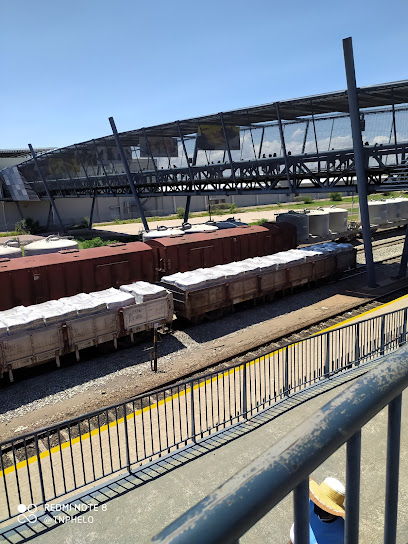
Gaborone Yacht Club
25.1 km
Experience lakeside dining and recreation at Gaborone Yacht Club, a social hub with water sports and stunning sunset views.
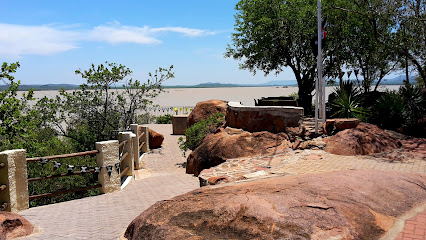
Optico Center Gaborone
25.2 km
Experience quality eye care and diverse shopping at Optico Center Gaborone, in the heart of Botswana's capital city.
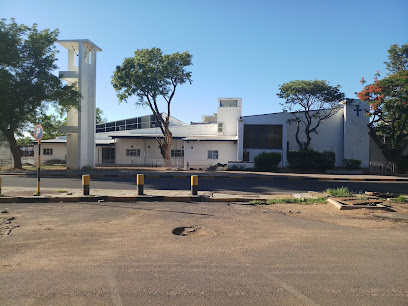
Trinity Church
25.6 km
Discover Trinity Church in Gaborone: A historic landmark of unity, stunning architecture, and serene spirituality in the heart of Botswana's capital.
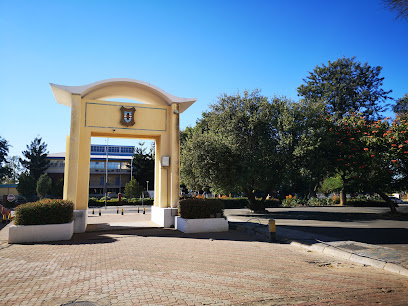
Pula Arch
25.6 km
Discover the Pula Arch in Gaborone: a landmark symbolizing Botswana's independence and cultural pride. A must-see for history enthusiasts!
Kgalagadi Breweries Limited
25.8 km
Experience Botswana's brewing heritage at Kgalagadi Breweries in Gaborone, offering tours, tastings, and a glimpse into local beer culture.
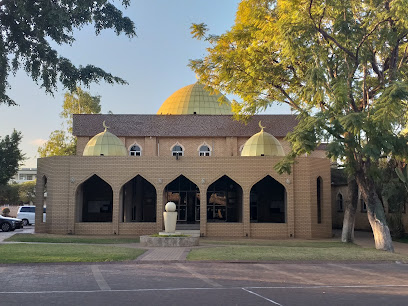
Jamia Mosque
26.6 km
Discover the architectural beauty and serene atmosphere of Gaborone's Jamia Mosque, a cultural gem reflecting Botswana's Islamic heritage.
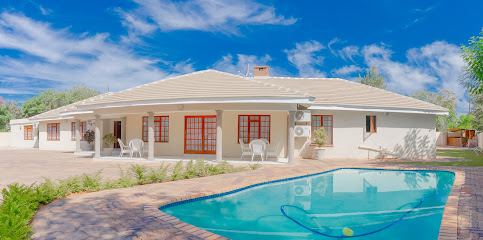
Green Lagoon Guest House
27.3 km
Experience comfort and tranquility at Green Lagoon Guest House, your ideal Gaborone getaway. Enjoy convenient amenities and a relaxing atmosphere.
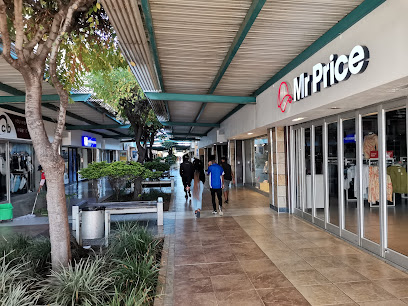
Riverwalk Mall
27.4 km
Discover a tranquil shopping experience at Riverwalk Mall in Gaborone, blending retail therapy with serene riverside views and diverse dining.
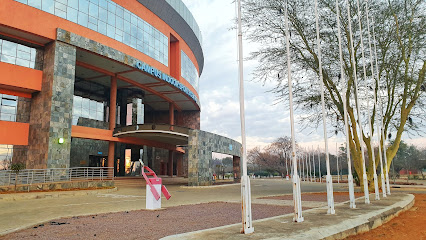
University of Botswana Indoor Sports Centre
27.6 km
A state-of-the-art sports complex at the University of Botswana offering diverse athletic activities, events, and fitness programs for all.
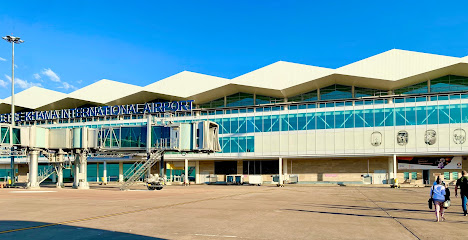
Sir Seretse Khama International Airport
28.3 km
Experience a seamless entry to Botswana's beauty and culture at Sir Seretse Khama International Airport in Gaborone.
Unmissable attractions to see

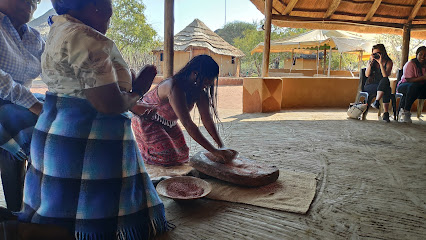
Bahurutshe Cultural Village
6.6 km
Immerse yourself in Botswana's living heritage: crafts, dance, cuisine, and culture await at Bahurutshe Cultural Village near Mmankgodi.
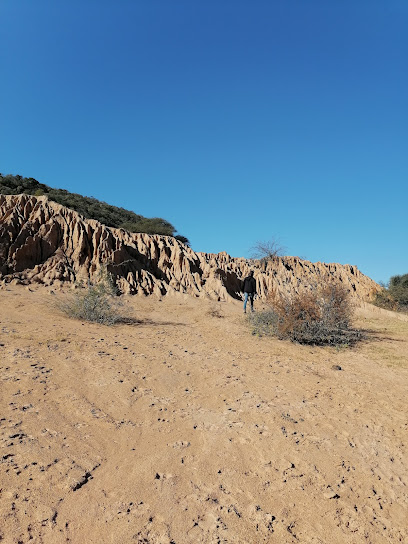
Mmankgodi Sands
9.1 km
Discover tranquility at Mmankgodi Sands in Botswana, a serene escape offering relaxation, cultural connection, and stunning natural beauty.
Top High Gardens
11.6 km
Discover tranquility at Top High Gardens in Gabane, Botswana – a serene escape into nature's beauty and vibrant local flora.
Gabane Pottery
11.8 km
Experience Botswana's artistic soul at Gabane Pottery: workshops, galleries, and unique handcrafted souvenirs await in a culturally rich village.
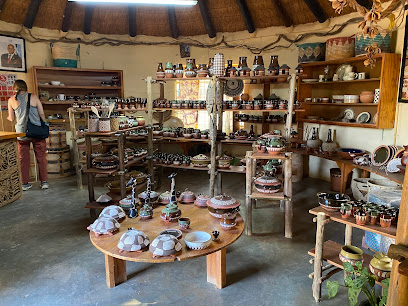
Grand Bay Botanical Gardens
12.4 km
Discover a serene escape at Grand Bay Botanical Gardens in Fikeng, Botswana, with diverse flora, tranquil pathways, and a charming restaurant.
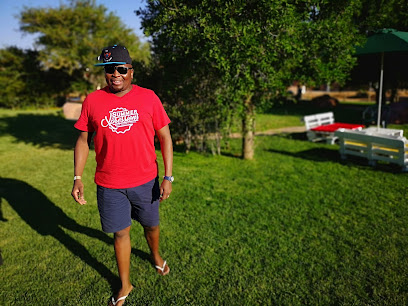
Manyana Rock Paintings
14.4 km
Discover ancient rock art at Manyana, Botswana, showcasing the cultural heritage of the San and Khoikhoi people from 1100-1700 AD.
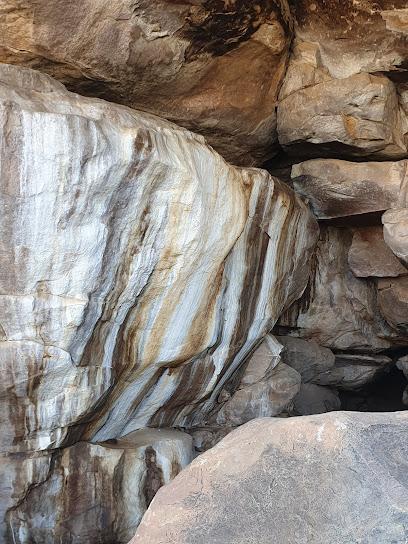
The Ark Botanical Garden
15.5 km
Discover Botswana's natural beauty at The Ark Botanical Garden in Thamaga, a peaceful retreat filled with diverse flora and serene landscapes.
GreenBotswana Trust
16.2 km
Discover Botswana's natural beauty and commitment to sustainability at GreenBotswana Trust, a peaceful garden dedicated to environmental conservation.
Mokolodi Indigenous Nurseries
16.5 km
Discover Botswana's native flora at Mokolodi Indigenous Nurseries. A serene escape for nature lovers and gardeners just outside Gaborone.
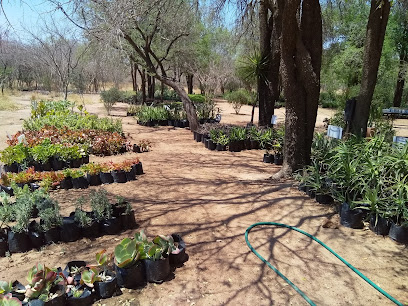
Cheetah Enclosure
17.5 km
Experience the thrill of observing cheetahs up close in Gaborone and learn about vital conservation efforts.
VTM ARENA
17.8 km
Discover VTM Arena in Metsimotlhaba: A vibrant park and sports complex offering recreation and a taste of Botswana's local culture.
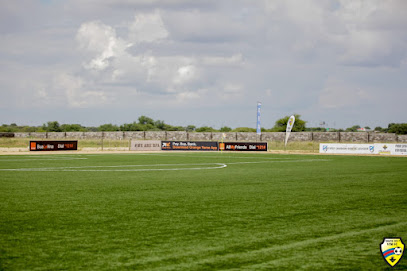
Mokolodi Nature Reserve
17.9 km
Experience Botswana's wildlife and conservation efforts up close at Mokolodi Nature Reserve, just a short drive from Gaborone.
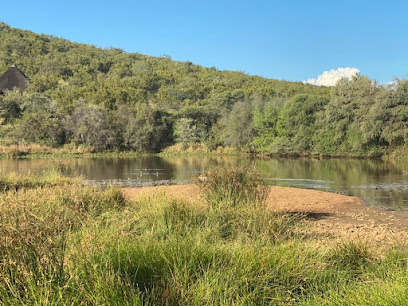
Kyle's Farm
18.6 km
Discover tranquility at Kyle's Farm in Gamosidi, Botswana: Nature walks, picnics, and peaceful escapes await!
KARIBU GARDENS
19.2 km
Discover a peaceful retreat at Karibu Gardens in Gamodubu, Botswana, where nature's beauty creates an unforgettable experience.
Cd Stoker Enterprise
19.8 km
Experience Botswana's vibrant culture and community spirit at this captivating Gaborone tourist attraction.
Essential places to dine

Mokolodi Restaurant
17.8 km
Experience exquisite dining at Mokolodi Restaurant amidst breathtaking views of Botswana's wildlife in Gaborone's premier nature reserve.
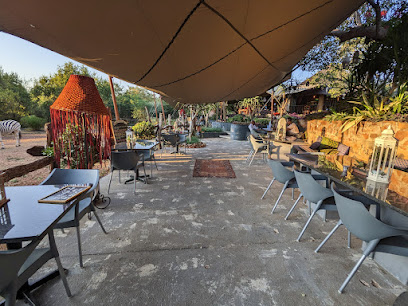
otsetswe
19.8 km
Discover the rich flavors of fondue at Otsetswe Fondue Restaurant in Gaborone - A culinary gem waiting for your visit!
Capadona Grills Cafe
20.5 km
Experience authentic Botswana cuisine at Capadona Grills Cafe - where every meal tells a story of local flavor and tradition.
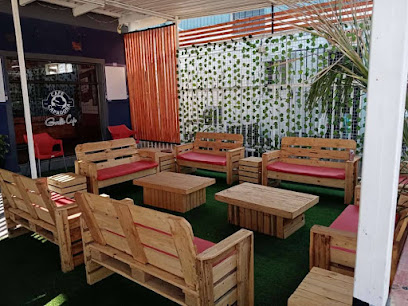
Jarateng Pub and Grill
21.5 km
Discover delicious local cuisine at Jarateng Pub and Grill in Gaborone – where flavor meets community spirit.
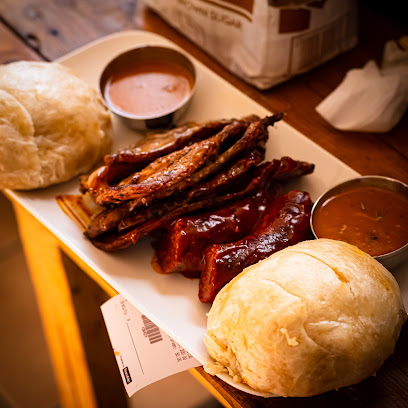
The Beef Baron Grillhouse, Grand Palm
21.5 km
Indulge in delicious grilled specialties at The Beef Baron Grillhouse in Gaborone – a paradise for meat lovers!
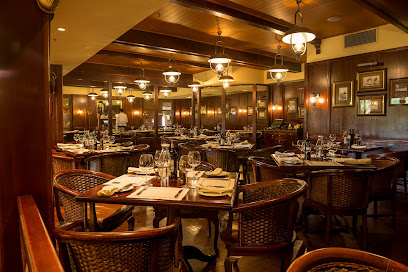
The Food Arena
21.8 km
Discover an exquisite buffet experience at The Food Arena in Gaborone, where diverse flavors meet local culinary traditions.
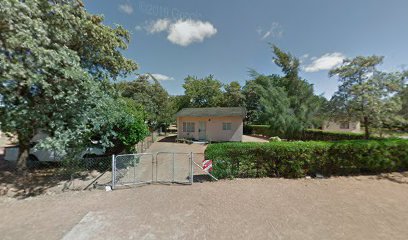
Swad Multicuisine
21.9 km
Experience authentic Portuguese cuisine at Swad Multicuisine in Gaborone – where tradition meets taste and hospitality.
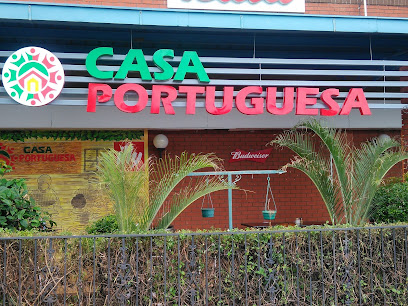
Morula Restaurant,
21.9 km
Experience authentic Botswanan cuisine at Morula Restaurant in Gaborone - where local flavors meet international flair in a vibrant setting.
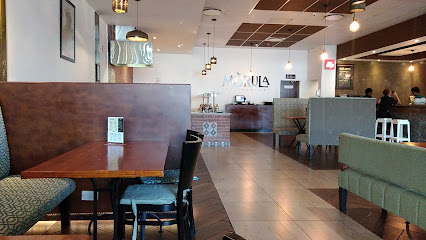
The Braai Place - Game City
21.9 km
Experience authentic South African braai at The Braai Place - Game City in Gaborone; where every steak tells a story.
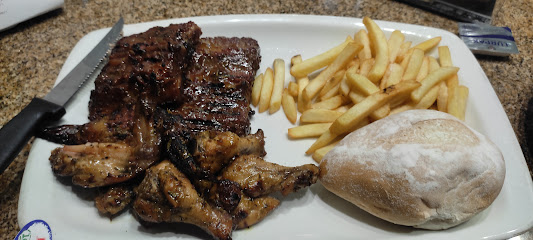
Swad Multicuisine Gaborone, Botswana
22.0 km
Experience the vibrant flavors of Botswana at Swad Multicuisine in Gaborone - where culinary diversity meets local charm.
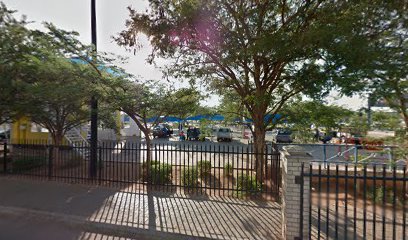
Zorro's Restaurant
22.1 km
Experience culinary excellence at Zorro's Restaurant in Botswana – where local flavors meet global cuisine in an inviting atmosphere.
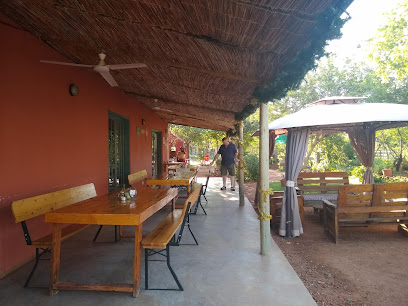
Touch Down
22.3 km
Experience family-friendly dining at Touch Down in Gaborone - where delicious meals meet warm hospitality in Botswana's vibrant capital.
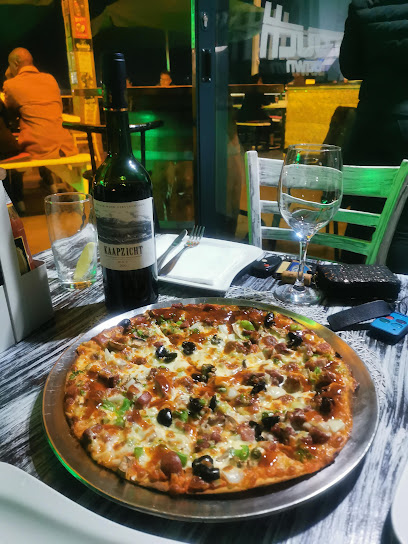
Leobah's Pub & Grill
22.3 km
Discover local flavors and vibrant nightlife at Leobah's Pub & Grill in Gaborone - where Botswana's culture comes alive.

THE MATRIX GARDEN LOUNGE
22.4 km
Experience culinary delight at The Matrix Garden Lounge in Gaborone - where nature meets exquisite dining.
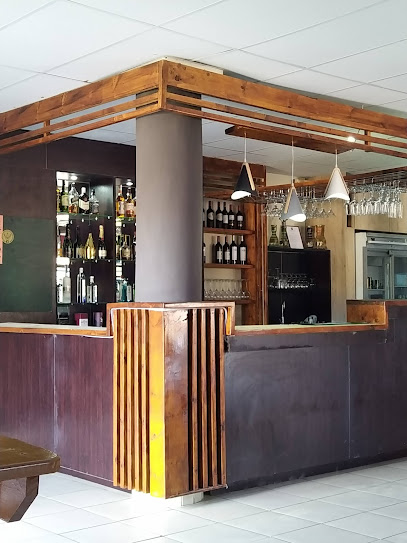
Chillies Restaurant | G-West
22.6 km
Experience the flavors of Botswana at Chillies Restaurant in Gaborone West - where local meets international cuisine in a vibrant setting.
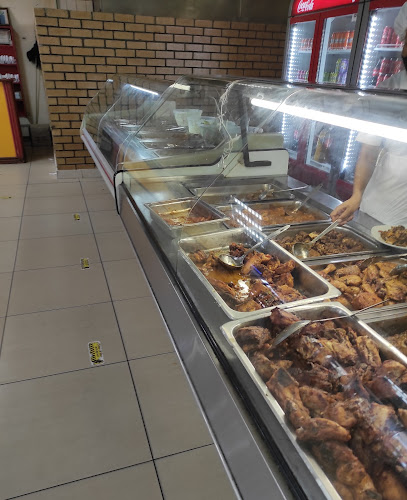
Markets, malls and hidden boutiques

SPAR Kweneng
18.3 km
Explore the vibrant flavors of Botswana at SPAR Kweneng, Gaborone's top supermarket for fresh produce and quality groceries.
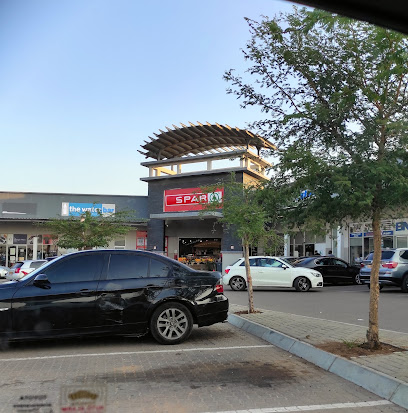
Turnrite shopping Mall
18.3 km
Discover the best shopping, dining, and entertainment at Turnrite Shopping Mall, Gaborone's premier shopping destination.
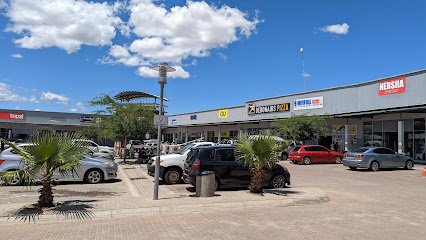
Unique Fresh Produce Market
20.0 km
Discover the vibrant atmosphere and fresh flavors at the Unique Fresh Produce Market in Gaborone, a true taste of Botswana's local culture.
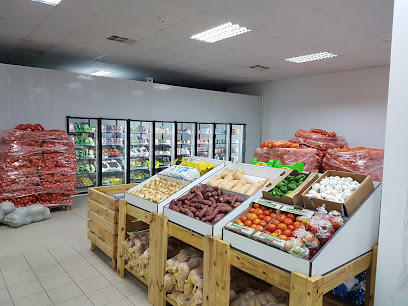
Bodiba Mall
20.0 km
Discover Bodiba Mall in Gaborone: A vibrant shopping and dining destination blending local culture with international flair.
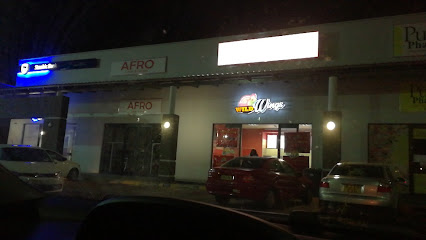
Kwena Mall
20.8 km
Discover the lively atmosphere of Kwena Mall in Gaborone, where shopping, dining, and entertainment come together for an unforgettable experience.
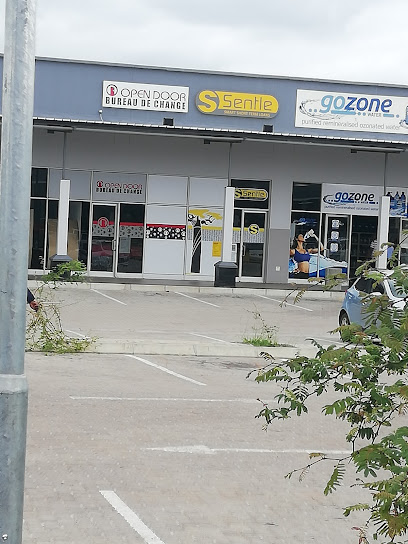
Heart of Africa Gifts
21.5 km
Discover authentic African crafts, jewelry, and unique gifts at Heart of Africa Gifts in Gaborone, reflecting Botswana's rich heritage.
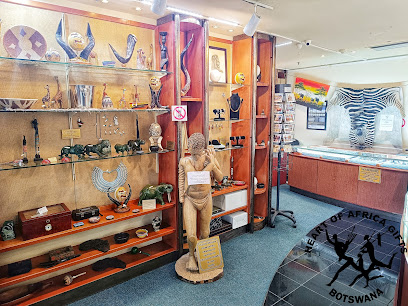
Suits Africa
21.5 km
Discover unique local fashion at Suits Africa, the premier clothing store in Gaborone, offering styles that blend tradition with modernity.
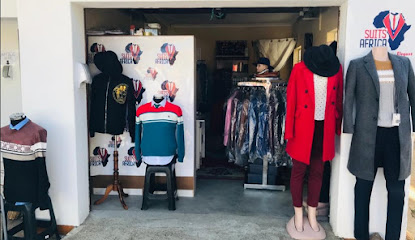
Chobe Design
21.9 km
Discover unique and handcrafted furniture at Chobe Design in Gaborone, where local artistry meets modern elegance.
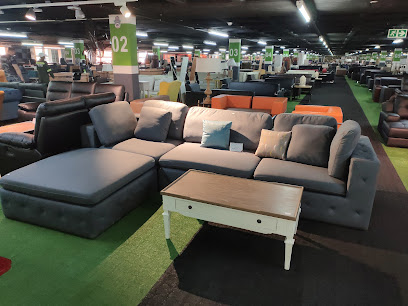
G eleven (Clothing Store)
21.9 km
Discover the latest fashion trends at G Eleven in Gaborone's Game City Mall - where style meets quality.
The Crazy Store Gaborone Game City
21.9 km
Discover a treasure trove of gifts, toys, and crafts at The Crazy Store Gaborone Game City, perfect for all ages and occasions.

Atelier du Desert
21.9 km
Discover unique fashion at Atelier du Desert in Gaborone, Botswana's premier destination for stylish clothing and accessories for all ages.
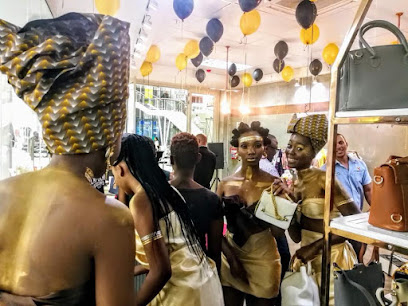
Game City Shopping Mall
22.0 km
Explore the vibrant Game City Shopping Mall in Gaborone, a hub of shopping, dining, and entertainment that offers something for every visitor.
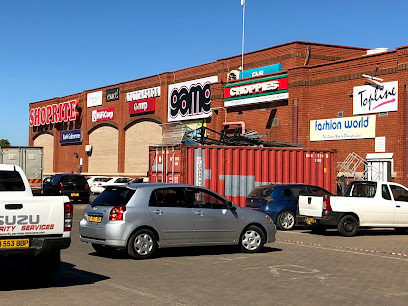
Game Gaborone
22.0 km
Discover a diverse shopping experience at Game Gaborone, a leading department store offering everything from electronics to local souvenirs.
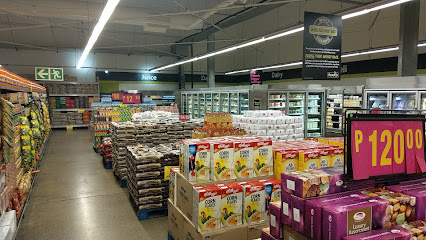
STRAWBERRIES GIFT GALORE
22.0 km
Explore Strawberries Gift Galore in Gaborone for unique gifts and local crafts, celebrating Botswana's vibrant culture and creativity.
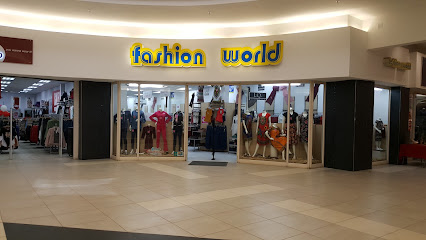
Fashion World
22.1 km
Discover the latest trends and traditional styles at Fashion World, Gaborone's premier clothing store, where fashion meets culture.
Essential bars & hidden hideouts

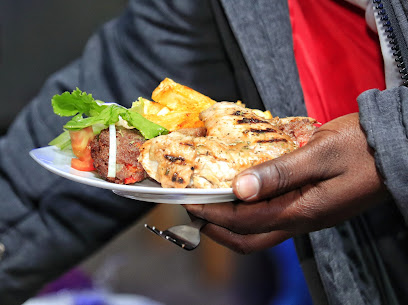
Goi's Grill
3.8 km
Discover the vibrant flavors and lively atmosphere of Goi's Grill, Kumakwane's premier bar for food and drinks.
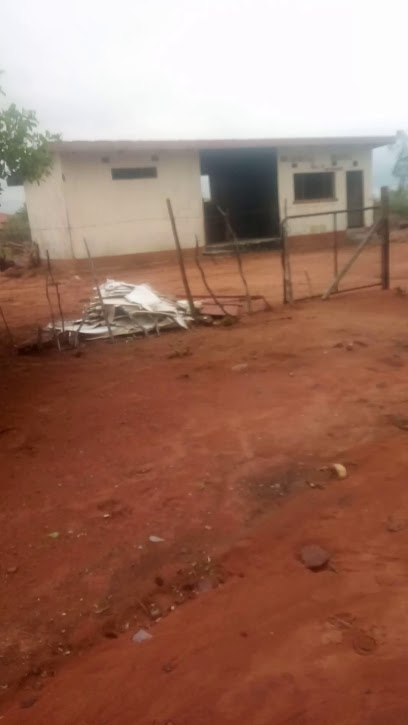
King Sarawiwa Bar
7.8 km
Discover the lively spirit of Mmankgodi at King Sarawiwa Bar, where local culture meets refreshing drinks in a vibrant atmosphere.
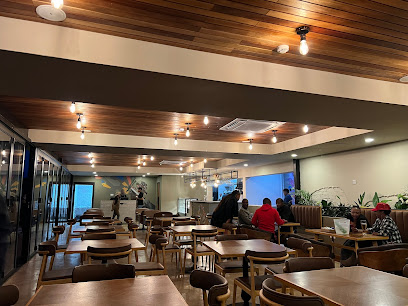
Tomahawk Restaurant and Bar
11.7 km
Discover the vibrant flavors of Botswana at Tomahawk Restaurant and Bar, where local cuisine meets a lively atmosphere in Mmankgodi.
The PC Bar
11.8 km
Experience the vibrant flavors of grilling at The PC Bar in Gaborone, where every meal is a celebration of taste and culture.
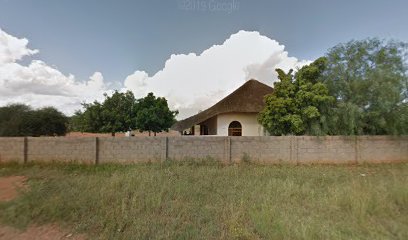
Kings Bar
12.6 km
Experience the vibrant atmosphere and local flavors at Kings Bar in Thamaga, a must-visit destination for every traveler.
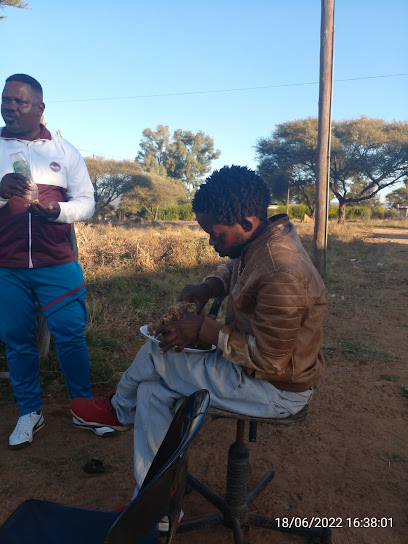
ESCOBAR & GRILL
18.4 km
Discover the lively atmosphere and delicious cuisine at Escobar & Grill in Gaborone, where locals and visitors unite for a memorable dining experience.
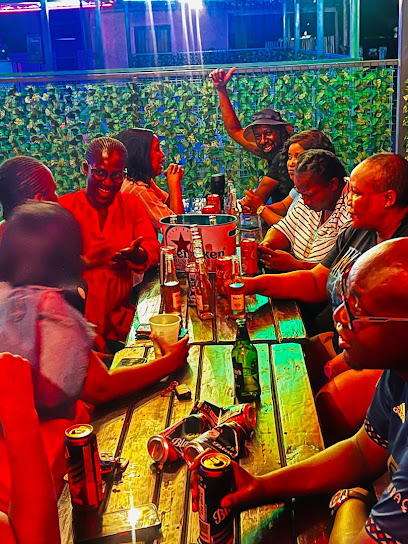
WHYNOT PUB &GRILL
18.5 km
Discover the lively atmosphere and local flavors at WHYNOT PUB & GRILL in Metsimotlhaba, a bar perfect for socializing and enjoying grilled delights.
The Winning Lounge
18.5 km
Experience the vibrant nightlife of Gabane at The Winning Lounge, a welcoming bar with affordable drinks and a lively atmosphere.
TOP CENTER BAR
18.6 km
Experience the vibrant nightlife at Top Center Bar in Metsimotlhaba, where locals gather for refreshing drinks and great company.
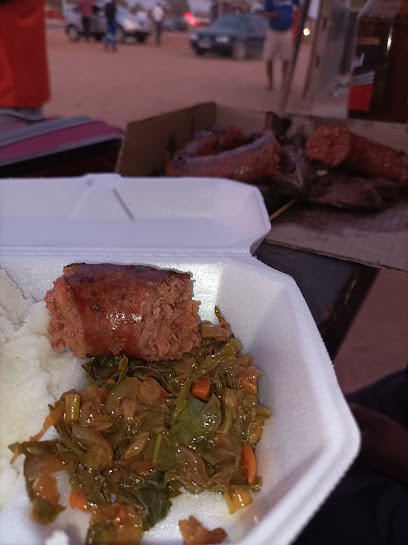
PAPA GEE'S BAR
19.3 km
Discover the vibrant nightlife of Gaborone at Papa Gee's Bar, where local culture meets an inviting atmosphere and a diverse drink selection.

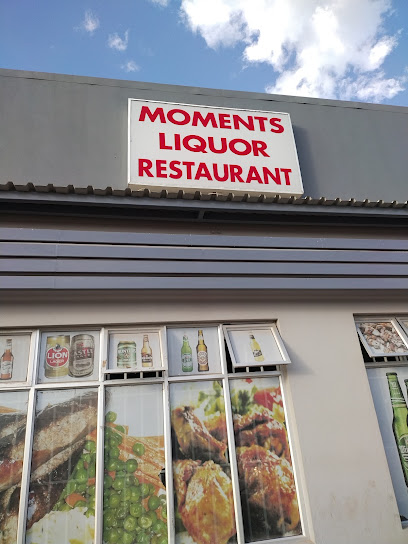
Moments Liquor
19.4 km
Discover the vibrant taste of Gaborone at Moments Liquor, where every meal is a celebration of local flavors and grilled perfection.
Millenium Jazz Restuarant
19.4 km
Discover the lively atmosphere and delicious offerings at Millenium Jazz Restaurant, a must-visit bar in Gaborone for nightlife enthusiasts.
The Ore's
19.8 km
Experience Gaborone's nightlife at The Ore's, a lively bar offering a great selection of drinks and vibrant atmosphere for memorable nights.
Trekkers Night Club
19.9 km
Discover Gaborone's nightlife at Trekkers Night Club, a vibrant bar and club that promises an unforgettable evening of music and dance.
Lets Dinner Place
19.9 km
Experience the vibrant culinary scene at Lets Dinner Place in Gaborone, where delicious food and refreshing drinks create lasting memories.
Nightclubs & after hour spots

Nature Paradise Night Club
19.8 km
Discover the ultimate nightlife experience in Gaborone at Nature Paradise Night Club, where vibrant beats and a lively atmosphere await.
Bahama Lounge
20.2 km
Discover the lively atmosphere and vibrant nightlife of Bahama Lounge, Gaborone’s favorite night club for dancing and socializing.
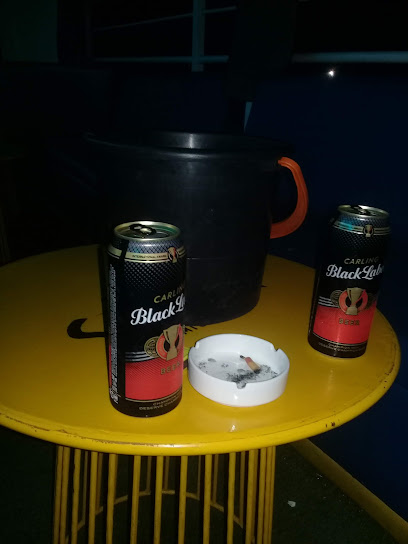
Kagiso Liquor Resturant
20.2 km
Enjoy local and international drinks at Kagiso Liquor Restaurant, a vibrant bar in Gaborone that brings together culture, music, and great company.
The Temple Lounge
20.2 km
Experience the vibrant nightlife of Gaborone at The Temple Lounge, where great music, delicious drinks, and an electric atmosphere await.
dejavu
24.3 km
Dive into Gaborone's nightlife at DejaVu, a lively club offering music, dance, and unforgettable experiences in the heart of the city.
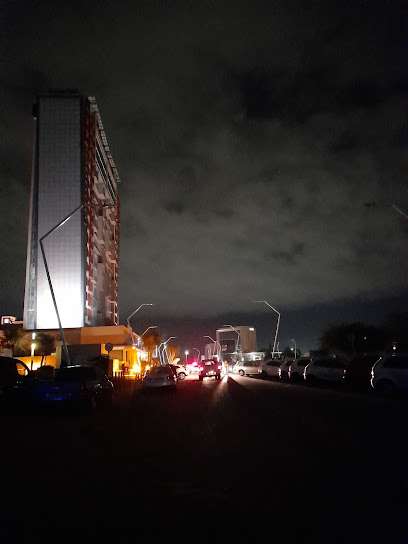
The Mall Lounge
25.4 km
Experience the vibrant nightlife of Gaborone at The Mall Lounge, where music, dancing, and fun meet in a stylish atmosphere.
Khellimane musiq emp
26.2 km
Experience the vibrant nightlife of Gaborone at Khellimane Musiq Emp, where dance, music, and culture come alive in a lively disco atmosphere.
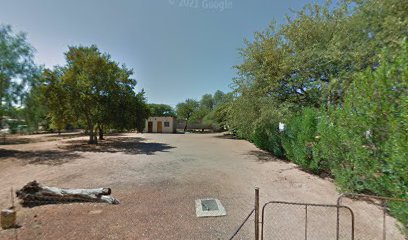
Notwane Club
26.8 km
Discover the vibrant nightlife at Notwane Club in Gaborone, where locals and tourists gather for drinks, music, and unforgettable experiences.
Zoom
27.0 km
Discover Gaborone's vibrant nightlife at Zoom, a top bar serving delicious drinks and a lively atmosphere perfect for any occasion.
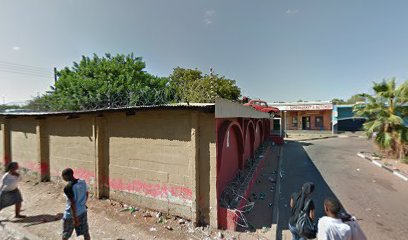
Kalahari Flying Club
28.7 km
Discover the lively Kalahari Flying Club in Gaborone, Botswana, where vibrant nightlife meets friendly locals and unforgettable karaoke experiences.
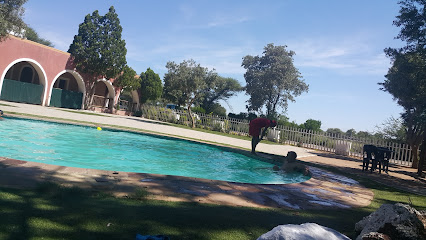
Sports Zone Bar
28.9 km
Join the excitement at Sports Zone Bar in Molepolole, where sports, delicious food, and great company come together for an unforgettable experience.
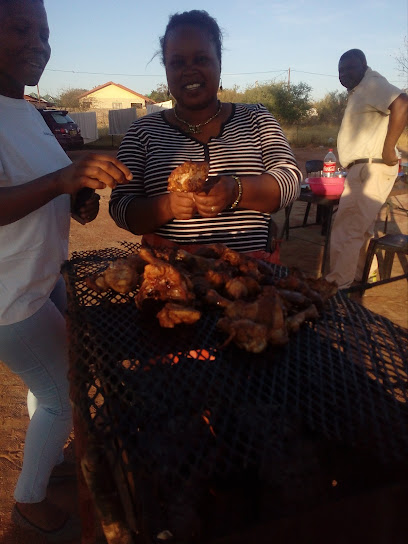
Sports One Bar
28.9 km
Discover the vibrant nightlife of Molepolole at Sports One Bar, where refreshing drinks and lively entertainment await every visitor.
Yebo And Lerothodi Bars
30.7 km
Discover Yebo And Lerothodi Bars in Tlokweng, Botswana, where vibrant nightlife meets local culture for an unforgettable experience.
Masa Bar
32.2 km
Discover the vibrant nightlife at Masa Bar in Molepolole, where local culture meets refreshing drinks and lively entertainment.
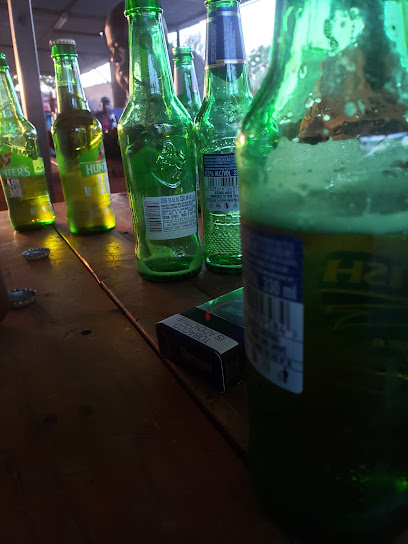
street six bar
32.5 km
Discover the lively nightlife at Street Six Bar in Molepolole, where local culture and great drinks come together for an unforgettable experience.


