Chobe National Park, Kgatleng District Travel Guide
Discover Botswana's first national park: a biodiverse haven with massive elephant herds, stunning river views & unparalleled wildlife encounters.
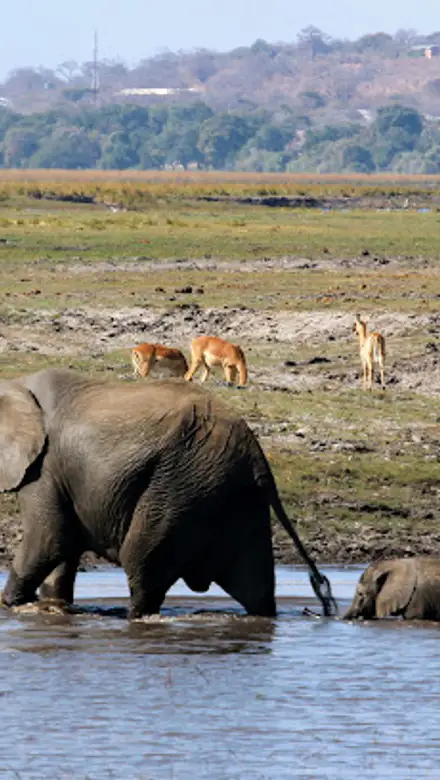
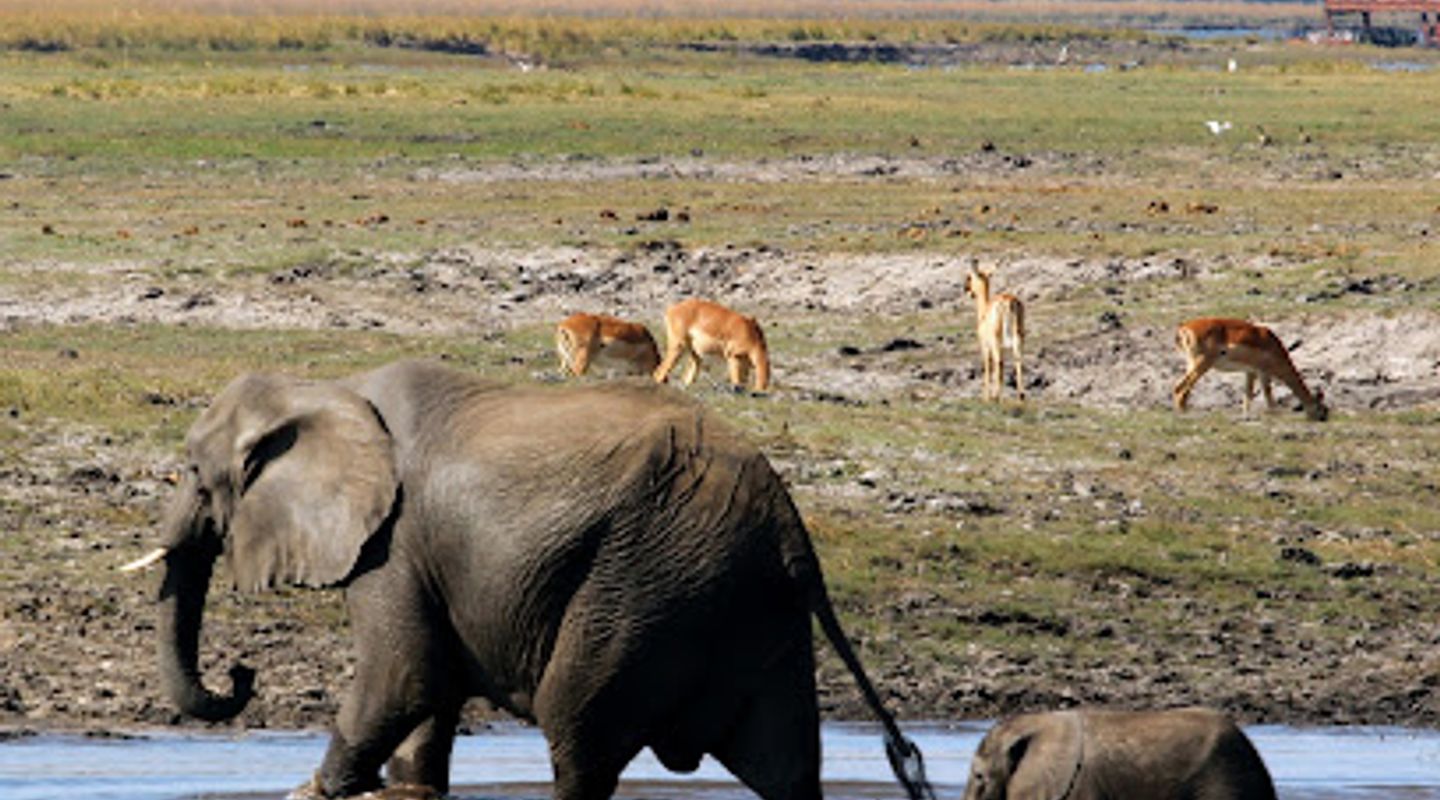
Chobe National Park, Botswana's first, is a biodiverse haven teeming with elephants, lions, and diverse birdlife. Named after the Chobe River, it offers stunning riverfront views and exceptional game viewing, especially during the dry season.
A brief summary to Chobe National Park

Know before you go
Hi, I'm Eve. Here are a few practical things to know before exploring Chobe National Park.
- Visit during the dry season (April-October) for the best wildlife viewing as animals congregate near the Chobe River.
- Book accommodations and game drives in advance, especially during peak tourist season, to ensure availability.
- A 4x4 vehicle is recommended for self-drive safaris to navigate the park's sandy roads.
- Consider a river cruise for a unique perspective on the park's wildlife along the Chobe River.
- Bring binoculars and a camera with a good zoom lens to capture the diverse wildlife and birdlife.
Do you manage this location?
Take control to get all the benefits, like improved information, better appearance, and stronger visibility across AI-powered discovery. Learn more about listing your business on Evendo
Activate your presenceOther nearby places you may find interesting
The closest places of the same kind, if this one is not quite what you had in mind.
Explore Chobe National Park on the Map
A handpicked selection of must-see spots near Chobe National Park, mapped for you.
Unlock the Best of Chobe National Park
Buy tickets
Book tours with entry


Getting There
-
Air
The most convenient way to reach Chobe National Park is by flying into Kasane International Airport (BBK), located just outside the park. Several airlines operate flights to Kasane from major cities in Botswana and neighboring countries. From the airport, most lodges and hotels provide shuttle services to the park.
-
Road
Chobe National Park is accessible by road from various neighboring countries. From Victoria Falls, Zimbabwe, it's approximately an 80 km (1-hour) drive via the Kazungula Border Post. From Livingstone, Zambia, it's about 70 km (1 hour) via the Kazungula Bridge. From Namibia (Caprivi Strip), it's roughly a 2-hour drive via the Ngoma Border Post. If you are already in Kasane, the main entrance to the park is only 10km away. Note: A Tourism Development Levy of $30 USD is charged upon arrival at airports and borders. Park entry fees for foreign visitors are approximately $11 USD per person per day, plus a vehicle fee of $7 USD. Ensure you have the necessary vehicle registration, insurance, and customs documents if self-driving.
-
Bus
Regular inter-city and cross-border bus services operate between Botswana and neighboring countries. However, public buses do not enter Chobe National Park, so additional transport is needed from Kasane. Taxis are readily available and affordable in Kasane. A daily bus runs from Victoria Falls to Kasane, which takes around 1.5 hours. Typical taxi fare from Kasane to Chobe National Park entrance: $5-$10 USD.
Discover more about Chobe National Park













Your all‑in‑one travel companion app
Explore expert travel guides, compare and book tours, experiences, hotels, and more—all from the palm of your hand. Download now for seamless trip planning wherever your wanderlust takes you.


Explore More of Kgatleng District
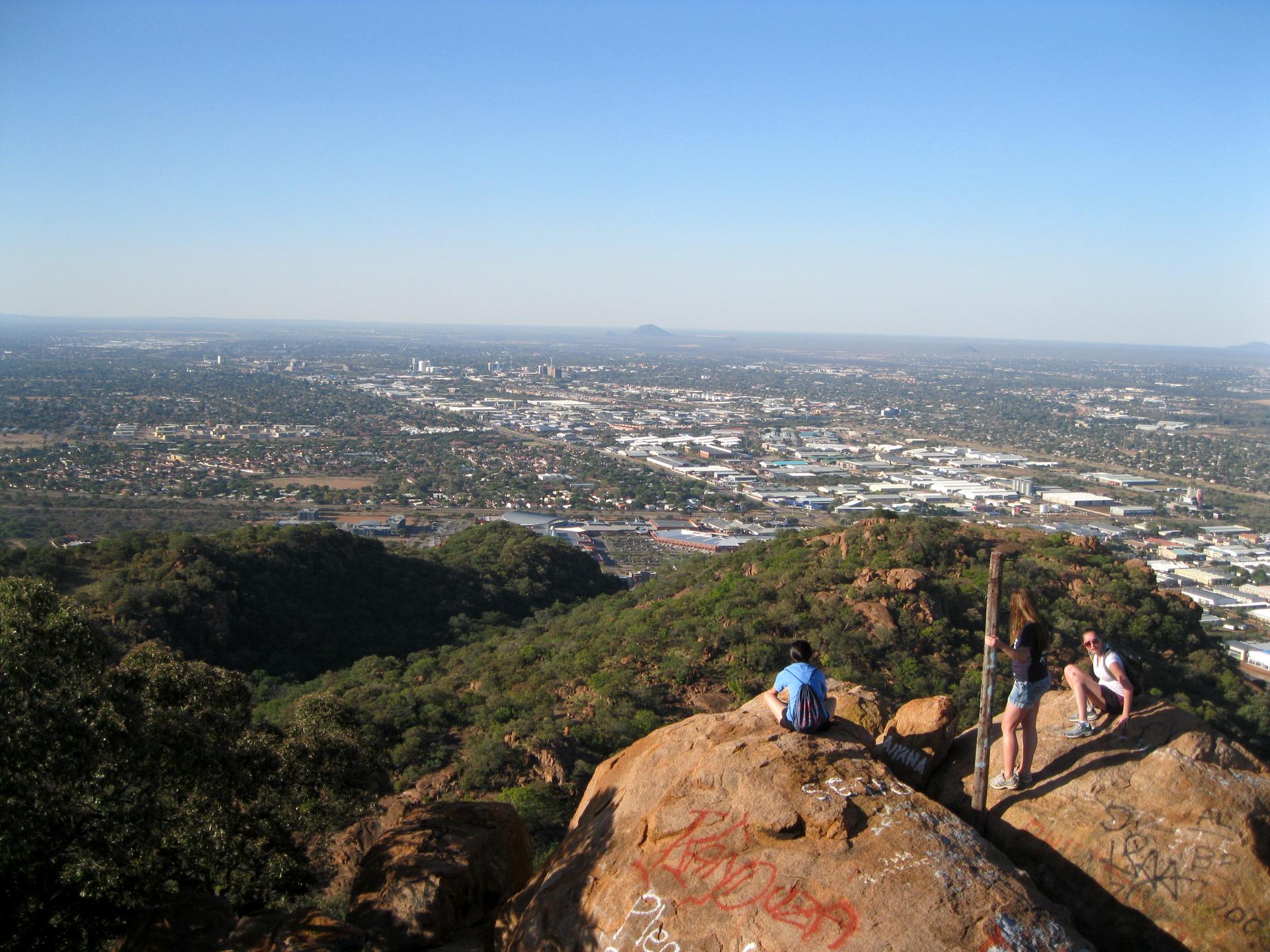
Looking beyond Chobe National Park? Discover Kgatleng District for broader travel guides, local hot-spots, and regional highlights.
Explore Kgatleng District
Experience an intimate Chobe safari at Muchenje Safari Lodge: stunning views, diverse activities, and personalized service in Botswana's wildlife haven.
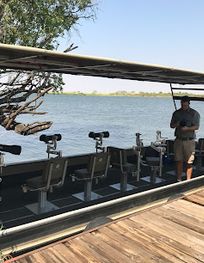
Experience an authentic mobile safari in Botswana's Chobe National Park, with intimate wildlife encounters and comfortable tented accommodations.