

Free Kgatleng District Travel Guide & Mobile App
Explore Kgatleng District with free travel guides. Discover regional history, expert tips, proposed trips, and audio guides on web or mobile app.


Explore Kgatleng District for Mochudi’s BaKgatla heritage, Oodi textiles, ancient rock markings and the rural landscapes of eastern Botswana.
Read more about Kgatleng District
When is the best time to visit Kgatleng District?
Best: May, August–September · 21–25°C| Month | High (°C) | Rainfall (mm) |
|---|---|---|
| January | 31 | 86 |
| February | 31 | 94 |
| March | 30 | 81 |
| April | 27 | 50 |
| May (best) | 23 | 25 |
| June | 19 | 21 |
| July | 18 | 21 |
| August (best) | 21 | 22 |
| September (best) | 25 | 26 |
| October | 29 | 40 |
| November | 31 | 61 |
| December | 31 | 75 |
Getting to and around Kgatleng District
How to get there
Transportation
Top city travel guides in Kgatleng District
The cities of Kgatleng District, and the easiest places to base yourself.

Swipe for more cities
Best attractions in Kgatleng District
Kgatleng’s attractions are concentrated around cultural heritage, village life and accessible landscapes rather than large-scale resort facilities. Mochudi is the principal starting point, with the Phuthadikobo Museum offering historical displays on BaKgatla society, local leadership and material culture. The settlement’s older quarters, hills and community spaces reward a guided walk that explains how a living village developed around traditional institutions. Oodi provides an important cultural stop for visitors interested in weaving and textile skills, while Pilane and other nearby villages reveal the district’s everyday rural character. Near Rasesa, the Matsieng Footprints bring together archaeological interest and local tradition in a landscape of rock and dry woodland. Outdoor exploration is generally low-key, involving short walks, hill viewpoints, village excursions and appreciation of seasonal vegetation rather than extensive developed trails. The district is also well placed for visitors staying in Gaborone who want a historically focused day trip without travelling deep into the country. Access, interpretation and opening arrangements vary, so locally arranged visits are preferable to arriving at dispersed sites without preparation.
-
Nature preserve
Madikwe Game Reserve
Discover Madikwe Game Reserve: A malaria-free safari destination with diverse wildlife, rich history, and exclusive game viewing experiences in South Africa.
-
Lodge
Tau Game Lodge
Experience luxury in the wild at Tau Game Lodge, Madikwe Game Reserve: Big 5 encounters, family fun, and breathtaking views await!
-
Lodge
Madikwe Safari Lodge
Experience an unforgettable safari in the malaria-free Madikwe Game Reserve, with luxurious accommodations and exceptional wildlife encounters.
-
Lodge
Madikwe Hills Private Game Lodge
Experience unparalleled luxury and thrilling wildlife encounters at Madikwe Hills Private Game Lodge, nestled in the heart of the malaria-free Madikwe Game Reserve.


Best landmarks in Kgatleng District
Mochudi’s hillside profile is Kgatleng’s most recognisable visual landmark, with the settlement spreading below rocky elevations that have long shaped its defensive, social and geographic identity. The Phuthadikobo Museum is the district’s principal cultural landmark, occupying a historic setting and preserving material connected with BaKgatla history. The kgotla and traditional leadership spaces in Mochudi are also symbolically important, although they are functioning community places rather than monuments to be entered casually. At Rasesa, the Matsieng Footprints form a distinctive archaeological and cultural landmark where engraved rock surfaces are linked to longstanding local narratives. Oodi’s weaving tradition is less monumental but equally significant as a living expression of regional identity. Across Kgatleng, the combination of granite outcrops, dry woodland, village settlements and open cattle country provides a landscape landmark in its own right. These places are best approached with local interpretation, since their significance lies not only in their appearance but also in the histories, institutions and stories attached to them.
-
 Resort hotel
Peermont, The Grand Palm
Experience luxury, entertainment, and world-class convention facilities at Gaborone's premier resort destination.
-
Non-profit organization
Mokolodi Nature Reserve
Experience Botswana's wildlife up close at Mokolodi Nature Reserve, just a short drive from Gaborone. Conservation, education, and adventure await!
-
Optometrist
Optico Center Gaborone
Experience quality eye care and diverse shopping at Optico Center Gaborone, in the heart of Botswana's capital city.
-
Water park
Lion Park Resort
Experience thrilling rides, cool water slides, and fun for the whole family at Gaborone's premier entertainment destination.
Explore Kgatleng District on the map
Plan your trip on one map. See where the top cities, national parks and sights are, and book hotels and experiences in a few clicks.
Best hotels in Kgatleng District
Best restaurants in Kgatleng District
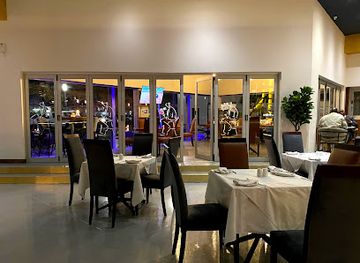
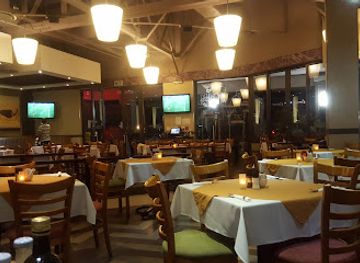
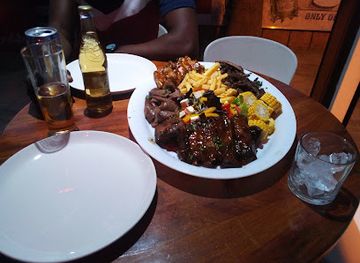
Dining in Kgatleng is primarily local and informal, with small cafés, takeaways, village shops, roadside stalls and restaurants serving the familiar food of south-eastern Botswana. Meals may include sorghum or maize-based staples, beans, greens, rice, chicken, beef or goat, with grilled and stewed preparations common in everyday cooking. Visitors may also find baked goods, tea and cold drinks in larger settlements, while craft and cultural visits can sometimes be combined with locally prepared refreshments when arranged in advance. Mochudi offers the broadest choice within the district, although the selection remains more modest than in Gaborone. Food traditions are best understood as part of wider Botswana cuisine rather than as a wholly separate Kgatleng style, but local produce, household cooking and village hospitality give meals a clear sense of place. Carry snacks and water when travelling between villages, since rural dining options can be limited and opening arrangements change.
-
Restaurant
Bull & Bush
Experience authentic Botswanan cuisine at Bull & Bush in Gaborone - where great food meets warm hospitality.
-
Hamburger
RocoMamas Botswana
Discover gourmet burgers and lively atmosphere at RocoMamas Botswana – your go-to spot for delicious comfort food in Gaborone.
-
Restaurant
Rhapsody's
Discover Rhapsody's in Gaborone: where culinary excellence meets vibrant ambiance for an unforgettable dining experience.
-
Restaurant
Cappucinos
Experience delightful dining at Cappucinos in Gaborone – where local flavors meet international cuisine in a warm atmosphere.

Best bars in Kgatleng District
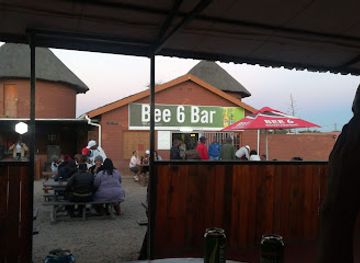
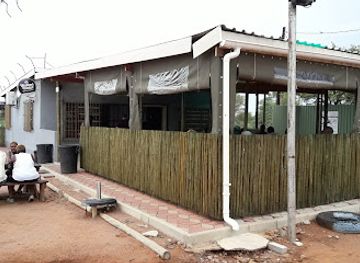
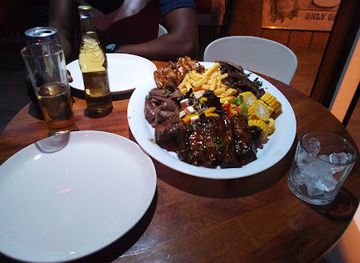
Kgatleng’s evening life is centred on neighbourhood bars, traditional-style drinking places, restaurants, small social venues and occasional live music rather than a concentrated nightclub district. Mochudi has the widest choice, while smaller settlements generally offer a quieter evening shaped by local gathering places and community events. Visitors should not expect the late-night entertainment infrastructure found in Gaborone, and rural venues may have limited hours or change their arrangements. Bars and restaurants can be useful places to observe contemporary social life, but alcohol is not necessary to experience the district’s culture. For a broader selection of clubs, concerts and late dining, Gaborone, outside Kgatleng, is the nearest major urban option and is normally reached by road rather than treated as part of the district’s own nightlife scene.
-
Bar
Bee 6 Bar
Discover the vibrant nightlife of Mochudi at Bee 6 Bar, where local flavors and friendly atmosphere come together for an unforgettable experience.
-
Restaurant
Rhapsody's
Experience the vibrant flavors and lively atmosphere of Rhapsody's, Gaborone's favorite restaurant for delicious meals and unforgettable moments.
-
Grill
Chili Bar
Discover the vibrant flavors and relaxed atmosphere at Chili Bar in Gaborone, your go-to grill destination for a delicious culinary experience.
-
Bar
Boulevard
Experience the vibrant nightlife at Boulevard, Gaborone's premier bar, where great drinks and friendly vibes await every visitor.

Best nightclubs in Kgatleng District
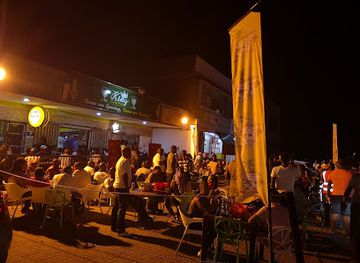
Kgatleng’s evening life is centred on neighbourhood bars, traditional-style drinking places, restaurants, small social venues and occasional live music rather than a concentrated nightclub district. Mochudi has the widest choice, while smaller settlements generally offer a quieter evening shaped by local gathering places and community events. Visitors should not expect the late-night entertainment infrastructure found in Gaborone, and rural venues may have limited hours or change their arrangements. Bars and restaurants can be useful places to observe contemporary social life, but alcohol is not necessary to experience the district’s culture. For a broader selection of clubs, concerts and late dining, Gaborone, outside Kgatleng, is the nearest major urban option and is normally reached by road rather than treated as part of the district’s own nightlife scene.
-
Bar
Phase 4 Bar
Discover the vibrant nightlife at Phase 4 Bar in Gaborone, where great drinks and entertainment meet in a lively atmosphere.
-
Bar
Leobah's Pub - Gaborone
Discover the charm of Leobah's Pub in Gaborone, where locals and tourists unite for great drinks and a vibrant atmosphere.
-
Bar
Boulevard
Experience the vibrant nightlife at The Boulevard, Gaborone's premier bar offering a diverse selection of local drinks and a lively atmosphere.
-
Bar
Kalahari Flying Club
Discover the lively Kalahari Flying Club in Gaborone, Botswana, where vibrant nightlife meets friendly locals and unforgettable karaoke experiences.

Best shops in Kgatleng District
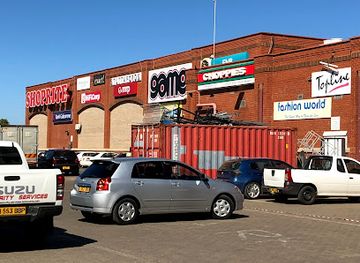
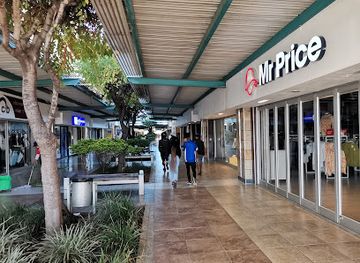
Shopping in Kgatleng is modest in scale and strongly connected to village commerce, practical goods, textiles and locally made products. Mochudi has the district’s broadest range of shops and services, while smaller settlements provide convenience stores, informal stalls and everyday markets rather than extensive specialist retail. Oodi is the most distinctive stop for visitors seeking woven textiles and craft products, with purchases supporting a long-established local tradition; ask about the origin and care of each item before buying. In Mochudi and other villages, visitors may find baskets, beadwork, small artworks, household goods and Botswana-produced food products, although selection and availability vary. Fresh produce and prepared snacks are more likely to appear through informal sellers than in a dedicated tourist market. For major supermarkets, branded retail and a wider choice of galleries or boutiques, Gaborone outside the district is the nearest substantial shopping centre. Carry cash for small craft purchases and negotiate only politely where prices are not clearly marked.
-
Shopping mall
Game City Shopping Mall
Discover the vibrant shopping experience at Game City Shopping Mall in Gaborone, where culture and retail meet in a lively atmosphere.
-
Shopping mall
Airport Junction Shopping Centre
Experience the vibrant shopping scene at Airport Junction Shopping Centre in Gaborone, featuring a variety of shops, dining, and entertainment options.
-
Shopping mall
Riverwalk Mall
Experience the ultimate shopping and dining adventure at Riverwalk Mall, Gaborone's premier shopping destination.
-
Shopping mall
Mowana Park Mall
Explore Mowana Park Mall in Gaborone, a vibrant shopping destination with diverse shops, delightful dining options, and engaging entertainment for all ages.

Get your free copy of our complete guide to Kgatleng District, delivered straight to you.
Everything on this page, from attractions and restaurants to essentials and local phrases, in one PDF you can read offline, print or share.
Already have an account? Sign in
Your Kgatleng District guide is ready.
We'll send it to · Not you? Sign out

Getting your guide ready…
We are putting together a fresh copy of the Kgatleng District guide. This can take up to a minute.
This can take a few moments. If your browser asks, choose Allow so the download can start. You'll find the guide in your Downloads folder.
Nothing happened? Download it again
Sorry, the guide is taking longer than usual. Please try again in a minute, or get it by email instead.
Kgatleng District essentials
Currency and Payment
Safety
Emergency Situations
Do's and Don'ts
Local Tips
From Eve
Local phrases worth knowing
You don't need to get them perfect. A few words go a long way, and locals appreciate the effort.
Basics
| English | Local | Say it |
|---|---|---|
| Hello | Dumelang | [doo-meh-lang] |
| Goodbye | Tsamaya sentle | [tsah-mah-yah sen-tleh] |
| Yes | Ee | [ee] |
| No | Aowa | [ah-wah] |
| Please/You're welcome | Tsweetswee | [tswee-tswee] |
| Thank you | Ke a leboga | [keh ah leh-boh-gah] |
| Excuse me/Sorry | O kopa tshepo | [oh koh-pah tseh-poh] |
| How are you? | O kae? | [oh kah-eh] |
| Fine. And you? | Ke teng. Wena o kae? | [keh teng. weh-nah oh kah-eh] |
| Do you speak English? | A o bua Seesimane? | [ah oh bwah seh-see-mah-neh] |
| I don't understand | Ke sitwa go tlhaloganya | [keh see-twah go tlah-loh-gah-nyah] |
Eating & Drinking
| English | Local | Say it |
|---|---|---|
| I'd like to see the menu, please | Ke kopa go bona menyu | [keh koh-pah go boh-nah men-yoo] |
| I don't eat meat | Ke sitwa go ja nama | [keh see-twah go jah nah-mah] |
| Cheers! | Pula! | [poo-lah] |
| I would like to pay, please | Ke kopa go lefa | [keh koh-pah go leh-fah] |
Emergencies
| English | Local | Say it |
|---|---|---|
| Help! | Thusa! | [too-sah] |
| Go away! | Tsamaya! | [tsah-mah-yah] |
| Call the Police! | Bitsa borai! | [bee-tsah boh-rah-ee] |
| Call a doctor! | Bitsa ngaka! | [bee-tsah ngah-kah] |
| I'm lost | Ke sitwa go fola | [keh see-twah go foh-lah] |
| I'm ill | Ke na le bolwetse | [keh nah leh boh-lweh-tseh] |
Shopping
| English | Local | Say it |
|---|---|---|
| I'd like to buy... | Ke kopa go reka... | [keh koh-pah go reh-kah] |
| I'm just looking | Ke lebeletse | [keh leh-beh-leh-tseh] |
| How much is it? | Ke bokae? | [keh boh-kah-eh] |
| That's too expensive | Seo ke se phasisiwa | [seh-oh keh seh pah-see-see-wah] |
| Can you lower the price? | O ka kgona go fokotsa theko? | [oh kah kho-nah go fo-koh-tsah teh-koh] |
Time & Numbers
| English | Local | Say it |
|---|---|---|
| What time is it? | Ke nako e kae? | [keh nah-koh eh kah-eh] |
| It's one o'clock | Ke ngwaga e le nngwe | [keh ngwah-gah eh leh ng-wah-nyeh] |
| Half past (10) | Dikgwedi tse di le borai | [dee-kwah-eh-dee tseh dee leh boh-rah-ee] |
| Morning | Mosong | [moh-soh-ng] |
| Afternoon | Mmaagwe | [mah-ah-gweh] |
| Evening | Mantsibanye | [mahn-tsee-bah-neh] |
| Yesterday | Maabane | [mah-ah-bah-neh] |
| Today | Gompieno | [gohm-pee-eh-noh] |
| Tomorrow | Kagiso | [kah-hee-soh] |
| 1 | Nngwe | [nngweh] |
| 2 | Pedi | [peh-dee] |
| 3 | Tharo | [thah-roh] |
| 4 | Nne | [neh] |
| 5 | Tlhano | [tlhah-noh] |
| 6 | Tlhano | [tlhah-noh] |
| 7 | Nngwe | [nngweh] |
| 8 | Borai | [boh-rah-ee] |
| 9 | Borai | [boh-rah-ee] |
| 10 | Borai | [boh-rah-ee] |
Transport & Directions
| English | Local | Say it |
|---|---|---|
| Where's a/the...? | Gae e kae...? | [gah-eh eh kah-eh] |
| What's the address? | Ke ngwaga efe? | [keh ngwah-gah eh-feh] |
| Can you show me (on the map)? | O ka bontsha mo mapeng? | [oh kah bon-tsah moh mah-peh-ng] |
| When's the next (bus)? | Nako e kae ya (bese)? | [nah-koh eh kah-eh yah beh-seh] |
| A ticket (to ....) | Tikit e (go ...) | [tee-kit eh go] |
History of Kgatleng District
Early settlement and the Matsieng Footprints
Kgatleng contains archaeological and rock-art evidence of human activity long before the formation of modern villages. The Matsieng Footprints near Rasesa are a notable cultural landscape of engraved marks and associated tradition. Their meaning should be understood through both archaeological interpretation and local oral history, rather than reduced to a simple prehistoric curiosity. The wider district’s hills, watercourses and open woodland provided routes and resources for communities over many centuries, leaving a layered record in which physical traces and inherited stories remain closely connected.
The formation of the BaKgatla polity
The BaKgatla, a Tswana-speaking community with historical ties across present-day Botswana and South Africa, became the dominant political and cultural force in much of Kgatleng. Mochudi developed as the principal settlement and royal centre of the BaKgatla ba Mmanaana, with authority organised through the kgosi, or traditional leader, and the kgotla, where public discussion and dispute resolution were conducted. This political structure helped shape settlement patterns, social responsibilities and the cultural identity that visitors encounter in Mochudi today.
Mochudi and the nineteenth-century frontier
During the nineteenth century, communities in the region navigated conflict, migration, trade and shifting alliances across the eastern Botswana frontier. Mochudi’s elevated setting and strong political organisation contributed to its importance as a centre of BaKgatla life. The period also brought intensified contact with neighbouring Tswana polities, Boer communities and expanding colonial interests. These pressures did not erase local institutions; instead, they formed part of the historical background to the authority of the kgotla, the role of traditional leadership and the development of Mochudi as a large, recognisable settlement.
Colonial rule and the Bechuanaland Protectorate
Kgatleng became part of the Bechuanaland Protectorate, established by Britain in 1885. Colonial administration generally governed through a combination of district officials and recognised African authorities, leaving the kgosi and kgotla important, though increasingly constrained, institutions. Roads, taxation, labour migration and administrative boundaries connected the district to wider regional systems centred on the railway and emerging urban settlements. The colonial period also strengthened links between eastern Botswana and neighbouring South Africa, while local communities continued to maintain their own languages, customs and political practices.
Railways, roads and the growth of Mochudi
The railway corridor through south-eastern Botswana and the later expansion of the main road network changed the economic geography of Kgatleng. Mochudi and nearby settlements became more closely linked to Gaborone, Francistown and regional markets, allowing people and goods to move more readily while also encouraging commuting and outward migration. Transport development reduced the district’s isolation but did not eliminate the importance of livestock keeping, village trade and household production. The contrast between the major corridor and less connected rural areas remains visible when travelling through Kgatleng.
Independence and cultural institutions
Botswana became independent in 1966, and Kgatleng subsequently experienced the national expansion of schools, health services, roads and local government. The district’s cultural institutions gained new importance as Botswana sought to present its history through museums, heritage sites and traditional leadership structures within a modern democratic state. The Phuthadikobo Museum in Mochudi, established through local cultural initiatives, documents BaKgatla history and material culture. Oodi’s weaving tradition likewise demonstrates how local skills have adapted to contemporary markets while retaining a strong regional identity.
Kgatleng District in Photos
Browse through our photo collection highlighting the charm and character of the destination.
Neighbouring regions of Kgatleng District
The closest regions to Kgatleng District, if you have time for more than one.
-

-

-

-

-


Swipe for more regions
Explore more
Explore more of Botswana
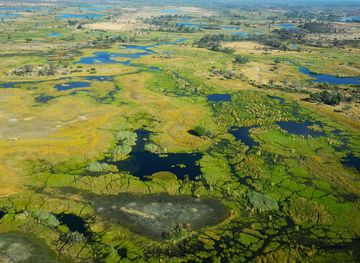
Explore Botswana: A land of stunning contrasts, rich wildlife, and cultural heritage. Discover the Okavango Delta, Kalahari Desert, and immerse in sustainable tourism.
Explore Botswana