
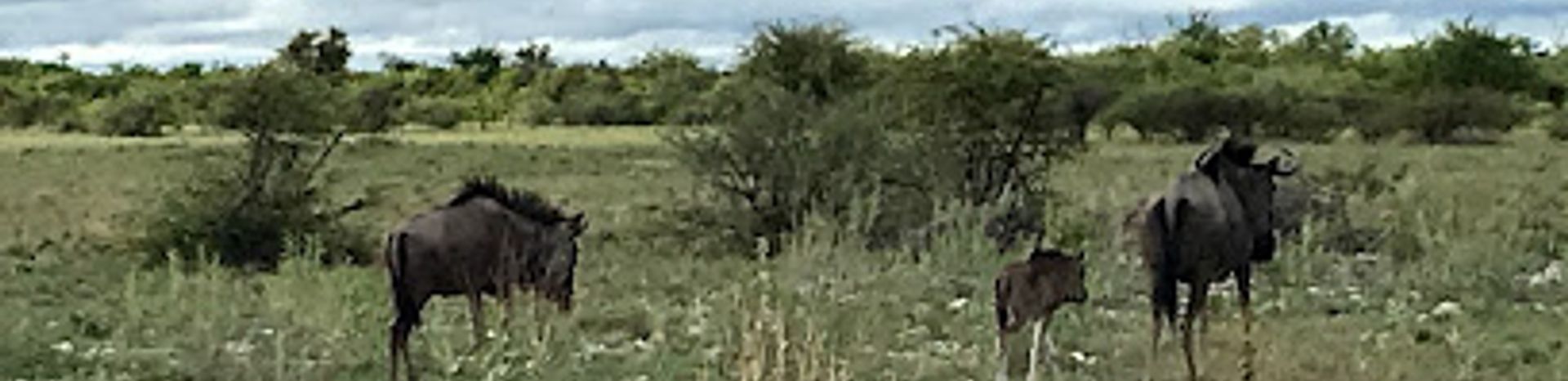
Sua Pan: Botswana's Shimmering Salt Heart
Discover Sua Pan: Botswana's vast salt flats transform into a vibrant seasonal lake, teeming with wildlife and stunning vistas.
Sua Pan, a vast seasonal lake in Botswana's Makgadikgadi region, transforms from arid salt flats to a vibrant wetland, attracting diverse wildlife and offering stunning, otherworldly landscapes.
A brief summary to Sua Pan
- BW
Local tips
- Visit during the rainy season (December-April) to witness the pan transform into a lake and attract thousands of flamingos.
- A 4x4 vehicle is highly recommended for navigating the dirt tracks leading to Sua Pan, as road conditions can be rough.
- Bring binoculars for optimal bird watching and photography opportunities.
- Pack plenty of water, snacks, and sun protection, as facilities are limited in the area.
- Consider joining a guided tour to learn about the local ecology, culture, and history of Sua Pan.

Getting There
-
Car
From the A3 highway (Maun-Nata road), watch for signs indicating Sua Pan. Turn off the main road and follow the dirt tracks leading to the pan. A 4x4 vehicle is recommended due to rough road conditions. Note that driving across the pan itself is dangerous and should not be attempted.
-
Public Transport
Take a long-distance bus to Nata from major cities like Gaborone or Francistown. From Nata, hire a taxi or arrange a local shuttle service to Sua Pan. Confirm the taxi fare beforehand, as prices may vary. The journey from Nata to Sua Pan is approximately 30 kilometers and takes about 30-45 minutes, depending on road conditions. Expect to pay around 300-500 BWP for a taxi from Nata to Sua Pan.
Discover more about Sua Pan
Iconic landmarks you can’t miss

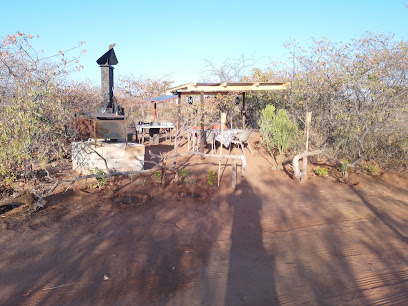
The Plot
72.0 km
Experience the serene beauty of Botswana's wilderness at The Plot campground, offering tranquility and adventure near Letlhakane's top attractions.
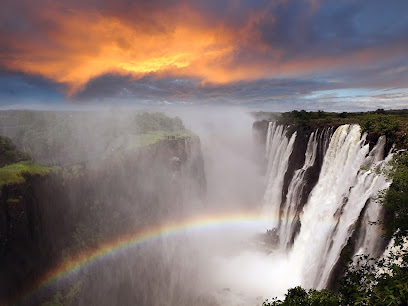
Victoria Falls Destinations
72.8 km
Discover Victoria Falls, a breathtaking natural wonder offering stunning views, thrilling adventures, and rich cultural experiences in Zimbabwe and Zambia.
Eselbe Camp Backpackers
74.8 km
Riverside camping and backpacker haven near Nata, Botswana, offering affordable lodging and access to the Makgadikgadi Pans and Nata Bird Sanctuary.
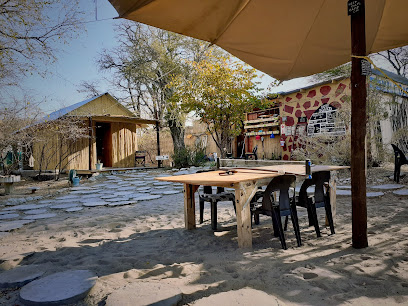
MOLORI LODGE
76.5 km
Experience comfort and affordability at Molori Lodge in Letlhakane, your gateway to Botswana's stunning landscapes and rich culture.
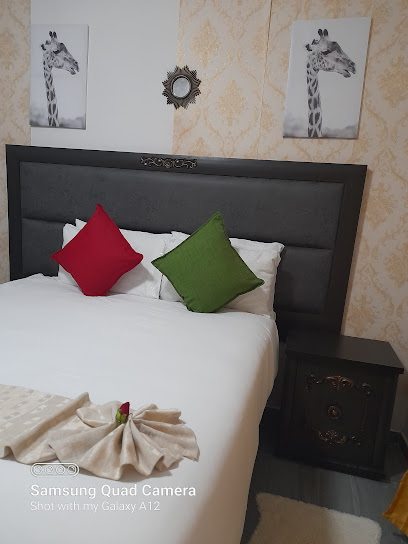
Jack's Camp
92.6 km
Experience the magic of a 1940s-style safari in the heart of Botswana's Makgadikgadi Pans at the luxurious and iconic Jack's Camp.
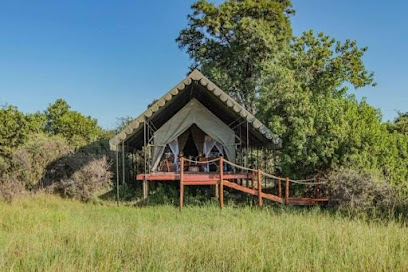
San Camp
97.5 km
Experience the magic of the Makgadikgadi Pans in luxurious style at San Camp, a unique desert oasis in Botswana's Kalahari.

Camp Kalahari
98.7 km
Experience the magic of the Kalahari at Camp Kalahari: Adventure, wildlife encounters, and cultural immersion in Botswana's stunning desert landscape.
Unmissable attractions to see

Kubu Island
20.0 km
Explore Kubu Island: An ancient granite outcrop with baobabs in Botswana's Makgadikgadi Pans, offering history, beauty, and stunning night skies.
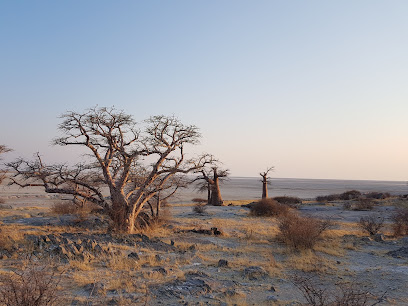
Makgadikgadi adventure camp
28.0 km
Your basecamp for exploring the Makgadikgadi Pans and the iconic Kubu Island in Botswana.
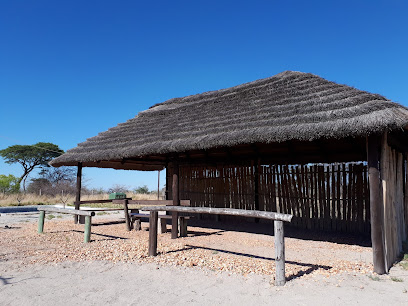
Makgadikgadi Pans
51.3 km
Explore the surreal beauty and vast landscapes of Makgadikgadi Pans, Botswana: wildlife migrations, ancient baobabs, and stark, stunning scenery.
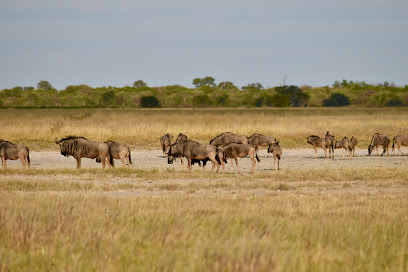
Makadikadi Basin
54.4 km
Explore the Makgadikgadi Pans: Botswana's ancient salt flats, a landscape of stark beauty, unique wildlife, and profound historical significance.
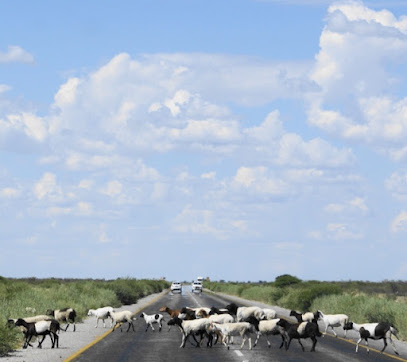
Nata Bird Sanctuary
54.4 km
Discover Botswana's avian paradise: A community-run sanctuary teeming with flamingos, pelicans, and diverse wildlife on the Makgadikgadi Pans.
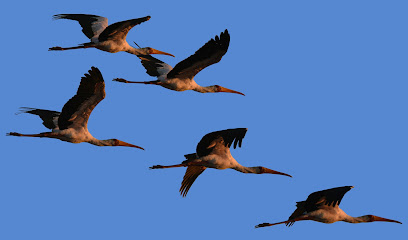
Nwetwe Pan
71.2 km
Discover Botswana's Nwetwe Pan: a seasonal spectacle of wildlife, stunning landscapes, and serene solitude in the heart of the Makgadikgadi.
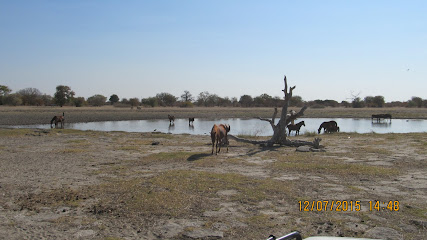
Nata Lodge
74.3 km
Explore the Makgadikgadi Pans from this comfortable lodge near the Nata Bird Sanctuary, a gateway to Botswana's natural wonders.
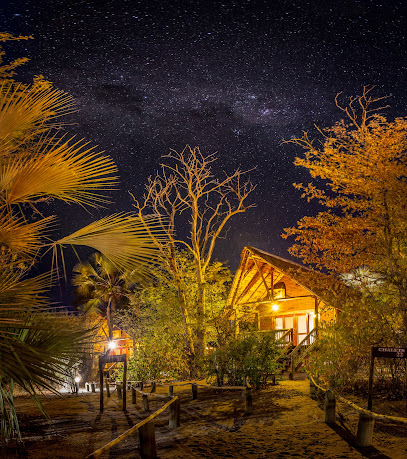
Central kalahari Game reserve
76.6 km
Discover the raw beauty and untamed wilderness of the Central Kalahari Game Reserve, a sanctuary for wildlife and San culture in the heart of Botswana.
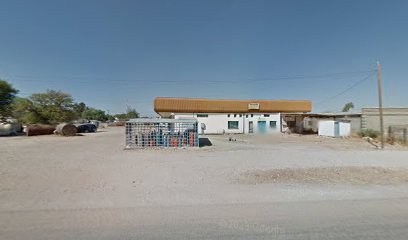
Mabaka Farm and Campsite
79.1 km
Escape to Mabaka Farm and Campsite in Letlhakane, Botswana, for a unique blend of nature, culture, and adventure under the African sky.
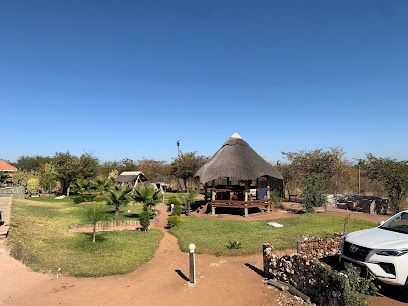
Orapa Game Park
79.3 km
Discover the enchanting Orapa Game Park, a wildlife haven in Botswana, perfect for nature lovers and adventure seekers alike.
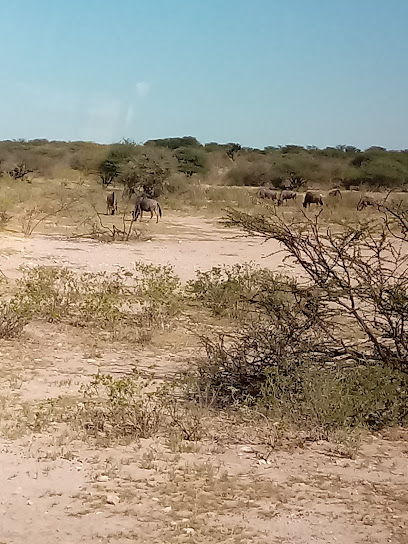
Baobab Chapmana
86.7 km
Explore Baobab Chapmana in Tutume, Botswana - a historical landmark featuring majestic baobab trees and rich local culture.
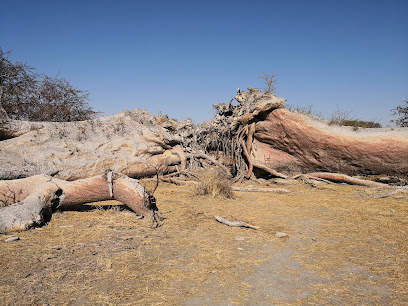
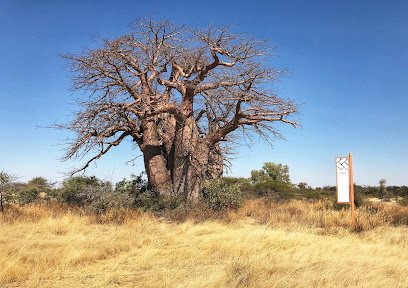
Green’s Baobab
91.9 km
Discover Green's Baobab in Botswana: A historical landmark where explorers left their mark on an ancient African icon.
Essential places to dine

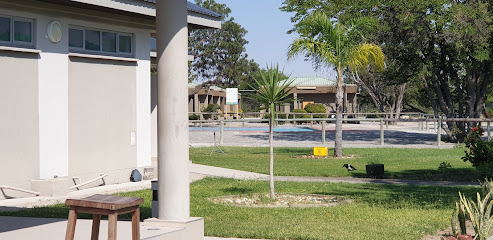
Makgadikgadi Lodge
33.8 km
Discover tranquility and adventure at Makgadikgadi Lodge, your gateway to Botswana's stunning salt pans and diverse wildlife.
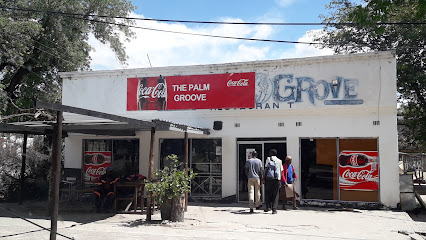
The Palm Grove
72.6 km
Experience authentic African cuisine at The Palm Grove in Nata - where flavors meet culture.
BOMA - Restaurant and Bar
73.5 km
Experience authentic Botswana flavors at BOMA - Restaurant and Bar in Nata, where every meal tells a story.
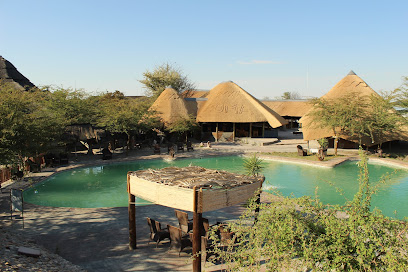
Pelican Lodge and Camping
73.5 km
Experience nature's serenity at Pelican Lodge and Camping in Nata, Botswana - your gateway to adventure amidst breathtaking landscapes.
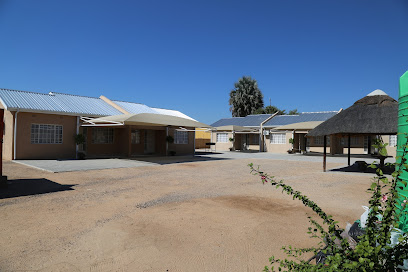
Nxai Pan Self Catering Apartments
76.0 km
Experience the comfort of home in Botswana's stunning landscapes at Nxai Pan Self Catering Apartments.
Nxai Pan filling station
76.1 km
Discover Nxai Pan Filling Station: Your essential pit stop for adventure-filled journeys through Botswana's breathtaking landscapes.
Hungry Lion Letlhakane
76.6 km
Experience delicious fried chicken at Hungry Lion Letlhakane - a top destination for fast food lovers in Botswana.
Raffles
76.7 km
Discover the authentic flavors of Botswana at Raffles Restaurant in Letlhakane, where tradition meets deliciousness.
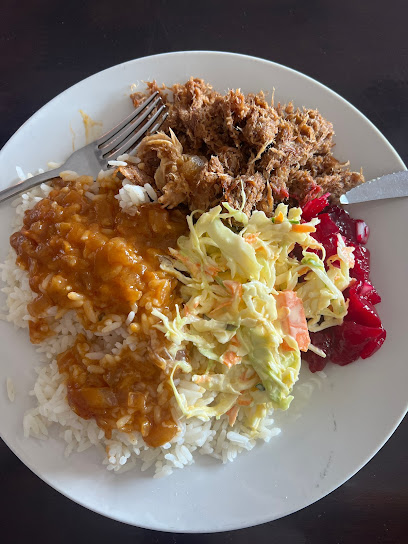
Debonairs Pizza
78.1 km
Experience mouthwatering pizzas at Debonairs Pizza in Letlhakane - where quality meets convenience!
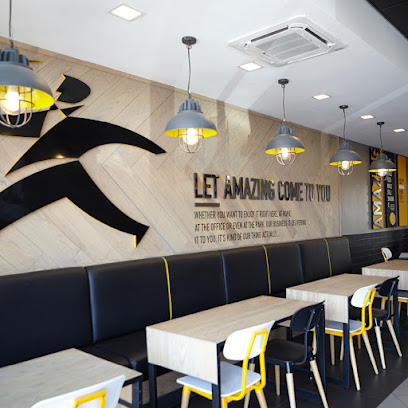
Nando's Letlhakane
78.2 km
Discover the taste of flame-grilled perfection at Nando's Letlhakane - where Portuguese flavors meet South African hospitality.
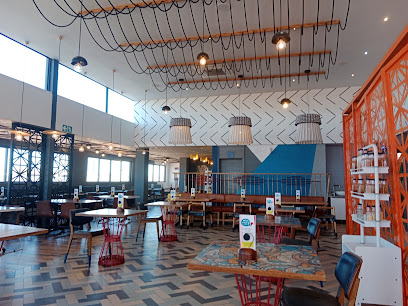
Hungry Lion Teemane Mall
78.3 km
Discover the irresistible taste of crispy fried chicken at Hungry Lion Teemane Mall in Letlhakane - where flavor meets convenience.
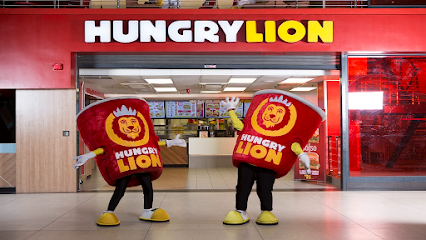
Executive Catering
85.0 km
Discover a culinary gem in Orapa at Executive Catering—where local flavors meet international tastes in a welcoming atmosphere.
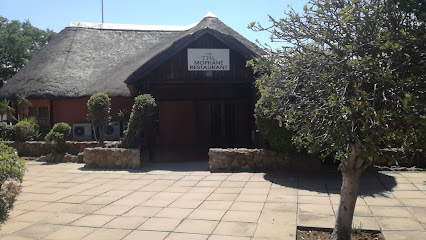
Mophane Restaurant
85.2 km
Discover the flavors of Botswana at Mophane Restaurant in Orapa - where local meets global cuisine.
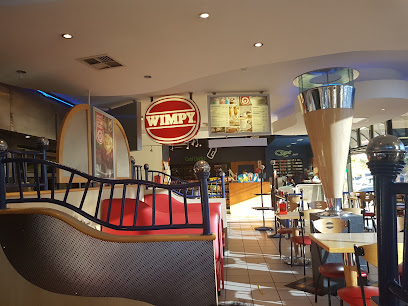
Wimpy
85.4 km
Experience mouthwatering meals at Wimpy in Orapa – your go-to fast food destination for delicious flavors and convenience.
Markets, malls and hidden boutiques

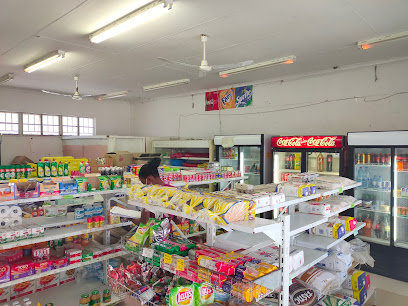
Thando's supermarket
38.9 km
Explore the flavors of Botswana at Thando's Supermarket in Sowa, your gateway to local and international culinary delights.
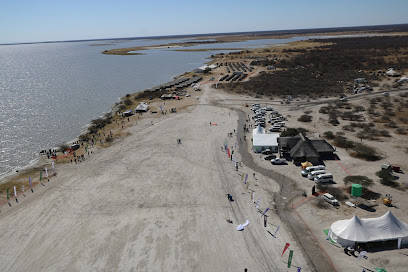
Makgadikgadi Epic
39.5 km
Discover the breathtaking landscapes of Makgadikgadi Epic, an unforgettable event venue in Botswana that blends culture and nature seamlessly.
Saverite
62.8 km
Experience the vibrant local culture at Saverite, a charming general store in Tutume, Botswana, offering a unique shopping experience for every traveler.
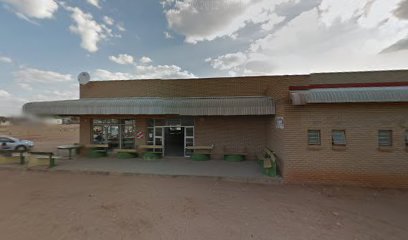
Nata Bakery& Café
72.3 km
Discover the delightful flavors of Nata Bakery & Café, a charming spot in Nata offering freshly baked treats and a cozy atmosphere.
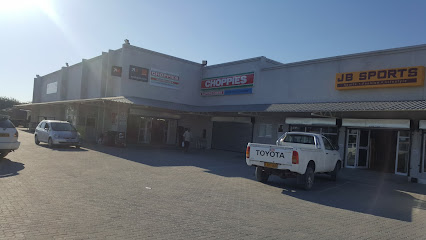
Choppies
72.3 km
Explore the vibrant shopping scene at Choppies in Nata, Botswana, where local culture meets modern retail in a peaceful setting.
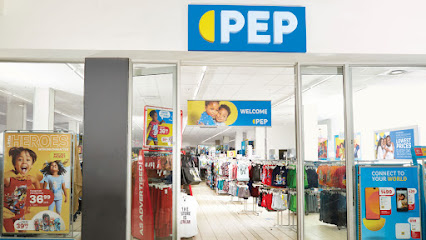
PEP Nata
72.3 km
Explore PEP Nata, a family-friendly clothing store in Nata with stylish outfits for men, women, and children at affordable prices.
SR Wholesalers
72.3 km
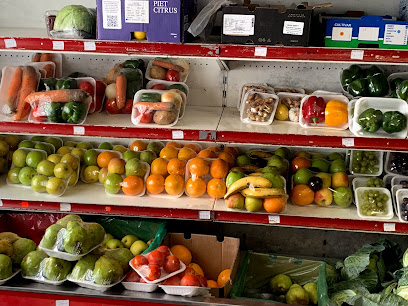
Explore the vibrant local culture at SR Wholesalers, the go-to grocery store in Nata for fresh produce and community vibes.
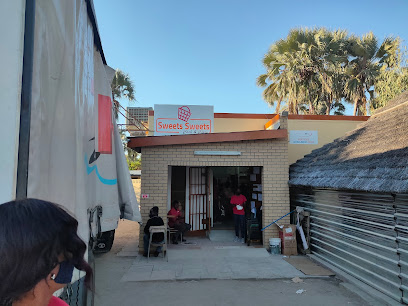
Sweets Sweets Cash & Carry
72.6 km
Discover a delicious array of local and international sweets at Sweets Sweets Cash & Carry in Nata, a must-visit grocery store for tourists.
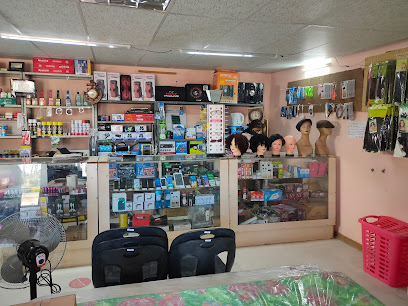
Less Price Shop
72.6 km
Discover local treasures at Less Price Shop, your go-to general store in Nata, Botswana, offering household goods and unique souvenirs.
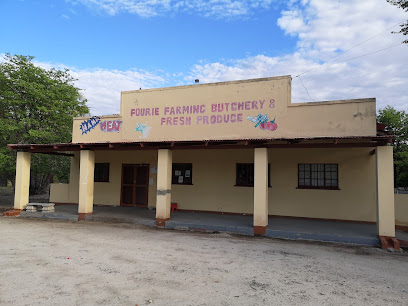
Fourie Butchery
73.0 km
Discover the authentic taste of Botswana at Fourie Butchery, Nata's finest butcher shop deli offering locally sourced meats.
SaveWay Supermarket
73.7 km
Experience the vibrant flavors of Nata at SaveWay Supermarket, your local source for fresh produce and authentic Botswana delicacies.
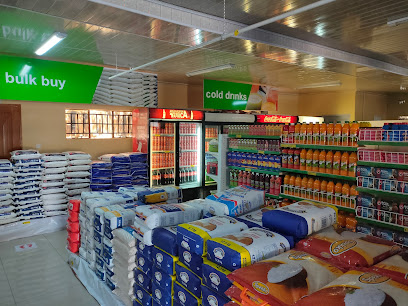
Ounskay tuck shop
75.7 km
Explore the vibrant local culture at Ounskay Tuck Shop, your go-to store in Letlhakane for delicious snacks and essential goods.
IKAGO Business Enclave Shopping Mall
75.9 km
Explore the vibrant IKAGO Business Enclave Shopping Mall in Letlhakane - where shopping and local culture come together!
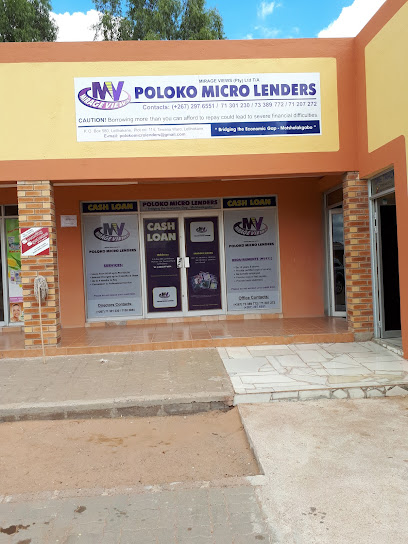
Mmaosa General Dealer
76.0 km
Explore the heart of Letlhakane at Mmaosa General Dealer, your local grocery store for fresh produce and authentic Botswanan goods.
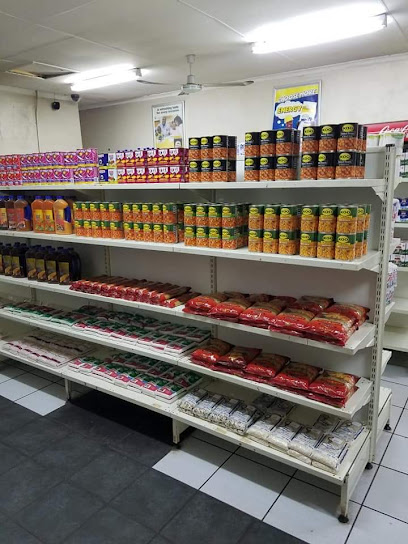
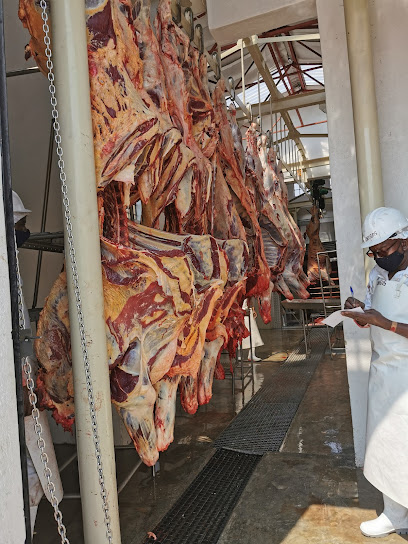
Farmers Butchery
76.5 km
Discover the vibrant flavors of Botswana at Farmers Butchery in Letlhakane – a supermarket that connects you with local culture and fresh produce.
Essential bars & hidden hideouts

Praxis Masarira tarven
72.5 km
Discover the vibrant culture of Botswana at Praxis Masarira Tavern, a charming beer garden in Nata offering refreshing local brews and a welcoming atmosphere.
Up Industries (Pty) Ltd.
72.6 km
Discover the rich flavors of Africa at Up Industries (Pty) Ltd. in Nata, where authentic dishes and a warm atmosphere await.
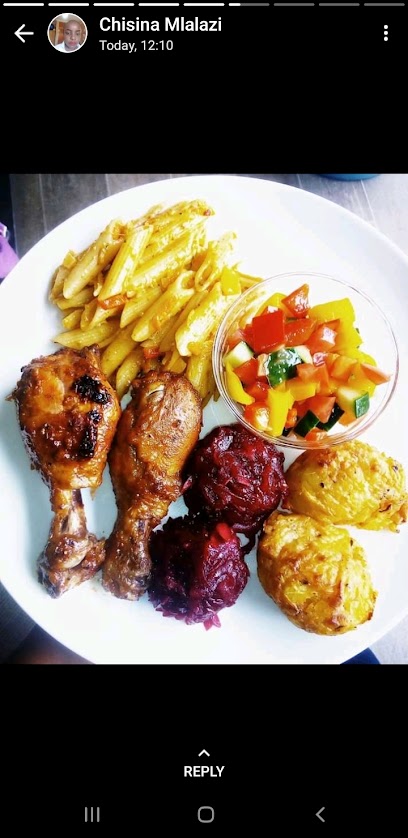
Crossroads catering and Eatery
72.7 km
Discover the authentic flavors of Botswana at Crossroads Catering and Eatery in Nata, where every dish tells a story.
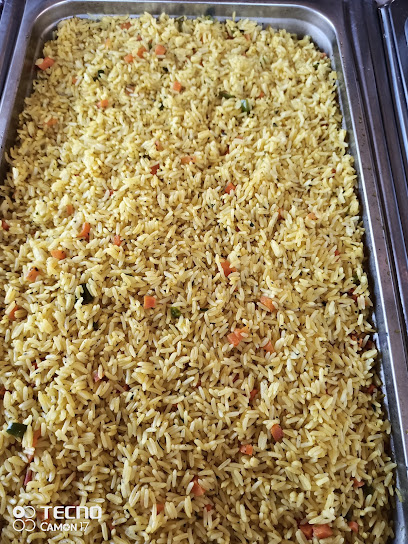
Crossroads Eatery and Catering
73.4 km
Experience the rich culinary offerings at Crossroads Eatery and Catering, a buffet restaurant in Nata, Botswana, perfect for indulging in local flavors.
Kwaga Surprise,Crossroads Eatery and Catering
73.4 km
Discover Kwaga Surprise in Tutume for an unforgettable barbecue experience that showcases the flavors of Botswana.
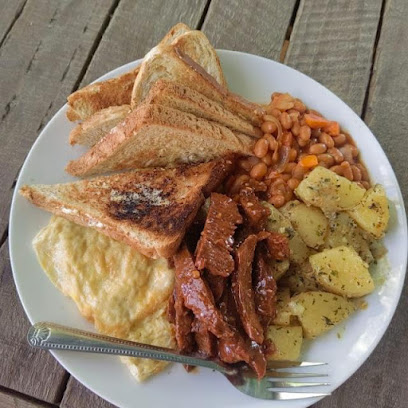
Buuhe Pub & Grill
74.0 km
Discover the vibrant atmosphere of Buuhe Pub & Grill in Letlhakane, where delicious braai and local culture come together for an unforgettable dining experience.
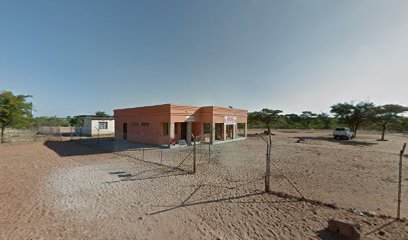
Pelko Pub Zowa
75.6 km
Experience the vibrant local culture at Pelko Pub Zowa in Letlhakane, a lively bar perfect for unwinding with drinks and entertainment.
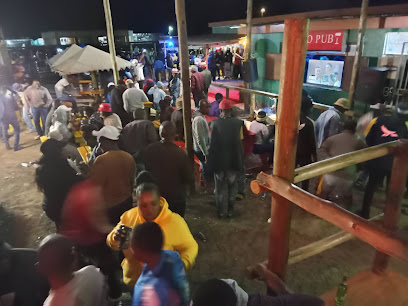
Sports BAR
75.8 km
Experience the thrill of sports and vibrant nightlife at Letlhakane's Sports Bar, where every game is a celebration.
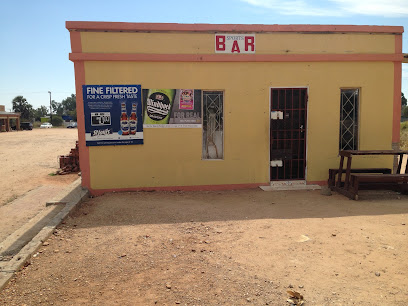
THE HANEA PUB
76.1 km
Discover the vibrant essence of Letlhakane at The Hanea Pub, where locals and travelers unite for great drinks and unforgettable experiences.
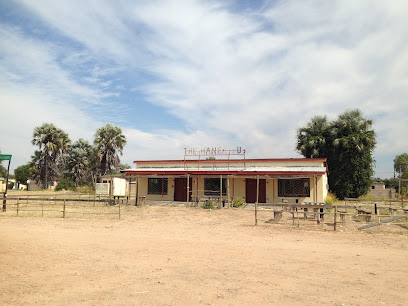
Noche Lounge
76.6 km
Discover the vibrant nightlife at Noche Lounge, Letlhakane's premier bar featuring local drinks, lively atmosphere, and a taste of Botswana's social culture.
Adventure Bar
76.7 km
Discover the lively atmosphere of Adventure Bar in Letlhakane, the perfect spot for relaxation and connection with locals and travelers alike.
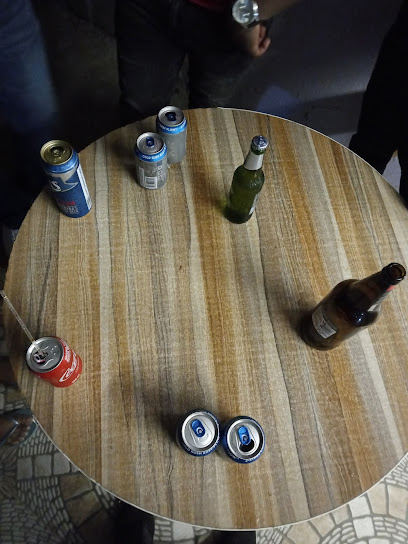
The Big Park
76.8 km
Experience the vibrant nightlife at The Big Park in Letlhakane, where local culture meets a lively bar atmosphere.
Nkosho Bar
77.1 km
Discover the vibrant atmosphere and local culture at Nkosho Bar in Letlhakane, Botswana's hidden gem for travelers seeking authentic experiences.
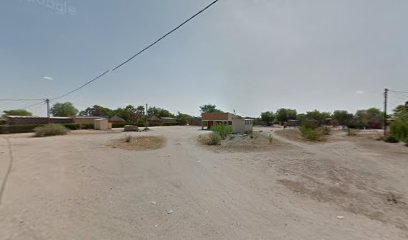
Top Centre Bar
77.1 km
Experience the vibrant nightlife of Letlhakane at Top Centre Bar, where local flavors and friendly faces create unforgettable memories.
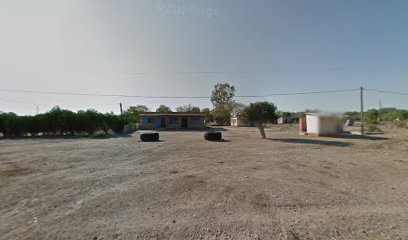
LM Bar
77.3 km
LM Bar in Letlhakane offers a vibrant nightlife experience with a wide selection of drinks and a welcoming atmosphere for tourists and locals alike.
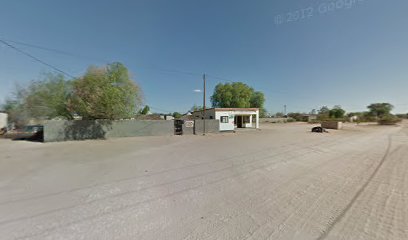
Nightclubs & after hour spots

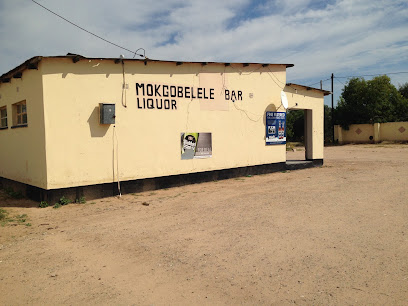
MOKGOBELELE BAR
77.1 km
Explore Mokgobelele Bar in Letlhakane, Botswana – a lively spot for traditional drinks and local culture in a welcoming atmosphere.
Makgabana Club
78.0 km
Discover the heart of Letlhakane's nightlife at Makgabana Club, where local culture meets electrifying entertainment in a vibrant atmosphere.
Cappello
78.3 km
Experience the vibrant nightlife at Cappello, Letlhakane's premier night club offering great music and a lively atmosphere.
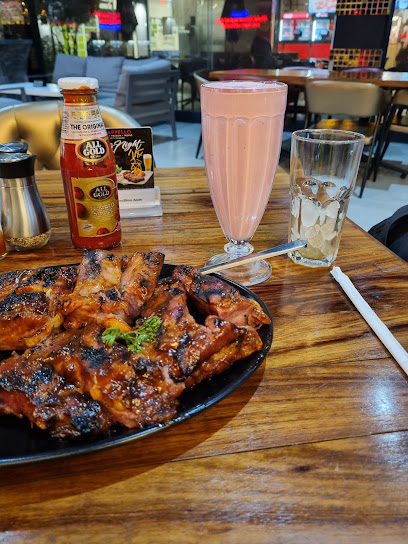
Bowls Club
85.3 km
Discover the energetic nightlife of Orapa at Bowls Club, where music, dance, and good vibes come together for an unforgettable experience.


