

Museu Histórico da Cidade, Rio De Janeiro Travel Guide
Discover Rio de Janeiro's captivating history through artifacts, art, and documents at this museum nestled in the serene Parque da Cidade.
Nestled within the Parque da Cidade in Gávea, the Museu Histórico da Cidade (City Historical Museum) offers a captivating glimpse into the rich history of Rio de Janeiro. Housed in a charming 19th-century building, the museum boasts a collection of artifacts, documents, and artwork that tell the story of Rio from its colonial beginnings to its modern-day vibrancy.
A brief summary to Museu Histórico da Cidade
- Est. Santa Marinha, s/nº, Rio de Janeiro, Gávea, State of Rio de Janeiro, 22451-240, BR
- Click to display
- Click to display
- Tuesday 9 am-4 pm
- Wednesday 9 am-4 pm
- Thursday 9 am-4 pm
- Friday 9 am-4 pm
- Saturday 9 am-4 pm
- Sunday 9 am-4 pm

Know before you go
Hi, I'm Eve. Here are a few practical things to know before exploring Museu Histórico da Cidade.
- Visit on weekdays to avoid crowds and enjoy a more intimate experience with the exhibits.
- Check the museum's website for temporary exhibitions and special events before your visit.
- Allow at least two hours to fully appreciate the collections and exhibits.
- Combine your visit with a stroll through the Parque da Cidade for a pleasant nature escape.
Do you manage this location?
Take control to get all the benefits, like improved information, better appearance, and stronger visibility across AI-powered discovery. Learn more about listing your business on Evendo
Activate your presenceOther nearby places you may find interesting
The closest places of the same kind, if this one is not quite what you had in mind.

Explore Museu Histórico da Cidade on the Map
A handpicked selection of must-see spots near Museu Histórico da Cidade, mapped for you.
Getting There
-
Public Transport
From Centro, take the Metrô Rio from Uruguaiana to Antero de Quental, transferring at General Osório. From Antero de Quental, connect to the 'Metrô na Superfície' bus to Gávea. Alternatively, several buses connect Centro and Gávea, such as those departing from BRS 2,3,5,I: Luis de Camões to Praça Sibélius. From Gávea, follow Estrada Santa Marinha into Parque da Cidade. The museum is within the park. A single metro ticket costs around R$4.65, and a bus ticket is approximately R$4.05.
-
Taxi/Ride-sharing
From areas like Copacabana or Ipanema, a taxi or ride-sharing service (such as Uber) offers a direct route to the Museu Histórico da Cidade in Gávea. The journey typically takes 15-25 minutes, depending on traffic. Ask the driver to take you to Estrada Santa Marinha in Gávea, where the entrance to Parque da Cidade is located. The museum is inside the park. The estimated cost is R$30-R$40.
-
Walking
If you are already in Gávea, perhaps visiting the Pontifícia Universidade Católica (PUC-Rio), the Museu Histórico da Cidade is easily accessible by foot. Head towards Estrada Santa Marinha, which leads to the entrance of Parque da Cidade. Follow the signs within the park to reach the museum. The walk from most points in Gávea to the museum entrance takes approximately 10-20 minutes.
Discover more about Museu Histórico da Cidade
More to explore near Museu Histórico da Cidade













Your all‑in‑one travel companion app
Explore expert travel guides, compare and book tours, experiences, hotels, and more—all from the palm of your hand. Download now for seamless trip planning wherever your wanderlust takes you.


Explore More of Rio De Janeiro
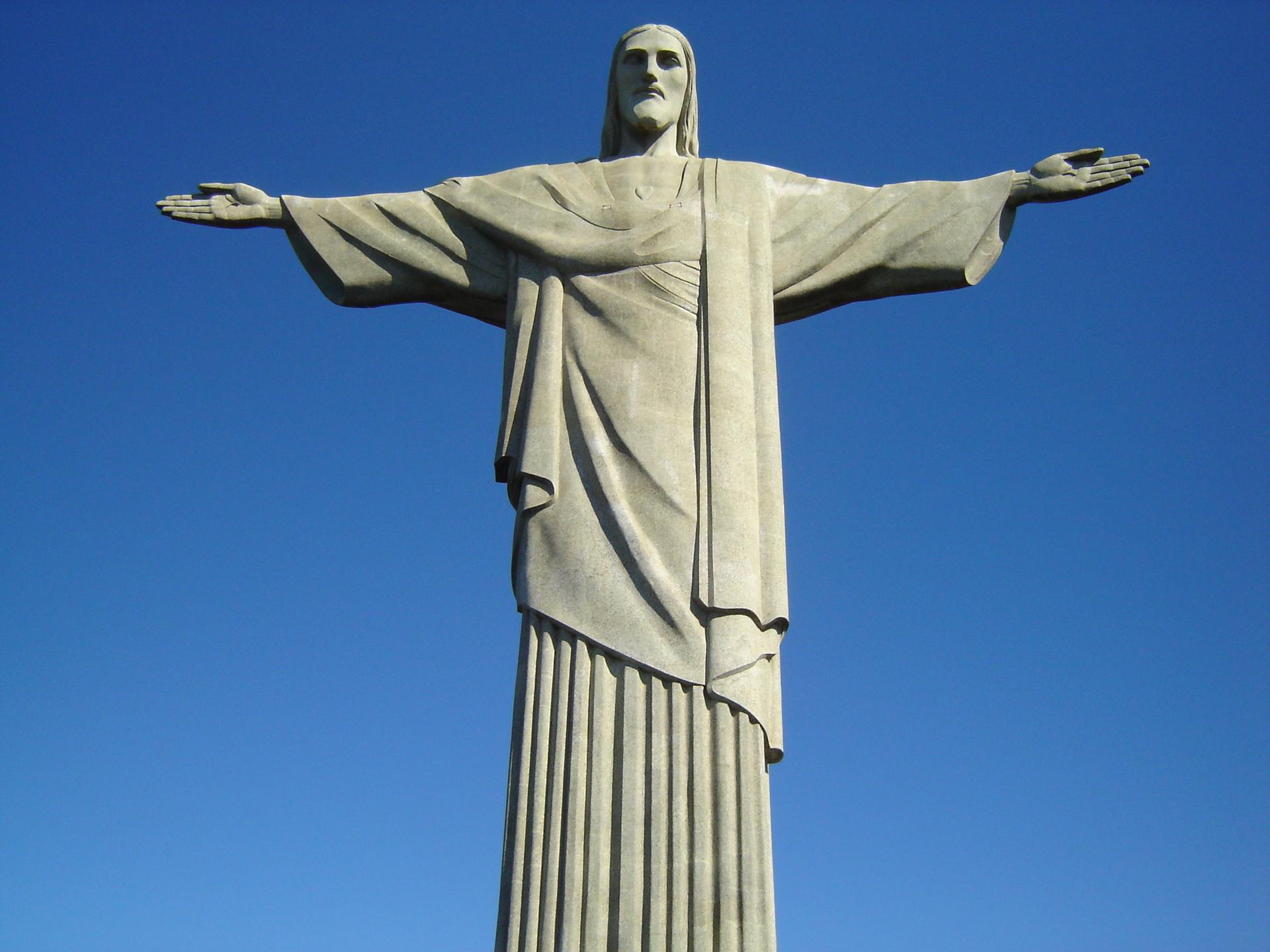
Looking beyond Museu Histórico da Cidade? Discover Rio De Janeiro for broader travel guides, local hot-spots, and regional highlights.
Explore Rio De Janeiro

