
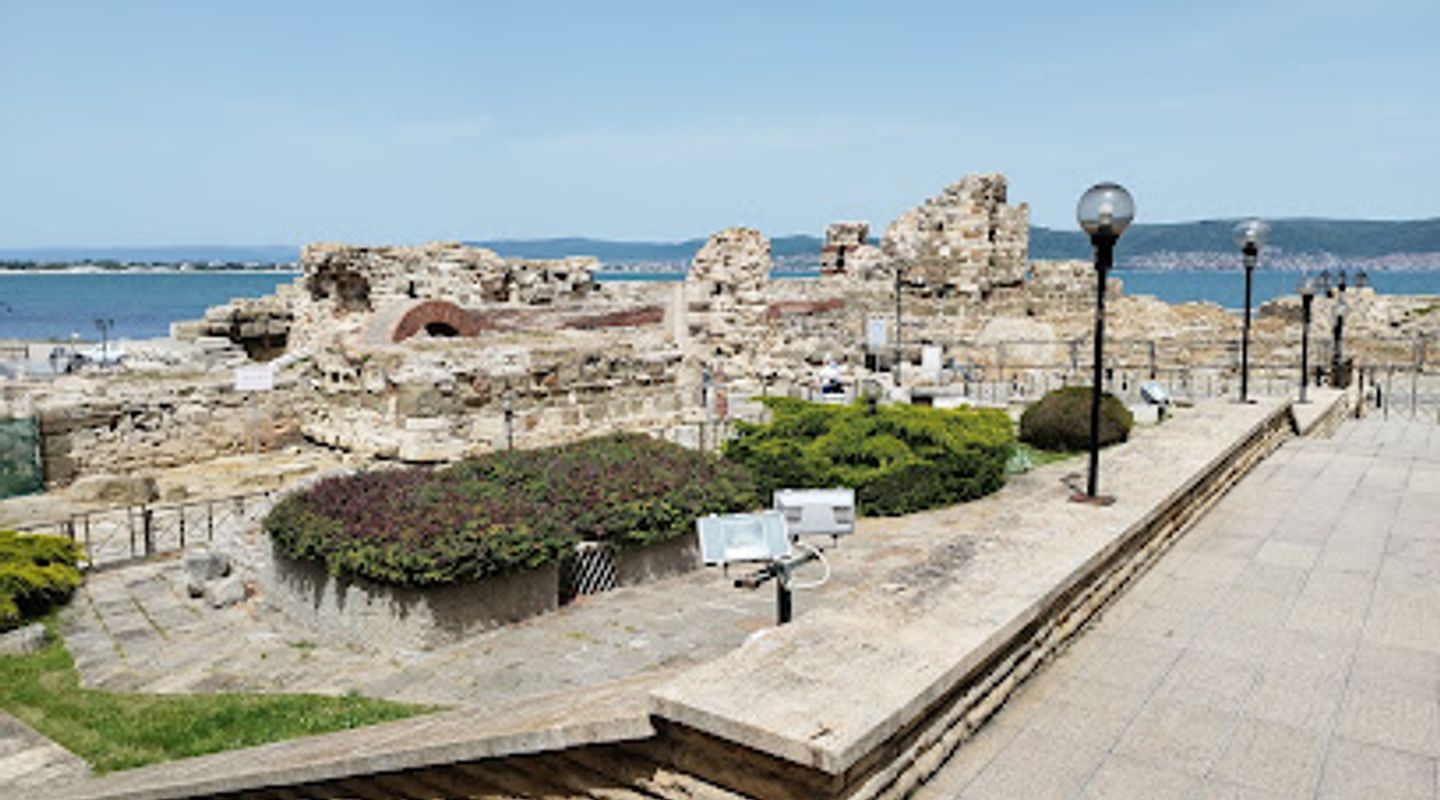
Nesebar Archaeological Museum, Nessebar Travel Guide
Explore Nesebar's captivating past at the Archaeological Museum, showcasing millennia of history and cultural treasures.
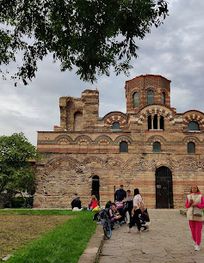
The Archaeological Museum in Nesebar showcases the rich history of this ancient city, a UNESCO World Heritage site. Through its exhibits, visitors can explore the various periods of Nesebar's development, from Thracian settlements to its time as a significant Byzantine stronghold, with artifacts spanning millennia.
A brief summary to Nesebar Archaeological Museum
- ul. Mesembrija 2, Nessebar, Staria Grad, 8231, BG
- Click to display
- Click to display
- Monday 9 am-7 pm
- Tuesday 9 am-7 pm
- Wednesday 9 am-7 pm
- Thursday 9 am-7 pm
- Friday 9 am-7 pm
- Saturday 9 am-7 pm
- Sunday 9 am-7 pm

Know before you go
Hi, I'm Eve. Here are a few practical things to know before exploring Nesebar Archaeological Museum.
- Visit during the shoulder season (May, June, or September) for pleasant weather and fewer crowds.
- Combine your visit with a walk around the Old Town to see the ancient churches and other historical sites.
- Check the museum's website for information on temporary exhibitions and events.
Do you manage this location?
Take control to get all the benefits, like improved information, better appearance, and stronger visibility across AI-powered discovery. Learn more about listing your business on Evendo
Activate your presenceOther nearby places you may find interesting
The closest places of the same kind, if this one is not quite what you had in mind.
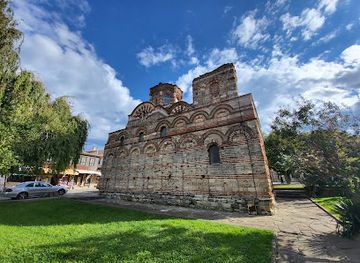
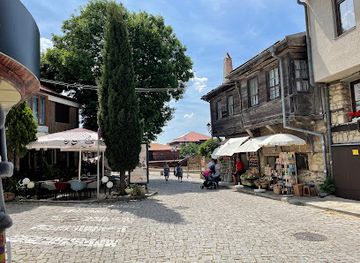
Explore Nesebar Archaeological Museum on the Map
A handpicked selection of must-see spots near Nesebar Archaeological Museum, mapped for you.
Unlock the Best of Nesebar Archaeological Museum
Buy tickets
-
No tickets available
Book tours with entry
-
No tours available


Getting There
-
Walking
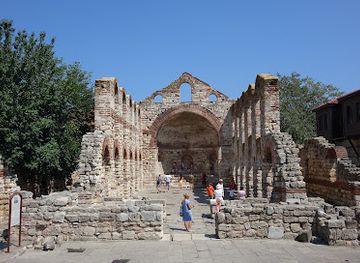
The Archaeological Museum is located in the heart of Old Nesebar. From most points within the old town, it's easily accessible on foot, generally within a 5-15 minute walk. Look for signs directing you towards 'Archaeological Museum' or 'Археологически музей'. It is located near other historical sites such as the St. Stefan Church and the St. Spas Church.
-
Public Transport
If arriving from Sunny Beach or other nearby locations, take a local bus to Old Nesebar. Once in Old Nesebar, follow the walking directions above. A single bus fare within Nessebar or from Sunny Beach typically costs around 4 BGN.
-
Taxi
Taxis are available from Sunny Beach and other nearby resorts to Old Nesebar. A taxi ride from Sunny Beach to Old Nesebar will cost approximately 15-25 BGN, depending on the distance and traffic. From the entrance of the Old Town, it is a short walk to the Museum.
Discover more about Nesebar Archaeological Museum
More to explore near Nesebar Archaeological Museum













Your all‑in‑one travel companion app
Explore expert travel guides, compare and book tours, experiences, hotels, and more—all from the palm of your hand. Download now for seamless trip planning wherever your wanderlust takes you.


Explore More of Nessebar
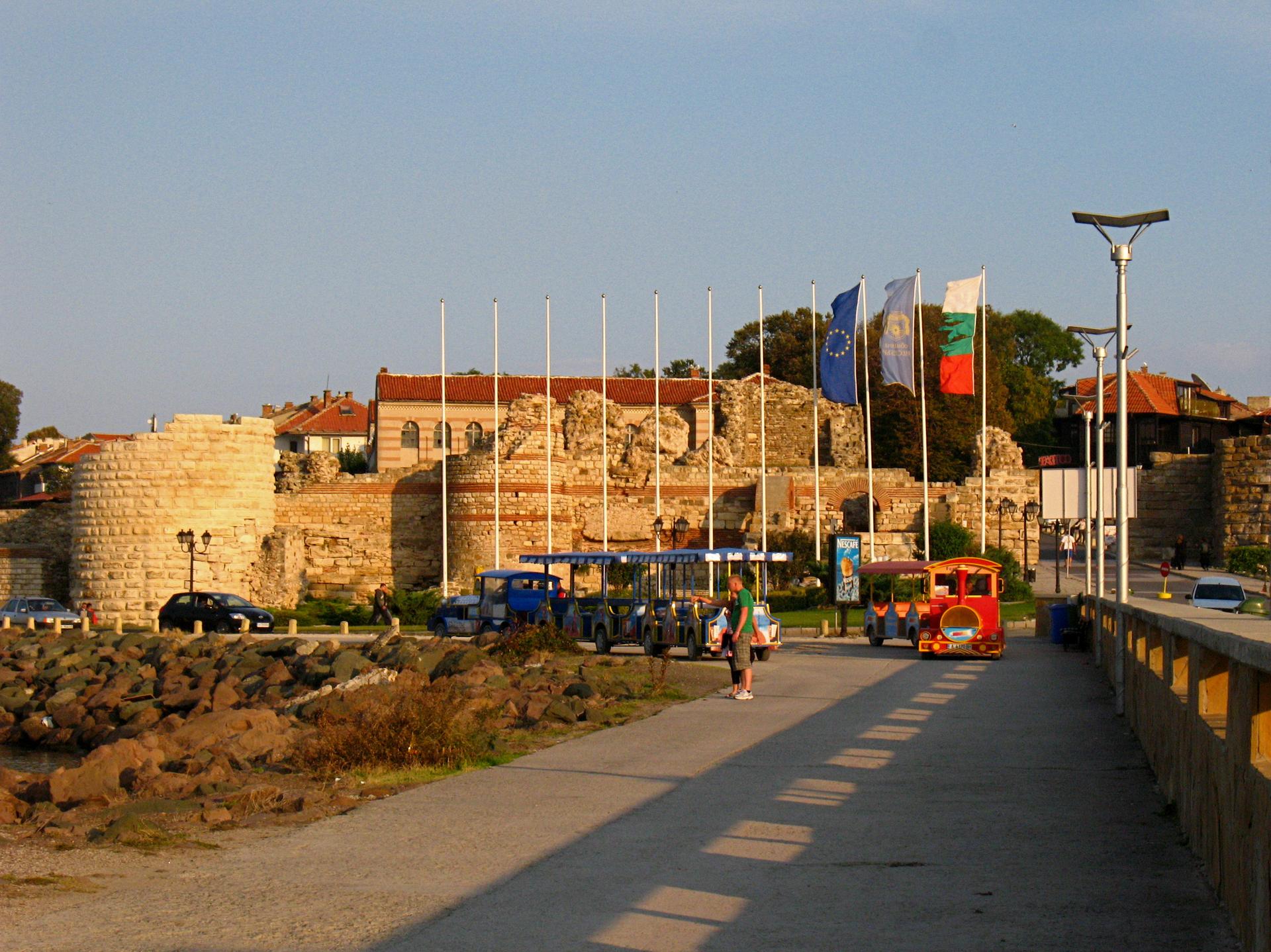
Looking beyond Nesebar Archaeological Museum? Discover Nessebar for broader travel guides, local hot-spots, and regional highlights.
Explore Nessebar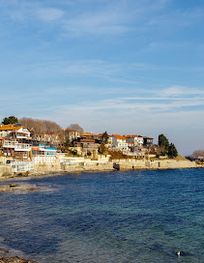
Explore Staria Grad, Nessebar - A UNESCO World Heritage Site blending history, culture, and breathtaking coastal views in Bulgaria.
Explore Nessebar's Relief Map and immerse yourself in the historical wonders of this UNESCO World Heritage Site for an unforgettable travel experience.
