

1524 Haight St, Bay Area Travel Guide
Experience the Haight-Ashbury's legendary counterculture: explore vintage shops, discover musical history, and soak in the bohemian vibes of San Francisco's iconic neighborhood.
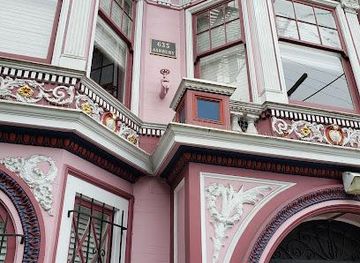
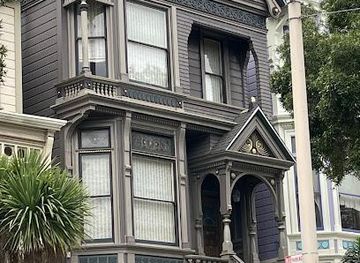
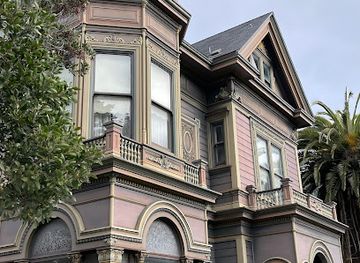
1524 Haight Street, also known as the Jimi Hendrix House or the Red House, stands as a vibrant reminder of the Haight-Ashbury's legendary past. While its connection to the guitar icon is debated, the building embodies the neighborhood's spirit of musical innovation and counter-cultural energy. The Haight-Ashbury, once a haven for beatniks and European immigrants, transformed into the epicenter of the Summer of Love in 1967, drawing artists, musicians, and free spirits from across the nation. Today, the area retains its bohemian charm, offering vintage shops, music stores, and colorful Victorian architecture that evoke the spirit of the 1960s. Whether you're a music enthusiast, a history buff, or simply seeking a taste of San Francisco's unique character, a visit to this iconic street offers a glimpse into a transformative era.
A brief summary to 1524 Haight St
- 1524 Haight St, San Francisco, Haight-Ashbury, California, 94117, US

Know before you go
Hi, I'm Eve. Here are a few practical things to know before exploring 1524 Haight St.
- Explore the side streets off Haight for hidden murals and quieter glimpses of Victorian architecture.
- Visit Amoeba Music, a legendary independent record store, to discover rare vinyl and immerse yourself in music history.
- Take a stroll through Golden Gate Park, easily accessible from Haight-Ashbury, for a relaxing escape and a taste of San Francisco's natural beauty.
Do you manage this location?
Take control to get all the benefits, like improved information, better appearance, and stronger visibility across AI-powered discovery. Learn more about listing your business on Evendo
Activate your presenceOther nearby places you may find interesting
The closest places of the same kind, if this one is not quite what you had in mind.

Explore 1524 Haight St on the Map
A handpicked selection of must-see spots near 1524 Haight St, mapped for you.
Getting There
-
Public Transport
From central locations in San Francisco, the Muni bus lines 6, 7, 33, 37, 43, N BUS, and N OWL provide convenient access to Haight Street. Several stops are located along Haight Street itself, including Haight St & Clayton St and Haight St & Masonic Ave. Check the Muni website or app for the most up-to-date schedules and routes. A single ride fare is $3.00.
-
Taxi/Ride-Share
Taxi and ride-sharing services (Uber/Lyft) are readily available throughout San Francisco. A ride from downtown San Francisco to 1524 Haight St typically costs between $15 and $25, depending on traffic and demand.
-
Walking
If you are already in the Haight-Ashbury area, walking is the best way to explore. 1524 Haight St is located on Haight Street, a short walk from the iconic intersection of Haight and Ashbury. Buena Vista Park is a short walk east.
-
Driving
Driving to Haight-Ashbury can be challenging due to limited parking. Street parking is available but often requires circling to find a spot and paying attention to time limits. There are monthly parking options available in the area, with rates starting around $400. Be aware of street cleaning schedules and parking restrictions to avoid tickets. There are parking lots available, but they can be expensive.
Discover more about 1524 Haight St













Your all‑in‑one travel companion app
Explore expert travel guides, compare and book tours, experiences, hotels, and more—all from the palm of your hand. Download now for seamless trip planning wherever your wanderlust takes you.


Explore More of Bay Area
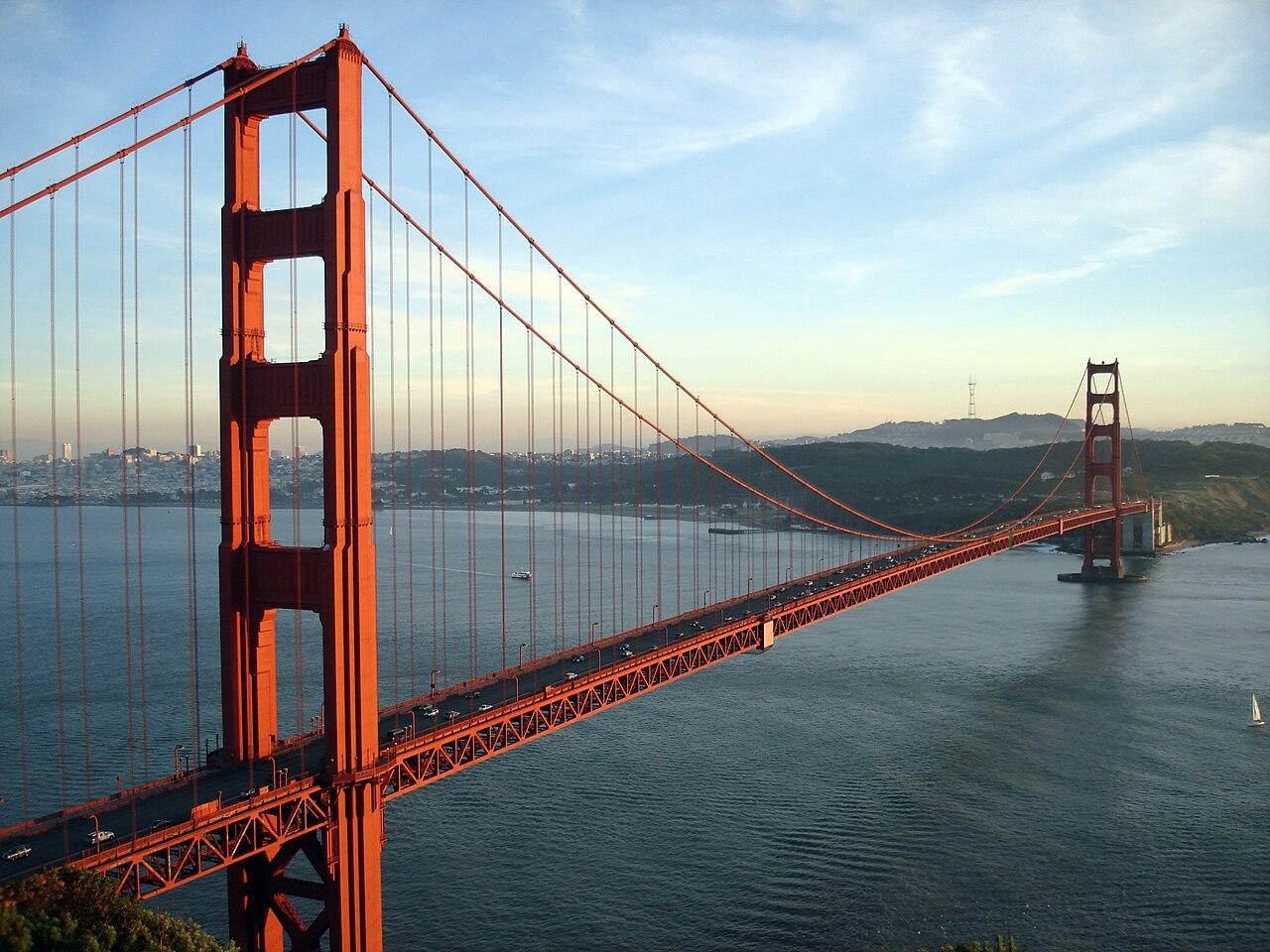
Looking beyond 1524 Haight St? Discover Bay Area for broader travel guides, local hot-spots, and regional highlights.
Explore Bay Area
Discover the gateway to Golden Gate Park at McLaren Lodge, a historic landmark offering visitor information and access to San Francisco's iconic urban oasis and its myriad attractions.

Discover the iconic Haight-Ashbury Clock in San Francisco, a historic landmark that celebrates the vibrant culture and countercultural movements of the 1960s.
