

Bay Area, California Travel Guide
Discover the Bay Area: A blend of natural beauty, cultural richness, and technological innovation in California.
The Bay Area in California is a vibrant and diverse region that offers a mix of natural beauty, cultural richness, and technological innovation. From the iconic Golden Gate Bridge to the bustling streets of San Francisco, the Bay Area is a treasure trove of experiences waiting to be discovered. San Francisco, the heart of the Bay Area, is known for its steep hills, historic cable cars, and the infamous Alcatraz Island. Visitors can explore Fisherman’s Wharf, indulge in fresh seafood, and enjoy the lively atmosphere of Pier 39. The city is also home to world-class museums, such as the San Francisco Museum of Modern Art and the Exploratorium, which offers interactive exhibits for all ages. Across the bay, the city of Oakland boasts a thriving arts scene and diverse culinary offerings. The Oakland Museum of California provides insights into the state’s history, art, and natural sciences. Berkeley, another gem of the Bay Area, is known for its prestigious university and vibrant cultural scene. The UC Berkeley campus is a beautiful place to stroll, and the nearby Gourmet Ghetto offers some of the best dining experiences in the region. Nature lovers will find solace in the Bay Area’s numerous parks and nature reserves. The Muir Woods National Monument, with its towering redwoods, offers a serene escape from urban life. Point Reyes National Seashore provides breathtaking coastal views and opportunities for whale watching. For a more urban outdoor experience, Golden Gate Park in San Francisco offers gardens, museums, and recreational activities. The Bay Area is also the birthplace of Silicon Valley, making it a hub for innovation and technology. Visitors can tour the campuses of major tech companies and explore the Tech Museum of Innovation in San Jose. The region’s blend of cultures, landscapes, and cutting-edge technology makes the Bay Area a unique and exciting destination for travelers.

Know before you go
Hi, I'm Eve. Here are a few practical things to know before exploring Bay Area.
- Wear layers; the weather can change quickly, especially in San Francisco.
- Use public transportation like BART and Muni to navigate the cities easily.
- Plan your visit to popular attractions like Alcatraz Island well in advance.
- Visit local farmers' markets for fresh produce and artisan goods.
- Take advantage of free days at museums and parks to save on admission fees.
Top City Travel Guides in Bay Area
The cities of Bay Area, and the easiest places to base yourself.


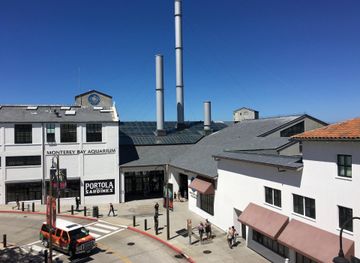


Destinations in Bay Area
Resorts, valleys and scenic spots worth a trip of their own.


Explore Bay Area: Things to Do, Places to Eat, Hotels & More
Handpicked recommendations for top attractions, local dining, accommodations, and more

Top Attractions & Sightseeing in Bay Area
Top-rated picks
Best Attractions

PIER 39
Experience the vibrant blend of shopping, dining, and entertainment at PIER 39 in San Francisco, a must-visit destination for tourists.

Golden Gate Park
Discover San Francisco's Golden Gate Park: a vibrant urban escape with gardens, museums, and endless recreational activities.

Alcatraz Island
Explore Alcatraz Island, a historic prison turned tourist attraction with stunning views and captivating stories of America's past.

Ferry Building
Explore San Francisco's iconic Ferry Building: a historic landmark and foodie paradise offering artisan goods, restaurants, and stunning waterfront views.

Best landmarks in Bay Area
Top-rated picks
Best Landmarks

PIER 39
Experience San Francisco's iconic waterfront at PIER 39: Home to playful sea lions, diverse dining, unique shopping, and breathtaking views of the Golden Gate and Bay Bridges.

Golden Gate Bridge
Experience the iconic Golden Gate Bridge: Walk, bike, or drive across this architectural marvel and discover breathtaking views of San Francisco, the bay, and the Pacific Ocean.

Alcatraz Island
Explore the infamous former prison island in the San Francisco Bay, where notorious criminals were once held, offering a unique blend of history, stunning views, and thought-provoking exhibits.

Ferry Building
Explore San Francisco's iconic Ferry Building: a historic landmark, transportation hub, and gourmet marketplace offering artisan foods, stunning views, and a taste of local culture.

Best restaurants in Bay Area
Top-rated picks
Best Restaurants

Ghirardelli Chocolate Experience
San Francisco's iconic chocolate destination since 1852, where artistry meets indulgence in every handcrafted creation.

Boudin Bakery
San Francisco's 1849 sourdough legend at Fisherman's Wharf: taste Gold Rush history in every tangy, chewy loaf from the original mother dough.

Fog Harbor Fish House
Experience the freshest seafood with stunning views at Fog Harbor Fish House in Fisherman's Wharf.

Scoma's Restaurant
San Francisco's floating seafood legend on Fisherman's Wharf, serving fresh Dungeness crab and cioppino with harbor views since 1965.

Best bars in Bay Area
Top-rated picks
Best Bars

Smuggler's Cove
Discover Smuggler's Cove: A Nautical Cocktail Bar in San Francisco with Unique Decor and Exotic Drinks.

Local Edition
Experience the quirky charm of Local Edition, a top cocktail bar in San Francisco's SoMa district, where creativity meets classic cocktails.

Cityscape
Explore the heights of San Francisco's nightlife at Cityscape, where stunning skyline views meet innovative cocktails in a chic setting.

Charmaine's Rooftop Bar & Lounge
Discover the breathtaking views, artisanal cocktails, and vibrant atmosphere at Charmaine's Rooftop Bar & Lounge in San Francisco.

Best nightclubs in Bay Area
Top-rated picks
Best Nightclubs

The Valencia Room
Discover the vibrant nightlife of San Francisco at The Valencia Room, where live music, dancing, and delicious drinks come together for an unforgettable experience.

Raven Bar
Unleash your nightlife spirit at Raven Bar, where cocktails, dancing, and unforgettable moments come together in the heart of San Francisco's SoMa district.

Pura Club
Dive into San Francisco's nightlife at Pura Club, where electrifying live music meets a vibrant dance atmosphere in the heart of SoMa.

Hawthorn SF Nightclub and Lounge
Discover Hawthorn SF Nightclub and Lounge - the premier nightlife destination in Union Square, San Francisco, where unforgettable nights await.

Best shops in Bay Area
Top-rated picks
Best Shops

Ghirardelli Chocolate Experience
Discover the sweet legacy of Ghirardelli at the Chocolate Experience, where every bite takes you on a delicious journey through San Francisco's rich chocolate heritage.

Macy's
Discover the essence of shopping in San Francisco at Macy's in Union Square, offering a vast selection of fashion, beauty, and children's clothing.

Stonestown Galleria
Discover the vibrant shopping scene at Stonestown Galleria, where retail therapy meets dining and entertainment in San Francisco.

Embarcadero Center
Discover the vibrant Embarcadero Center, a shopping haven in San Francisco with diverse shops, dining, and stunning waterfront views.

Explore Bay Area on the Map
A handpicked selection of must-see spots in Bay Area, mapped for you.
Bay Area Essentials
-
The Bay Area in California is well-connected by air, road, and rail. The primary airport serving the region is San Francisco International Airport (SFO), with Oakland International Airport (OAK) and San Jose International Airport (SJC) as additional options. Major highways such as I-80, I-280, and US-101 provide road access. Amtrak offers train services to the area, with stations in major cities like San Francisco, Oakland, and San Jose.
-
The Bay Area has a comprehensive public transportation network. BART (Bay Area Rapid Transit) connects various cities and is ideal for traveling between San Francisco, Oakland, and Berkeley. MUNI operates buses, streetcars, and light rail in San Francisco. Caltrain connects San Francisco to San Jose. For longer distances, renting a car or using ride-sharing services like Uber and Lyft are practical options.
-
The official currency is the US Dollar (USD). Credit and debit cards are widely accepted, and contactless payments are becoming more common. ATMs are plentiful across the region. It's advisable to carry some cash for small purchases, especially in local markets or older establishments.
-
The Bay Area is generally safe, but certain areas have higher crime rates. In San Francisco, avoid the Tenderloin and parts of the Mission District at night. Oakland also has areas with higher crime rates, such as East Oakland and West Oakland. Always stay alert, avoid displaying valuables, and use well-lit, populated routes at night.
-
In case of an emergency, dial 911 for police, fire, or medical assistance. Major hospitals and urgent care facilities are available throughout the Bay Area. It is recommended to have travel insurance that covers medical emergencies. For non-emergency medical issues, there are numerous pharmacies and clinics available.
-
Fashion: Do wear layers as the weather can be unpredictable. Don't wear overly formal attire unless attending a specific event. Religion: Do respect all places of worship and follow any specific guidelines. Public Transport: Do have a Clipper Card for easy access to various transportation systems. Don't eat or drink on public transport. Greetings: Do greet people with a handshake or a nod. Don't be overly familiar unless you know the person well. Eating & Drinking: Do try the local cuisine, including seafood and farm-to-table dishes. Don't tip less than 15% in restaurants, as it is customary.
-
To experience the Bay Area like a local, visit farmers' markets such as the Ferry Building Farmers Market in San Francisco. Explore neighborhoods like North Beach, Mission, and Haight-Ashbury for a taste of local culture. Use bike-sharing services to explore scenic routes like the Golden Gate Bridge. Don't miss local events like street fairs, food festivals, and open-air concerts.
When is the best time to visit Bay Area?
Useful Local Phrases for Bay Area
You don't need to speak the language perfectly. Even learning a few simple words can make conversations warmer—and locals usually appreciate the effort.
— Eve

Here are the phrases I use most often in Bay Area. Try a few—you'll be surprised how far they go! 😊
❤️
-
- HelloHey
[heɪ] - GoodbyeLater
[ˈleɪtər] - YesTotally
[ˈtoʊtəli] - NoNah
[nɑː] - Please/You're welcomeNo problem
[noʊ ˈprɑːbləm] - Thank youThanks
[θæŋks] - Excuse me/SorryMy bad
[maɪ bæd] - How are you?How’s it going?
[haʊz ɪt ˈɡoʊɪŋ] - Fine. And you?Good. You?
[ɡʊd juː] - Do you speak English?You speak English?
[ju spiːk ˈɪŋɡlɪʃ] - I don't understandI don’t get it
[aɪ doʊnt ɡɛt ɪt]
- HelloHey
-
- I'd like to see the menu, pleaseCan I see the menu?
[kæn aɪ si ðə ˈmɛnjuː] - I don't eat meatI’m vegetarian
[aɪm ˌvɛdʒəˈtɛriən] - Cheers!Cheers!
[tʃɪrz] - I would like to pay, pleaseCan I get the check?
[kæn aɪ ɡɛt ðə tʃɛk]
- I'd like to see the menu, pleaseCan I see the menu?
-
- Help!Help!
[hɛlp] - Go away!Leave me alone!
[liːv mi əˈloʊn] - Call the Police!Call 911!
[kɔl naɪn wʌn wʌn] - Call a doctor!Get a doctor!
[ɡɛt ə ˈdɑktər] - I'm lostI’m lost
[aɪm lɔst] - I'm illI’m not feeling well
[aɪm nɑt ˈfiːlɪŋ wɛl]
- Help!Help!
-
- I'd like to buy...I want to buy...
[aɪ wɑnt tə baɪ] - I'm just lookingJust browsing
[dʒʌst ˈbraʊzɪŋ] - How much is it?What’s the price?
[wʌts ðə praɪs] - That's too expensiveThat’s way too pricey
[ðæts weɪ tu ˈpraɪsi] - Can you lower the price?Can you make it cheaper?
[kæn ju meɪk ɪt ˈtʃiːpər]
- I'd like to buy...I want to buy...
-
- What time is it?What time is it?
[wʌt taɪm ɪt] - It's one o'clockIt’s 1 o'clock
[ɪts wʌn əˈklɔk] - Half past (10)Half past ten
[hæf pæst tɛn] - MorningMorning
[ˈmɔrnɪŋ] - AfternoonAfternoon
[ˌæftərˈnun] - EveningEvening
[ˈivnɪŋ] - YesterdayYesterday
[ˈjɛstərdeɪ] - TodayToday
[təˈdeɪ] - TomorrowTomorrow
[təˈmɔroʊ] - 1One
[wʌn] - 2Two
[tuː] - 3Three
[θriː] - 4Four
[fɔːr] - 5Five
[faɪv] - 6Six
[sɪks] - 7Seven
[ˈsɛvən] - 8Eight
[eɪt] - 9Nine
[naɪn] - 10Ten
[tɛn]
- What time is it?What time is it?
-
- Where's a/the...?Where’s the...?
[wɛrz ðə] - What's the address?What’s the address?
[wʌts ði ˈædrɛs] - Can you show me (on the map)?Can you show me on the map?
[kæn ju ʃoʊ mi ɑn ðə mæp] - When's the next (bus)?When’s the next bus?
[wɛnəz ðə nɛkst bʌs] - A ticket (to ....)A ticket to ...
[ə ˈtɪkɪt tə]
- Where's a/the...?Where’s the...?
History of Bay Area
-
Long before European settlers arrived, the Bay Area was inhabited by Native American tribes, including the Ohlone, Miwok, and Pomo peoples. These tribes lived off the rich natural resources of the region, practicing fishing, hunting, and gathering. They developed complex social structures and cultural traditions that are still celebrated today.
-
In the late 18th century, Spanish explorers and missionaries arrived, establishing a series of missions throughout California. Mission San Francisco de Asís, also known as Mission Dolores, was founded in 1776 and became a center for converting Native Americans to Christianity. This era significantly impacted the indigenous population and reshaped the cultural landscape of the region.
-
The discovery of gold at Sutter's Mill in 1848 sparked the California Gold Rush, transforming the Bay Area into a bustling hub for prospectors and entrepreneurs. San Francisco rapidly grew into a major port city, with its population swelling from a few hundred to tens of thousands within months. This period brought immense economic growth and diverse cultural influences to the region.
-
In the mid-20th century, the southern part of the Bay Area, known as Silicon Valley, became the birthplace of the modern tech industry. Pioneers like Hewlett-Packard, Intel, and later, Apple and Google, established their roots here. This technological revolution turned the Bay Area into a global center for innovation, attracting talent and investment from around the world.
-
The 1960s brought a wave of social and cultural change to the Bay Area, particularly in San Francisco. The city became a focal point for the counterculture movement, with the famous Summer of Love in 1967 drawing thousands of young people seeking alternative lifestyles. Haight-Ashbury became synonymous with hippie culture, music, and activism, leaving a lasting legacy on the city's identity.
-
On April 18, 1906, a devastating earthquake struck San Francisco, followed by widespread fires that destroyed much of the city. Despite the immense destruction, the disaster marked a turning point, leading to significant rebuilding efforts and advancements in earthquake engineering. The resilience shown by the city's inhabitants during this period is a testament to their strength and determination.
-
Alcatraz Island, located in San Francisco Bay, has a storied history. Initially a military fort and later a notorious federal prison, it held some of America's most infamous criminals, including Al Capone. The prison was closed in 1963, but the island remains a popular tourist attraction, offering insights into its grim past and stunning views of the Bay Area.
-
Completed in 1937, the Golden Gate Bridge is an iconic symbol of San Francisco and a marvel of engineering. Spanning the Golden Gate Strait, the bridge connects San Francisco to Marin County and has become one of the most photographed landmarks in the world. Its construction during the Great Depression provided much-needed jobs and remains a testament to human ingenuity.
-
Founded in 1868, the University of California, Berkeley, has been a center for academic excellence and social activism. The campus played a significant role in the Free Speech Movement of the 1960s, which advocated for students' rights to free expression. UC Berkeley continues to be a leading institution for research and education, contributing to the intellectual and cultural fabric of the Bay Area.
-
The late 1990s saw an explosion of internet-based companies in the Bay Area, leading to the dot-com boom. Venture capital flowed into startups, and the region experienced rapid economic growth. However, by 2000, the bubble burst, resulting in significant financial losses and company closures. This period highlighted both the potential and volatility of the tech industry.
Neighbouring Regions of Bay Area
The closest regions to Bay Area, if you have time for more than one.


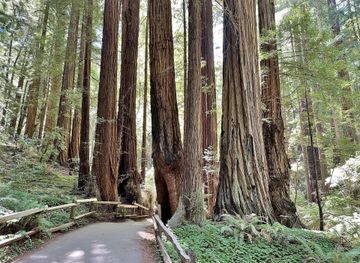
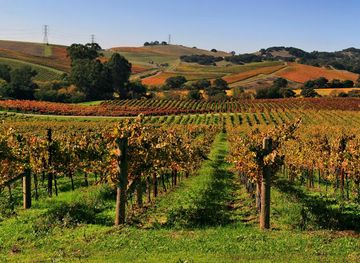

Your all‑in‑one travel companion app
Explore expert travel guides, compare and book tours, experiences, hotels, and more—all from the palm of your hand. Download now for seamless trip planning wherever your wanderlust takes you.


Explore More of California
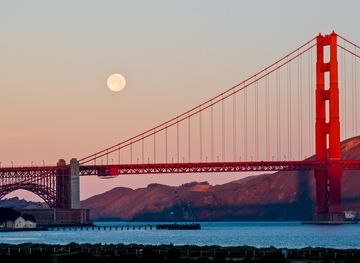
Looking beyond Bay Area? Discover California for broader travel guides, local hot-spots, and regional highlights.
Explore CaliforniaBay Area in Photos
Browse through our photo collection highlighting the charm and character of the destination.


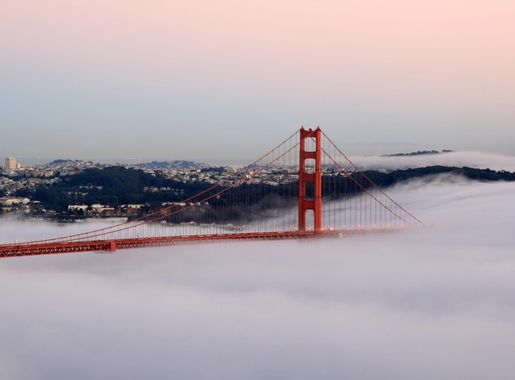


Exploring the Bay Area: A Jewel of California
The Bay Area in California is a vibrant and diverse region that offers a mix of natural beauty, cultural richness, and technological innovation. From the iconic Golden Gate Bridge to the bustling streets of San Francisco, the Bay Area is a treasure trove of experiences waiting to be discovered. San Francisco, the heart of the Bay Area, is known for its steep hills, historic cable cars, and the infamous Alcatraz Island. Visitors can explore Fisherman’s Wharf, indulge in fresh seafood, and enjoy the lively atmosphere of Pier 39. The city is also home to world-class museums, such as the San Francisco Museum of Modern Art and the Exploratorium, which offers interactive exhibits for all ages. Across the bay, the city of Oakland boasts a thriving arts scene and diverse culinary offerings. The Oakland Museum of California provides insights into the state’s history, art, and natural sciences. Berkeley, another gem of the Bay Area, is known for its prestigious university and vibrant cultural scene. The UC Berkeley campus is a beautiful place to stroll, and the nearby Gourmet Ghetto offers some of the best dining experiences in the region. Nature lovers will find solace in the Bay Area’s numerous parks and nature reserves. The Muir Woods National Monument, with its towering redwoods, offers a serene escape from urban life. Point Reyes National Seashore provides breathtaking coastal views and opportunities for whale watching. For a more urban outdoor experience, Golden Gate Park in San Francisco offers gardens, museums, and recreational activities. The Bay Area is also the birthplace of Silicon Valley, making it a hub for innovation and technology. Visitors can tour the campuses of major tech companies and explore the Tech Museum of Innovation in San Jose. The region’s blend of cultures, landscapes, and cutting-edge technology makes the Bay Area a unique and exciting destination for travelers.