Background

Stanford University: A Legacy of Innovation and Learning

Explore Stanford University: A world-renowned center for education, innovation, and Silicon Valley history, with stunning architecture and a vibrant campus atmosphere.

4.7

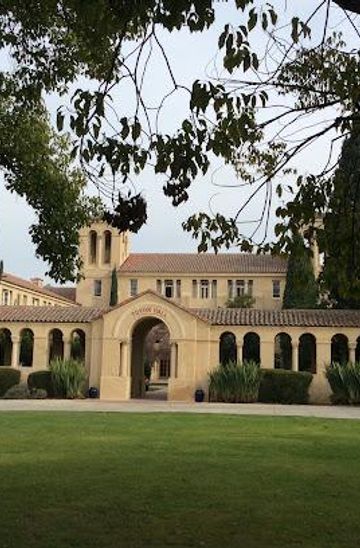
Stanford University, a world-renowned institution in the heart of Silicon Valley, welcomes visitors to explore its sprawling campus, a blend of historic architecture and modern innovation. Founded in 1885 by Leland and Jane Stanford, the university stands as a tribute to their son, Leland Stanford Jr., and has since become a global hub for education, research, and entrepreneurship. Wander through the iconic Main Quad, admire the intricate mosaics of Memorial Church, and discover cutting-edge research at the Science and Engineering Quad. With its vibrant atmosphere and stunning scenery, Stanford offers a captivating experience for students, alumni, and tourists alike, embodying the spirit of discovery and intellectual curiosity.

A brief summary to Stanford University

Local tips

  • Visit the Stanford Visitor Center for maps, tour information, and insights into campus highlights.
  • Explore the Cantor Arts Center and Rodin Sculpture Garden for a dose of culture; admission is free.
  • Climb the Hoover Tower for panoramic views of the campus and surrounding Silicon Valley (small fee applies).
  • Take advantage of the free Marguerite Shuttle to navigate the expansive campus.
  • Check the Stanford Athletics schedule for exciting sporting events; many are open to the public.
widget icon

Getting There

  • Public Transport

    From the Palo Alto Caltrain station, a major transit hub, connect to the Stanford campus via the free Marguerite Shuttle. Several lines, including the 'Y' and 'X' lines, serve various campus locations. Check the Marguerite Shuttle schedule for real-time updates and route information. Alternatively, the VTA (Valley Transportation Authority) bus lines also connect the Palo Alto Transit Center to Stanford. The ride is free and drops you off near the campus's central areas like the Oval.

  • Taxi/Ride-Share

    From downtown Palo Alto or nearby hotels, a taxi or ride-sharing service (Uber/Lyft) provides a convenient way to reach Stanford. Specify your destination on campus, such as the Visitor Center or Memorial Church. The cost typically ranges from $10-$20 depending on the distance and time of day. Be aware that traffic can be heavy during peak hours.

  • Driving

    If driving, approach Stanford via El Camino Real or University Avenue. Follow signs towards the campus. Visitor parking is available in designated areas, managed through the ParkMobile app. Hourly rates are typically $1.50 per hour. Free parking is generally available after 4:00 PM on weekdays and on weekends in some areas, but always check posted signs. One-day visitor permits can be purchased for $16 at 340 Bonair Siding, Stanford, which is open on weekdays from 7:30 a.m. to 5 p.m.

  • Walking

    From downtown Palo Alto, walking to Stanford is a pleasant option. Head west on University Avenue, which leads directly to Palm Drive, the university's main entrance. The walk is approximately 1.5 miles and takes about 30 minutes. Enjoy the scenic route lined with palm trees as you approach the iconic Oval and Main Quad.

Unlock the Best of Stanford University

Buy tickets

    No tickets available

Book tours with entry

    No tours available

Book tours without entry

    No tours available

Discover more about Stanford University

Stanford University, officially Leland Stanford Junior University, stands as a beacon of academic excellence and innovation in the heart of California's Silicon Valley. Founded in 1885 by Leland Stanford, a railroad magnate and former California Governor, and his wife, Jane Lathrop Stanford, the university was established as a memorial to their only child, Leland Stanford Jr., who tragically passed away from typhoid fever at the age of 15. The Stanfords envisioned a university that would be non-sectarian, co-educational, and affordable, providing students with both a liberal arts education and practical training in technology and engineering. From its opening on October 1, 1891, Stanford has been committed to fostering a culture of innovation and entrepreneurship. The university's location in the burgeoning Silicon Valley has played a pivotal role in its success, with many Stanford graduates and faculty members founding groundbreaking companies that have shaped the modern world. This close relationship between academia and industry has created a unique ecosystem where ideas can flourish and transform into real-world solutions. The architectural design of the campus, initially conceived by Frederick Law Olmsted, the renowned landscape architect also responsible for New York's Central Park, reflects the Stanfords' vision of a harmonious blend of beauty and functionality. The Main Quad, with its Romanesque and Mission Revival styles, stands as the historic heart of the university, featuring sandstone buildings with red-tiled roofs and arcaded walkways. Memorial Church, located at the Quad's center, is a stunning example of mosaic art and spiritual reflection. Beyond the Main Quad, Stanford's campus extends over 8,180 acres, encompassing a diverse range of facilities and attractions. The Cantor Arts Center boasts an impressive collection of art from around the world, including a significant collection of Rodin sculptures. The Hoover Tower offers panoramic views of the campus and surrounding area, while the Papua New Guinea Sculpture Garden provides a unique cultural experience. The Arizona Cactus Garden, established in the late 19th century, showcases a variety of desert plants. Stanford's commitment to sustainability is evident throughout the campus, with numerous green buildings, energy-efficient infrastructure, and conservation initiatives. The university's Science and Engineering Quad (SEQ) is a hub of interdisciplinary research, where faculty and students collaborate on projects that address some of the world's most pressing challenges. The SLAC National Accelerator Laboratory, managed by Stanford for the U.S. Department of Energy, is a leading center for particle physics research. Visitors to Stanford can explore the campus on foot, by bike, or through guided tours offered by the Visitor Center. The university's vibrant student life is reflected in its numerous clubs, organizations, and events, ranging from athletic competitions to cultural festivals. The Stanford Shopping Center, located adjacent to the campus, offers a wide array of retail and dining options. Stanford's impact extends far beyond its physical campus. The university's alumni have made significant contributions to fields such as technology, medicine, law, business, and the arts. Stanford faculty members have been recognized with numerous awards and accolades, including Nobel Prizes and Turing Awards. The university's research has led to groundbreaking discoveries and innovations that have improved lives around the world. As a leading global university, Stanford is committed to fostering a diverse and inclusive community where individuals from all backgrounds can thrive. The university's Office of Diversity and Access provides resources and support for students, faculty, and staff with disabilities. Stanford's commitment to public service is reflected in its numerous community engagement programs, which connect students and faculty with local organizations to address pressing social issues. Whether you are a prospective student, an alumnus, or a visitor, Stanford University offers a rich and rewarding experience. From its stunning architecture and vibrant campus life to its groundbreaking research and commitment to social impact, Stanford embodies the spirit of innovation and intellectual curiosity that defines the Silicon Valley. A visit to Stanford is an opportunity to witness the future being shaped by some of the world's brightest minds. Stanford continues to evolve, adapting to the changing needs of society while remaining true to its founding principles. The university's long-term vision includes expanding its research capabilities, enhancing its educational programs, and strengthening its ties to the global community. As Stanford looks to the future, it remains committed to its mission of advancing knowledge, promoting discovery, and making a positive impact on the world.

Popular Experiences near Stanford University

Popular Hotels near Stanford University

Select Currency