

Free Silicon Valley Travel Guide & Mobile App
Explore Silicon Valley with free travel guides. Discover regional history, expert tips, proposed trips, and audio guides on web or mobile app.


Explore Silicon Valley for technology museums, Stanford culture, diverse dining, historic San Jose and open-space trails beside San Francisco Bay.
Read more about Silicon Valley
When is the best time to visit Silicon Valley?
Best: June–July, September · 25–26°C| Month | High (°C) | Rainfall (mm) |
|---|---|---|
| January | 14 | 79 |
| February | 15 | 75 |
| March | 18 | 73 |
| April | 19 | 41 |
| May | 22 | 22 |
| June (best) | 25 | 6 |
| July (best) | 26 | 2 |
| August | 27 | 2 |
| September (best) | 26 | 13 |
| October | 23 | 31 |
| November | 18 | 61 |
| December | 14 | 80 |
Getting to and around Silicon Valley
How to get there
Transportation
Top city travel guides in Silicon Valley
The cities of Silicon Valley, and the easiest places to base yourself.
-

-

-

-

-

-


Swipe for more cities
Destinations in Silicon Valley
Resorts, valleys and scenic spots worth a trip of their own.

Swipe for more destinations
Best attractions in Silicon Valley
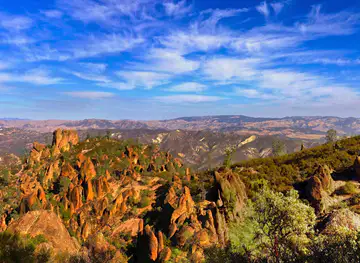
Silicon Valley's attractions range from technology and science institutions to historic buildings, university collections and open landscapes. The Computer History Museum in Mountain View provides a substantial account of computing's development, while San Jose's museums and cultural venues give the region a broader civic and artistic context. The Winchester Mystery House presents the elaborate Victorian home of Sarah Winchester, and Mission Santa Clara de Asis connects the city of Santa Clara with California's mission period. Stanford University offers architecture, landscaped grounds and public cultural institutions in Palo Alto, though visitors should remember that it remains an operating campus. For outdoor experiences, trails in the Santa Cruz Mountains and Diablo Range lead through oak woodland, grassland and chaparral, while Alviso and the Don Edwards San Francisco Bay National Wildlife Refuge reveal tidal wetlands and important bird habitat. The attraction landscape is defined by contrast: high-density research and business districts stand within reach of bay marshes, orchards, historic settlements and steep regional preserves.
-
Amusement park
Santa Cruz Beach Boardwalk
Experience classic California fun at the Santa Cruz Beach Boardwalk: Thrilling rides, nostalgic games, beachfront charm, and unforgettable memories await at this iconic seaside amusement park.
-
Fishing pier
Santa Cruz Wharf
Discover the vibrant Santa Cruz Wharf, a fishing pier filled with fresh seafood, scenic views, and fun-filled activities along California's stunning coastline.
-
Historical place museum
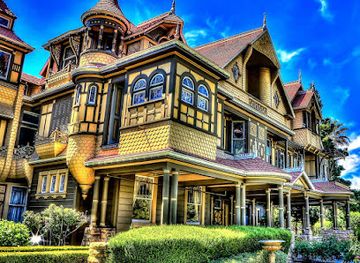
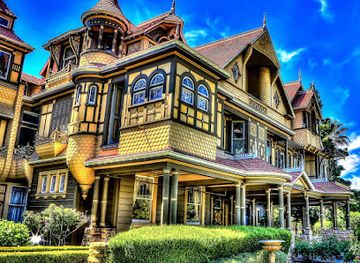
Winchester Mystery House
Discover the architectural wonders and ghostly tales of the Winchester Mystery House, a historical marvel in San Jose, California.
-
Amusement park
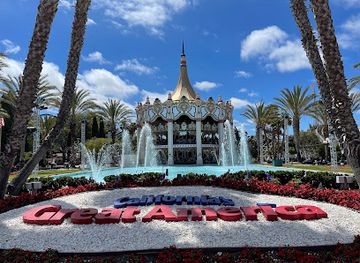
California's Great America
Experience thrilling rides, entertaining shows, and family-friendly attractions at California's Great America, the ultimate amusement park in Santa Clara, California.


Best landmarks in Silicon Valley
The most recognisable landmarks reflect several distinct eras. Mission Santa Clara de Asis, on the Santa Clara University campus, represents the area's Spanish colonial and Catholic history, although the present church is a later reconstruction associated with the mission's continuing legacy. Stanford University's Main Quad, Memorial Church and surrounding sandstone architecture form a defining ensemble in Palo Alto, while the Hoover Tower is a prominent visual marker on the campus. In Cupertino, Apple Park is an influential piece of contemporary corporate architecture, but its principal campus is a working private facility and public access is limited. San Jose's historic buildings include the Winchester Mystery House, the former residence whose unusual construction history has made it an emblem of the city, and the Peralta Adobe, one of the oldest surviving structures in the city's historic district. At the region's edges, the Santa Cruz Mountains, Diablo Range and the tidal wetlands of south San Francisco Bay serve as natural landmarks, showing how sharply Silicon Valley's built environment meets older geological and ecological landscapes.
-
Historical place museum
Winchester Mystery House
Explore the enigmatic Winchester Mystery House in San Jose: a Victorian mansion filled with architectural oddities, intriguing history, and captivating mysteries waiting to be unraveled.
-
State park
Henry Cowell Redwoods State Park
Discover ancient redwood groves, diverse ecosystems, and outdoor adventures in the heart of the Santa Cruz Mountains at Henry Cowell Redwoods State Park, a natural escape for all.
-
State park
Big Basin Redwoods State Park
Explore the towering redwoods and tranquil beauty of Big Basin Redwoods State Park, an iconic Californian destination for nature lovers and adventurers.
-
Park
Del Valle Regional Park
Explore the natural beauty of Del Valle Regional Park, a serene escape in Livermore, California, perfect for outdoor activities and family fun.


Explore Silicon Valley on the map
Plan your trip on one map. See where the top cities, national parks and sights are, and book hotels and experiences in a few clicks.
Best hotels in Silicon Valley
Best restaurants in Silicon Valley
Dining is one of Silicon Valley's strongest expressions of its international population and agricultural past. San Jose and the surrounding valley are particularly rewarding for Vietnamese, Mexican, Indian, Chinese, Korean, Japanese and Filipino food, with specialist bakeries, noodle shops, taquerias, family-run restaurants and contemporary kitchens sitting alongside Californian cafés. Santa Clara and San Jose have long-established Vietnamese communities, while the peninsula and university areas offer a wide range of casual dining, coffee shops and restaurants shaped by students, researchers and technology workers. Farmers' markets provide seasonal fruit, vegetables, baked goods and prepared food, recalling the Santa Clara Valley's former orchard economy. Menus often combine Californian produce with global techniques rather than following a single regional cuisine. Local breweries, wine lists drawing on wider Northern California and Middle Eastern, South Asian and East Asian sweets add further variety. Reservations are sensible for sought-after restaurants, but the region's most distinctive meals are often found in informal neighbourhood settings.
-
New American
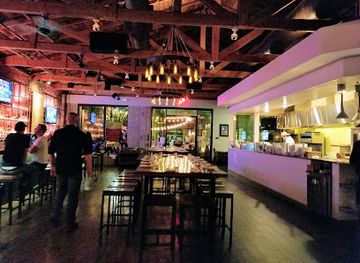
Yard House
Discover the flavors of New American cuisine at Yard House in San Jose's Santana Row—where great food meets vibrant atmosphere.
-
Restaurant
Eureka! Mountain View
Discover Eureka! Mountain View - where local flavors meet vibrant ambiance in Silicon Valley's culinary scene.
-
Steak
Henry's World Famous Hi-Life
Discover mouthwatering steaks and barbecue at Henry's World Famous Hi-Life in San Jose - a must-visit for food enthusiasts.
-
American
The Table
Experience innovative American cuisine at The Table in Willow Glen - where fresh ingredients meet creative flair for an unforgettable dining experience.


Best bars in Silicon Valley
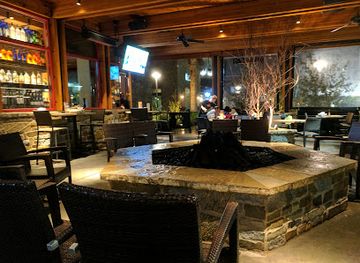
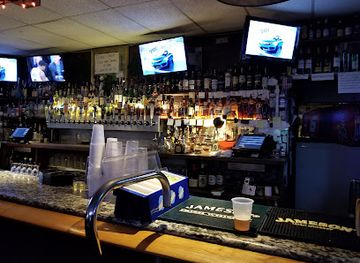
Silicon Valley's evening culture is concentrated in downtown San Jose, Palo Alto, Mountain View, Santa Clara and selected commercial districts rather than spread evenly across the valley. San Jose offers the broadest mix of cocktail bars, breweries, live music, theatre-related venues and late-night restaurants, while Palo Alto and Mountain View have established clusters of pubs, wine bars and restaurants serving university and technology communities. Santa Clara and Sunnyvale provide further casual bars and dining, though much of their activity is neighbourhood-oriented rather than club-led. Breweries and taprooms are popular meeting places, and sports, concerts and conventions can make San Jose busier on particular evenings. Nightclubs exist, but the region is not defined by a single large club district; many visitors spend evenings dining, attending a performance, visiting a brewery or meeting in a hotel or restaurant bar. Opening arrangements and admission policies vary, so check current details before travelling.
-
Bar
San Pedro Square Market Bar
Discover the lively atmosphere of San Pedro Square Market Bar, where rustic charm meets a vibrant social scene in San Jose.
-
American
Lazy Dog Restaurant & Bar
Experience the best of American cuisine in a cozy, pet-friendly atmosphere at Lazy Dog Restaurant & Bar in Cupertino.
-
Bar
Yard House
Discover Yard House in Santana Row - A vibrant gastropub offering an extensive beer selection and diverse American cuisine in a lively atmosphere.
-
Sports bar
Sports Page
Discover the ultimate sports bar experience at Sports Page in Mountain View, CA, featuring live music, delicious food, and a vibrant atmosphere.

Best nightclubs in Silicon Valley
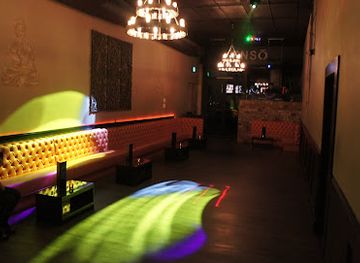
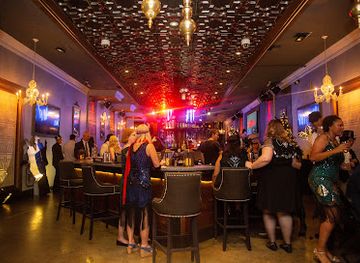
Silicon Valley's evening culture is concentrated in downtown San Jose, Palo Alto, Mountain View, Santa Clara and selected commercial districts rather than spread evenly across the valley. San Jose offers the broadest mix of cocktail bars, breweries, live music, theatre-related venues and late-night restaurants, while Palo Alto and Mountain View have established clusters of pubs, wine bars and restaurants serving university and technology communities. Santa Clara and Sunnyvale provide further casual bars and dining, though much of their activity is neighbourhood-oriented rather than club-led. Breweries and taprooms are popular meeting places, and sports, concerts and conventions can make San Jose busier on particular evenings. Nightclubs exist, but the region is not defined by a single large club district; many visitors spend evenings dining, attending a performance, visiting a brewery or meeting in a hotel or restaurant bar. Opening arrangements and admission policies vary, so check current details before travelling.
-
Night club
ENSO Bar & Nightclub
Experience the vibrant nightlife at ENSO Bar & Nightclub, featuring live music, dance, and a lively atmosphere in Central San Jose.
-
Night club
Opal By Arena
Discover the vibrant nightlife at Opal By Arena in Mountain View, where dancing, cocktails, and celebrations come alive in a dazzling atmosphere.
-
Karaoke bar
Red Stag Lounge
Discover the vibrant karaoke scene at Red Stag Lounge in San Jose, where music and camaraderie come together for an unforgettable night out.
-
Bar
Saddle Room Bar
Discover Saddle Room Bar in Redwood City, where a laid-back atmosphere and a diverse drink menu await you for a memorable night out.


Best shops in Silicon Valley
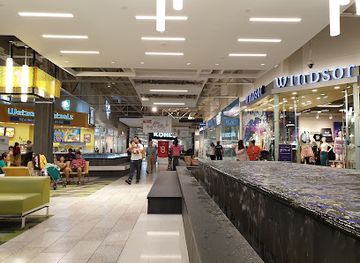
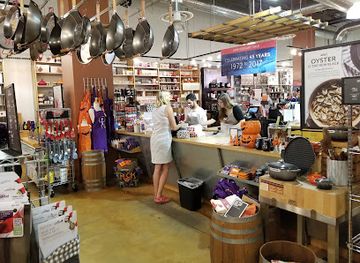
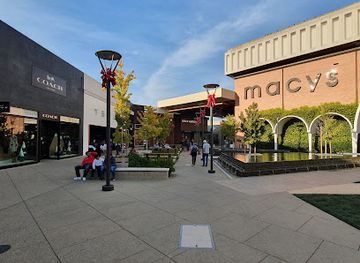
Shopping in Silicon Valley is varied rather than concentrated in one traditional centre. San Jose's downtown and historic districts offer independent retailers, galleries, bookstores, cafés and specialist food shops, while Santana Row and Westfield Valley Fair in the San Jose–Santa Clara area provide a large-scale mix of fashion, restaurants and contemporary retail. Palo Alto's University Avenue has an upscale, urban shopping and dining character linked to Stanford and the peninsula, and downtown Mountain View combines independent businesses with cafés and restaurants. Ethnic commercial districts, particularly in San Jose and Santa Clara, are valuable for Asian groceries, bakeries, cookware, sweets, beauty products and specialist ingredients. Farmers' markets are useful for Californian fruit, vegetables, flowers and prepared foods, although schedules vary by community. Regional gifts may include local coffee, confectionery, wine from the wider Santa Clara Valley area, artisan goods and technology-themed merchandise. Visitors seeking crafts, antiques or gallery work should explore historic neighbourhoods and smaller downtowns rather than expecting every shopping centre to represent local culture.
-
Shopping mall
Great Mall
Discover a shopping haven at Great Mall, Milpitas, featuring over 200 stores, dining options, and entertainment for an unforgettable experience.
-
Shopping mall
Santana Row
Explore Santana Row in San Jose: A vibrant shopping and dining hub with luxury boutiques, diverse eateries, and a lively atmosphere.
-
Gift shop
Westfield Valley Fair
Discover Westfield Valley Fair, a premier shopping destination in Santa Clara offering diverse stores, dining options, and entertainment for every visitor.
-
Shopping mall
Stanford Shopping Center
Experience luxury shopping and delightful dining at the Stanford Shopping Center, a top destination in Palo Alto, California.

Get your free copy of our complete guide to Silicon Valley, delivered straight to you.
Everything on this page, from attractions and restaurants to essentials and local phrases, in one PDF you can read offline, print or share.
Already have an account? Sign in
Your Silicon Valley guide is ready.
We'll send it to · Not you? Sign out

Getting your guide ready…
We are putting together a fresh copy of the Silicon Valley guide. This can take up to a minute.
This can take a few moments. If your browser asks, choose Allow so the download can start. You'll find the guide in your Downloads folder.
Nothing happened? Download it again
Sorry, the guide is taking longer than usual. Please try again in a minute, or get it by email instead.
Silicon Valley essentials
Currency and Payment
Safety
Emergency Situations
Do's and Don'ts
Local Tips
From Eve
Local phrases worth knowing
You don't need to get them perfect. A few words go a long way, and locals appreciate the effort.
Basics
| English | Local | Say it |
|---|---|---|
| Hello | Hey! | [Hey!] |
| Goodbye | Later! | [Later!] |
| Yes | Totally! | [Toh-tuh-lee!] |
| No | Nah | [Nah] |
| Please/You're welcome | No worries! | [No wor-rees!] |
| Thank you | Thanks! | [Thanks!] |
| Excuse me/Sorry | My bad | [My bad] |
| How are you? | How's it going? | [How's it goin'?] |
| Fine. And you? | Doing good, you? | [Doin' good, you?] |
| Do you speak English? | Do you speak English? | [Do you speak English?] |
| I don't understand | I'm not following | [I'm not followin'] |
Eating & Drinking
| English | Local | Say it |
|---|---|---|
| I'd like to see the menu, please | Can I check out the menu? | [Can I check out the menu?] |
| I don't eat meat | I'm plant-based | [I'm plant-based] |
| Cheers! | Cheers! | [Cheers!] |
| I would like to pay, please | Can I get the check? | [Can I get the check?] |
Emergencies
| English | Local | Say it |
|---|---|---|
| Help! | Help! | [Help!] |
| Go away! | Please back off! | [Please back off!] |
| Call the Police! | Call 911! | [Call nine-one-one!] |
| Call a doctor! | I need a doctor! | [I need a doctor!] |
| I'm lost | I’m totally lost | [I’m totally lost] |
| I'm ill | I'm not feeling well | [I'm not feelin' well] |
Shopping
| English | Local | Say it |
|---|---|---|
| I'd like to buy... | I want to grab... | [I wanna grab...] |
| I'm just looking | Just browsing, thanks! | [Just browsing, thanks!] |
| How much is it? | What's the price? | [What's the price?] |
| That's too expensive | That's a bit steep | [That's a bit steep] |
| Can you lower the price? | Can you do a better deal? | [Can you do a better deal?] |
Time & Numbers
| English | Local | Say it |
|---|---|---|
| What time is it? | What time is it? | [What time is it?] |
| It's one o'clock | It's 1 PM | [It's one PM] |
| Half past (10) | 10:30 | [Ten thirty] |
| Morning | Morning | [Morning] |
| Afternoon | Afternoon | [Afternoon] |
| Evening | Evening | [Evening] |
| Yesterday | Yesterday | [Yesterday] |
| Today | Today | [Today] |
| Tomorrow | Tomorrow | [Tomorrow] |
| 1 | One | [One] |
| 2 | Two | [Two] |
| 3 | Three | [Three] |
| 4 | Four | [Four] |
| 5 | Five | [Five] |
| 6 | Six | [Six] |
| 7 | Seven | [Seven] |
| 8 | Eight | [Eight] |
| 9 | Nine | [Nine] |
| 10 | Ten | [Ten] |
Transport & Directions
| English | Local | Say it |
|---|---|---|
| Where's a/the...? | Where's the nearest...? | [Where's the nearest...?] |
| What's the address? | What's the address? | [What's the address?] |
| Can you show me (on the map)? | Can you point it out on the map? | [Can you point it out on the map?] |
| When's the next (bus)? | When's the next bus? | [When's the next bus?] |
| A ticket (to ....) | A ticket to...please | [A ticket to...please] |
History of Silicon Valley
Ohlone Homelands and Indigenous Landscapes
Before European settlement, the Santa Clara Valley and the adjacent bay margins were inhabited by Ohlone peoples, including communities whose lives were connected to seasonal resources in grasslands, oak woodlands, creeks, marshes and the bay. Their knowledge of local plants, animals and waterways shaped the landscape long before the modern technology corridor emerged. Spanish, Mexican and later American development disrupted Indigenous communities through missions, land grants, disease and dispossession. Visitors should understand that surviving place names and museum interpretations represent only part of a much longer Indigenous history.
Spanish Mission and Mexican Rancho Eras
Spanish colonisation reached the valley in the late eighteenth century, and Mission Santa Clara de Asis was established in 1777 before moving to its present area. The mission system drew Indigenous people into an unequal colonial structure and transformed patterns of land use, religion and settlement. After Mexican independence, the region became part of Mexico, and large ranchos replaced much of the mission's surrounding authority. The legacy of this period remains visible in Mission Santa Clara, historic place names and the continued importance of Californian Spanish and Mexican cultural influences.
American Settlement and the Fruit Valley
Following the United States' acquisition of California in the nineteenth century, American settlement expanded rapidly through farming, land speculation and new transport links. The Santa Clara Valley became renowned for orchards, especially apricots, prunes, cherries and other fruit, while San Jose developed as a commercial centre. Canneries and packing houses created an industrial economy connected to national markets, and seasonal agricultural labour brought together communities from different backgrounds. The valley's former orchard landscape is now largely urbanised, but heritage buildings, museums and surviving trees recall the agricultural foundation on which later industries were built.
Stanford University and the Research Tradition
Stanford University opened in 1891 on land associated with the Stanford family, following the death of Leland Stanford Jr. Its establishment gave the region an enduring centre for higher education, scientific research and public culture. In the twentieth century, Stanford's laboratories and faculty relationships with emerging companies helped create an unusually close connection between academic research and commercial enterprise. The campus and its surrounding institutions therefore form part of Silicon Valley's historical infrastructure, not merely its contemporary scenery.
Defence Industry and the Birth of Silicon Valley
During and after the Second World War, federal defence spending brought engineering, electronics and aerospace work to the region. Companies and laboratories around Stanford and the southern peninsula developed technologies that contributed to radar, communications and computing. William Shockley established a semiconductor laboratory in Mountain View in the 1950s; several employees soon left to found Fairchild Semiconductor, whose engineers and later entrepreneurs helped establish the region's integrated-circuit industry. The expression Silicon Valley emerged from this concentration of semiconductor firms in the Santa Clara Valley.
Personal Computing, the Internet and Global Technology
From the 1970s onwards, Silicon Valley became a centre for personal computing, software, networking and eventually internet platforms. Apple, founded in the area in 1976, symbolised the shift from specialist electronics towards consumer technology, while firms across San Jose, Cupertino, Mountain View and the peninsula accelerated developments in software, semiconductors and online services. Venture capital, university research, skilled migration and company spin-offs reinforced one another. The result was rapid growth and global influence, accompanied by housing pressure, traffic, inequality and the conversion of much former agricultural land.
Silicon Valley in Photos
Browse through our photo collection highlighting the charm and character of the destination.
Neighbouring regions of Silicon Valley
The closest regions to Silicon Valley, if you have time for more than one.
-

-

-

-
-


Swipe for more regions
Explore more
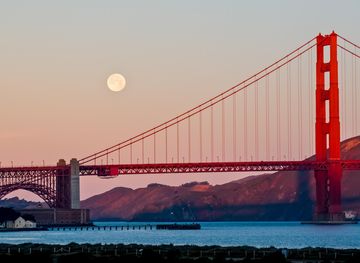
Explore more of California
Discover California: A land of diverse landscapes, iconic cities, and endless adventures, from sun-soaked beaches to towering redwoods and vibrant cultural experiences.
Explore California