Background

MacArthur Park: An Urban Oasis with a Storied Past

Discover MacArthur Park in Los Angeles: a historic urban oasis offering a vibrant mix of culture, recreation, and community, reflecting the city's diverse spirit and enduring charm.

3.6

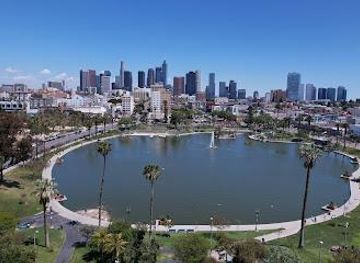
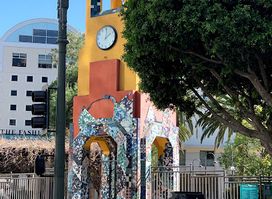
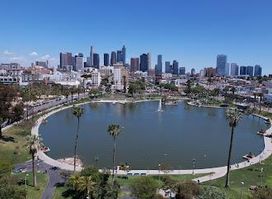
MacArthur Park, a historic urban park in Los Angeles's Westlake neighborhood, offers a vibrant mix of recreation, culture, and history. Originally named Westlake Park in the late 19th century, it was later renamed in honor of General Douglas MacArthur. The park features a large lake, fed by natural springs, which is a focal point for visitors. Divided by Wilshire Boulevard, the park's southern section is dominated by the lake, while the northern part includes an amphitheater, soccer fields, and a children's playground. Despite facing challenges over the years, including periods of neglect and safety concerns, MacArthur Park has undergone revitalization efforts and remains a significant community hub, hosting events, providing green space, and showcasing public art. It's a place where the city's diverse communities converge, making it a unique and ever-evolving landmark in the heart of Los Angeles.

A brief summary to MacArthur Park

  • Monday 5 am-10:30 pm
  • Tuesday 5 am-10:30 pm
  • Wednesday 5 am-10:30 pm
  • Thursday 5 am-10:30 pm
  • Friday 5 am-10:30 pm
  • Saturday 5 am-10:30 pm
  • Sunday 5 am-10:30 pm

Local tips

  • Attend a free concert at the Levitt Pavilion during the summer months for a lively and engaging cultural experience.
  • Take a stroll around the lake to enjoy the scenery and observe the diverse wildlife, including ducks and other birds.
  • Visit the park during the day to experience its vibrant atmosphere and engage with the local community.
widget icon

Getting There

  • Public Transport

    The most convenient way to reach MacArthur Park is via the Metro B and D Lines, disembarking at the Westlake/MacArthur Park Station. This station is directly across the street from the park. From the station, follow the signs to the park entrance. A single Metro fare is $1.75, which includes two hours of free transfers. TAP cards are required and can be purchased at vending machines within the station.

  • Bus

    Several bus lines serve the area around MacArthur Park, including Metro Bus lines 2, 20, 603, and 720. Check the Metro website or app for the most up-to-date routes and schedules. Alight at a stop along Wilshire Boulevard or Alvarado Street near the park. The bus fare is $1.75, payable with a TAP card.

  • Taxi/Ride-Share

    Taxis and ride-sharing services like Uber and Lyft are readily available throughout Los Angeles. A ride from Downtown Los Angeles to MacArthur Park typically costs between $13 and $17, depending on traffic and demand.

  • Driving

    If driving, be aware that parking near MacArthur Park can be challenging. Metered street parking is available on surrounding streets, typically costing $2 for 2 hours. Several parking garages are also located within walking distance, with rates ranging from $9 for 2 hours. Check for parking availability and rates on apps like SpotAngels or ParkWhiz. Be mindful of street sweeping schedules and parking restrictions.

Unlock the Best of MacArthur Park

Buy tickets

    No tickets available

Book tours with entry

    No tours available

Book tours without entry

    No tours available

Discover more about MacArthur Park

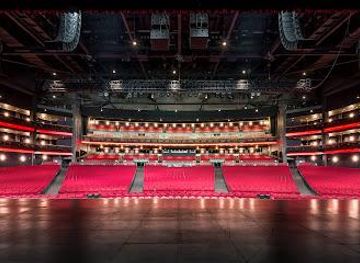
MacArthur Park, located in the Westlake neighborhood of Los Angeles, is a testament to the city's evolving history and its enduring need for green spaces. Originally established in the late 19th century as Westlake Park, it quickly became a popular destination for recreation and relaxation. The park's name was changed in 1942 to honor General Douglas MacArthur, a move influenced by newspaper magnate William Randolph Hearst. In its early days, Westlake Park was a carefully designed landscape featuring a large lake, lush gardens, and various recreational facilities. The lake, fed by natural springs, provided opportunities for boating and other water activities. The surrounding gardens were meticulously maintained, offering a tranquil escape from the growing urban environment. Over time, the park became a social hub, attracting visitors from all walks of life. However, the 20th century brought significant changes to MacArthur Park. The extension of Wilshire Boulevard in 1934 bisected the park, dividing the lake and altering its original design. This division had a lasting impact on the park's character and functionality. The northern section of the park gradually transitioned into a more active recreation area, with the addition of an amphitheater, soccer fields, and a children's playground. Despite these changes, MacArthur Park continued to serve as an important community gathering place. The Levitt Pavilion, opened in 2007, hosts free music and entertainment events, drawing large crowds and fostering a sense of community. The park's diverse user base reflects the multicultural character of the surrounding neighborhood, with families, students, and seniors all finding space to relax and connect. In recent decades, MacArthur Park has faced numerous challenges, including periods of neglect, safety concerns, and homelessness. These issues have led to a decline in the park's overall condition and a perception of it as an unsafe environment. However, the city of Los Angeles has undertaken various revitalization efforts to address these problems. These efforts have included increased security patrols, infrastructure improvements, and community outreach programs. The goal is to restore MacArthur Park to its former glory as a safe, clean, and vibrant public space. While progress has been made, challenges remain, and ongoing efforts are needed to ensure the park's long-term sustainability. MacArthur Park is more than just a green space; it is a reflection of Los Angeles's complex history and its diverse communities. From its origins as a carefully designed Victorian park to its current status as a dynamic urban oasis, MacArthur Park has played a significant role in the city's social and cultural fabric. Its story is one of transformation, resilience, and the ongoing effort to create a welcoming and inclusive public space for all. Visiting MacArthur Park today offers a glimpse into the past and a vision for the future. The lake remains a central feature, providing a tranquil setting for reflection and recreation. The surrounding landscape is a mix of old and new, with historic structures alongside modern amenities. The park's public art installations add a layer of cultural richness, reflecting the diverse perspectives and experiences of the community. While MacArthur Park may not be as pristine or manicured as some other urban parks, it possesses a unique character and charm. Its imperfections tell a story of urban life, of challenges overcome, and of the enduring power of community. It is a place where the city's past and present converge, creating a vibrant and ever-evolving public space. For those seeking an authentic Los Angeles experience, MacArthur Park is a must-see destination. It is a place to relax, to connect with others, and to appreciate the city's rich history and diverse culture. Whether you are strolling around the lake, attending a concert at the Levitt Pavilion, or simply people-watching, MacArthur Park offers a unique and unforgettable experience. Despite past safety concerns, recent efforts have led to a reduction in crime and increased safety in the park. Increased police presence, community outreach programs, and infrastructure improvements have contributed to a more secure environment for visitors. However, it is always advisable to exercise caution and be aware of your surroundings, especially during evening hours. MacArthur Park's location in the heart of Los Angeles makes it easily accessible by public transportation. The Westlake/MacArthur Park Metro station provides convenient access to the park via the B and D Lines. Numerous bus routes also serve the area, making it easy to reach the park from various parts of the city. In conclusion, MacArthur Park is a dynamic and ever-evolving urban oasis that reflects the complex history and diverse communities of Los Angeles. Despite facing challenges over the years, the park has remained a significant community hub, offering a mix of recreation, culture, and history. With ongoing revitalization efforts and a renewed focus on safety, MacArthur Park is poised to continue serving as a vital public space for generations to come.

Popular Experiences near MacArthur Park

Popular Hotels near MacArthur Park

Select Currency