

Wells Fargo Museum, Los Angeles County Travel Guide
Explore the legacy of Wells Fargo in shaping California's Gold Rush era and the American West, showcasing stagecoaches, gold, and pioneering stories. A tribute to history and innovation.
Step back in time at the Wells Fargo Museum in Los Angeles, a captivating tribute to the company's pivotal role in shaping California's history and the American West. Delve into the thrilling era of the Gold Rush, where Wells Fargo established itself as a vital link for transporting valuables and providing essential banking services to burgeoning communities. Discover exhibits showcasing original stagecoaches, gold specimens, and artifacts from the Pony Express, offering a tangible connection to the pioneering spirit of the 19th century. Explore interactive displays that bring to life the challenges and triumphs of early settlers, miners, and entrepreneurs. Despite its closure, the museum's legacy endures, offering a unique window into a transformative period in American history. The museum provided a fascinating and free experience for visitors of all ages, making it a worthwhile destination for those seeking a deeper understanding of the region's rich heritage. While the physical location is no longer accessible, its memory remains an important part of Los Angeles' cultural landscape.
A brief summary to Wells Fargo Museum
- 333 S Grand Ave, Los Angeles, Financial District, California, 90071, US
- Click to display
- Click to display

Know before you go
Hi, I'm Eve. Here are a few practical things to know before exploring Wells Fargo Museum.
- Check for online resources or virtual tours related to the Wells Fargo Museum collection, as some artifacts may be available for viewing digitally.
- Explore other historical sites and museums in downtown Los Angeles to complement your understanding of the region's history.
- Consider visiting the Wells Fargo Museum in San Francisco (if open) for a broader perspective on the company's history.
Do you manage this location?
Take control to get all the benefits, like improved information, better appearance, and stronger visibility across AI-powered discovery. Learn more about listing your business on Evendo
Activate your presenceOther nearby places you may find interesting
The closest places of the same kind, if this one is not quite what you had in mind.
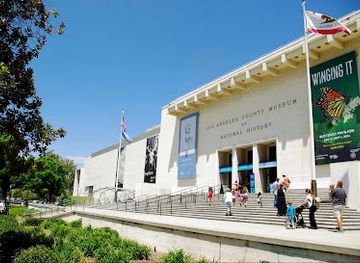
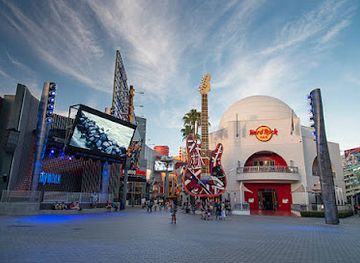

Explore Wells Fargo Museum on the Map
A handpicked selection of must-see spots near Wells Fargo Museum, mapped for you.
Unlock the Best of Wells Fargo Museum
Buy tickets
-
No tickets available
Book tours with entry
-
No tours available
Book tours without entry

Getting There
-
Public Transport
For those arriving via public transport, the Metro Rail is a convenient option. Take the A Line or E Line to the Grand Ave Arts/Bunker Hill Station. From the station, walk south along Grand Avenue for a few blocks. The Wells Fargo Center, where the museum was located, will be on your right. A single Metro fare is $1.75, and TAP cards can be purchased and reloaded at the station.
-
Taxi/Ride-Share
If arriving by taxi or ride-sharing service (Uber/Lyft), simply provide the address 333 S Grand Ave, Los Angeles, CA 90071 as your destination. Be aware that traffic in downtown Los Angeles can be heavy, especially during peak hours. A short taxi ride within downtown might cost approximately $10-$15, depending on traffic and distance.
-
Driving
If driving, be aware that parking in downtown Los Angeles can be expensive and limited. Several parking garages are located near the Wells Fargo Center, including the Wells Fargo Center Garage itself (entrances on Hope Street). Parking rates typically range from $15-$45 for a few hours, depending on the garage and time of day. Consider using parking apps like SpotHero or ParkChirp to find and reserve parking in advance.
-
Walking
If you are already in the downtown area, walking is a viable option. From Pershing Square, walk south on Hill Street, then turn right onto 4th Street and left onto Grand Avenue. The Wells Fargo Center will be on your right. From the Walt Disney Concert Hall, walk south on Grand Avenue. The Wells Fargo Center will be a few blocks down on your left.
Discover more about Wells Fargo Museum













Your all‑in‑one travel companion app
Explore expert travel guides, compare and book tours, experiences, hotels, and more—all from the palm of your hand. Download now for seamless trip planning wherever your wanderlust takes you.


Explore More of Los Angeles County
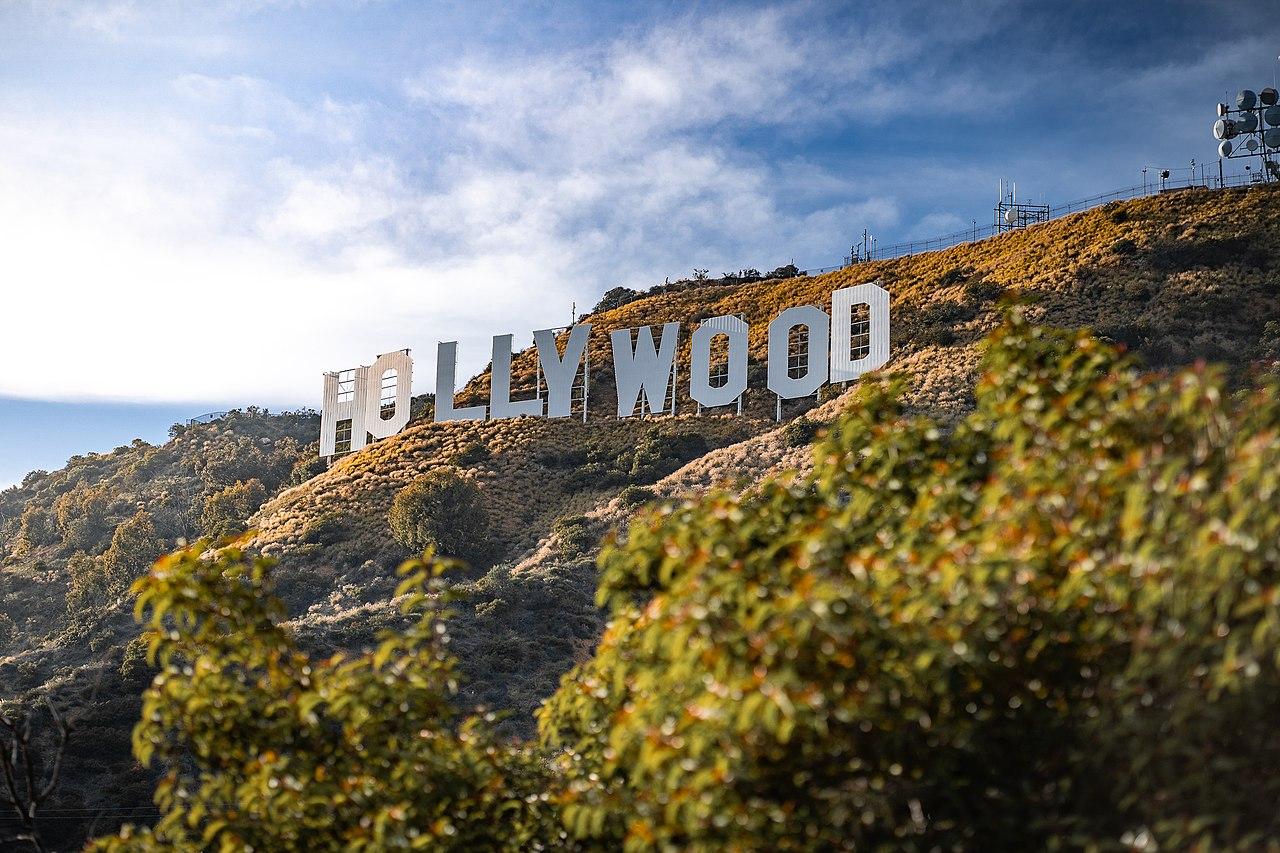
Looking beyond Wells Fargo Museum? Discover Los Angeles County for broader travel guides, local hot-spots, and regional highlights.
Explore Los Angeles County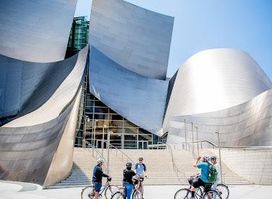
Experience the vibrant culture of Los Angeles through guided bike tours that unveil the city’s history, art, and hidden gems on two wheels.
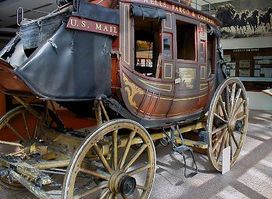
Discover the captivating history of Wells Fargo and the American West at Los Angeles' Wells Fargo Museum, a must-visit for history lovers.
