

Computer History Museum, Mountain View Travel Guide
Explore the digital revolution at the Computer History Museum in Mountain View, California, and discover the stories, artifacts, and visionaries that shaped our modern world.
The Computer History Museum in Mountain View, California, offers an immersive journey through the evolution of computing, from ancient tools to modern marvels. Explore interactive exhibits showcasing groundbreaking innovations, rare artifacts, and the stories of the visionaries who shaped the digital world. Discover the roots of the internet, explore early video games, and witness the transformation of technology's impact on society. Whether you're a tech enthusiast or simply curious about the digital age, the museum provides a captivating and educational experience for all ages. With its extensive collection and engaging displays, the Computer History Museum is a must-see destination for anyone interested in understanding the past, present, and future of computing.
A brief summary to Computer History Museum
- 1401 N Shoreline Blvd, Mountain View, California, 94043, US
- Click to display
- Click to display
- Wednesday 10 am-5 pm
- Thursday 10 am-5 pm
- Friday 10 am-5 pm
- Saturday 10 am-5 pm
- Sunday 10 am-5 pm

Know before you go
Hi, I'm Eve. Here are a few practical things to know before exploring Computer History Museum.
- Check the museum's website for demonstration times of the IBM 1401 and PDP-1 computers to witness these historic systems in action.
- Download the museum's free app for guided tours and additional information about the exhibits.
- Consider visiting on a weekday to avoid weekend crowds.
- Take advantage of the free parking available at the museum.
- Explore the museum's online resources, including virtual exhibits and oral histories, to extend your learning experience.
Do you manage this location?
Take control to get all the benefits, like improved information, better appearance, and stronger visibility across AI-powered discovery. Learn more about listing your business on Evendo
Activate your presenceOther nearby places you may find interesting
The closest places of the same kind, if this one is not quite what you had in mind.

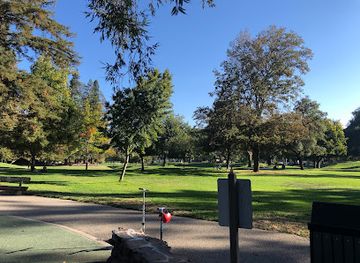
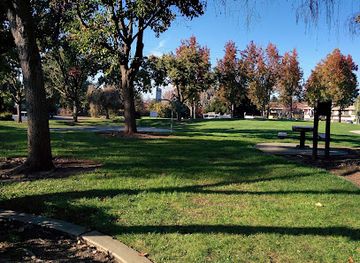

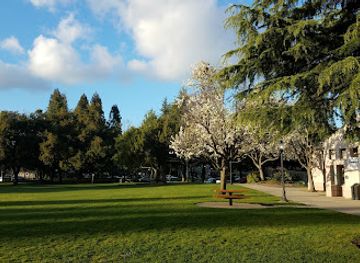
Explore Computer History Museum on the Map
A handpicked selection of must-see spots near Computer History Museum, mapped for you.
Unlock the Best of Computer History Museum
Buy tickets
-
No tickets available
Book tours with entry


Getting There
-
Public Transport
From the Mountain View Caltrain station, take the VTA bus line 40 towards the Shoreline & Pear Avenue stop. The bus departs hourly and the ride takes approximately 6 minutes. From the bus stop, the museum is a short walk away. A single ride on the VTA bus costs $2.50.
-
Taxi/Ride-Share
From the Mountain View Caltrain station, a taxi or ride-sharing service (Uber/Lyft) to the Computer History Museum takes approximately 5 minutes, costing between $10 and $15, depending on traffic and demand.
-
Walking
From the Mountain View Caltrain station, it is approximately a 1.6-mile walk to the Computer History Museum, taking around 30 minutes. Walk north on Castro Street, turn left onto Evelyn Avenue, then turn right onto Shoreline Boulevard. The museum will be on your right.
-
Driving
From Highway 101, take the Shoreline Boulevard exit. If coming from the south, turn right onto Shoreline Boulevard; if coming from the north, turn left. The Computer History Museum will be on your right. Free parking is available at the museum.
Discover more about Computer History Museum
More to explore near Computer History Museum













Your all‑in‑one travel companion app
Explore expert travel guides, compare and book tours, experiences, hotels, and more—all from the palm of your hand. Download now for seamless trip planning wherever your wanderlust takes you.


Explore More of Mountain View
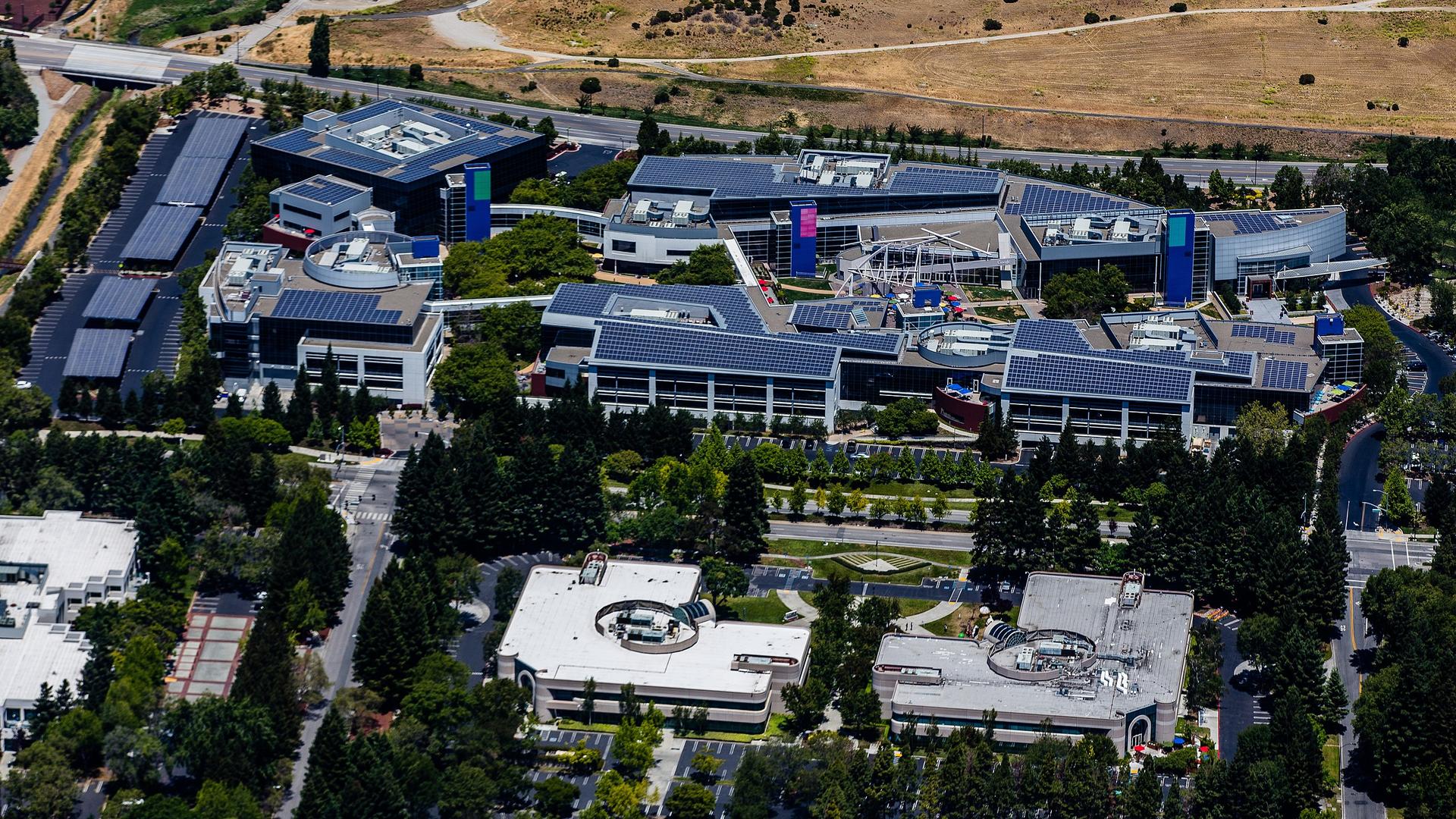
Looking beyond Computer History Museum? Discover Mountain View for broader travel guides, local hot-spots, and regional highlights.
Explore Mountain View
Explore the wonders of space and aviation at NASA Ames Research Center in Silicon Valley, where innovation meets inspiration and the future of exploration takes flight.
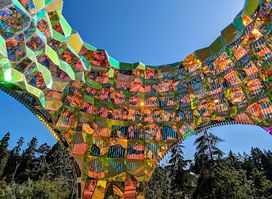
Discover Halo, a mesmerizing fusion of art and technology in Mountain View's public space, offering a unique visual experience.
