Background

Stanford University: A Legacy of Innovation and Learning

Explore Stanford University, a world-renowned center for innovation and learning in the heart of Silicon Valley, with stunning architecture and a vibrant academic atmosphere.

4.7

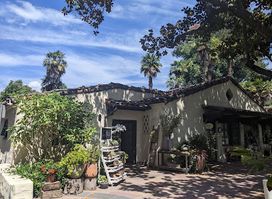
Stanford University, a world-renowned institution in the heart of Silicon Valley, welcomes visitors to explore its sprawling campus and experience its vibrant academic atmosphere. Founded in 1885 by Leland and Jane Stanford as a memorial to their son, the university blends stunning architecture with cutting-edge research facilities. Wander through the historic Main Quad, admire the intricate mosaics of Memorial Church, and discover the diverse collections at the Cantor Arts Center, home to an impressive Rodin Sculpture Garden. With its commitment to innovation and its beautiful surroundings, Stanford offers a unique glimpse into the future of education and technology. Whether you're drawn to its academic prestige, architectural beauty, or cultural offerings, Stanford provides an enriching experience for all.

A brief summary to Stanford University

Local tips

  • Take a guided walking tour from the Visitor Center to learn about Stanford's history and see key landmarks.
  • Visit the Cantor Arts Center and Rodin Sculpture Garden for free access to world-class art.
  • Climb Hoover Tower for panoramic views of the campus and Silicon Valley (small fee applies).
  • Explore the Arizona Cactus Garden for a unique display of desert flora.
  • Check the Stanford Live schedule for music, dance, and theater performances.
widget icon

Getting There

  • Public Transport

    For those arriving via Caltrain, disembark at the Palo Alto station. From there, the free Stanford Marguerite Shuttle provides frequent service to various points on campus, including the Oval and the main quad. Several VTA (Santa Clara Valley Transportation Authority) bus lines also connect the Palo Alto Transit Center to Stanford. Check the Marguerite Shuttle schedule for specific routes and times. The ride is free.

  • Taxi/Ride-Share

    From downtown Palo Alto or the Caltrain station, a taxi or ride-share service (Uber/Lyft) provides a convenient way to reach Stanford. The trip typically takes 5-10 minutes, depending on traffic and your specific destination on campus. Expect to pay around $10-$15 for the ride. Be sure to specify your destination building or landmark for accurate drop-off.

  • Driving

    If driving, approach Stanford via El Camino Real or Sand Hill Road. Parking on campus is available in designated visitor lots, but can be limited, especially during peak hours. Hourly rates are typically $1.50 per hour, payable at kiosks within the lots via credit card, cash, or coins. One-day visitor permits can be purchased for $16 at the Parking & Transportation Services office at 340 Bonair Siding. Parking is generally free after 4:00 PM and on weekends, except in 24-hour enforced areas.

Unlock the Best of Stanford University

Buy tickets

    No tickets available

Book tours with entry

    No tours available

Book tours without entry

    No tours available

Discover more about Stanford University

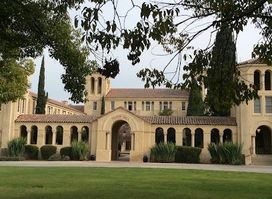
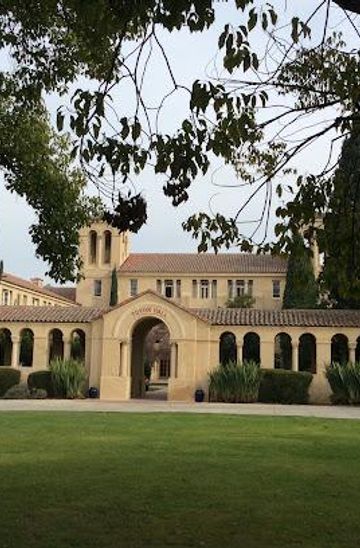
Stanford University, officially Leland Stanford Junior University, stands as a beacon of academic excellence and innovation in the heart of California's Silicon Valley. Founded in 1885 by Leland Stanford, a railroad magnate and former California Governor, and his wife, Jane, the university was established as a memorial to their only child, Leland Stanford Jr., who tragically died of typhoid fever at the age of 15. The Stanfords dedicated a vast portion of their wealth and their 8,180-acre Palo Alto stock farm to create an institution that would benefit humanity for generations to come. The university opened its doors on October 1, 1891, with a mission to provide a non-sectarian, co-educational, and affordable education that combined the traditional liberal arts with the practical skills of technology and engineering. This vision was revolutionary for its time, setting Stanford apart from its East Coast counterparts and establishing it as a pioneer in modern education. The early years were marked by financial challenges, particularly after Leland Stanford's death in 1893, but Jane Stanford's unwavering commitment ensured the university's survival and growth. The architectural design of Stanford's campus is a unique blend of Romanesque and California Mission Revival styles. Frederick Law Olmsted, the renowned landscape architect who also designed Central Park in New York City, collaborated with the Boston firm Shepley, Rutan, and Coolidge to create a campus plan characterized by open quadrangles, arcades, and red-tiled roofs. The Main Quad, the heart of the university, is a testament to this vision, with its twelve original buildings arranged around a central courtyard. Memorial Church, a stunning non-denominational chapel adorned with intricate mosaics and stained-glass windows, stands as a symbol of the Stanfords' enduring legacy. Beyond its architectural beauty, Stanford is renowned for its contributions to research and innovation. The university has been at the forefront of groundbreaking discoveries in fields ranging from medicine and engineering to computer science and the humanities. Stanford's proximity to Silicon Valley has fostered a culture of entrepreneurship, with many faculty and alumni launching successful companies that have transformed the world. The Stanford Research Park, established in 1951, was the first university-related research park and has played a pivotal role in the development of the high-tech industry. Visitors to Stanford can explore a variety of attractions and landmarks. The Cantor Arts Center, with its diverse collections spanning continents and centuries, offers free admission and features an impressive Rodin Sculpture Garden, the largest collection of Rodin bronzes outside of Paris. Hoover Tower, a 285-foot landmark, provides panoramic views of the campus and the surrounding area. The Arizona Cactus Garden, a hidden gem, showcases a unique collection of desert plants. For those interested in the performing arts, Stanford Live presents a diverse program of music, dance, and theater performances throughout the year. The university also offers guided walking tours led by student docents, providing insights into Stanford's history, architecture, and academic culture. These tours depart from the Visitor Center and offer a comprehensive overview of the campus highlights. Visitors can also explore the campus on their own, taking in the sights and sounds of this vibrant academic community. Stanford's commitment to sustainability is evident throughout the campus, with numerous green buildings, bike-friendly infrastructure, and conservation initiatives. The university's efforts to reduce its environmental impact have earned it recognition as a leader in sustainable practices. Whether you are a prospective student, an alumnus, or simply a curious traveler, Stanford University offers a rich and rewarding experience. From its stunning architecture and world-class museums to its cutting-edge research and vibrant student life, Stanford is a place where history, innovation, and beauty converge.

Popular Experiences near Stanford University

Popular Hotels near Stanford University

Select Currency