Background

Sonoma Valley History Museum: A Journey Through Time

4.3 (15)

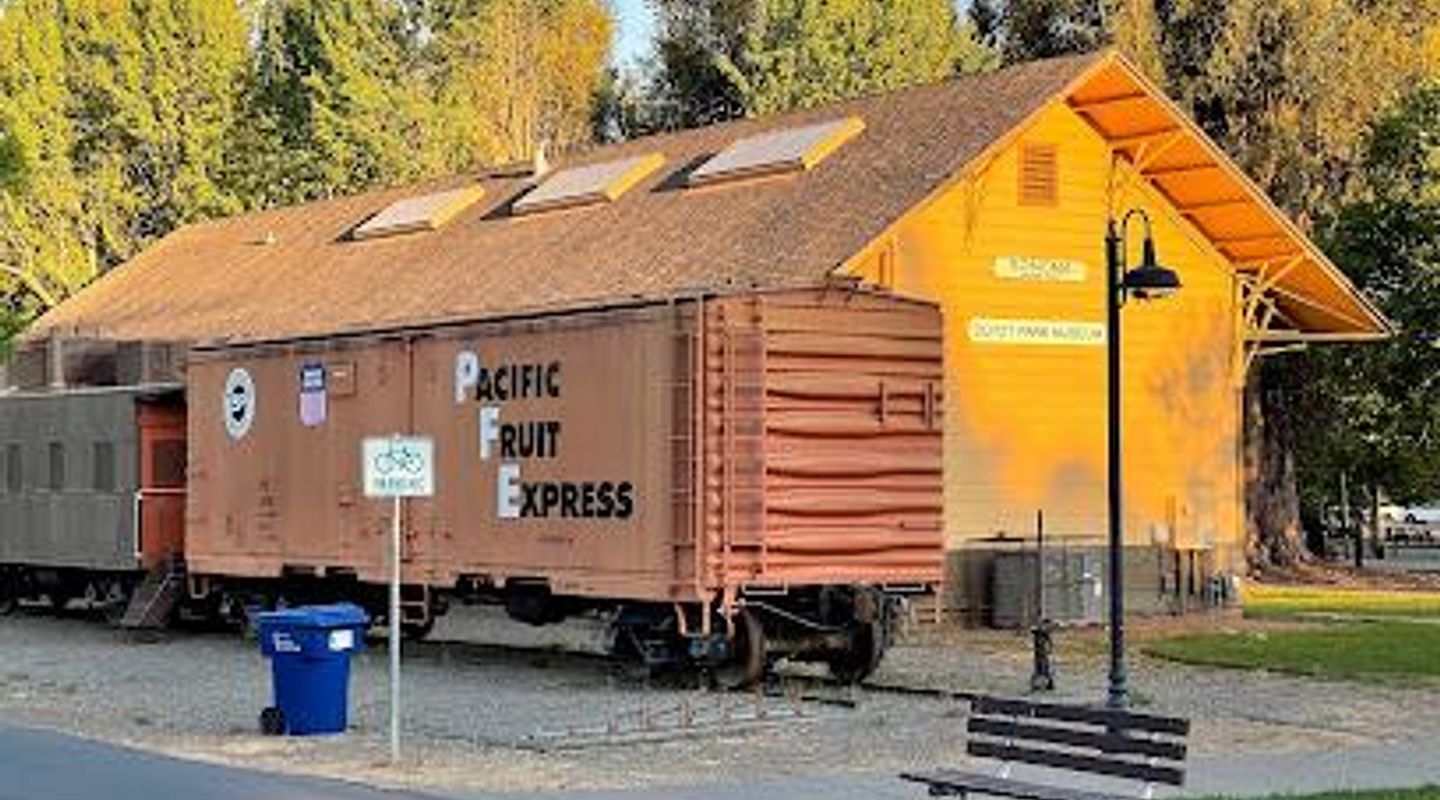
Discover Sonoma Valley's captivating past at the History Museum: exhibits from Native American life to statehood, all within a historic railroad depot in beautiful Depot Park.

The Sonoma Valley History Museum, nestled in Depot Park, offers a captivating glimpse into the region's rich past. Housed in a rebuilt historic railroad depot, the museum showcases exhibits spanning from pre-contact Native American life to post-American statehood. Visitors can explore displays featuring a Victorian-era kitchen and schoolroom, learn about the contributions of Chinese immigrants to Sonoma Valley agriculture, and discover the stories of influential figures who shaped the area. With its engaging exhibits and prime location near Sonoma Plaza, the museum provides an enriching experience for history enthusiasts of all ages. Note that the museum is currently closed for renovations and is scheduled to reopen in 2025, promising an even more immersive journey through Sonoma Valley's captivating heritage.

A brief summary to Depot Park Museum

  • Saturday 1 pm-4 pm
  • Sunday 1 pm-4 pm
Eve
From Eve

Know before you go

Hi, I'm Eve. Here are a few practical things to know before exploring Depot Park Museum.

  • Check the Sonoma Valley Historical Society's website for updates on the museum's reopening date in 2025 and any special events planned.
  • Combine your visit with a stroll or picnic in Depot Park, enjoying the playground, bocce ball courts, and scenic bike path.
  • Explore the nearby Sonoma Plaza, a National Historic Landmark, with its shops, restaurants, and historic buildings.

Do you manage this location?

Take control to get all the benefits, like improved information, better appearance, and stronger visibility across AI-powered discovery. Learn more

Activate your presence

Unlock the Best of Depot Park Museum

Buy tickets

    No tickets available

Book tours with entry

    No tours available

Book tours without entry

    No tours available

Getting There

  • Walking

    From Sonoma Plaza, walk one block north on 1st St W. The museum is located within Depot Park on your left. The walk is short and straightforward, taking approximately 5 minutes.

  • Public Transport

    Sonoma County Transit serves the area. Check the Sonoma County Transit website for the most up-to-date routes and schedules. From the nearest bus stop, walk towards Sonoma Plaza and then north on 1st St W for one block to reach Depot Park. A single ride on Sonoma County Transit costs approximately $2, but youth 18 and under ride free until June 2025.

  • Driving

    From Highway 12, follow signs to Sonoma Plaza. Once near the Plaza, head north on 1st St W. Limited street parking is available near Depot Park. Parking is free, but can be competitive, especially on weekends. Consider parking a few blocks away and walking if necessary.

Discover more about Depot Park Museum

The Sonoma Valley History Museum, located in the heart of Sonoma's Depot Park, offers visitors a fascinating journey through the region's captivating history. Housed within a meticulously rebuilt Northwestern Pacific Railroad depot, the museum serves as a portal to the past, showcasing the evolution of Sonoma Valley from its earliest inhabitants to its modern-day prominence. Stepping inside the museum is like stepping back in time. The exhibits are thoughtfully curated to provide a comprehensive overview of Sonoma Valley's rich cultural heritage. Visitors can explore displays that delve into the lives of the area's indigenous peoples, examining their traditions, customs, and relationship with the land before European contact. The museum also sheds light on the impact of Mission San Francisco Solano, the northernmost of the California missions, and its role in shaping the region's religious and cultural landscape. The Mexican Rancho period comes to life through exhibits that depict the daily lives of the early settlers, their ranching practices, and the social dynamics of the era. The influence of General Mariano Guadalupe Vallejo, a prominent figure in Sonoma's history, is also explored, highlighting his contributions to the region's development and his complex relationship with the changing political landscape. The museum dedicates significant space to the Bear Flag Revolt, a pivotal event in California's history that took place in Sonoma Plaza. Visitors can learn about the motivations behind the revolt, the key players involved, and its lasting impact on California's path to statehood. The role of the military in Sonoma's early years is also examined, providing insights into the region's strategic importance and its connection to broader historical events. Sonoma's immigrant story is another central theme of the museum's exhibits. Visitors can discover the diverse backgrounds of the people who came to Sonoma Valley from around the world, seeking new opportunities and contributing to the region's vibrant cultural mosaic. The contributions of Chinese immigrants to Sonoma Valley agriculture are given special attention, highlighting their vital role in the region's economic development. The museum also pays tribute to the individuals who shaped the valley, showcasing the artists, innovators, and influencers who left an indelible mark on Sonoma's cultural and intellectual landscape. From pioneering winemakers to visionary entrepreneurs, these figures embody the spirit of innovation and creativity that has long characterized Sonoma Valley. Exhibits dedicated to Sonoma's story of education offer a glimpse into the region's early schools and the evolution of its educational system. Visitors can learn about the challenges and triumphs of early educators and the impact of education on shaping the community's future. The museum also explores the history of resorts and recreation in Sonoma Valley, highlighting the region's appeal as a destination for leisure and relaxation. Agriculture, particularly viticulture, is a cornerstone of Sonoma Valley's identity, and the museum dedicates ample space to exploring its history. Visitors can learn about the evolution of winemaking in the region, the different grape varietals grown, and the contributions of vintners from various cultures. The exhibits also showcase the importance of agriculture beyond wine, highlighting the diverse range of crops grown in Sonoma Valley and their impact on the local economy. The museum's exhibits extend beyond the walls of the depot, with displays that explore the history of Sonoma Plaza, the heart of the town. Visitors can learn about the plaza's origins, its role as a gathering place for the community, and its significance as a site of historical events. The history of Sonoma Valley trains is also brought to life through exhibits set in the Station Master's office, complete with a working train display that delights visitors of all ages. In addition to its permanent exhibits, the Sonoma Valley History Museum hosts temporary exhibits that highlight various aspects of life in Sonoma Valley over the years. These exhibits cover a wide range of topics, including transportation, ecology, politics, recreation, the arts, events, and festivals, ensuring that there is always something new to discover. Currently closed for renovation, the Sonoma Valley History Museum is eagerly anticipating its reopening in 2025. The revitalized museum promises to offer an even more immersive and engaging experience for visitors, with updated exhibits, interactive displays, and enhanced storytelling. When it reopens, admission will be free, with donations gratefully accepted. The museum will be open on Saturdays and Sundays from 1 pm to 4 pm, providing ample opportunities for visitors to explore Sonoma Valley's captivating past.
Mobile App

Your all‑in‑one travel companion app

Explore expert travel guides, compare and book tours, experiences, hotels, and more—all from the palm of your hand. Download now for seamless trip planning wherever your wanderlust takes you.


More about Wine Country

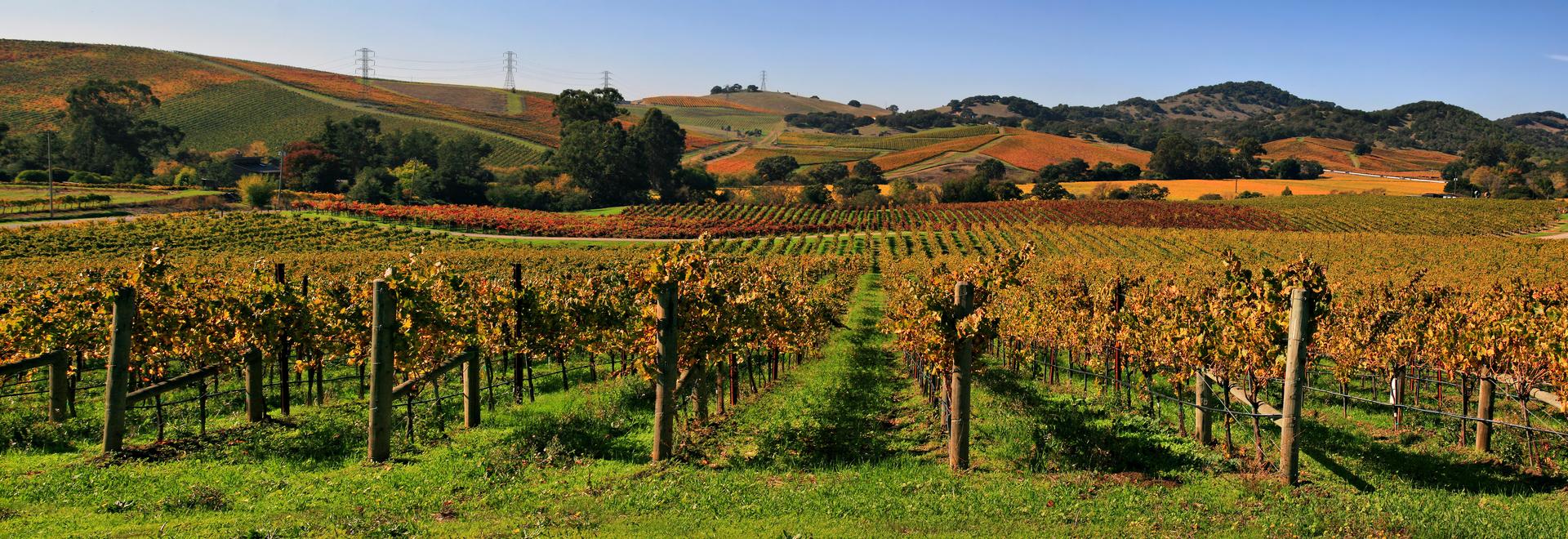
File:Vineyards in Napa Valley 7.jpg - Wikimedia Commons

Discover California's Wine Country: A Serene Escape with World-Class Wineries, Gourmet Dining, and Breathtaking Landscapes.

Tell me more about Wine Country

Select Currency