

Wine Country, California Travel Guide
Discover California's Wine Country: A Serene Escape with World-Class Wineries, Gourmet Dining, and Breathtaking Landscapes.
California's Wine Country is a captivating destination where rolling vineyards meet picturesque landscapes. With over 400 wineries spread across Napa Valley, Sonoma, and other regions, it is a paradise for wine lovers and those seeking a serene escape from the hustle and bustle of city life. The region's Mediterranean climate is perfect for grape growing, producing some of the world's finest wines. From boutique wineries to grand estates, each vineyard offers a unique experience. Wine tastings, guided tours, and vineyard walks provide visitors with an intimate look at the wine-making process. Alongside the wine, the region boasts gourmet dining, often featuring farm-to-table cuisine that pairs perfectly with the local vintages. Apart from wine, the area is rich in history and culture. Charming towns and villages dot the landscape, offering artisanal shops, galleries, and museums. Outdoor enthusiasts will enjoy the numerous hiking and biking trails that weave through the vineyards and forests. Whether you're a wine connoisseur or just looking for a relaxing getaway, California's Wine Country promises an unforgettable experience.

Know before you go
Hi, I'm Eve. Here are a few practical things to know before exploring Wine Country.
- Rent a bike to explore the vineyards at your own pace and enjoy the scenic beauty up close.
- Visit during the harvest season (August to October) for a chance to see the grape picking and wine-making process.
- Make reservations for wine tastings in advance, especially at popular wineries.
- Try the local cuisine in small towns like Healdsburg or St. Helena for an authentic culinary experience.
- Take a hot air balloon ride for a unique perspective of the vineyards and rolling hills.
Top City Travel Guides in Wine Country
The cities of Wine Country, and the easiest places to base yourself.


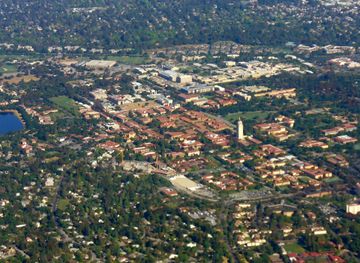

Destinations in Wine Country
Resorts, valleys and scenic spots worth a trip of their own.


Explore Wine Country: Things to Do, Places to Eat, Hotels & More
Handpicked recommendations for top attractions, local dining, accommodations, and more

Top Attractions & Sightseeing in Wine Country
Top-rated picks
Best Attractions

Six Flags Discovery Kingdom
Experience thrilling rides and amazing animal encounters at Northern California's premier theme park and marine park destination.

Sonoma Plaza
Discover Sonoma Plaza: California's largest historic plaza, surrounded by landmarks, tasting rooms, and community spirit in the heart of wine country.

Sonoma Raceway
Experience the thrill of motorsports at Sonoma Raceway, Northern California's premier racing destination in the heart of wine country.

Castello di Amorosa
Experience a taste of 13th-century Tuscany in Napa Valley at Castello di Amorosa, an authentically built castle winery offering tours, tastings, and unforgettable events.

Best landmarks in Wine Country
Top-rated picks
Best Landmarks

Welcome to Napa Valley Sign (South)
Discover the beauty and charm of Napa Valley at the iconic Welcome to Napa Valley Sign, a must-visit for every traveler in this renowned wine region.

Bouchaine Vineyards
Discover the essence of Napa Valley at Bouchaine Vineyards, where exquisite wines and breathtaking views await every visitor.

General Vallejo's Home
Explore the meticulously preserved 1852 estate of General Mariano Guadalupe Vallejo, a pivotal figure in California's history, at Sonoma's Lachryma Montis.

Sonoma Barracks
Discover the Sonoma Barracks, a historic site that illustrates California's rich heritage and offers picturesque views and engaging exhibits.

Best restaurants in Wine Country
Top-rated picks
Best Restaurants

Russian River Brewing Company
Legendary craft beers and fresh-made food in downtown Santa Rosa's iconic brewpub destination.

Bottega Napa Valley
Discover bold Italian artistry in Napa Valley at Bottega, where Michael Chiarello's legacy shines through house-made pastas, farm-fresh flavors, and historic charm paired with world-class wines.

Lagunitas Brewing Company
Discover hoppy innovation at Lagunitas Brewing Company in Petaluma: fresh craft beers, hearty pub eats, live tunes, and tours in a dog-friendly taproom haven.

Marin French Cheese Co.
Oldest U.S. cheese maker since 1865: Tastings, picnics by the pond, and artisan brie in West Marin's scenic embrace—a foodie haven at wine country's edge.

Best bars in Wine Country
Top-rated picks
Best Bars

Bounty Hunter Wine Bar & Smokin' BBQ
Explore the culinary delights of Napa at Bounty Hunter Wine Bar & Smokin' BBQ, where exceptional wines meet mouth-watering barbecue in a vibrant setting.

Napkins Bar and Grill
Savor the best of American cuisine and fresh seafood in a vibrant setting at Napkins Bar and Grill, Napa's culinary gem.

Hop Creek Pub
Experience the best of Napa dining at Hop Creek Pub, where local flavors meet a relaxed gastropub atmosphere for the perfect culinary adventure.

Napa Palisades Saloon
Discover Napa Palisades Saloon - a vibrant gastropub offering gourmet comfort food and craft beers in the heart of Napa Valley.

Best nightclubs in Wine Country
Top-rated picks
Best Nightclubs

Blue Note Napa
Discover the vibrant energy of Blue Note Napa, a premier live music venue offering an unforgettable blend of gourmet dining and captivating performances.

Sky & Vine Rooftop Bar
Experience breathtaking views and exquisite local flavors at Sky & Vine Rooftop Bar, Napa's premier destination for wine and cocktails.

Cadet Wine & Beer Bar
Discover the vibrant ambiance of Cadet Wine & Beer Bar, where exceptional wines and craft beers meet a cozy atmosphere in the heart of Napa Valley.

Cornerstone Sonoma
Explore the artful blend of nature, wine, and creativity at Cornerstone Sonoma, your perfect getaway in California's wine country.

Best shops in Wine Country
Top-rated picks
Best Shops

Vacaville Premium Outlets
Discover unbeatable deals at Vacaville Premium Outlets, where top brands meet incredible prices in a vibrant shopping atmosphere.

Oxbow Public Market
Experience the flavors of Napa at Oxbow Public Market, a bustling hub of local food artisans and unique shopping.

Napa Premium Outlets
Discover unbeatable deals on designer brands at Napa Premium Outlets, where shopping meets the charm of Napa Valley’s scenic beauty.

Safeway
Explore the best of Napa's culinary delights at Safeway, featuring fresh produce, local specialties, and organic selections for every taste.

Explore Wine Country on the Map
A handpicked selection of must-see spots in Wine Country, mapped for you.
Wine Country Essentials
-
Wine Country in California is easily accessible from several major cities. The nearest major airports are San Francisco International Airport (SFO), Oakland International Airport (OAK), and Sacramento International Airport (SMF). From these airports, you can rent a car, take a shuttle, or use ride-sharing services to reach the heart of Wine Country. Alternatively, Amtrak offers train services to Napa Valley and Sonoma from various locations in California.
-
While in Wine Country, renting a car is the most convenient option for exploring the region. However, there are other transportation options as well. Napa Valley offers the Napa Valley Wine Train, which provides a scenic and luxurious way to tour the vineyards. Local taxis and ride-sharing services like Uber and Lyft are also available. For a more eco-friendly option, consider renting a bike or joining a guided bike tour to explore the wineries and countryside.
-
The official currency in the United States is the US Dollar (USD). Credit and debit cards are widely accepted in Wine Country, including at most wineries, restaurants, and hotels. However, it's a good idea to carry some cash for smaller establishments, farmers' markets, and tipping. ATMs are readily available in towns like Napa and Sonoma.
-
Wine Country is generally a safe destination for tourists. However, it's always wise to take standard precautions. Avoid leaving valuables in your car, especially in visible locations. Certain areas in larger towns, like Santa Rosa, may have higher crime rates, so it's best to stay vigilant, especially at night. Stick to well-populated and well-lit areas, and always lock your car and accommodations.
-
In case of emergency, dial 911 for immediate assistance. There are several hospitals and urgent care facilities in the region, including Queen of the Valley Medical Center in Napa and Sonoma Valley Hospital. Pharmacies are also widely available for minor health issues. It's advisable to carry travel insurance that covers medical emergencies.
-
Fashion: Do dress in layers, as temperatures can vary throughout the day. Casual and comfortable attire is generally acceptable, but avoid overly casual clothing when dining at upscale restaurants. Religion: Do respect local customs and traditions, especially if you visit historical churches or missions. Public Transport: Do use public transport responsibly and respect fellow passengers. Ride-sharing services are a popular option for getting around. Greetings: Do greet people with a smile and a friendly 'hello.' Californians are generally informal, so a handshake is usually sufficient. Eating & Drinking: Do try the local wines and cuisine. Don't drink excessively at wineries; it's best to pace yourself and drink plenty of water.
-
To experience Wine Country like a local, visit during the off-peak seasons (spring and fall) to avoid the crowds and enjoy more personalized winery experiences. Take the time to explore smaller, family-owned wineries for unique tastings and stories. Engage with the winemakers and staff; they are often passionate about sharing their knowledge. Don't miss the local farmers' markets, where you can find fresh produce, artisanal products, and interact with local vendors. Additionally, take advantage of the stunning natural scenery by hiking or biking through the vineyards and countryside.
When is the best time to visit Wine Country?
Useful Local Phrases for Wine Country
You don't need to speak the language perfectly. Even learning a few simple words can make conversations warmer—and locals usually appreciate the effort.
— Eve

Here are the phrases I use most often in Wine Country. Try a few—you'll be surprised how far they go! 😊
❤️
-
- HelloHey there
[Hey thair] - GoodbyeSee ya
[See yah] - YesYep
[Yep] - NoNah
[Nah] - Please/You're welcomeSure thing
[Shur thing] - Thank youThanks a lot
[Thanks a lot] - Excuse me/SorryPardon me
[Pardon mee] - How are you?How's it going?
[How's it goin'?] - Fine. And you?Good. You?
[Gooood. You?] - Do you speak English?Do you speak English?
[Do you speak English?] - I don't understandI don’t get it
[I don’t get it]
- HelloHey there
-
- I'd like to see the menu, pleaseCan I see the menu?
[Can I see the menu?] - I don't eat meatI’m vegetarian
[I’m vegetarian] - Cheers!Cheers!
[Cheers!] - I would like to pay, pleaseCan I get the check?
[Can I get the check?]
- I'd like to see the menu, pleaseCan I see the menu?
-
- Help!Help!
[Help!] - Go away!Leave me alone!
[Leave me alone!] - Call the Police!Call the cops!
[Call the cops!] - Call a doctor!Get a doctor!
[Get a doctor!] - I'm lostI’m lost
[I’m lost] - I'm illI don’t feel well
[I don’t feel well]
- Help!Help!
-
- I'd like to buy...I want to buy...
[I want to buy...] - I'm just lookingJust browsing, thanks
[Just browsing, thanks] - How much is it?What’s the price?
[What’s the price?] - That's too expensiveThat’s a bit pricey
[That’s a bit pricey] - Can you lower the price?Can you give me a better deal?
[Can you give me a better deal?]
- I'd like to buy...I want to buy...
-
- What time is it?What time is it?
[What time is it?] - It's one o'clockIt's one
[It's one] - Half past (10)Half past ten
[Half past ten] - MorningMorning
[Morning] - AfternoonAfternoon
[Afternoon] - EveningEvening
[Evening] - YesterdayYesterday
[Yesterday] - TodayToday
[Today] - TomorrowTomorrow
[Tomorrow] - 1One
[One] - 2Two
[Two] - 3Three
[Three] - 4Four
[Four] - 5Five
[Five] - 6Six
[Six] - 7Seven
[Seven] - 8Eight
[Eight] - 9Nine
[Nine] - 10Ten
[Ten]
- What time is it?What time is it?
-
- Where's a/the...?Where's the nearest...?
[Where's the nearest...?] - What's the address?What’s the address?
[What’s the address?] - Can you show me (on the map)?Can you point it out?
[Can you point it out?] - When's the next (bus)?When’s the next bus?
[When’s the next bus?] - A ticket (to ....)One ticket to ...
[One ticket to ...]
- Where's a/the...?Where's the nearest...?
History of Wine Country
-
Long before the first European settlers arrived, the land that is now California's Wine Country was home to various Native American tribes, including the Pomo, Wappo, and Miwok. These tribes lived in harmony with the land, utilizing the rich soil and diverse ecosystem for their sustenance. They practiced intricate farming techniques and had a deep understanding of the local flora and fauna.
-
In the late 18th century, Spanish missionaries began to establish missions throughout California. In 1779, Father Junípero Serra founded Mission San Francisco Solano, the northernmost mission, in Sonoma. The missionaries brought European agricultural practices, including viticulture, planting the first grapevines in the region. These early vineyards laid the groundwork for the future wine industry.
-
The California Gold Rush of 1849 brought an influx of settlers to the region, dramatically increasing the population and demand for agricultural products. During this period, pioneers like Agoston Haraszthy, often called the 'Father of California Viticulture,' began experimenting with grape growing. Haraszthy founded Buena Vista Winery in Sonoma in 1857, one of the oldest commercial wineries in California.
-
The Prohibition era (1920-1933) had a devastating impact on the wine industry in California. Many wineries were forced to close or pivot to producing sacramental wine, grape juice, or other legal products. After Prohibition was repealed, the industry faced the daunting task of rebuilding. Pioneers like the Mondavi family played a crucial role in the revival and modernization of California wine production.
-
One of the most significant events in the history of Wine Country was the Judgment of Paris in 1976. In this historic blind tasting, California wines were pitted against French wines, and to the surprise of many, California wines won top honors in both the red and white wine categories. This event catapulted Napa Valley and Sonoma County onto the world stage, establishing them as premier wine regions.
-
Today, Wine Country is known not only for its world-class wines but also for its commitment to sustainability and innovation. Many wineries have adopted organic and biodynamic farming practices, aiming to preserve the land for future generations. The region is also at the forefront of wine tourism, offering visitors a diverse array of experiences, from vineyard tours and tastings to culinary delights and luxury accommodations.
Neighbouring Regions of Wine Country
The closest regions to Wine Country, if you have time for more than one.
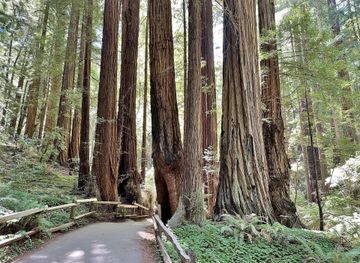


Your all‑in‑one travel companion app
Explore expert travel guides, compare and book tours, experiences, hotels, and more—all from the palm of your hand. Download now for seamless trip planning wherever your wanderlust takes you.


Explore More of California
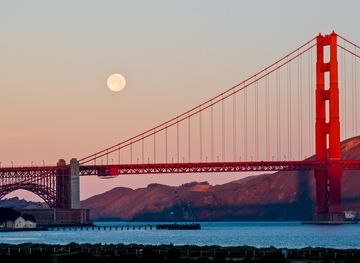
Looking beyond Wine Country? Discover California for broader travel guides, local hot-spots, and regional highlights.
Explore CaliforniaWine Country in Photos
Browse through our photo collection highlighting the charm and character of the destination.

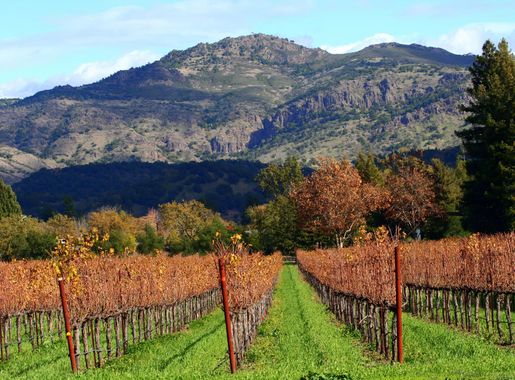


The Enchanting Vineyards of California's Wine Country
California's Wine Country is a captivating destination where rolling vineyards meet picturesque landscapes. With over 400 wineries spread across Napa Valley, Sonoma, and other regions, it is a paradise for wine lovers and those seeking a serene escape from the hustle and bustle of city life. The region's Mediterranean climate is perfect for grape growing, producing some of the world's finest wines. From boutique wineries to grand estates, each vineyard offers a unique experience. Wine tastings, guided tours, and vineyard walks provide visitors with an intimate look at the wine-making process. Alongside the wine, the region boasts gourmet dining, often featuring farm-to-table cuisine that pairs perfectly with the local vintages. Apart from wine, the area is rich in history and culture. Charming towns and villages dot the landscape, offering artisanal shops, galleries, and museums. Outdoor enthusiasts will enjoy the numerous hiking and biking trails that weave through the vineyards and forests. Whether you're a wine connoisseur or just looking for a relaxing getaway, California's Wine Country promises an unforgettable experience.