

Old Las Palmas (Palm Springs) Travel Guide - Free
Explore Old Las Palmas in Palm Springs with Evendo's free guide. Find the best shops, historic streets, restaurants, and gems on web or mobile.


Old Las Palmas in Palm Springs pairs historic estates, desert-modernist architecture, mountain views and quiet streets near downtown’s dining and culture.
Desert Estates and Palm Springs History
Old Las Palmas occupies a leafy residential pocket immediately north of central Palm Springs, where broad streets, mature palms and low desert light frame some of the city’s most important historic homes. Its character is more private and architectural than commercial: visitors come to appreciate the streetscape, mountain outlooks and succession of houses that chart Palm Springs’ transformation from seasonal resort to modernist design centre. The neighbourhood’s name recalls Las Palmas, an early Palm Springs subdivision associated with irrigated palms and large residential lots.Read more about Old Las Palmas
Architecture and Celebrity Associations
Living Neighbourhood Near Downtown
Best attractions in Old Las Palmas
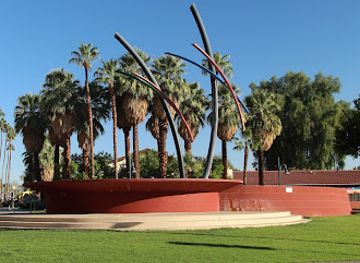
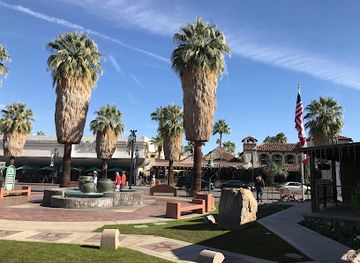
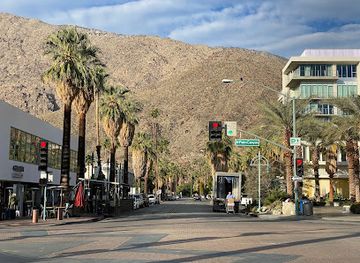
Old Las Palmas is itself the principal attraction: a walk through its broad residential streets reveals an unusually concentrated sequence of Palm Springs houses, from Spanish-influenced villas and ranch residences to celebrated examples of post-war desert modernism. The Kaufmann House is the best-known architectural reference point, although it is privately owned and should be viewed only from public areas. Mature palms, irrigated gardens, mountain-facing axes and carefully composed walls make the streetscape rewarding even where there is no public entrance. The neighbourhood’s position beside Palm Canyon Drive also makes it a useful starting point for visiting downtown galleries, the Palm Springs Art Museum and other central attractions nearby, rather than inside Old Las Palmas itself. Architecture enthusiasts can extend the walk towards adjacent historic areas, but should check boundaries and avoid describing neighbouring districts as part of Old Las Palmas.
-
Tourist attraction
Robolights
Experience the dazzling world of Robolights in Palm Springs: a unique art installation featuring robots, aliens, and holiday scenes crafted from recycled materials and millions of lights.
15 min walk · 1.2 km from neighbourhood centre
-
Park
Frances Stevens Park
Escape to tranquility in the heart of Palm Springs at Frances Stevens Park, a lush oasis for relaxation and community events.
10 min walk · 0.8 km from neighbourhood centre
-
Historical place museum
Agua Caliente Cultural Museum
Explore the vibrant culture and history of the Agua Caliente Band of Cahuilla Indians in the heart of Palm Springs.
19 min walk · 1.5 km from neighbourhood centre

Best landmarks in Old Las Palmas
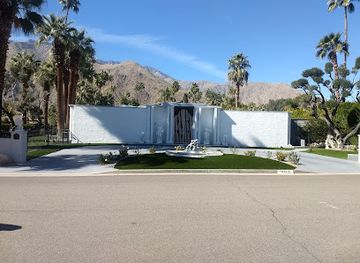
The Kaufmann House is Old Las Palmas’ defining architectural landmark, a Richard Neutra residence commissioned for Edgar J. Kaufmann and widely recognised for its rigorous relationship between interior space, garden and mountain landscape. It is a private home, not a conventional visitor attraction. Elsewhere in the neighbourhood, the important landmarks are less often civic monuments than architecturally notable residences, mature palms, garden walls and carefully preserved mid-century compositions visible from public streets. Earlier Spanish Colonial Revival and ranch-era houses add historical depth to the later modernist work, showing how Palm Springs’ residential design changed over time. Palm Canyon Drive forms the practical commercial edge, while the San Jacinto Mountains provide the larger natural landmark that gives the streets their dramatic orientation; neither should be confused with a building located inside Old Las Palmas.
-
Historical landmark
Walk of the Stars Palm Springs
Discover the glamour of Hollywood at the Walk of the Stars in Palm Springs, a tribute to entertainment legends and a vibrant tourist attraction.
5 min drive · 1.6 km from neighbourhood centre
-
Historical landmark
Liberace House
Explore the Liberace House in Palm Springs, a historical landmark showcasing the flamboyant legacy of America's beloved entertainer with stunning architecture and rich history.
7 min walk · 0.6 km from neighbourhood centre
-
Historical place
Cornelia White House
Discover the historical beauty of the Cornelia White House in Downtown Palm Springs, a captivating landmark steeped in early 20th-century charm.
6 min drive · 1.9 km from neighbourhood centre
-
Historical place
House of Miguel
Explore the House of Miguel, a historic gem in Downtown Palm Springs that showcases the rich cultural heritage and stunning architecture of the region.
5 min drive · 1.8 km from neighbourhood centre

Explore Old Las Palmas on the map
A handpicked selection of must-see spots in Old Las Palmas, mapped for you.
Best hotels in Old Las Palmas
Best restaurants in Old Las Palmas
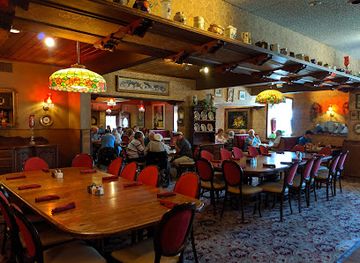
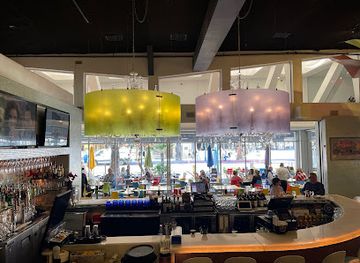
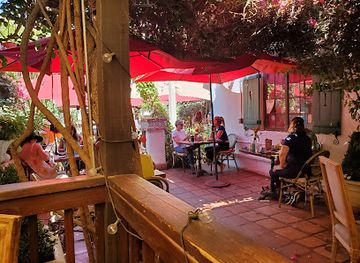
Old Las Palmas is predominantly residential and does not function as a restaurant quarter, so its dining options are concentrated along nearby Palm Canyon Drive and in central Palm Springs rather than on its quieter interior streets. Within a short journey are cafés, bakeries, hotel restaurants, contemporary Californian cooking, Mexican food and other internationally influenced choices, while the downtown area provides the broadest concentration of tables and evening dining. The neighbourhood’s contribution to the food experience is largely atmospheric: an early walk through palm-lined streets can be paired with breakfast or coffee near the commercial edge, followed by dinner beyond the residential boundary. Visitors should check the exact address of a recommended venue, since Palm Canyon Drive extends through several areas and nearby restaurants are not necessarily located in Old Las Palmas itself.
-
American
Billy Reed's Palm Springs
Discover delicious American cuisine at Billy Reed's Palm Springs - where breakfast dreams come true amid stunning desert views.
12 min walk · 0.9 km from neighbourhood centre
-
Restaurant
Lulu California Bistro
Experience the vibrant flavors of Californian cuisine at Lulu California Bistro in Downtown Palm Springs – where every meal is a celebration.
6 min drive · 1.8 km from neighbourhood centre
-
Provençal
Farm
Discover authentic Provençal flavors in Downtown Palm Springs at this charming brunch restaurant, perfect for food enthusiasts and casual diners alike.
5 min drive · 1.7 km from neighbourhood centre
-
Restaurant
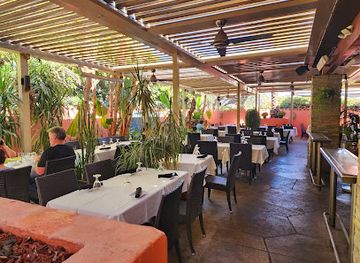
The Tropicale Palm Springs
Discover vibrant dining at The Tropicale in Palm Springs—where delicious cuisine meets lively atmosphere for an unforgettable culinary experience.
15 min walk · 1.2 km from neighbourhood centre
Best bars in Old Las Palmas
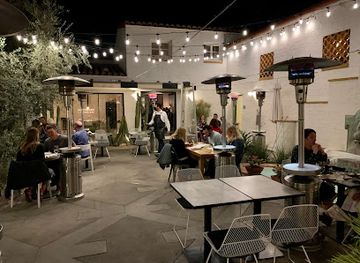
Old Las Palmas has little nightlife of its own because it is a quiet residential neighbourhood rather than an entertainment strip. Evening activity is more visible along nearby Palm Canyon Drive and in downtown Palm Springs, where visitors find hotel bars, cocktail lounges, casual drinking spots, live entertainment and restaurants that remain active after dark. The contrast is part of the area’s character: a short distance from the commercial centre, the streets of Old Las Palmas become subdued, with private gardens and houses replacing brightly lit venues. Visitors walking back should remain considerate of residents, use visible routes and avoid treating private properties as part of the nightlife experience. Exact venues, performances and opening arrangements change, so current information should be checked before making evening plans.
-
Bar
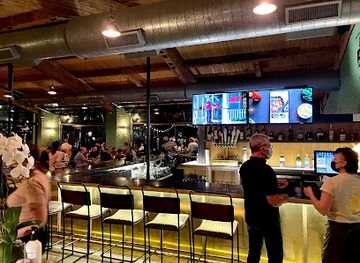
Workshop Kitchen & Bar
Indulge in the vibrant culinary scene of Palm Springs at Workshop Kitchen & Bar, where innovation meets exquisite New American dining.
5 min walk · 0.4 km from neighbourhood centre
-
Bar
The Tonga Hut Restaurant and Tiki Bar
Discover a vibrant Tiki bar experience in Palm Springs, offering exotic cocktails and delicious cuisine in a lively atmosphere.
16 min walk · 1.3 km from neighbourhood centre
-
Gastropub
1501 Uptown Gastropub
Experience the best of Palm Springs dining at 1501 Uptown Gastropub, where innovative cuisine meets a vibrant atmosphere.
8 min walk · 0.6 km from neighbourhood centre
-
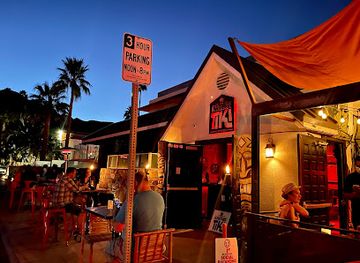
Tiki bar
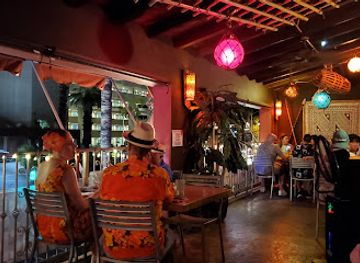
Bootlegger Tiki
Experience the vibrant Tiki culture at Bootlegger Tiki in Palm Springs, where unique cocktails and a tropical ambiance await you.
1 min walk · 0.1 km from neighbourhood centre
Best nightclubs in Old Las Palmas
Old Las Palmas has little nightlife of its own because it is a quiet residential neighbourhood rather than an entertainment strip. Evening activity is more visible along nearby Palm Canyon Drive and in downtown Palm Springs, where visitors find hotel bars, cocktail lounges, casual drinking spots, live entertainment and restaurants that remain active after dark. The contrast is part of the area’s character: a short distance from the commercial centre, the streets of Old Las Palmas become subdued, with private gardens and houses replacing brightly lit venues. Visitors walking back should remain considerate of residents, use visible routes and avoid treating private properties as part of the nightlife experience. Exact venues, performances and opening arrangements change, so current information should be checked before making evening plans.
-
Gay bar
Hunters Palm Springs
Experience the vibrant nightlife and delicious American cuisine at Hunters Palm Springs, a must-visit gay bar in the heart of Palm Springs.
5 min drive · 1.8 km from neighbourhood centre
-
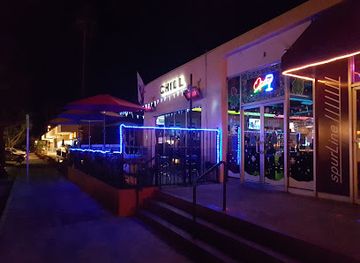
Night club
Chill Bar
Experience the vibrant nightlife at Chill Bar in Palm Springs, where cocktails, dancing, and inclusivity meet in a lively atmosphere.
6 min drive · 1.8 km from neighbourhood centre
-
Night club
Copa Nightclub
Discover the electrifying nightlife at Copa Nightclub, where top DJs, live music, and a vibrant atmosphere create unforgettable nights in Palm Springs.
15 min walk · 1.2 km from neighbourhood centre
-
Cocktail bar
The Alibi
Experience the vibrant cocktail culture and lively music scene at The Alibi in Downtown Palm Springs, a must-visit destination for nightlife enthusiasts.
13 min walk · 1.1 km from neighbourhood centre

Best shops in Old Las Palmas
Shopping is limited inside Old Las Palmas because the area is primarily residential, with no traditional market or concentrated independent retail street at its core. Visitors generally head to nearby Palm Canyon Drive and central Palm Springs for galleries, design-led boutiques, clothing, jewellery, books, gifts and specialist shops. The strongest connection between shopping and Old Las Palmas is architectural: design-conscious visitors often browse furniture, art and decorative objects elsewhere in the city after seeing the neighbourhood’s modernist houses and landscaped gardens. Downtown is close enough to combine with a residential architecture walk, but retail addresses should be checked carefully because the city’s commercial corridor crosses several neighbourhoods. The absence of busy storefronts within Old Las Palmas is not a deficiency to be disguised; it is an important part of its quiet, estate-like character.
-
Gift shop
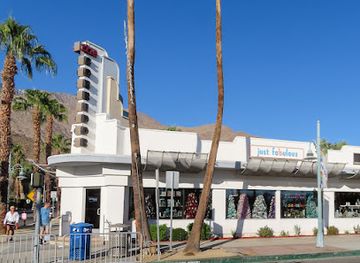
Just Fabulous Palm Springs
Explore Just Fabulous Palm Springs for unique gifts, local art, and souvenirs that encapsulate the spirit of the desert.
10 min walk · 0.8 km from neighbourhood centre
-
Women's clothing store
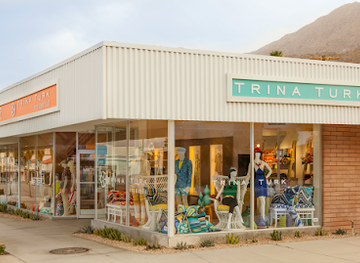
Trina Turk | Mr Turk | Palm Springs Boutique
Explore Trina Turk Boutique for vibrant clothing and accessories reflecting the essence of Palm Springs fashion.
3 min walk · 0.3 km from neighbourhood centre
-
Shopping mall
The Shops At Thirteen Forty Five
Experience the charm of The Shops At Thirteen Forty Five in Palm Springs, where unique boutiques and a vibrant shopping atmosphere await.
4 min walk · 0.3 km from neighbourhood centre
-
Vintage clothing store
Iconic Atomic
Explore the charm of vintage fashion at Iconic Atomic in Palm Springs, where unique clothing and accessories await every retro enthusiast.
1 min walk · 0.1 km from neighbourhood centre

Old Las Palmas essentials
Getting There
Getting Around
Safety
Emergency Situations
Do's and Don'ts
Local Tips

From Eve
Local phrases worth knowing
You don't need to get them perfect. A few words go a long way, and locals appreciate the effort.
Basics
| English | Local | Say it |
|---|---|---|
| Hello | Hola | [oh-lah] |
| Goodbye | Adiós | [ah-dee-ohs] |
| Yes | Sí | [see] |
| No | No | [noh] |
| Please/You're welcome | Por favor/De nada | [por fah-vor/de nah-dah] |
| Thank you | Gracias | [grah-see-ahs] |
| Excuse me/Sorry | Perdón/Lo siento | [pair-dohn/loh see-en-toh] |
| How are you? | ¿Cómo estás? | [koh-moh ehs-tahs] |
| Fine. And you? | Bien. ¿Y tú? | [bee-ehn. ee too] |
| Do you speak English? | ¿Hablas inglés? | [ah-blahs een-glays] |
| I don't understand | No entiendo | [noh ehn-tee-ehn-doh] |
Eating & Drinking
| English | Local | Say it |
|---|---|---|
| I'd like to see the menu, please | Me gustaría ver el menú, por favor | [meh goo-stah-ree-ah vehr ehl meh-noo, por fah-vor] |
| I don't eat meat | No como carne | [noh koh-moh kahr-neh] |
| Cheers! | ¡Salud! | [sah-loohd] |
| I would like to pay, please | Me gustaría pagar, por favor | [meh goo-stah-ree-ah pah-gahr, por fah-vor] |
Emergencies
| English | Local | Say it |
|---|---|---|
| Help! | ¡Ayuda! | [ah-yoo-dah] |
| Go away! | ¡Vete! | [veh-teh] |
| Call the Police! | ¡Llama a la Policía! | [yah-mah ah lah poh-lee-see-ah] |
| Call a doctor! | ¡Llama a un médico! | [yah-mah ah oon meh-dee-koh] |
| I'm lost | Estoy perdido | [ehs-toy pair-dee-doh] |
| I'm ill | Estoy enfermo | [ehs-toy ehn-fehr-moh] |
Shopping
| English | Local | Say it |
|---|---|---|
| I'd like to buy... | Quisiera comprar... | [kee-see-eh-rah kohm-prahr] |
| I'm just looking | Sólo estoy mirando | [soh-loh ehs-toy mee-rahn-doh] |
| How much is it? | ¿Cuánto cuesta? | [kwahn-toh kwehs-tah] |
| That's too expensive | Eso es demasiado caro | [eh-soh ehs deh-mah-see-ah-doh kah-roh] |
| Can you lower the price? | ¿Puede bajar el precio? | [pweh-deh bah-hahr ehl preh-see-oh] |
Time & Numbers
| English | Local | Say it |
|---|---|---|
| What time is it? | ¿Qué hora es? | [keh oh-rah ehs] |
| It's one o'clock | Es la una | [ehs lah oo-nah] |
| Half past (10) | Media (10) | [meh-dee-ah (deez)] |
| Morning | Mañana | [mah-nyah-nah] |
| Afternoon | Tarde | [tahr-deh] |
| Evening | Noche | [noh-cheh] |
| Yesterday | Ayer | [ah-yehr] |
| Today | Hoy | [hoy] |
| Tomorrow | Mañana | [mah-nyah-nah] |
| 1 | Uno | [oo-noh] |
| 2 | Dos | [dohs] |
| 3 | Tres | [trehs] |
| 4 | Cuatro | [kwah-troh] |
| 5 | Cinco | [seen-koh] |
| 6 | Seis | [says] |
| 7 | Siete | [syeh-teh] |
| 8 | Ocho | [oh-choh] |
| 9 | Nueve | [nweh-veh] |
| 10 | Diez | [dyehs] |
Transport & Directions
| English | Local | Say it |
|---|---|---|
| Where's a/the...? | ¿Dónde está...? | [dohn-deh ehs-tah] |
| What's the address? | ¿Cuál es la dirección? | [kwahl ehs lah dee-rehk-see-ohn] |
| Can you show me (on the map)? | ¿Puedes mostrarme (en el mapa)? | [pweh-dehs mohs-trar-meh (ehn ehl mah-pah)] |
| When's the next (bus)? | ¿Cuándo es el próximo (autobús)? | [kwan-doh ehs ehl proh-see-moh (ow-toh-boos)] |
| A ticket (to ....) | Un boleto (a ....) | [oon boh-leh-toh (ah)] |
History of Old Las Palmas
Cahuilla Land and Early Palm Springs
Old Las Palmas lies within the historic homeland of the Agua Caliente Band of Cahuilla Indians, whose communities, knowledge of desert resources and relationship with the Tahquitz and San Jacinto landscape precede the resort city by centuries. The area that later became residential Palm Springs was shaped by the oasis environment, Indigenous trails and water sources, followed by non-Indigenous settlement and the town’s growth as a health and winter destination. This wider history remains essential to understanding why irrigated palms, gardens and dramatic mountain views became central to the neighbourhood’s later visual identity.
The Las Palmas Subdivision
Las Palmas emerged as one of Palm Springs’ early residential subdivisions as the town attracted seasonal visitors seeking sunshine, dry air and a quieter alternative to larger Californian resorts. Large lots and irrigated planting allowed houses to be set back from the road, establishing the spacious pattern that still distinguishes Old Las Palmas from denser commercial areas. Early villas and Spanish-influenced residences reflected the period’s taste for romanticised desert architecture, while the neighbourhood’s proximity to central Palm Springs made it practical for prominent seasonal residents.
From Villas to Modernism
During the 1930s and especially after the Second World War, Palm Springs became a testing ground for architects working with glass, concrete, steel, deep overhangs and carefully controlled views of the desert. Old Las Palmas absorbed this change without losing all of its earlier houses, producing the layered streetscape visible today. The Kaufmann House, designed by Richard Neutra for Edgar J. Kaufmann, represents the neighbourhood’s international architectural importance: its indoor-outdoor planning and strong horizontal lines helped define a sophisticated version of desert modernism.
Celebrity Resort Culture
The neighbourhood’s broad lots and discreet setting attracted wealthy seasonal residents and entertainment figures during Palm Springs’ mid-century resort era. Their presence contributed to the district’s mythology, but Old Las Palmas was never simply a collection of celebrity addresses; it was also a residential landscape shaped by architects, builders, gardeners and year-round workers. The houses demonstrate how Palm Springs’ reputation was built through private domestic architecture as much as through hotels, golf courses and public attractions.
Preservation and Contemporary Identity
As appreciation for Palm Springs’ mid-century architecture grew, Old Las Palmas became increasingly valued for its concentration of intact homes, mature landscaping and recognisable historic character. Preservation has taken place alongside renovation, private ownership and changing patterns of seasonal residence, creating a neighbourhood where architectural tourism must coexist with everyday domestic life. Today its identity rests on the combination of early subdivision history, Spanish Colonial and ranch-era buildings, post-war modernism and the wider city’s continuing conversation about Indigenous history, heritage protection and responsible development.
Old Las Palmas in Photos
Browse through our photo collection highlighting the charm and character of the destination.
Neighbourhoods near Old Las Palmas
The closest neighbourhoods to Old Las Palmas, if you have time for more than one stop.
-

-

-

-

-


Swipe for more neighbourhoods
Explore more

Explore more of Palm Springs
Palm Springs blends mid-century architecture, desert landscapes, hot springs, art, and mountain adventures with a relaxed Southern California atmosphere.
Explore Palm Springs