

Free Palm Springs Travel Guide & Mobile App
Plan your Palm Springs trip with Evendo. Get free guides to top attractions, restaurants, hotels, and bars. Web access or download the mobile app.


Palm Springs blends mid-century architecture, desert landscapes, hot springs, art, and mountain adventures with a relaxed Southern California atmosphere.
Desert Setting and Resort Character
Palm Springs lies in the Coachella Valley of Southern California, where the San Jacinto Mountains rise sharply above a broad, sun-bright desert floor. The city is shaped by this dramatic geography: palms line streets and gardens, dry washes cut through the landscape, and the mountain escarpment forms a constant western backdrop. Its warm climate, mineral springs and easy access to the desert encouraged Palm Springs to develop as a resort, first attracting visitors seeking restorative stays and later becoming a favoured retreat for Hollywood figures and winter residents.Read more about Palm Springs
Architecture and Arts
Indigenous Heritage and Outdoor Landscapes
When is the best time to visit Palm Springs?
Best: February–March, November · 24–28°C| Month | High (°C) | Rainfall (mm) |
|---|---|---|
| January | 22 | 12 |
| February (best) | 24 | 10 |
| March (best) | 28 | 9 |
| April | 32 | 4 |
| May | 37 | 2 |
| June | 42 | 1 |
| July | 47 | 5 |
| August | 46 | 5 |
| September | 41 | 4 |
| October | 34 | 5 |
| November (best) | 26 | 7 |
| December | 21 | 11 |
Getting to and around Palm Springs
How to get there
Transportation
Best attractions in Palm Springs
Palm Springs offers a varied sightseeing circuit shaped by design, desert geology and Indigenous culture. The Palm Springs Art Museum presents modern and contemporary art, while its Architecture and Design Center explores the city’s celebrated built environment. Tahquitz Canyon provides marked trails through a palm-lined canyon associated with the Agua Caliente Band of Cahuilla Indians, and Indian Canyons extends that experience through dramatic palms, rocky gorges and seasonal streams. The Palm Springs Aerial Tramway climbs from the valley floor to mountain scenery and access to Mount San Jacinto State Park. Moorten Botanical Garden introduces visitors to cacti and other arid-land plants, while Palm Canyon Drive combines galleries, public art, restaurants and historic resort architecture. The city’s neighbourhoods, from Vista Las Palmas to the Movie Colony, also reward a quiet architectural walk, provided private homes and residential streets are treated respectfully.
-
Mountain cable car
Palm Springs Aerial Tramway
Ascend from the desert floor to alpine beauty on the world's largest rotating tramcar, offering breathtaking views and mountain adventures.
19 min drive · 6.4 km from city centre
-
Museum
Palm Springs Air Museum
Explore vintage warplanes and aviation history at the Palm Springs Air Museum, a top-rated attraction for all ages.
11 min drive · 3.7 km from city centre
-
Museum
Palm Springs Air Museum
Explore vintage aircraft and aviation history at the Palm Springs Air Museum, home to flyable WWII planes and interactive exhibits.
11 min drive · 3.7 km from city centre
-
Art museum
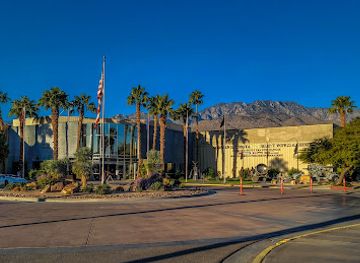
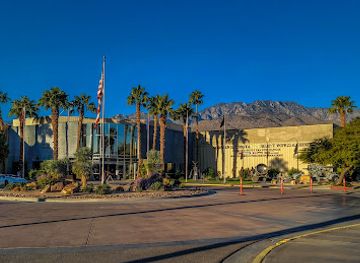
Palm Springs Art Museum
Explore modern & contemporary art, architecture, and Native American culture at the Palm Springs Art Museum, a cultural hub in the Coachella Valley.
10 min walk · 0.8 km from city centre



Best landmarks in Palm Springs
Palm Springs' landmarks express several different layers of place. The Agua Caliente Cultural Plaza in the downtown area foregrounds the history and continuing presence of the Agua Caliente Band of Cahuilla Indians, while Tahquitz Canyon and Indian Canyons are cultural landscapes as well as natural sites. Palm Springs City Hall, designed by Albert Frey with Robson Chambers, is a notable example of civic modernism, distinguished by its open composition and large hovering canopy. The Palm Springs Aerial Tramway is an important engineering landmark, carrying passengers from the desert floor towards the San Jacinto Mountains. The nearby Walk of the Stars records the city's long association with entertainment, while mid-century residences and hotels in Vista Las Palmas, the Movie Colony and the Tennis Club district form a broader architectural landmark landscape rather than one single monument.
-
Mountain cable car
Palm Springs Aerial Tramway
Experience breathtaking views and outdoor adventures at the Palm Springs Aerial Tramway, a unique mountain cable car attraction in Southern California.
19 min drive · 6.4 km from city centre
-
Museum
Palm Springs Air Museum
Discover the rich history of aviation at the Palm Springs Air Museum, showcasing vintage military aircraft in a stunning desert setting.
11 min drive · 3.7 km from city centre
-
Art museum
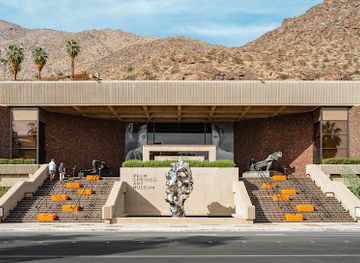
Palm Springs Art Museum
Discover the vibrant art scene at Palm Springs Art Museum, featuring contemporary and modern art in a stunning architectural setting.
10 min walk · 0.8 km from city centre
-
Hotel
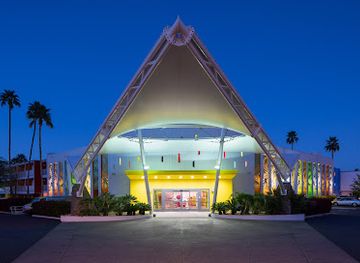
The Saguaro Palm Springs
Experience the vibrant charm of The Saguaro Palm Springs, a colorful hotel offering relaxation, adventure, and a taste of the desert lifestyle.
11 min drive · 3.6 km from city centre

Explore Palm Springs on the map
Plan your Palm Springs trip on one map. See where the top attractions, landmarks, restaurants, bars and hotels are, find what's near where you're staying, and book hotels and experiences in a few clicks.
Neighbourhoods in Palm Springs
-

-

-

-

-


Swipe for more neighbourhoods
Best hotels in Palm Springs
Best restaurants in Palm Springs
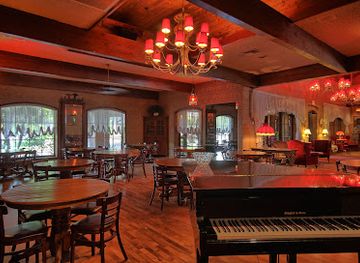
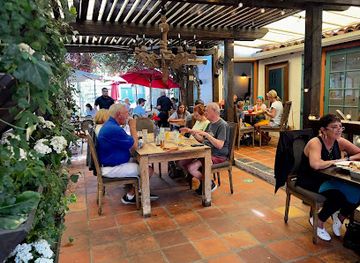
Palm Springs dining reflects Southern California's Mexican, Californian and desert-influenced traditions, with menus that make use of citrus, dates, local produce and other Coachella Valley ingredients. Date shakes are a long-associated regional speciality, while tacos, tamales and other Mexican dishes sit alongside contemporary Californian cooking, vegetarian food and international cuisines. Palm Canyon Drive and the downtown area contain much of the city's restaurant life, with additional cafés and eateries along the Uptown Design District and Arenas Road. Breakfasts, poolside dining and relaxed patios suit the resort setting, while independent coffee shops, bakeries and casual counters provide lighter options. Nearby valley agriculture has shaped the area's food culture, but Palm Springs dining is not limited to desert produce: its culinary character also comes from migration, tourism and the wider multicultural life of Southern California.
-
Breakfast
Elmer's Restaurant (Palm Springs, CA)
Discover Elmer's Restaurant in Palm Springs: A family-friendly diner renowned for its hearty breakfasts and brunches served in a warm atmosphere.
10 min drive · 3.3 km from city centre
-
American
Billy Reed's Palm Springs
Experience delightful American cuisine and freshly baked treats at Billy Reed's in Palm Springs – a must-visit culinary destination.
5 min drive · 1.7 km from city centre
-
Restaurant
Lulu California Bistro
Discover Lulu California Bistro in Palm Springs - where vibrant cuisine meets lively ambiance for an unforgettable dining experience.
13 min walk · 1.0 km from city centre
-
Provençal
Farm
Experience Provençal flavors at Farm in Downtown Palm Springs—where rustic charm meets culinary excellence.
11 min walk · 0.9 km from city centre

Best bars in Palm Springs
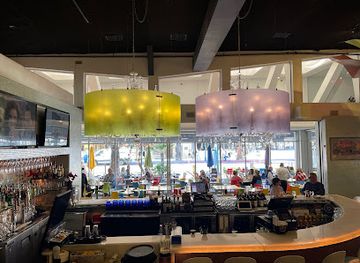
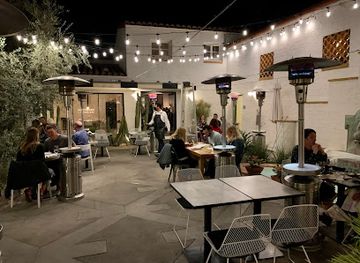
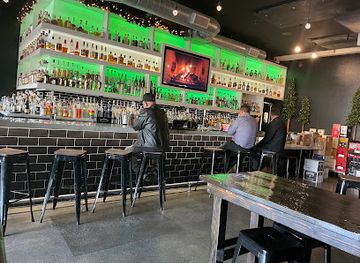
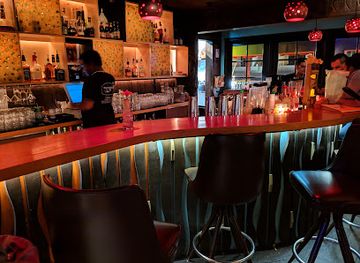
Palm Springs evenings centre on relaxed socialising rather than a single concentrated club scene. Palm Canyon Drive and downtown contain cocktail bars, hotel lounges, wine-focused venues and restaurants that remain active after dark, while Arenas Road is associated with LGBTQ+ bars, lounges and nightlife. The Uptown Design District adds polished hotel bars and intimate spaces suited to conversation, and live music, cabaret and seasonal performances appear at local venues and cultural institutions. Poolside settings are a characteristic part of the resort atmosphere, although desert temperatures can fall sharply after sunset in winter. The city has a welcoming, leisure-oriented night-time culture, but opening patterns and entertainment programmes vary, so evening plans should be checked locally rather than assumed.
-
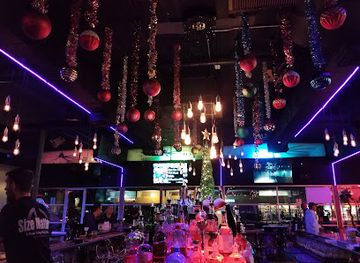
Grill
The Village Palm Springs
Experience the vibrant atmosphere of The Village Palm Springs, where delicious American cuisine meets exciting nightlife in the heart of Palm Springs.
14 min walk · 1.1 km from city centre
-
Bar
Workshop Kitchen & Bar
Discover the vibrant flavors and exquisite atmosphere at Workshop Kitchen & Bar in Palm Springs, where culinary innovation meets fine dining.
6 min walk · 0.4 km from city centre
-
Bar
Blackbook
Discover Blackbook, a vibrant bar and grill in Downtown Palm Springs, where delicious food, cocktails, and a relaxing atmosphere await you.
13 min walk · 1.0 km from city centre
-
Bar
The Tonga Hut Restaurant and Tiki Bar
Experience the vibrant flavors and enchanting atmosphere of The Tonga Hut, a premier tiki bar and restaurant in Palm Springs, California.
6 min walk · 0.5 km from city centre
Best nightclubs in Palm Springs
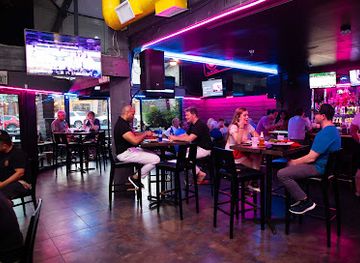
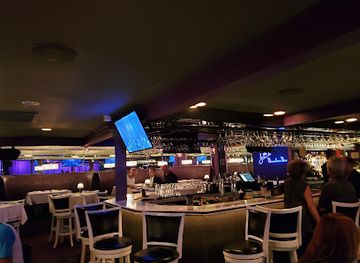
Palm Springs evenings centre on relaxed socialising rather than a single concentrated club scene. Palm Canyon Drive and downtown contain cocktail bars, hotel lounges, wine-focused venues and restaurants that remain active after dark, while Arenas Road is associated with LGBTQ+ bars, lounges and nightlife. The Uptown Design District adds polished hotel bars and intimate spaces suited to conversation, and live music, cabaret and seasonal performances appear at local venues and cultural institutions. Poolside settings are a characteristic part of the resort atmosphere, although desert temperatures can fall sharply after sunset in winter. The city has a welcoming, leisure-oriented night-time culture, but opening patterns and entertainment programmes vary, so evening plans should be checked locally rather than assumed.
-
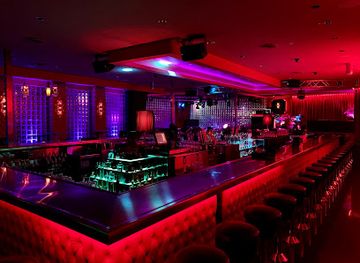
Musical club
Purple Room Supper Club
Discover the lively charm of the Purple Room Supper Club in Palm Springs, where exquisite dining meets unforgettable live entertainment.
11 min drive · 3.7 km from city centre
-
Gay bar
Hunters Palm Springs
Discover the lively atmosphere of Hunters Palm Springs, a vibrant gay bar and restaurant perfect for unforgettable nights out and delicious American cuisine.
12 min walk · 1.0 km from city centre
-
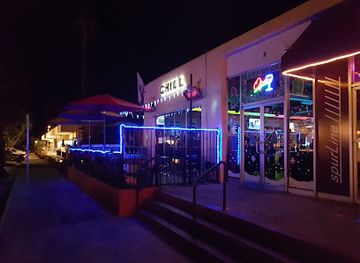
Night club
Chill Bar
Chill Bar: A lively night club and lounge in Downtown Palm Springs that embraces inclusivity and offers a fantastic nightlife experience.
13 min walk · 1.0 km from city centre
-
Night club
Copa Nightclub
Copa Nightclub: The ultimate nightlife experience in Palm Springs, featuring top DJs, live music, and a vibrant atmosphere to dance the night away.
5 min walk · 0.4 km from city centre
Best shops in Palm Springs
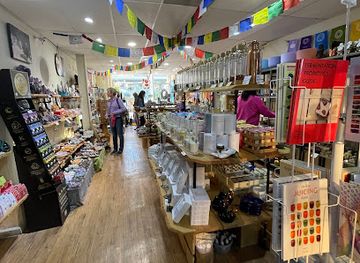
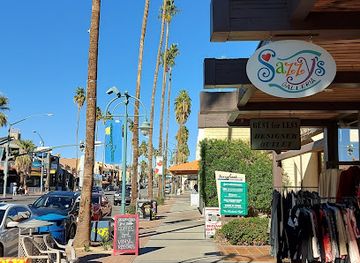
Shopping in Palm Springs combines independent design-led retail with resort clothing, art and desert-inspired goods. Palm Canyon Drive is the principal central shopping corridor, with galleries, clothing shops, jewellery, homeware and specialist stores, while the Uptown Design District is associated with furniture, interiors, vintage pieces and modernist style. The city also has boutiques and smaller retailers around Arenas Road and the downtown streets. Visitors may encounter locally made ceramics, artwork, textiles, decorative objects and products featuring desert plants or mid-century motifs, alongside California food products and date-based treats. Antique and vintage shopping reflects the area's architectural reputation, although the most distinctive finds are often tied to design rather than traditional souvenir production. Larger retail centres and specialist outlets are spread across the wider Coachella Valley rather than concentrated entirely in Palm Springs.
-
Shopping mall
The Springs
Discover The Springs, a vibrant shopping mall in Palm Springs, California, where retail therapy meets culinary delights and local entertainment.
16 min drive · 5.2 km from city centre
-
Gift shop
Earths Elements
Explore Earths Elements in Palm Springs: a unique gift shop blending art, jewelry, and local culture for an unforgettable shopping experience.
7 min walk · 0.6 km from city centre
-
Shopping mall
Main Street Palm Springs office
Experience the vibrant charm of Main Street Palm Springs, where shopping, dining, and culture come together in a stunning desert setting.
6 min walk · 0.5 km from city centre
-
Gift shop
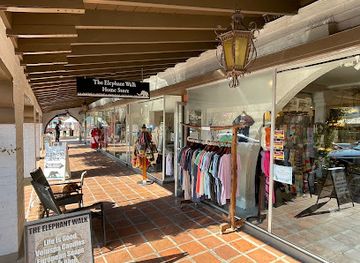
Elephant Walk Home Store
Discover unique gifts and local treasures at Elephant Walk Home Store in Downtown Palm Springs, a must-visit for every tourist.
11 min walk · 0.9 km from city centre
Get your free copy of our complete guide to Palm Springs, delivered straight to you.
Everything on this page, from attractions and restaurants to essentials and local phrases, in one PDF you can read offline, print or share.
Already have an account? Sign in
Your Palm Springs guide is ready.
We'll send it to · Not you? Sign out

Getting your guide ready…
We are putting together a fresh copy of the Palm Springs guide. This can take up to a minute.
This can take a few moments. If your browser asks, choose Allow so the download can start. You'll find the guide in your Downloads folder.
Nothing happened? Download it again
Sorry, the guide is taking longer than usual. Please try again in a minute, or get it by email instead.
Palm Springs essentials
Currency and Payment
Safety
Emergency Situations
Do's and Don'ts
Local Tips
From Eve
Local phrases worth knowing
You don't need to get them perfect. A few words go a long way, and locals appreciate the effort.
Basics
| English | Local | Say it |
|---|---|---|
| Hello | Howdy | [haw-dee] |
| Goodbye | Catch ya later | [ketch ya lay-ter] |
| Yes | Yep | [yep] |
| No | Nope | [nope] |
| Please/You're welcome | Sure thing | [shore thing] |
| Thank you | Thanks a bunch | [thanks uh bunch] |
| Excuse me/Sorry | Pardon me | [par-dun me] |
| How are you? | How's it hanging? | [hows it hangin] |
| Fine. And you? | Just peachy. How 'bout you? | [just pee-chee. How bout yoo] |
| Do you speak English? | Speak English? | [speek ing-lish] |
| I don't understand | I'm lost | [im lost] |
Eating & Drinking
| English | Local | Say it |
|---|---|---|
| I'd like to see the menu, please | Can I check out the menu? | [can eye chek out the men-yoo] |
| I don't eat meat | No meat for me | [no meet for mee] |
| Cheers! | Bottoms up! | [bot-ums up] |
| I would like to pay, please | Check, please | [chek, please] |
Emergencies
| English | Local | Say it |
|---|---|---|
| Help! | SOS! | [S-O-S] |
| Go away! | Scram! | [skram] |
| Call the Police! | Call the cops! | [call the cops] |
| Call a doctor! | Get me a doc! | [get mee uh doc] |
| I'm lost | I'm turned around | [im turned uh-round] |
| I'm ill | I'm under the weather | [im under the wed-der] |
Shopping
| English | Local | Say it |
|---|---|---|
| I'd like to buy... | I wanna buy... | [i wanna buy] |
| I'm just looking | Just browsing | [just brows-ing] |
| How much is it? | What's the damage? | [whats the dam-ij] |
| That's too expensive | That's a rip-off | [thats a rip-off] |
| Can you lower the price? | Can you give me a deal? | [can you give me uh deal] |
Time & Numbers
| English | Local | Say it |
|---|---|---|
| What time is it? | What's the time? | [whats the time] |
| It's one o'clock | It's one | [its one] |
| Half past (10) | Ten-thirty | [ten-thur-tee] |
| Morning | AM | [ay-em] |
| Afternoon | PM | [pee-em] |
| Evening | Night | [nite] |
| Yesterday | Yesterday | [yes-ter-day] |
| Today | Today | [to-day] |
| Tomorrow | Tomorrow | [to-mor-row] |
| 1 | One | [wun] |
| 2 | Two | [too] |
| 3 | Three | [three] |
| 4 | Four | [for] |
| 5 | Five | [five] |
| 6 | Six | [siks] |
| 7 | Seven | [sev-en] |
| 8 | Eight | [ate] |
| 9 | Nine | [nine] |
| 10 | Ten | [ten] |
Transport & Directions
| English | Local | Say it |
|---|---|---|
| Where's a/the...? | Where can I find...? | [where can eye find] |
| What's the address? | What's the street? | [whats the street] |
| Can you show me (on the map)? | Can you point it out (on the map)? | [can you point it out on the map] |
| When's the next (bus)? | When does the next one come? | [when duz the next one come] |
| A ticket (to ....) | One ticket (to ...) | [wun ticket to] |
History of Palm Springs
Cahuilla Homelands and Desert Water
The Palm Springs area lies within the traditional homeland of the Agua Caliente Band of Cahuilla Indians, whose ancestors developed sophisticated knowledge of the desert's water, plants and seasonal resources. Palm oases, springs and canyon environments supported settlement and travel in an otherwise arid landscape. Tahquitz Canyon and Indian Canyons preserve important evidence of this relationship with the land, while Cahuilla place names, stories and cultural practices remain central to the region's identity. The Agua Caliente reservation, established in 1876, includes checkerboard parcels around Palm Springs, a legacy of federal land policy that still shapes the city's geography.
Spanish and Mexican-Era Encounters
Spanish expeditions entered the Coachella Valley in the late eighteenth century, including the 1774 journey led by Juan Bautista de Anza, although the region remained primarily Cahuilla in population and cultural life. Following Mexican independence, the valley formed part of Alta California, and the areas around present-day Palm Springs continued to be understood through their springs, palms and mountain passes rather than as a major town. After the United States acquired California in 1848, new surveying, land policies and transport links gradually brought outside settlement and commercial interest to the desert.
Railways, Ranches and Early Tourism
The arrival of the Southern Pacific railway in the Coachella Valley during the 1870s made the desert more accessible and encouraged agriculture, ranching and trade. Palm Springs developed slowly as a settlement, but its springs and dry climate attracted health seekers and winter visitors. Hotels and sanatoria began to establish a resort economy in the early twentieth century, while the surrounding date-growing industry gave the wider valley a commercial identity. The town incorporated as Palm Springs in 1938, formalising a community whose growth increasingly depended on hospitality, leisure and seasonal migration.
Hollywood and the Resort Image
From the 1920s onwards, Palm Springs became associated with Hollywood, partly because its proximity to Los Angeles made it a convenient retreat for film-industry figures. Hotels, private villas, golf courses and country clubs expanded, and the city's reputation grew as a place for privacy, sunshine and restorative leisure. The presence of prominent visitors helped popularise Palm Springs nationally, but resort development also transformed land use and intensified questions about access, water and the relationship between the city and the Agua Caliente reservation.
The Mid-Century Modern Transformation
After the Second World War, architects including Richard Neutra, Albert Frey, Donald Wexler and E. Stewart Williams helped give Palm Springs its distinctive modernist appearance. Their work responded to the desert climate with shade, cross-ventilation, reflective surfaces, swimming pools and strong indoor-outdoor connections. Modernist houses, hotels, civic buildings and schools reflected the optimism of post-war California, while the city's resort economy continued to expand. Later preservation efforts and renewed interest in design have made this architectural period one of Palm Springs' defining cultural legacies.
Renewed Cultural Recognition
Late twentieth- and early twenty-first-century Palm Springs saw renewed attention to its architecture, Indigenous history and cultural institutions. Preservation campaigns helped protect significant modernist buildings, while the Palm Springs Art Museum expanded its role in presenting modern and contemporary art, architecture and design. The Agua Caliente Cultural Plaza and related projects have increased public recognition of Cahuilla heritage in the city centre. Today, tourism remains important, but Palm Springs is also a permanent community whose identity is shaped by Indigenous continuity, architectural conservation, desert environmental pressures and changing patterns of Southern California life.
Palm Springs in Photos
Browse through our photo collection highlighting the charm and character of the destination.
Cities near Palm Springs
The closest cities to Palm Springs, if you have time for more than one stop.
-

-

-

-

-


Swipe for more cities
Explore more
Explore more of California
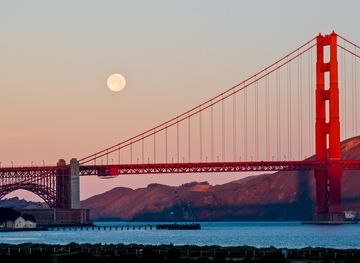
Discover California: A land of diverse landscapes, iconic cities, and endless adventures, from sun-soaked beaches to towering redwoods and vibrant cultural experiences.
Explore California